What Pain Relief a Stiff Munchkin Can Take
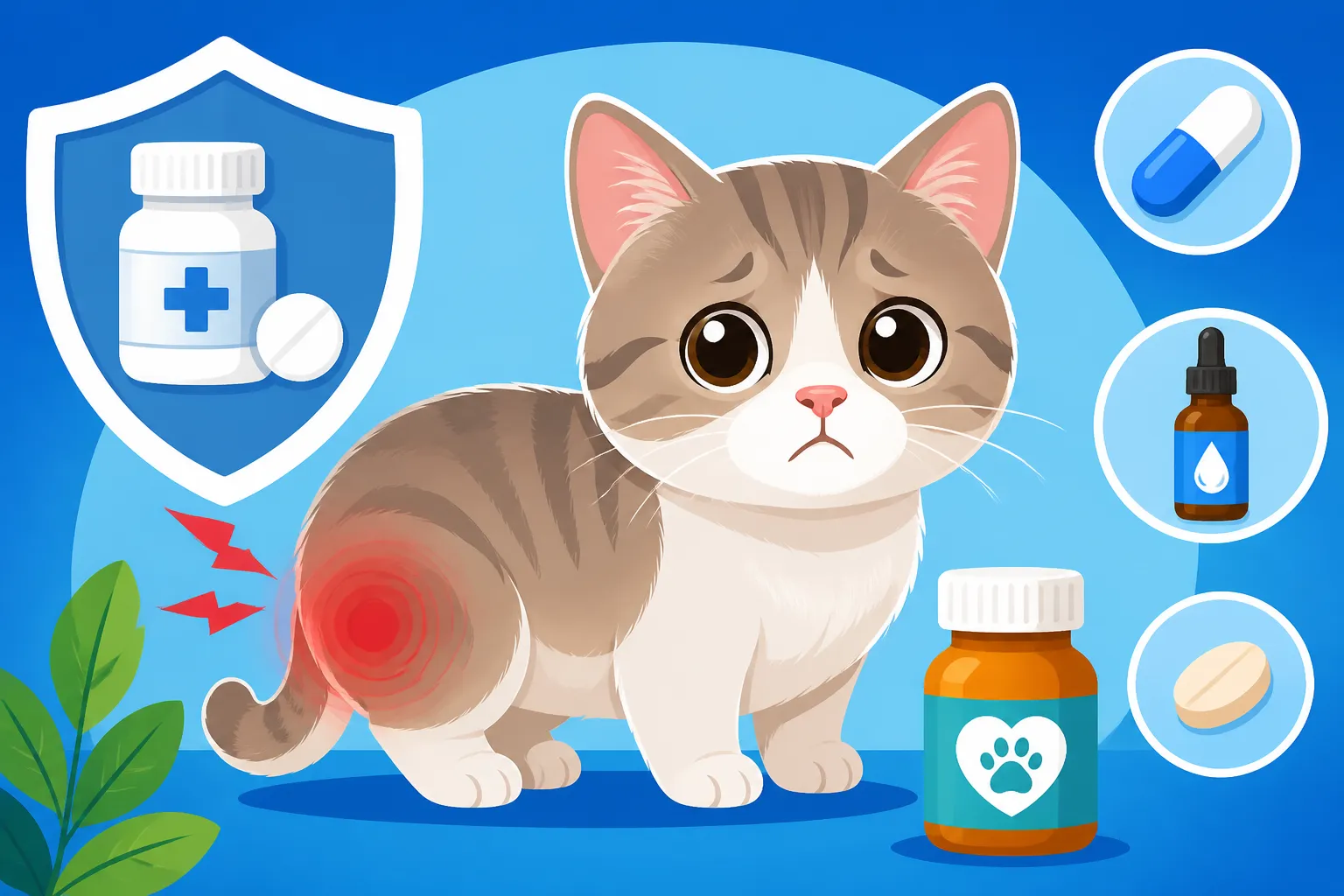
It's incredibly distressing to see our beloved Munchkin cats start to slow down, struggle with jumps they once made easily, or even show signs of stiffness when they try to get comfortable. That tell-tale hesitation, the slightly altered gait, or the reluctance to engage in their usual playful antics can be a clear sign that they're experiencing discomfort or pain. This guide is here to walk you through understanding why your short-legged companion might be stiff and, more importantly, the various pain relief options available to help them live a more comfortable, joyful life.
Understanding Stiffness in Munchkin Cats
Watching your Munchkin struggle with what seems like stiffness can be heartbreaking, especially when you know their unique anatomy might play a role. Their adorable short legs, while endearing, mean their spine and joints carry a different load than a long-legged cat, and this can lead to particular challenges as they age or if they experience an injury.
Common Causes of Joint and Spinal Discomfort
The primary culprit behind stiffness in many cats, including Munchkins, is often osteoarthritis. This degenerative joint disease can affect any joint, but in Munchkins, particular attention is often paid to their shoulders, elbows, and hips due to the way their short limbs articulate and bear weight. It’s a progressive condition where the cartilage cushioning the joints wears down, leading to bone-on-bone friction, inflammation, and pain. You might notice your Munchkin becoming less eager to play or jump, or perhaps their "prairie dog sit" isn't as sustained as it once was.
Beyond general arthritis, Munchkins can also be predisposed to certain spinal issues. While their spine itself is typically of normal length, the short legs mean it's closer to the ground, and any excessive strain or genetic predisposition can be problematic. Conditions like lordosis, a curving of the spine that can put pressure on internal organs, can also contribute to discomfort and stiffness. It's vital for a vet to accurately diagnose the source of the stiffness, as treatment will vary significantly. Early detection of issues like how early Lordosis shows in a Munchkin kitten is crucial for managing its progression.
Recognizing the Signs Your Munchkin Is in Pain
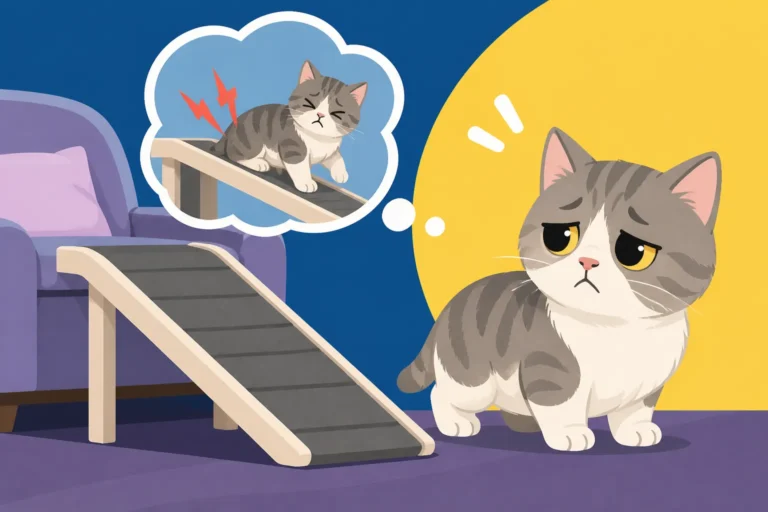
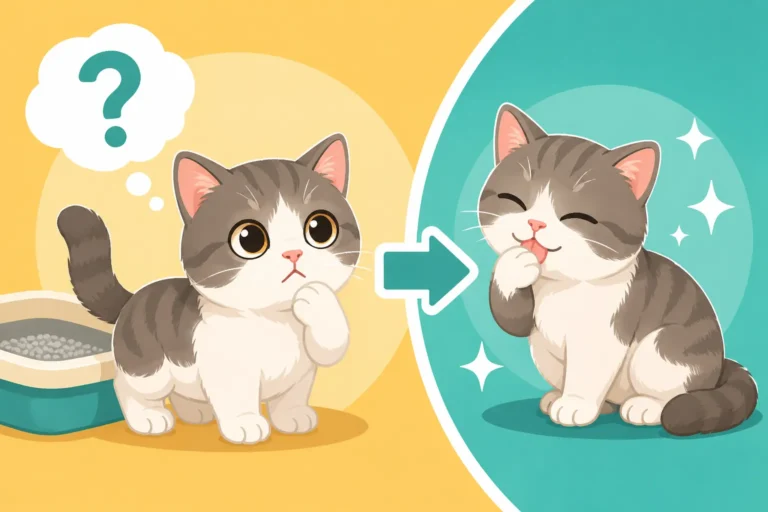
Cats are masters at hiding pain, a survival instinct that makes it tough for us owners to tell when something is truly wrong. However, there are subtle signs to look for. Stiffness might manifest as a reluctance to jump onto furniture they previously accessed easily, or you might notice them using furniture as a "staircase" more often, taking multiple steps rather than one leap. A change in their gait, such as walking more slowly or with a slight limp, especially after resting, is a strong indicator. They might also become less active, play less, or even show changes in grooming habits, struggling to reach certain areas, particularly their hindquarters.
Other signs can include irritability when touched, withdrawal from social interaction, changes in appetite, or even subtle changes in their litter box habits if entry or exit becomes painful. Sometimes, a stiff Munchkin might even start to avoid using their litter box if it's too high to step into comfortably. If you notice your Munchkin becoming withdrawn or acting differently, it’s always best to consult your veterinarian promptly. Early intervention can make a huge difference in managing their comfort and quality of life. Understanding how arthritis shows in a Munchkin's front legs can help you pinpoint specific areas of discomfort.
Veterinary-Prescribed Pain Management Options
When your Munchkin is showing signs of stiffness or pain, your vet is your most important partner. They can accurately diagnose the issue and create a tailored pain management plan. Self-medicating your cat is incredibly dangerous, as many human pain relievers are toxic to felines.
Non-Steroidal Anti-Inflammatory Drugs NSAIDs
NSAIDs are often the first line of defense for managing chronic pain and inflammation, particularly in cases of osteoarthritis. These medications work by reducing inflammation, which in turn alleviates pain. Common veterinary-approved NSAIDs for cats include meloxicam (Metacam) and robenacoxib (Onsior). Your vet will determine the appropriate dosage and frequency based on your Munchkin's weight, overall health, and the severity of their pain.
It's absolutely critical to follow your vet's instructions precisely, as NSAIDs can have side effects, especially affecting the kidneys, liver, and gastrointestinal tract. Regular blood work is usually recommended to monitor these organs, particularly if your Munchkin is on long-term treatment. Always ensure your cat has access to fresh water, as hydration is important when on these medications. Discussing which blood values matter most in a Munchkin with your vet can help you stay informed about their health during treatment.
Other Prescription Medications
Sometimes, NSAIDs alone aren't enough, or they might not be suitable for your Munchkin due to other health conditions. In these cases, your vet might consider other prescription pain medications.
- Gabapentin: This medication is often used for neuropathic pain (nerve pain) but also acts as an excellent adjunctive pain reliever and can help with anxiety, which can be a factor when a cat is in pain. It can make cats a bit drowsy initially, so dosage starts low and is gradually increased.
- Tramadol: While its efficacy in cats is debated by some veterinarians, tramadol is an opioid-like medication that can be used for moderate to severe pain. It's often prescribed in conjunction with other pain medications.
- Amantadine: This drug is sometimes added to a pain management plan for chronic pain, especially when other medications aren't fully effective. It works by targeting a different pain pathway in the nervous system.
- Corticosteroids: In specific cases, such as severe acute inflammation or certain immune-mediated conditions, corticosteroids might be prescribed. However, long-term use is typically avoided due to significant side effects.
Your vet will carefully assess your Munchkin's individual needs and health history to determine the best combination of medications. It's about finding the right balance to manage pain while minimizing risks. If you're considering pet insurance, companies like Healthy Paws can sometimes help with the costs of these ongoing prescription medications and veterinary visits. Understanding whether pet insurance covers a Munchkin's spine is a good idea when planning for long-term care.
Complementary Therapies and Home Support
Beyond medication, a holistic approach that includes complementary therapies and smart home modifications can significantly improve your Munchkin's comfort and mobility. These strategies support their overall well-being and can sometimes reduce the need for higher doses of medication.
Joint Supplements and Nutritional Support
Many owners turn to joint supplements, and for good reason. Ingredients like glucosamine, chondroitin, and omega-3 fatty acids are thought to support joint health, reduce inflammation, and help maintain cartilage integrity. Brands like Cosequin and Dasuquin are commonly recommended by veterinarians. These aren't typically fast-acting pain relievers but rather work over time to improve joint function and may slow the progression of osteoarthritis.
Omega-3 fatty acids, often found in fish oil, are powerful natural anti-inflammatories. Your vet can advise on the correct dosage and quality of supplement for your Munchkin. Beyond supplements, ensuring your Munchkin maintains a healthy weight is paramount. Every extra pound places immense strain on their already delicate joints and spine. Why weight is more dangerous on a Munchkin is something every owner needs to understand, as even a small amount of excess weight can exacerbate pain. Your vet can help you determine what a Munchkin should weigh at its frame and recommend a joint-friendly diet.
Environmental Modifications and Physical Therapy
Making your home Munchkin-friendly is probably one of the most impactful things you can do to reduce strain and pain. Think about their short legs: every jump up or down puts stress on their joints. Providing ramps or steps for access to favorite sleeping spots like sofas and beds is non-negotiable. These simple modifications can drastically reduce the impact on their joints, especially their shoulders and elbows, which take the brunt of landings. You can learn more about how to set up ramps around a Munchkin's house to ensure they can navigate their environment safely.
Soft, comfortable bedding can also ease pressure on aching joints. Consider orthopedic beds that provide extra support. For some Munchkins, gentle physical therapy, as guided by a certified veterinary physiotherapist, can be incredibly beneficial. This might include passive range of motion exercises, gentle massage, or even hydrotherapy. These therapies can improve muscle strength, flexibility, and overall mobility, helping a stiff Munchkin move more freely. Many Munchkin owners find that maintaining gentle activity helps to keep their cats moving safely as they age.
Other Holistic Approaches
Beyond the more conventional therapies, some owners explore other holistic treatments in consultation with their vet. Acupuncture, for instance, has been used to manage chronic pain in animals. It involves inserting thin needles into specific points on the body to stimulate nerve function and release natural pain-relieving substances. While not universally accepted, some pet owners report positive results.
Laser therapy (low-level laser therapy) is another option that can help reduce inflammation and promote healing at a cellular level, often used for conditions like arthritis or soft tissue injuries. Always discuss these options thoroughly with your veterinarian to ensure they are appropriate and safe for your individual Munchkin. Healthy Paws, and similar pet insurance providers, might cover these alternative therapies if they are recommended and administered by a licensed veterinarian.
The Importance of a Tailored Approach
Every Munchkin is an individual, and what works for one may not work for another. A successful pain management plan is always a dynamic, tailored approach, continually monitored and adjusted in partnership with your veterinarian. It’s about careful observation, open communication, and a commitment to your cat's well-being.
Working Closely With Your Veterinarian
Your vet is your primary resource for managing your Munchkin's pain. They can conduct thorough examinations, including X-rays or other diagnostics, to pinpoint the exact cause of stiffness. Regular follow-up appointments are crucial to assess the effectiveness of pain relief, monitor for side effects, and make any necessary adjustments to medication dosages or therapy plans. Don't hesitate to keep a journal of your Munchkin's activity levels, appetite, and any signs of discomfort to share with your vet; this information is invaluable in crafting the best care plan. This ongoing dialogue ensures that your Munchkin receives the most appropriate and up-to-date care, particularly when considering what pain relief a stiff Munchkin can take.
Monitoring Progress and Adjusting Treatment
Pain management is rarely a "set it and forget it" process. What starts effectively might need tweaking over time. For example, if your Munchkin shows signs of whether a Munchkin gets arthritis earlier, their treatment plan will likely evolve as they age. Your role as an owner is to be a keen observer. Is your cat moving more freely? Are they engaging in play again? Have their grooming habits improved? Any changes, positive or negative, should be noted and discussed with your vet.
It's also important to remember that pain can fluctuate. There might be good days and bad days. Knowing when to increase comfort measures, or when to schedule an extra vet check, is part of managing chronic conditions. This ongoing assessment is key to maintaining your Munchkin's quality of life and ensuring they remain as comfortable and happy as possible for their twelve to fifteen years a Munchkin usually gets.
| Pain Relief Category | Examples | How It Helps | Considerations for Munchkins |
|---|---|---|---|
| NSAIDs | Meloxicam, Robenacoxib | Reduces inflammation and pain | Vet prescription only; monitor kidney/liver; precise dosing critical for their size. |
| Adjunctive Meds | Gabapentin, Amantadine | Targets nerve pain, modulates chronic pain, reduces anxiety | Often used with NSAIDs; may cause drowsiness; vet prescription. |
| Joint Supplements | Glucosamine, Chondroitin, Omega-3s | Supports cartilage, reduces inflammation naturally | Not fast-acting; consistent use for best results; vet-recommended brands are best. Which joint supplements suit a Munchkin is a great topic to discuss with your vet. |
| Environmental | Ramps, steps, orthopedic beds | Reduces jumping strain, provides cushioned rest | Crucial for joint preservation; improves accessibility to favorite spots. |
| Weight Management | Controlled diet, regular activity | Lessens load on joints and spine | Absolutely essential; even small weight loss makes a huge difference. How to score a Munchkin's body condition is a skill worth learning. |
| Physical Therapy | Hydrotherapy, massage, exercises | Improves mobility, strengthens muscles, reduces stiffness | Must be vet-guided; can be very effective for chronic issues. What physiotherapy for a stiff Munchkin costs can be a factor, but the benefits are often invaluable. |
| Holistic/Alternative | Acupuncture, Laser Therapy | Reduces pain, inflammation, promotes healing | Discuss with vet; may be covered by some pet insurance plans (e.g., Healthy Paws) if vet-recommended. |
Disclaimer
This article is for general informational purposes only and does not constitute professional advice. Laws, prices and regulations vary by location and change over time. Consult a qualified professional for guidance on your specific situation.