Whether a Munchkin Can Clean Itself After the Litter Box
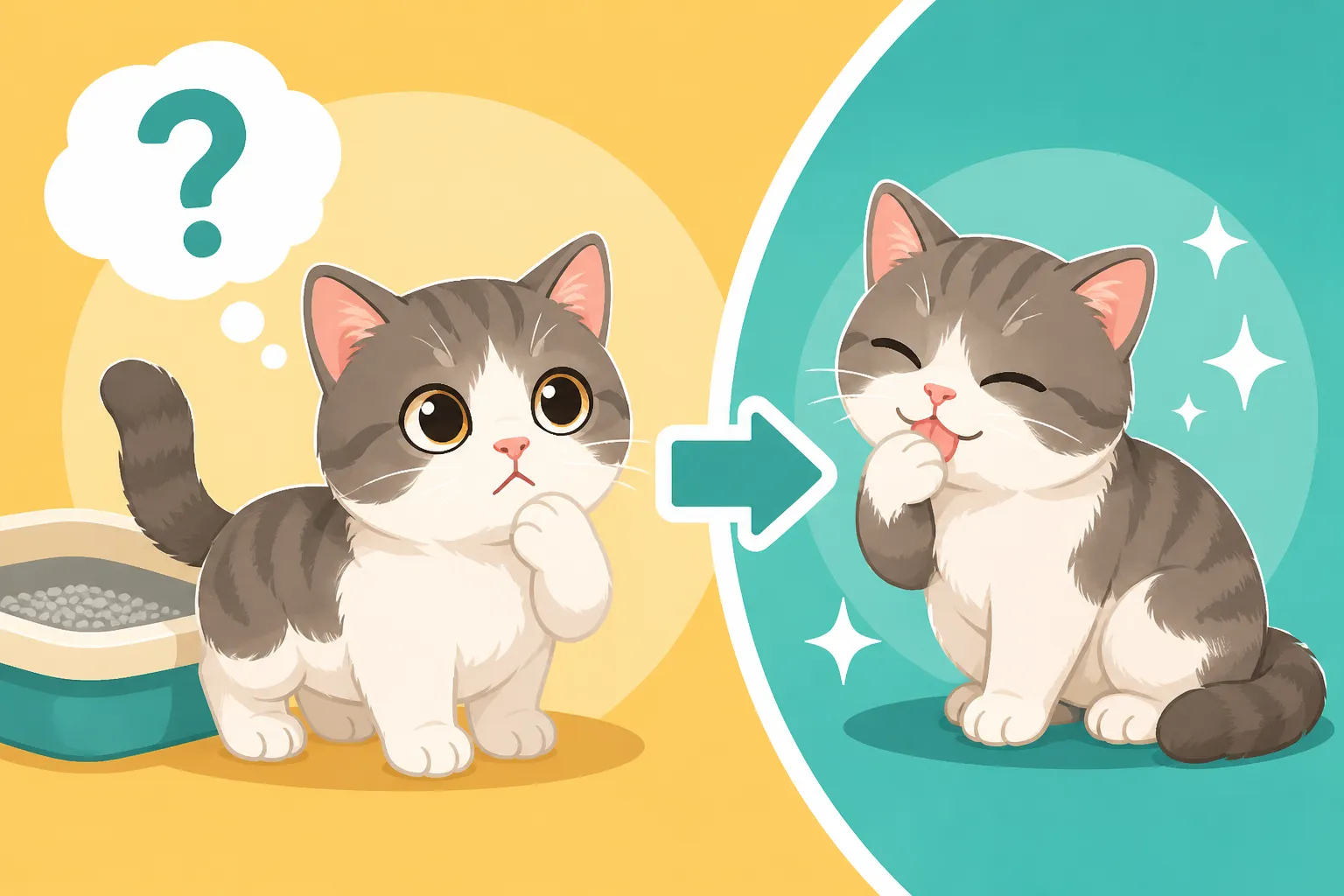
It's a common, unspoken worry for many Munchkin cat parents: "Can my adorable, short-legged companion actually keep themselves clean, especially after a trip to the litter box?" You see their little bodies, so close to the ground, and you can't help but wonder if they're struggling with tasks that come so naturally to other cats. This guide will delve deep into the unique challenges Munchkins face with post-litter box hygiene and, more importantly, equip you with practical strategies to ensure your beloved feline stays clean, comfortable, and healthy.
The Unique Challenges of Munchkin Anatomy
Let's be real, a Munchkin cat's defining feature—those wonderfully short legs—is also the source of some unique grooming predicaments. While these cats are otherwise perfectly normal in their feline behaviors, their physical structure imposes some very real limitations when it comes to self-cleaning, particularly around the rear end after using the litter box. It’s not that they don’t want to be clean; it’s that their bodies simply aren’t built for it as efficiently as a long-legged cat.
How Leg Length Affects Reach and Flexibility
Imagine trying to scratch your own back in the middle, or reach a stubborn spot on your lower calf, if your arms and legs were significantly shorter. That’s a bit like what a Munchkin experiences when trying to perform a thorough cleaning after doing their business. Their short front and hind legs mean their flexibility and reach are severely compromised. They simply cannot twist and contort their bodies in the same way a standard-legged cat can to reach the perineal area, the base of the tail, or the fur around their hindquarters.
This isn't just an inconvenience; it's a physical barrier. Their short limbs mean they can't effectively leverage their bodies to reach every nook and cranny. While a regular cat can effortlessly fold themselves into a pretzel to lick and groom every inch, a Munchkin might only be able to reach the very top of their hind legs or a portion of their tail. The areas directly surrounding the anus and under the tail often remain untouched, making them prime spots for fecal residue accumulation. It's a genuine frustration, not just for the cat, but for the owner who sees them struggling to maintain basic hygiene.
Body Conformation and Belly Drag
Beyond just leg length, a Munchkin's overall body conformation plays a significant role. While their legs are short, their body length is usually comparable to that of a standard domestic cat. This means their belly often sits incredibly low to the ground – or, as some loving owners put it, their "tummy nearly touches the floor." This low-slung carriage, coupled with the usual curve of a cat's abdomen, creates a scenario where their belly fur and hindquarters are constantly in close contact with the ground, and unfortunately, with the litter itself.
When a Munchkin steps out of the litter box, especially if they’ve been digging or if the litter is fine-grained, their low belly is prone to picking up particles. Think about how a Roomba vacuums: it gets very close to the floor. A Munchkin’s belly acts similarly, sweeping up litter as they move. This also means that if any fecal matter is stuck to their fur, or if they have a loose stool, it's very easy for that to transfer to their belly fur as they walk away. This phenomenon, often called "belly drag," makes it incredibly difficult for them to stay clean, and it significantly increases the likelihood of needing owner intervention. This is also a critical reason why understanding Why a Munchkin's Belly Nearly Touches the Floor is so important for their daily care.
Consequences of Inadequate Self-Grooming
When a Munchkin cat can't properly clean itself after using the litter box, it's not just an aesthetic issue. It can lead to a host of uncomfortable and potentially serious health problems that require careful attention from their human companions. Ignoring these hygiene issues can quickly turn a minor inconvenience into a chronic health concern, which no pet parent wants for their furry friend.
Matting and Skin Irritation
One of the most immediate and visible consequences of poor self-grooming is the development of mats, particularly in the fur around the hindquarters, under the tail, and on the belly. Fecal matter, urine, and even just dampness from the litter box can get trapped in the fur. Over time, this wet, sticky residue dries and causes the fur to clump and tangle tightly. For long-haired Munchkins, this problem is exacerbated, but even short-haired ones are susceptible to matting in these sensitive areas.
These mats aren't just unsightly; they pull on the skin, causing significant discomfort and even pain for the cat. More dangerously, they create a perfect breeding ground for bacteria and yeast. The skin beneath these matted areas becomes irritated, inflamed, and can develop painful conditions like urine scald or dermatitis. It's a vicious cycle: the cat is uncomfortable, which might make them even less inclined to try to groom, further worsening the matting and irritation. This highlights why owners need to be proactive, as Whether Matting Becomes a Health Problem in a Munchkin is a serious consideration.
Risk of Infections and Other Health Issues
Beyond superficial skin irritation, the accumulation of waste products and bacteria in ungroomed areas can lead to more severe infections. Urinary tract infections (UTIs) can occur if bacteria from fecal matter travels up the urethra, especially in female cats. Anal gland issues are also more common. When the fur around the anus is matted and dirty, it can obstruct the natural expression of the anal glands, leading to impaction, inflammation, and potential infection. This is painful for the cat and often requires veterinary intervention to resolve.
In severe cases, persistent skin infections can lead to open sores, abscesses, and widespread dermatitis. These conditions often necessitate antibiotics, anti-inflammatory medications, and sometimes even sedation for thorough cleaning and shaving of the affected areas. Such health issues not only cause distress to your Munchkin but can also become costly to treat. Having a robust pet insurance plan, such as those offered by Healthy Paws, can provide considerable peace of mind, helping to cover these unexpected vet expenses and ensuring your cat receives timely care without financial strain.
Odor and Household Hygiene
Let’s be honest: a cat that can't clean itself properly will inevitably start to smell. Fecal residue, urine, and bacterial growth on their fur contribute to a persistent, unpleasant odor that can permeate your home. This isn't just about the cat's personal hygiene; it affects the overall cleanliness of your living environment. A Munchkin carrying dried fecal matter on its hindquarters or belly will inevitably track it through your house, onto furniture, carpets, and even your bed.
This creates a less sanitary home environment and can be a source of frustration for owners who pride themselves on a clean household. It also means more frequent cleaning and disinfecting of surfaces, which adds to the workload of pet ownership. Ultimately, addressing the Munchkin's grooming challenges directly is not only for their health and comfort but also for maintaining a pleasant and hygienic home for everyone.
Essential Owner Interventions for Post-Litter Box Hygiene
Given the anatomical realities, it becomes clear that Munchkin cat owners must take an active role in their pet's hygiene, especially after litter box use. This isn't optional; it's a fundamental part of responsible Munchkin ownership. The good news is that with a bit of dedication and the right tools, you can keep your furry friend spotless and comfortable.
Choosing the Right Litter Box and Litter Type
The journey to better post-litter box hygiene starts even before your Munchkin uses the box. The type of litter box and the kind of litter you choose can significantly reduce the amount of mess they track out and the residue that sticks to their fur.
Firstly, opt for a litter box with a very low entry point. Traditional high-sided boxes, or even many standard models, can be a challenge for a Munchkin's short legs to navigate gracefully. They may have to "hop" or "climb" in, increasing the chance of their low belly brushing against the sides or spilling litter. A senior cat litter box is often an excellent choice, as these are designed with accessibility in mind. You want a box that your Munchkin can literally walk into without effort. This not only minimizes accidental contact with soiled litter upon entry but also makes exit cleaner. It's truly about finding Which Litter Box a Munchkin Can Actually Enter with ease.
Secondly, the type of litter is crucial. Fine-grained clumping litters, while popular, can be notoriously sticky and easily cling to a Munchkin's low-slung belly fur. Consider switching to a larger granule litter, pine pellets, or even crystal litter. These types are less likely to adhere to fur and are generally less dusty. While "tracking" might still occur, the particles are usually larger and easier to clean up, and they're less likely to get embedded in the sensitive fur around your cat's rear. Understanding Which Litter Sticks to a Munchkin's Belly can save you a lot of clean-up time and discomfort for your cat. Ensure you keep the litter very clean; scoop frequently, ideally after every use, to minimize the chance of your cat stepping in or dragging its belly through soiled areas.
Here's a quick comparison of litter types for Munchkins:
| Litter Type | Pros for Munchkins | Cons for Munchkins |
|---|---|---|
| Fine-Grained Clay | Excellent clumping, widely available, soft on paws. | Very high risk of sticking to fur, easily tracked, can cause respiratory issues due to dust. |
| Pellet (Pine/Paper) | Low dust, less tracking, larger particles less likely to stick to fur. | Less effective clumping, can become mushy when wet, some cats dislike texture. |
| Crystal/Silica Gel | Excellent odor control, low dust, less tracking, doesn't stick to fur easily. | Can be sharp on paws, expensive, not all cats prefer the texture, can be ingested (ensure non-toxic type). |
| Larger Granule Clay | Better clumping than pellets, less sticky than fine clay, moderate tracking. | Still some tracking, can be heavy. |
Daily Spot Cleaning Routine
This is where your direct involvement becomes indispensable. A daily, or even twice-daily, spot cleaning routine for your Munchkin's hindquarters is absolutely essential. Don't wait until you see visible mats or smell an odor; make it a proactive habit.
Keep a supply of cat-safe grooming wipes or a damp, warm cloth readily available near the litter box. After your Munchkin uses the box, gently pick them up and check their rear end. If you see any fecal residue or sticky litter, carefully wipe it away. Always wipe away from the genitals to prevent urinary tract infections. Be thorough but gentle, especially if the area is already irritated. For stubborn bits, a slightly damp cloth with a tiny bit of cat-safe shampoo (like an oatmeal-based one) can be used, followed by a dry wipe.
This routine also provides an excellent opportunity to perform a quick check for any redness, irritation, or early signs of matting. Catching these issues early can prevent them from escalating into more serious problems. It might seem like a chore at first, but most cats quickly get used to this routine, especially if you make it a positive experience with treats and praise. This is part of What a Munchkin Cannot Reach to Groom and directly impacts their comfort.
Professional Grooming and Sanitary Clips
For many Munchkins, especially those with longer fur or those who are particularly prone to getting messy, professional grooming can be a lifesaver. A regular sanitary clip (also known as a hygiene trim or a "Munchkin trim") involves carefully trimming the fur around the anus and hindquarters short. This greatly reduces the surface area available for fecal matter or litter to cling to, making your cat's self-cleaning efforts (and your spot cleaning efforts) much more effective.
A professional groomer has the expertise and specialized tools to perform these clips safely and efficiently, minimizing stress for your cat. They can also address any existing mats and provide advice on at-home maintenance. For long-haired Munchkins, this might be needed every 4-6 weeks, while short-haired cats might benefit every 2-3 months, or as needed. Don't hesitate to ask your groomer Whether a Munchkin Needs a Sanitary Clip and how often they recommend it. Regular grooming not only ensures hygiene but also helps you monitor your cat's skin health. Many vets recommend regular check-ups, and having coverage from a provider like Healthy Paws can help manage the costs of any dermatological issues that might arise despite your best efforts.
Preventative Measures and Long-Term Care
Beyond immediate interventions, integrating preventative measures and a long-term care strategy into your Munchkin's routine is crucial for ensuring their sustained hygiene and overall well-being. These considerations help mitigate the challenges posed by their unique anatomy, making life easier for both you and your cat.
Weight Management for Easier Grooming
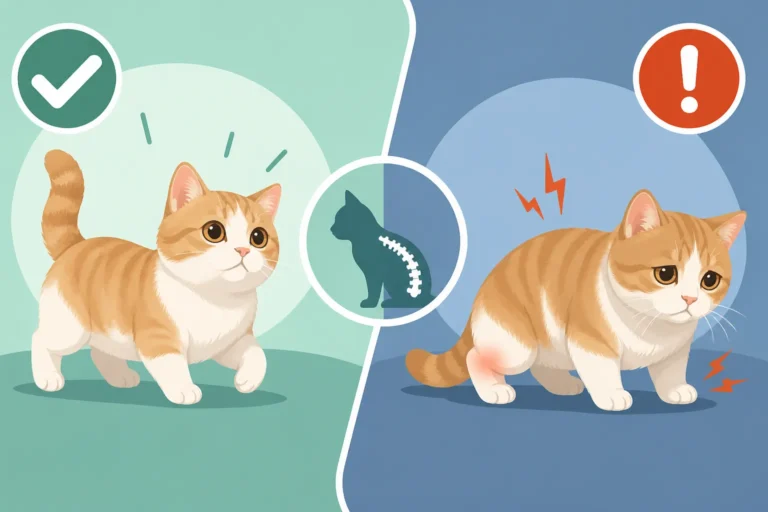
Maintaining a healthy weight is paramount for a Munchkin cat. Because their short legs already place additional strain on their joints, and their low bodies are prone to belly drag, any excess weight significantly compounds their grooming difficulties. An overweight Munchkin will have an even harder time twisting and reaching to clean themselves, and their larger abdomen will make more contact with the litter box, increasing the likelihood of getting dirty. Moreover, excess weight puts undue stress on their spine and joints, potentially leading to pain and reduced mobility, which further hinders their ability to groom. This is why Why an Overweight Munchkin Is in Real Trouble is not just a concern for general health, but specifically for their grooming.
Work closely with your veterinarian to determine the ideal weight for your individual Munchkin and develop a feeding plan. Feed measured portions of high-quality cat food, and avoid free-feeding, which can easily lead to overconsumption. Regular play and enrichment, while adapted to their physical capabilities (think floor-level games rather than high jumps), will help them stay active and maintain muscle tone. Keeping your Munchkin at a healthy weight is one of the most impactful things you can do to support their ability to keep themselves clean and comfortable. Knowing What a Munchkin Should Weigh at Its Frame is key.
Dietary Considerations for Digestive Health
A healthy digestive system is foundational to good hygiene. Cats with chronic diarrhea or frequently loose stools will naturally have a much harder time keeping clean, regardless of leg length. This issue is intensified for Munchkins due to their anatomical limitations. If your Munchkin frequently experiences digestive upset, it’s essential to consult your veterinarian to identify the cause and implement appropriate dietary adjustments.
This might involve special veterinary diets designed for sensitive stomachs, probiotics, or eliminating certain ingredients from their food. A high-quality diet that promotes firm, well-formed stools will significantly reduce the amount of fecal matter that can stick to their fur, making your cleaning routine much more manageable. Ensure they always have access to fresh water to support overall health and digestive function. While Healthy Paws focuses on insurance, a proactive approach to diet can prevent many issues that an insurance policy might otherwise cover, such as recurring skin infections or GI problems.
Regular Vet Check-ups and Monitoring
Even with the most diligent at-home care, regular veterinary check-ups are crucial for your Munchkin's long-term health and hygiene. Your vet can perform thorough physical examinations, checking for any signs of skin irritation, matting, or anal gland issues that you might have missed. They can also assess your cat's mobility and joint health, which directly impacts their ability to groom. For example, a vet might note if your Munchkin's gait looks painful or stiff, which could impede their self-grooming. This is why Why a Munchkin's Annual Visit Includes Its Gait is such an important part of their routine care.
As Munchkins age, they may develop conditions like arthritis, which can make self-grooming even more challenging. Your vet can recommend appropriate joint supplements, pain management strategies, or even physical therapy to help maintain their flexibility and comfort. Early detection and intervention for any health issue, particularly those affecting mobility or skin, are vital. A comprehensive pet insurance plan from a company like Healthy Paws can be incredibly beneficial here, providing financial assistance for these routine check-ups, diagnostic tests, and any necessary treatments, ensuring your Munchkin receives the best possible care throughout their life. Regular grooming and monitoring are key to helping your Munchkin cope with What an Old Munchkin Stops Being Able to Do as they age.
Disclaimer
As a responsible pet owner, always consult with a qualified veterinarian for any health concerns or before making any significant changes to your pet's diet or care routine. The information provided in this guide is for educational purposes only and should not be considered a substitute for professional veterinary advice.