Why a Munchkin’s Belly Fur Needs Checking
One of the lesser-talked-about, yet incredibly vital, aspects of caring for our adorable short-legged Munchkin companions is the constant vigilance needed for their belly fur. Because their unique physique places their underside so close to the ground, they face a specific set of challenges that can lead to health problems if not regularly addressed. This guide will walk you through exactly why your Munchkin's belly needs consistent checking and how to keep them healthy and comfortable.
The Unique Challenges of a Munchkin's Low Stance
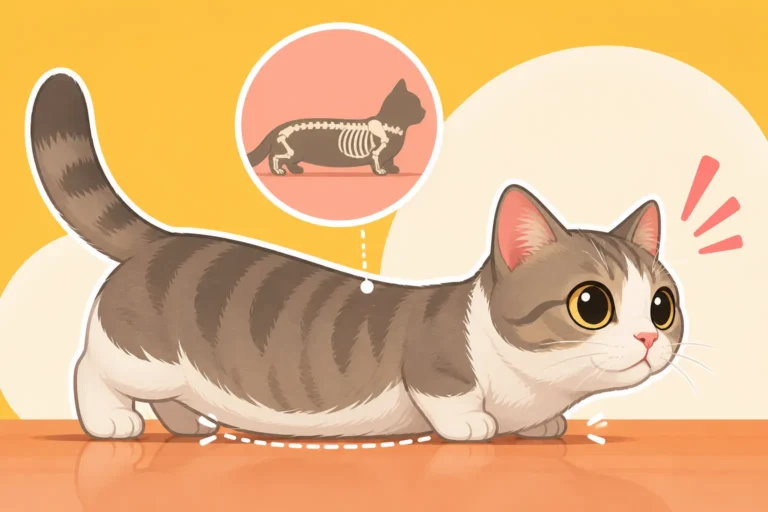
It’s no secret that Munchkins are defined by their wonderfully short legs, a genetic trait that makes them undeniably cute and gives them that characteristic low-rider profile. But what often goes unconsidered is how this physical attribute impacts their daily life, particularly when it comes to their hygiene and the condition of their belly fur. Their entire undercarriage, from chest to hindquarters, rides significantly closer to the ground than that of a standard-legged cat, and this has profound implications for grooming and health.
Why Their Belly is So Close to the Ground
The defining characteristic of a Munchkin cat is their inherited pseudoachondroplasia, which results in significantly shortened long bones in their legs. While their spine remains a normal length, their shortened limbs bring their entire body, especially their belly, much closer to the floor. Imagine a regular cat walking around with its full body clearance, then picture that same body suspended just a few inches from whatever surface it's traversing. That’s the reality for a Munchkin. Their chest and abdomen are perpetually in close contact with carpets, hard floors, litter, and whatever else might be found at floor level. This isn't just a quirky visual; it's a fundamental aspect of their anatomy that directly influences their care requirements. If you've ever wondered about the specifics of their build, you might find it interesting to delve into Why a Munchkin's Belly Nearly Touches the Floor.
How a Low Belly Collects Debris and Moisture
Because their belly literally sweeps the floor as they move, Munchkins are incredibly efficient at collecting all sorts of things in their fur. Think about everything on your floor: dust bunnies, crumbs, stray pet hair, and even bits of plant material if you have indoor greenery. Now, add to that their frequent visits to the litter box. Their low-slung body means that their belly fur can easily brush against soiled litter, picking up not just particles, but also urine and fecal matter. Even simply walking through a slightly damp spot, like after a quick bath for another pet or a spill, can leave their belly fur wet for prolonged periods. This constant exposure to various substances, often combined with moisture, creates a perfect storm for potential health issues that a normal-legged cat simply wouldn't face to the same degree.
The Difficulties in Self-Grooming Their Undersides
Most cats are fastidious groomers, spending a significant portion of their day keeping their coats pristine. They contort their bodies, stretching and licking every accessible inch. However, a Munchkin's unique conformation severely limits their ability to effectively clean their own belly and hindquarters. Their short legs prevent them from reaching much of their underside, particularly the areas most prone to getting dirty and matted – the lower abdomen and the fur around their rear. This means that while they might meticulously groom their back and sides, the areas most vulnerable to accumulating debris and moisture are precisely the ones they struggle to maintain. This anatomical limitation places the burden squarely on us, their human companions, to step in and provide the diligent grooming they cannot do for themselves. It really highlights What a Munchkin Cannot Reach to Groom.
Common Problems Arising from Unchecked Belly Fur
Neglecting a Munchkin's belly fur isn't just about aesthetics; it can lead to a cascade of uncomfortable and potentially serious health problems. These issues often start subtly, making regular checks all the more important to catch them before they escalate. It’s a sad reality that what seems like a minor oversight can quickly become a significant source of pain and distress for your beloved pet.
Matting and Tangles
The most immediate and obvious problem that arises from unkempt belly fur is matting. When fur gets wet, dirty, or simply isn't brushed regularly, it can knot and clump together, forming dense, painful mats. For a Munchkin, whose belly fur is constantly rubbing against surfaces, mats can form incredibly quickly. These aren't just cosmetic issues; mats pull on the skin, causing constant discomfort and sometimes even open sores underneath. Imagine having a tight elastic band constantly pulling at your skin – that's what a mat can feel like to a cat. In severe cases, mats can restrict movement, hinder air circulation, and even cut off blood supply to areas of the skin, leading to tissue damage. This is a common and painful reality, which is why we must understand Whether Matting Becomes a Health Problem in a Munchkin. Long-haired Munchkins are particularly susceptible, but even short-haired ones can develop mats if their belly isn't cared for.
Skin Issues and Infections
Beneath those mats, or even in regularly soiled but un-matted fur, a hotbed for skin problems can develop. Constant dampness from urine, water, or even just sweat and oils, creates an ideal environment for bacteria and yeast to flourish. This can lead to various forms of dermatitis, characterized by redness, itching, inflammation, and sometimes a foul odor. Cats will often lick and scratch at these irritated areas, which only exacerbates the problem, potentially leading to open wounds and secondary bacterial infections. These infections can be quite painful and require veterinary intervention, often involving antibiotics or antifungals, specialized shampoos, and sometimes even clipping the fur away from the affected area. Preventing these conditions is far easier and kinder than treating them once they’ve taken hold, highlighting how Skin Problems Start Under a Munchkin's Mats.
External Parasites Hiding in the Fur
A dense, low-hanging curtain of belly fur provides an excellent, secluded hiding place for unwelcome guests like fleas, ticks, and other external parasites. These critters thrive in warm, protected environments, and a Munchkin's belly, especially if it's matted or dirty, offers precisely that. Once they've set up residence, they can be harder to spot and eradicate compared to a normal-legged cat whose fur is more easily accessed. Fleas can cause intense itching, allergic reactions, and even anemia in severe infestations, particularly in kittens. Ticks, on the other hand, can transmit various diseases, making their prompt removal critical. Regular checking of the belly fur, combined with appropriate parasite prevention, is essential to keep these tiny nuisances from turning into big problems for your Munchkin.
Digestive and Elimination Concerns
While not a direct fur problem, the cleanliness of the fur around the Munchkin's rear and lower abdomen can directly impact their digestive and elimination health. If fecal matter consistently clings to the fur after they use the litter box, it can lead to blockages or irritation around the anus, making future eliminations uncomfortable or even painful. This can cause a cat to start holding it in, leading to constipation, or to avoid the litter box altogether, resulting in inappropriate urination or defecation around the house. Additionally, as cats groom themselves, they can ingest bacteria or foreign particles clinging to their dirty belly fur, which can lead to gastrointestinal upset, vomiting, or diarrhea. This reinforces why maintaining impeccable hygiene in this area is paramount not just for skin health, but for overall wellness.
Essential Practices for Munchkin Belly Fur Care
Given the unique challenges Munchkins face, a proactive and consistent approach to their belly fur care is non-negotiable. It’s about building a routine that becomes a natural part of your bond, ensuring their comfort and health for the long run. Don’t think of it as a chore, but rather as an act of love and responsibility towards your special companion.
Establishing a Regular Checking Routine
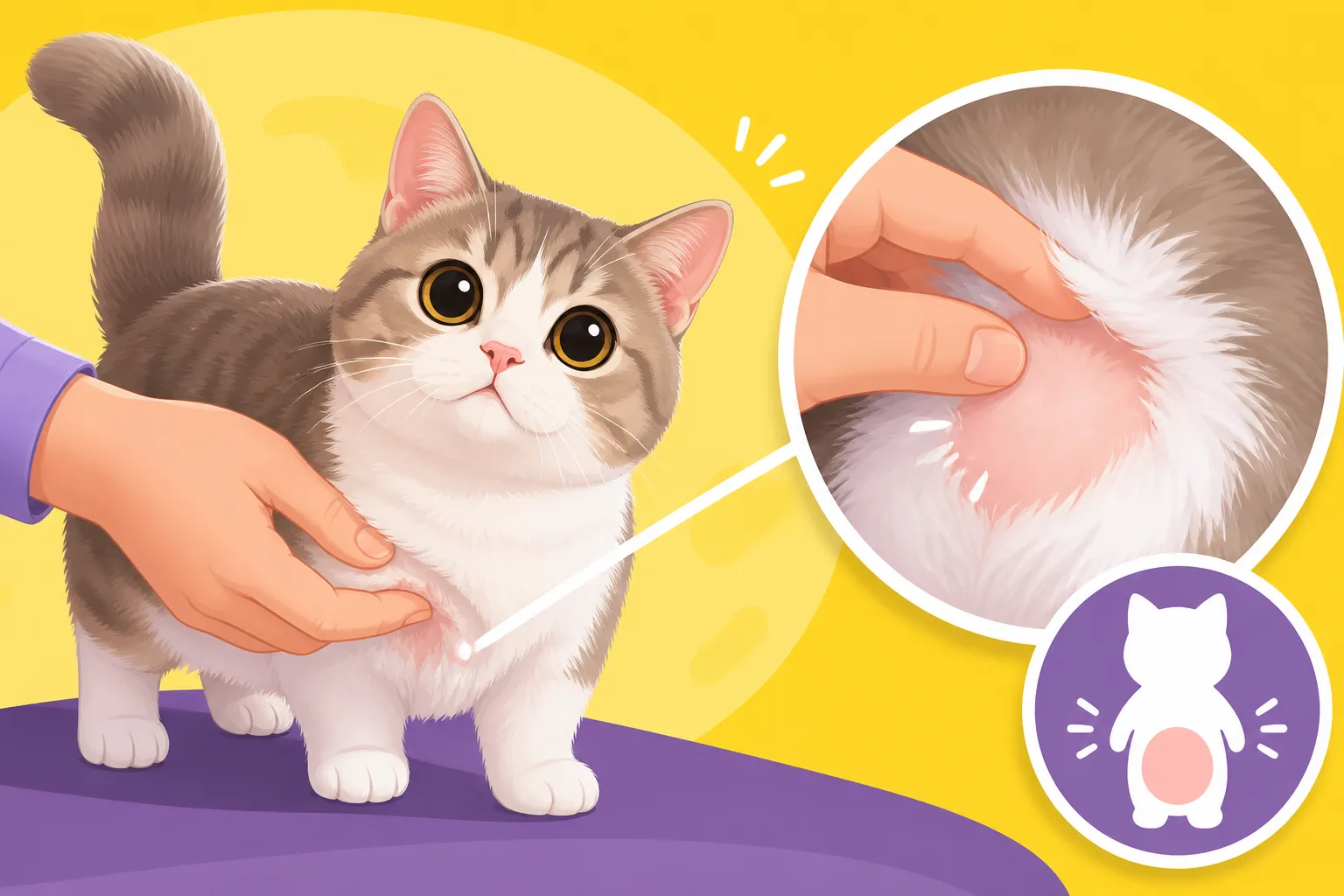
The first step to keeping your Munchkin's belly fur healthy is to establish a regular checking routine. Ideally, this means a quick daily inspection, or at least every other day, especially if your cat has long fur or is particularly active. Gentle handling from a young age can make this a positive experience. Start by slowly petting their belly, feeling for any lumps, bumps, tangles, or mats. Look for signs of redness, irritation, or discharge. Pay close attention to the areas around their armpits, groin, and hindquarters, as these are common spots for issues to begin. Make it a relaxing time, perhaps when they’re sleepy or purring on your lap, offering treats and praise. The more accustomed they are to being handled this way, the easier and less stressful the checks will be for both of you. A thorough check during a Munchkin kitten's first exam should cover this area too.
Effective Brushing and Grooming Techniques
Regular brushing is your primary defense against mats and skin issues. For Munchkins, this often means specific tools and techniques. A soft slicker brush or a fine-toothed comb can work wonders for detangling and removing loose fur, preventing it from clumping. Always brush gently, working in small sections, and paying extra attention to the belly. If you encounter a small tangle, try to work it out with your fingers first before using a comb. Never pull on mats, as this can be very painful. For stubborn mats, or for long-haired Munchkins prone to severe tangles, a professional groomer may be necessary for safe removal.
Many Munchkins also benefit from a "sanitary clip" around their hindquarters, which involves carefully trimming the fur short in that area to prevent fecal matter from sticking. You can learn more about this specific grooming need by reading Why a Munchkin Needs a Sanitary Clip. If you’re not comfortable doing this yourself, a professional groomer or your vet’s office can provide this service. The goal is to keep the fur clean and dry, reducing the risk of skin infections and making self-cleaning easier for your cat (even if it's still limited).
Maintaining a Clean Environment
While direct grooming is crucial, managing your Munchkin's environment is equally important for their belly health. Since their low stature brings them into constant contact with the floor, a clean home is paramount. Regularly vacuuming and cleaning floors can significantly reduce the amount of dust and debris their belly picks up.
The litter box is another critical area. Munchkins need a litter box they can easily enter and exit without having to climb over high edges, which can cause their belly to drag. Opt for low-entry litter boxes, or even consider modifying a regular box by cutting a lower entry point. Explore options by reading Which Litter Box a Munchkin Can Actually Enter. Furthermore, using a low-dust, soft litter can help prevent particles from clinging to their fur. Scooping the litter box frequently is also non-negotiable; a clean box means less chance of their belly fur coming into contact with soiled litter. Keep food and water bowls clean, and consider raised bowls to prevent them from dipping their fur into water while drinking, which also helps ease pressure on their neck and shoulders.
When to Seek Veterinary Advice for Belly Fur Issues
Even with the most diligent home care, sometimes issues can arise that are beyond our ability to manage alone. Knowing when to escalate your concerns to a veterinary professional is crucial for your Munchkin’s well-being. Early intervention can prevent minor problems from becoming major health crises.
Recognizing Warning Signs
It's vital to be vigilant and recognize the warning signs that indicate a vet visit is in order. These can include:
- Excessive licking, chewing, or scratching at their belly or hindquarters, which suggests irritation or pain.
- Redness, swelling, sores, or pustules on the skin under their fur.
- A strong, unpleasant odor emanating from their belly or hindquarters, which often points to infection.
- Discharge (pus, blood, or unusual fluids) from any area of the skin.
- Pain or sensitivity when you try to touch their belly.
- Lethargy or changes in appetite, which could indicate a systemic infection or significant discomfort.
- Sudden or severe matting that you cannot gently resolve yourself.
If you notice any of these symptoms, don't delay in contacting your veterinarian. These signs aren't just cosmetic; they often point to underlying issues that require medical attention. Keep in mind that for a Munchkin, weight management is particularly important, as Why an Overweight Munchkin Is in Real Trouble because extra weight can exacerbate skin folds and make grooming even harder.
Professional Grooming vs. Home Care
While home grooming is essential, there are times when a professional groomer is the best course of action. If your Munchkin has developed severe, tight mats that you can’t safely remove, a professional groomer has the specialized tools and experience to clip them out without injuring your cat. Attempting to cut out tight mats yourself can easily lead to accidental nicks or cuts on their delicate skin. When choosing a groomer, ensure they have experience with cats and understand the unique needs of a Munchkin’s low-riding body.
For any underlying skin conditions, infections, or persistent irritation, the vet is your go-to. They can accurately diagnose the problem, prescribe appropriate medications (like antibiotics, antifungals, or anti-inflammatory drugs), and recommend specialized shampoos or treatments. In some cases, they might suggest diagnostic tests, such as skin scrapings or cultures, to pinpoint the exact cause of the skin issue. Remember, catching and treating these issues early is always best, both for your cat's comfort and your wallet. Investing in pet insurance, like a plan from Healthy Paws, can provide invaluable peace of mind, helping to cover the costs of unexpected vet visits and treatments for skin conditions or other health concerns. They understand that while a Munchkin's spine is often the focus, other areas of their health, like skin, can also lead to significant costs.
Here’s a quick summary of common belly fur issues and how to tackle them:
| Issue | Cause | Signs | Home Care | Vet/Groomer Intervention |
|---|---|---|---|---|
| Matting | Lack of brushing, dirt, moisture, long fur | Dense clumps, pulling on skin, restricted movement | Daily gentle brushing, detangling spray, sanitary clips | Professional dematting/clipping, vet check for underlying skin issues |
| Dermatitis | Dampness, allergens, irritation, poor hygiene | Redness, itching, scales, pustules, odor | Regular cleaning, hypoallergenic litter, clean environment, gentle bathing | Prescription creams, antibiotics/antifungals, allergy testing |
| Yeast Infection | Dampness, reduced air circulation, antibiotics | Greasy skin, odor, dark discoloration, itching | Keep fur dry, regular gentle cleaning with pet-specific wipes | Antifungal medications, medicated shampoos |
| Parasites | Exposure to fleas/ticks, other animals | Excessive scratching, flea dirt, visible parasites, red bumps | Regular checks, flea/tick prevention, clean environment | Prescription parasite treatments, further diagnostics |
| Sore/Wounds | Injury, constant licking, matting, infection | Open skin, bleeding, pus, pain | Keep clean, prevent licking (e-collar), gentle antiseptic wipes | Wound cleaning, antibiotics, pain relief, possibly stitches |
| Fecal Soiling | Inability to groom, soft stools, matted fur | Visible fecal matter on fur, odor, irritation around anus | Sanitary clips, regular wiping, dietary adjustments for stool consistency | Vet check for gastrointestinal issues, professional grooming |
Disclaimer
Always consult with a qualified veterinarian for any health concerns regarding your Munchkin cat. This article provides general information and should not be considered a substitute for professional veterinary advice, diagnosis, or treatment. The specific needs and health conditions of individual cats can vary.