Whether a Munchkin Gets the Usual Kidney Problems
One of the most common worries for any cat parent is the health of their furry family member, and if you’ve chosen a Munchkin, you might naturally wonder if their unique physical traits come with a hidden cost for their internal organs. It’s a very valid concern to ask whether a Munchkin is inherently more susceptible to conditions like kidney disease, especially given some of the debates around their breed health. Let's dig into the reality of kidney health in Munchkin cats and what you, as a loving owner, need to know to keep them purring happily.
Do Munchkin Cats Have a Higher Risk of Kidney Problems?
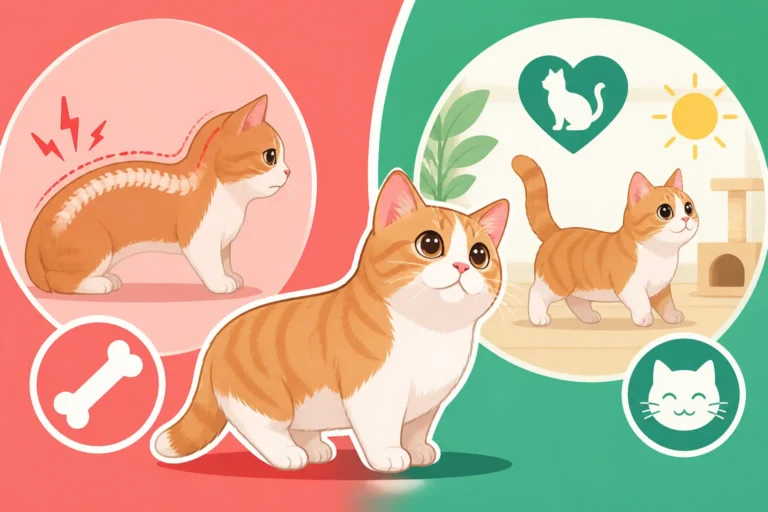
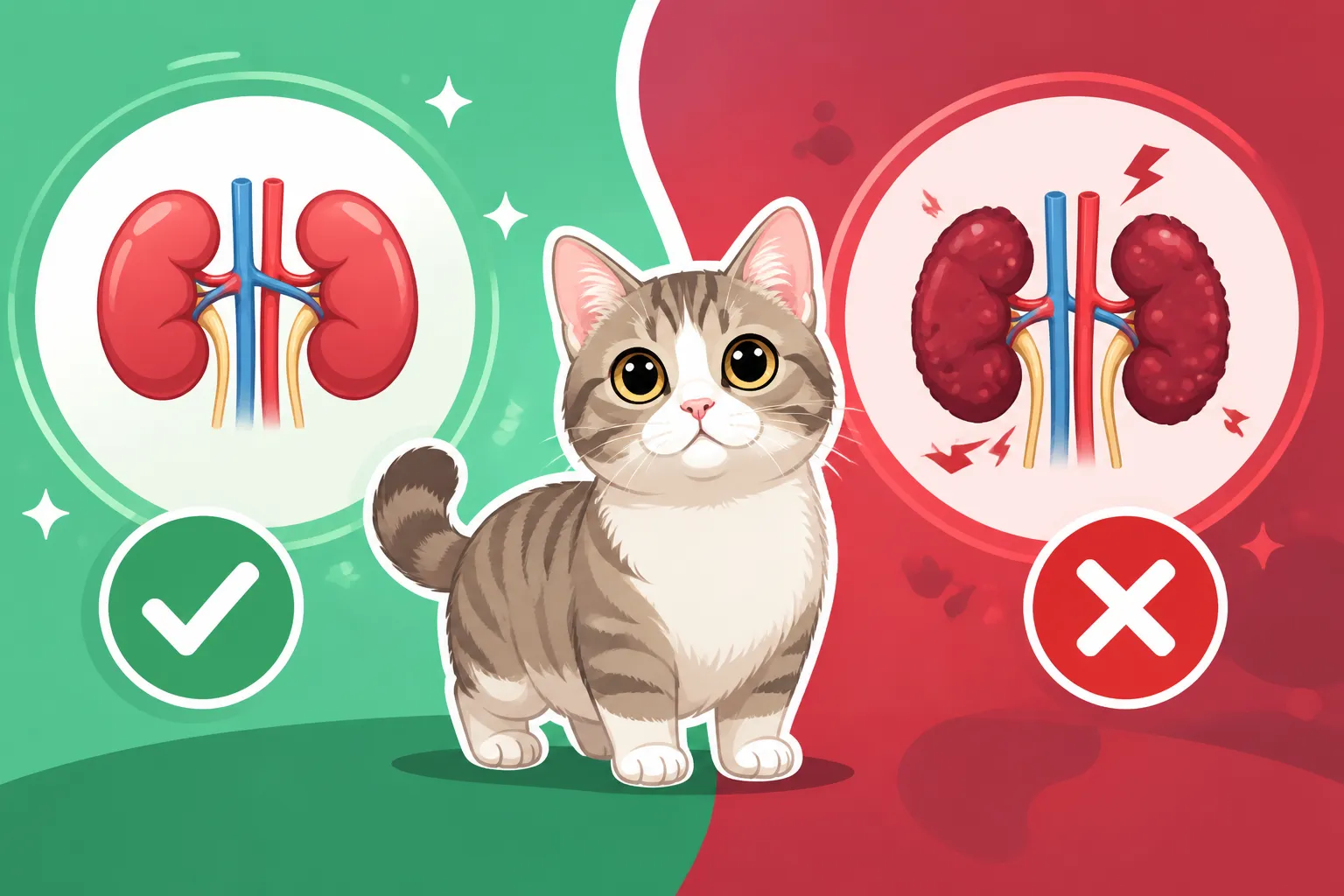
Let's get right to it: no, there is currently no scientific evidence to suggest that Munchkin cats are inherently more prone to kidney problems due to their short legs. The genetic mutation responsible for their distinctive short limbs, known as pseudoachondroplasia, primarily affects bone growth, specifically in the long bones of the legs. It doesn't, as far as current research indicates, have a direct or causative link to kidney development or function.
However, that doesn't mean Munchkins are immune to kidney disease. Like any other domestic cat, they can develop a range of kidney issues throughout their lives. The key here is to understand that the "Munchkin-ness" itself isn't the direct culprit. Instead, the general factors that affect all feline kidney health are what we need to focus on. It’s about being an informed and proactive cat parent, not about worrying about a specific Munchkin-related kidney predisposition.
Understanding Common Feline Kidney Diseases
When we talk about "usual kidney problems" in cats, we're typically referring to a few key conditions. The most prevalent by far is Chronic Kidney Disease (CKD), a progressive, irreversible condition that often affects older cats. Their kidneys gradually lose their ability to filter waste products from the blood and regulate bodily fluids. Think of it like a slow decline in efficiency rather than a sudden breakdown.
Another, less common but more acute, issue is Acute Kidney Injury (AKI). This is a sudden and severe loss of kidney function, often triggered by toxins, infections, trauma, or a sudden drop in blood pressure. While AKI is serious and requires immediate veterinary intervention, it's often reversible if caught and treated quickly.
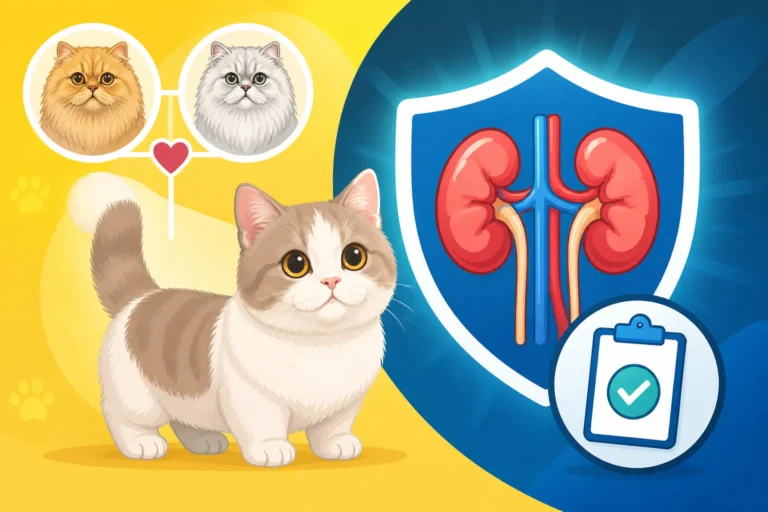
Then there are specific inherited conditions in certain breeds, such as Polycystic Kidney Disease (PKD). PKD is characterized by the development of multiple cysts in the kidneys, which grow over time and eventually impair kidney function. This condition is notably prevalent in Persian cats and breeds derived from them. This is where it becomes particularly relevant for Munchkin owners, as many Munchkin lines have historically been outcrossed with breeds like Persians to expand the gene pool and introduce desired traits. Therefore, a Munchkin from a Persian cross needs a PKD test to rule out this serious genetic condition. It’s a crucial screening that a responsible breeder should be able to provide.
The Role of Genetics Beyond the Short Legs
While the Munchkin gene itself doesn't cause kidney disease, the breed's origins and outcrossing practices mean that Munchkins can inherit genetic predispositions to conditions common in their outcross breeds. As mentioned, if a Munchkin's lineage includes breeds known for PKD, such as Persians or Himalayans, then the individual Munchkin cat could indeed be at risk for PKD.
This highlights the critical importance of knowing your cat's pedigree and the health screenings performed by its breeder. A reputable breeder will be transparent about the health history of their breeding cats and provide documentation of genetic testing, especially for conditions like PKD, which can be identified through DNA tests. If you're considering a Munchkin, asking about these specific genetic screenings for their outcross lineage is just as important as understanding how Munchkin dwarfism is inherited. Don’t hesitate to ask for details about their parentage and genetic health clearances.
General Risk Factors for Kidney Disease in Munchkin Cats
Since Munchkin cats face the same general risks as any other feline when it comes to kidney health, understanding these universal risk factors is key. Your Munchkin's short stature doesn't give them a magical shield against common ailments, and in some cases, their unique build might even necessitate a more vigilant approach to overall health.
Age and Lifestyle
As with humans, age is the biggest risk factor for Chronic Kidney Disease in cats. Kidneys naturally wear down over time, and many cats will show some degree of kidney function decline as they enter their senior years. For Munchkins, like all cats, you'll start to see signs of aging around 8-10 years old, which is often when kidney changes begin to manifest. Caring for a Munchkin past ten involves a keener eye on their overall health, including kidney function. Regular veterinary check-ups become even more crucial during these years.
Lifestyle factors also play a significant role. A diet consistently high in phosphorus, dehydration, and even chronic stress can contribute to kidney issues over time. While Munchkins are often indoor cats, which shields them from some environmental dangers, their indoor life still needs to be enriching and provide ample hydration opportunities.
Other Health Conditions and Medications
Any pre-existing health condition can put extra strain on a cat's kidneys. Diabetes, hypertension (high blood pressure), and certain types of cancer can all contribute to kidney damage. Additionally, certain medications, particularly non-steroidal anti-inflammatory drugs (NSAIDs) used for pain management (especially if a Munchkin develops arthritis, which can be a concern for their joints), can be hard on the kidneys if not carefully monitored by a vet.
Given that a Munchkin's spine carries a load a normal cat's does not, and they may experience joint issues earlier in life, there might be instances where pain management is necessary. It’s vital to discuss kidney-safe pain relief options with your veterinarian should your Munchkin need long-term medication. Always ensure your vet is aware of your cat's full medical history and specific breed considerations when prescribing any medication.
The Crucial Role of Weight Management
This is perhaps one of the most significant, yet often overlooked, factors for Munchkin health, including kidney health: weight. Why weight is more dangerous on a Munchkin cannot be stressed enough. Their short legs are designed to carry a normal-sized cat body, but that body is much closer to the ground, meaning every extra pound puts disproportionate strain on their spine, joints, and internal organs.
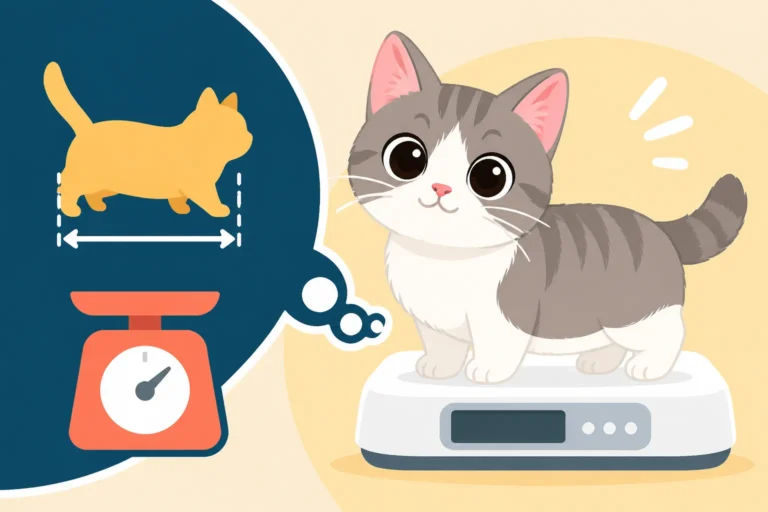
An overweight Munchkin will have increased abdominal fat, which can compress internal organs, including the kidneys, and make it harder for them to function optimally. Obesity also often goes hand-in-hand with other conditions like diabetes, which, as mentioned, is a risk factor for kidney disease. Keeping a Munchkin at a healthy weight is paramount for their longevity and quality of life. Understanding how to score a Munchkin's body condition is a skill every owner should master, and regular weighing at home is a good practice. This also ties into how to feed a Munchkin for joint health costs, as a balanced diet is crucial for both weight and overall organ health.
Detecting and Managing Kidney Issues in Munchkins
The good news is that if you're vigilant and work closely with your veterinarian, kidney problems in Munchkins can often be detected early, and their progression managed effectively. Early detection is truly the most powerful tool we have in prolonging a cat's healthy life, especially when it comes to something as vital as kidney function.
Signs and Symptoms to Watch For
Kidney disease, particularly CKD, can be sneaky in its early stages. Cats are masters at hiding discomfort, and symptoms often don't become obvious until the disease has progressed significantly. However, knowing what to look for can make all the difference.
Here are some common signs that might indicate kidney problems in any cat, including your Munchkin:
- Increased Thirst and Urination (PU/PD): This is often one of the first noticeable signs. You might find yourself refilling the water bowl more frequently or cleaning the litter box more often. The kidneys are losing their ability to concentrate urine, so the cat drinks more to compensate and then urinates more dilute urine.
- Weight Loss and Poor Appetite: As waste products build up in the blood, cats can feel nauseous, leading to a decreased appetite and subsequent weight loss.
- Lethargy and Weakness: A build-up of toxins can make your cat feel generally unwell, leading to reduced activity levels and increased sleeping. What an old Munchkin stops being able to do might, in part, be related to kidney issues making them feel less energetic.
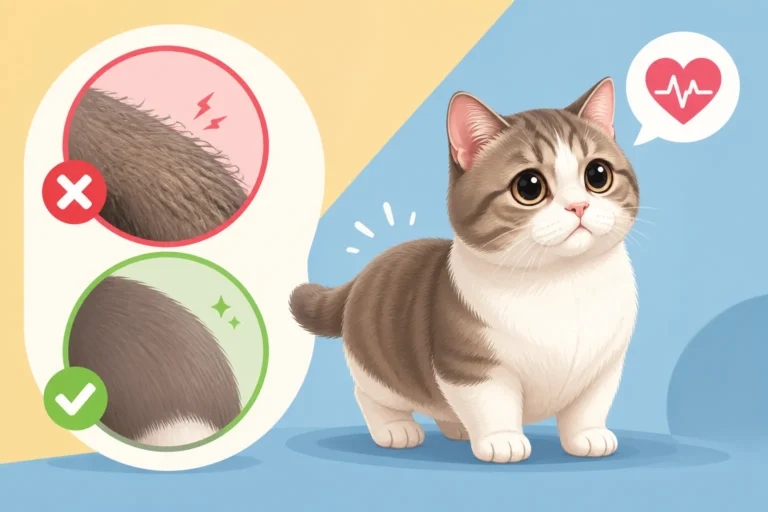
- Poor Coat Condition: Dehydration and general ill health can lead to a dull, unkempt coat. This can be particularly problematic for Munchkins, as grooming the half of a Munchkin it cannot reach is already a challenge, and a compromised cat might groom even less.
- Vomiting or Diarrhea: Gastrointestinal upset is common in cats with kidney disease due to toxin build-up.
- Bad Breath (Halitosis): A strong, ammonia-like odor on their breath can be a sign of advanced kidney disease.
- Changes in Behavior: A previously outgoing cat might become more withdrawn or irritable. A withdrawn Munchkin should see a vet promptly.
If you notice any of these signs, don't wait. Schedule a vet visit right away.
Veterinary Diagnosis and Monitoring
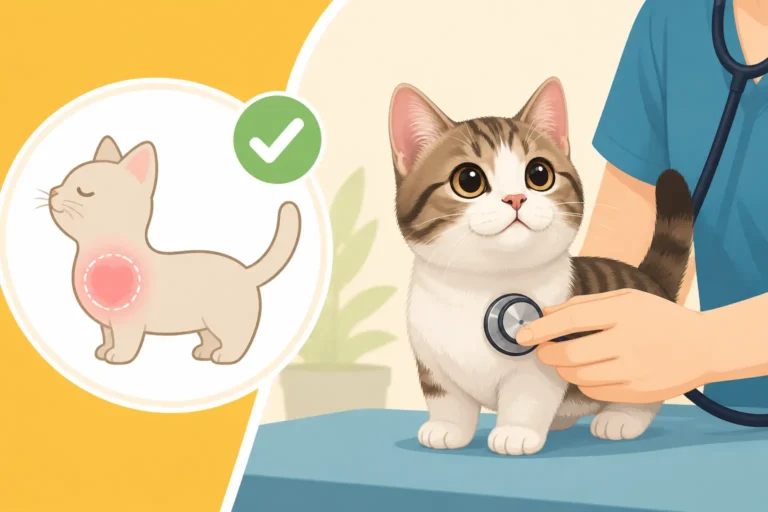
Your veterinarian will be your best ally in monitoring your Munchkin's kidney health. Regular check-ups, especially as your cat ages, are non-negotiable. How often a healthy adult Munchkin needs checking typically increases as they get older, moving from annual to bi-annual visits for senior cats.
During these visits, your vet will perform a physical examination and likely recommend blood and urine tests.
- Blood Work: This typically includes a complete blood count (CBC) and a biochemistry panel. Key indicators for kidney function on the biochemistry panel include creatinine and blood urea nitrogen (BUN). More advanced markers, like SDMA (Symmetric Dimethylarginine), can detect kidney disease much earlier than BUN and creatinine, sometimes months or even years before traditional markers elevate. Which blood values matter most in a Munchkin will always include these kidney parameters.
- Urinalysis: Examining urine for specific gravity (how concentrated it is), protein, and signs of infection or crystals provides crucial information about kidney function.
- Blood Pressure Measurement: High blood pressure can both cause and be a consequence of kidney disease.
- Imaging: In some cases, X-rays or ultrasound may be used to assess kidney size, shape, and look for abnormalities like cysts (for PKD) or stones. When a Munchkin should have its spine imaged due to their unique conformation, it might also be a good opportunity to evaluate the kidneys if there are any concerns.
For long-term care and to assist with the costs of managing chronic conditions like kidney disease, many owners find pet insurance invaluable. Providers like Healthy Paws offer plans that can cover a significant portion of diagnostic tests, medications, and specialized foods needed for conditions like CKD, providing peace of mind and ensuring your Munchkin gets the best possible care without financial strain being a barrier.
Managing Kidney Disease in Munchkins
If your Munchkin is diagnosed with kidney disease, your vet will develop a management plan tailored to their specific needs and the stage of the disease. While kidney disease is irreversible, its progression can often be slowed, and your cat's quality of life improved.
Key aspects of managing kidney disease include:
- Dietary Modification: This is cornerstone. Special kidney-supportive diets (renal diets) are formulated with controlled levels of protein, phosphorus, and sodium, and often increased omega-3 fatty acids and B vitamins. These diets help reduce the workload on the kidneys and slow disease progression.
- Hydration: Encouraging your Munchkin to drink more water is vital. This might involve offering multiple water bowls, filtered water, or a cat water fountain. Feeding wet food exclusively or adding water to dry food can also significantly increase fluid intake.
- Medication: Depending on the specific issues, medications might be prescribed to manage symptoms like nausea, high blood pressure, or anemia (a common complication of CKD). Phosphate binders might also be used to control phosphorus levels.
- Fluid Therapy: In some cases, especially if a cat is dehydrated or has advanced disease, subcutaneous (under the skin) fluid therapy at home might be recommended to support kidney function.
- Regular Monitoring: Consistent follow-up appointments with blood and urine tests are essential to track the disease's progression and adjust the treatment plan as needed. This ongoing vigilance is crucial for keeping tabs on how kidney disease arrives in an old Munchkin and managing it effectively.
Remember, living with a cat with kidney disease is a journey, and your veterinary team, supported by resources like pet insurance from Healthy Paws, will be there to guide you every step of the way. Your proactive approach to their general health, including weight control and regular check-ups, will go a long way in preventing or effectively managing kidney issues for your unique Munchkin cat. What a Munchkin most often dies of can vary, but kidney disease is a common age-related cause in all cats, and with good care, its impact can be lessened.
Proactive Care for Kidney Health in Munchkins
Taking proactive steps throughout your Munchkin's life is the best way to support their kidney health and ensure they have a long, happy, and comfortable existence. It’s all about creating an environment and routine that minimizes strain and promotes well-being for their unique physical needs.
Optimizing Hydration
Hydration is absolutely foundational for kidney health. Ensuring your Munchkin always has access to fresh, clean water is a given, but you can do more to encourage them to drink. Cats are notoriously finicky drinkers, and many prefer moving water over still water.
Consider investing in a good quality cat water fountain. The running water is often more appealing to cats and can significantly increase their water intake. Offer water in different types of bowls (ceramic, stainless steel, glass) and in various locations around the house to see what your Munchkin prefers. Some cats prefer wide, shallow bowls that don't touch their sensitive whiskers. Since a Munchkin's belly nearly touches the floor, make sure their water bowl is easily accessible without having to stretch or crouch uncomfortably, which could put strain on their spine. Raised bowls are often better for their joints and posture, even for water.
Incorporating wet food into their diet is another powerful strategy. Wet food contains a high percentage of water, which provides essential hydration with every meal. If your Munchkin is primarily on dry kibble, gradually transitioning them to a diet that includes wet food, or even just adding some water to their dry kibble, can make a big difference in their overall fluid intake.
Tailored Nutrition and Weight Control
Nutrition plays a direct role in kidney health, and for Munchkins, mindful feeding is especially crucial due to their body structure. As we discussed, why an overweight Munchkin is in real trouble is largely because of the extra strain on their skeleton and organs.
Choose a high-quality cat food that is appropriate for their life stage and activity level. If your vet has no specific recommendations for renal support, a diet with moderate protein and phosphorus levels is generally suitable for adult cats. Avoid "all you can eat" feeding, especially for Munchkins. Measured meals are key to preventing obesity. Learning how much weight a Munchkin can safely carry and what a Munchkin should weigh at its frame will guide your feeding strategy. Regularly checking their body condition score, feeling their ribs, and weighing them will help you adjust their food portions as needed.
When it comes to treats, remember they contribute to daily calorie intake. Choose healthy, low-calorie options and factor them into your Munchkin's overall daily food allowance. Joint supplements, often containing glucosamine and chondroitin, can be beneficial as preventive care, especially for a breed prone to joint issues, but always discuss these with your vet to ensure they are appropriate and don't interact with any other health conditions or medications.
Regular Veterinary Examinations
Routine veterinary care is your best defense against many health problems, including kidney disease. These visits allow your vet to catch subtle changes before they become serious issues.
For kittens, an early vet check is essential, covering a thorough physical exam, initial vaccinations, and a discussion about genetic predispositions. As they grow, annual check-ups are standard for adult Munchkins. As your Munchkin enters their senior years, typically around eight to ten years old, increasing vet visits to every six months is highly recommended. These frequent visits are crucial because this is when changes in blood values, blood pressure, and physical condition often begin to emerge.
During these senior checks, your vet will pay close attention to signs of kidney decline. They will perform blood tests, specifically looking at kidney markers like BUN, creatinine, and SDMA, and urinalysis. Early detection of rising SDMA, for example, allows for interventions that can potentially slow the progression of kidney disease. It’s also a time to discuss any changes in behavior or mobility, like why an old Munchkin stops using its ramp, as these can sometimes be subtle indicators of underlying health issues, including kidney discomfort or weakness.
Having a robust pet insurance plan, such as those offered by Healthy Paws, can be incredibly helpful for managing the costs associated with regular diagnostics and potential treatments for age-related conditions, including kidney disease. It provides a financial safety net, allowing you to prioritize your Munchkin's health without added stress.
In conclusion, while Munchkin cats are not uniquely predisposed to kidney problems due to their short legs, they are still susceptible to the same kidney diseases as any other cat. Proactive care focusing on hydration, strict weight management, appropriate nutrition, and consistent veterinary oversight are your best tools to ensure your short-legged friend lives a full and healthy life.
Disclaimer
This article is intended for informational purposes only and does not constitute professional veterinary advice. Always consult with a qualified veterinarian for any health concerns or before making any decisions about your pet's medical care.