How to Keep an Old Munchkin Moving Safely
It's a bittersweet moment when our beloved Munchkin cats start showing the tell-tale signs of aging. You might notice them hesitating before a jump they once made effortlessly, or struggling to get to their favorite nap spot on the sofa. As their human companions, seeing them slow down can be heartbreaking, but it's also a clear signal that it's time to adapt their world to keep them comfortable, active, and safe. This guide is all about understanding those changes and implementing practical, loving strategies to help your senior Munchkin move with ease and maintain their zest for life for as long as possible.
Understanding the Unique Mobility Challenges of an Aging Munchkin
Aging is a natural part of life, but for a Munchkin cat, with their distinctive short legs, the golden years can present some particular hurdles. Their unique body structure means that the wear and tear on their joints and spine can manifest differently, and often, more critically, than in a long-legged cat. It’s not just about getting slower; it’s about managing the physical realities of a lifetime spent with a unique physique.
The Cumulative Impact of Short Legs on Aging Joints
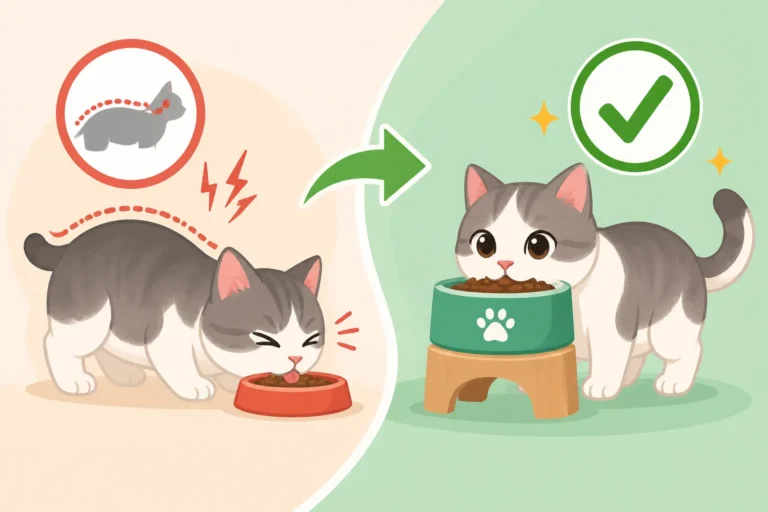
Imagine carrying a heavy backpack all day, every day. That’s a bit like the continuous load a Munchkin’s shorter limbs and back can experience throughout their life. Their legs are designed to support a normal-sized cat body, but the angles and forces involved in movement are different. Over years, this can lead to increased stress on joints, particularly in the shoulders, elbows, and spine. While a younger Munchkin might bound around with surprising speed and agility, those years of impact and unique movement patterns can take their toll.
By the time a Munchkin counts as senior – usually around ten to twelve years old, though some show signs earlier – issues like osteoarthritis can become more pronounced. When a Munchkin Counts as Senior is a good read to understand this timeline. Their front legs, which bear a significant portion of their weight, especially when landing from a low jump or maneuvering, can develop stiffness and pain. The spine, too, which is a normal length but supported by shorter limbs, can feel the effects of cumulative stress. This isn't to say every Munchkin will suffer severely, but it highlights why proactive care is so essential.
Spotting the Subtle Signs of Stiffness and Discomfort
Cats are notoriously good at hiding pain. It's a survival instinct, but it makes our job as owners harder, especially with a breed whose movement already looks a bit different. Why a Munchkin's Gait Looks Different can help you recognize their baseline. For an aging Munchkin, look for subtle shifts that indicate discomfort rather than just "getting old." Are they taking longer to stand up after a nap? Do they seem reluctant to jump even onto a low chair that was once their favorite spot? Perhaps they're no longer greeting you at the door with their usual ferret-like trot, or they're skipping grooming certain areas of their body.
Other signs might include a decreased appetite, increased irritability when handled, or even changes in litter box habits if getting in and out of the box becomes painful. You might notice them favoring one leg, or perhaps their "prairie dog sit" – where they stand on their hind legs – becomes less frequent or shorter in duration. Any reluctance to engage in play, changes in sleep patterns, or a general decrease in activity levels should prompt a closer look and a conversation with your vet. Don't assume it's just old age; it could be pain that we can alleviate.
Adapting Your Home for Your Senior Munchkin's Changing Needs
When a Munchkin gets older, the phrase "with a Munchkin, the house changes, not the cat" becomes even more critical. What worked for a spry young adult might now be a barrier for an older, stiffer cat. Our goal is to remove those barriers and create a seamless, pain-free environment that encourages safe movement and maintains their independence.
Re-evaluating Ramps and Steps for Gentler Access
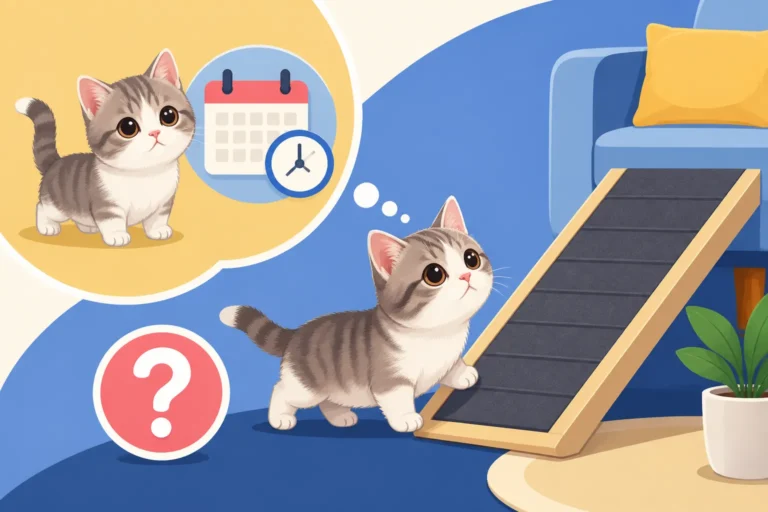
The ramps and steps you installed when your Munchkin was younger might need an upgrade. As their joints stiffen, steep inclines or large gaps between steps become problematic. Think about the gradient of their ramps; a shallow, longer ramp is much easier on aging joints than a short, steep one. You might need to add more ramps to existing furniture like sofas and beds, or even replace carpeted steps with ramps that offer a smoother transition. Websites like Chewy and Amazon offer a wide array of pet ramps, from carpeted to non-slip surfaces, which can be useful resources.
Consider the surface of these aids too. A non-slip surface is paramount, especially if your cat is less steady on their feet. Ensure ramps are wide enough for comfortable movement and stable so they don't wobble, which can be alarming for an older cat. If your Munchkin is still determined to jump, even if it's not ideal, make sure their landing spots are padded with soft rugs or pet beds to cushion the impact on their delicate joints. How an Old Munchkin Stops Using Its Ramp is a clear sign that a re-evaluation is needed, and that something is not right.
Creating Accessible Comfort Zones for Rest and Essential Needs
Your senior Munchkin needs easy access to everything important: food, water, litter boxes, and cozy resting spots. This means bringing everything down to floor level or ensuring easy ramp access. For litter boxes, a low-entry senior cat litter box is no longer a luxury, but a necessity. Imagine having aching knees and trying to climb into a tall box! These specialized boxes, often available on Amazon or Chewy, have a cut-out front that allows your Munchkin to simply walk in, reducing strain on their spine and hips. Which Litter Box a Munchkin Can Actually Enter gives more specific advice.
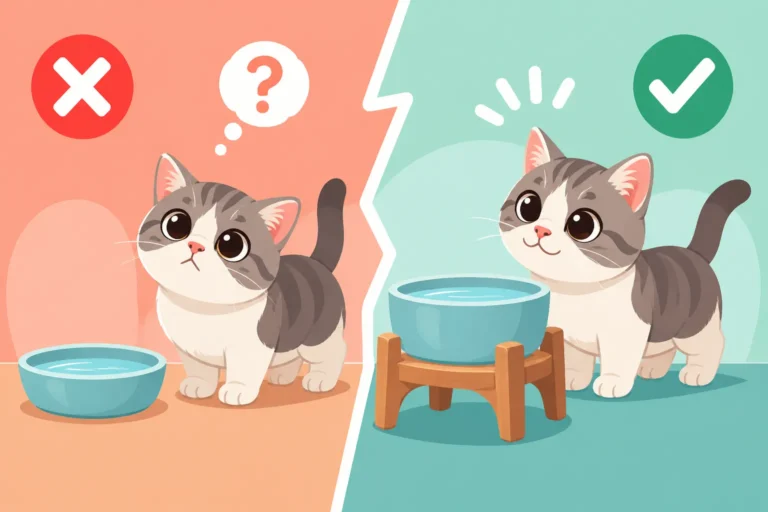
Ensure multiple litter boxes are placed conveniently around the house, especially on each floor if you have a multi-story home, to minimize the distance your cat has to travel. For food and water, raised bowls can actually help reduce strain on their neck and shoulders, allowing them to eat and drink without bending down excessively. You want to make sure these bowls are sturdy and don't slide around. Finally, create several soft, warm, easy-to-access beds in their favorite lounging areas. If their preferred spot was once high up, move it to a lower surface or provide a gentle ramp. How to Arrange a Munchkin's Room in One Plane focuses on minimizing climbing, which is especially important for seniors.
Proactive Care to Support Your Munchkin's Mobility
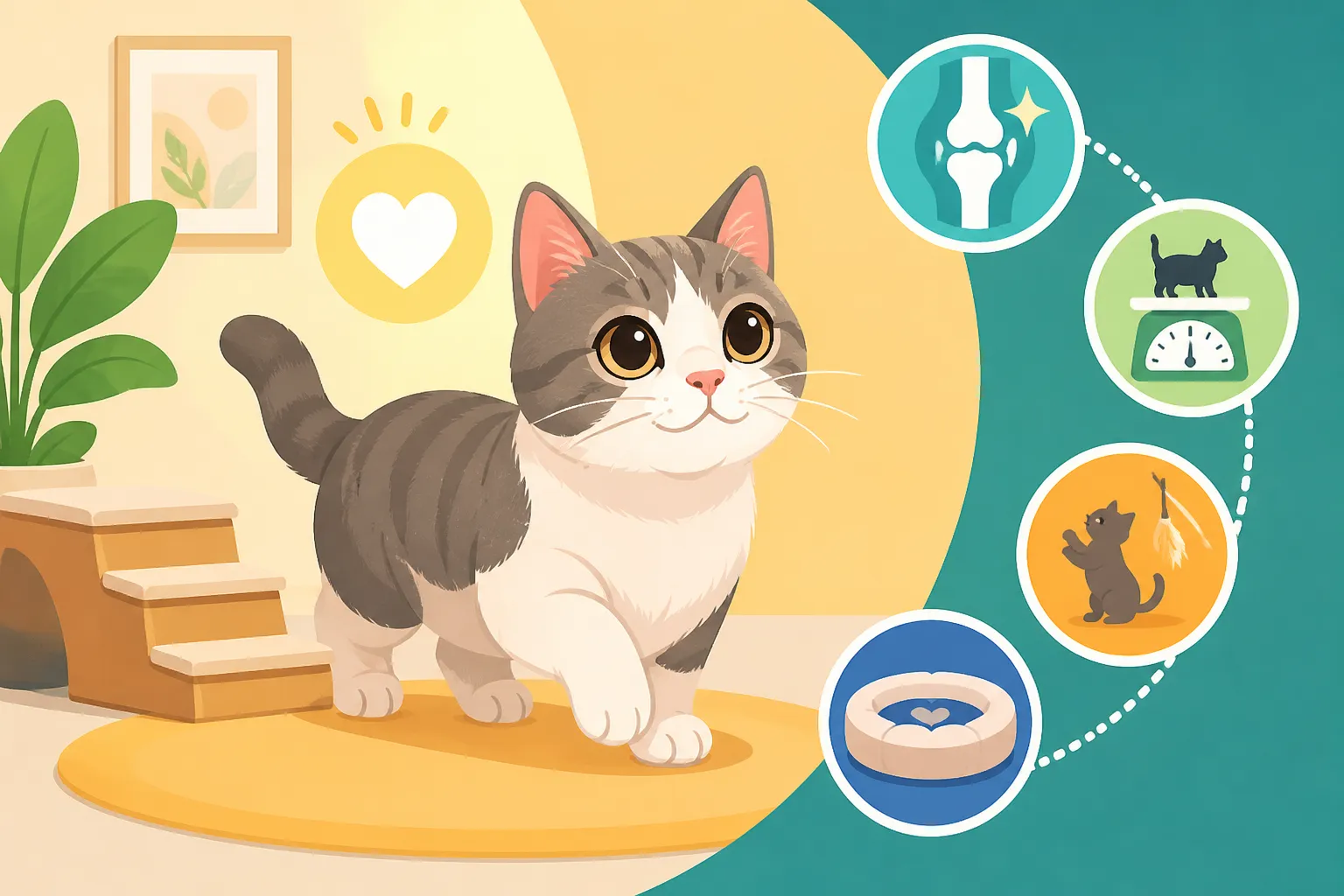
Keeping your senior Munchkin moving safely isn't just about environmental adaptations; it's also about a holistic approach to their physical health. This involves careful management of their weight, encouraging appropriate activity, and providing nutritional support.
The Critical Role of Weight Management
This cannot be stressed enough: maintaining a healthy weight is absolutely paramount for a senior Munchkin. Every extra pound places undue stress on their short legs, spine, and aging joints, exacerbating conditions like arthritis and making movement more painful. Why Weight Is More Dangerous on a Munchkin highlights this perfectly. An overweight Munchkin is in real trouble as they age, as their mobility will decline much faster, potentially leading to a severely diminished quality of life.
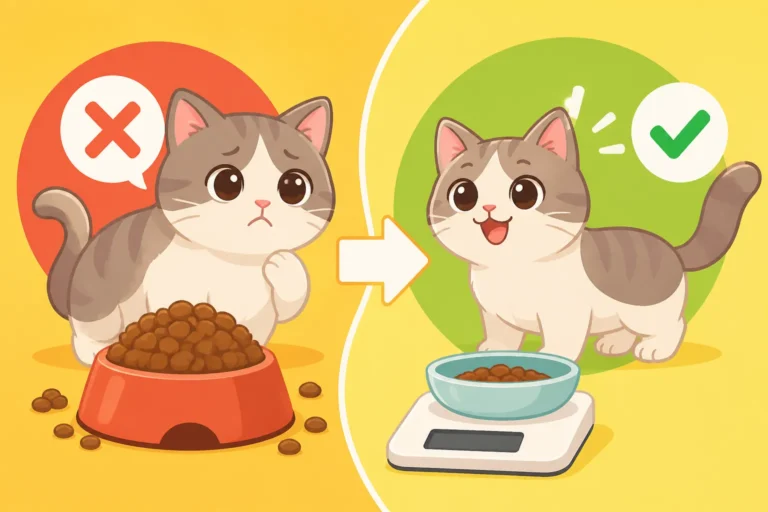
Work with your veterinarian to establish an ideal body condition score for your Munchkin and a feeding plan to achieve and maintain it. This often means carefully measuring their food portions and avoiding free-feeding. While it's tempting to spoil our seniors, treats should be given sparingly and factored into their daily calorie intake. Regular, gentle exercise will also play a role in calorie burning and muscle maintenance.
Gentle Play and Enrichment for Active Seniors
Just because your Munchkin is older doesn't mean they stop enjoying play! They just need different kinds of enrichment. Focus on low-impact, floor-level games that encourage movement without strenuous jumping or acrobatics. Wand toys with feathers or small plush animals dragged along the floor can entice them to stalk, pounce, and chase without excessive vertical effort. Puzzle feeders that dispense treats as they interact can provide mental stimulation and gentle physical activity, but make sure they are easily reachable for a low-slung cat.
Short, frequent play sessions are often better than one long, intense one. Pay attention to their cues; if they seem tired or show signs of discomfort, it's time to stop. The goal is to keep their muscles strong and joints mobile without causing pain. Remember, a Munchkin will still be a curious and playful cat, even in their golden years, they just need you to meet them at their level. How Much Floor Level Play a Munchkin Needs has more ideas.
Nutritional and Supplemental Support for Aging Joints
Diet plays a significant role in supporting joint health. Many commercial cat foods are formulated for senior cats and contain ingredients like glucosamine, chondroitin, and omega-3 fatty acids, which are known to support joint cartilage and reduce inflammation. Talk to your vet about whether a prescription diet or specific over-the-counter supplements would benefit your Munchkin. Many brands offer joint-specific supplements that can be incorporated into their diet.
It's crucial to understand that supplements are not a magic bullet, but they can be a valuable part of a comprehensive care plan. Ensure any supplements are vet-approved and dosed correctly for your cat's weight. Hydration is also important for joint health and overall well-being, so make sure clean, fresh water is always accessible at floor level, perhaps even considering a pet water fountain that's easy for them to reach. Which Joint Supplements Suit a Munchkin delves deeper into specific options.
Partnering with Your Veterinarian for Optimal Senior Care
Your veterinarian is your most important ally in ensuring your senior Munchkin enjoys a high quality of life. Regular check-ups, open communication, and exploring all available medical options are crucial for long-term mobility and comfort.
The Importance of Regular Senior Wellness Exams
As your Munchkin enters their senior years, annual vet visits should become biannual. These regular check-ups are vital for early detection of age-related conditions, including arthritis, dental disease, kidney issues, and hyperthyroidism, all of which can impact mobility and overall well-being. What an Old Munchkin Stops Being Able to Do can be an early indicator of underlying health issues. During these visits, your vet will perform a thorough physical examination, paying close attention to their gait, joint flexibility, and any signs of pain.
They might recommend specific blood tests or imaging, such as X-rays, to get a clearer picture of their joint and spinal health. When a Munchkin Should Have Its Spine Imaged is a topic to discuss with your vet if you notice significant changes in gait or posture. Early intervention is key; catching issues before they become severe can make a huge difference in managing pain and preserving mobility. Don't wait until your Munchkin is in obvious distress; preventative and proactive care is always best.
Exploring Pain Management and Physical Therapies
If your Munchkin is diagnosed with arthritis or other painful joint conditions, your vet can discuss various pain management strategies. This might include anti-inflammatory medications specifically designed for cats, which can significantly improve comfort and mobility. There are also newer therapies, such as therapeutic laser treatments, acupuncture, or even regenerative medicine options, that some vets offer. These can often be used in conjunction with medication to provide a multi-modal approach to pain relief.
Physical therapy, including gentle massage and controlled exercises, can also be incredibly beneficial for maintaining muscle mass and joint flexibility. Your vet might recommend a certified canine rehabilitation therapist who also works with cats to develop a tailored program for your Munchkin. Even gentle stretching exercises performed at home, under veterinary guidance, can help. The goal is not just to extend their life, but to ensure that those extra years are as comfortable and enjoyable as possible, allowing your Munchkin to move safely and happily within their adapted home.
Conclusion
Watching your cherished Munchkin cat navigate their senior years can be a journey of both joy and challenge. They might not be the sprightly kitten they once were, but with your loving commitment and thoughtful adaptations, they can continue to live a full and comfortable life. By understanding their unique needs, making necessary adjustments to their environment, supporting them with proper nutrition and gentle activity, and working closely with your veterinarian, you're not just providing care – you're affirming the deep bond you share. Embrace these golden years with patience and love, and your old Munchkin will reward you with purrs and affection for every safe step they take.
Key Home Adaptations: Younger vs. Senior Munchkin
| Feature | Younger Munchkin Adaptations | Senior Munchkin Adaptations |
|---|---|---|
| Ramps/Steps | Access to favorite spots (sofa, bed); may tolerate steeper grades. | Gentler, longer ramps; more frequent resting platforms; wider for comfort. |
| Litter Boxes | Low-entry boxes for easy access. | Ultra low-entry senior boxes; multiple throughout the house, especially on each floor. |
| Food/Water | Floor-level or slightly raised bowls. | Raised bowls to ease neck/shoulder strain; easily accessible water; anti-slip mats. |
| Resting Spots | Elevated beds or cat trees with close platforms. | Floor-level, soft, warm beds in quiet, accessible areas; lower window perches. |
| Flooring | Carpets/rugs prevent slipping during play. | More rugs/runners for traction, especially on hard surfaces, to prevent falls. |
| Play/Enrichment | Interactive toys, chasing, moderate jumping. | Floor-level wand toys, puzzle feeders, short gentle play sessions. |
| Grooming | Regular brushing, particularly hindquarters. | Increased frequency, especially hindquarters; professional hygiene trims as needed. |
Disclaimer
This article is for general informational purposes only and does not constitute professional advice. Laws, prices and regulations vary by location and change over time. Consult a qualified professional for guidance on your specific situation.