Which Parts of a Munchkin Need Owner Grooming
One of the most common frustrations for Munchkin cat owners is realizing that their adorable short-legged companions can't quite manage all their self-grooming tasks. Those little legs, while endlessly charming, make it physically impossible for them to reach certain areas, leading to mats, hygiene issues, and discomfort if left unchecked. This comprehensive guide will walk you through exactly which parts of a Munchkin cat need your regular attention, why they need it, and how you can provide the best care to keep your furry friend happy, healthy, and pristine.
The Unique Grooming Challenges of a Munchkin
It’s easy to look at a Munchkin and see a perfectly normal cat, just with shorter legs. And while that's largely true in terms of personality and overall health, those distinctive short limbs create some very specific challenges when it comes to self-grooming. Understanding these limitations is the first step to becoming a proactive and effective Munchkin groomer.
Understanding the Munchkin's Physical Limitations
Imagine trying to scratch your own back with arms half their usual length – that’s essentially the daily struggle for a Munchkin cat. Their unique physical conformation, specifically the shortened long bones in their legs due to the autosomal dominant gene that causes their dwarfism, means their reach is significantly compromised. While their spine itself is of normal length, allowing for flexibility, the leverage from their legs just isn't there for those deep, satisfying stretches and twists that other cats manage effortlessly. They might try, oh they certainly try, but certain spots remain perpetually out of reach. This isn't a matter of laziness; it's a structural reality.
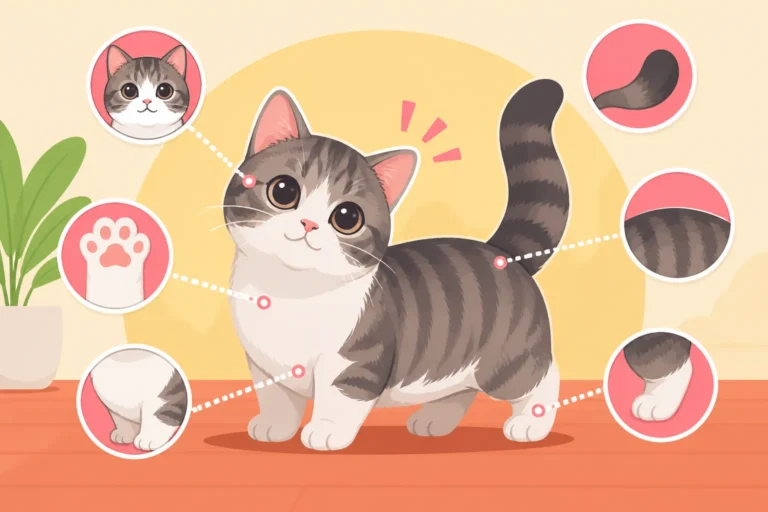
This limited range of motion means that areas a typical cat can easily lick, scratch, or knead into cleanliness become impossible zones for a Munchkin. Their belly, the insides of their thighs, and crucially, their entire hindquarters are prime examples. Think about how a standard cat practically ties itself in a knot to get to its rear end after a litter box visit; a Munchkin simply can't contort its body or extend its legs far enough to accomplish the same feat. This isn't just about aesthetics; it has direct implications for their hygiene and comfort, making owner intervention absolutely essential. They are, in so many ways, a normal cat that cannot reach.
The Impact of Short Legs on Self-Grooming Habits
Because they can't reach certain areas, Munchkins develop different coping mechanisms for grooming. You'll notice them grooming their chest, front legs, and head with the same fastidious attention as any other cat, but when it comes to their rear, things change. They might try to rub against furniture or scoot along the floor, attempts to dislodge debris or scratch an itch that a normal cat would simply lick away. These behaviors are indicators that they're struggling with self-maintenance in those hard-to-reach zones. The inability to fully groom themselves not only affects their coat but can also lead to skin irritation and infections if neglected.
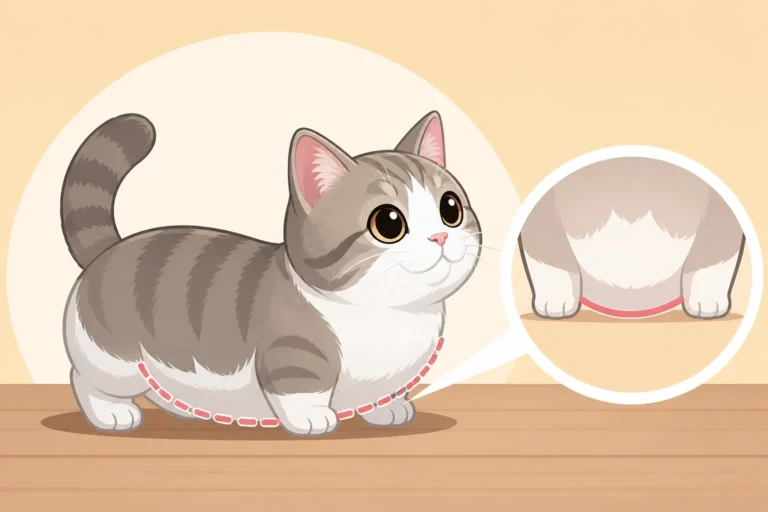
Moreover, the short stature of a Munchkin means Why a Munchkin's Belly Nearly Touches the Floor, leading to increased contact with surfaces like litter, dust, and even spilled food. This constant contact exacerbates the grooming challenge, as their fur picks up more debris throughout the day. What might be a minor annoyance for a long-legged cat that can easily clean itself becomes a persistent problem for a Munchkin. Therefore, regular owner grooming isn't just a nice-to-have; it's a fundamental part of their care plan to prevent health issues stemming from poor hygiene and matted fur. Understanding What a Munchkin Cannot Reach to Groom is key to addressing these needs effectively.
Essential Areas for Owner Grooming
Given their unique anatomy, certain parts of a Munchkin's body require consistent human assistance to keep clean and healthy. These aren't optional extras; they're vital for your cat's well-being and comfort.
The Hindquarters and Underbelly
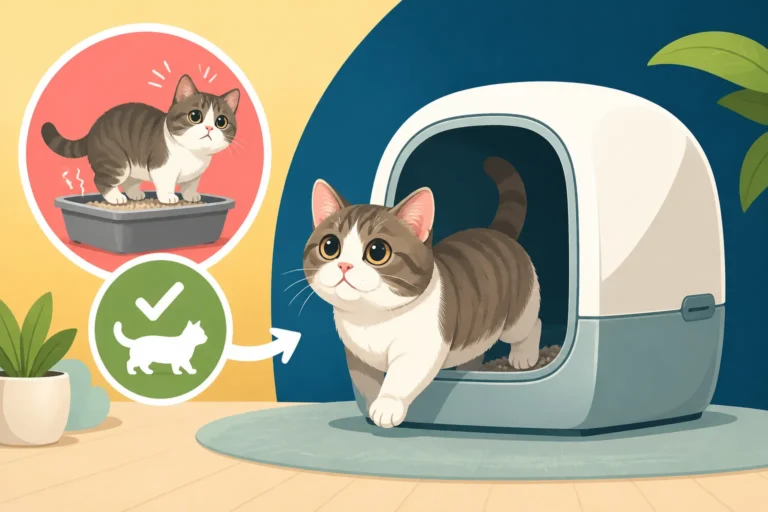
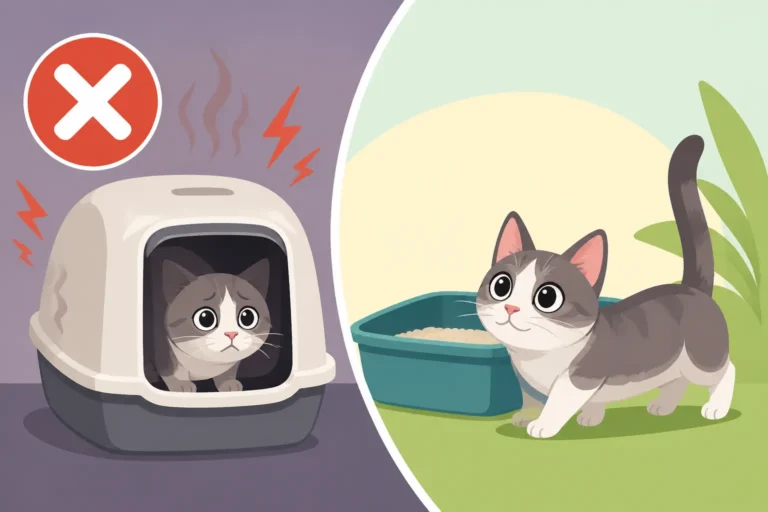
This is arguably the most critical area for owner grooming. A Munchkin's hindquarters are prone to accumulating fecal matter, especially if their stools are a bit soft or if they've had a particularly messy litter box session. Because they can't effectively reach back to clean themselves, this area can quickly become matted with feces, urine, or general dirt. This is not only unpleasant but also a breeding ground for bacteria, leading to skin irritation, infections, and even discomfort when sitting or lying down. Why a Munchkin's Hindquarters Get Matted is a direct consequence of their physical limitations.
The underbelly, too, is a high-contact zone. As their belly often sits very close to the ground, it can pick up litter, dust, and other debris from the floor. For longhaired Munchkins, this means the fur on their tummy can become tangled and matted, especially in the groin area where legs meet body. Even shorthaired Munchkins will benefit from a regular check and gentle brush of this region to prevent build-up. Neglecting these areas can lead to painful mats that pull on the skin, causing distress and requiring professional intervention to remove. A quick daily inspection, coupled with targeted brushing, can prevent many problems down the line.
The Back and Shoulders
While a Munchkin can often reach parts of its back by twisting and using its paws, the middle and lower back can still be tricky territory. They can get a good lick in for the upper back and shoulders, but the central spine and the area just above the tail often remain unaddressed. For shorthaired Munchkins, this might mean a little extra shedding or dust accumulation. For longhaired Munchkins, however, this is a prime spot for mats to begin forming, particularly if they enjoy rolling around or sleeping in odd positions that compress their fur.
Their shoulders, while not directly grooming-impaired, are also important to keep an eye on. These areas, especially the tops of the shoulders and the scruff, can be prone to pressure points or areas where shedding fur accumulates. Regular, gentle brushing helps to stimulate circulation, distribute natural oils, and remove loose hair before it forms tangles. While they might attempt to scratch these areas with their hind paws, their effectiveness is limited. Including these spots in your regular grooming routine, perhaps with a soft-bristled brush or a grooming glove, ensures their entire coat stays healthy and clean. Regular attention to How Often to Brush a Munchkin's Back will pay dividends in their comfort and coat health.
Paws and Claws
A cat's paws are vital tools, and for a Munchkin, they are even more so as they rely heavily on them for maneuvering without jumping. While cats generally do a good job of keeping their paw pads clean, the fur between the toes can sometimes get matted or collect debris, especially if they've stepped in something sticky or messy. This is particularly true for longhaired Munchkins, where excessive fur between the pads can also interfere with traction.
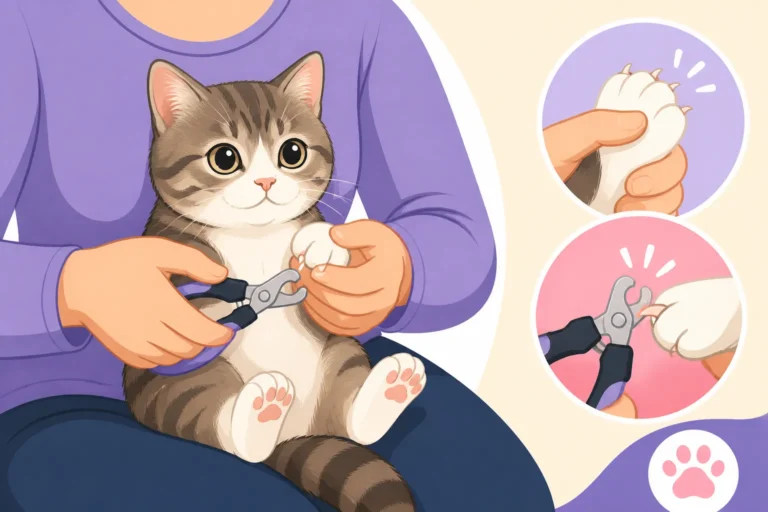
Beyond cleanliness, regular nail trimming is crucial. Munchkins, like all cats, need their claws trimmed, but their physical structure means they might not wear down their claws as effectively through scratching, especially if they're not using tall scratching posts. Overgrown claws can get snagged on carpets or furniture, leading to pain or injury. They can also grow into the paw pad, causing severe discomfort and infection. Getting your Munchkin accustomed to paw handling and nail trimming from a young age is invaluable. While they might still attempt to use scratching posts, ensuring their claws are a healthy length is part of preventing secondary issues. For more on this, check out How to Hold a Munchkin for a Nail Trim.
Specialized Grooming for Longhaired Munchkins
Longhaired Munchkins present an amplified version of the grooming challenges their shorthaired counterparts face. Their luxurious coats, while beautiful, demand even more dedicated owner intervention to prevent serious problems.
Preventing Mats and Tangles in Longer Coats
If you own a longhaired Munchkin, you know the struggle is real. Those beautiful flowing locks are a magnet for mats and tangles, especially in the areas they can't reach. The fine, often dense fur common in longhaired varieties, combined with the Munchkin's low-slung body, means that mats can form rapidly and become painful if not addressed promptly. These aren't just cosmetic issues; tight mats pull on the skin, restrict movement, and can hide skin infections, parasites, and other problems. Whether Matting Becomes a Health Problem in a Munchkin is a resounding yes, particularly for those with longer coats.
Daily brushing is not an option; it's a necessity for longhaired Munchkins. Focus on the hindquarters, underbelly, armpits, and behind the ears – these are the high-friction areas where mats start. A good quality slicker brush and a metal comb are your best friends here. You might find great options on sites like Amazon or Chewy, offering a variety of grooming tools specifically designed for longhaired breeds. Be gentle but thorough, working through small sections of fur at a time. If you encounter a small tangle, try to work it out with your fingers or the comb, rather than pulling harshly. Prevention is always easier than cure when it comes to mats.
Dealing with Dingleberries and Fecal Staining
Ah, the charmingly named "dingleberry." This is a reality for many longhaired cat owners, but for Munchkins, it's an almost inevitable consequence of their anatomy and lack of self-grooming ability. Feces can get caught in the fur around their anus and hind legs, leading to clumps that are not only messy and smelly but can also cause skin irritation and block the anal glands. This is where How to Groom a Munchkin's Hindquarters becomes a critical skill.
Regular checks of the hindquarters, especially after litter box use, are essential. If you spot any dingleberries, they need to be removed gently and promptly. Sometimes they can be carefully pulled off if they're not too dried on or matted. Other times, a damp cloth or pet-safe wipe will be necessary. For more persistent issues, a "sanitary clip" or "hygiene trim" around the anus and inner thighs can be incredibly helpful. This involves carefully trimming the fur short in that specific area, preventing feces from sticking. You can ask your vet or a professional groomer to demonstrate how to do this safely, or they can perform the trim for you. This proactive measure can save a lot of mess and discomfort for your cat. Whether a Munchkin Needs a Sanitary Clip is a question many longhaired Munchkin owners eventually answer with a resounding yes.
Tools and Techniques for Effective Munchkin Grooming
Having the right tools and knowing how to use them gently and effectively can make all the difference in your Munchkin's grooming routine.
Choosing the Right Brushes and Combs
The market is flooded with grooming tools, but for a Munchkin, you'll want to select items that are effective without being harsh on their delicate skin or uncomfortable for their unique posture.
- Slicker Brush: Excellent for removing loose fur and preventing mats, particularly for longhaired Munchkins. Choose one with fine, bent wire bristles that aren't too sharp. Look for brands known for quality that will last, such as those found on Chewy.
- Metal Comb: A fine-toothed metal comb is indispensable for working out small tangles and checking for any mats that the slicker brush might have missed. A comb with both wide and narrow teeth is versatile. Which Comb Suits a Longhaired Munchkin often refers to a sturdy metal comb.
- Rubber Curry Brush or Grooming Glove: These are fantastic for shorthaired Munchkins or for the initial loosening of dead fur on longhaired cats. They're gentle, provide a massage-like sensation, and collect loose hair effectively, especially for cats that are sensitive to more intense brushes.
- Soft Bristle Brush: A finishing brush to smooth the coat and distribute natural oils, leaving your Munchkin looking shiny and well-cared-for.
When brushing, always work in the direction of hair growth. Start with gentle strokes and gradually increase pressure as your cat becomes accustomed to it. Pay extra attention to the areas we've discussed: hindquarters, underbelly, and the inner legs. Make grooming a positive experience with treats and praise.
Bathing and Hygiene Trims
While most cats don't need frequent baths, there are times when a Munchkin might, especially if they've had a particularly messy incident with the litter box or have accumulated significant fecal staining that brushing alone can't fix. When bathing a Munchkin, the key is to be quick, gentle, and ensure their back is supported.
- Bathing Technique: Use a non-slip mat in the tub or a large sink. Use lukewarm water and a cat-specific shampoo. Avoid getting water or shampoo in their ears or eyes. The most crucial part is to support their body, particularly their spine, throughout the bath. Don't lift them by their front legs or let them dangle; gently cup their chest and hindquarters. For detailed advice, see How to Bathe a Munchkin Without Straining Its Back. Rinse thoroughly to prevent skin irritation.
- Hygiene Trims (Sanitary Clips): As mentioned, these can be a lifesaver for longhaired Munchkins. Using blunt-nosed grooming scissors or a small, quiet pet trimmer, carefully trim the fur around the anus and the insides of the back legs. Always point the scissors away from the body and use your fingers as a barrier between the blade and your cat's skin. If you're nervous, have a professional groomer or your vet do it, and ask for tips. This small trim can significantly reduce the incidence of dingleberries and make cleaning much easier.
Remember, positive reinforcement is key. A few calm, short sessions are better than one long, stressful one.
Nail Trimming Considerations
Nail trimming is a non-negotiable part of Munchkin care. As their mobility might be slightly different from a long-legged cat, and they might not always use scratching posts as effectively for wearing down their claws, regular trims become even more important.
- Frequency: Aim for every 2-4 weeks, depending on how quickly your Munchkin's claws grow and how much they naturally wear down.
- Technique: Use sharp, cat-specific nail clippers. Hold your Munchkin gently but securely, making sure to support their entire body. Never pull or twist their legs. Gently press on their paw pad to extend the claw, identify the quick (the pink part), and clip only the sharp tip, avoiding the quick to prevent pain and bleeding. If you're unsure, ask your vet or groomer for a demonstration. This can be bought from places like Amazon, where there are various types of clippers.
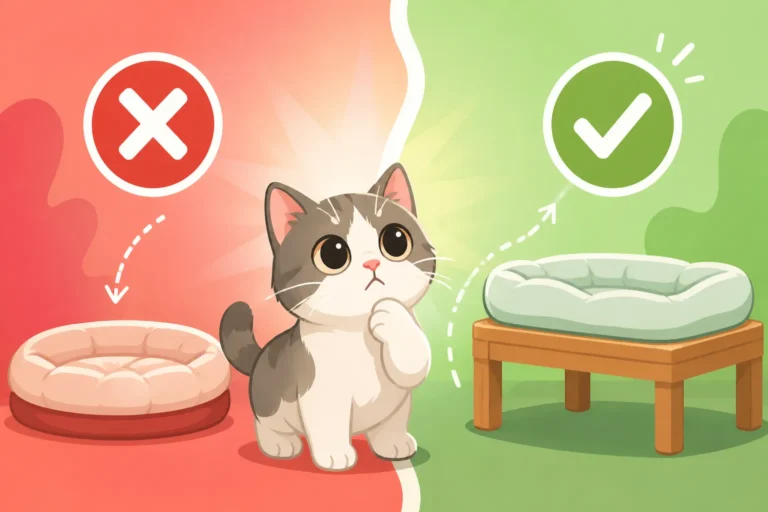
- Scratching Alternatives: Provide horizontal scratchers, cardboard scratchers, and scratching mats in addition to shorter, sturdier vertical posts that are more accessible for their reach. Even though their reach is limited, they still need to scratch for claw health and to mark territory. Which Scratching Post a Munchkin Can Use is often a floor-level or slightly elevated option.
Consistency and positive reinforcement are vital for making nail trims a stress-free experience for both of you.
Establishing a Gentle Grooming Routine
A consistent, positive grooming routine benefits both you and your Munchkin. It strengthens your bond, keeps your cat comfortable, and helps you spot potential health issues early.
Making Grooming a Positive Experience
No cat loves being restrained or having their fur pulled. The goal is to make grooming a calm, even enjoyable, part of your Munchkin's day.
- Start Early: If you have a Munchkin kitten, start handling their paws, gently touching their brushes to their fur, and offering treats from day one. Short, positive sessions build acceptance.
- Short & Sweet: Especially in the beginning, keep grooming sessions brief – just a few minutes focusing on one area. Gradually increase the duration as your cat becomes more comfortable.
- Positive Reinforcement: Lavish praise, gentle petting, and delicious treats during and immediately after grooming. If your cat resists, stop and try again later. Never force it; you want to build trust, not fear.
- Comfortable Environment: Choose a quiet, calm space where your Munchkin feels secure. Use a non-slip surface if grooming on a table to prevent slips and tumbles.
- Watch for Cues: Learn your Munchkin's body language. If they start to get agitated – tail twitching, ears flattening, growling – it's time to stop and give them a break. Pushing too far can make future sessions much harder.
A consistent routine helps your Munchkin anticipate and accept grooming. It also provides an excellent opportunity to perform a quick health check: feel for any lumps, bumps, skin lesions, or changes in body condition. Remember, How Quickly Treats Show on a Munchkin's Frame means to use them sparingly or factor them into their daily caloric intake to prevent unhealthy weight gain, which is particularly dangerous for their joints.
When to Seek Professional Help
Even with the best intentions and diligent efforts, there are times when professional help is needed. There's no shame in calling in the experts!
- Severe Matting: If you discover large, tight mats that you can't safely remove with a comb or brush, please don't try to cut them out with scissors yourself. It's incredibly easy to accidentally cut your cat's skin, which is very thin and delicate. A professional groomer has the tools and expertise to safely shave out severe mats, often with specialized clippers that get under the mat without touching the skin.
- Hygiene Issues You Can't Manage: If your Munchkin consistently struggles with fecal matting or recurrent skin irritation despite your best efforts, a professional groomer can perform regular sanitary clips and deep cleaning. They can also offer advice on specific products or techniques that might help.
- Behavioral Challenges: If your Munchkin becomes overly aggressive, stressed, or fearful during grooming, a professional groomer might have techniques or a calmer environment that can help. Sometimes a fresh start with a neutral party can make a big difference.
- Identifying Underlying Health Issues: Persistent skin problems, excessive shedding, or sudden changes in coat quality can be signs of underlying health issues. Your vet is the best person to diagnose and treat these. For example, if your Munchkin suddenly stops grooming itself or struggles more than usual, it could be a sign of pain or illness. Why a Munchkin That Stops Using Its Ramp Is Unwell often points to joint pain or other health problems that impact their mobility and comfort, including grooming.
A professional groomer who is familiar with Munchkin cats or other dwarf breeds can be an invaluable part of your cat's care team, ensuring they stay clean, comfortable, and healthy. Don't hesitate to reach out to them when needed, as they're there to help you provide the best possible care for your unique companion.
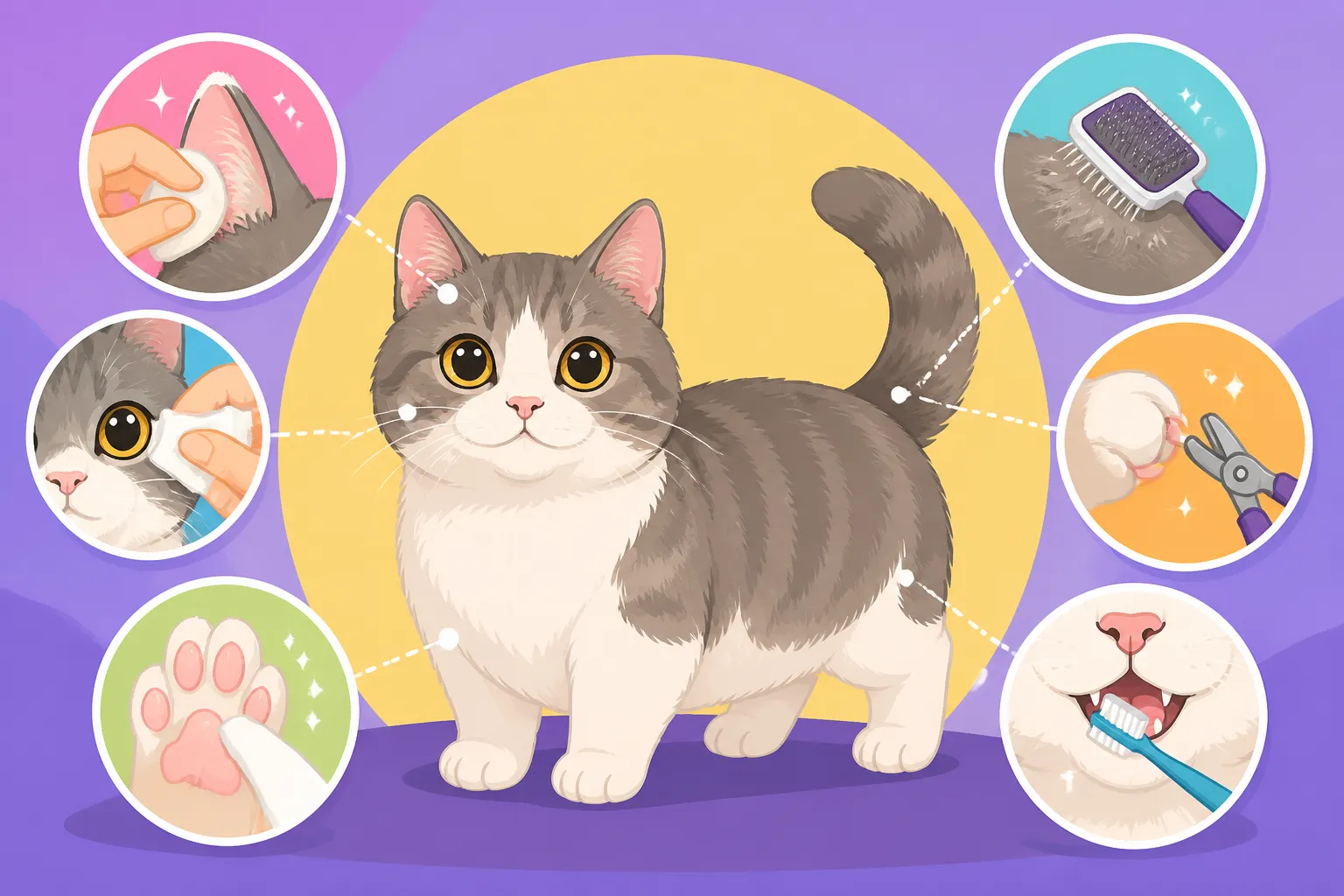
| Grooming Area | Why It Needs Attention | Recommended Tools & Techniques | Frequency |
|---|---|---|---|
| Hindquarters | Prone to fecal matter, urine staining, and mats (especially longhaired). High risk for skin irritation. | Damp cloth, pet wipes, metal comb, blunt-nosed scissors for sanitary trim. | Daily check, trim as needed. |
| Underbelly | Picks up litter, dust, debris. Mats easily in armpits and groin. | Soft slicker brush, grooming glove, metal comb. | Several times a week. |
| Back & Shoulders | Difficult for Munchkins to reach fully; collects loose fur, dust. | Slicker brush, rubber curry brush. | 2-3 times a week. |
| Paws & Claws | Fur between pads can mat. Claws need regular trimming to prevent overgrowth. | Paw pad trimmer (if needed), cat nail clippers. | Nails every 2-4 weeks; paws as needed. |
| Behind Ears | Common spot for small mats and tangles, especially in longer coats. | Metal comb, slicker brush. | Daily or every other day. |
Disclaimer
This article is for general informational purposes only and does not constitute professional advice. Laws, prices and regulations vary by location and change over time. Consult a qualified professional for guidance on your specific situation.