Why a Munchkin’s Body Looks Round Against the Floor
It's a common sight for Munchkin cat owners: you look down at your adorable, short-legged companion, and their body just seems… round. Many wonder if their beloved feline friend is secretly a little chunkier than they should be, or if this "round" appearance is simply part of their unique physiology. This guide will help you understand why your Munchkin's body might appear round against the floor, how to tell the difference between a healthy, unique build and actual excess weight, and what steps you can take to ensure they maintain optimal health.
Understanding the Unique Munchkin Physique
The Munchkin cat's defining characteristic is, of course, their incredibly short legs. This genetic trait, a form of pseudoachondroplasia, affects the long bones of their limbs, making them significantly shorter than those of a standard domestic cat. However, their body length and spine remain proportionate to a normal-sized cat. This creates a visual dynamic that often leads to the perception of a rounder, more barrel-chested appearance.
The Illusion of Roundness Due to Short Legs
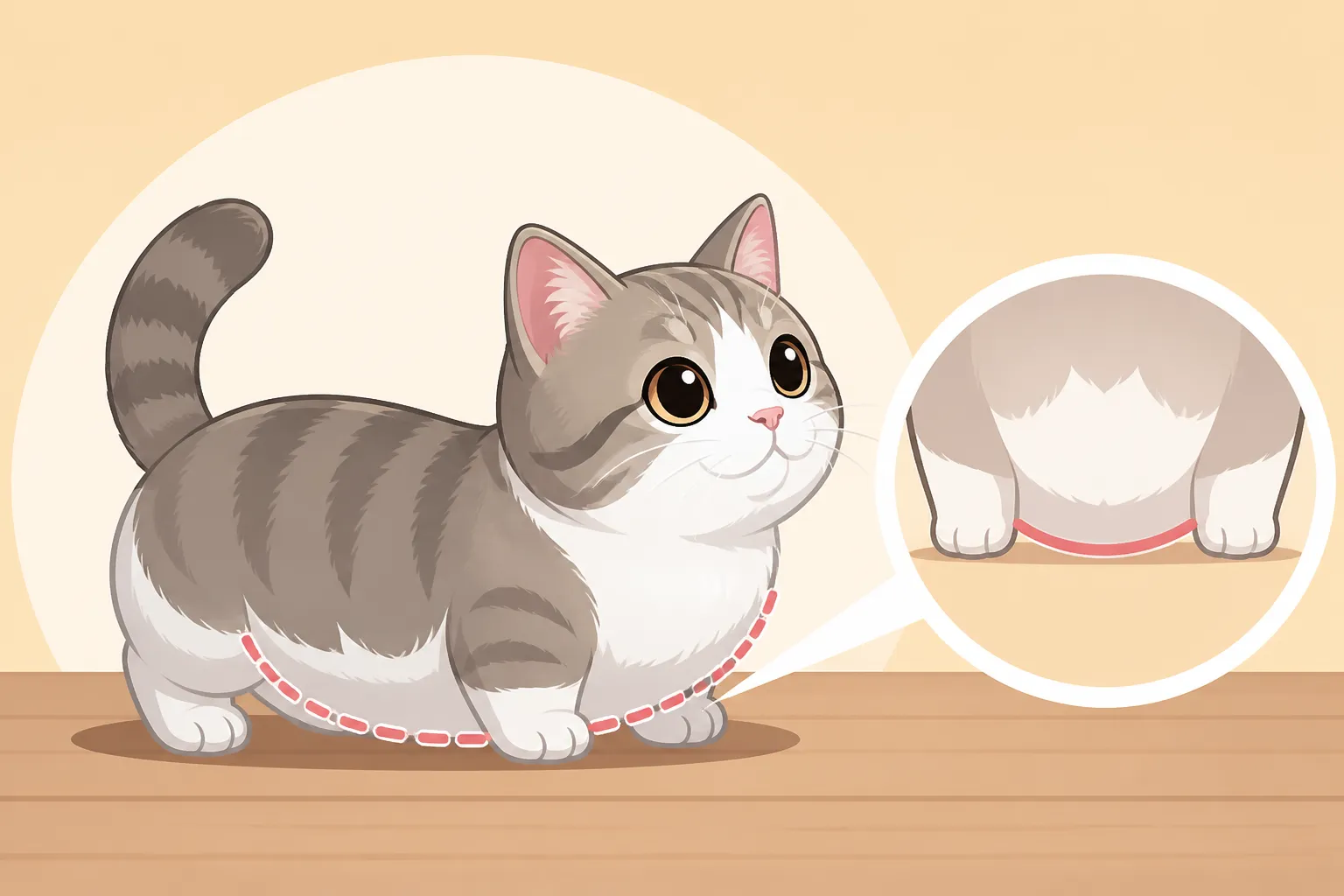
When you see a standard cat, their longer legs elevate their body, giving a sense of clearance and often highlighting a more streamlined, athletic build. With a Munchkin, that elevation is dramatically reduced. Their body sits much closer to the ground, which visually compresses their torso and makes it appear wider and deeper than it truly is. Imagine a loaf of bread: when it's on a high shelf, you see its full height and width. But if you place it directly on the floor and view it from above, its relative height disappears, and the width becomes more prominent, making it seem much rounder. This is essentially what happens with a Munchkin.
Their spine and body are the length you'd expect for a cat, but without the "stilts" of long legs, their entire trunk appears more squat and robust. It's an optical illusion of sorts, where the eye interprets the lack of height as an increase in girth. This can be particularly noticeable when they are sitting or lying down, where their short legs are tucked, and the full expanse of their body is presented low to the ground. You might see them walk past and think, "Wow, they look stout!" but it's often just their natural proportions at play.
This illusion is a key reason why many first-time Munchkin owners might mistakenly assume their cat is overweight. They're comparing it to the typical cat silhouette, which simply doesn't apply to a Munchkin. It’s crucial to recalibrate your visual expectations and understand that their unique conformation naturally presents a different profile.
Normal Body Condition vs. Perceived Chunkiness
So, how do you differentiate between a healthy, uniquely-built Munchkin and one that genuinely needs to shed a few pounds? A truly lean Munchkin, despite its low stature, should still have a palpable waist when viewed from above. When you gently run your hands along their sides, you should be able to feel their ribs without pressing hard, much like feeling the back of your hand. Their spine should also be discernible under the fur, and there should be a visible, though subtle, abdominal tuck from the side.
However, the low-slung belly of a Munchkin can be particularly misleading. Because their torso is closer to the ground, their belly often seems to hang lower than a normal-legged cat's, even when they are at a healthy weight. This isn't necessarily a sign of obesity; it's just a consequence of their short legs and normal body length. They don't have the same amount of leg length to provide clearance from the floor. This means what might look like a "chubby" belly could simply be a normal, healthy abdomen that just happens to be closer to the ground.
The challenge for owners is that this makes it harder to gauge their true body condition. You can't just glance at them and make an accurate assessment. It requires a more hands-on approach and a clear understanding of what a healthy Munchkin feels like, rather than relying solely on visual cues. Many owners, looking at their cat's apparent roundness, might even subconsciously overfeed them, thinking they are too thin because they don't see the typical feline athletic frame. This misinterpretation can inadvertently contribute to actual weight gain, which is something we absolutely want to avoid with a Munchkin.
The Critical Importance of Weight Management
While the perceived roundness of a Munchkin is often an optical illusion, true excess weight is a very real and serious concern for these cats. Their unique skeletal structure, particularly their spine and joints, is not designed to carry additional burden. Every extra pound your Munchkin carries places disproportionate strain on their body, leading to a cascade of potential health issues.
Why Extra Weight Is More Dangerous for a Munchkin
Imagine trying to carry a heavy backpack while walking on crutches. That's a bit like what an overweight Munchkin experiences. Their short legs mean their joints, especially in the shoulders and elbows, are already working harder to support their body weight and absorb impact from even small jumps or movements. When you add extra weight, this strain is compounded exponentially. The cartilage in their joints wears down faster, leading to conditions like Whether a Munchkin Gets Arthritis Earlier. This can manifest as stiffness, reluctance to move, and pain, significantly impacting their quality of life.
Furthermore, an overweight Munchkin's spine, which is of normal length but carries a load a normal cat's does not, becomes particularly vulnerable. The additional weight can exacerbate existing spinal conformational issues or lead to new ones. Conditions like lordosis, a curving of the spine that can be seen in Munchkins, can become much more severe under the strain of excess weight, potentially compressing internal organs. You can learn more about this in Why a Munchkin's Spine Carries a Load a Normal Cat's Does Not. Even a slight increase in weight for a Munchkin can lead to noticeable changes in their mobility and comfort, making previously easy movements difficult or painful. This is why Why an Overweight Munchkin Is in Real Trouble is not an exaggeration for this breed.
The long-term consequences of obesity for a Munchkin are dire. Beyond joint and spinal problems, excess weight contributes to an increased risk of diabetes, heart disease, and liver issues, just like in other cat breeds, but the impact on their mobility is far more immediate and debilitating due to their short stature. Preventing obesity is not just about keeping them trim; it's about preserving their physical comfort and ensuring they can enjoy a full, active life without unnecessary pain.
Identifying and Addressing Overweight Issues
Given the visual trickery of their short legs, how can you accurately tell if your Munchkin is genuinely overweight? The most reliable method is through regular body condition scoring (BCS), which involves both visual assessment and palpation (feeling their body). Forget how round they look against the floor; focus on what you can feel.
When performing a BCS, you should gently feel your Munchkin's ribs. They should be easily palpable under a thin layer of fat, similar to how you can feel your knuckles when your hand is open. If you have to press firmly to feel them, or if you can't feel them at all, your cat is likely overweight. Next, assess their waist. While a Munchkin's body looks round, a healthy one will still have a gentle tuck behind their ribs when viewed from above, even if it's not as pronounced as in a long-legged cat. You can find more specific guidance on How to Score a Munchkin's Body Condition and How to Feel a Munchkin's Ribs.
| Body Condition Score | Visual Cues (Munchkin Specific) | Palpation Cues (Munchkin Specific) |
|---|---|---|
| Ideal (BCS 5/9) | Appears sleek, but still low to the ground. Subtle waist tuck. | Ribs easily felt with light pressure. Defined waist and spinal processes. |
| Overweight (BCS 7/9) | Appears distinctly rounder, lack of waist. Belly might visibly sag. | Ribs felt with moderate pressure. Waist less defined, fat over spine. |
| Obese (BCS 9/9) | Very round, no waist, pronounced sagging belly, often drags. | Ribs difficult or impossible to feel. Thick fat layer over spine and abdomen. |
If you determine your Munchkin is overweight, the next step is a consultation with your veterinarian. They can help rule out any underlying medical conditions and formulate a safe, effective weight loss plan. This typically involves reducing calorie intake through portion control and, potentially, switching to a high-protein, low-fat cat food formulated for weight management. Many high-quality brands are available at pet retailers like Chewy, offering various dietary options that support lean muscle mass while reducing caloric density. The goal is gradual weight loss, typically 1-2% of body weight per week, to avoid complications like hepatic lipidosis. Remember, What a Lean Munchkin Should Feel Like Along the Spine is your goal, not just a smaller scale number.
Practical Tips for Maintaining a Healthy Munchkin Physique
Keeping your Munchkin at a healthy weight and ensuring their comfort requires a conscious effort to adapt their environment and daily routine. It’s not just about what they eat, but also how they move and interact with their world.
Tailored Feeding and Nutrition Strategies
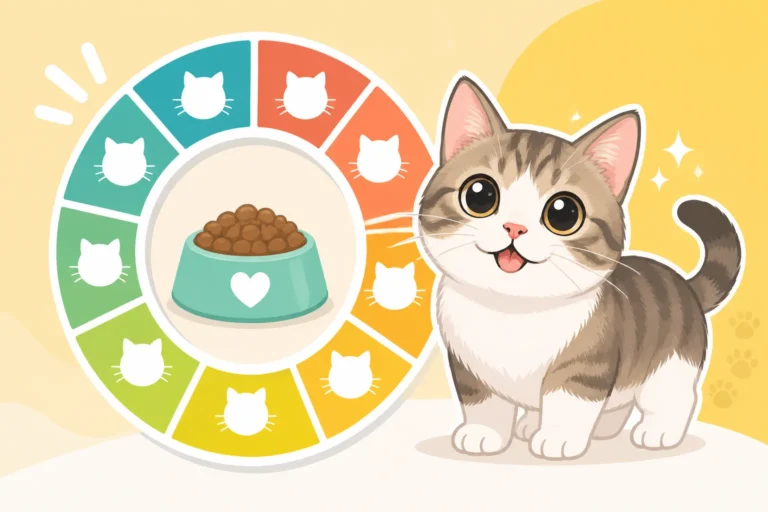
Precise portion control is paramount for Munchkins. Because they burn fewer calories than their long-legged counterparts due to their modified gait and limited jumping ability, it's incredibly easy for them to pack on pounds. Measuring their food with a kitchen scale for each meal, rather than simply scooping, is a simple yet effective way to manage their intake. Don't just follow the package guidelines blindly; these are often for average, active cats. Your vet can provide a specific calorie target tailored to your Munchkin's age, activity level, and ideal weight.
Consider their feeding posture as well. While many standard cat bowls sit on the floor, a Munchkin might benefit from slightly raised food and water bowls. This can alleviate strain on their neck and shoulders, allowing them to eat more comfortably without having to stoop too low. You can find many ergonomic pet bowl stands at retailers like Amazon that can be adjusted to the perfect height for your short-legged friend. Also, look for cat foods rich in animal protein to support muscle maintenance and joint-supporting ingredients like glucosamine and chondroitin. These supplements can be vital in proactively protecting their joints from the wear and tear associated with their unique conformation.
Remember that treats should be factored into their daily calorie allowance. A few extra treats, while seemingly small, can quickly add up for a cat with a lower caloric need. Opt for low-calorie, healthy treats, or consider using a portion of their daily kibble as treats during playtime.
Encouraging Safe Activity and Enrichment
Since intense climbing and high jumping are generally discouraged for Munchkins to protect their joints and spine, their exercise needs to be focused on floor-level activities that encourage movement without undue strain. Engage them with wand toys, laser pointers, or small rolling toys that they can chase and pounce on across the floor. This provides mental stimulation and physical activity without vertical challenges. How Much Floor Play Keeps a Munchkin's Weight Down is critical to their long-term health.
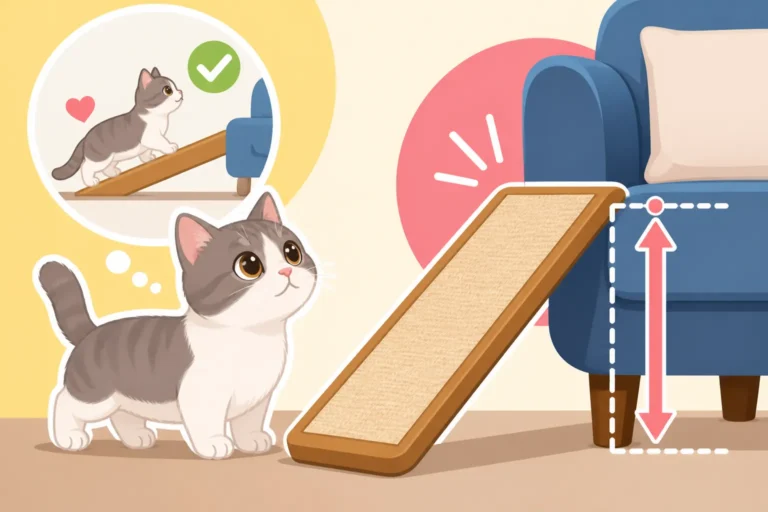
Their environment should be adapted to facilitate movement and access to favorite spots without dangerous leaps. Instead of relying on them to jump onto furniture, provide ramps or pet stairs. You can find a wide range of ramps, from carpeted to non-slip surfaces, on sites like Chewy or Amazon, making it easy for your Munchkin to safely reach the sofa, your bed, or a sunny windowsill. These aren't luxuries; they're essential tools for preventing injury and keeping your Munchkin mobile and engaged.
If your Munchkin enjoys cat trees, choose ones with closely spaced platforms or consider building custom steps to bridge the gaps. This allows them to explore vertical spaces safely, satisfying their natural curiosity without risky jumps. Always ensure soft landings if they do decide to take a small leap from a low height, using rugs or padded mats. Preventing hard landings is key to protecting their delicate joints.
Common Misconceptions and Long-Term Health
It’s easy to fall into traps of misunderstanding when it comes to a breed as unique as the Munchkin. Dispelling these myths and focusing on proactive veterinary care are vital for their well-being throughout their lives.
Dispelling Myths About Munchkin "Chubbiness"
The biggest misconception is that a Munchkin's naturally "round" or "low-slung" appearance equates to them being inherently chubby or lazy. As we've discussed, much of this is an optical illusion created by their short legs. It's crucial for owners to understand this distinction, so they don't mistakenly accept actual weight gain as "just how Munchkins look." This acceptance can prevent early intervention when a Munchkin is starting to become overweight, turning a minor issue into a major health problem.
Another myth is that Munchkins don't need much exercise because of their short legs. While they can't scale a bookshelf like a long-legged cat, they are often surprisingly agile and playful at ground level. They love to run, chase, and explore, albeit horizontally. Depriving them of this activity can contribute to boredom, stress, and, yes, weight gain. They might not be Olympic high-jumpers, but they are far from sedentary creatures.
It’s also important to remember that responsible breeding aims for Munchkins with otherwise healthy, proportionate bodies. Any cat, regardless of breed, can become overweight or obese if overfed and under-exercised. With Munchkins, the consequences are simply amplified due to their specific anatomy. Therefore, always seek professional veterinary advice when you have concerns about your Munchkin's weight or body condition, rather than relying on internet forums or anecdotal observations.
The Role of Regular Vet Checks and Proactive Care
Regular veterinary check-ups are absolutely non-negotiable for a Munchkin cat. Because of their unique conformation, a vet who is familiar with the breed can provide invaluable guidance on maintaining their optimal health. During these visits, your veterinarian will perform a thorough physical examination, including careful palpation of their spine and joints, and an accurate body condition score. This is especially important for Munchkin kittens, where an early vet check can identify any conformational issues. You can read more about this in Why a Munchkin Kitten Needs an Early Vet Check.
As your Munchkin ages, these check-ups become even more critical. They can help monitor for signs of arthritis or spinal issues, which might develop earlier or be more pronounced in Munchkins than in other breeds. Your vet can recommend preventive measures, such as joint supplements, and discuss strategies for managing any discomfort. For an adult Munchkin, How Often a Healthy Adult Munchkin Needs Checking should be a yearly priority, or even more frequently if specific concerns arise.
Don't hesitate to discuss any changes in your Munchkin's gait, activity level, or eating habits with your vet. Subtle shifts can be early indicators of pain or discomfort. Proactive care, careful observation, and a strong partnership with your veterinarian are the best tools you have to ensure your Munchkin cat not only looks healthy, but is healthy and lives a long, comfortable life, regardless of how "round" they might appear against the floor.
Disclaimer
This article is for general informational purposes only and does not constitute professional advice. Laws, prices and regulations vary by location and change over time. Consult a qualified professional for guidance on your specific situation.