What a Lean Munchkin Should Feel Like Along the Spine
It’s a common worry for Munchkin cat parents: with those adorable short legs and their unique body shape, how on earth do you tell if they’re a healthy weight? Visual cues can be incredibly deceiving, making it hard to know if you're feeling a lean, healthy spine or one burdened by too much weight. This guide will walk you through exactly what a lean Munchkin's spine should feel like, along with other key body condition indicators, so you can confidently monitor your beloved companion's health.
The Munchkin's Unique Body Shape and Why it Matters for Weight Assessment
Let's be honest, Munchkins are built differently. Their defining characteristic – those charmingly short legs – completely changes how their weight is distributed and how their body condition appears. This isn't just a cosmetic difference; it has real implications for how you should assess their health and well-being. What might look perfectly normal on a long-legged cat can be a red flag for a Munchkin, and vice versa. Understanding their unique physique is the first step in ensuring they maintain a healthy weight.
More Than Just Short Legs: The Overall Build
When we talk about a Munchkin's body, it's not simply a normal cat body with shortened limbs. While the spinal column itself is typically of normal length, the proportion of their body to their legs is what truly sets them apart. This means their torso sits much closer to the ground, and their center of gravity is lower. They have a compact, muscular build that can sometimes make them appear heavier than they are, or hide subtle weight changes. You might look at your Munchkin and think they seem a bit chunky, when in reality, they're simply built that way. Their body is designed to move close to the ground, and this low-slung stance can easily trick the eye.
The "Round" Illusion: Why Visuals Can Be Deceiving
One of the biggest challenges for Munchkin owners is the visual illusion created by their short legs and relatively normal-length body. From a distance, or even when cuddled on your lap, a Munchkin can often appear quite rounded or stout, even when they are at a perfectly healthy weight. This is largely because their bellies naturally sit closer to the floor, giving the impression of a fuller midsection. It's not uncommon for owners to mistakenly believe their Munchkin is overweight based purely on how round they look. This is why relying solely on your eyes, especially for Why a Munchkin's Body Looks Round Against the Floor, can be misleading. You might be seeing a healthy, well-muscled cat whose unique conformation simply gives a different impression than a standard cat. This is where hands-on assessment becomes absolutely vital. You need to learn what feeling healthy feels like, rather than just what looking healthy implies.
Why a Munchkin's Spine Has a Different Load
While a Munchkin's spine is generally normal in length, the mechanical forces acting upon it are inherently different due to their shortened limbs. Think about it: a standard cat has long levers (its legs) to absorb shock and distribute weight when jumping, running, or even just walking. A Munchkin, however, has much shorter levers. This means that every movement, every landing from a small jump, every twist, places a comparatively greater load and different stresses on their spinal column. This is crucial for understanding why maintaining a lean, healthy weight is even more paramount for Munchkins. Any excess weight compounds this load, increasing the risk of strain and discomfort over time. Their spine, while anatomically similar, is performing its job under different biomechanical conditions, making optimal weight a critical factor in Why a Munchkin's Spine Carries a Load a Normal Cat's Does Not.
Understanding Body Condition Scoring: A Hands-On Approach
Since visual assessment can be so tricky with a Munchkin, mastering the art of body condition scoring (BCS) through touch is your superpower. This isn't just some fancy vet technique; it's a practical, everyday tool that any dedicated cat parent can learn. It empowers you to be an active participant in your cat's health monitoring, helping you catch subtle changes before they become bigger problems.
The Universal Cat Body Condition Score (BCS) System
The Body Condition Score (BCS) system is a standardized way for veterinarians and pet owners to assess an animal's fat reserves. It typically ranges from 1 to 9, where 1 is emaciated, 5 is ideal, and 9 is morbidly obese. This system relies on feeling specific bony landmarks – the ribs, spine, and hip bones – and observing the overall body shape, including the waistline and abdominal tuck. For a cat at an ideal BCS of 5, you should be able to easily feel their ribs with a light touch, without them being visibly prominent. There should be a visible waist when looking down from above, and an abdominal tuck when viewed from the side. The key is balance: not too bony, not too padded. Learning this system is foundational, but applying it to a Munchkin requires a special touch, literally.
Adapting BCS for Your Munchkin: What to Feel For
Because of their unique build, a Munchkin's BCS assessment needs a slight adjustment in interpretation. You still want to feel for the same bony landmarks, but you might need to feel a little more deliberately, and your visual cues will definitely be different. For example, the "abdominal tuck" that's so obvious on a long-legged cat might be very subtle or almost non-existent on a Munchkin due to their belly sitting so low. This is where the tactile assessment of the spine, ribs, and hips becomes absolutely critical. You're trying to feel the underlying structure, not just the fluffy exterior. We have a whole guide on How to Score a Munchkin's Body Condition, but for now, let's focus on the spine.
How to Practice Your Palpation Skills
The best way to get good at this is to practice regularly and get to know what your Munchkin feels like at a healthy weight. When you're petting your cat, especially along their back and sides, make it a point to gently run your hands over their ribs, spine, and hips. Start when they're relaxed and purring, making it a positive experience. Compare what you feel to descriptions, and if possible, ask your vet during their next check-up to demonstrate what an ideal BCS feels like on your particular cat. Consistent practice will build your confidence and your ability to detect changes early. Remember, you're not trying to find every bone sharply; you're looking for the subtle presence of bony structures underneath a healthy layer of muscle and minimal fat.
Palpating the Spine: What a Lean Munchkin's Backbone Reveals
Now, let's get down to the nitty-gritty: how to feel your Munchkin's spine to determine if they're lean and healthy. This is arguably the most important part of their body condition assessment, especially given the unique stresses their stature places on their back. It's about a gentle, investigative touch, not a forceful prod.
Locating the Spine: Gentle Touch is Key
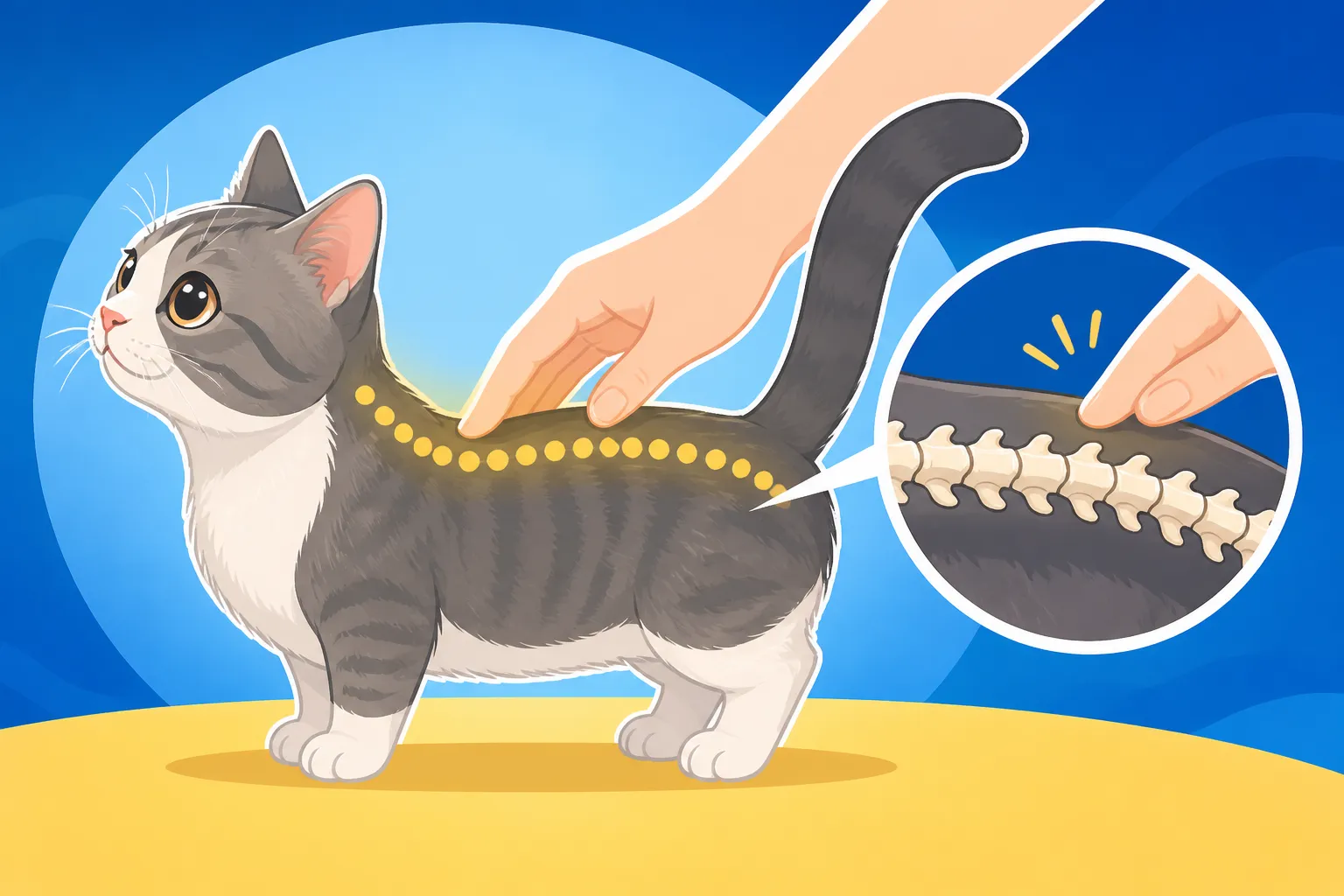
Your Munchkin's spine runs all the way from the base of their neck down to their tail. To begin your assessment, place the pads of your fingers (usually your index and middle fingers) gently along either side of their spine, starting just behind their shoulders. Slowly move your fingers downwards towards their tail. You're not pressing hard; you're just allowing your fingertips to glide over the skin and fur, feeling for the underlying bone. The goal is to feel the individual vertebral processes – the knobby bits of the spine – as distinct points rather than a continuous, smooth ridge. This area is often quite sensitive for cats, so be soft and reassuring.
The "Bumpy Bead Necklace" Feel: Ideal Leanness
When you're feeling for an ideal, lean Munchkin spine, what you're looking for is a sensation akin to a "bumpy bead necklace" or a string of pearls under their skin. You should be able to distinguish each individual vertebra with a light touch. They should feel prominent, but not sharp or angular. If they feel overly sharp, jagged, or stick out with no discernible cushioning, your Munchkin might be too thin (BCS 1-3). Conversely, if you have to press hard to feel any individual bumps, or if the spine feels like a smooth, padded ridge, your Munchkin is likely carrying too much weight (BCS 6-9).
Here's a quick guide to what you might feel:
| BCS Level | Description of Spine Feel (Munchkin) | Implications |
|---|---|---|
| 1-3 (Thin) | Vertebrae are very prominent, sharp, and easy to distinguish with no cushioning. | Underweight. Consult vet for nutritional guidance. |
| 4-5 (Ideal) | Vertebrae are easily palpable as individual "bumps," but feel slightly rounded/cushioned. | Lean and healthy. This is the goal! |
| 6-7 (Overweight) | Vertebrae are palpable but require moderate pressure. They feel less distinct and more padded. | Overweight. Begin considering portion control and increased activity. |
| 8-9 (Obese) | Vertebrae are very difficult to palpate, even with firm pressure. The back feels smooth and heavily padded. | Obese. Immediate veterinary consultation for a structured weight loss plan. Why an Overweight Munchkin Is in Real Trouble |
Remember, consistency is key. Feel your Munchkin's spine regularly so you become familiar with their individual healthy feel. This way, you'll be the first to notice any shifts in their body condition.
Distinguishing Lean from Bony: The Critical Difference
This is a subtle but incredibly important distinction. A lean Munchkin is healthy and has appropriate muscle and minimal fat. Their spine will feel distinct, like those "bumpy beads" we just talked about, but there will still be a subtle layer of tissue over them. It's like feeling a well-toned athlete's muscles – you feel the definition, but not the sharpness of bone digging into your fingers.
A bony Munchkin, on the other hand, is underweight. When you feel their spine, the individual vertebrae will feel very sharp, angular, and almost painful to touch. There will be very little, if any, cushioning over the bone. You might also notice that the hip bones and shoulder blades are visibly protruding. This isn't healthy lean; this is a sign of inadequate nutrition or an underlying health issue. If you suspect your Munchkin is too bony, it’s imperative to consult your veterinarian promptly. They can help identify the cause and formulate a plan to get your furry friend back to a healthy weight.
Assessing Ribs, Hips, and Waistline in Your Short-Legged Friend
Beyond the spine, paying attention to the ribs, hips, and what might pass for a waistline on your Munchkin provides a more complete picture of their body condition. These areas, when felt correctly, can confirm what your spinal assessment suggests, helping you triangulate an accurate BCS.
Feeling the Ribs: A Subtle Indicator of Condition
To feel your Munchkin's ribs, gently place your palms flat on either side of their chest, just behind their front legs. Apply a very light pressure as you sweep your hands backwards along their sides. For a Munchkin at an ideal weight, you should be able to feel each individual rib bone, much like feeling the slats of a Venetian blind, without having to press hard. The ribs should be palpable under a thin layer of muscle and fat, but they shouldn't be visibly prominent or feel sharp and exposed.
If you can see the ribs clearly without touching, or if they feel very sharp and distinct with no cushioning, your cat is likely too thin. On the flip side, if you have to press firmly to even locate the ribs, or if their sides feel soft and squishy without any discernible rib definition, then your Munchkin is likely carrying too much weight. This area can be especially prone to hiding extra fat, so make sure your hands are doing the work, not just your eyes. We've got more detailed guidance on How to Feel a Munchkin's Ribs if you want to dive deeper into this specific area.
The Hip Bones and Tail Base: Other Bony Markers
Moving further back, the hip bones are another important area to check. These are located on either side of your Munchkin’s lower back, just above the tail. At a healthy weight, you should be able to feel the hip bones with a light touch, but they shouldn't be sticking out sharply or feel bony and uncovered. If they are very prominent and easy to see or feel, it's another indicator of being underweight. If you can't feel them easily or at all, your Munchkin might be overweight.
Similarly, the base of the tail can give you clues. In a lean Munchkin, you should feel a slight taper where the tail meets the body, and the bones at the very base of the tail should be subtly palpable. If there's a significant pad of fat at the base of the tail, it's a strong sign of excess weight. This area is often one of the first places cats store extra fat, so it's a good spot for a quick check.
The Elusive Waistline: Looking Beyond the Low Belly
For most cats, a visible waistline when viewed from above and an abdominal tuck when viewed from the side are key indicators of a healthy weight. However, with Munchkins, this can be incredibly difficult to assess visually. Their low-slung bodies and naturally full-looking bellies often obscure what would be a distinct waist on a long-legged cat. You might not see a dramatic "tuck" at all.
Instead of looking for a sharp indentation, try to feel for a gentle inward curve. When you look down at your Munchkin from above, a healthy-weight individual might show a slight indentation behind their ribs, before their hips. It won't be as pronounced as on a standard cat. From the side, their belly will likely appear close to the ground, but it shouldn't be sagging or pendulous. If their belly drags on the floor, or feels consistently soft and without any underlying muscle tone, they are definitely carrying too much weight. This is where your hands truly become more reliable than your eyes.
The Critical Importance of Optimal Weight for Munchkin Health
For Munchkins, maintaining an optimal weight isn't just about aesthetics; it's absolutely fundamental to their long-term health and comfort. Their unique skeletal structure means that even a little extra weight can have significant consequences, putting undue stress on areas that are already performing under different biomechanical conditions.
Why Extra Weight is Especially Challenging for Munchkins
Imagine trying to carry an extra backpack all day, every day. Now imagine doing that with shorter legs. That’s essentially what an overweight Munchkin experiences. Their short limbs already mean their body sits closer to the ground, and their joints – particularly in their shoulders and elbows – bear a greater load during movement and impact. Every extra gram of fat adds to this burden. This increased load can accelerate the wear and tear on their joints, potentially leading to earlier onset or worsening of conditions like osteoarthritis. It can also exacerbate any latent spinal issues, making movement more uncomfortable and difficult. Why Weight Is More Dangerous on a Munchkin isn't just a catchy phrase; it's a statement of fact for these cats.
Furthermore, excess weight can hinder their agility. While Munchkins are surprisingly quick and playful on the flat, climbing and jumping can be more challenging. Additional weight makes these activities even harder, reducing their desire to move and creating a vicious cycle where less activity leads to more weight gain.
The Ripple Effect: Weight and Spinal Health
The spine is a critical area of concern for Munchkins. While their short legs are due to a form of chondrodysplasia (dwarfism), their spine itself is generally of normal length. However, any existing predispositions to spinal conditions, such as lordosis (a severe inward curvature of the spine) or pectus excavatum (a sunken chest), can be significantly worsened by excess weight. An overweight Munchkin carries more mass pressing down on its vertebral column, increasing compression and potentially aggravating any existing spinal abnormalities.
This increased pressure can lead to chronic pain, reduced mobility, and a diminished quality of life. It can also make it harder for them to groom themselves, especially their hindquarters, which can lead to skin issues and matting. Owners often report that their overweight Munchkin moves less, jumps less often, and generally seems less enthusiastic about play. This isn't just a change in personality; it's often a sign of discomfort and pain related to their body condition. Ensuring your Munchkin's spine isn't carrying unnecessary weight is one of the most proactive steps you can take for their well-being.
The Dangers of Being Underweight
While the focus is often on obesity, being underweight also poses significant risks for Munchkins. A Munchkin that is too thin lacks adequate muscle mass and fat reserves, which are crucial for energy, insulation, and protecting their organs and bones. They may be more susceptible to illness, have a weaker immune system, and struggle to recover from even minor health setbacks.
Causes of being underweight can range from insufficient food intake, poor quality diet, stress, or underlying medical conditions like parasites, hyperthyroidism, or digestive issues. If your Munchkin feels bony, sharp, and you notice their hip bones and spine are very prominent, it’s essential to consult your vet. They can help rule out any medical causes and advise on an appropriate feeding plan to safely increase their weight. Remember, a healthy lean is strong and resilient; underweight is fragile.
Maintaining That Ideal Lean Munchkin Physique
Once you understand what a lean Munchkin should feel like, the next step is actively working to maintain that ideal body condition throughout their life. This is a commitment, but one that will pay dividends in their health, happiness, and longevity. It's about a holistic approach that combines careful nutrition with appropriate activity and vigilant monitoring.
Precision Feeding and Calorie Management
Given their lower center of gravity and generally less intense activity levels compared to a long-legged cat (they don't jump as high or move as extensively in three dimensions), Munchkins typically require fewer calories than you might expect for their size. This means precision in their feeding is paramount.
- Weighing Food: Instead of simply scooping, invest in a small kitchen scale and weigh your Munchkin's kibble or wet food portions accurately. Pet food bags often provide calorie counts and feeding guidelines, but these are generalized. Your vet can give you a more tailored recommendation based on your Munchkin's specific needs and activity level.
- High-Quality Diet: Choose a high-quality cat food appropriate for their life stage, ideally one that supports joint health. Look for options with balanced nutrition, whether fresh food or reputable dry food.
- Limit Treats: Treats should be given sparingly and factored into their daily calorie intake. Those little morsels add up quickly!
- No Free-Feeding: While some cats can free-feed without gaining weight, it's generally not recommended for Munchkins due to their lower caloric needs. Portion control through scheduled meals is usually the best approach.
Regularly monitoring their weight at home, perhaps weekly or bi-weekly, can help you adjust portions as needed. Remember, How Much Weight a Munchkin Can Safely Carry is often less than you might think.
Encouraging Safe Movement and Play
Munchkins are playful, curious cats, and encouraging safe exercise is vital for maintaining muscle tone and burning calories without stressing their joints.
- Floor-Level Play: Focus on toys and games that encourage movement at their level. Wand toys, laser pointers (used carefully to avoid frustration), and rolling toys are excellent. They love to chase and pounce along the ground.
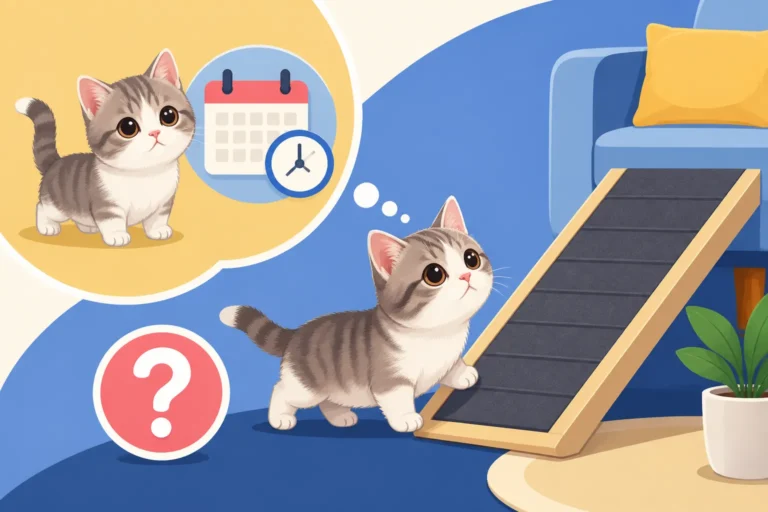
- Ramps and Steps: Provide ramps or pet steps to allow them safe access to favorite elevated spots like sofas, beds, or window perches. This encourages movement and exploration without the high-impact stress of repeated jumping. You can find many options on Amazon or even DIY solutions.
- Interactive Feeders: Puzzle feeders can make mealtime more engaging and burn a few extra calories, mimicking hunting behavior.
- Safe Climbing Structures: If you have a cat tree, ensure it has closely spaced platforms or ramps so your Munchkin can navigate it easily. A standard tall cat tree with large gaps might be inaccessible and frustrating.
- Controlled Outdoor Access: If you want your Munchkin to experience the outdoors, a secure catio is ideal. They are not built to escape predators or climb fences quickly, making outdoor adventures risky.
By making their environment accessible and enriching, you promote a more active lifestyle, which is crucial for managing their weight and supporting their joint health.
Regular Vet Checks and Home Monitoring
Your veterinarian is your most important partner in managing your Munchkin's weight and overall health.
- Annual Check-ups: Ensure your Munchkin has regular veterinary check-ups. Your vet will perform a professional BCS assessment and can offer tailored advice. They can also identify any underlying health issues that might be affecting their weight.
- Discuss Concerns: Don't hesitate to discuss any weight-related concerns with your vet. If you notice changes in how their spine or ribs feel, or if their energy levels drop, bring it up immediately.
- Learn from Your Vet: Ask your vet to show you exactly what a healthy BCS feels like on your specific cat. This personalized demonstration is invaluable for your home monitoring.
- Keep Records: Track your Munchkin's weight at home if possible. Small, consistent changes can be easier to spot over time.
By combining your diligent home assessment, a well-managed diet, appropriate exercise, and professional veterinary guidance, you can ensure your Munchkin maintains that ideal lean physique and enjoys a long, healthy, and happy life.
Disclaimer
This article is for general informational purposes only and does not constitute professional advice. Laws, prices and regulations vary by location and change over time. Consult a qualified professional for guidance on your specific situation.