Where to Put a Munchkin’s Scratcher
Finding the right spot for your Munchkin cat's scratcher can feel like a bit of a puzzle, especially when you realize that most standard cat products are designed for cats with, well, standard-length legs. You want your little companion to have all the enrichment and comfort a cat deserves, but their unique physique means you can't just plop a tall scratching post in any corner and expect it to be a hit. This guide is all about helping you figure out the best places to put your Munchkin's scratchers, ensuring they're accessible, inviting, and truly serve their purpose without causing any strain.
Understanding Your Munchkin's Unique Needs for Scratching
It's easy to overlook, but a Munchkin's short legs profoundly impact how they interact with their environment, including something as fundamental as a scratcher. They can't just stretch and contort like their longer-legged cousins, and understanding this is the first step to setting up a scratcher system that actually works for them.
Why Standard Scratchers Don't Always Work
Think about a typical cat scratching post. It's often tall, maybe a couple of feet high, designed for a cat to stand on their hind legs and stretch their full body upwards, digging their claws into the sisal rope. For a Munchkin, this setup is almost entirely unworkable. Their short stature means they simply cannot reach the top, or even much of the middle, of a tall post. Trying to use one would involve an awkward, stunted stretch, potentially putting undue strain on their back and shoulders.
This isn't just an inconvenience; it can be a real physical limitation. A standard-sized cat uses a tall scratching post to fully extend its spine, arching its back and stretching its shoulder muscles. This is a crucial physiological movement for them. For a Munchkin, whose spine already carries a unique load due to their limb structure, forcing an unnatural stretch or encouraging them to jump awkwardly can be detrimental. Why a Munchkin's Spine Carries a Load a Normal Cat's Does Not They might try to compensate by scrabbling at the very bottom, but they're not getting the satisfying, full-body stretch their instincts crave. It's like asking a person with short arms to reach a high shelf; they might try, but they won't succeed in the same way, and it could hurt.
The Importance of a Full, Safe Stretch
Scratching is far more than just sharpening claws. It's a complex behavior that fulfills several vital functions for cats:
- Claw Health: It removes the outer layer of old claw, keeping their claws sharp and healthy.
- Stretching and Exercise: It allows them to stretch their muscles, flex their paws, and engage their entire body. This physical activity is crucial for joint health and overall mobility, especially for a breed like the Munchkin where weight management is critical for their limb and spinal health. Why Weight Is More Dangerous on a Munchkin
- Territory Marking: Cats have scent glands in their paws, so scratching marks their territory visually and with their unique scent. It's how they say, "I live here, and this is my space!"
- Stress Relief: The act of scratching is inherently satisfying and can be a great way for cats to relieve stress, express excitement, or simply wake up from a nap.
Given these important functions, it's clear why providing appropriate scratching outlets is non-negotiable. For a Munchkin, a "full, safe stretch" means one that doesn't require them to reach upwards excessively or put their body in an unnatural position. It means choosing scratchers that accommodate their floor-level lifestyle, allowing them to stretch horizontally or at a gentle incline without having to jump or strain. If they can't get that satisfying stretch, they might abandon the designated scratcher entirely and turn their attention to your furniture – and who can blame them? They're just trying to fulfill a basic feline need.
Optimal Scratcher Types and Their Ideal Placement
When it comes to outfitting your home for a Munchkin, the focus is always on adapting the environment to them, not the other way around. This definitely applies to scratchers. Forget the towering cat trees for a moment and think horizontal and accessible.
Horizontal Scratchers: The Munchkin's Best Friend
Hands down, horizontal scratchers are often the absolute best choice for a Munchkin cat. They allow for a full, satisfying stretch along the ground, engaging their back and shoulder muscles without requiring them to stand on their hind legs or jump. They're naturally at their level, inviting them to use them without hesitation.
- Cardboard Scratchers: These are incredibly popular for a reason! They come in various shapes – flat pads, angled wedges, or even corrugated cardboard "loungers." Many cats adore the texture, and they're relatively inexpensive.
- Ideal Placement: These should be placed where your Munchkin naturally spends time. Think right by their favorite napping spot on the floor, next to their food and water bowls, or in a high-traffic area where they feel the need to mark their territory, like near a doorway or the family sofa. A simple cardboard scratcher from Chewy or Amazon can make a huge difference in protecting your rugs. Whether a Horizontal Scratcher Suits a Munchkin
- Sisal or Carpet Mats: These are flat mats made of sisal, carpet, or other durable materials that can lie directly on the floor. Some even have rubberized backing to prevent slipping.
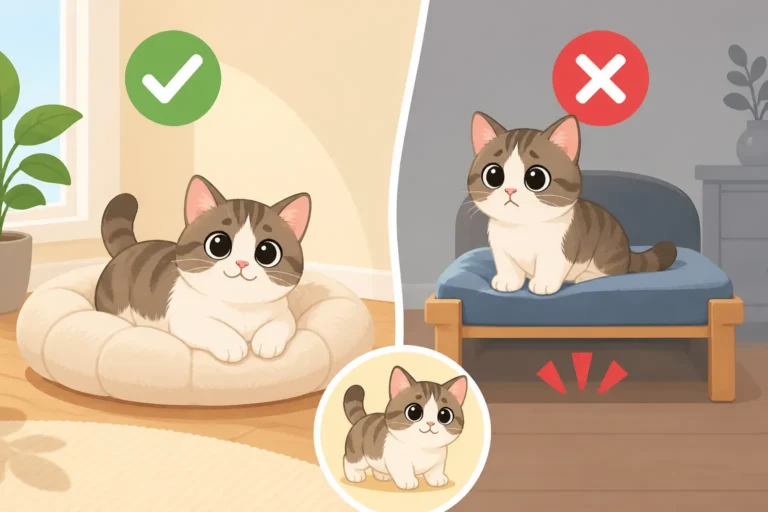
- Ideal Placement: Similar to cardboard scratchers, these are fantastic for placement in open areas of your living room, hallways, or at the base of any furniture your Munchkin might attempt to climb. If you have slick floors, placing these can also provide better traction for them as they scoot around. What a Munchkin Does All Day at Floor Level
Modified Vertical Scratchers and Ramps
While traditional tall vertical posts are largely out, there are modified vertical options or creative placements that can work for a Munchkin. The key is low height and stability.
- Very Short Vertical Posts: Look for posts that are no more than 12-18 inches tall. These allow for a moderate stretch without being overwhelming. Some come with a heavy, stable base, which is crucial.
- Ideal Placement: These can be placed against a low-lying piece of furniture, like the side of an ottoman or a sturdy coffee table, essentially extending the scratchable surface to an accessible height. If your Munchkin uses ramps to access furniture, a short vertical scratcher can be placed strategically at the base or along the side of the ramp itself, providing a scratching opportunity as they ascend or descend. Remember, the goal is always to encourage safe movement.
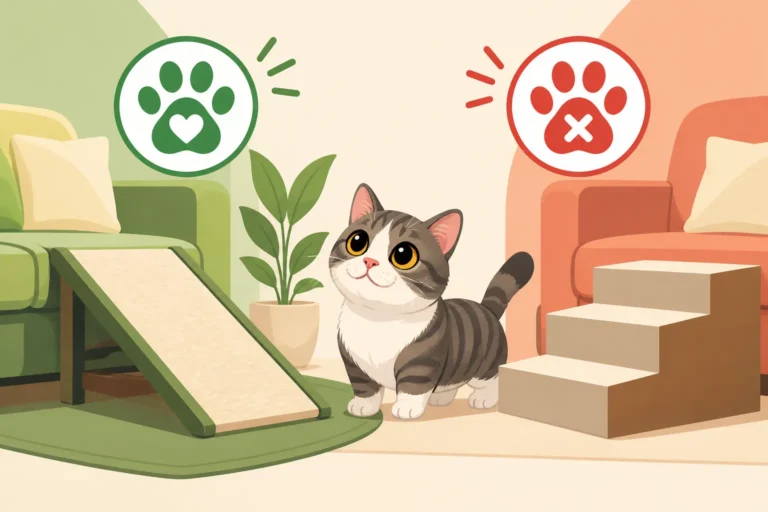
- Angled Scratchers that Double as Ramps: Some scratchers are designed with an incline, offering both a scratching surface and a gentle ramp.
- Ideal Placement: These are fantastic for providing access to low window sills or the first step of a tiered cat tree designed for short-legged cats. You can often find these types of multi-purpose items on Chewy, offering both mental and physical enrichment. This design means the cat is essentially walking up or down the scratching surface, naturally engaging their claws without needing to leap or strain. Which Cat Tree Layout Suits a Munchkin The shallower the angle, the better for their little legs and back.
Scratching Furniture and Pads
Sometimes, the best solution is to integrate scratching surfaces directly into the furniture your Munchkin already uses or is tempted to use.
- Furniture Scratch Pads: These are rigid or flexible pads designed to attach to the sides of sofas, armchairs, or even low cabinets.
- Ideal Placement: If your Munchkin has a favorite spot on the side of your couch where they try to scratch, attaching one of these directly over that area is a brilliant move. It redirects their natural instinct to an appropriate surface. You can often find ingenious furniture protection solutions on Amazon that incorporate scratching materials. How a Munchkin Gets Where It Wants Without Jumping This way, they can scratch horizontally or at a slight angle on a surface they already find appealing, and your furniture stays intact.
- Low Cat Furniture with Integrated Scratching: Some cat furniture, particularly those designed for senior cats or those with mobility issues, comes with scratching surfaces built into low platforms or steps.
- Ideal Placement: If you have a cat tree that your Munchkin can genuinely use (meaning very close-set platforms and low heights), ensure it has integrated scratching surfaces at their level. Otherwise, look for floor-level scratching posts that are part of a larger, low-profile cat activity center.
| Scratcher Type | Pros for Munchkins | Cons for Munchkins | Ideal Placement |
|---|---|---|---|
| Horizontal Cardboard | Easy access, full body stretch, variety of textures | Can be messy, needs frequent replacement | Near sleeping spots, high-traffic areas, by furniture |
| Sisal/Carpet Mats | Durable, easy to clean, good traction | May not appeal to all cats as much as cardboard | Living room floor, hallways, under windows, by furniture |
| Short Vertical Post | Allows some vertical stretch, can be stable if heavy | Still requires a slight reach, less common | Against low furniture, at ramp bases, secure corners |
| Angled Scratcher/Ramp | Multi-purpose (scratch + climb assist), natural angle | Can take up floor space, limited height options | Leading to low window sills, short cat tree platforms |
| Furniture Scratch Pads | Protects specific furniture, integrates seamlessly | Only works on specific furniture, less "play" | Sides of sofas, armchairs, low cabinet ends |
Strategic Placement for Maximum Engagement and Protection
Beyond just choosing the right type of scratcher, where you put it makes all the difference in whether your Munchkin will actually use it. Think like a cat, but a cat with little legs!
High-Traffic Areas and Territory Marking
Cats are territorial creatures. They don't just scratch for claw maintenance; they do it to mark their presence, both visually and with the scent glands in their paws. This means they're most inclined to scratch in prominent locations where their presence will be noticed by other cats (or you!).
- Near Entryways: The moment you walk into a room, or when your Munchkin wakes up and enters their main living space, is a prime time for them to want to stretch and mark. Placing a horizontal cardboard scratcher or a sisal mat right inside the door to your living room or bedroom can be highly effective. It allows them to "sign in" to their territory.
- Family Gathering Spots: Cats often feel most secure and assertive where their human family spends the most time. Placing a low, accessible scratcher in the main living room, near the sofa where everyone sits, or even by a low-set window perch they can reach, encourages its use. Your Munchkin wants to be part of the action, and marking their spot helps them feel engaged.
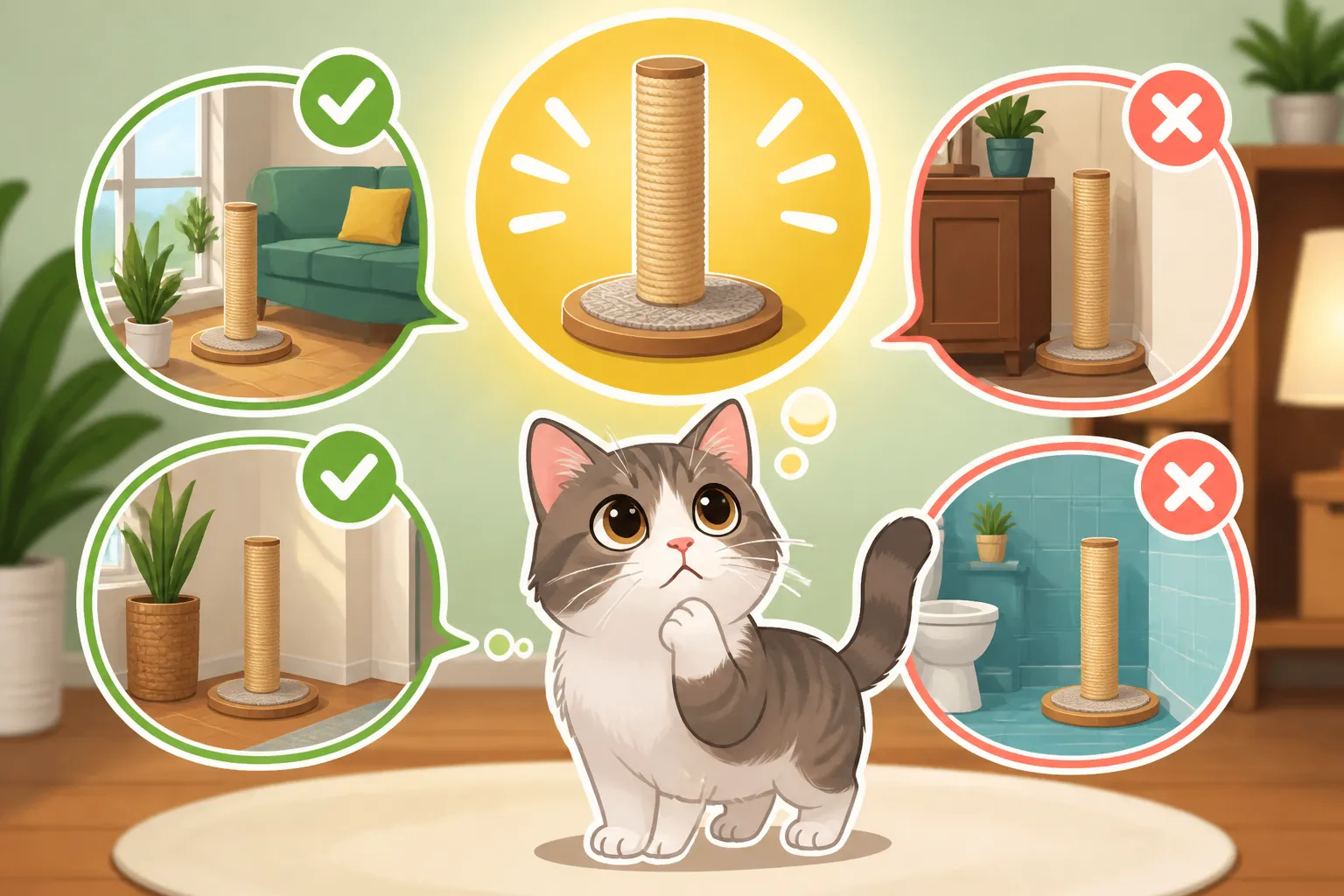
The goal here isn't to hide the scratcher away in a quiet corner. If you put it in a laundry room that your Munchkin rarely visits, or in a secluded spot, they're simply not going to use it consistently. They need it to be where they are, where they feel important, and where they feel the need to declare "This is mine!"
Near Sleeping and Waking Spots
Just like humans love a good stretch after waking up, cats do too! It's an instinctive behavior to flex their muscles and get ready for the day (or night!).
- Next to Their Bed: Whether your Munchkin sleeps in a dedicated pet bed on the floor, on a low cushion, or even just a favorite blanket, placing a scratcher directly beside it is a fantastic strategy. As soon as they wake up, they can roll over, stretch out, and have an immediate, satisfying scratch.
- By Favorite Napping Zones: Cats will often rotate their sleeping spots throughout the day, depending on sunlight, warmth, or quiet. Observe where your Munchkin likes to nap most often. If they have a favored spot under a coffee table or on a low shelf they can easily access, ensure there's an appropriate scratcher within paw's reach. Convenience is key! You don't want them to have to travel across the room to find an acceptable scratching surface, or they'll pick the nearest alternative – which is usually your carpet or furniture.
Protecting Your Furniture (and Your Munchkin)
One of the most common reasons owners seek out scratchers is to protect their furniture from destructive scratching. For Munchkins, this is doubly important because inappropriate scratching might not only damage your belongings but also put strain on their unique physique.
- Target Problem Areas: If your Munchkin has already started scratching a specific piece of furniture – perhaps the side of a low armchair, the base of a table leg, or a particular spot on a rug – that's precisely where you need to place a suitable scratcher. Cats are creatures of habit, and once they've found a spot they like, they'll keep returning. Place a horizontal scratcher right in front of the damaged area, or use a furniture scratch pad directly on it. This offers an acceptable alternative in the exact location they're already drawn to.
- Make the Scratcher More Appealing: Sometimes, placement isn't enough. You need to make the designated scratcher irresistible. Try sprinkling a little catnip on it, or dangling a favorite toy near it to encourage interaction. Positive reinforcement with praise or a small treat when they use the scratcher can also work wonders. Remember, your goal is to make the scratcher the easiest and most satisfying option available. If they start trying to get onto taller furniture, redirect their energy to an accessible scratcher at their level.
By thoughtfully placing scratchers, you're not just saving your sofa; you're also ensuring your Munchkin has healthy, safe outlets for their natural instincts, minimizing frustration for both of you.
Common Mistakes and How to Fix Them
Even with the best intentions, it's easy to make mistakes when setting up your home for a Munchkin, especially if you're used to regular-legged cats. Recognizing these pitfalls and knowing how to correct them can make a huge difference in your cat's comfort and your furniture's longevity.
Too Tall or Unstable Scratchers
This is probably the most common mistake. We see those sleek, tall scratching posts in pet stores and assume "cat product, must be good!" But for a Munchkin, a towering post is either completely useless or, worse, potentially hazardous. A tall, wobbly scratcher can be intimidating and unstable, deterring your Munchkin from using it. If they do try to use it and it tips or shifts, they'll learn to avoid it. Moreover, encouraging them to try and stretch or jump onto something too high puts unnecessary stress on their unique bone structure. Why a Munchkin Cannot Stretch Up a Scratching Post
- Solution: Get rid of them! Or, if you love the idea of a vertical element, saw the post down to a height your Munchkin can comfortably reach while standing on all four paws. Aim for something that allows a good, solid scratch without requiring them to lift their front paws off the ground entirely. For any vertical scratcher, ensure it has a wide, heavy base that makes it impossible to tip. Better yet, embrace horizontal options entirely. A robust cardboard scratcher or a low-profile sisal mat offers the same benefits without the height challenge. You can find many suitable low-profile options from stores like Chewy or Amazon.
Hidden or Inaccessible Locations
Another frequent misstep is tucking the scratcher away in a corner, out of sight, because it's not the most aesthetically pleasing item. While we all want a tidy home, a scratcher that's hidden away is a scratcher that won't be used. Cats want to scratch in places where they are, where they feel visible, and where their territory marking will be seen.
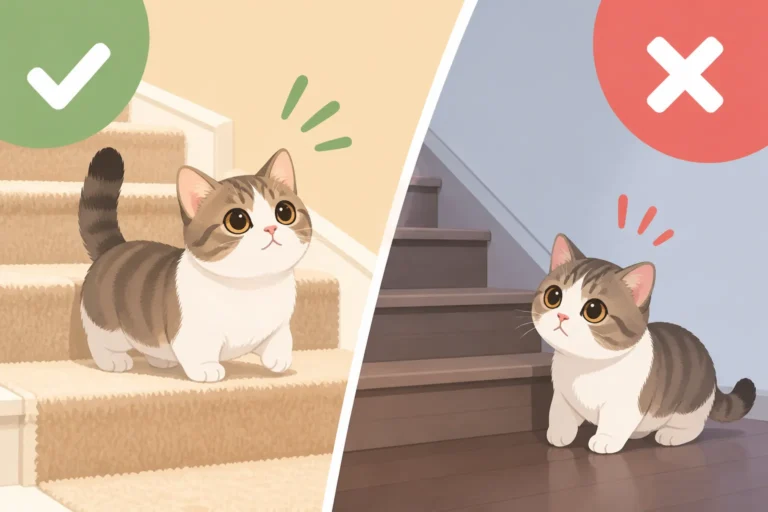
- Solution: Relocate, relocate, relocate! Bring those scratchers out into the open. Place them in your main living areas, especially near your Munchkin's favorite napping spots, next to the sofa, or by an entryway. Think about where your cat naturally walks and congregates, and put a scratcher there. You might need to experiment with a few locations to find the sweet spot your Munchkin prefers. If you have a multi-level home, ensure there's an accessible scratcher on each floor your Munchkin uses. This might mean having one on the landing upstairs (if they can manage stairs, which they often struggle with) and several downstairs. Whether a Munchkin Can Manage a Flight of Stairs
Not Enough Variety
Cats, just like people, have preferences. Some love the rough texture of sisal, others prefer corrugated cardboard, and some might even like a carpeted surface. They might also prefer different orientations for different types of stretches. Providing only one type of scratcher in one spot might not meet all your Munchkin's needs or preferences.
- Solution: Offer a buffet of scratching options! Provide a variety of materials and orientations in different, accessible locations. This could mean:
- A flat cardboard scratcher near their bed.
- An angled cardboard ramp-style scratcher leading to a low window perch.
- A sisal mat in a high-traffic hallway.
- A small, sturdy vertical scratcher (if very low and stable) next to a favored chair.
By providing choice, you increase the likelihood that your Munchkin will find several scratchers they adore, fulfilling all their scratching needs safely and happily. Regularly inspect the scratchers, too. Once they're shredded and worn out, they become less appealing, so replace them as needed. This simple act of observation and adjustment ensures your Munchkin remains engaged with their designated scratching zones.
Disclaimer
This article is for general informational purposes only and does not constitute professional advice. Laws, prices and regulations vary by location and change over time. Consult a qualified professional for guidance on your specific situation.