What a Munchkin’s Ear Wax Should Look Like
It’s a common worry for any cat parent, but especially for those of us with Munchkins: you look into those adorable little ears, and suddenly you’re wondering, "Is that…normal?" The truth is, while a little ear wax is perfectly healthy and natural, knowing what healthy ear wax looks like – and more importantly, what it doesn't look like – can save your furry friend a lot of discomfort and potentially prevent serious health issues. This guide is all about helping you become an expert on your Munchkin's ear health, so you can spot problems early and keep those cute ears clean and happy.
What Healthy Munchkin Ear Wax Looks Like
When you peek into your Munchkin's ears, it's natural to see something there. Just like with us, cats produce ear wax (or cerumen) to protect their delicate ear canals. This isn't a sign of poor hygiene; it's a sign that their ears are doing their job, trapping dust, debris, and even tiny bugs before they can cause damage. The key is knowing what the normal, healthy version of this protective substance looks like.
The Normal Appearance and Texture
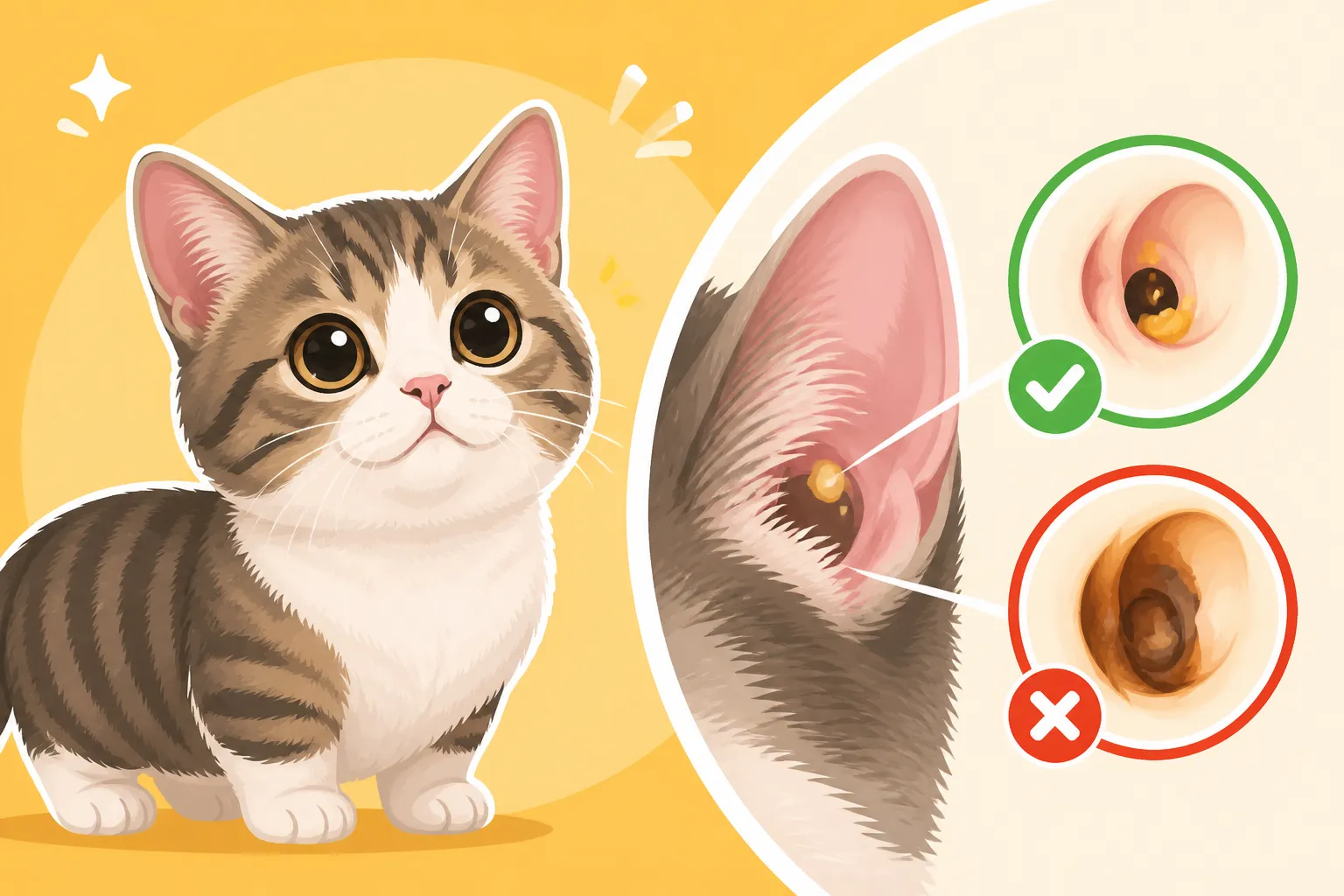
Healthy ear wax in a Munchkin, or any cat for that matter, is typically quite subtle. You should see a small amount, not a canal completely packed with it. The color is usually a pale yellow, sometimes leaning towards a light tan or even a slightly reddish-brown hue. It shouldn't be dark brown or black, which is often a red flag we'll discuss later.
Think about the texture: normal ear wax is usually soft and waxy, or sometimes a bit dry and flaky. It should never be gooey, pus-like, or have a gritty, "coffee ground" consistency. When you gently wipe a little away with a cotton ball, it should come off easily and feel a bit like soft crayon wax. Crucially, healthy ear wax has little to no odor. If you're detecting a strong, unpleasant smell, that's a definite sign something might be off. Remember, a Munchkin's ear structure is generally like that of any other domestic cat, so while their short legs are unique, their ears function in much the same way.
Why Some Wax is Necessary
It’s easy to think that perfectly clean, wax-free ears are the goal, but that's actually not the case. Ear wax is a crucial part of your Munchkin's natural defense system. It acts as a protective barrier, lubricating the ear canal and creating a somewhat acidic environment that discourages the growth of bacteria and yeast. It also helps move dead skin cells and foreign particles out of the ear. Without it, the delicate skin lining the ear canal would be much more susceptible to irritation, dryness, and infection.
The ear canal is a self-cleaning mechanism, with tiny hairs and skin cells constantly moving wax and debris outwards. Trying to aggressively clean out all the wax can actually be counterproductive, pushing wax further into the ear and potentially damaging the eardrum or ear canal itself. This is why you should never, ever use cotton swabs or anything similar deep inside your cat's ear canal. Our goal as pet parents isn't to eliminate wax, but to ensure that the wax being produced is healthy, and that the ears aren't harboring any unwelcome guests or infections.
Recognizing the Red Flags: When Ear Wax Signals Trouble
While a little light-colored wax is normal, there are distinct signs that your Munchkin's ears might be in distress. Ignoring these signals can lead to escalating pain and more complex treatments for your beloved feline. It's truly heartbreaking to see your cat uncomfortable, and knowing these warning signs can make all the difference.
Common Signs of Ear Infections or Mites
This is where paying close attention really matters. If you notice any of the following, it’s time to call your vet:
- Dark Brown or Black, Crumbly Discharge: This is the classic sign of ear mites, especially if it looks like "coffee grounds." Ear mites are tiny parasites that live in the ear canal, causing intense itchiness and irritation. They're highly contagious among cats.
- Yellow or Green, Pus-like Discharge with a Foul Odor: This is a strong indicator of a bacterial infection. The smell can be quite potent and unpleasant, often described as cheesy or yeasty. The discharge might also be thick and sticky.
- Thick, Waxy, Reddish-Brown Discharge with Itchiness: While some reddish-brown wax can be normal, if it's excessive, thick, and accompanied by signs of extreme itchiness, it often points to a yeast infection. These can sometimes have a sweet or musty smell.
- Other Behavioral Symptoms: Beyond the ear wax itself, watch for changes in your Munchkin's behavior. Are they shaking their head frequently? Scratching vigorously at their ears, sometimes even breaking the skin? Do they cry out when you touch their ears? Is one ear hotter than the other, or visibly red and swollen? Are they holding their head tilted? Any of these accompanying symptoms, combined with abnormal ear wax, are clear indicators that medical attention is needed. It’s a frustrating situation to witness your playful cat suddenly withdrawn or in pain, and it often means something more serious is brewing. If your cat is unusually withdrawn, it's always a good idea to consider Why a Withdrawn Munchkin Should See a Vet.
The Importance of Prompt Vet Attention
I know, I know. Another vet visit. It can feel like a constant stream of appointments, especially for a breed that sometimes has its unique health considerations. But when it comes to ear infections or mites, prompt veterinary attention is truly crucial. These issues don't just clear up on their own, and if left untreated, they can lead to chronic pain, permanent hearing damage, and even spread to the middle or inner ear, which can have severe neurological consequences.
A veterinarian can accurately diagnose the problem by examining the ear canal with an otoscope and sometimes taking a swab of the discharge for microscopic analysis. This tells them whether it's mites, bacteria, yeast, or a combination. The treatment will vary significantly based on the diagnosis – mites need specific miticides, bacterial infections require antibiotics, and yeast infections need antifungals. Guessing can make things worse. Plus, the vet can rule out other issues like foreign bodies in the ear or allergies that might be causing recurrent problems. They might also assess for related issues like What Lordosis Does to a Munchkin, although unrelated to ears, it highlights the importance of thorough vet checks.
How to Safely Check and Clean Your Munchkin's Ears
Regular at-home checks are your first line of defense in maintaining your Munchkin's ear health. It’s about becoming familiar with what’s normal for your cat and catching potential issues before they become full-blown problems. Just like getting them used to general handling, ear checks should be a calm, positive experience.
Gentle Examination Techniques
Approaching your Munchkin for an ear check needs to be done with care and patience. Find a quiet time when your cat is relaxed, perhaps curled up on your lap or enjoying a cuddle. Start by gently petting their head and behind their ears. Then, carefully fold back the ear flap to expose the inner surface of the ear and the entrance to the ear canal.
Look for any of the red flags we discussed: excessive discharge, redness, swelling, or an unusual odor. You're primarily looking at the visible parts of the ear. Never try to poke anything down into the ear canal, as you could easily injure the delicate structures within. If your Munchkin is particularly sensitive about their ears, or you notice any signs of pain, stop immediately and contact your vet. Getting your Munchkin accustomed to this kind of handling from a young age is really beneficial, and articles like How to Get a Munchkin Used to Being Handled can offer great tips.
Appropriate Cleaning Methods and Products
If you only see a small amount of light-colored, healthy wax and no other symptoms, you generally don't need to clean deep inside their ears. Their ears are designed to be self-cleaning. However, if there's a bit of visible debris or minor excess wax in the outer ear folds, you can gently clean it.
Here’s how to do it safely:
- Use a Vet-Approved Cleaner: Never use rubbing alcohol, hydrogen peroxide, or human ear cleaning solutions. These can be irritating or even harmful to a cat's sensitive ears. Ask your vet for a cat-specific ear cleaning solution. You can often find these on sites like
ChewyorAmazononce your vet recommends a type. - Prepare Your Tools: You'll need the ear cleaner and some clean cotton balls or gauze pads. Avoid cotton swabs (Q-tips) for anything other than very superficial wiping of the outer folds, as they can push debris further into the ear canal.
- Apply the Cleaner: Hold your Munchkin gently but securely. If using a liquid cleaner, apply a few drops directly into the ear canal opening (follow the product instructions – some require a specific amount).
- Massage the Base of the Ear: Gently massage the base of your Munchkin's ear for about 20-30 seconds. You should hear a squishy sound, indicating the cleaner is working its way down. This helps loosen wax and debris.
- Let Them Shake (Carefully!): Your cat will likely want to shake their head after this, which is good as it helps dislodge debris. You might want to do this in a bathroom or an area easy to clean, as some solution and wax might come out.
- Wipe the Outer Ear: Use a clean cotton ball or gauze to gently wipe away any visible wax or discharge from the outer ear flap and the visible folds of the ear. Do not insert it deep into the canal. Use a fresh piece of cotton for each ear to prevent cross-contamination if there's an infection.
- Reward and Praise: Always end the session with praise, treats, and affection to make it a positive experience.
Remember, a Munchkin's low stature means they might find some grooming positions awkward, so always be mindful of their comfort. Sometimes, their lower belly fur might even collect debris if they roll around, so checking them all over, especially after bathroom breaks, is important. You may find Which Tools a Munchkin Owner Buys to Groom Its Back Half helpful for overall grooming needs.
Preventative Care and Long-Term Ear Health for Your Munchkin
Maintaining your Munchkin's ear health isn't just about reacting to problems; it's about a proactive approach that integrates into their overall care. Prevention is always better than cure, and this holds especially true for sensitive areas like the ears.
Regular Checks and Professional Cleanings
Making ear checks a routine part of your Munchkin's care, perhaps weekly or bi-weekly, can catch issues before they escalate. This routine can be part of their general grooming, which for a Munchkin might also include regular brushing of their hindquarters, as their low-slung bodies can make self-grooming challenging. If you have a longhaired Munchkin, for instance, you might find that Whether Matting Becomes a Health Problem in a Munchkin is a concern you're already managing.
Beyond home checks, your veterinarian will examine your Munchkin's ears during their annual wellness visits. For some cats, especially those prone to wax buildup or recurrent infections, your vet might recommend more frequent professional cleanings or specific prophylactic treatments. In some cases, a very deep cleaning might require sedation, so it's good to understand Whether a Munchkin Is a Normal Anesthetic Risk if that's ever suggested. These routine checks are vital, much like How Often a Healthy Adult Munchkin Needs Checking overall to keep tabs on their unique health profile.
Addressing Underlying Issues
Sometimes, ear problems aren't just isolated incidents; they're symptoms of a larger underlying health issue. Chronic ear infections, for example, can often be linked to allergies – either environmental (like pollen or dust mites) or food-related. If your Munchkin is constantly battling ear issues, your vet might suggest investigating potential allergies through dietary trials or other diagnostic tests.
Environmental factors also play a role. Keeping your home clean and free of excessive dust can help. Ensuring your Munchkin's diet supports a healthy immune system and reduces inflammation can also be beneficial. The general principle is to provide high-quality food that meets their dietary needs. Discussing your Munchkin's diet with your vet can help optimize their overall health, including their ear health. By being diligent and working closely with your vet, you can help ensure your Munchkin enjoys a lifetime of clear, comfortable hearing.
| Appearance/Texture | Color | Odor | Common Cause | Action Needed |
|---|---|---|---|---|
| Small, waxy, sometimes flaky | Pale yellow, light tan, reddish-brown | None or very mild | Normal ear function | Regular observation, gentle outer ear wipe |
| Dark brown, crumbly, gritty | Dark brown, black | Mildly yeasty | Ear mites | Vet visit for diagnosis and specific treatment |
| Thick, pus-like, sticky | Yellow, green | Strong, foul, cheesy/yeasty | Bacterial infection, Yeast infection | Vet visit for diagnosis and prescription medication |
| Excessive, greasy, red | Dark reddish-brown | Musty, sweet | Yeast infection, Allergies | Vet visit for diagnosis and specific treatment |
Disclaimer
This article is for general informational purposes only and does not constitute professional advice. Laws, prices and regulations vary by location and change over time. Consult a qualified professional for guidance on your specific situation.