How Often a Munchkin’s Hindquarters Need a Groomer
It’s a common frustration for Munchkin cat owners: you adore your little low-riders, but keeping their hindquarters pristine can feel like an Olympic challenge. Their unique short stature, while undeniably charming, presents some real hurdles when it comes to self-grooming, often leading to matting, odor, and even skin irritation in the areas they just can't reach. This guide will walk you through exactly how often your Munchkin's back half might need a professional groomer, and what you can do at home to keep them comfortable and clean.
Understanding the Unique Grooming Challenges of a Munchkin's Hindquarters
Let's face it, our Munchkins are built differently. While they are still very much cats with all the typical feline instincts and behaviors, their physical adaptations mean that some routine tasks become significantly harder for them. This is particularly true for grooming their hindquarters.
The Physical Realities of Short Legs and a Normal Body
The defining characteristic of a Munchkin cat is, of course, their short legs. What often gets overlooked, however, is that the rest of their body is typically normal-sized. This isn't a miniature cat; it's a cat with standard body length, just perched on very short limbs. Imagine trying to wash your own back if your arms were only half as long as they normally are – that's a bit like what your Munchkin faces every day.
Because their legs are so short, their belly and hindquarters sit much closer to the ground than a regular-legged cat. This low clearance means that these areas are far more exposed to the elements of daily life, particularly when they use the litter box. Every time they squat, their fur can come into contact with litter, waste, and moisture. Over time, this can lead to buildup, especially around the perineal area and the base of the tail. It's a fundamental design challenge that contributes directly to the need for human intervention in their grooming routine. What a Munchkin Cannot Reach to Groom is a significant list, and their back half is at the top of it.
Why Self-Grooming Isn't Enough for Their Back Half
Cats are meticulous groomers by nature, spending a huge portion of their day keeping themselves spotless. It’s part of their innate survival mechanism and also a way they self-soothe. However, for a Munchkin, their physical limitations mean that this natural instinct often falls short, particularly for their hindquarters. They simply cannot twist, bend, or stretch themselves into the positions needed to thoroughly clean and de-mat their lower back, around their anus, or the inside of their back legs.
These are exactly the areas that are most prone to getting soiled, trapping litter, or developing mats. Mats, especially in sensitive areas, can pull at the skin, causing pain, discomfort, and even open sores or infections if left untreated. When your Munchkin uses the litter box, bits of litter, or even traces of fecal matter, can cling to the fur around their bottom. If they can't reach it, it stays there, becoming a breeding ground for bacteria and causing unpleasant odors. This isn't just an aesthetic problem; it's a health concern. Whether Matting Becomes a Health Problem in a Munchkin is a crucial question, and for Munchkins, the answer is often yes, especially in these neglected zones. Their low-slung body means Why a Munchkin's Belly Nearly Touches the Floor, making it another difficult spot for self-grooming.
Factors Influencing Professional Grooming Frequency for Munchkin Hindquarters
Determining how often your Munchkin needs a professional trim isn't a one-size-fits-all answer. Several factors play a significant role in how quickly their hindquarters can become problematic and how frequently they might benefit from a visit to the groomer.
Coat Type and Length
This is arguably the biggest factor. Just like regular cats, Munchkins can come in a variety of coat types, from sleek short-hairs to fluffy long-hairs.
- Short-haired Munchkins: While still prone to hindquarter issues due to their low stature, short-haired Munchkins generally require less frequent professional grooming. Their fur is less likely to mat severely, and minor soiling can often be managed with diligent home care. A sanitary trim every few months might be sufficient, coupled with regular owner brushing.
- Long-haired Munchkins: These beauties, with their flowing locks, are the ones most likely to need regular professional intervention. The longer fur around their hindquarters, tail, and belly is a magnet for litter, debris, and urine. It mats much faster and more tightly, creating uncomfortable and unhealthy clumps that can be incredibly difficult to remove at home without causing pain. Long-haired Munchkins often need a professional hygiene clip every 4-8 weeks, sometimes more frequently if they are particularly prone to matting or have digestive issues. How Often a Longhaired Munchkin's Back Half Needs Brushing goes hand-in-hand with professional clips.
Beyond just length, the texture of the coat matters. Some Munchkins have a very dense undercoat or a particularly soft, fine topcoat that is more prone to tangling. These factors will also push towards a more frequent grooming schedule.
Lifestyle and Environment
Your Munchkin's daily life and surroundings also influence how often they'll need professional help.
- Indoor vs. Outdoor: While all Munchkins should ideally be indoor-only cats due to their inability to escape predators or climb to safety, an indoor environment with controlled conditions generally means less exposure to dirt, mud, and outdoor allergens that could complicate coat health. An indoor cat's needs will still depend heavily on litter box habits and coat type.
- Litter Type and Box Setup: This is a huge one. Clumping clay litters, while effective, can sometimes stick to fur more readily. Very fine litters can get embedded in longer coats. Using a low-entry litter box is essential for a Munchkin (Which Litter Box a Munchkin Can Actually Enter), but also consider the type of litter. Some owners find that larger pellet litters or paper-based options might stick less to their Munchkin's hindquarters. If your cat tends to track a lot of litter, or if the box isn't kept immaculately clean, it will exacerbate the problem.
- Diet and Digestive Health: A cat with chronic soft stools or diarrhea will undoubtedly need more frequent cleaning and potentially professional grooming of their hindquarters. Loose waste is far more likely to stick to fur and cause irritation. If your Munchkin is experiencing digestive upset, addressing the underlying cause with your vet is paramount, but in the meantime, their grooming needs will skyrocket. Even slight adjustments to their diet, like adding a probiotic or trying a food for sensitive stomachs, can sometimes make a difference in stool consistency and thus grooming needs.
Age and Mobility
A Munchkin's age can dramatically change their grooming requirements.
- Young, Agile Munchkins: Kittens and young adult Munchkins are often surprisingly agile despite their short legs. They might be able to contort themselves a bit more to reach problematic spots. However, even then, they are not exempt from needing assistance, especially if long-haired. It's wise to start introducing them to grooming early on, both at home and with a professional, so it becomes a positive, routine experience.
- Older Munchkins: As Munchkins age, just like any other cat, they can develop conditions like arthritis or general stiffness. This significantly reduces their flexibility and their ability to groom themselves effectively. An older Munchkin who used to manage fairly well might suddenly start developing mats or persistent soiling in their hindquarters because they simply can't reach anymore. Caring for an Old Munchkin That Has Stopped Climbing means they're also less able to twist and stretch for grooming. This is when professional grooming becomes not just convenient, but absolutely essential for their comfort and health. Their joints, particularly their shoulders and hips, might become stiff, making the bending required for self-grooming painful. Regular professional visits can alleviate a lot of this discomfort by keeping them clean and mat-free.
Recommended Professional Grooming Schedule and What It Entails
So, how often should your beloved Munchkin be seeing a professional groomer for that all-important hindquarter care? It really boils down to balancing their specific needs with your ability to maintain their hygiene at home.
General Guidelines for Grooming Frequency
These are general recommendations, and your individual Munchkin might fall outside these ranges. Always observe your cat and adjust as needed. Some cats are naturally cleaner, some are messier, and some just have particularly challenging coats.
| Factor | Recommended Professional Grooming Frequency (Hindquarters) | Notes |
|---|---|---|
| Short-Haired Munchkin | Every 2-4 months | Often can be managed with consistent home care, but a professional sanitary trim helps prevent buildup and ensures thorough cleaning. May need more frequent spot cleaning at home. |
| Long-Haired Munchkin | Every 4-8 weeks | Due to matting risk and higher likelihood of soiling, long-haired Munchkins benefit greatly from regular, shorter professional visits. Some may even need a quicker "tidy-up" every 3-4 weeks if very dense-coated or prone to issues. |
| Munchkin with Issues | Every 2-4 weeks (as needed) | Cats with chronic digestive problems, mobility issues, or those quickly developing mats may need very frequent short visits. This is about preventing discomfort and potential skin infections rather than just aesthetics. |
It's important to view these as a starting point. Many owners of long-haired Munchkins find that a hygiene clip every month or two works perfectly to keep their cat comfortable and prevent serious matting. Why a Munchkin's Hindquarters Mat First is usually due to neglect of regular, consistent care. The aim is always to prevent problems, rather than waiting for them to become severe, which can be a much more stressful and painful experience for your cat.
What a Professional Groomer Does for a Munchkin's Hindquarters
When you take your Munchkin to a professional groomer for hindquarter care, they're not just giving them a quick brush. They're performing specialized services designed to address the unique challenges of their anatomy.
- Sanitary Clip (or Hygiene Clip): This is the bread and butter of hindquarter grooming for Munchkins. The groomer will carefully trim the fur very short around the anal area, the perineum, and often the insides of the back legs and the belly, depending on the cat's needs. This creates a "landing strip" that prevents waste from sticking to the fur and makes it much easier for your cat to keep themselves clean – or for you to do so at home. Whether a Munchkin Needs a Hygiene Trim is a resounding yes for most of them.
- De-matting and Brushing: If your Munchkin arrives with mats, a professional groomer has the tools and expertise to carefully and safely remove them. They'll use specialized combs and de-matting tools, working slowly to avoid hurting your cat's delicate skin. Severe mats may require shaving, which a professional can do safely. After any trimming or de-matting, they'll thoroughly brush out the entire hindquarter area to remove loose fur and prevent future tangles.
- Bathing and Cleaning: Sometimes, a sanitary clip isn't enough; a full bath of the hindquarters is needed, especially if there's significant soiling or odor. Groomers use cat-specific shampoos and conditioners, ensuring the products are gentle on their skin. They are also skilled at handling cats during baths, which can be a stressful experience for some felines. They can perform a targeted wash of the back half, paying special attention to cleanliness without stressing the entire cat. How to Clean a Munchkin's Rear effectively often involves professional tools and techniques.
- Nail Trims and Paw Pad Checks: While not strictly hindquarter grooming, professional groomers will usually include a nail trim with any service. For a Munchkin, whose gait might differ slightly and who may not wear down their claws as evenly, this is important. They'll also check paw pads for mats or trapped debris, which can be common in short-legged breeds.
A good groomer will also be keenly aware of the Munchkin's spinal sensitivity. They will handle your cat gently, supporting their back, and avoiding any unnecessary twisting or strain while grooming. How Much a Groomer Charges to Clip a Munchkin's Rear can vary, but it's an investment in your cat's health and comfort.
When to Seek Professional Help Sooner
Don't wait until your Munchkin is in distress. There are clear signs that indicate they need professional attention sooner rather than later:
- Visible Matting: If you see any mats forming, especially around the anus, under the tail, or on the insides of their back legs, it's time for a groomer. Mats will only get worse, tighter, and more painful.
- Persistent Soiling or Odor: If your Munchkin consistently has a dirty bottom despite your best efforts at home spot-cleaning, or if there's an unpleasant odor, a professional cleaning and sanitary trim are in order.
- Skin Irritation: Redness, inflammation, or sores on their hindquarters or belly indicate a problem that needs immediate attention. Mats can hide these issues, and professional removal is necessary to assess and treat the skin.
- Changes in Behavior: If your Munchkin seems uncomfortable, is scooting on the floor, licking excessively at their rear, or shows reluctance to sit or move, it could be due to pain or irritation from their unkempt hindquarters. These are distress signals that warrant a vet visit, and likely a groomer's appointment afterwards.
Integrating Home Care with Professional Grooming
Professional grooming is a fantastic tool, but it's most effective when combined with consistent and loving care at home. Think of it as a team effort: you handle the daily maintenance, and the groomer provides the specialized, deep cleaning and shaping your Munchkin needs.
Essential Daily and Weekly Home Grooming Tasks
Your role in your Munchkin's grooming routine is pivotal in keeping them healthy and extending the time between professional visits.
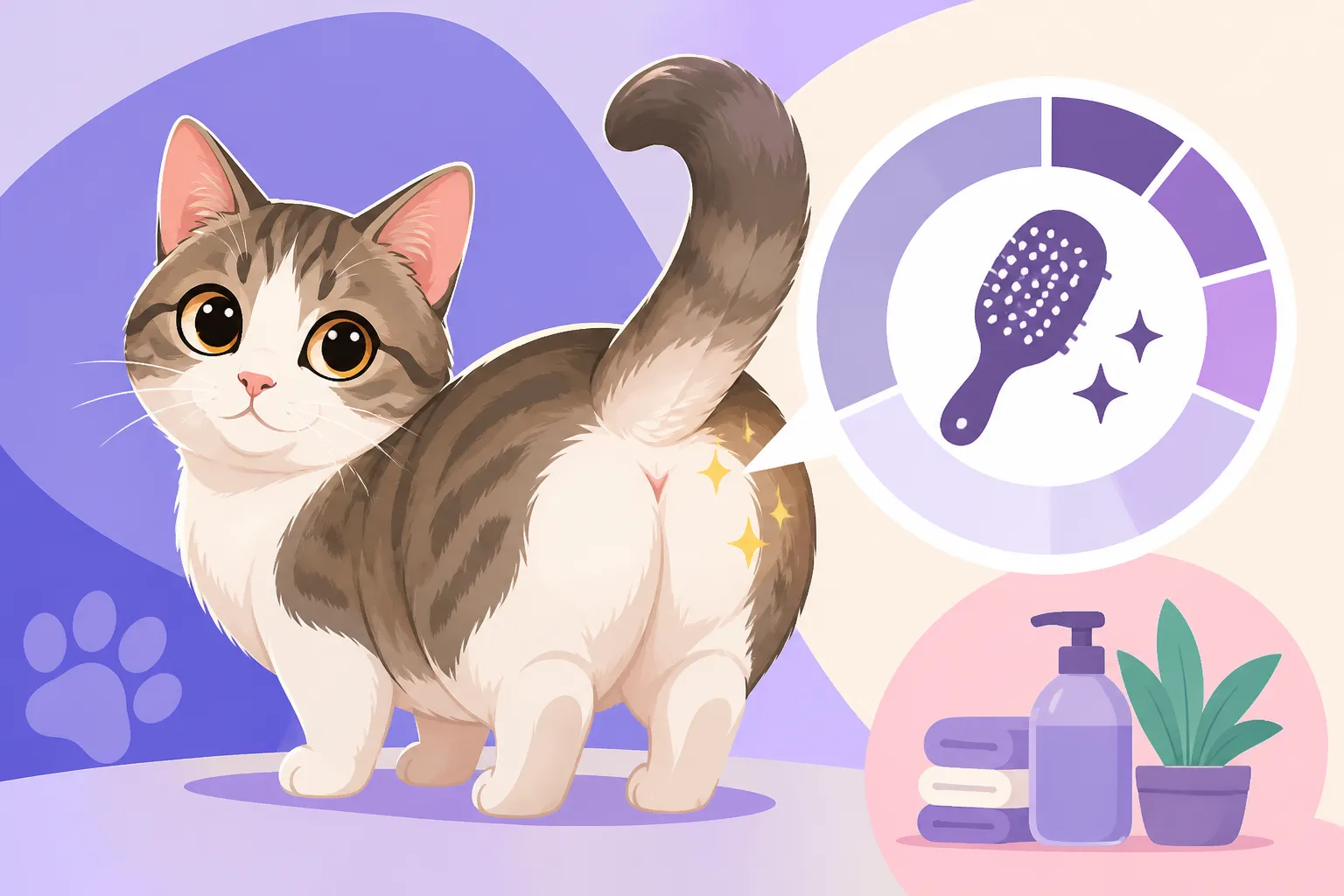
- Regular Brushing: This is your first line of defense, especially for long-haired Munchkins. Aim for daily brushing of their hindquarters, tail, and belly. Even short-haired cats benefit from a few minutes of brushing a few times a week. Use a soft slicker brush or a fine-toothed comb to gently work through the fur, removing any loose hair or tangles before they can turn into mats. Products like those found on Chewy or Amazon can help. A good routine can prevent Why a Munchkin's Hindquarters Mat First.
- Spot Cleaning After Litter Box Use: This is crucial. Keep some pet-safe wipes or a damp cloth handy near the litter box. After your Munchkin does their business, gently check their hindquarters. If there's any residue or clinging litter, carefully wipe it away. This simple step prevents buildup and keeps their skin clean. Remember Whether a Munchkin Needs Its Belly Wiped After the Box – often, yes!
- Inspecting for Mats and Skin Issues: Make it a habit to visually inspect and gently feel your Munchkin's hindquarters and belly every day or every few days. Run your fingers through their fur, checking for any small knots or sticky patches. Early detection means you can often brush out a small tangle before it becomes a large, painful mat. Also, look for any redness, bumps, or signs of irritation on their skin.
- Using Appropriate Tools: Invest in good quality grooming tools. A soft brush for general brushing, a comb for detangling, and possibly a deshedding tool can make a big difference. For long-haired Munchkins, a wider-toothed comb followed by a finer one can help catch hidden tangles.
Preparing Your Munchkin for Grooming Appointments
Getting your Munchkin used to being handled for grooming can make their professional appointments much smoother and less stressful.
- Positive Reinforcement: Start early, even with kittens. Gently handle their paws, tail, and hindquarters regularly. Offer treats and praise to create a positive association. Make grooming a calm, pleasant experience, not a wrestling match.
- Familiarization with Handling: Practice lifting them gently, supporting their spine and hindquarters. Get them used to lying on their side briefly, as this is often a position groomers will use for sanitary trims.
- Discuss Specific Needs: When you book your appointment, be upfront with the groomer about your Munchkin being a short-legged breed. Explain any specific concerns you have, such as chronic mats in a certain area or skin sensitivity. A good groomer will appreciate the information and tailor their approach accordingly. Don't hesitate to ask them about their experience with Munchkins or other short-legged cats.
The Long-Term Benefits of Consistent Grooming
Adopting a comprehensive grooming strategy – combining your diligent home care with regular professional visits – offers immense long-term benefits for your Munchkin.
- Preventing Pain and Discomfort: The most significant benefit is preventing the pain and discomfort caused by mats, soiled fur, and skin irritations. A clean, well-groomed cat is a happy cat.
- Maintaining Coat Health and Skin Integrity: Regular grooming, both at home and professionally, keeps your Munchkin's coat healthy, shiny, and free of debris. It also allows for early detection of any skin problems, preventing them from escalating.
- Enhancing Quality of Life: A cat that isn't constantly battling dirty, matted fur is a cat free to play, explore, and snuggle without inhibition. It reduces stress and contributes to their overall well-being.
- Strengthening Your Bond: The time you spend grooming your Munchkin, even just a few minutes a day, strengthens your bond. It's a quiet, intimate moment that reinforces trust and affection.
Ultimately, understanding and addressing your Munchkin's unique grooming needs is a core part of being a responsible owner. It's an investment in their comfort and health, ensuring they live their best, happiest life on those adorable short legs. Remember, getting a Munchkin means accepting What You Are Buying When a Breed Is Not Recognized, and that includes their unique care requirements.
Disclaimer
This article is for general informational purposes only and does not constitute professional advice. Laws, prices and regulations vary by location and change over time. Consult a qualified professional for guidance on your specific situation.