Which Protein Level Holds a Munchkin’s Muscle On
It’s a common worry for Munchkin cat owners: how do you ensure your adorable, short-legged companion maintains strong, healthy muscles when their unique physique already puts extra demands on their body? The truth is, their muscle health is absolutely paramount, not just for play, but for supporting their spine and joints throughout their lives. This guide is all about diving deep into the world of protein, explaining why it's so vital for your Munchkin, how to choose the right sources, and ultimately, how to keep your little one robust and happy.
Why Muscle Mass is Crucial for Your Munchkin's Well-being
When you look at a Munchkin cat, it's easy to be charmed by their distinctive short legs. But beneath that cute exterior lies a cat whose musculoskeletal system functions a little differently, making strong muscle mass not just a nice-to-have, but a critical component of their overall health and longevity. Their bodies are built like a normal cat, but with these shorter limbs, which means their spine and joints experience stresses that a long-legged cat typically wouldn't.
Supporting the Spine and Joints
Imagine carrying a backpack that’s a little too heavy for your frame all day, every day. That’s a bit like the continuous work your Munchkin’s body does. Their vertebral column is typically of normal length, but their short legs mean it sits closer to the ground, altering their gait and how they distribute weight. A strong core and robust leg muscles act like natural shock absorbers and stabilizers, providing essential support to their spine and the joints in their hips, knees, and especially their shoulders and elbows. Without adequate muscle, these crucial areas are more vulnerable to strain and wear over time, potentially leading to discomfort or conditions like arthritis down the line. Why a Munchkin's Spine Carries a Load a Normal Cat's Does Not delves into this in more detail.
Maintaining Mobility and Playfulness
One of the joys of owning a Munchkin is watching them dart around with surprising speed or sit up on their hind legs like a meerkat. Their short legs don't hinder their playful spirit, but healthy, well-developed muscles are what enable these unique behaviors. Strong muscles give them the power for their signature bursts of speed, the stability to corner quickly, and the resilience to handle the minor impacts of their floor-level adventures. If muscle mass declines, you might notice them slowing down, becoming less eager to play, or struggling with movements they once found easy. This isn't just about fun; it's about their ability to navigate their world comfortably and confidently.
Preventing Weight-Related Issues
For any cat, maintaining a healthy weight is important, but for a Munchkin, it's absolutely paramount. Every extra ounce of weight places disproportionate stress on their short legs and supporting structures. Think about it: a little bit of extra weight on a long-legged cat might not be ideal, but on a Munchkin, it’s a significant burden. Muscle burns more calories at rest than fat, so a healthy muscle-to-fat ratio helps them maintain an optimal weight more easily. Why Weight Is More Dangerous on a Munchkin explains the gravity of this issue. When a Munchkin starts to lose muscle and gain fat, it creates a vicious cycle where decreased activity leads to more weight gain, which then further stresses their already challenged joints. Prioritizing protein to maintain lean muscle mass is your best defense against these cascading problems.
Understanding Protein and Its Role in Feline Health
Protein isn't just a buzzword in pet food; it's an absolutely fundamental nutrient for cats, especially for breeds like the Munchkin where physical support is so critical. Cats are obligate carnivores, meaning their bodies are specifically designed to derive nutrients from animal protein. They can't thrive on a plant-based diet like omnivores can, and their need for high-quality animal protein is non-negotiable.
The Building Blocks of Life
At its most basic, protein is made up of amino acids, which are literally the building blocks for every single cell, tissue, and organ in your cat's body. These amino acids are essential for building and repairing muscle, bone, skin, hair, and even enzymes and hormones. Unlike humans, cats cannot synthesize certain amino acids (like taurine) internally, meaning they must get them directly from their diet. Without a consistent supply of these essential amino acids from high-quality protein, a cat's body simply cannot function properly, leading to muscle wasting, a dull coat, weakened immunity, and a host of other health issues. For a Munchkin, ensuring these building blocks are abundant helps them keep their unique body structure strong and resilient.
Digestibility and Bioavailability
It's not just about the amount of protein in your cat's food, but the quality and how easily your Munchkin’s body can use it. This is where digestibility and bioavailability come in. Highly digestible proteins break down efficiently in the digestive tract, allowing your cat to absorb and utilize a greater percentage of the amino acids. Proteins with high bioavailability mean those absorbed amino acids are readily available to be used by the body for muscle repair, growth, and other vital functions.
Think of it like this: you can eat a lot of something, but if your body can't break it down or use it efficiently, it's not truly beneficial. Low-quality proteins, often derived from plant sources or animal by-products that lack essential amino acids, might look good on a label's percentage, but offer little actual nutritional value to your carnivorous cat. This is why focusing on animal-based proteins is key.
Protein Sources to Look For
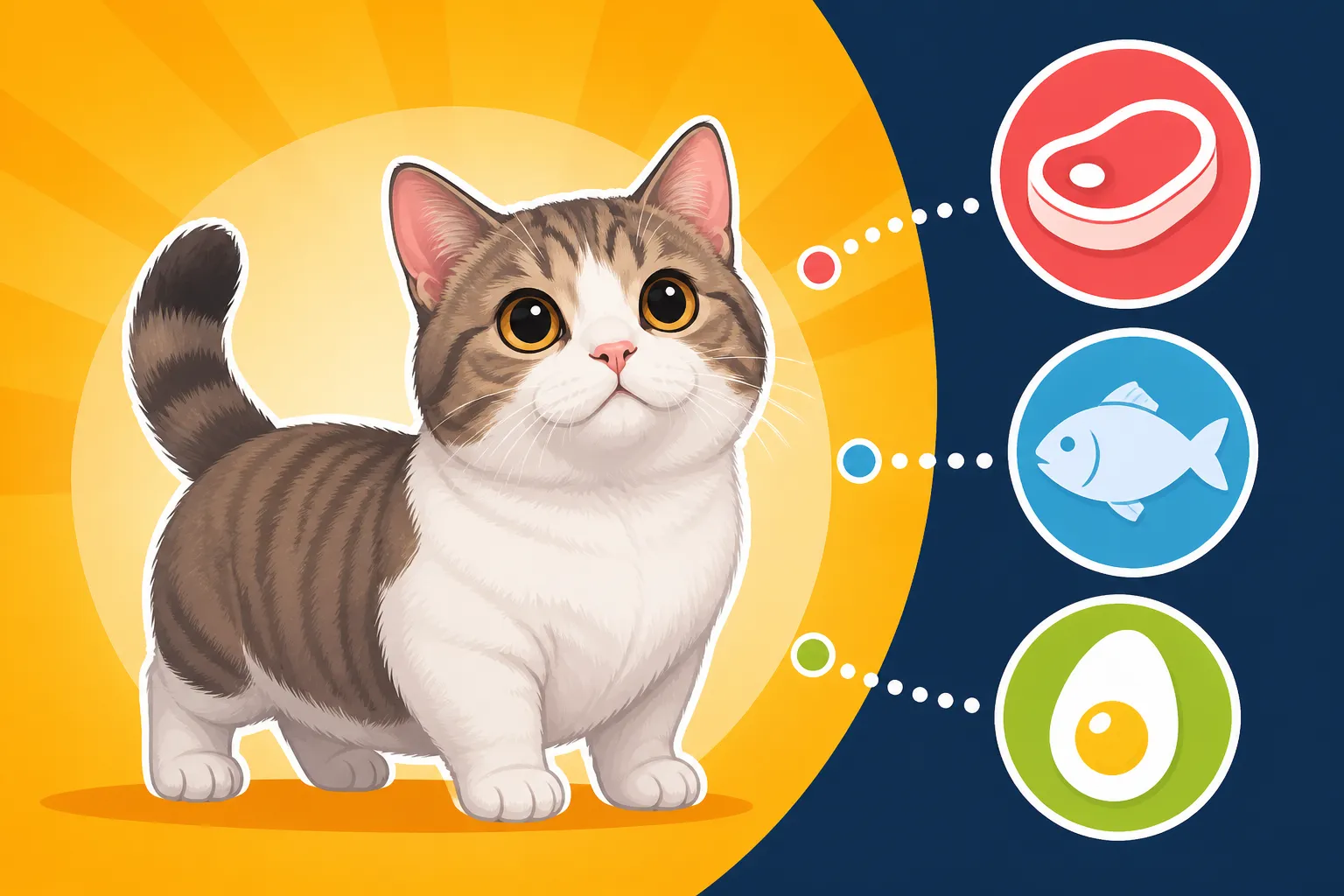
When you're scanning pet food labels, you want to see animal-based protein sources listed prominently, ideally as the first ingredient. Common excellent sources include chicken, turkey, beef, lamb, fish (like salmon or tuna), and eggs. Organ meats like liver and heart are also fantastic, nutrient-dense protein sources.
Here’s a quick guide to understanding common protein sources:
| Protein Source | Typical Form in Cat Food | Benefits for Munchkins |
|---|---|---|
| Chicken/Turkey | Meal, deboned meat, byproduct meal | Highly digestible, lean, good amino acid profile |
| Beef/Lamb | Meal, deboned meat | Rich in iron and B vitamins, good for muscle growth |
| Fish (Salmon, Tuna) | Meal, oil, deboned meat | Excellent source of Omega-3s, good for joint health, high protein |
| Eggs | Dried egg product | One of the most complete protein sources, highly bioavailable |
| Organ Meats | Liver meal, heart, kidney | Nutrient-dense, packed with vitamins and minerals, very palatable |
Always remember that terms like "meal" (e.g., chicken meal) can actually be more concentrated in protein than "deboned chicken" because the water has been removed. However, ensure it's a named meal (e.g., "chicken meal," not "meat meal") to guarantee the source.
Determining the Right Protein Level for Your Munchkin
Navigating the world of pet food labels can feel like deciphering a secret code, but when it comes to protein for your Munchkin, a little knowledge goes a long way. There isn't a single "perfect" protein percentage that applies to every cat, as individual needs vary. However, there are clear guidelines and considerations to help you make the best choices.
Age, Activity Level, and Health Status
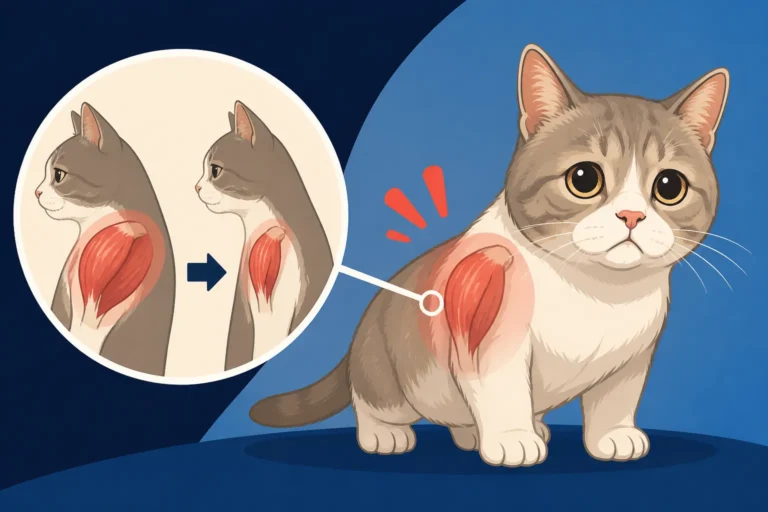
A growing Munchkin kitten, for instance, needs a significantly higher protein percentage to fuel rapid growth and muscle development compared to a sedentary senior Munchkin. Kittens are little bundles of energy, constantly building and growing, and their protein demands reflect that. An adult Munchkin who is still very active, chasing toys and exploring its adapted environment, will also benefit from a robust protein intake to maintain that lean muscle mass and energy. On the other hand, an older Munchkin, particularly one dealing with early signs of arthritis or reduced mobility, might have slightly different needs, though protein remains vital to combat age-related muscle wasting (sarcopenia). Why an Old Munchkin Loses Muscle Off Its Shoulders First often highlights this concern.
If your Munchkin has specific health conditions, such as kidney issues, your veterinarian might recommend a modified protein diet. This is a critical point where generalized advice stops, and personalized medical guidance takes over.
Reading Pet Food Labels
When you pick up a bag or can of cat food, head straight for the "Guaranteed Analysis" section. This will list the minimum percentages of crude protein, crude fat, crude fiber, and maximum moisture. For most adult cats, a dry matter protein content of at least 30-45% is a good starting point, though many high-quality formulas can go higher, especially wet foods. For kittens, you'll often see even higher percentages.
Important note: The "crude protein" percentage listed on the label is for the food as fed, which includes moisture. To get the accurate "dry matter" basis (which allows for fair comparison between wet and dry foods), you need to do a little math:
- Dry Food: (Crude Protein % / (100% – Moisture %)) x 100
- Wet Food: (Crude Protein % / (100% – Moisture %)) x 100
For example, a wet food with 10% crude protein and 80% moisture would have a dry matter protein of (10 / (100 – 80)) * 100 = (10 / 20) * 100 = 50% protein on a dry matter basis. This demonstrates why wet food often appears lower in protein on the label but can be very high once moisture is removed. Products found on platforms like Chewy or Amazon will have this information readily available in their product descriptions.
Consulting Your Veterinarian
I really can't stress this enough: your veterinarian is your best resource for tailored advice. They know your Munchkin's individual health history, current condition, and lifestyle. Before making any drastic changes to your cat's diet, especially concerning protein levels, have a chat with them. They can help you assess if your current food is meeting your Munchkin's specific needs, recommend brands, and guide you on appropriate feeding amounts to maintain a healthy weight. This is particularly important if your Munchkin has any underlying health issues or if you're trying to manage their weight. They can also advise on How to Score a Munchkin's Body Condition, which is crucial for monitoring progress.
Practical Tips for Optimizing Protein Intake
Once you understand why protein is so important for your Munchkin and how to identify good sources, the next step is putting that knowledge into practice. It’s about more than just picking a bag of food; it’s about creating a sustainable, muscle-supporting diet and lifestyle.
Choosing High-Quality Cat Food
This is the cornerstone of a healthy diet. Look for foods where a named animal protein (like “chicken,” “salmon,” “turkey”) is the first ingredient. Avoid foods with vague “meat by-products” or excessive fillers like corn, wheat, or soy listed prominently, as these offer little nutritional value for an obligate carnivore. Many reputable brands offer high-protein formulas specifically designed for feline needs.
Always consider both wet and dry food options. Wet food has the added benefit of providing more moisture, which is vital for feline kidney health, and often has a higher protein percentage on a dry matter basis. A mixed diet of high-quality wet and dry food can be a great way to ensure balanced nutrition and hydration.
Supplementing with Protein-Rich Treats
Treats can be a wonderful way to bond with your Munchkin, and they can also contribute to their protein intake, but choose wisely! Skip the sugary, grain-heavy treats. Instead, opt for freeze-dried single-ingredient meat treats (like freeze-dried chicken or salmon) or small pieces of cooked, plain meat like boiled chicken breast. These are packed with protein and don't come with a lot of unwanted fillers.
Just remember that treats should always be given in moderation and factored into your Munchkin’s daily calorie intake to prevent weight gain. How Much Weight a Munchkin Can Safely Carry is a serious consideration. A good rule of thumb is that treats should make up no more than 10% of their daily calories. You can easily find a variety of high-quality, protein-rich treats through retailers like Chewy or Amazon, making it convenient to add these beneficial snacks to your Munchkin's routine.
Monitoring Your Munchkin's Condition
The proof is in the pudding, or rather, in your Munchkin’s physical condition! Regularly check your cat’s body condition. You should be able to easily feel their ribs when you gently run your hands along their sides, without seeing them prominently. They should have a noticeable waist when viewed from above, and their belly shouldn't sag excessively. Remember, even a lean Munchkin can look a little round because their ribs sit closer to the ground, but you should still feel for that muscle definition.
Pay attention to their energy levels, coat quality, and overall demeanor. A healthy Munchkin with adequate muscle mass will be active, have a shiny coat, and be bright-eyed and engaged. If you notice any changes in their weight, muscle mass, or behavior, don't hesitate to consult your vet. They can help you adjust their diet and care plan to keep them in peak condition. Regular monitoring is key to proactive care.
Beyond Protein: A Holistic Approach to Munchkin Muscle Health
While ensuring adequate, high-quality protein is paramount for your Munchkin's muscle health, it's just one piece of a larger puzzle. A truly healthy Munchkin thrives when their diet, environment, and veterinary care all work in harmony to support their unique needs. Thinking holistically ensures that every aspect of their well-being is addressed.
Importance of a Balanced Diet
Protein might be the star, but it needs a supporting cast of other essential nutrients to truly shine. A balanced diet for your Munchkin includes appropriate levels of fat for energy and healthy skin/coat, carbohydrates (in limited amounts, primarily from vegetables and fruits in quality foods, not grains), vitamins, and minerals. Essential fatty acids, particularly Omega-3s, are crucial for joint health and can help reduce inflammation, which is beneficial for any cat, but especially for Munchkins with their potential joint challenges. Many high-quality cat foods are formulated to be complete and balanced, ensuring your cat gets everything they need without additional supplementation. However, always double-check the nutritional adequacy statement on the label.
Controlled Exercise and Enrichment
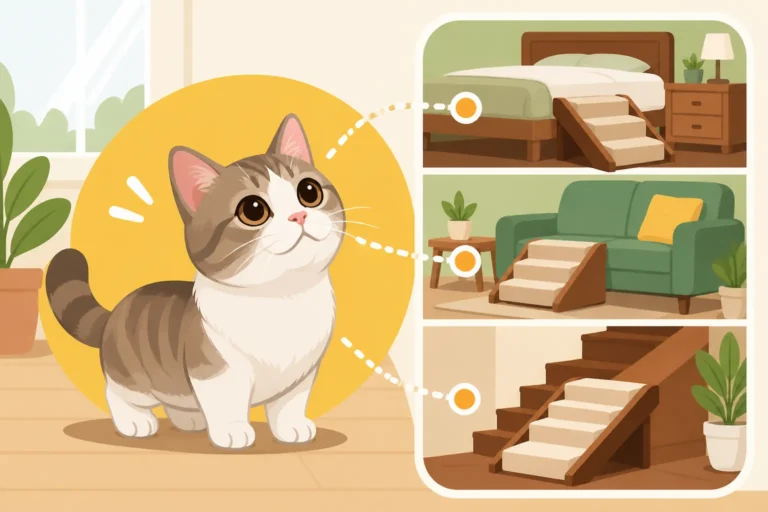
Even with short legs, Munchkin cats are playful and active! Encouraging regular, controlled exercise is vital for building and maintaining muscle mass. This means providing opportunities for safe, floor-level play with wand toys, laser pointers, and interactive games. Cat trees should have close-set platforms or ramps to allow them to climb safely without excessive jumping, which can be hard on their joints. How to Keep an Old Munchkin Moving Safely becomes even more important as they age.
Avoid encouraging high jumps or activities that put undue strain on their spine and joints. Instead, focus on games that involve chasing, pouncing, and exploring at their natural height. Environmental enrichment, like puzzle feeders that they can manipulate on the floor or safe tunnels, can also keep them physically and mentally stimulated, contributing to overall health and muscle tone.
Regular Vet Check-ups
Think of your vet as your Munchkin's lifelong health partner. Regular check-ups are absolutely non-negotiable. These visits allow your vet to monitor your Munchkin's weight, assess their mobility, check for any signs of discomfort or joint issues, and discuss their diet. As they get older, these check-ups become even more critical for detecting age-related changes early. Your vet can recommend specific joint supplements if needed, advise on weight management strategies, or suggest physiotherapy options if your Munchkin starts showing signs of stiffness or reduced mobility. When a Munchkin Counts as Senior is a good time to start these discussions more frequently. Proactive veterinary care, combined with a protein-rich diet and a supportive environment, is the recipe for a long, happy, and healthy life for your beloved Munchkin.
Disclaimer
This article is for general informational purposes only and does not constitute professional advice. Laws, prices and regulations vary by location and change over time. Consult a qualified professional for guidance on your specific situation.