Why an Old Munchkin Loses Muscle Off Its Shoulders First
It’s heartbreaking to see our beloved feline companions slow down as they age, and for Munchkin cat owners, there's a particular concern that often surfaces: the noticeable muscle loss around their shoulders and front legs. It feels like they’re losing their strength right where they need it most, impacting their ability to move and play. This guide will delve into why older Munchkins are prone to muscle loss in their shoulders first, exploring the underlying causes and offering practical ways to support your senior kitty.
The Unique Strain on a Munchkin's Shoulders
Unlike their long-legged cousins, Munchkin cats carry their weight and navigate the world with a unique physical architecture. Their short limbs mean that daily activities, which are effortless for most cats, become a subtle but constant strain on their front half. This isn't just about looking different; it fundamentally changes their biomechanics.
How Short Legs Alter Biomechanics
Imagine trying to walk on shorter stilts all the time – that's a bit like what a Munchkin experiences, but in reverse. Their short legs mean their center of gravity is lower, which helps with stability and cornering, as we discuss in Why a Munchkin's Low Body Helps It Chase. However, it also means their torso is much closer to the ground, and their front legs are primarily responsible for absorbing impact and pushing off. Every step, every little hop, even just standing, requires a greater effort from the muscles and joints in their shoulders and elbows. Their spine is a normal length, which means the short legs create a specific leverage challenge for the shoulders. The long body, relatively speaking, has to be propelled and supported by these shorter, more heavily loaded front limbs.
This constant, low-level stress isn't immediately obvious in a young, agile Munchkin. They adapt incredibly well, using their unique gait, often described as a ferret's scurry, to get around with surprising speed. But this adaptation means their shoulder and foreleg muscles are always working harder than those of a cat with standard leg length. They are the primary shock absorbers and the main engines for forward motion, absorbing the lion's share of daily wear and tear.
The Impact of Daily Movement
Think about your Munchkin's day. Even if they're not a big jumper (and we talk about their jumping limits in How High a Munchkin Can Actually Jump), they still engage in countless small movements. Stepping into a low-entry litter box (a necessity, as explored in Which Litter Box a Munchkin Can Actually Enter), navigating around furniture, or simply rising from a nap – all these actions place demand on the shoulder muscles. They use their strong front legs to push themselves up, to steady themselves, and to pull their bodies along.
Consider the cumulative effect over years. A normal-legged cat might distribute this effort more evenly across all four limbs and its powerful hindquarters. For a Munchkin, the front limbs, particularly the shoulders, bear a disproportionate workload. Each little "leap" onto a low stool, each sudden stop, or even just stretching forward for a toy contributes to this ongoing stress. This constant engagement means these muscle groups are prone to fatigue and, eventually, more pronounced age-related changes.
Why Age Amplifies This Vulnerability
As our Munchkins move into their senior years, the body's natural resilience begins to wane. This is true for all cats, but for a Munchkin, the pre-existing biomechanical demands on their shoulders mean that the typical signs of aging can become more pronounced and appear earlier in these specific areas. It's a cruel irony that the very limbs that make them so adorable are also the ones that often show the first signs of significant age-related decline.
Natural Muscle Atrophy with Age
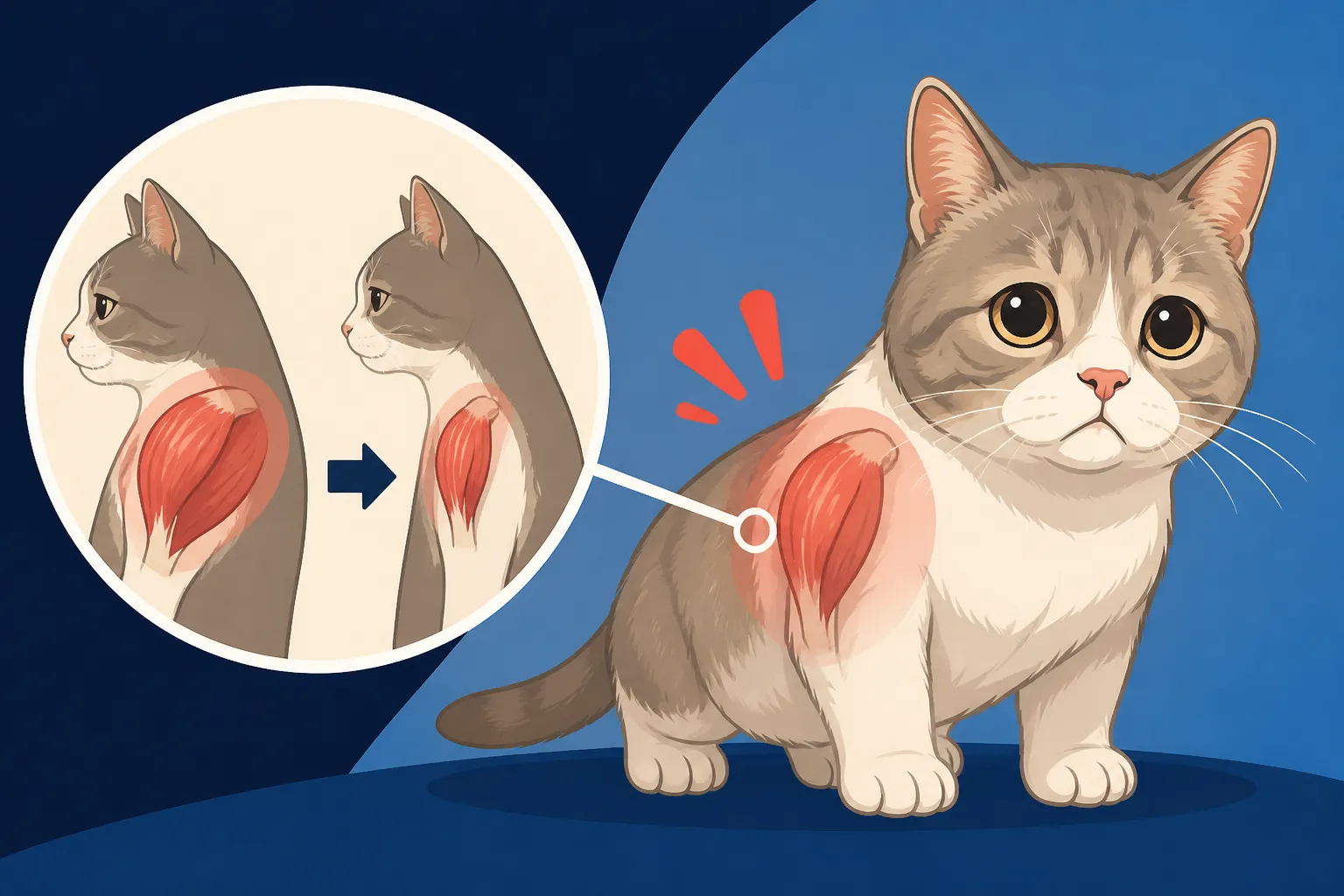
All cats, just like humans, experience sarcopenia, which is the natural, involuntary loss of muscle mass, strength, and function with aging. This process typically begins in middle age and accelerates as a cat gets older. You might notice a general thinning across their back, ribs that become more prominent, or a less defined muscle structure overall. This is a normal part of the aging process, but for a Munchkin, it has specific implications for their already hardworking shoulders.
When a standard cat experiences sarcopenia, the muscle loss is often spread more generally. However, for a Munchkin, whose shoulders have been under constant, slightly elevated stress throughout their lives, this natural age-related muscle atrophy can manifest much more obviously and rapidly in those areas. The muscles that have been continuously engaged and strained are often the first to show significant weakening and wasting as the cat's body struggles to maintain mass and repair tissue as efficiently. This isn't just cosmetic; it impacts their ability to maintain their posture and move comfortably.
The Role of Arthritis and Joint Pain
Arthritis, or osteoarthritis, is another common companion to aging in felines, and it plays a significant role in accelerating shoulder muscle loss in Munchkins. As discussed in How Arthritis Shows in a Munchkin's Front Legs, the constant stress on a Munchkin's joints can lead to earlier onset or more severe forms of arthritis in their front limbs. When a joint becomes painful, the cat instinctively tries to protect it by reducing movement and shifting weight. This compensatory behavior leads to disuse of the surrounding muscles.
Imagine if your shoulder hurt every time you moved your arm. You'd likely use that arm less, or try to move it in a way that minimizes pain. Over time, the muscles in that arm would weaken and shrink from lack of use. The same happens with a senior Munchkin. If their shoulder joints are aching, they will move differently, perhaps holding their body more stiffly, taking shorter steps, or avoiding any movements that put direct pressure on the painful areas. This reduced activity directly contributes to rapid muscle atrophy in the very muscles that surround and support those arthritic joints, creating a vicious cycle where pain leads to weakness, and weakness can exacerbate pain. What an Old Munchkin Stops Being Able to Do often begins with these subtle changes in movement.
Recognizing and Managing Shoulder Muscle Loss
It’s easy to dismiss subtle changes in an older cat as "just old age," but for a Munchkin, being proactive about recognizing and managing muscle loss in their shoulders can significantly improve their quality of life. Catching these signs early and implementing supportive care can help them stay comfortable and active for longer.
Spotting the Signs Early
Observing your Munchkin closely as they age is key. Don't wait for them to be truly struggling before you act. Look for these subtle indicators:
- Visual Changes: You might notice a thinning of muscle over the shoulder blades. The shoulders might look less rounded and more angular or boney. The chest area might appear less full. Sometimes, their ribs might become more prominent, especially behind the shoulders. Gently feeling their shoulders can also reveal this; healthy muscle feels firm, while atrophied muscle feels softer and thinner.
- Changes in Gait and Movement: Your Munchkin might start to take shorter, choppier steps, particularly with their front legs. They may appear stiffer when walking or getting up from a lying position. Watch them walk from behind and the side: do their front legs seem to move with less power? Do they seem less keen to run or chase toys with the same vigor? Why an Old Munchkin Stops Using Its Ramp is a significant behavioral clue that mobility is becoming an issue.
- Reluctance to Engage in Previously Enjoyed Activities: If your Munchkin used to love batting at a wand toy but now shows less enthusiasm, or if they struggle with reaching their favorite low window perch, it could be a sign of discomfort or weakness in their shoulders. They might ask to be lifted more often, or avoid certain areas of the house entirely.
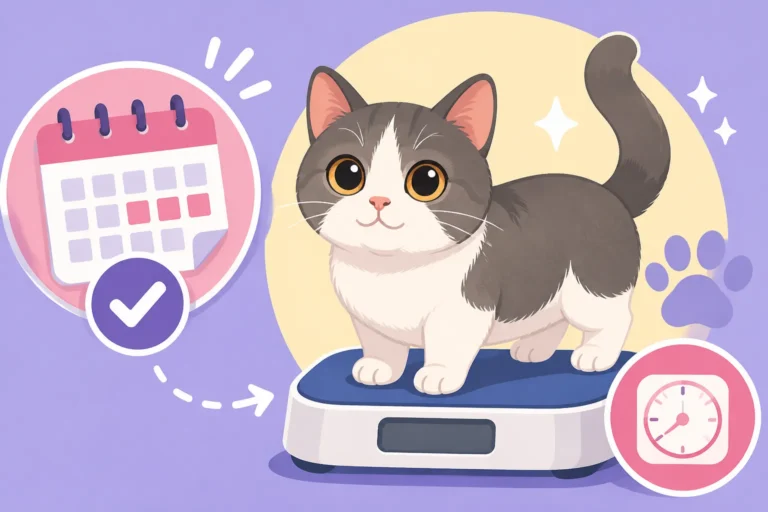
It's also a good idea to weigh your Munchkin regularly. Even a small amount of weight gain can put extra strain on those already vulnerable shoulders, as highlighted in Why Weight Is More Dangerous on a Munchkin. Conversely, unexplained weight loss can also indicate underlying health issues contributing to muscle atrophy.
Supporting Your Senior Munchkin's Mobility
Once you suspect muscle loss or stiffness, it’s time to act. A multi-faceted approach involving veterinary care, environmental adjustments, nutrition, and gentle exercise can make a world of difference.
- Veterinary Consultation: Your vet is your best ally. They can assess your Munchkin's joint health, rule out other medical conditions, and recommend appropriate pain management or joint support. This might include anti-inflammatory medications, or specific joint supplements. Don't hesitate to ask for a referral to a veterinary physiotherapist if you have one nearby; they can provide targeted exercises and therapies to help rebuild muscle and improve mobility.
- Environmental Adjustments: Make life easier on those precious shoulders! Ensure all essential resources – food, water, litter boxes, and favorite sleeping spots – are easily accessible without any jumping or stretching. Consider adding more ramps or low steps to enable access to favorite sofas or beds. Ramps and Steps Are Munchkin Equipment, Not Luxuries emphasizes how crucial these adaptations are. A simple pet ramp available on Chewy or Amazon can be a game-changer, providing gentle inclines rather than abrupt drops.
- Nutrition and Supplements: A high-quality diet rich in protein is vital for maintaining muscle mass. Discuss specific senior cat food options with your vet. Joint supplements containing ingredients like glucosamine, chondroitin, and Omega-3 fatty acids can support joint health and reduce inflammation. Many brands offer formulas geared towards joint support. Always consult your vet before adding any supplements to your cat's diet to ensure they are appropriate and won't interact with any existing medications. Which Joint Supplements Suit a Munchkin offers more detail on this.
- Gentle Exercise and Play: While you don't want to overdo it, gentle, regular activity is important to maintain muscle tone and flexibility. Floor-level play with wand toys or laser pointers can encourage movement without high-impact jumping. Keep sessions short and frequent, rather than long and strenuous. Observe your cat's cues and stop if they show any signs of discomfort. Focus on games that encourage walking, stretching, and low-impact interaction.
| Sign of Healthy Shoulders | Sign of Shoulder Muscle Loss |
|---|---|
| Rounded, firm appearance | Angular, bony, or sunken look |
| Ribs not easily felt | Ribs become more prominent |
| Smooth, fluid gait | Stiffer, choppier steps |
| Easy movement, confident stance | Hesitant to move, struggles to get up |
| Normal engagement in play | Reduced enthusiasm for play |
| Good posture when sitting | Slumps or shifts weight forward |
Taking these steps can help ensure your older Munchkin enjoys their golden years with as much comfort and mobility as possible. It’s all about understanding their unique needs and adapting to support them.
Disclaimer
This article is for general informational purposes only and does not constitute professional advice. Laws, prices and regulations vary by location and change over time. Consult a qualified professional for guidance on your specific situation.