Why a Munchkin’s Low Body Helps It Chase
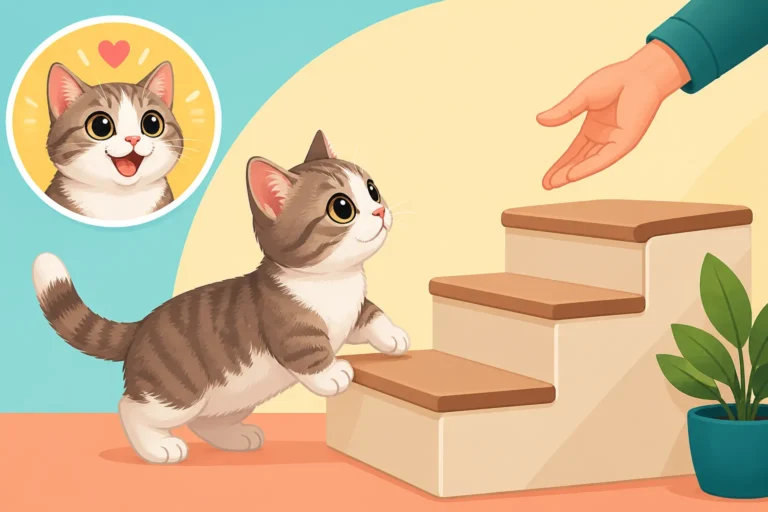
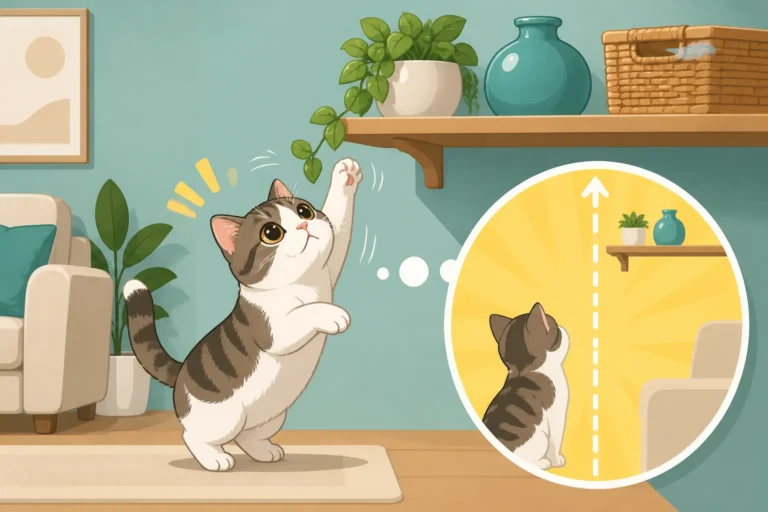
Anyone who's ever shared their home with a Munchkin cat knows there's a certain endearing clumsiness that comes with those short legs. You see them trying to launch themselves onto the kitchen counter, only to fall comically short, or needing a helping hand to get onto the sofa for snuggles. Yet, despite these vertical limitations, these little felines can be surprisingly speedy and agile, particularly when it comes to a good old chase across the living room floor. It's a fascinating paradox, and it often leaves new Munchkin parents wondering: how do those short legs actually help them in a chase? The answer lies in their unique physical build, offering distinct advantages that a long-legged cat simply doesn't possess on the flat. This guide will delve into the physics and instincts behind a Munchkin's surprising prowess in pursuit, showing how their low body is truly an asset when it comes to the thrill of the chase.
The Power of a Low Profile: Understanding the Munchkin's Unique Agility
At first glance, you might think a cat with short legs would be at a disadvantage when it comes to speed and agility, especially compared to their long-limbed counterparts. But for the Munchkin, their low profile is actually a secret weapon, particularly in horizontal pursuits. Imagine a sleek sports car, hugging the road with its low chassis – it’s designed for speed and control. In a way, a Munchkin operates on a similar principle, albeit on a much furrier, cuter scale.
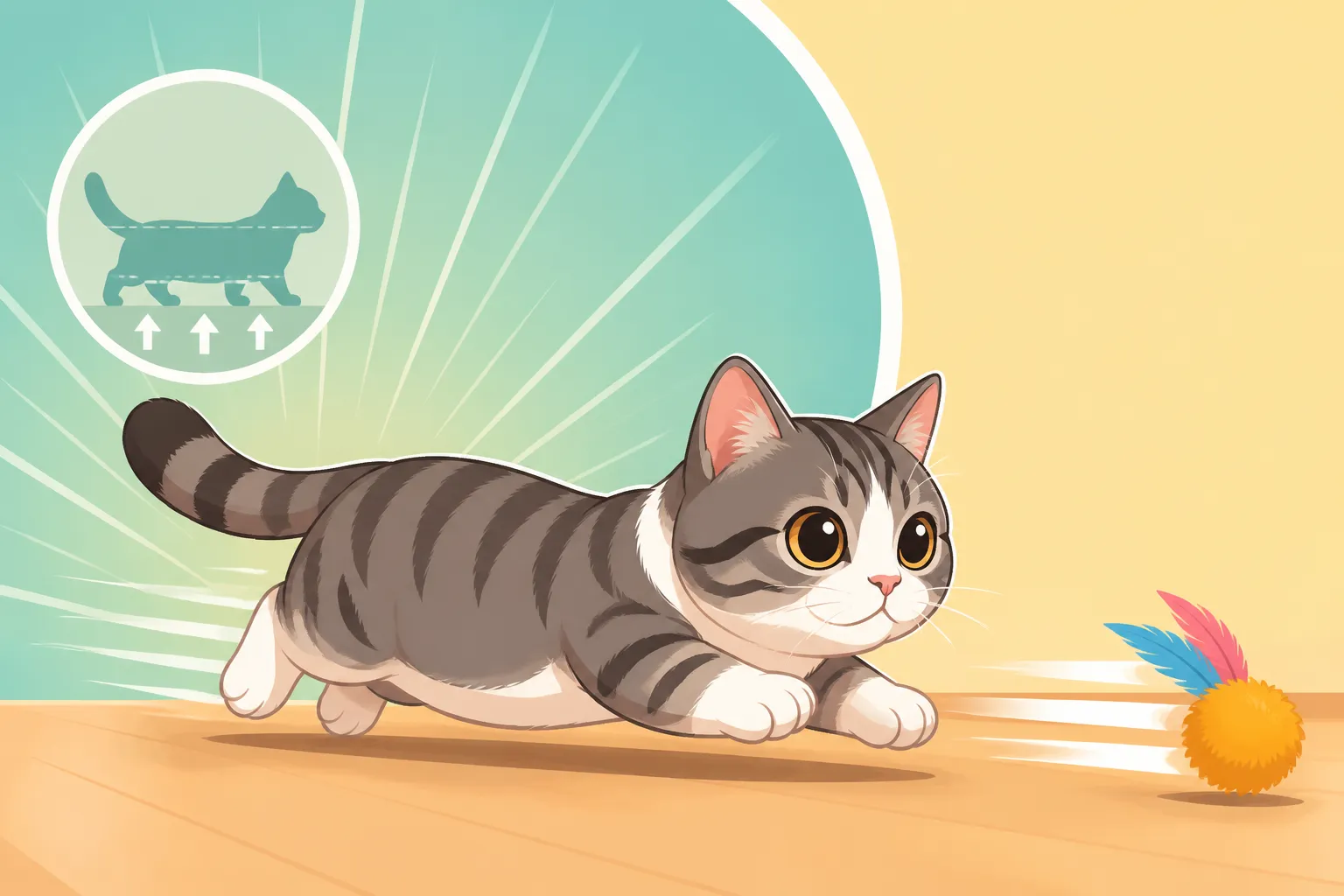
Their short legs keep their body incredibly close to the ground, which means there's less vertical displacement as they move. A normal-legged cat has a higher center of gravity and more "bounce" in its stride, meaning more energy is spent moving up and down as well as forward. A Munchkin, however, channels more of its energy directly into forward momentum. This isn't to say they'll outrun a Greyhound, but for quick bursts of speed over short distances, especially indoors, that low carriage minimizes wasted movement. Think about watching them dart from one end of a rug to the other after a favorite toy; it's a swift, almost fluid motion that's often faster than you'd expect. How Fast a Munchkin Can Run covers just how deceptive their speed can be. This efficient, low-to-the-ground locomotion means they can accelerate quickly and maintain a surprising pace when engaging in enthusiastic play or a playful stalk.
Furthermore, this compact build allows for incredible quickness in changing direction. Their body is already low, making it easier to pivot and shift weight without losing balance. If you've ever watched a Munchkin engaged in a frantic play session, you'll notice they can stop on a dime and shoot off in a new direction with remarkable ease. This isn't just about raw speed, but also about maneuverability within a confined space. They can weave through chair legs or under low furniture with an effortless grace that a taller cat might struggle with. This makes them fantastic at navigating the obstacle courses that our homes naturally provide, turning everyday items into part of their hunting ground.
Cornering Like a Champion: The Stability Advantage of a Munchkin's Build
One of the most striking advantages of a Munchkin's low body during a chase is their exceptional ability to corner. If you've ever watched a cat take a sharp turn at high speed, you'll know it's a delicate balance of physics. For a Munchkin, their low center of gravity is an absolute game-changer in this department. A high center of gravity makes an object more prone to toppling over when forces are applied sideways, like during a sharp turn. Conversely, a low center of gravity provides superior stability.
Consider a car designed for racing: it has a wide stance and sits very low to the ground. This design minimizes body roll and allows the car to maintain traction and speed through corners. Your Munchkin operates on a similar principle. As they tear across the floor and decide to make a sudden, tight turn – perhaps to catch a fleeing toy mouse or pounce on a sibling – their low body allows them to lean into the turn without losing their footing or momentum. They can dig their paws in and redirect their energy with minimal effort, unlike a taller cat that might have to slow down more significantly or take a wider arc to avoid tipping over. Why a Munchkin Corners Faster Than It Should explores this phenomenon further.
This enhanced stability means they can maintain higher speeds through turns, keeping the pressure on their "prey." It's not just about winning the race; it's about making the chase more engaging and effective. Whether they are pursuing a laser pointer dot that suddenly veers right, or hot on the heels of another cat that ducks behind a sofa, the Munchkin's ability to maintain tight control through these dynamic movements is truly impressive. This characteristic makes them incredibly effective hunters of small, fast-moving objects that tend to change direction frequently, such as crinkly balls or small feathered toys that dart across the floor.
| Feature | Normal Legged Cat | Munchkin Cat | Advantage in Chase |
|---|---|---|---|
| Center of Gravity | Higher | Lower | Increased stability, better cornering. |
| Leg Length | Longer | Shorter | Direct forward momentum, less vertical bounce. |
| Maneuverability | Good | Excellent, especially low | Weaves through obstacles easily. |
| Acceleration | Good | Quick bursts | Faster initial speed, less wasted energy. |
| Target Engagement | Varied | Floor-level superior | Better access and interaction with low toys/prey. |
Close to the Ground Action: Enhancing the Chase and Play Drive
A significant part of a cat's chase instinct is tied to hunting behavior, and for a Munchkin, their close-to-the-ground stature inherently enhances this. They are perfectly positioned for floor-level action, making them masters of stalking, pouncing, and batting at toys that roll or scurry across the floor. This isn't just about speed; it's about how their body shape aligns with the mechanics of play and hunting in a domestic environment.
Many of a cat's favorite toys are designed to be played with on the floor – rolling balls, feather wands dragged along the carpet, or remote-control mice. A Munchkin's physical setup gives them a distinct advantage here. They don't have to crouch as low or bend their spine as much to get into that prime pouncing position. They are already there. This means less effort is expended simply getting into position, allowing them to conserve energy for the actual burst of activity. Their 'ferret-like' movement, as some describe it, means they can flow across the floor, making them appear almost liquid in their pursuit. Why a Munchkin Moves Like a Ferret details this unique gait. This fluidity is often seen during intense play, as they snake around corners and dive after toys with incredible precision.
Moreover, their proximity to the ground makes them incredibly stealthy. They can hug the carpet, disappear behind low furniture, and burst out from unexpected places, adding an element of surprise to their play. This isn't just cute; it taps directly into their predatory instincts. A toy mouse disappearing under a coffee table on Amazon is a prime target for a Munchkin, who can follow it without missing a beat, whereas a taller cat might have to pause, assess, and then awkwardly try to reach under. This ability to maintain constant engagement with floor-level "prey" makes play highly stimulating and satisfying for them. It ensures they get plenty of exercise and mental enrichment, as they can fully immerse themselves in the hunt without physical limitations getting in the way as often as they might for aerial pursuits.
Stability and Control: Maintaining Balance During High-Speed Pursuits
When a cat is in full chase mode, maintaining balance and control is paramount, especially when making sudden stops, sharp turns, or launching into a pounce. A Munchkin's low center of gravity and compact body provide a remarkable foundation for this stability, allowing them to execute complex movements with impressive control. This isn't just about not falling over; it's about being able to commit fully to the chase without hesitation or wobble.
Think about the sheer force involved in a cat changing direction at speed. Their paws grip the surface, their muscles contract, and their body contorts, all to redirect momentum. For a Munchkin, because their mass is closer to the ground, the leverage of these forces is minimized. This translates into less body roll and less chance of overbalancing. They can essentially "stick" to the ground more effectively, giving them a confident and decisive edge in dynamic play scenarios. This inherent stability means they can commit to a pounce with more power and accuracy. When they launch themselves at a toy, they do so from a very stable platform, ensuring more of their energy goes into the attack rather than into maintaining equilibrium.
This control also extends to their ability to stop quickly. Imagine a Munchkin chasing a toy and it suddenly stops right in front of a wall. Their low stance allows them to brake more effectively, distributing the impact across their stable frame. While it's important to remember that they still have a unique spinal structure that needs care, Why a Munchkin's Spine Carries a Load a Normal Cat's Does Not, their ability to move with such control minimizes erratic movements that could put undue stress on their body. This controlled movement allows them to engage in vigorous play for longer periods, maximizing their enrichment and enjoyment. When choosing interactive toys, selecting ones that encourage these low, stable chase movements, like a remote-control teaser or certain types of puzzle feeders on Amazon, will allow your Munchkin to truly shine. Ultimately, their low body provides not just an advantage in speed and agility on the flat, but also a robust and stable platform for all their playful pursuits.
Disclaimer
This article is for general informational purposes only and does not constitute professional advice. Laws, prices and regulations vary by location and change over time. Consult a qualified professional for guidance on your specific situation.