Whether a Munchkin Alone All Day Can Reach Everything
It’s a natural worry for any cat parent: when you head out for the day, leaving your beloved feline companion behind, you want to be absolutely sure they’re safe, comfortable, and can access everything they need. For Munchkin cat owners, this concern often comes with an added layer of thought, given their distinctive short stature. You might wonder, "Can my Munchkin really get to their food, water, and litter box all by themselves, or are they going to be feeling frustrated and left out?" This guide is here to tackle that very question head-on, offering realistic insights into a Munchkin's capabilities and, more importantly, how you can create an environment where they thrive independently, even when you're not around.
Understanding a Munchkin's Vertical Limitations
The most defining characteristic of a Munchkin cat is, of course, their adorable short legs. While these give them their unique charm and often a distinctive "ferret-like" gait, they also come with inherent physical limitations, especially when it comes to vertical access. It’s not that they can’t jump, it’s that they can't jump high. And when you're out of the house, they don't have you there to be their personal elevator.
The Reality of a Munchkin's Reach
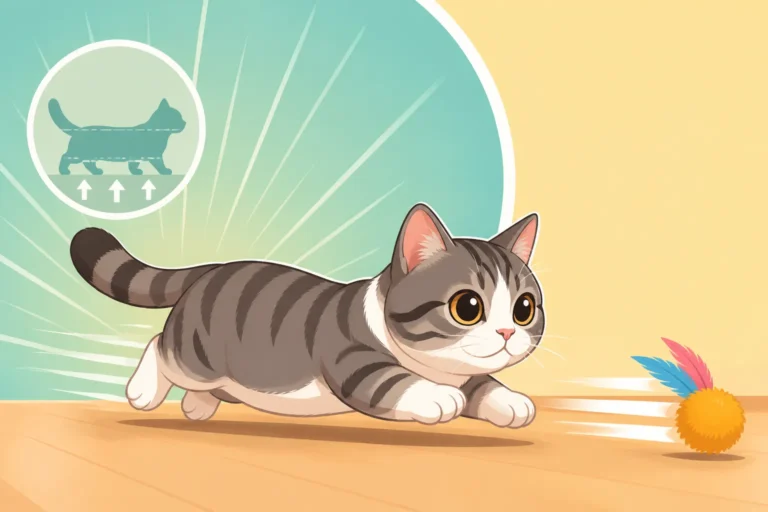
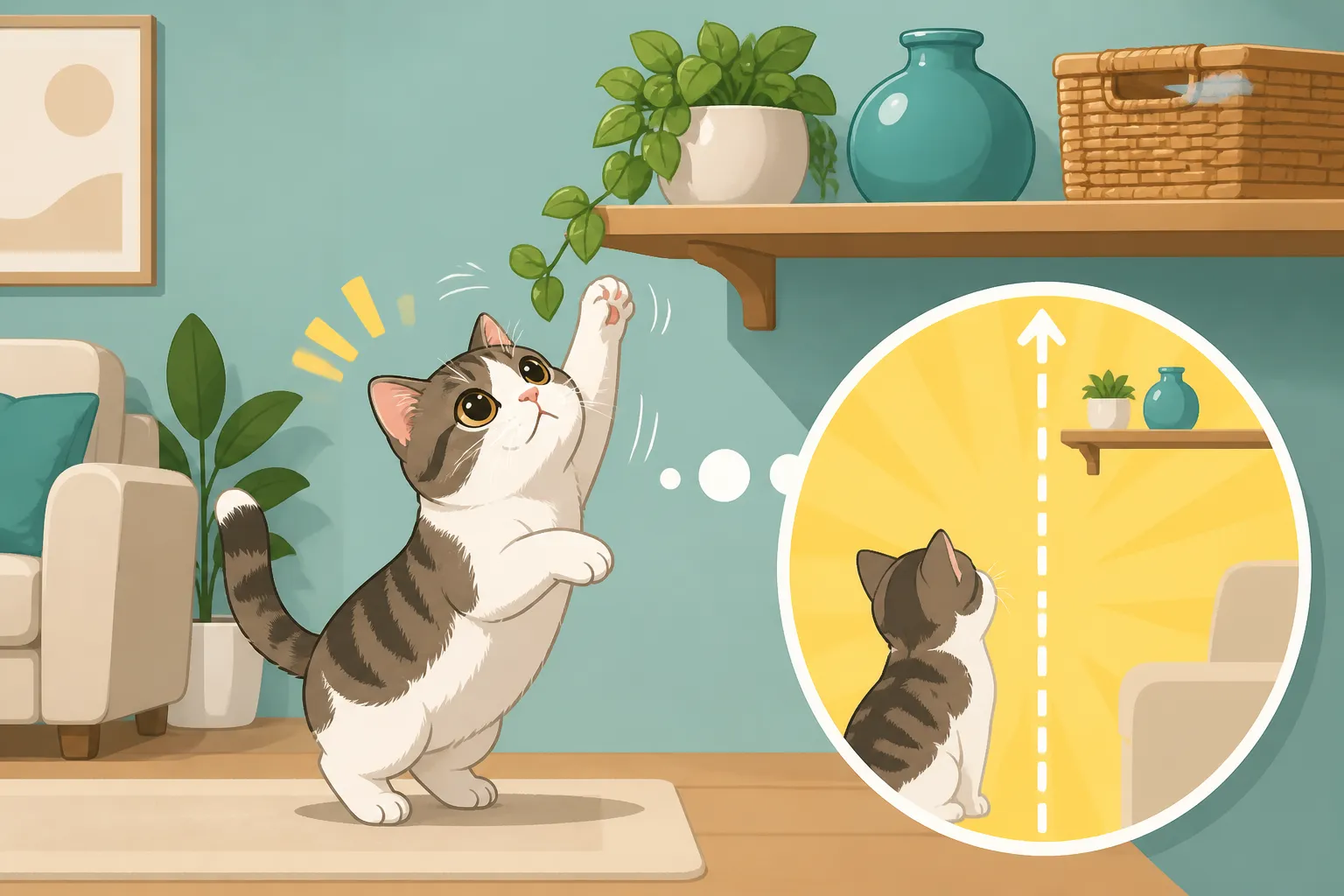
Think about a typical day for a normal-legged cat. They might hop onto the kitchen counter to investigate a stray crumb, spring onto a bookshelf to survey their kingdom, or effortlessly launch themselves onto your bed for a nap. A Munchkin, however, operates on a much lower plane. While they are incredibly agile and fast on the flat, their short legs mean that a simple counter, a tall bed, or even a standard armchair can become an insurmountable obstacle. It's a fundamental truth that A Munchkin Is a Normal Cat That Cannot Reach. They still have all the instincts of a cat – the desire to explore, to nap in sunbeams, to feel safe on a perch – but their physical form limits how they can satisfy these urges in a vertical world.
When you're home, you might instinctively lift them onto the sofa or the bed. But what happens when you're at work for eight hours? They can't ask to be lifted. This means popular napping spots, prime window-watching perches, and even certain toys placed too high become inaccessible. Their world shrinks to the floor level unless you've made specific adaptations.
What Munchkins Can and Cannot Access
Let's break down some common household items and areas to illustrate what your Munchkin might struggle with when left to their own devices. This isn't about making you feel guilty, but about being realistic and proactive.
| Item/Area | Normal-Legged Cat Access | Munchkin Cat Access (Unaided) | Implications When Alone |
|---|---|---|---|
| Kitchen Counters | Yes, easily | No, almost impossible | No accidental ingestion of food/items left on counters. |
| Dining Table/Chairs | Yes | Chairs possibly, table no | May get onto chairs if low enough, but cannot reach the table. |
| Beds (standard height) | Yes, in one leap | No, very difficult/impossible | Misses out on a favorite napping spot; can't join you in bed. |
| Sofas/Couches | Yes, usually | Often no, without steps | Cannot access comfortable seating or window views easily. |
| Windowsills | Yes, from furniture | No, too high | Cannot engage in stimulating window watching. |
| Cat Trees (standard) | Yes, designed for them | Rarely, platforms too far apart | Cannot climb to vertical resting or play spots. |
| Tall Litter Boxes | Yes | No, often too high entry | May resort to eliminating outside the box due to difficulty. |
| Elevated Food/Water | Yes | Strains neck/back | Discomfort while eating/drinking; may avoid entirely. |
As you can see, Why a Munchkin Cannot Make the Kitchen Counter isn't just about mischievous exploration; it's about a fundamental difference in how they interact with their environment. Their world is largely horizontal, and we, as their human companions, need to adjust our homes to match their reality.
Essential Home Adaptations for an Independent Munchkin
The good news is that with a little foresight and effort, you can transform your home into a Munchkin paradise where they can reach everything important and enjoy their independence while you’re out. It's all about making their world accessible and safe.
Creating Vertical Pathways and Ramps
One of the biggest hurdles for a Munchkin is getting up to elevated spots they naturally desire, like a sunny windowsill or a cozy bed. This is where ramps and steps become indispensable. Think of them as tiny staircases designed specifically for your short-legged friend. Instead of forcing them to jump and potentially strain their delicate spine or joints repeatedly, these aids provide a gentle, safe incline or series of steps.
You can find a fantastic array of pet ramps and steps on platforms like Amazon, from carpeted ramps to wooden steps that can blend with your decor. The key is to ensure the incline isn't too steep and the steps aren't too far apart. A good ramp should feel stable and provide adequate grip. Placing a ramp next to your sofa, bed, or a favorite window perch allows your Munchkin to access these areas without assistance. Remember, Ramps and Steps Are Munchkin Equipment, Not Luxuries; they are vital for their well-being and independence. You might even want to get creative and build your own custom steps or use existing furniture pieces to create a "staircase" effect, allowing your Munchkin to gradually ascend to higher spots, as highlighted in How a Munchkin Uses Furniture as a Staircase.
Optimizing Food, Water, and Litter Access
These are non-negotiables. Your Munchkin must be able to easily reach their food, water, and litter box at all times.
For food and water, standard bowls on the floor are often fine, but if your Munchkin tends to strain their neck or back when bending down, consider slightly raised bowls. Many pet stores and online retailers like Amazon offer ergonomic pet bowls with stands that elevate the dishes just a few inches. This can make a significant difference in comfort, especially as they get older. Fundamentally, Why a Munchkin's Food and Water Belong at Floor Level or at a comfortable low elevation is about preventing unnecessary physical strain.
Litter boxes are another critical area. A high-sided litter box might be great for containing litter scatter, but it can be a real barrier for a Munchkin. Imagine trying to climb over a wall that's nearly as tall as you are every time you need to use the restroom! This can lead to accidents outside the box, not because they're being naughty, but because it's too difficult to get in. Look for litter boxes with a very low entry point, often marketed for senior cats or kittens. There are many options on Amazon that fit this description. Alternatively, you can modify an existing box by cutting a low entry point on one side. Making sure Why a Munchkin Needs a Litter Box It Can Walk Into is paramount for hygiene and comfort. Consider having multiple low-entry boxes strategically placed around the house, especially if you have a larger home.
Adapting Play and Scratching Surfaces
Munchkins are playful, curious cats, but their play style and preferred scratching methods also adapt to their short legs. When you're gone, they need toys and scratchers that they can genuinely engage with.
Forget the super-tall cat trees with widely spaced platforms – those are likely useless to a Munchkin. Instead, focus on horizontal scratchers or wall-mounted scratchers placed low to the ground. Many varieties are available on Amazon. Which Scratching Post Suits a Munchkin is one they can comfortably reach and use to stretch and groom their claws without needing to climb.
For play, floor-level toys are their absolute favorite. Rolling balls, crinkle toys, kickers, and puzzle feeders that sit directly on the floor are perfect. Toys that encourage chasing and "hunting" along the ground will keep them entertained for hours. If you want to offer some vertical enrichment, look for short, sturdy cat trees with very closely spaced platforms, or consider creating a "cat superhighway" using shelves mounted at accessible heights with ramps leading up to them. Check out Which Toys Work at a Munchkin's Height for more ideas on engaging them effectively.
Ensuring Safety and Enrichment for an Unattended Munchkin
Leaving any cat alone all day requires certain safety measures, but for a Munchkin, these take on extra importance due to their physical vulnerabilities. Their inability to jump high means they can't escape certain situations as easily as a long-legged cat might.
Eliminating Hazards and Creating Safe Zones
Since a Munchkin can't easily jump out of harm's way, you need to be extra diligent about "Munchkin-proofing" your home. This means securing anything that could fall on them, like unstable shelving or precarious decorations. Store away small objects they might try to mouth or swallow, as they spend a lot of time exploring at ground level.
Consider creating a designated "safe room" or a specific area that is entirely Munchkin-proofed, especially if you're going to be gone for extended periods. This area should contain their adapted litter box, food, water, comfy beds, and favorite toys. This ensures that even if they can't access every part of the house, their essential needs and comfort are met in a secure space. Making One Room Reachable for a Munchkin All Day can provide peace of mind for both of you.
It's also crucial to remember that Why a Munchkin Should Never Be Let Outdoors. Their short legs make them incredibly vulnerable to predators, traffic, and other dangers from which they cannot easily escape by climbing or running quickly enough in unfamiliar terrain. Keep them indoors, safe and sound.
Providing Mental and Physical Stimulation
A bored cat is often a mischievous cat, but for a Munchkin, boredom can also lead to frustration if they can't reach desired play or resting spots. When you're not there to interact with them, mental and physical enrichment becomes even more important.
Puzzle feeders are fantastic for mental stimulation. Fill them with a portion of their daily kibble or treats, and let them "work" for their food. This mimics hunting behavior and keeps their minds engaged. Rotation of toys can also help. Don't leave all the toys out all the time; introduce new ones every few days to keep things interesting.
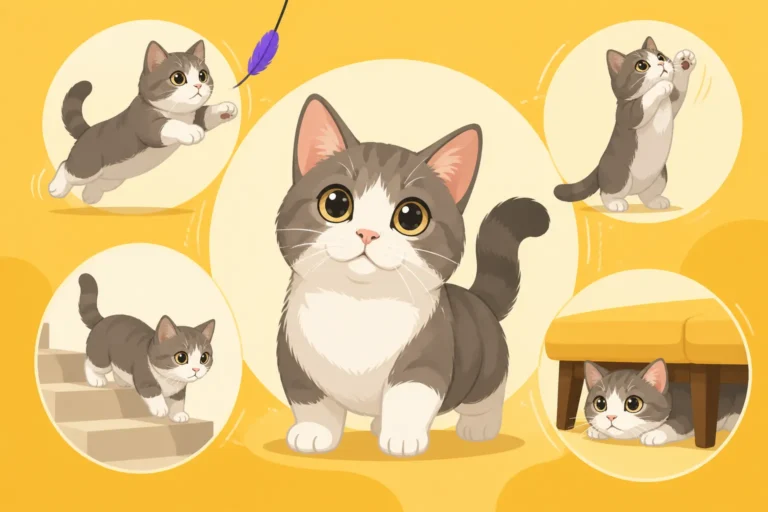
Window perches, made accessible with ramps or steps, offer prime entertainment. Cats love to watch the world go by, and a Munchkin is no different. Even if they're not a keen hunter, simply observing birds and squirrels can be incredibly enriching. Think about how to create stimulating ground-level play areas, perhaps with crinkly tunnels or low-lying scratching mats. Consider What a Munchkin Does All Day at Floor Level to ensure they have plenty of enriching activities within their physical capabilities.
Monitoring Your Munchkin's Well-being When Alone
Even with the best preparations, it's wise to keep an eye on your Munchkin's behavior and habits when they're alone. Changes can indicate they're struggling or that your adaptations aren't quite meeting their needs.
Recognizing Signs of Distress or Inaccessibility
If your Munchkin is feeling frustrated or is struggling to access essentials, they might start exhibiting certain behaviors. These could include:
- Litter box accidents: If they suddenly start eliminating outside the box, and a vet visit rules out medical issues, it's often a sign that the box is too difficult to access or they couldn't reach it in time.
- Increased vocalization: Excessive meowing or crying when you return could signal boredom, loneliness, or frustration from being unable to reach things.
- Reluctance to move: If they seem less active or are staying in one spot more often, it might be that their usual routes or desired spots are too challenging.
- Changes in grooming: Poor grooming, especially around their hindquarters, can indicate they can't comfortably reach certain areas, which can be exasperated if they also struggle to clean themselves after using a high-sided litter box.
It’s about reading their cues. If you notice them trying repeatedly to jump onto a surface and failing, or sitting forlornly by a window they can't reach, it's a clear signal that further adaptations are needed.
Using Technology for Peace of Mind
For those who want extra reassurance, pet cameras can be incredibly helpful. Placed in key areas, they allow you to check in on your Munchkin throughout the day. You can observe their movements, see if they're using the ramps and steps you've provided, and ensure they're eating, drinking, and using the litter box without issue. Some cameras even allow for two-way audio, letting you talk to your cat, which can be comforting for both of you.
This technology can provide valuable insights into What a Camera Shows a Munchkin Failing to Reach or, more positively, successfully navigating their adapted environment. It’s an invaluable tool for understanding their daily routines and ensuring their independence is truly supported.
Regular Health Checks and Age-Related Considerations
As your Munchkin ages, their mobility might naturally decrease, and what was once a manageable step might become a struggle. Regular veterinary check-ups are always important, but especially so for Munchkins, to monitor their joint health and spine.
Keep an eye out for signs of stiffness or reluctance to use ramps or steps they once navigated easily. If Why a Munchkin That Stops Using Its Ramp Is Unwell, it's a strong indicator that something is physically amiss, and a vet visit is warranted. Adjustments might be needed, such as adding more ramps, making existing ramps less steep, or introducing gentler steps. Proactive care ensures your Munchkin remains comfortable and independent throughout their life.
Ultimately, while Munchkin cats have specific physical considerations, with thoughtful planning and home modifications, they can certainly lead full, independent, and joyful lives, even when you’re not there to supervise every moment. It just takes a little extra love and attention to their unique needs to ensure their world is as accessible as possible.
Disclaimer
This article is for general informational purposes only and does not constitute professional advice. Laws, prices and regulations vary by location and change over time. Consult a qualified professional for guidance on your specific situation.