What a Munchkin Gets Into When It Cannot Climb
It's easy to assume that a cat with short legs just moves a little differently, but otherwise navigates the home environment like any other feline. The truth is, a Munchkin cat's inability to climb to typical cat heights doesn't just change how they move, it fundamentally changes what they interact with. This guide will dive deep into the unique predicaments and surprising discoveries a Munchkin can get into when their world is primarily floor-level, and how you can make your home safe and enriching for them.
The Floor is Their Kingdom: Unforeseen Challenges and Curious Exploits
When your cat can't leap to the top of the fridge or scale a tall bookshelf, their entire perspective shifts. Instead of navigating vertically, they become master explorers of the horizontal plane. This might sound charming, but it opens up a whole new world of potential hazards and mischief that long-legged cats simply bypass. Their curiosity is just as strong as any other cat's, but their access points are entirely different, often leading them into spots we'd never consider a cat could reach.
Why Floor-Level Objects Become Prime Targets
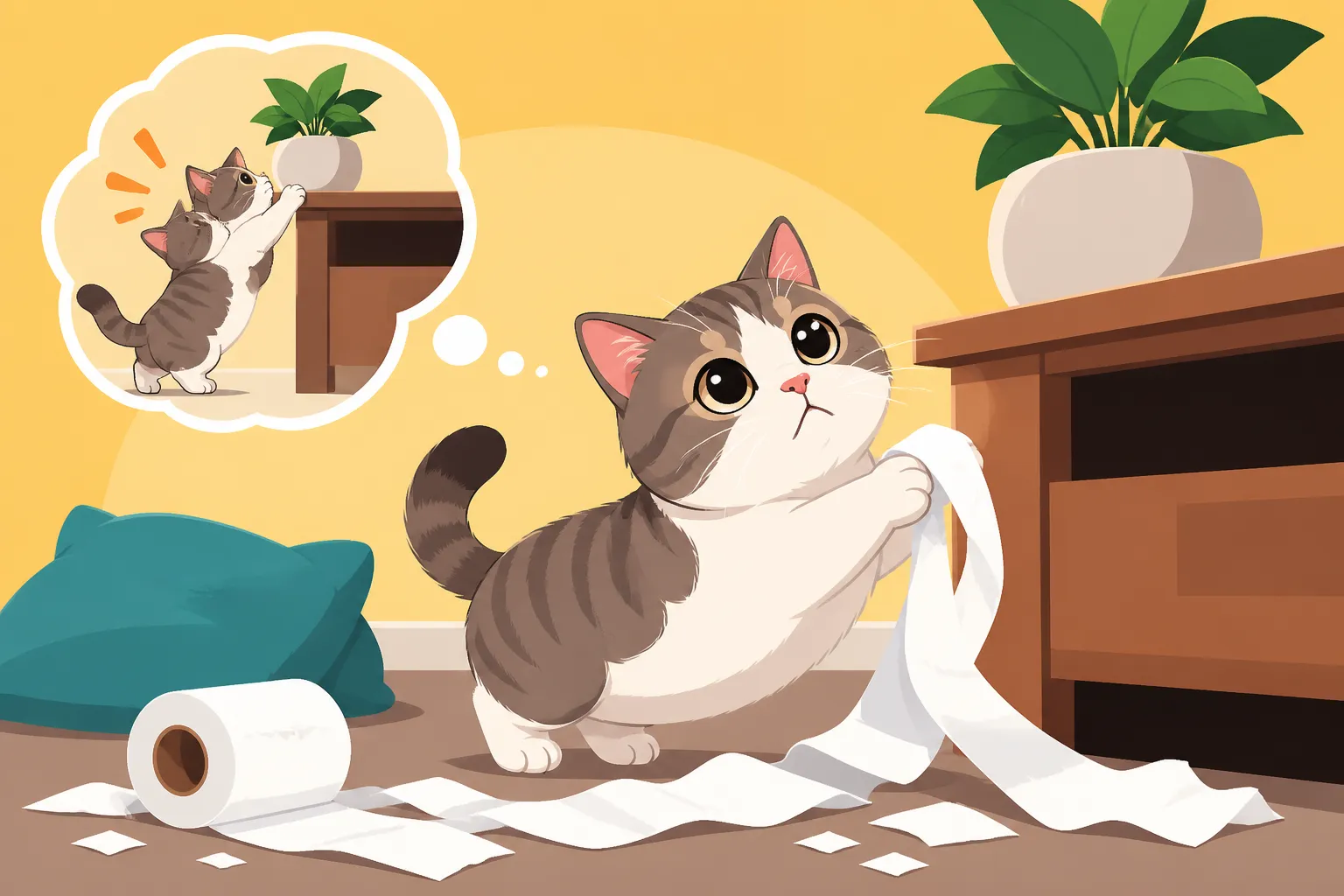
Think about your home from knee-height down. What's sitting on low shelves, under furniture, or forgotten on the floor? For a Munchkin, these aren't just overlooked areas; they are prime investigation zones. A regular cat might bat at something on the coffee table and then jump up to explore it further. A Munchkin will bat at it, and if it falls, it's now fair game on their level. Their persistence is remarkable; if they can't reach something, they'll often try to dislodge it or find an indirect route. It’s not just about what they can reach, but what falls into their accessible territory.
For instance, a forgotten shopping bag on the floor containing plastic packaging or small toys can quickly become an irresistible crinkly den. A normal cat might glance at it and move on, perhaps batting an item out before jumping to a higher perch. But a Munchkin sees it as an opportunity. They might burrow deep inside, exploring every nook and cranny. While often harmless, these bags can pose suffocation risks, and string handles are a well-known entanglement hazard. Their low stature means they're not just playing with things on the floor, but often getting inside things on the floor. This also means that anything edible that drops on the floor and would normally be retrieved quickly by a human, or ignored by a cat who is off exploring heights, suddenly becomes a highly accessible treat, whether it's safe for them or not.
The Allure of Restricted Spaces
Munchkins are often described as moving like ferrets, darting and weaving through spaces with surprising speed and agility. This low-slung, slinky movement means they can access areas that a taller cat wouldn't even consider, or physically couldn't fit into. We're talking about the narrow gap behind your washing machine, the underside of a low-slung sofa, or the dusty, forgotten space beneath a heavy chest of drawers. These are not typically spaces that are cat-proofed, because most cats simply can't get there.
These restricted spaces offer a Munchkin a sense of security and adventure. They are dark, often quiet, and provide excellent hiding spots for a quick nap or a stealthy ambush. However, they also present risks. Dust bunnies and cobwebs can be inhaled or ingested, leading to respiratory irritation. Cleaning products, wires, or even pest traps might be hidden away in these forgotten nooks. Furthermore, getting into a tight spot is often easier than getting out, especially if something shifts. I've known more than one Munchkin owner who's had to dismantle furniture or pull out appliances after a frantic search, only to find their little adventurer peering out from a previously unknown hidey-hole, completely unfazed. If you have any internal pipes or wiring runs that have open access points near the floor, these can also become tempting tunnels for a curious Munchkin to explore. How a Munchkin Gets Where It Wants Without Jumping is often by squeezing through the tiniest of gaps.
Common Household Hazards and How Munchkins Engage With Them
Because their interaction with the home is so ground-level, many everyday objects transform from benign household items into potential sources of trouble. What you might leave on a low table, or even on the floor for "just a minute," becomes part of their accessible landscape. Understanding this shift is key to ensuring their safety.
Small, Chewable Objects and Dangling Cords
If a regular cat bats a pen off a counter, it rolls under the sofa and is forgotten. If a Munchkin does it, it's now a new toy. Anything small enough to be swallowed or chewed on becomes a potential hazard. Items like rubber bands, hair ties, coins, small toys from children's play areas, or even dropped medications are all fair game. Their curious mouths can turn an innocent discovery into a choking hazard or a trip to the emergency vet. This propensity for picking up small items is also why you might find that a Munchkin hoards small objects.
Dangling cords, whether from window blinds, charging cables, or small appliances, are another significant concern. A long-legged cat might bat at a cord playfully, but a Munchkin's persistent, low-level interaction means they're more likely to get tangled, pull an appliance down on themselves, or chew through a live wire. Even a simple phone charger left on the floor overnight can become a tempting chew toy, risking electrocution or fire. Many cats love to play with strings, but a Munchkin's inability to climb away if entangled makes the danger much more immediate and severe.
Low-Lying Chemicals and Household Plants
Cleaning supplies, pesticides, or automotive fluids often get stored in low cupboards or on garage floors. While many cabinets have child-proof latches, they might not be cat-proof for a determined Munchkin. Their small size allows them to squeeze through gaps or push open loosely secured doors, granting them access to dangerous toxins. Even seemingly harmless items like laundry detergent pods can be attractive and lethal if ingested.
Similarly, many common household plants are toxic to cats. A regular cat might nibble a leaf or two, but a Munchkin, with full access to the plant's base, might chew on stems or dig in the soil, potentially ingesting harmful substances or fertilizers. If you have plants like lilies, sago palms, or even common ivy, they need to be completely out of a Munchkin's reach, which often means hanging them high or removing them from the home entirely. Their low perspective gives them continuous access to the base of plants that a climbing cat might only briefly encounter from a higher vantage point.
| Hazard Type | Normal Cat Interaction | Munchkin Cat Interaction | Risk Level |
|---|---|---|---|
| Small Objects | Bats, might chew if accessible. | Picks up, chews, swallows. | Medium to High |
| Dangling Cords | Bats, occasional chewing. | Tangles, pulls down, chews through. | High |
| Restricted Spaces | Rarely enters, or gets stuck. | Actively seeks, explores, hides, can get stuck. | Medium |
| Low-Lying Chemicals | May sniff if accessible. | Pries open cabinets, ingests, spills. | High |
| Toxic Plants | Nibbles leaves if accessible. | Chews stems, digs in soil, ingests more. | Medium to High |
| Food Scraps | May snatch off counter if able, or ignore floor. | Finds every dropped crumb, more likely to ingest unsafe foods. | Medium |
Creating a Munchkin-Proof Paradise: Adapting Your Home
The good news is that with a little foresight and effort, you can transform your home into a safe and stimulating environment for your short-legged friend. It's not about restricting their natural curiosity, but about redirecting it and removing the dangers from their accessible world. With a Munchkin the House Changes, Not the Cat.
Proactive Safety Measures and "Munchkin-Level" Proofing
Start by getting down on your hands and knees and viewing your home from a Munchkin's perspective. What do you see? What looks tempting? Secure all low cabinets with proper child-proof locks, even if you don't have children. Store all toxic substances high up and out of reach. Bundle and secure all loose cords, perhaps using cord covers or furniture that hides them. Ensure that all bins have heavy, secure lids that cannot be knocked over or opened.
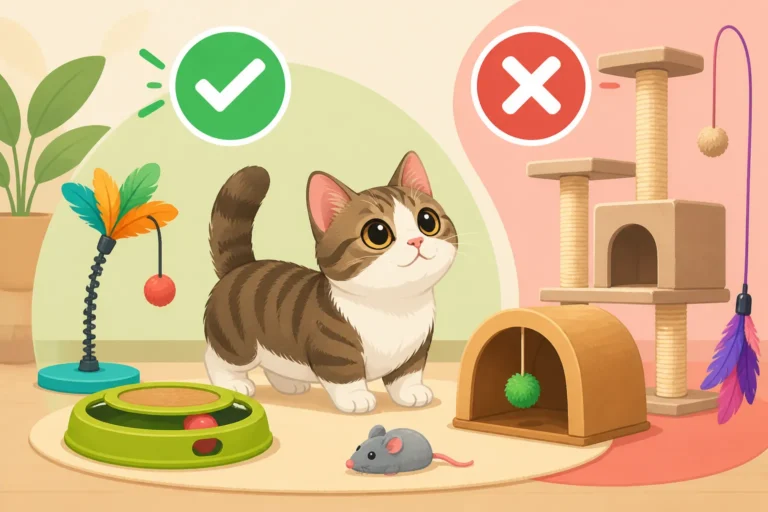
Consider dedicating specific "safe zones" on the floor where they can explore without risk. This might involve creating a designated play area with appropriate which toys work at a Munchkin's height and safe foraging toys. Regular sweeps of the floor for dropped items are essential, especially in high-traffic areas or where children play. Remember, a Munchkin will investigate every nook and cranny, so don't assume a spot is too small or uninteresting.
Enabling Safe Access and Enrichment
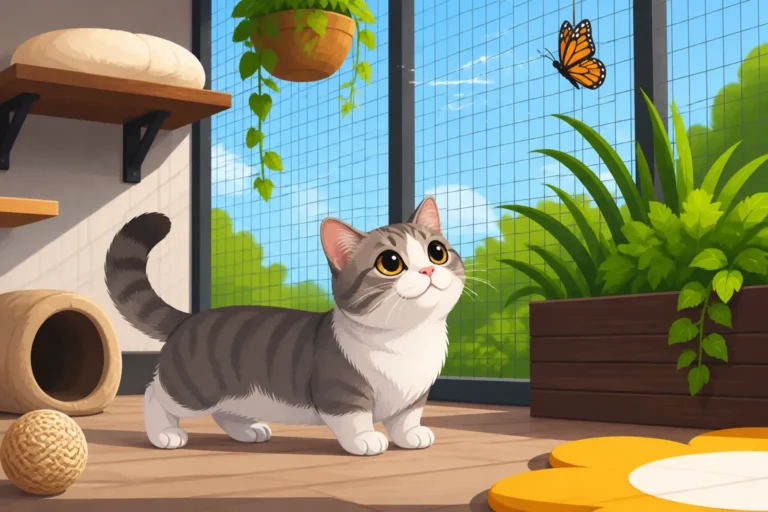
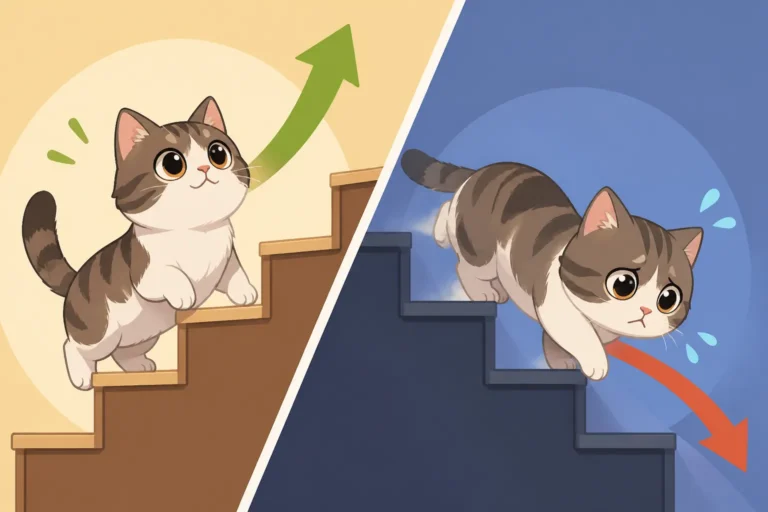
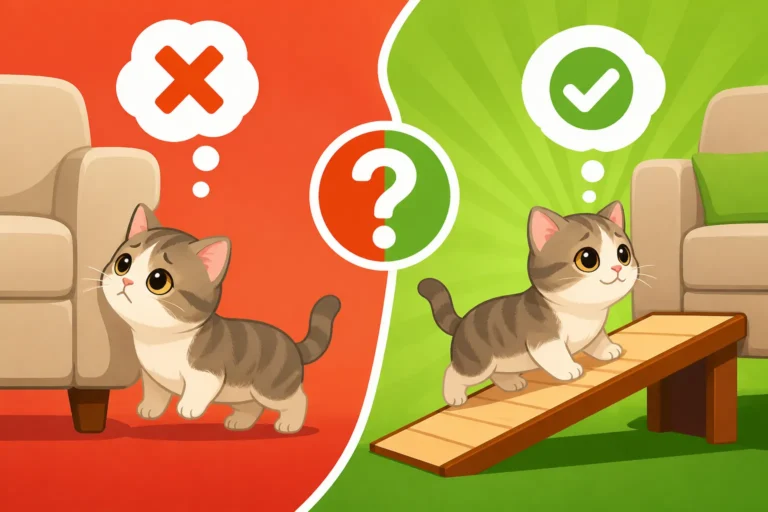
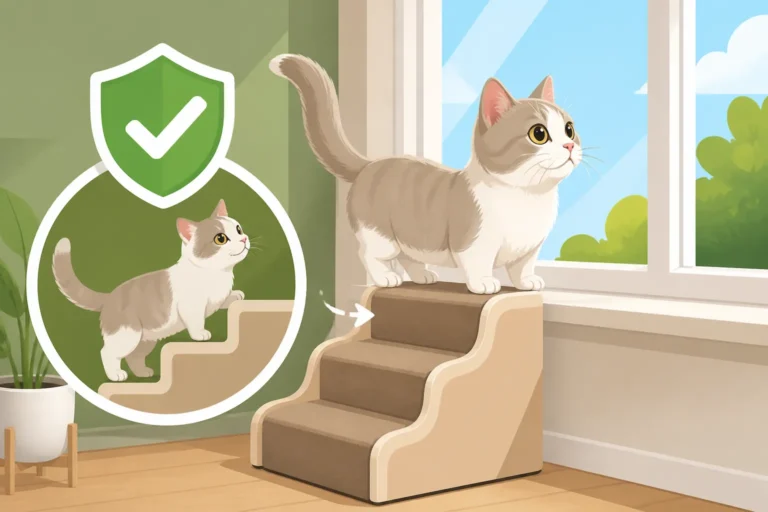
While they can't climb like other cats, Munchkins still crave vertical space and the ability to survey their surroundings. The key is providing accessible alternatives. Instead of tall, multi-level cat trees with widely spaced platforms, opt for cat trees with very close-set platforms or invest in sturdy pet steps and ramps. How to set up ramps around a Munchkin's house is crucial. These can provide safe access to sofas, beds, or even low window sills. Many owners even create multi-tiered "staircases" out of modular pet furniture or sturdy boxes, allowing their Munchkin to ascend in stages.
For enrichment, think horizontally and creatively. Puzzle feeders that sit on the floor are excellent for engaging their minds and hunting instincts. Which puzzle feeders a Munchkin can reach into are those with low entry points or that allow them to use their paws to extract treats. Interactive toys that roll, slide, or move across the floor are perfect for their hunting style. Investing in sturdy, horizontal scratchers or even low-to-the-ground scratching posts will also meet their clawing needs without requiring them to stretch high. Remember, their world is primarily horizontal, so think about how to make that plane as stimulating and safe as possible. Every accessible height you can give them safely improves their quality of life.
Disclaimer
This article is for general informational purposes only and does not constitute professional advice. Laws, prices and regulations vary by location and change over time. Consult a qualified professional for guidance on your specific situation.