Why a Munchkin Hoards Small Objects
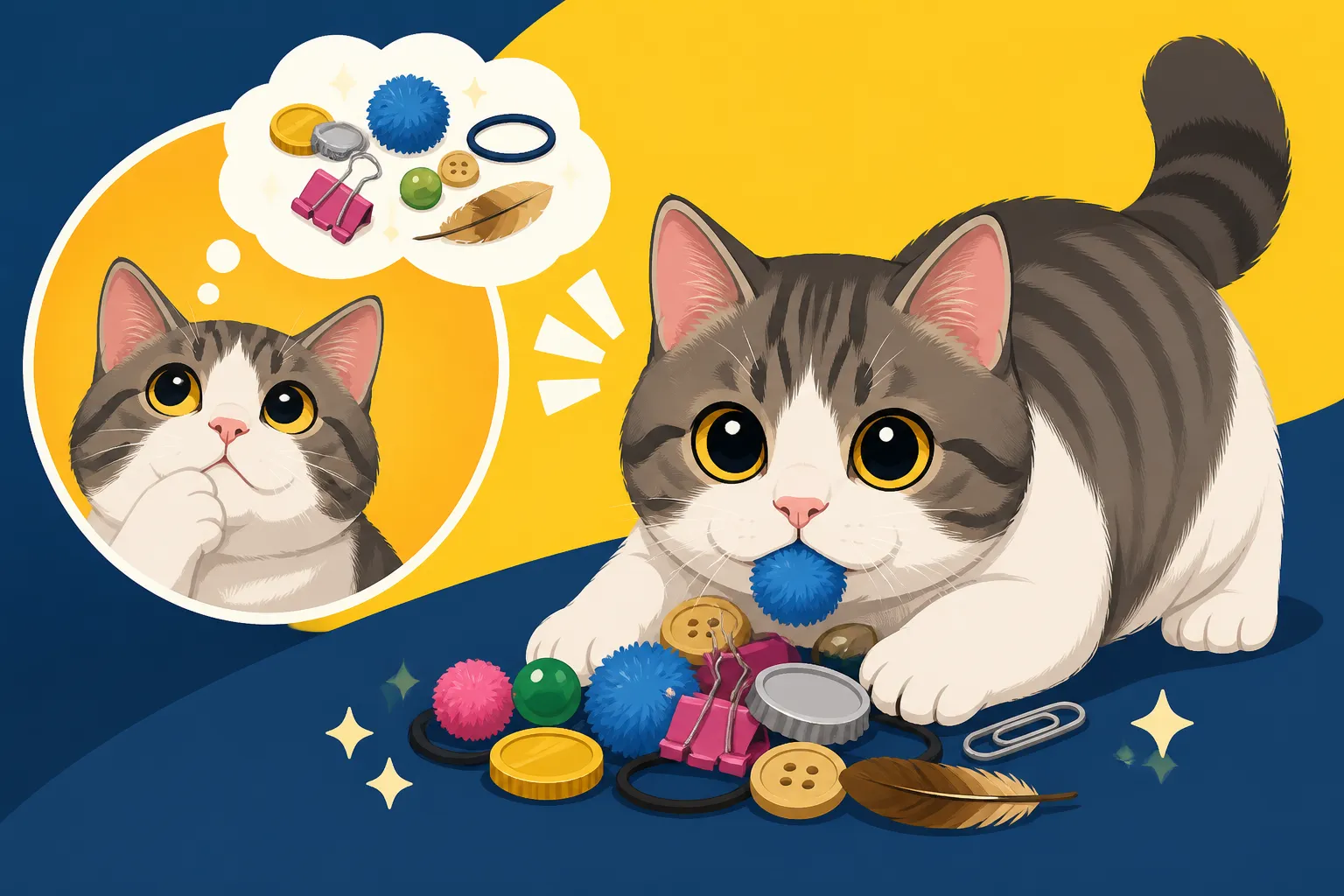
It's an age-old cat mystery, isn't it? You go to grab your favorite hair tie, or a misplaced pen, only to find it's vanished into thin air. If you're living with a delightful Munchkin cat, chances are these "missing" items aren't actually missing; they've simply been relocated to your feline friend's secret stash. This guide delves into the fascinating world of why Munchkin cats are often notorious for hoarding small objects, exploring the instincts, physical traits, and behavioral quirks that contribute to this charming, if sometimes frustrating, habit.
The Deep-Seated Instinct to Collect and Cache
Before we even get to what makes Munchkins unique, let's talk about cats in general. The urge to pick up and carry off small objects isn't just a quirky habit; it's rooted in ancestral behaviors that are surprisingly practical in the wild. While our pampered housecats might not be hunting for survival, those ancient instincts are still purring beneath the surface.
The Hunter's Cache Mentality
Imagine a wild cat. After a successful hunt, it wouldn't just eat its prey right where it lay. It would often carry it away, perhaps to a secluded, safe spot to consume its meal in peace, or to hide it for later. This is the concept of caching, and it’s deeply ingrained in many predatory animals, including our domestic felines. Small, movable items in your home can trigger this ancient programming. To a cat, that shiny bottle cap or crinkly piece of paper might not be food, but it's certainly a "catch" that can be moved, hidden, and revisited. It’s a way for them to practice their hunting and carrying skills in a safe, stimulating environment.
When your Munchkin absconds with your earrings, they’re not necessarily doing it to spite you. They're acting on an instinct that tells them, "This is mine, and this is a good spot to keep it safe from others." It’s an assertion of their territory and their success as a "hunter." You might find their stash under a sofa, in a shoe, or even in their bed – places that feel secure and private to them, mimicking a safe den or hidden cache.
Comfort and Scent Marking
Another powerful instinct is related to comfort and security. Cats are very scent-oriented creatures. When they rub against you, knead a blanket, or even lie on an object, they're transferring their scent, marking it as "theirs." This makes them feel safe and comfortable in their environment. Small, portable objects become ideal candidates for this.
Your Munchkin might pick up a soft sock or a small toy and carry it to their favorite napping spot. By doing so, they're not just moving an object; they're essentially weaving their own scent into their surroundings, creating a more personalized and comforting space. It’s like us having a favorite blanket or a worn-out comfort item. For a Munchkin, carrying these items around and "depositing" them in their chosen hideaways enhances their sense of security and ownership. It’s a soothing ritual that reinforces their place in your home.
How Munchkin Physiology Influences Hoarding Behavior
Now, let's talk about what makes our short-legged friends particularly prone to this habit. While all cats have the instinct to hoard, a Munchkin's unique physical structure, primarily their shorter legs, directly impacts how they interact with their environment and, by extension, how they engage in collecting behaviors.
The Floor-Level World Advantage
A Munchkin lives life much closer to the ground than a regular-legged cat. This isn't a disadvantage when it comes to finding all those intriguing bits and bobs that roll under furniture or get dropped on the floor. While a taller cat might overlook a tiny bead or a paperclip, a Munchkin’s eye level is perfectly aligned to spot these treasures. Their world is literally filled with more accessible, small, floor-dwelling items.
Think about it: toys and interesting items that might be out of reach or not noticed by a taller cat are right in a Munchkin's immediate line of sight. They spend a significant portion of their day exploring at floor level, sniffing out every nook and cranny. This constant low-level exploration naturally increases their chances of encountering small, portable objects. They become experts at finding those lost items that have slipped between cushions or rolled under a cabinet. A Munchkin Is a Normal Cat That Cannot Reach, but this limitation actually gives them a leg up on floor-level scavenging.
Easy Retrieval and Transport
Their short legs, while preventing them from reaching high places, are incredibly efficient for navigating floor-level terrain. They can duck under obstacles, squeeze into tight spaces, and maneuver with a low center of gravity. This makes retrieving small objects from awkward spots remarkably easy for them. A long-legged cat might have to awkwardly contort itself to reach something far under a sofa, but a Munchkin can often just waltz right in.
Once they've "caught" their prize, transporting it is also a breeze. Their short legs and compact body make them surprisingly nimble at carrying items in their mouths. They don't have far to lift or drop, and their low stance means less strain when carrying something from one secret spot to another. It's almost as if their body type is perfectly designed for this specific kind of floor-level foraging and transportation. This ease of movement encourages the behavior, as there's less effort involved in the "crime."
The Prairie Dog Sit Advantage
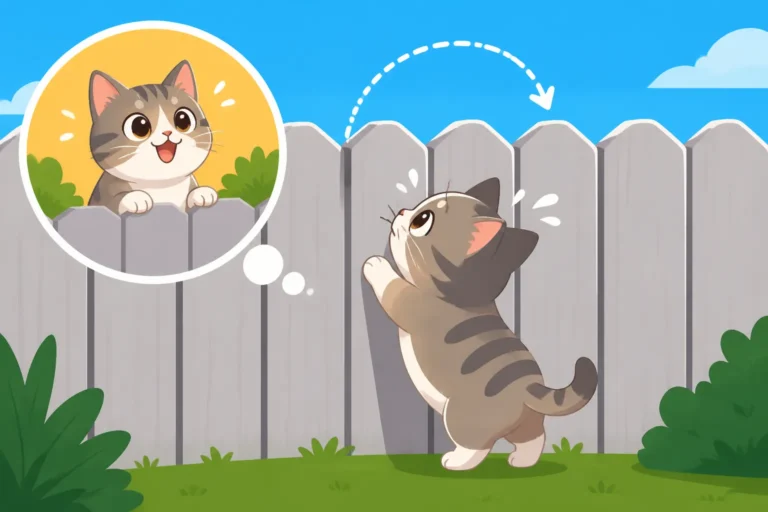
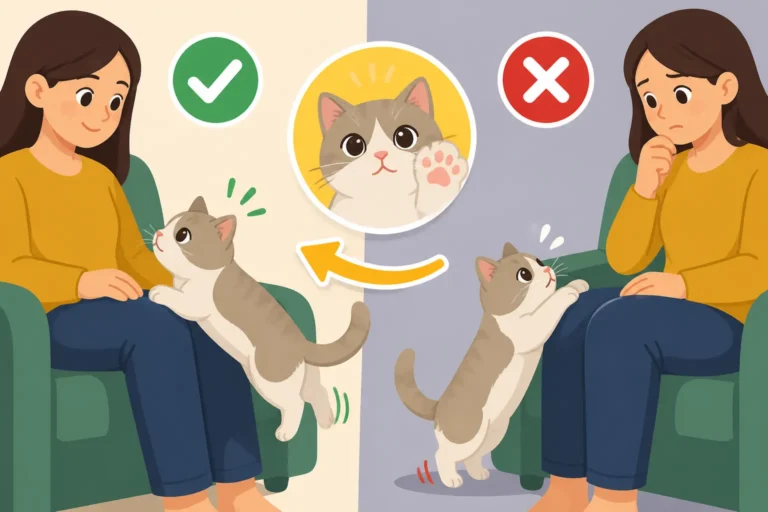
You've probably seen your Munchkin do it – standing up on their hind legs, balancing perfectly, like a prairie dog scoping out its surroundings. This adorable posture, often called the "prairie dog sit," is more than just cute; it serves a purpose. While it's typically used for observation, it also gives them a momentary elevated perspective to scan for interesting items on low shelves or tabletops, or simply to get a better view of potential "prey" on the floor. The Prairie Dog Sit Only a Munchkin Does and it enhances their ability to spot things.
This unique ability to briefly elevate themselves means they can identify objects they want, then quickly drop back down to their preferred floor level to retrieve them. It's like having a built-in periscope for spotting treasures. This combination of easy ground-level access and periodic elevated scanning makes them incredibly effective at locating and then acquiring small objects that might otherwise go unnoticed by other cats. It’s a significant factor in why a Munchkin hoards small objects more than perhaps you'd expect.
The Joy of the Chase and the "Kill"
Cats, regardless of breed, are wired for play that mimics hunting. For Munchkins, with their limited jumping ability, this often translates into more ground-based "hunts" and the "capture" of small, easily movable objects becomes incredibly satisfying.
Satisfying the Inner Hunter
Every cat has an inner predator, and play is how they express it in a domestic setting. For a Munchkin, who might struggle to reach the highest perch or pounce on a dangling toy that's too high, small objects on the floor become perfect "prey." A rolling bottle cap, a bouncing hair tie, or a crinkling piece of paper provides all the excitement of a hunt: stalking, pouncing, batting, and finally, "capturing" the item. The act of carrying it away to a hiding spot completes the hunting sequence, giving them a profound sense of accomplishment.
They're not just playing; they're honing skills that their ancestors needed to survive. This can be why a Munchkin might show a distinct preference for certain textures or sounds in their hoarded items. Something shiny might mimic the glint of an insect, while something crinkly sounds like rustling leaves. How Much Floor Level Play a Munchkin Needs often revolves around these kinds of interactions. It's a fundamental part of their behavioral enrichment, even if it means your missing car keys end up under the rug.
Easy Retrieval and Repeated Play
The ease with which a Munchkin can retrieve and transport small items means they can engage in this hunting and hoarding cycle repeatedly. A taller cat might bat a toy under the sofa and then give up if it's too much effort to get it back. Not a Munchkin! Their natural agility at floor level means they can retrieve their "kills" from seemingly impossible locations, bringing them back out for another round of play. This sustained engagement with an item makes it even more appealing for hoarding.
They can carry it, hide it, "rediscover" it, and start the game all over again. This continuous interaction reinforces the rewarding feeling associated with the object. It's a self-perpetuating game that their body type is perfectly suited for. The items they hoard aren't just trophies; they're also tools for endless, satisfying floor-level play.
Addressing the Hoarding Behavior: Management and Enrichment
While your Munchkin's hoarding is often harmless and endearing, it can sometimes lead to issues, especially if they're collecting things that are dangerous to ingest or if important household items disappear. The good news is, there are plenty of ways to manage this behavior constructively.
Providing Safe Substitutes
One of the best ways to redirect a Munchkin's hoarding instinct is to provide them with their own "treasures" that are safe and appealing. Think small, lightweight toys that are easy for them to carry in their mouths. Crinkle balls, soft pom-poms, catnip-filled mice, or even a small, rolled-up sock can be perfect. The key is to make these items readily available on the floor where your Munchkin naturally roams. Which Toys Work at a Munchkin's Height are often those that are easily batted and carried.
When you notice them going for a non-approved item, gently redirect their attention to one of their safe toys. You can even "hide" these safe toys in places your Munchkin already likes to stash things, encouraging them to pick up their own toys rather than your belongings. Many cat owners find success with soft fabric toys or small plastic balls found at pet stores or even on platforms like Amazon, where you can find variety packs specifically designed for small cats.
Secure Storage for Valuables
This might sound obvious, but it's often overlooked in the flurry of daily life. The most effective way to prevent your Munchkin from "borrowing" your essentials is to keep them out of reach. This means more than just putting things on a high shelf that a normal cat couldn't jump to. Remember, your Munchkin operates on a different vertical plane.
Consider closed drawers, lidded boxes, or high shelves that are truly inaccessible. Don't underestimate their ingenuity – if they can bat something off a low table, they will. Everything from small electronics to jewelry, hair ties, and even rubber bands should be stored securely. It's not about punishing them; it's about setting them up for success by removing temptation. For items like charging cables or earbud cases, consider putting them in a drawer or a box on your nightstand that your Munchkin cannot open or reach.
Enriched Play and Activity
A bored Munchkin is often a collecting Munchkin. Ensuring your cat gets plenty of mental and physical stimulation can go a long way in curbing excessive hoarding. Focus on interactive play sessions that mimic hunting. Wand toys that drag along the floor, laser pointers (used responsibly, always ending with a tangible "catch" toy), or even puzzle feeders can provide excellent enrichment.
Set up a How to Set Up Floor Level Enrichment for a Munchkin that encourages them to "hunt" for their food or treats, using their natural inclination to explore at ground level. You can find excellent puzzle feeders and interactive toys on Amazon designed for cats, many of which are perfect for a Munchkin’s height. Regularly rotating their toys also keeps things fresh and interesting, making their approved items more appealing than your car keys.
When Hoarding Becomes a Concern: Health and Safety
While mostly charming, hoarding can sometimes escalate into a genuine concern, particularly when your Munchkin starts trying to ingest the objects they collect or if the behavior becomes obsessive. It’s important to distinguish between playful instinct and a potential problem.
Ingesting Non-Food Objects
The biggest danger associated with Munchkin hoarding is when they try to eat the items they've collected. Small objects like rubber bands, hair ties, string, small plastic pieces, or even fabric can pose a serious choking hazard or lead to gastrointestinal blockages. These can be life-threatening and often require expensive veterinary intervention. If you notice your Munchkin chewing on items from their stash, or if you find chewed-up items, it's a red flag.
Pay close attention to what your Munchkin is hoarding. Is it exclusively soft, safe toys, or are there concerning items mixed in? If you suspect your cat has ingested something, watch for symptoms like vomiting, lethargy, loss of appetite, straining to defecate, or abdominal pain. Don't hesitate to contact your veterinarian immediately. It's why maintaining a clean, "cat-proofed" environment is so crucial for these curious, floor-dwelling explorers.
Stress and Anxiety Indicators
Sometimes, excessive hoarding, especially if coupled with other behavioral changes, can be a sign of underlying stress or anxiety in your Munchkin. Cats often develop compulsive behaviors as a coping mechanism. If the hoarding suddenly increases dramatically, if your Munchkin seems unusually withdrawn or aggressive around their stash, or if you notice other signs of distress like changes in appetite, litter box habits, or excessive grooming (which can lead to issues like Whether Matting Becomes a Health Problem in a Munchkin), it might be time to investigate further.
Consider recent changes in the household, such as a new pet, a move, or a change in your routine. A trip to the vet is always a good idea to rule out any medical causes for behavioral shifts. Your vet can also help you develop a plan to reduce stress and anxiety, which might involve environmental adjustments, calming pheromones, or even medication if necessary. Understanding What a Munchkin Does All Day at Floor Level can help you spot when their routine or emotional state is off-kilter.
Maintaining a Safe Environment
Ultimately, the responsibility for your Munchkin's safety lies with you. Because their world is largely floor-based, you have to be extra vigilant about what's left lying around. Regularly sweep and vacuum to pick up any errant items. Be mindful when guests are over, as they might not be aware of your Munchkin's floor-level foraging habits.
| Item Category | Common Examples | Potential Risk | Management Strategy |
|---|---|---|---|
| Small & Flexible | Hair ties, rubber bands, string, dental floss | Ingestion, choking, intestinal blockage | Keep in lidded containers; offer safe chew toys |
| Shiny & Hard | Bottle caps, coins, small pebbles, jewelry | Ingestion, tooth damage, choking, heavy metal toxicity | Store in closed drawers; use opaque containers |
| Crinkly & Paper | Receipts, tissue paper, plastic bags | Ingestion, choking, suffocation (bags) | Dispose of immediately; provide crinkle balls as toys |
| Soft & Fabric | Socks, small rags, earplugs | Ingestion, intestinal blockage | Keep laundry baskets closed; provide fabric cat toys |
| Cables & Wires | Earbud cables, phone chargers | Chewing, electrocution, ingestion | Secure cables, use cable protectors; store when not in use |
This proactive approach ensures that your curious Munchkin can indulge their natural instincts without putting themselves in harm's way. A little vigilance goes a long way in keeping your home a safe and enriching environment for your special companion.
Disclaimer
This article is for general informational purposes only and does not constitute professional advice. Laws, prices and regulations vary by location and change over time. Consult a qualified professional for guidance on your specific situation.