Whether a Munchkin Can Get Onto a Lap Unaided
It's a common, heartbreaking moment for any Munchkin cat owner: you're sitting on the sofa, maybe reading a book or watching TV, and your little one is on the floor, looking up at you with those big, innocent eyes. They want to be close, to snuggle up in your lap, but they just can't quite make the leap. It’s a reality that can bring a pang of guilt, and you find yourself wondering, "Can my Munchkin actually get onto my lap on its own, or am I always going to need to help them?" This guide will delve into the physical realities of Munchkins, how they adapt, and how you can make your lap an easily accessible haven for your beloved short-legged companion.
Understanding the Munchkin's Physical Realities
Let's be real, the most distinctive feature of a Munchkin cat is their short legs. While utterly adorable, these legs fundamentally alter how they interact with their environment, especially when it comes to vertical movement. It's not just a cute quirk; it's a structural difference that dictates their jumping prowess, or lack thereof.
The Limitations of Short Legs
Unlike their long-legged feline cousins, Munchkins possess a form of dwarfism called pseudoachondroplasia. This means their long bones, particularly in their legs, develop shorter than average. Imagine trying to spring up onto a high surface if your legs were half their usual length – it's going to be a struggle, right? A normal cat can coil their powerful hind legs like springs, pushing off with incredible force and agility to clear impressive heights. They use their strong back muscles and tail for balance, making mid-air adjustments look effortless.
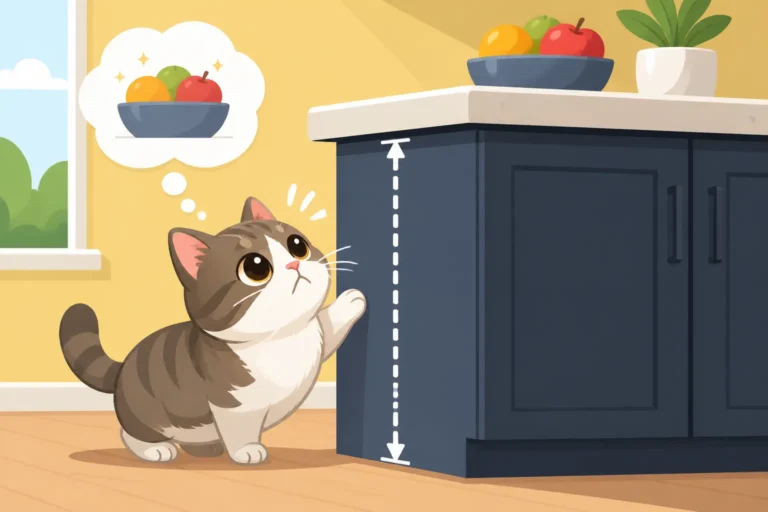
For a Munchkin, this natural athleticism is significantly hampered. Their shorter limbs mean less leverage and less explosive power in their push-off. While their spine itself is typically of normal length and flexibility, the proportional difference with their legs creates a unique set of challenges. This isn't to say they can't jump at all, but their vertical reach is dramatically reduced. You'll often see them surveying a potential jump, calculating, and sometimes making a valiant but ultimately short attempt, often ending up just shy of their target. It's a common frustration for owners who wish their little friends could navigate the world as easily as other cats. It’s important to understand What the Short Legs Actually Cost a Munchkin in terms of daily mobility.
The Mechanics of a Munchkin's Jump
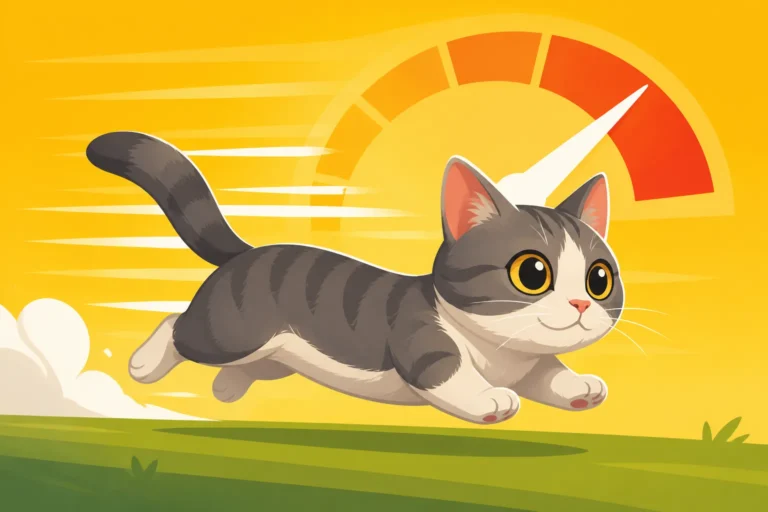
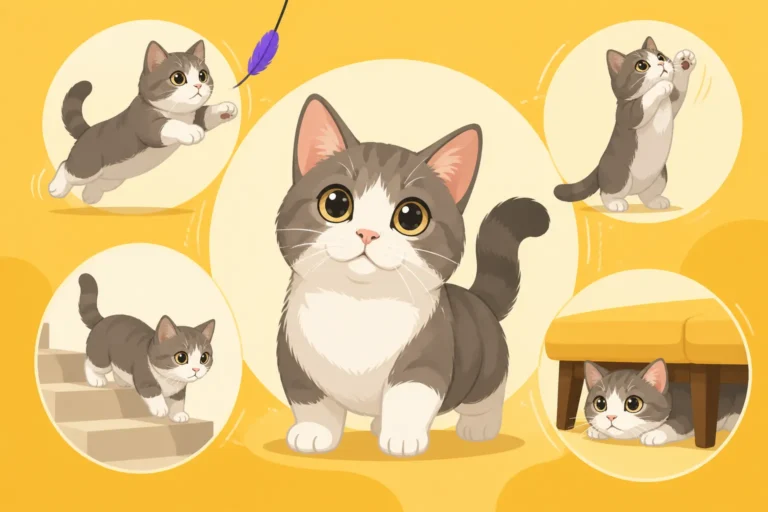
When a Munchkin does jump, the mechanics are quite different from what you might expect from a typical cat. Instead of a high, graceful arc, their jumps tend to be flatter and more horizontal, relying more on momentum and a "ferret-like" burst of speed rather than pure vertical lift. They often need to launch themselves from a running start, or find an intermediate step to break up the ascent. Think of it less as a single-stage rocket launch and more like a series of small, calculated hops.
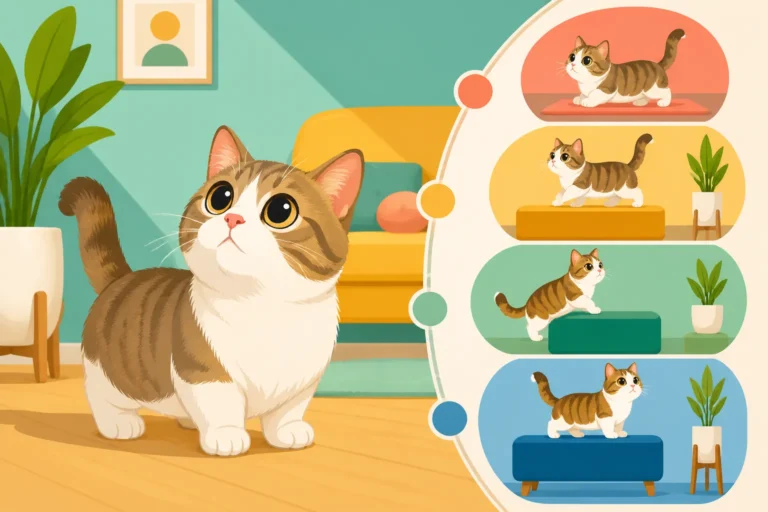
For example, getting onto a typical kitchen chair might be a monumental task for a Munchkin in one go. They might manage to scramble onto a low footstool first, then onto the chair, and then perhaps finally to your lap. Each stage is a carefully considered maneuver. This constant effort means that frequent jumping, especially from height, can put undue stress on their joints over time, particularly their shoulders and elbows, which take the brunt of landings. It's why many vets advocate for environmental adaptations to reduce the need for high jumps. Recognizing How High a Munchkin Can Actually Jump is key to understanding their limitations.
How Munchkins Adapt to Reach Heights
Despite their physical limitations, Munchkins are incredibly clever and resourceful creatures. They observe, they learn, and they find ingenious ways to get where they want to go, especially if that place involves a warm lap or a sunny windowsill. They simply don't have the option of giving up!
The Art of the Staircase Approach
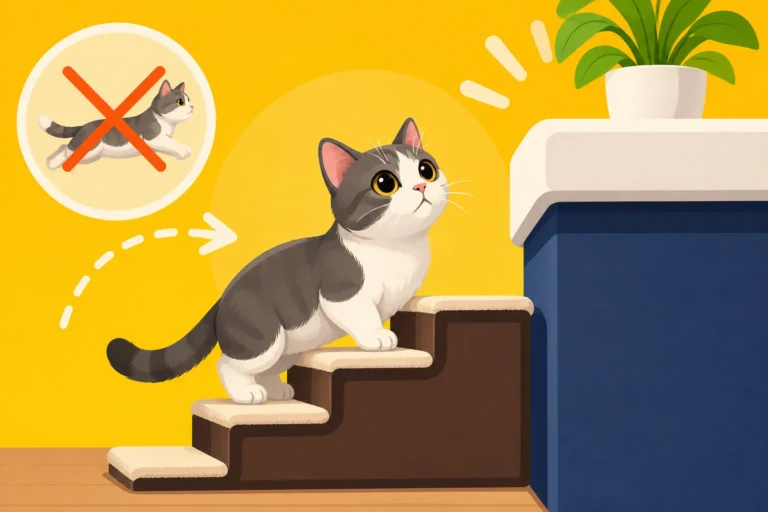
Since a direct leap might be out of the question for many vertical challenges, Munchkins become masters of the "staircase" approach. This means they'll utilize any available piece of furniture, cushion, or even a strategically placed book as a stepping stone to reach their desired elevation. Your ottoman becomes a launchpad to the sofa, a stack of magazines leads to the armchair, and a laundry basket might be the first step to scaling the bed. They’re like tiny, furry parkour experts, mapping out the safest and most efficient path upwards.
It's fascinating to watch their problem-solving skills in action. You might notice your Munchkin staring intently at a piece of furniture, mentally (or physically, with a few test pounces) calculating the sequence of jumps required. They might even try different routes until they find one that works consistently. This behavior is a testament to their strong desire to be part of the action and to reach comfortable, elevated spots, even if they can't do it in one go. Understanding How a Munchkin Uses Furniture as a Staircase is crucial for setting up their environment.
The Prairie Dog Sit and Its Limits
One of the most endearing and unique behaviors of a Munchkin cat is their "prairie dog sit." They'll often sit bolt upright on their hind legs, balancing on their tail, using their front paws like little hands. This isn't just for cuteness; it's a functional adaptation. In this posture, they gain a few precious inches of height, allowing them to survey their surroundings, get a better view of something interesting, or simply to see over obstacles that a normal cat would easily clear while standing.
While this posture helps them see more, it doesn't give them a boost for jumping. It's a stationary position, used for observation rather than propulsion. So, while your Munchkin might sit up like a meerkat to get a better look at you on the sofa, it's not a prelude to an assisted jump. It's more of a plea for assistance, or simply a way for them to feel more connected to the vertical world around them. It's a clear signal that they want to engage with something higher up, but they need your help to bridge the physical gap. When you see this, you know they're not just being cute; they're trying to gather information and communicate a need. What a Munchkin's Prairie Dog Posture Tells You can give you more insight into this fascinating behavior.
Creating a "Lap-Accessible" Environment
Knowing your Munchkin's physical limitations and their clever adaptations is the first step. The next is proactively shaping your home environment to make it easier for them to reach those coveted high places, including your lap. This isn't about coddling; it's about providing a safe, accessible, and enriching life for your pet.
Strategic Furniture Placement
One of the simplest and most effective ways to help your Munchkin reach your lap is by strategically arranging your furniture. Think of it as creating a natural "stairway" to your sofa or bed.
- Ottomans and Footstools: These are your Munchkin's best friends. Place them directly in front of your favorite armchair or sofa. They provide that crucial intermediate step that turns an impossible leap into a manageable hop.
- Pet Stairs and Ramps: Dedicated pet stairs or ramps are an excellent investment. You can find many options on platforms like Amazon, from carpeted steps to wooden ramps, designed specifically for pets who struggle with vertical heights. Place one securely next to your sofa or bed, ensuring it's stable and has a non-slip surface. The gentle incline of a ramp is often easier on their joints than even short steps.
- Low Shelves and Cat Trees: If your Munchkin loves to be up high in general, consider low-level shelves or cat trees with very closely spaced platforms. While these might not directly lead to your lap, they help fulfill their natural feline desire to survey their territory from above, reducing their frustration and energy expenditure.
By thoughtfully arranging your furniture and introducing pet-specific aids, you're not just making your lap more accessible; you're also making their entire living space more enjoyable and less stressful. This proactive approach shows them you understand their needs and are willing to meet them halfway.
The Role of Ramps and Steps
Ramps and pet steps are truly game-changers for a Munchkin owner. They provide a safe, consistent, and easy way for your cat to ascend and descend from furniture, greatly reducing the strain on their short legs and spine.
- Choosing the Right Aid: When looking for ramps or steps, consider the height of your furniture and the incline. A steeper incline might be too challenging or intimidating for your Munchkin, especially as they get older. Look for sturdy options with good traction on the surface to prevent slips. Many brands offer pet ramps and stairs on Amazon with various heights and angles.
- Placement is Key: Position ramps or steps where your Munchkin naturally tries to get up onto furniture. If they always try to jump onto the sofa from a specific spot, that's where the ramp should go. Consistency helps them learn and trust the new pathway.
- Training and Encouragement: Some Munchkins take to ramps and steps immediately, while others might need a little encouragement. Use treats, praise, and gentle guidance to help them understand what the new equipment is for. Start by placing treats on the first step, then gradually higher up the ramp. Positive reinforcement is key! Remember, How to Teach a Munchkin to Use Steps can take patience but is incredibly rewarding.
Here’s a quick comparison of ramps versus steps:
| Feature | Pet Ramp | Pet Steps |
|---|---|---|
| Incline | Gradual, continuous slope | Individual, distinct rises |
| Joint Impact | Very low, smooth transition | Moderate, requires lifting and stepping |
| Space Required | Generally more length needed | More compact, takes up less linear space |
| Ease of Use | Often preferred by cats with stiffness | Good for agile cats, may be challenging for some |
| Versatility | Adaptable to various furniture heights | Best for consistent, specific heights |
| Training Curve | Generally easier to learn | May require more convincing initially |
Ultimately, both can be beneficial. Many owners find a combination works best – a ramp for the main sofa, and steps for a lower armchair or a cat bed. The goal is to provide multiple easy access points to ensure your Munchkin never feels stuck on the floor, yearning for your lap.
Interpreting Your Munchkin's Attempts and Needs
Your Munchkin may not be able to articulate their desire to be on your lap with words, but they have a whole language of their own. Learning to read their signals is part of the deep bond you'll form with these special cats.
Recognizing the "Please Lift Me" Signals
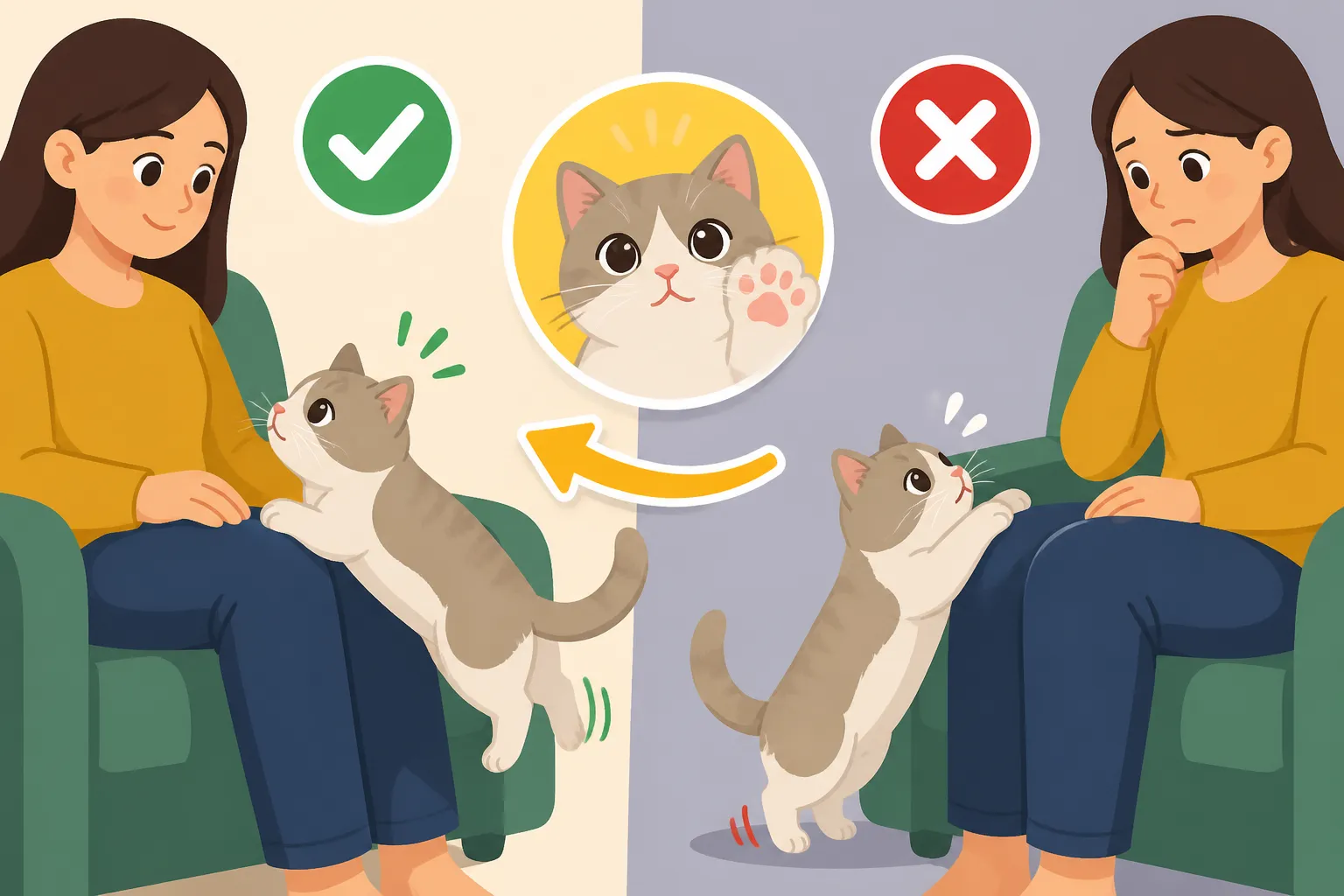
Munchkins are often very communicative when they want something, especially when they need help reaching a higher place. You'll likely notice a pattern of behaviors that clearly say, "Hey, human, I need a lift!"
- Vocalizations: This could be a soft chirp, a persistent meow, or a demanding trill. It's often accompanied by eye contact, looking from you to the desired elevated spot (like your lap) and back again.
- Body Language: They might sit patiently at your feet, staring up at you. Some will rub against your legs, or even lightly bat at your knee with a paw. Others might stand on their hind legs in their characteristic "prairie dog sit" right next to the furniture, trying to get a better view of your lap. They might even try a few small, hopeful pounces against the edge of the sofa, letting you know they're trying their best but falling short.
- Following You: If you move from one room to another, especially to a place where you'll sit down, your Munchkin will often follow you closely, anticipating the opportunity for a lap visit. They know their window of opportunity opens when you settle down.
These signals aren't just cute; they're genuine requests for assistance. Acknowledging and responding to them strengthens your bond and reassures your Munchkin that you understand their unique needs. It also helps prevent them from attempting risky jumps out of sheer desperation. How a Munchkin Asks When It Cannot Reach You can be quite varied and charming.
The Importance of Consistent Assistance
Consistently helping your Munchkin onto your lap is more than just a kind gesture; it's a vital part of their care and emotional well-being. Knowing they can rely on you to bridge the gap provides security and confidence.
- Building Trust: When you consistently respond to their calls for a lift, your Munchkin learns to trust that you are their pathway to comfort and companionship. This builds a strong, reciprocal relationship. They learn that rather than struggling, they can simply ask, and you will provide.
- Preventing Injury: Repeatedly attempting jumps they can't quite make can lead to slips, falls, and potential injuries over time, especially to their delicate spines and joints. By offering a helping hand or a ramp, you're protecting their physical health. It also saves them the frustration and repeated exertion.
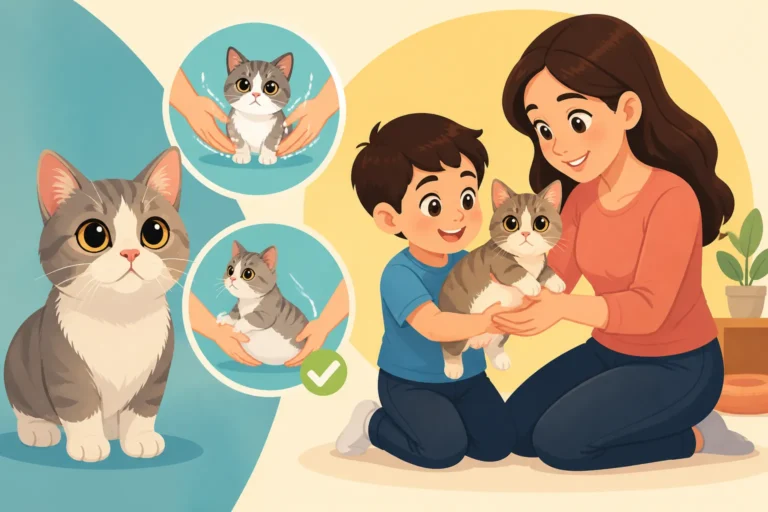
- Emotional Well-being: Cats, even short-legged ones, thrive on interaction and feeling included. Being unable to reach their favorite human can lead to feelings of isolation or frustration. Providing easy access to your lap ensures they get the cuddles, warmth, and close contact they crave, contributing to a happier, more well-adjusted cat. It also allows them to satisfy their natural instincts for warmth and closeness without physical strain. It’s important to know Whether a Munchkin Should Be Lifted Onto Furniture to ensure their safety and comfort.
The Impact of Age and Health on Lap Access
While a young, spry Munchkin might be able to scramble onto a low ottoman, the ability to access your lap unaided can change significantly as they age or if they face certain health challenges. Understanding these factors is crucial for adapting your care over their lifespan.
Senior Munchkins and Mobility Challenges
Just like people, cats experience changes as they get older. For senior Munchkins, this often means a decrease in mobility and flexibility. Their playful leaps might turn into cautious steps, and climbing even low-level furniture can become a noticeable effort.
- Arthritis and Joint Stiffness: As Munchkins age, they can be prone to developing arthritis, particularly in their shoulders and elbows, which already bear a significant load due to their short stature. Stiffness and pain from arthritis can make any jump, no matter how small, incredibly uncomfortable or even impossible. You might notice them hesitating, moving more slowly, or vocalizing softly when attempting to move upwards.
- Muscle Weakness: Older cats can also experience muscle atrophy, meaning their muscles lose mass and strength. This natural decline further impacts their ability to generate the power needed for even modest jumps. What was once an easy hop onto a low cushion might become an insurmountable barrier.
- Sensory Changes: Declining eyesight or hearing can also make them less confident in their movements, especially in unfamiliar lighting or if they misjudge distances.
For a senior Munchkin, their need for ramps, steps, and your direct assistance will only increase. Their desire for your lap often remains strong, but their physical capacity to reach it diminishes. It's vital to be extra patient and proactive in making their world accessible. What an Old Munchkin Stops Being Able to Do often directly relates to their diminishing ability to navigate vertical spaces.
Weight and Joint Health Considerations
Weight management is perhaps one of the most critical aspects of caring for a Munchkin, directly impacting their ability to move and their overall joint health. For a Munchkin, every extra pound carries a disproportionately higher burden on their short legs and spine.
- Increased Joint Stress: Imagine carrying a backpack filled with bricks all day. That's what excess weight feels like for a Munchkin. Their short legs are not designed to carry a heavy load, and additional weight puts immense stress on their joints, accelerating the onset and severity of conditions like arthritis. This makes jumping significantly harder and more painful.
- Reduced Agility: An overweight Munchkin will be less agile, slower, and have a harder time balancing. This further complicates any attempt to jump or climb, making them more prone to slips and falls. Their already compromised ability to propel themselves upwards becomes even more limited.
- Impact on Overall Health: Beyond mobility, obesity in cats, regardless of breed, is linked to a host of other health issues, including diabetes, heart disease, and liver problems. For a Munchkin, maintaining a lean body condition is paramount not just for their mobility but for their entire lifespan.
Regular weight checks and a carefully controlled diet are essential. Work with your vet to determine the ideal weight for your Munchkin and stick to a feeding plan. Providing ramps and steps becomes even more important for an overweight or senior Munchkin, as it allows them to continue accessing elevated spots and your lap without exacerbating joint issues. Why Weight Is More Dangerous on a Munchkin is a crucial piece of information for all owners.
In conclusion, while a young, agile Munchkin might occasionally manage a short hop onto a low surface, relying on them to get onto your lap unaided is often unrealistic and potentially harmful. They can reach your lap, but they almost always need a little help, whether that comes from strategically placed furniture, dedicated pet ramps from Amazon, or your loving hands. Understanding their unique needs and adapting your home accordingly ensures your Munchkin can enjoy a full, comfortable, and affection-filled life right by your side.
Disclaimer
This article is for general informational purposes only and does not constitute professional advice. Laws, prices and regulations vary by location and change over time. Consult a qualified professional for guidance on your specific situation.