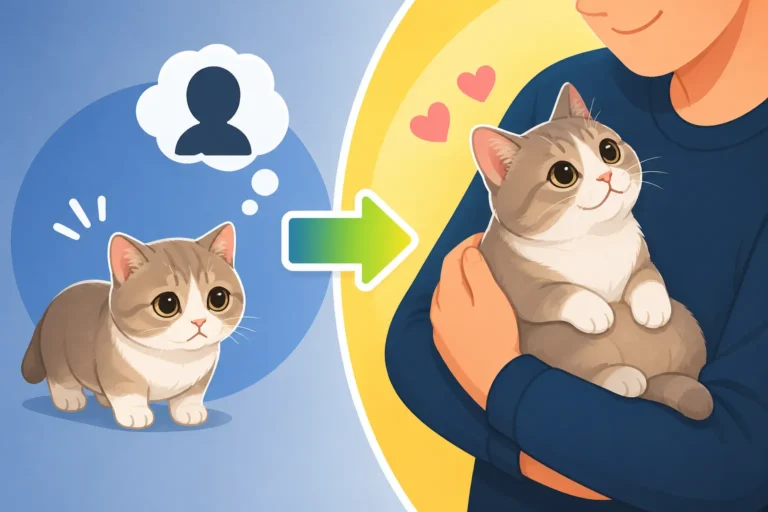
How a Munchkin Asks When It Cannot Reach You
It’s a unique frustration, isn’t it? You love your Munchkin to bits, but sometimes it feels like you're playing a game of charades, trying to figure out what they want when they can't quite reach that favorite perch or leap onto your lap. They can’t verbally tell you, "Hey, I need a lift!" or "Could you bring that toy down here?" This comprehensive guide is here to help you decode your short-legged friend's distinct ways of asking for help, ensuring you understand their needs and strengthen your special bond.
The Unique Challenges of a Munchkin's Reach
Owning a Munchkin means understanding that their world is experienced differently due to their unique physical structure. While they are incredibly agile and can navigate their environment with surprising speed, certain everyday vertical challenges become significant obstacles. This isn't just about inconvenience; it's about their fundamental ability to access resources, feel safe, and engage with their environment and with you.
Understanding Their Physical Limitations
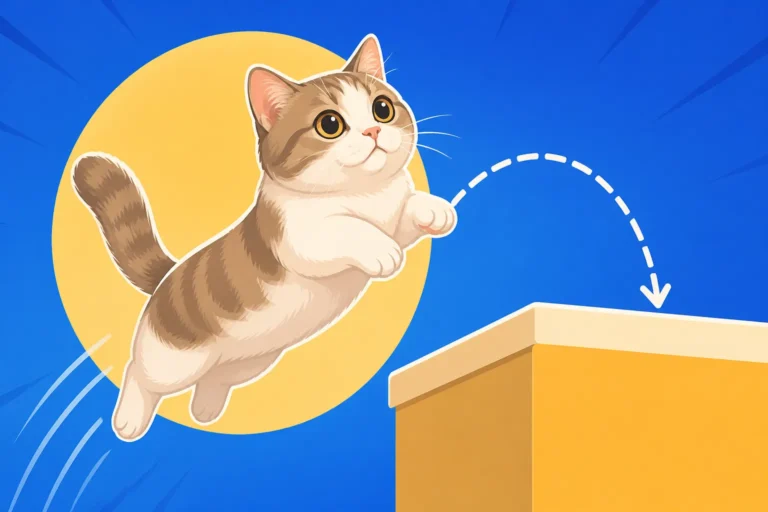
Imagine wanting to get somewhere, seeing it clearly, but simply not having the leg length to make the jump. That's a daily reality for a Munchkin. Things that long-legged cats take for granted – leaping onto a tall cat tree, jumping onto a high bed, or even just reaching a favorite sunbeam on a windowsill – are often out of reach. While a regular cat might effortlessly hop onto the kitchen counter (much to our dismay!), your Munchkin probably won't be able to make that vertical ascent. They are, in essence, ground-dwellers by necessity, and this shapes their interactions with their surroundings and their methods of communication. You might notice them gazing longingly at a spot they can't access, or repeatedly attempting small, frustrated jumps that go nowhere. How High a Munchkin Can Actually Jump can be surprisingly far for their stature, but it's still a fraction of what a standard cat can achieve.
These physical limitations aren't just about dramatic leaps. They extend to smaller, subtler things. A high-sided litter box, a standard-height food bowl that requires them to crane their neck excessively, or even a scratch post that's too tall for them to properly stretch against can all present daily hurdles. The world isn't designed for a cat that's only inches off the ground, and your Munchkin knows it. This awareness of their own limits can lead to specific behaviors when they need your assistance to overcome these vertical barriers.
The Frustration of Being "Stuck"
It's easy to project human emotions onto our pets, but genuine frustration is certainly something a Munchkin can experience when they're "stuck." Think about a moment when they desperately want to join you on the sofa for cuddles, but can't make the jump. Or perhaps they see a favorite toy just out of paw's reach on a low table. Their instinct might be to go, to explore, or to be near you, but their physical reality prevents it. This can lead to a sense of helplessness, which often manifests as a specific set of behaviors aimed at getting your attention.
This frustration isn't just a fleeting moment; it can impact their overall well-being and confidence. A cat that constantly feels limited might become less adventurous, more withdrawn, or even overly dependent. It's why understanding their signals is so crucial – it allows you to step in, provide assistance, and alleviate that feeling of being confined or unable to participate. Ignoring these subtle pleas can inadvertently teach them that their efforts to communicate are futile, which is the last thing any loving cat owner wants.
Why Standard Cat Behavior Doesn't Apply
While many core feline behaviors are universal, a Munchkin's short legs mean that some typical cat signals for "I want something" are either modified or simply impossible for them to execute. For example, a tall cat might stand on its hind legs and paw at a counter for food, or stretch up a door frame to demand entry. Your Munchkin can't do that. Their primary mode of seeking attention and help shifts away from vertical engagement and much more towards horizontal, ground-level communication.
They might not be able to swat at your hand hanging off the bed or jump onto the washing machine to greet you. Instead, their signals become more rooted in close proximity, persistent vocalizations, and specific body postures that maximize their visibility and appeal for help from their low vantage point. Recognizing this deviation from "standard" cat behavior is key to understanding what your Munchkin is trying to tell you when they can't reach. It's a fundamental difference in how they interact with the world and their human companions. For instance, Why a Munchkin Cannot Make the Kitchen Counter is a clear example of how their physical traits directly influence their behavior and needs.
Decoding a Munchkin's Vocal Cues for Help
Munchkins are known for their sweet, often expressive voices, and they certainly use them to communicate their needs. When they can’t physically reach something, their vocalizations can become particularly pointed, trying to cut through the noise and get your attention. It's all about making sure you notice their plight from down below.
The "I Need Up" Chirp or Meow
Many Munchkin owners report a distinct type of vocalization when their cat wants to be lifted or gain access to a higher spot. It's often not a harsh, demanding yowl, but rather a persistent, slightly plaintive meow or a soft, almost bird-like chirp. This sound is usually repeated, sometimes with increasing urgency, until you acknowledge them. It’s their way of saying, "Excuse me! Down here! I need assistance!" You might hear it when they’re standing at the base of your bed, looking up at you with wide eyes, or sitting patiently by a windowsill they long to reach.
This "I need up" meow can vary from cat to cat. Some might have a very delicate, almost questioning "mew," while others might employ a more insistent, yet still not aggressive, "meow-meow-meow." The key is the context: they're typically positioned below the desired object or person, and their gaze is fixed upwards. How Much a Munchkin Talks When It Wants Lifting really depends on the individual cat's personality, but this specific vocalization is a common trait. Learning to differentiate this specific meow from their "I'm hungry" meow or "I want to play" meow comes with time and careful observation of their situation.
Persistent Vocalizations at Your Feet
If your Munchkin is particularly determined, and their initial chirp or meow doesn't get your immediate attention, they might escalate to more persistent vocalizations, often right at your feet. This could involve continuous meowing, trilling, or even a little "yip" sound, sometimes accompanied by rubbing against your legs. They might weave figure-eights around your ankles, making sure you literally cannot ignore their presence. This isn't just general attention-seeking; it's specific, targeted communication from their low vantage point, directly underneath you.
When they’re using this tactic, they’re effectively tying themselves to your movement, making it hard for you to proceed without acknowledging them. They know you’ll eventually look down, and that’s their opportunity to convey their message. It’s a very clever strategy born out of their physical limitations. Pay close attention to What a Munchkin Is Asking For at Your Feet – it's often a direct plea for elevation or assistance with something just out of their reach.
Sounds Associated with Failed Attempts
Sometimes, the vocalizations come after a failed attempt. You might hear a small "oof" or a soft grunt when they try to jump onto a low chair and miss, or a frustrated meow as they land back on the floor after a futile effort to reach a scratching post that’s just too tall. These sounds are expressions of their disappointment or momentary discomfort. It's important to recognize these vocal cues, not as complaints, but as signals that they've encountered a physical barrier and might need an alternative solution or your direct intervention.
This is a good indicator that they truly wanted to reach that spot and are now signaling that they require help or that the obstacle is proving too much for them. Observing these post-attempt sounds can help you identify areas in your home where your Munchkin frequently struggles, allowing you to proactively introduce ramps or steps to make their environment more accessible. It's a chance to learn their weak spots and make their lives a little easier.
The Body Language of a Munchkin in Need
Beyond their voices, Munchkins are masters of non-verbal communication, especially when their short legs put them at a disadvantage. Their entire body becomes a canvas for expressing desire, frustration, and a clear plea for assistance. Learning to read these subtle (and sometimes not-so-subtle) cues will make you an expert in Munchkin understanding.
The "Staring Game" and Eye Contact
One of the most common and effective ways a Munchkin communicates its inability to reach something is through intense eye contact, often accompanied by "the stare." They will position themselves at the base of the object they desire – be it a sofa, a bed, or a window – and simply look at you. Their gaze will be direct, unwavering, and often switch between the desired destination and your face, as if to say, "Look where I want to go! And look at me! I need you to connect the dots!"
This isn't just idle staring; it's purposeful and persistent. They might shift their weight, or even slightly tilt their head, maintaining that intense visual connection until you respond. It's a testament to their intelligence and their understanding that you are their gateway to the higher world. Learning to pick up on this "staring game" is crucial because it’s often their first, most polite, and least demanding method of asking for help.
Rubbing and Weaving Around Your Legs
While many cats rub against legs for general affection, a Munchkin will often employ this behavior with a specific purpose when they can't reach something. If they're at your feet, making persistent eye contact, and then start rubbing and weaving around your legs, they're not just saying "hello." They're trying to physically direct your attention downwards, making it impossible for you to ignore them. They might rub against your ankles, then turn and look up at the desired spot, then back at you, creating a clear visual pathway from themselves to the objective.
This intense, focused rubbing is often combined with vocalizations, amplifying their plea. It's their way of making sure you feel their presence and acknowledge their desire. They’re effectively saying, "I'm right here, and this is where I want to be, but I can't get there alone!" It’s an endearing, if sometimes tripping-hazard-inducing, method of communication that highlights their dependence on you for vertical access.
Persistent Pawing or Nudging
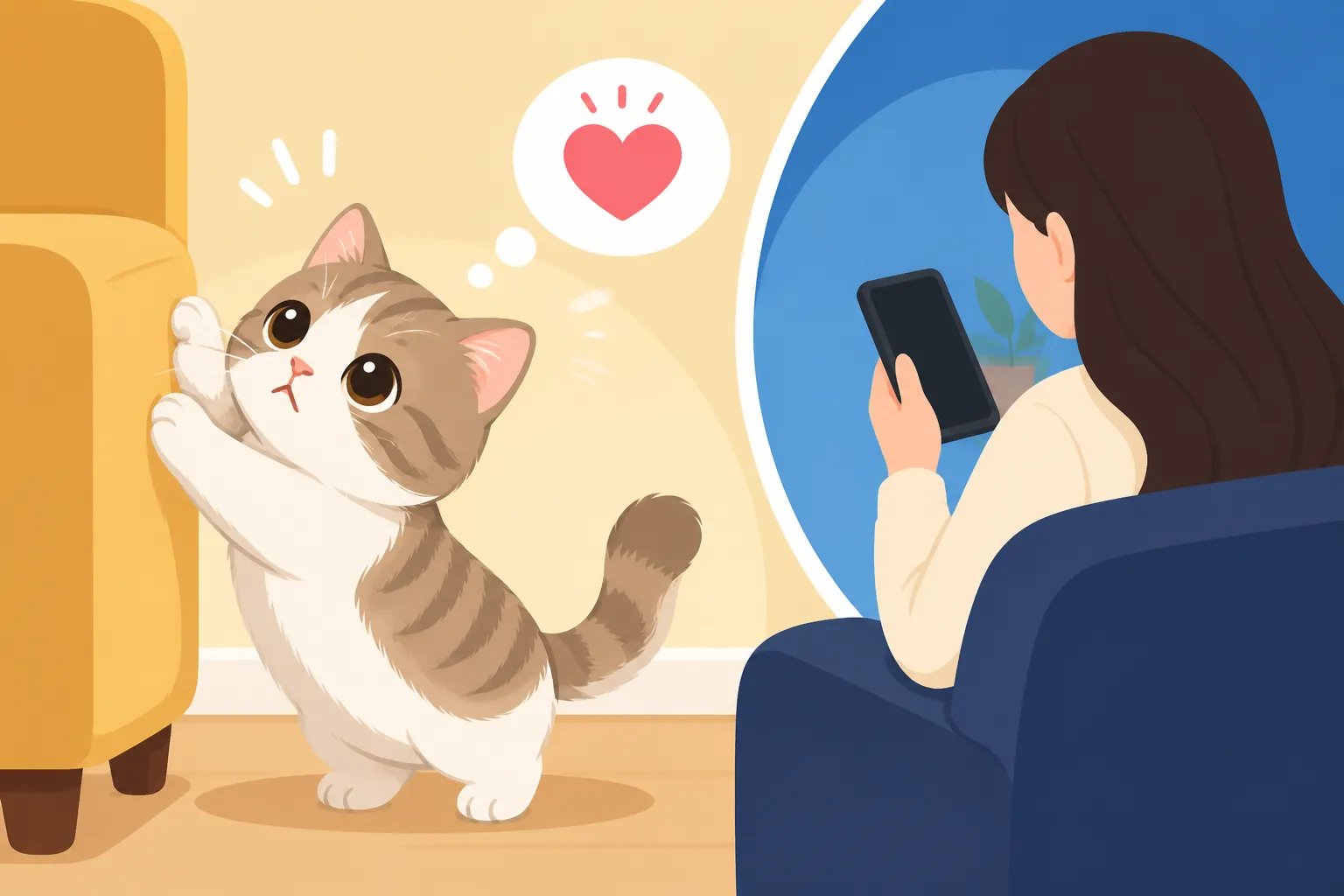
When the stares and leg-rubs aren't enough, some Munchkins will resort to more direct physical contact – pawing or nudging you. This isn't usually an aggressive act, but rather a soft, insistent pat or nudge on your foot, leg, or even directly on your hand if you're seated. They might paw at your clothes or gently prod you with their head, trying to elicit a response. This often happens if they’re trying to tell you they want onto your lap or they want you to retrieve a toy that rolled under furniture.
The persistence is key here. A single paw might just be a gentle request, but repeated, soft pawing, especially if you're not immediately responding, indicates a strong desire for your assistance. It’s a very personal and direct way of asking for help from their low perspective. How a Munchkin Asks to Be Picked Up often involves a combination of these cues, culminating in a gentle pawing gesture.
The "Prairie Dog" Sit as a Signal
The adorable "prairie dog" sit, where a Munchkin sits upright on its hind legs, front paws dangling, is a hallmark of the breed. While often a casual posture for observation or curiosity, it can also be a clear signal of wanting to see more, or an expression of their desire to access something higher. When they adopt this posture, they're gaining a few precious inches of height, giving them a slightly better vantage point of the world above. The Prairie Dog Sit Only a Munchkin Does is charming, but it's also a functional adaptation.
If your Munchkin is sitting like a prairie dog, looking intently at something just out of reach, they might be mentally assessing their chances or simply wishing they could get there. It’s a silent, almost hopeful plea. While it doesn't always mean they need a lift right now, it's a good time to observe what they're looking at. If it’s something they frequently attempt to reach, it’s a cue for you to consider adding a ramp or steps to make that area accessible. It speaks volumes about their internal desire to be part of the higher world.
Proactive Measures: Adapting Your Home for a Munchkin's Needs
Understanding your Munchkin's unique communication methods is just one piece of the puzzle. The other, equally vital, piece is creating an environment that minimizes their need to ask for help with reach, fostering independence and reducing frustration. This proactive approach is a cornerstone of responsible Munchkin ownership.
Strategic Placement of Ramps and Steps
This is perhaps the single most impactful thing you can do for your Munchkin. Ramps and steps become their personal staircases to the world. Think about all the places your cat would naturally want to go: the sofa, your bed, a sunny windowsill, or a favorite armchair. These are prime locations for well-placed ramps or pet steps. It's not about spoiling them; it's about providing fundamental access that other cats have naturally.
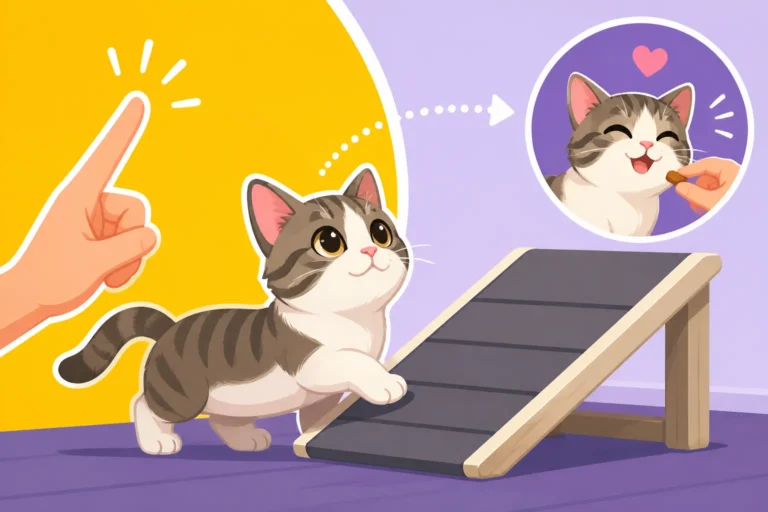
When choosing ramps or steps, consider the angle and surface. A gentle incline with a non-slip surface is best for ramps, and steps should have a moderate rise between each level. You can find a fantastic variety of pet ramps and steps on Amazon, ranging from carpeted options to sturdy wooden models. Placing them strategically means your Munchkin can access their favorite spots without having to perform precarious jumps or constantly vocalize their need for assistance. Remember, Ramps and Steps Are Munchkin Equipment, Not Luxuries – they are essential tools for a happy, independent Munchkin. How to Teach a Munchkin to Use a Ramp can involve positive reinforcement and making it a fun, rewarding experience.
Low-Entry Access Points
Beyond getting up to furniture, consider things your Munchkin needs to access on a daily basis that might present a challenge. The most common culprits are litter boxes and food/water bowls. A standard litter box often has sides that are too high for a Munchkin to comfortably step over, especially as they get older or if they have spinal issues. This can lead to them holding their eliminations or going outside the box, not out of naughtiness, but out of physical impossibility.
Look for low-entry litter boxes, sometimes marketed for senior cats or kittens, which have one side significantly lower. You can even find these readily available on Amazon. For food and water bowls, while many cats prefer raised bowls for ergonomic reasons, for a Munchkin, it's about ensuring they don't have to strain their neck or bend uncomfortably low to eat and drink. Floor-level bowls, or slightly elevated ones that don't require them to reach upwards, are ideal. Which Litter Box a Munchkin Can Actually Enter is a serious consideration, as an inaccessible box can quickly lead to behavioral issues.
Creating Accessible "High" Spots
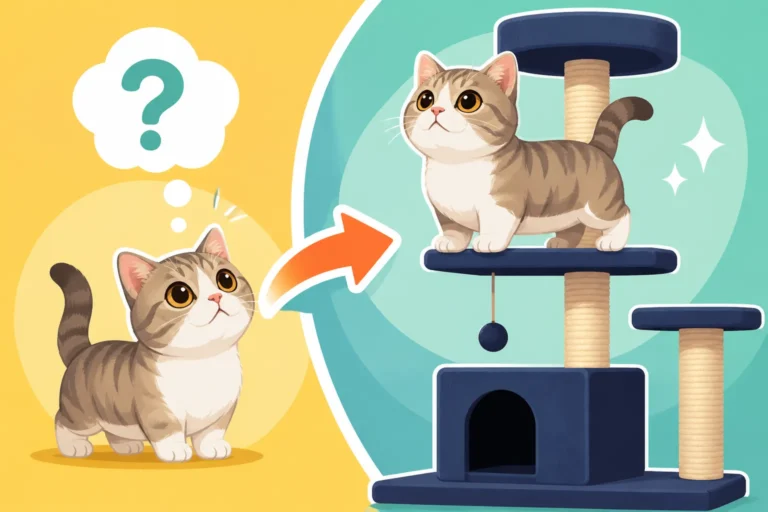
Cats, even short-legged ones, have an innate desire for vertical territory. It provides a sense of security, warmth, and a vantage point to survey their domain. While a towering cat tree might be out of the question, you can still create accessible "high" spots for your Munchkin. Consider low-profile cat trees with closely spaced platforms, or modular shelves arranged in a staircase fashion on a wall.
You could also utilize existing low furniture, creating "step-stools" using sturdy, stable boxes or ottomans that allow them to reach a slightly higher shelf or a window perch. The goal is to provide safe, easily reachable elevated spaces where they can nap, watch the world go by, and feel like they have their own little kingdom, without constantly needing your intervention. Searching for "Munchkin-friendly cat tree" or "low-level cat shelves" on Amazon can yield some excellent results for safe, accessible vertical enrichment.
When to Act: Recognizing Escalating Frustration
While proactive measures are fantastic, there will still be times when your Munchkin, like any cat, needs something specific that’s just out of reach. Knowing when their attempts to communicate are escalating from gentle requests to genuine frustration is vital. This helps you intervene effectively and maintain their trust and comfort.
Repetitive Unsuccessful Jumps
One of the clearest signs of escalating frustration is repetitive, unsuccessful jumping. You'll see them gather their short legs, crouch, launch themselves with all their might, only to fall short and land back on the floor. They might immediately try again, and again, sometimes with increasing intensity and less finesse. This isn't just playful exploration; it's a clear signal that they desperately want to be on that sofa, bed, or chair, and their attempts are getting them nowhere.
Observing this pattern means it's time to step in. Gently scoop them up and place them where they want to be, or redirect them to an alternative, accessible spot. It's also a good moment to reassess if that particular piece of furniture needs a ramp or steps if it’s a frequent target. Knowing When to Stop a Munchkin Attempting a Jump isn't just for their comfort, it's for protecting their joints too. Repeated jarring landings can take a toll on their shoulders and elbows over time.
Increased Vocalization and Agitation
As a Munchkin's frustration mounts, their vocalizations often increase in volume and frequency. That soft chirp might become a louder, more insistent meow, bordering on a whine. They might also exhibit other signs of agitation: flicking their tail rapidly, pacing back and forth at the base of the obstacle, or perhaps even giving a small, frustrated growl if they're particularly annoyed.
This is your cue that their need is urgent and their patience is wearing thin. They've moved beyond polite requests and are now actively demanding your attention and assistance. Responding promptly to these elevated signals reinforces their trust in you and prevents their frustration from boiling over into genuine distress. It's a key part of ensuring they feel heard and understood, even if their language is purely feline.
Reluctance to Engage
Sometimes, a Munchkin's escalating frustration can manifest as a retreat. If they repeatedly try to reach a favorite spot or engage with a desired toy and consistently fail, they might simply give up and withdraw. They might walk away from the area, curl up in a corner, or stop trying to interact with you entirely. This can be heartbreaking to witness, as it signals a feeling of helplessness and resignation.
This reluctance to engage is a critical indicator that their environment might not be adequately adapted to their needs, or that they’re feeling particularly limited. It's a passive but profound way of communicating their struggle. If you notice your usually playful or curious Munchkin becoming withdrawn after a series of failed attempts to reach something, it's time for a thorough review of their living space and a renewed effort to provide accessible alternatives. They need to feel empowered, not defeated, by their environment.
Building a Stronger Bond Through Understanding
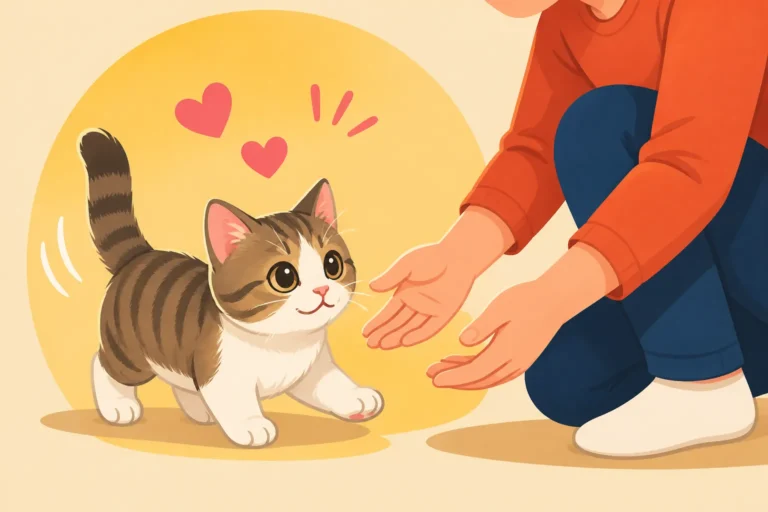
Ultimately, mastering the art of understanding how your Munchkin asks for help when it can't reach you or something else isn't just about managing logistics; it's about deepening your relationship. Every time you correctly interpret their signals and provide assistance, you reinforce their trust in you and strengthen the bond you share.
Responding Consistently to Their Signals
Consistency is key in any form of communication, and it's especially true for training your Munchkin to effectively ask for help. When your cat gives you "the stare" at the base of the sofa, or starts a plaintive chirp at your feet, try to respond the same way each time. Acknowledge them with a gentle word, then either lift them up or offer a ramp. This consistent response teaches them that their signals are understood and effective.
If you respond some days and ignore them on others, they will become confused and frustrated, possibly escalating their behaviors or giving up on communicating with you. A consistent, loving response builds a reliable pattern of communication that benefits both you and your feline friend. They learn that you are their reliable helper, and you learn to anticipate their needs before they even fully articulate them.
Teaching Them to "Ask"
While Munchkins naturally develop ways to ask for help, you can reinforce and even refine these behaviors through positive reinforcement. If your Munchkin reliably meows or paws at your feet when they want a lift, praise them enthusiastically when they do it, then immediately fulfill their request. You can even use clicker training to associate a specific sound or action (like touching a target stick placed on the sofa) with getting a lift.
This proactive teaching, combined with positive reinforcement, empowers your Munchkin to "ask" more clearly and confidently. It turns their need for help into a positive interaction, rather than a frustrating struggle. Think about how rewarding it is for a cat to successfully communicate its desires to its human. This strengthens their confidence and their bond with you. Consider specific training like Teaching a Munchkin to Come When It Is Time to Be Lifted, which can make interactions smoother and more predictable.
The Importance of Patient Observation
Every Munchkin is an individual, and while there are commonalities in their communication, each cat will have its own quirks and preferences. Patient observation is paramount. Spend time simply watching your cat move through their environment, noticing where they pause, what they gaze at, and how they react when they can’t reach a desired spot. What are their unique vocal inflections? What specific body language do they use?
By being a keen observer, you'll start to recognize their subtle cues before they even escalate to more overt demands. You'll learn to anticipate their needs, like knowing that after their nap on the cat tree, they’ll want a gentle lift down, or that after a session of playing with a wand toy, they’ll want to be boosted onto the window perch to cool down. This deep level of understanding is invaluable for providing a truly tailored and caring environment.
Praise and Positive Reinforcement
Finally, never underestimate the power of praise and positive reinforcement. When your Munchkin successfully communicates its need for help, and you respond by lifting them or providing access, make sure to offer verbal praise, gentle petting, or even a small treat. Associate their successful "asking" with positive outcomes. This reinforces the behavior and makes them more likely to use it in the future.
A happy, confident Munchkin is one that feels understood and supported. By patiently observing their unique communication style, responding consistently, and reinforcing their efforts, you not only make their lives easier but also build an incredibly strong, trusting, and loving relationship. Your Munchkin relies on you to be their bridge to the world, and by understanding their language, you become just that.
Disclaimer
This article is for general informational purposes only and does not constitute professional advice. Laws, prices and regulations vary by location and change over time. Consult a qualified professional for guidance on your specific situation.