How Often a Munchkin Asks to Be Lifted
It's a common, heartwarming, yet sometimes challenging, reality for Munchkin cat owners: the persistent gaze, the little meow, the gentle tap that clearly translates to, "Hey, human, I need a lift!" Unlike their long-legged feline cousins who effortlessly scale bookshelves and leap onto counters, Munchkins often find themselves grounded, relying on us to reach those coveted high places. This guide will delve into the nuances of how often a Munchkin might ask to be lifted, why they do it, and how you can best respond to their unique needs.
Understanding the Munchkin's Natural Limitations and Instincts
When you bring a Munchkin into your home, you're not just getting a cat with adorable short legs; you're welcoming a feline whose very physical design impacts how they interact with their world. Their unique dwarfism, while charming, creates a distinct set of challenges and instincts that drive their need for human assistance, particularly when it comes to vertical exploration.
Why Their Short Legs Impact Vertical Movement
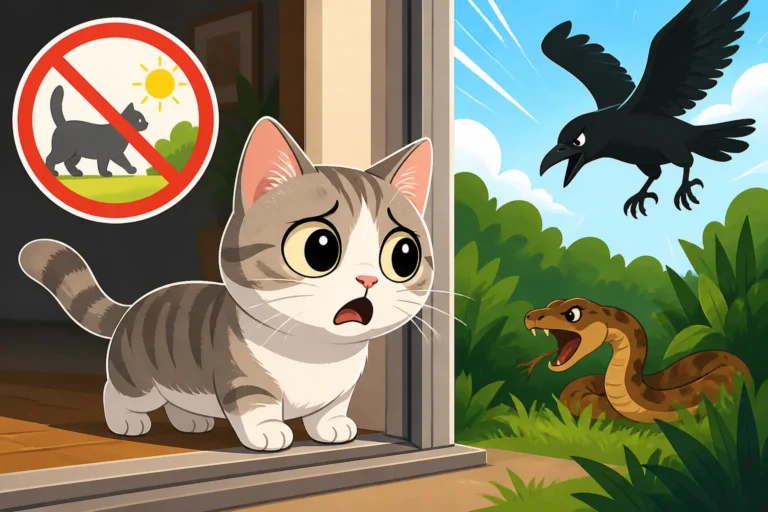
Imagine wanting to reach something just out of your grasp, day in and day out. That’s a daily reality for a Munchkin. Their shortened limbs, a result of the dominant gene that defines the breed, mean that many vertical surfaces that are trivial for a standard cat become insurmountable mountains for them. A kitchen counter, a tall dresser, or even the top of a standard scratching post might as well be the summit of Mount Everest. This isn't about laziness; it's a fundamental physical limitation.
This can lead to palpable frustration for these otherwise active and curious cats. They see, they desire, but they simply cannot execute the physics required for a significant jump. While a Munchkin can certainly jump, their vertical reach is severely compromised. A regular cat might clear a two or three-foot jump with ease, but a Munchkin often maxes out much lower. This limitation means that their world, without intervention, becomes largely a horizontal plane. They crave the higher vantage points, but their bodies simply can't deliver. How Short a Munchkin's Legs Actually Are gives you a deeper insight into their physical makeup.
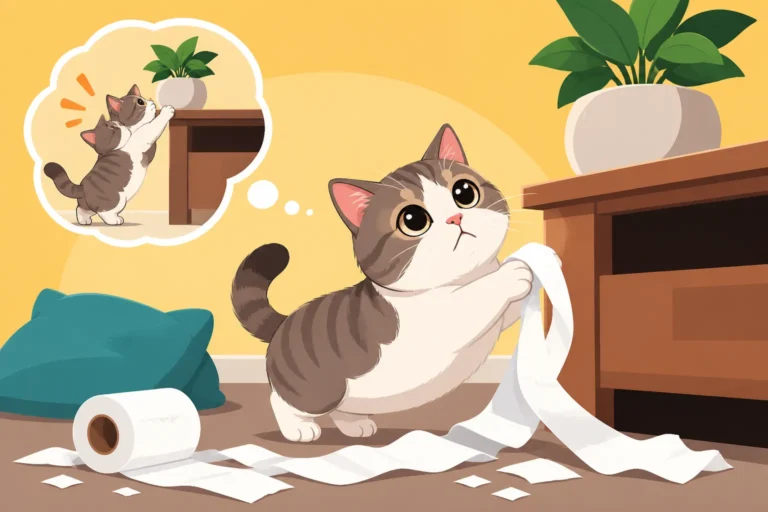
When they repeatedly attempt a jump and fail, you might witness a subtle shift in their demeanor – a slight head tilt, a persistent stare, or even a soft whimper of defeat. It's not a cry for pity, but a clear signal that they need help to fulfill a very natural feline desire. They learn quickly that while their legs won't get them there, you can. This understanding forms the foundation of their "lift me" requests.
The Instinct to Seek High Ground for Safety and Observation
Cats are instinctual creatures, and one of their strongest instincts is to seek high vantage points. This behavior is rooted in their wild ancestors' need for safety from predators and an elevated position for hunting and observing their territory. From a high perch, a cat feels secure, can survey its domain, and can easily spot any perceived threats or interesting activity.
For a Munchkin, this deeply ingrained instinct is a constant internal battle. They want to be up high, they need to be up high, but their short legs betray them. This creates a psychological gap between their natural drive and their physical capability. Without accessible high places, they can feel vulnerable or simply bored, as their observational scope is limited to floor level. This is why you often see them attempting to scale furniture, not out of mischief, but out of a deep-seated need to fulfill this primal urge.
When you lift them to a windowsill or a cat tree, watch their transformation. Their ears might swivel, their eyes will widen, and you'll often feel a relaxed purr vibrating through their body. This isn't just about a change of scenery; it's about meeting a fundamental biological need that their short legs prevent them from satisfying on their own. They internalize that you are the key to unlocking this essential part of their cat-ness, further solidifying their dependence on you for those elevated moments.
Comparing Munchkin Verticality to Other Breeds
To truly appreciate why a Munchkin frequently asks for a lift, it helps to understand just how different their jumping capabilities are compared to a typical domestic cat. Imagine a sleek Siamese or a robust Maine Coon; they are veritable acrobats, capable of astonishing vertical feats. They can spring from a standstill to the top of a refrigerator, scale a sheer curtain, or gracefully land on a narrow shelf without a second thought. Their long, powerful legs and flexible spines are designed for such agility.
A Munchkin, however, operates on a different athletic playing field. While incredibly fast and agile on the flat, their ability to gain significant height is dramatically reduced. Where a normal cat might need one powerful leap to reach the top of a sofa, a Munchkin might require a series of smaller, often strenuous, jumps, or might not be able to make it at all without external assistance. How High a Munchkin Can Actually Jump further clarifies this point. It’s not that they can't jump at all; it's that their jumps are lower, less powerful, and often require more effort for far less reward in terms of height gained.
This comparative analysis highlights the specific "pain point" for a Munchkin. They aren't just slightly less capable; they are fundamentally limited in a way that impacts their daily life and enjoyment of their environment. This is why providing Ramps and Steps Are Munchkin Equipment, Not Luxuries is so crucial. Without these aids, their only reliable way to experience the vertical world is through human intervention, making those "lift me" requests not just cute, but a necessary form of communication born from their unique physiology.
Recognizing the Cues a Munchkin Uses to Ask for Help
Munchkins are surprisingly good communicators, especially when they want something specific, like a lift. They can't use words, of course, but they've developed a suite of subtle and not-so-subtle cues to get your attention and convey their desire to reach higher ground. Learning to read these signals is key to understanding and responding to your little feline friend.
Vocalizations and Body Language
One of the most common ways a Munchkin will ask for a lift is through a combination of vocalizations and distinct body language. It's usually not an aggressive demand, but rather a soft, persistent plea. You might hear a delicate "mew," a questioning chirp, or a quiet trill directed squarely at you. These aren't the loud, insistent meows of a hungry cat, but softer, more inquiring sounds that carry a clear intent. They are trying to engage you, to let you know they have a goal they can't achieve alone.
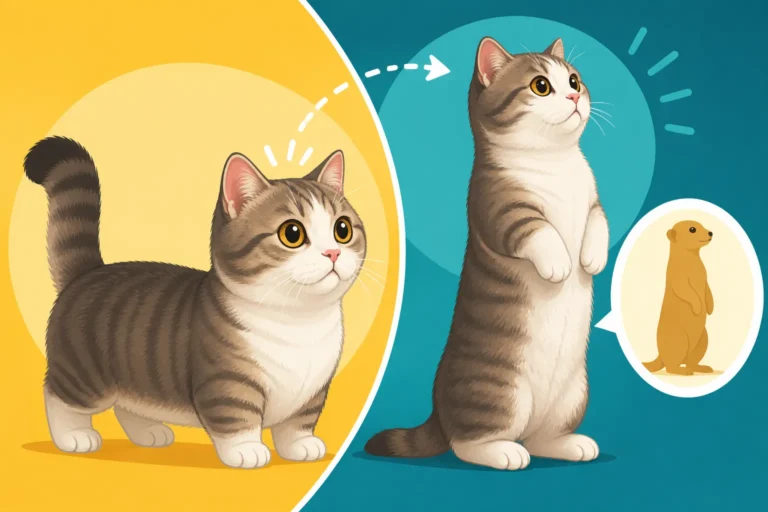
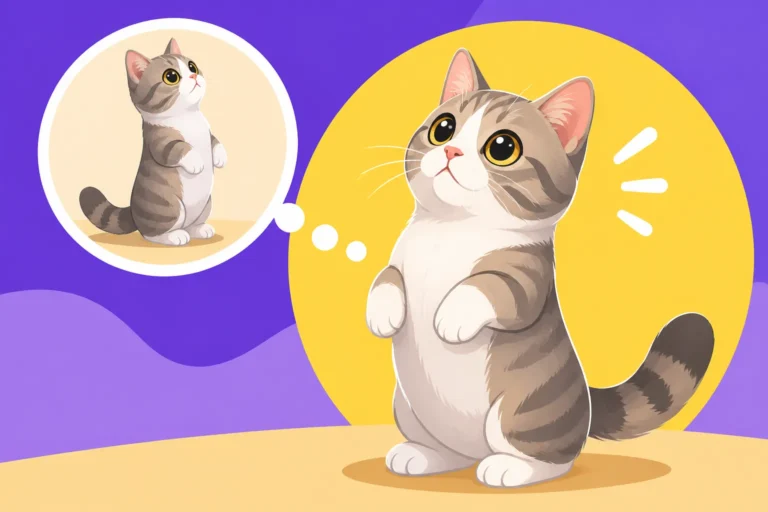
Coupled with these sounds, their body language often paints a vivid picture. They might sit or stand near the object they want to reach – a windowsill, a counter edge, or even your lap – and gaze intently upwards, then back at you. This repeated upward glance is their way of saying, "See that? I want to be up there." You might also notice them pawing gently at your leg, or rubbing against you, then looking up again. Some Munchkins will even perform their famous "prairie dog sit" near the desired elevation, sitting up on their hind legs and extending their front paws, as if stretching for something just out of reach. What a Munchkin's Prairie Dog Posture Tells You can give you more insight into this unique behavior. These are all deliberate, learned behaviors designed to signal their need for assistance.
Over time, you'll likely develop an intuitive understanding of your Munchkin's specific "lift me" vocalizations. It's a special language you share, one born out of their unique needs and your responsive care. Ignoring these consistent requests can lead to frustration for both of you, as they feel unheard and you might become bewildered by their seemingly random meows.
Following and Weaving: The "Human Staircase" Approach
When a vocal plea or direct eye contact doesn't immediately yield results, many Munchkins will escalate their efforts by employing the "human staircase" approach. This involves a charming, yet effective, method of engaging you directly as their personal elevator. They understand that if they can't get to the height themselves, they need to physically guide you to the opportunity.
You'll notice your Munchkin following you from room to room, perhaps more closely than usual, sometimes even weaving between your legs as you walk. This isn't just about seeking attention; it's a strategic maneuver. They might lead you directly to the sofa they want to be on, or the specific part of the kitchen counter they're curious about. Once you stop, they'll typically look up at the desired spot, then back at you with an expectant gaze, often accompanied by a soft trill or a little head bunt against your leg. How a Munchkin Asks When It Cannot Reach You goes into more detail about these specific communication tactics.
This behavior is a clear indicator that they have a specific destination in mind. It's their way of physically directing your attention and guiding your actions. If you ignore these attempts, they might become more persistent, rubbing harder, meowing more frequently, or even trying to trip you gently – all in an effort to get you to stop and acknowledge their request. It’s a subtle dance, but one that perfectly illustrates their intelligence and determination to overcome their physical limitations through human partnership.
Persistent Attempts and Learning Patterns
Munchkins are not quitters. If they want to get somewhere, especially a coveted high spot, they will try, and try again. This persistence is a hallmark of their character, and it manifests in their requests for lifts. They quickly learn what works and what doesn't to get your attention and achieve their goal.
You might observe them making repeated, valiant, but ultimately unsuccessful, attempts to jump onto a piece of furniture. After a few tries that end with them bouncing back to the floor, they will often pivot to soliciting your help. This transition from self-effort to directed request shows their problem-solving abilities and their understanding that you are their ultimate solution. They learn to associate your presence with the ability to reach new heights. For example, if you consistently lift them to the window perch when they meow and paw at the sill, they will quickly establish that as their preferred "lift me" routine. Teaching a Munchkin to Come When It Is Time to Be Lifted emphasizes the importance of these learned interactions.
This learning pattern means that the frequency of their requests can also depend on how consistently you've responded in the past. If you've been a reliable "human elevator," they will likely ask more often, confident that their pleas will be answered. Conversely, if their requests are often ignored, they might become more frustrated or find other, less direct, ways to communicate their needs. It's a reciprocal relationship: the more you engage with their specific cues, the more clearly and frequently they will use them.
Factors Influencing a Munchkin's Need to Be Lifted
The question of "how often" a Munchkin asks to be lifted isn't static. It's a dynamic interplay of their physical capabilities, their environment, and even their personality. Several key factors can significantly influence the frequency and urgency of their requests for a boost.
Age and Mobility Stages
Just like humans, a Munchkin's mobility and energy levels change throughout their life, directly impacting how often they might ask for a lift.
In kittenhood, Munchkins are bundles of boundless energy and insatiable curiosity. A young Munchkin kitten might be more adventurous, attempting small jumps with gusto. They might not ask for lifts as frequently as an adult, simply because their small size means some low-level furniture feels like a mountain they can conquer with a few hops. However, as they grow, and the height difference between their legs and target surfaces becomes more pronounced, their requests will likely increase. They're still learning their physical limits, and their desire to explore every nook and cranny is at its peak. A Munchkin Kitten's First Year of Learning Its Limits highlights this crucial developmental period.
As they enter adulthood, their patterns become more established. A healthy adult Munchkin will have a clearer understanding of what they can and cannot reach. Their requests will often be more targeted and deliberate – aimed at specific high spots they've learned are inaccessible without your help. This is often the period where a consistent "lift me" routine becomes most apparent.
In their senior years, the situation can shift again. Older Munchkins might start to stiffen up or experience joint discomfort, especially if they've been prone to conditions like arthritis, which can be exacerbated by repeated jumping or strain on their short limbs. At What Age a Munchkin Starts to Stiffen is a must-read for senior Munchkin owners. What was once a challenging but possible jump might become too painful or difficult. At this stage, their requests for lifts might become even more frequent and crucial for their comfort and continued access to beloved spots. They might also need assistance simply to get down from a place they managed to ascend with effort, leading to requests for lowering as well as lifting.
House Setup and Environmental Enrichment
The environment you create for your Munchkin plays a monumental role in how often they'll need your physical assistance. An unadapted house will inevitably lead to a higher frequency of "lift me" demands, whereas a thoughtfully arranged space can empower them to be more independent.
Consider a home filled with high furniture, tall windowsills, and standard-height cat trees. In such an environment, a Munchkin will constantly encounter barriers. Every sofa, every bed, every appealing window perch becomes a frustrating obstacle. This necessitates constant human intervention if they are to experience any vertical dimension of their home. This continuous feeling of being "stuck on the floor" can be mentally taxing for a naturally curious and playful cat.
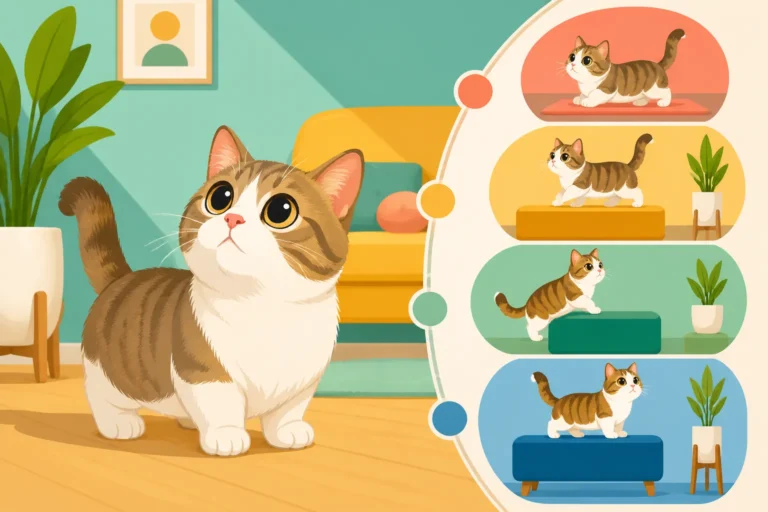
Conversely, a house that has been lovingly adapted for a Munchkin can dramatically reduce their reliance on you for lifts. Imagine strategically placed cat steps from Amazon, ramps leading up to sofas or beds, and cat trees with closely spaced platforms that they can navigate themselves. How to Set Up Ramps Around a Munchkin's House provides excellent guidance for this. Even simple stools or ottomans can become stepping stones to greater heights. When a Munchkin has multiple routes to their desired high spots, they gain a sense of autonomy and control over their environment.
The quality of their environmental enrichment also matters. If their only source of entertainment is on the floor, their desire to get up high might decrease due to learned helplessness, but their overall quality of life might suffer. Providing varied, accessible enrichment, both floor-level and elevated (via ramps/steps), ensures they have stimulating options regardless of their immediate need for a lift.
Personality and Bonding with Owners
Beyond physical capabilities and environmental factors, a Munchkin's individual personality and the bond they share with their human family significantly influence how often they'll ask for a lift. Cats, like people, have unique temperaments.
Some Munchkins are naturally more independent and will diligently search for alternative routes or make numerous attempts before resorting to asking for help. They might be more inclined to use ramps and steps you've provided, or find clever ways to scale lower furniture items. These cats might still ask for a lift occasionally, but it won't be their primary mode of reaching elevated spots. They may also be less overtly affectionate, preferring to observe from a distance rather than seeking constant physical contact.
On the other hand, many Munchkins are incredibly affectionate, social, and prone to forming strong bonds with their owners. These "velcro cats" often enjoy being near their people, and asking for a lift might become a cherished part of their daily interaction. For them, being lifted isn't just about reaching a destination; it's about physical contact, shared moments, and the reinforcement of their bond with you. They might even solicit a lift to a high spot, enjoy the view for a minute, and then immediately ask to be lifted down again, simply for the joy of the interaction. How Much a Munchkin Talks When It Wants Lifting touches on how vocal some can be in these bonding moments.
The strength of the bond also influences trust. A Munchkin who deeply trusts its owner will feel comfortable asking for help, knowing their request will be met with care. If a Munchkin is shy or less bonded, they might be more hesitant to ask, even if they desperately want to be lifted, preferring to remain grounded rather than risk an uncomfortable interaction. Understanding your Munchkin's individual personality is key to discerning the true meaning behind their requests.
Managing and Responding to Your Munchkin's Requests
You've learned to read the cues, understood the underlying reasons, and now it's time to talk about how to effectively manage and respond to your Munchkin's frequent requests for a lift. It's about finding a balance between accommodating their needs and encouraging their independence, all while ensuring their safety and well-being.
Creating Safe and Accessible Alternatives
One of the best ways to manage constant requests for lifts is to proactively provide alternatives that allow your Munchkin to reach desired heights on their own. This empowers them and reduces their reliance on you as their sole vertical access provider.
Think strategically about the places your Munchkin most often wants to go: the sofa, your bed, a sunny windowsill, or a specific shelf. For each of these spots, consider installing ramps or a series of pet steps. Ramps should have a gentle incline and a non-slip surface to ensure safe ascent and descent. You can find a wide variety of pet ramps on Amazon, ranging from carpeted options to sturdier wooden designs. Similarly, pet steps come in various heights and configurations; look for ones with wide, shallow steps that are easy for short legs to navigate. How to Set Up Floor Level Enrichment for a Munchkin also touches upon creating a stimulating environment at their height.
Beyond ramps and steps, consider low-profile furniture or strategically placed stools. A small ottoman pulled up to a window can provide a perfect viewing perch. A sturdy, low-level bookcase can offer a series of easy-to-climb shelves. Even arranging your existing furniture in a "staircase" fashion, where one piece leads easily to another, can create a more accessible environment. The goal is to minimize frustration and maximize independence. While you'll still be their beloved "human staircase" for special occasions, these alternatives mean they aren't always waiting for your help just to get to their favorite napping spot.
Establishing a Routine for Lifts
While providing ramps and steps is crucial, there will still be times when your Munchkin genuinely needs or simply desires a lift from you. Establishing a routine around these interactions can be beneficial for both of you, setting expectations and strengthening your bond.
First, identify the "must-lift" situations. These might be for specific high-value spots they can't otherwise reach, like a window perch that allows them to watch birds, or getting onto your lap for cuddle time when they're particularly tired or seeking comfort. By consistently responding to these specific requests, you reinforce positive communication and let them know you understand their needs. You're not just granting access; you're acknowledging their desire for connection and exploration.
Secondly, consider setting boundaries for when you won't lift. For instance, if you've provided a ramp to the sofa, you might gently redirect them to use the ramp rather than immediately scooping them up every time they meow at the cushions. This encourages the use of the independent options you've invested in. Don't frame it as rejection; rather, guide them to their accessible pathway. A simple tap on the ramp, or leading them to it, can be effective. How to Teach a Munchkin to Use Its Ramp on Cue explains how to positively reinforce this.
Finally, embrace the joy of the "just because" lift. Sometimes your Munchkin might just want to be held, carried around, or given a quick boost to survey a room from your shoulder. These moments, even if fleeting, are invaluable for bonding. By intermittently providing these spontaneous lifts, you communicate affection and willingness to connect, making their more functional "lift me" requests feel less like demands and more like part of a loving dialogue.
The Importance of Safe Lifting Techniques
When your Munchkin does ask for a lift, it's absolutely paramount to use proper, safe lifting techniques. Their unique spinal structure and short legs mean they are more susceptible to strain and injury if not handled correctly. This isn't just about comfort; it's about protecting their long-term health.
Never, ever lift a Munchkin by their front legs, scruff, or by a single limb. This puts immense, unnatural pressure on their shoulders, spine, and joints, which are already under more strain due to their short stature. Remember, Why a Munchkin's Spine Carries a Load a Normal Cat's Does Not. Always use two hands and support their entire body, particularly their back and hindquarters. Think of it like cradling a delicate package.
The ideal way to lift a Munchkin is to place one hand under their chest, just behind their front legs, and the other hand supporting their hindquarters and back legs. Gently scoop them up, keeping their body level and well-supported. Avoid dangling their legs or letting their back arch excessively. When placing them down, ensure they have a stable landing surface and gently lower them until their paws are firmly on the ground. Don't drop them, even from a short height, as this can jar their spine and joints.
By consistently using correct lifting techniques, you ensure that these necessary interactions are positive experiences for your Munchkin, free from pain or fear. It also builds trust, making them more comfortable asking for help when they genuinely need it, knowing they will be handled with care. This attention to detail contributes significantly to their overall well-being and allows them to enjoy the elevated views without any associated physical discomfort. How to Lift a Munchkin Correctly has more detailed advice.
The Psychological Impact of Being Unable to Reach
While we often focus on the physical limitations of a Munchkin cat, it's just as important to consider the psychological impact of their inability to reach high places. Being grounded in a world designed for taller felines can lead to a range of emotions and behavioral patterns that owners need to understand and address.
Frustration and Boredom from Limited Access
Imagine living in a house where all the best vantage points, all the interesting nooks, and all the sunniest perches are perpetually just out of reach. For a Munchkin, this isn't a hypothetical; it's a daily reality. This constant physical limitation can lead to significant frustration and boredom. Cats are naturally curious, agile predators who thrive on exploring their environment, and a large part of that exploration involves vertical movement.
When a Munchkin repeatedly attempts a jump to a favored spot – say, the top of a dresser where a sunbeam always lands – and consistently fails, it can be incredibly disheartening for them. This isn't just a minor annoyance; it’s a constant reminder of their physical difference. Over time, this can lead to a sense of learned helplessness. They might stop trying altogether, or their attempts become more desultory, resulting in a less engaged and potentially less happy cat. Why a Munchkin Cannot Make the Kitchen Counter is a great example of an everyday limitation.
Boredom can also set in when their world is limited to a single plane. Without the stimulating variety that comes from exploring different heights and angles, a Munchkin might become lethargic or seek out less desirable forms of entertainment, such as destructive scratching or excessive napping. Providing ramps, steps, and lifting them when asked, isn't just about physical access; it's about enriching their mental landscape and preventing the emotional toll of perpetual limitation.
The Role of Human Interaction in Overcoming Limitations
For a Munchkin, their human isn't just a provider of food and cuddles; you are their bridge to the vertical world. This unique dynamic means that human interaction plays a far more critical role in their overall well-being and sense of empowerment than it might for a long-legged cat. When you lift your Munchkin, you are literally enabling them to overcome a fundamental physical barrier.
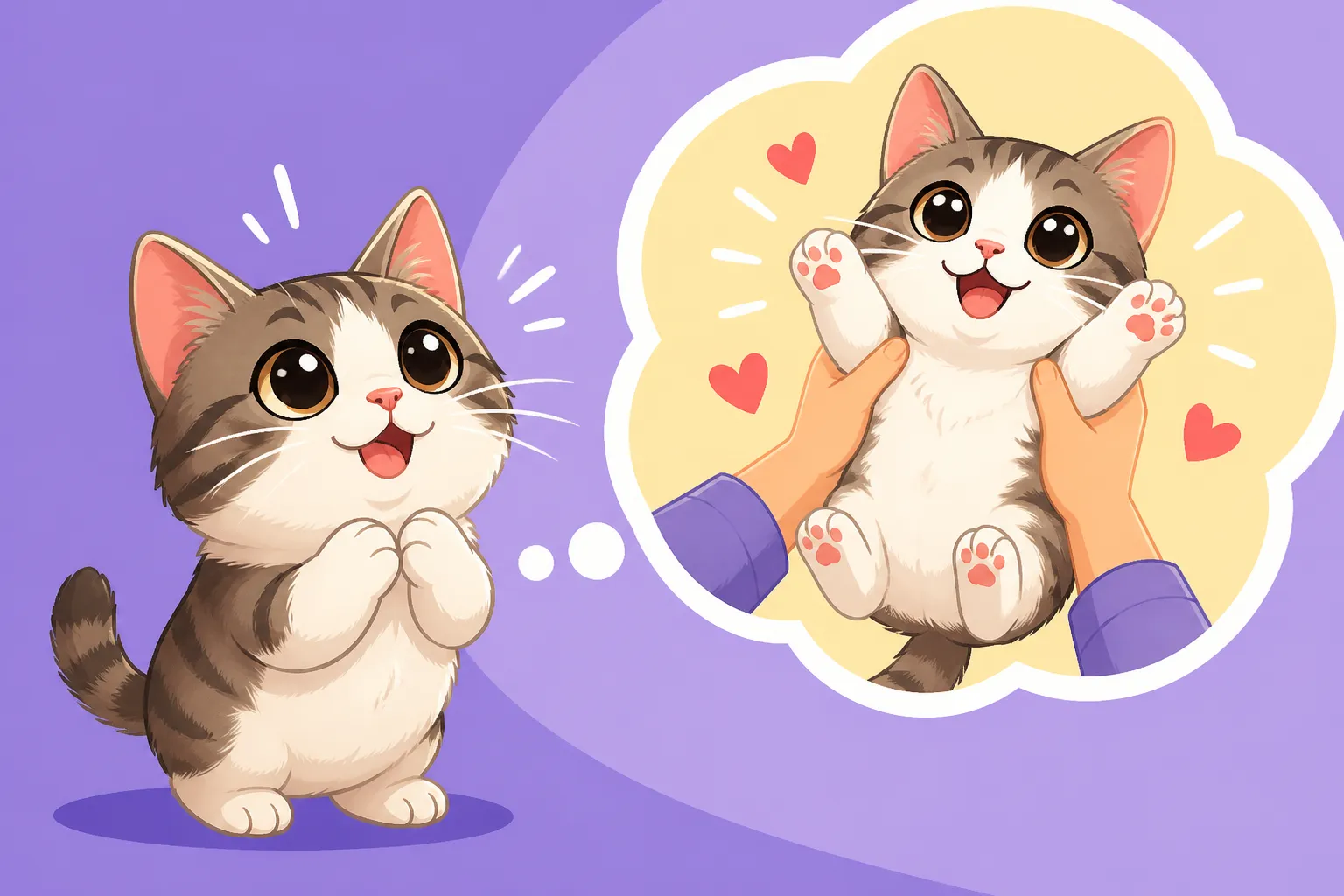
This act of lifting, repeated consistently and gently, builds an incredibly strong bond of trust and dependence. They learn that you are a reliable, safe extension of their own limited capabilities. It's a form of symbiotic relationship where your strength compensates for their lack of height. This fosters a deep sense of security and affection. When they gaze up at you with those trusting eyes, asking for a boost, it’s not just a request for elevation; it’s a reaffirmation of your special connection. How a Munchkin Asks to Be Picked Up describes these intimate moments.
Furthermore, these interactions provide crucial mental stimulation. Each time you lift them to a new perch, they get to experience a different perspective of their territory. This keeps their minds active and engaged, preventing the stagnation that can come from a purely floor-level existence. It validates their curiosity and intelligence, showing them that their desires for exploration are understood and supported. This human-enabled exploration is vital for a Munchkin's mental health and contributes significantly to their overall happiness.
Preventing Behavioral Issues Stemming from Restricted Movement
When a cat's natural instincts are thwarted and their movement restricted, it can unfortunately lead to various behavioral issues. For a Munchkin, the constant frustration of being unable to reach high places can manifest in ways that are easily misunderstood as naughtiness or stubbornness.
A Munchkin that is perpetually denied access to higher vantage points might develop anxiety or stress. They might feel more vulnerable if they cannot retreat to a safe, elevated spot when feeling overwhelmed by household activity, other pets, or children. This anxiety could lead to excessive grooming, hiding, or even inappropriate urination if they feel their designated safe spaces are inaccessible. Where a Munchkin Hides When It Cannot Get High is a related read.
Furthermore, persistent boredom stemming from restricted movement can lead to destructive behaviors. A Munchkin might start scratching furniture more aggressively, not out of malice, but out of a need to expend pent-up energy and frustration. They might become more vocal and demanding in general, constantly seeking attention to alleviate their boredom. They could also become withdrawn, losing interest in play and interaction if they feel their environment is unstimulating.
By being proactive in providing accessible ramps and steps (easily found at pet stores or on Amazon), and by consistently and gently responding to their requests for lifts, you can mitigate these potential problems. Creating an environment where your Munchkin feels secure, stimulated, and empowered to navigate their world – with a little help from their friends – is crucial for preventing these behavioral issues and ensuring a well-adjusted, happy cat.
Munchkin "Lift Me" Cues and Responses
| Cue Type | Specific Behavior | Interpretation | Suggested Response |
|---|---|---|---|
| Vocal | Soft "mew," chirp, trill, questioning meow | "I want your attention, and I need something up high." | Acknowledge with a soft voice, look at what they're looking at. |
| Visual | Staring intently at a high spot, then at you | "See that? I want to be there, please help." | Follow their gaze, then gently scoop them up, supporting their body. |
| Physical | Pawing your leg, rubbing, weaving around feet | "Lead me to the spot, human, or just pick me up!" | Either lift them immediately or walk to the desired object and lift them there. |
| Postural | "Prairie dog sit" near a desired height | "I'm trying to see, but I can't. A little boost would be great." | Offer a lift to that height or guide them to an available ramp/steps. |
| Persistent | Repeated, failed jumps onto furniture | "My legs won't do it, so now I'm asking you." | Offer a lift, or reinforce using accessible ramps/steps if available. |
| Following | Trotting closely, guiding you to a specific area | "Follow me, I have a destination in mind that needs your help." | Follow them to the spot, then assess their need and provide a lift or guidance. |
Disclaimer
This article is for general informational purposes only and does not constitute professional advice. Laws, prices and regulations vary by location and change over time. Consult a qualified professional for guidance on your specific situation.