Why a Munchkin’s Spine Carries a Load a Normal Cat’s Does Not
It’s a common sight to see a Munchkin cat scampering around, their short legs moving with surprising speed, but what many people don't realize is that beneath that adorable, low-slung exterior, their spine is doing a remarkable amount of extra work. Unlike a typical cat, whose body is designed for fluid motion and shock absorption across longer limbs, a Munchkin's unique physique places a distinctly different, and often greater, load on its spinal column with every single movement. This guide is going to take a deep dive into the fascinating, yet challenging, biomechanics of the Munchkin spine, exploring why it carries a burden a normal cat's does not, and what that means for their long-term health and care.
Understanding the Munchkin's Unique Anatomy
When you first meet a Munchkin, their most striking feature is undoubtedly their short legs. It's what makes them so captivating and gives them that instantly recognizable profile. But to truly understand the load their spine carries, we need to go beyond the superficial appearance and delve into the specific anatomical distinctions that set them apart from their long-legged feline cousins.
The Achondroplastic Dwarfism Gene
At the heart of the Munchkin's unique structure is a genetic mutation, specifically an autosomal dominant gene responsible for a form of dwarfism known as pseudoachondroplasia. This isn't just a random occurrence; it's a specific genetic trait that causes the long bones of the legs to be significantly shorter than normal, while the length of the spine and the rest of the body remains largely unaffected. This is a critical distinction, as it means the cat isn't simply a miniaturized version of a regular cat. Instead, it's a cat with a standard-sized torso attempting to navigate the world on disproportionately short limbs.
It’s vital to grasp that this isn't the same as other types of dwarfism you might see in animals, which can often affect overall size and skeletal development more broadly. With Munchkins, the issue is primarily one of limb length. While the gene that causes their short legs is autosomal dominant, it's also important to understand that Munchkin Dwarfism Is Dominant and Lethal in Two Copies, meaning kittens inheriting two copies of the gene don't survive. This genetic reality dictates breeding practices, ensuring that Munchkins are always outcrossed to normal-legged cats to prevent homozygous litters and maintain genetic diversity. This careful breeding helps manage some aspects, but the core anatomical challenge remains.
Normal Torso, Short Limbs
Imagine taking a standard-sized cat's torso and attaching significantly shorter legs to it. That's essentially what a Munchkin is. Their spinal column is typically of normal length and number of vertebrae, just like any other domestic cat. However, these vertebrae, discs, and associated muscles are designed to work in conjunction with limbs that provide a certain amount of leverage, shock absorption, and propulsion. When those levers (the legs) are shortened, the entire biomechanical system changes dramatically.
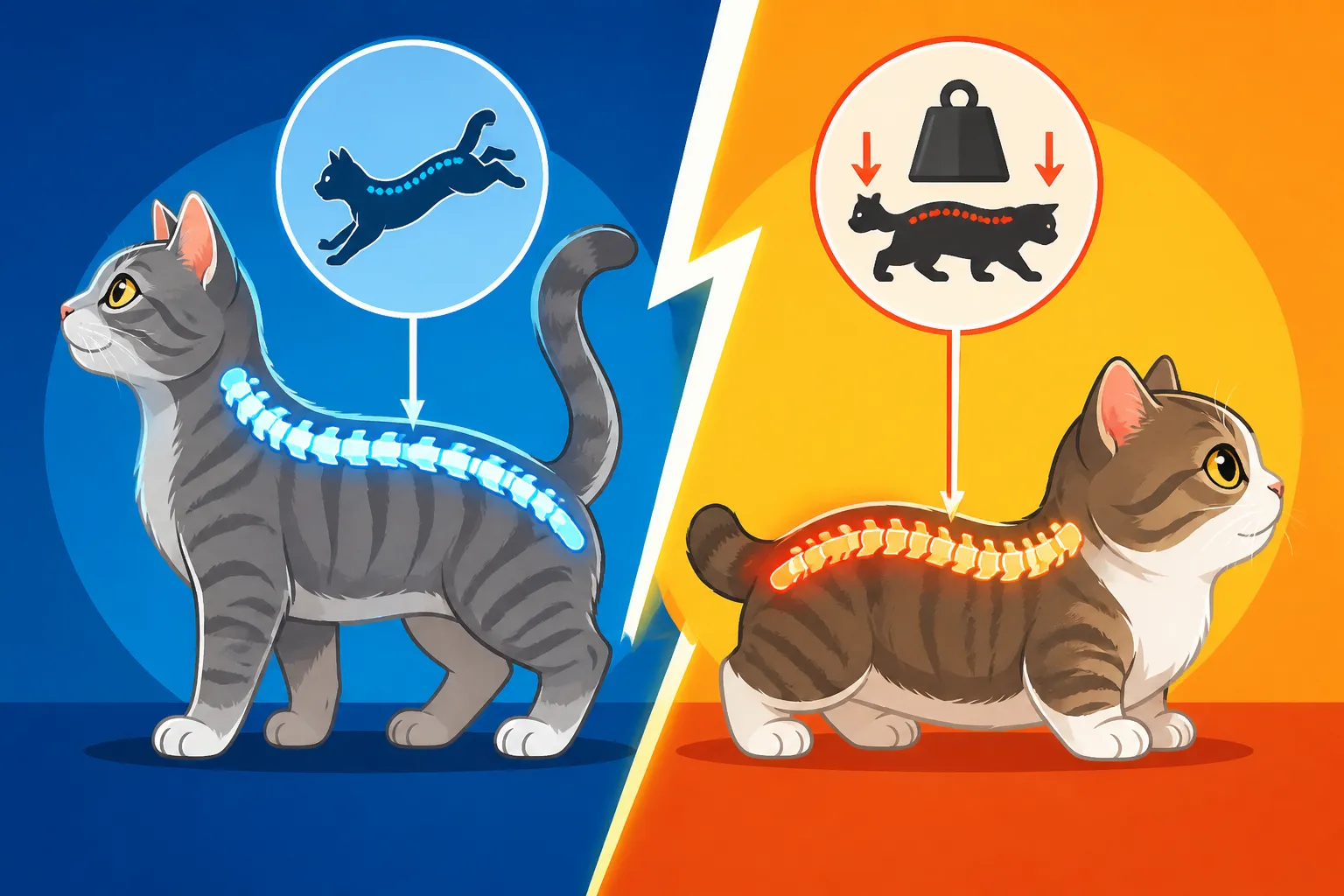
The spine becomes the primary support structure for a body that, under normal circumstances, would have its weight more evenly distributed and forces better attenuated through longer limbs. Instead, the Munchkin's spine is often held in a more horizontal, lower position, closer to the ground. This means gravity is constantly pulling down on a relatively long, unsupported segment (the torso) that lacks the usual "stilts" to hold it up and away from the ground. This configuration immediately places a different kind of compressive load on the intervertebral discs and the surrounding musculature. It’s like trying to carry a heavy plank of wood with short arms close to your body versus longer arms extended further out – the leverage changes, and the strain on your back increases. This fundamental point, that Why a Munchkin's Spine Is Normal Length despite their short legs, is central to understanding their spinal challenges.
Center of Gravity and Posture
The low-slung nature of a Munchkin cat naturally results in a lower center of gravity. While this might sound advantageous for stability, it also has profound implications for their posture and how their spine handles everyday movements. A normal cat can arch and extend its back with ease, using its long legs to spring, stretch, and distribute its weight. A Munchkin, however, operates from a much lower base. Their typical stance involves a slightly more hunched or 'stretched out' posture, where their spine is constantly bearing the full weight of their body, often without the same degree of freedom for extension or flexion as a typical cat.
This continuous low posture means the spinal muscles are always engaged, working to keep the spine stable and prevent the belly from dragging excessively on the floor. While their agility on the flat is impressive, the constant engagement and the limited ability to fully extend or decompress the spine through natural movements can lead to chronic muscle tension and fatigue. Think of it like constantly doing a partial squat – your muscles are always working, but they never get to fully relax or extend, which can lead to stiffness and discomfort over time. Their unique "prairie dog" sit, where they sit up on their hind legs to get a better view, is another example of how their posture adapts, but even this can put unique stresses on the lower spine.
Biomechanical Challenges of Short Legs
The distinctive short legs of a Munchkin cat aren't just an aesthetic feature; they fundamentally alter the biomechanics of movement, transforming how forces are generated, distributed, and absorbed throughout their body, especially impacting their spine.
The Lever Arm Principle in Motion
In physics, a lever arm helps us understand how force and distance relate. Longer levers generally require less force to move a load. For a cat, their legs act as levers, propelling them forward and absorbing impact. In a normal cat, the longer leg bones provide a significant mechanical advantage. When they run, jump, or land, these longer levers allow muscles to generate powerful movements with efficient force distribution across joints.
Now, consider the Munchkin. Their short legs are, quite literally, shorter levers. This means that for the same amount of movement or the same propulsion force, their muscles, particularly those in their core and back, have to work significantly harder. The spine, which acts as the central pillar for all limb movements, ends up bearing a much greater proportion of this increased muscular effort and mechanical strain. Instead of the legs providing the primary "push" and "cushion," the spine and its associated musculature are constantly engaged to compensate for the reduced leverage. This continuous, heightened engagement means the intervertebral discs and the spinal joints are under more sustained and intense pressure during routine activities that a long-legged cat performs with relative ease.
Impact on Gait and Locomotion
Observing a Munchkin cat walk or run reveals a gait that is distinctly different from a typical feline. Often described as a "ferret-like" movement, their stride is shorter and quicker, with their body staying perpetually low to the ground. This isn't just a quirky characteristic; it's a direct adaptation to their short limbs, and it has significant implications for their spine.
Because their legs cannot extend as far, their spine must remain relatively straight and rigid to facilitate locomotion. A normal cat's spine has a remarkable range of flexibility, allowing for deep arches and extensions that contribute to their powerful bounds and elegant movements. For a Munchkin, the "ferret-like" gait involves a rapid, almost waddling motion where the body twists and sways subtly to aid in propulsion, putting additional torsional (twisting) stress on the vertebral column. Every rapid turn or burst of speed translates into a ripple effect through the spine, as the core muscles work overtime to stabilize the body while the short legs generate momentum. This constant, slightly unnatural movement pattern can lead to chronic strain on the spinal ligaments and discs over time. This is why understanding Why a Munchkin Moves Like a Ferret is key to appreciating the biomechanical load on their back.
Jumping, Landing, and Spinal Compression
Cats are natural jumpers, and even Munchkins, despite their short stature, will attempt to jump onto furniture, window sills, and other elevated surfaces. However, the mechanics of their jumps and landings are profoundly different, and crucially, they transmit greater impact forces to their spine. When a normal cat jumps, its longer legs act as powerful springs, launching the body with efficiency and then absorbing the landing shock through a complex interplay of joint flexion and muscle engagement.
For a Munchkin, the short legs provide less initial spring, meaning they often have to exert more effort to achieve height. More importantly, when they land, those short legs have a significantly reduced capacity for shock absorption. Instead of a gradual, cushioned landing, a greater proportion of the impact force is transmitted directly up the short limbs and into the spine. This means that with every jump and landing, the Munchkin's intervertebral discs and spinal joints experience a more abrupt and intense compression. Repeated high-impact landings over their lifetime can contribute to the premature wear and tear of these delicate structures. The focus is often on how Why a Munchkin's Elbows Take the Landing due to the force, but this force doesn't stop at the elbows; it continues right up the skeletal structure into the shoulder and ultimately the spine, making even small jumps a concern for their long-term spinal health.
Increased Load on the Spinal Column
The inherent anatomical differences and the resulting biomechanical adaptations in Munchkin cats mean their spinal column is subjected to a continuous and often amplified load compared to a cat with normal leg length. This isn't just about movement; it's about the very physics of their existence.
Constant Gravitational Stress
Imagine carrying a backpack all day, every day. That’s a bit like what a Munchkin's spine experiences. Because their legs are short, their body is perpetually closer to the ground, often held in a more horizontal position. This means the forces of gravity are constantly pulling down on their relatively long torso, creating a sustained compressive stress on the intervertebral discs and vertebrae. For a normal cat, stretching, arching, and standing tall allow for periods of spinal decompression and varied weight distribution. They can get up high, stretch out fully, and allow gravity to work differently on their spine.
A Munchkin, however, has fewer opportunities for this natural spinal relief. Their low stature means that the force of gravity is almost always acting to compress their spine downwards. Whether they are walking, sitting, or even lying down in certain positions, their spine is managing the full weight of their body against gravity without the benefit of longer, more shock-absorbing limbs to help distribute that load. This chronic compression, day in and day out, can impede nutrient flow to the discs and gradually contribute to their degeneration over time. It's a subtle but relentless stressor that most owners might not even consider at first glance.
Muscle Compensation and Strain
To counteract this constant gravitational pull and to achieve efficient movement with their short levers, a Munchkin's core and back muscles are in near-constant overdrive. These muscles, which run along and support the spine, have to work significantly harder than those in a normal cat to maintain posture, initiate movement, and stabilize the body during activity. Think of it as a low-rider car needing much stiffer suspension and a more powerful engine to navigate bumps that a standard car glides over.
This chronic overcompensation means that the paravertebral muscles – the muscles alongside the spine – are frequently under tension. Over time, this can lead to muscle fatigue, stiffness, and even localized pain. Just like a human who consistently uses incorrect posture or overworks certain muscle groups, a Munchkin can develop chronic muscle strain that impacts their comfort and mobility. The muscles might become tight and sore, further restricting the spine's natural flexibility and exacerbating any underlying disc or joint issues. This perpetual muscular effort adds another layer to the overall load the Munchkin's spine endures, making adequate rest and a supportive environment all the more crucial.
Twisting and Turning Impacts
Cats are renowned for their agility, their ability to twist, turn, and contort their bodies with incredible grace. While Munchkins are surprisingly agile on flat surfaces, their short legs and unique gait mean that certain movements, especially quick turns and twists, can impose unusual and potentially damaging torsional forces on their spine.
When a normal cat executes a sharp turn, the longer legs can pivot and distribute the rotational forces effectively across the hip, knee, and ankle joints. For a Munchkin, with less flexible and shorter limbs, the spine often absorbs more of the twisting action. Imagine trying to make a sharp turn while your feet are glued close together – your torso has to twist significantly more to achieve the direction change. Similarly, when a Munchkin changes direction rapidly during play or exploration, the rotational forces are transmitted directly through the vertebral column, putting additional strain on the intervertebral discs and the small facet joints between the vertebrae. These repeated torsional stresses, especially when combined with the constant compression from gravity and muscle compensation, can increase the risk of disc injury or accelerated degenerative changes within the spine.
Common Spinal and Joint Issues Amplified by Load
While Munchkins are generally robust and playful, their unique anatomy and the resultant increased spinal load can predispose them to, or exacerbate, certain musculoskeletal conditions. Owners need to be aware of these potential challenges to provide the best possible care.
Lordosis: The "Swayback" Condition
One of the most concerning conditions associated with Munchkin cats, and directly linked to spinal load, is lordosis. This is a spinal deformity characterized by an excessive inward curvature of the spine, often appearing as a pronounced "swayback." While not exclusive to Munchkins, its incidence is notably higher in the breed. The constant gravitational stress and the unique way their core muscles compensate for short legs can contribute significantly to the development or worsening of lordosis. The spine, under continuous compressive load and attempting to maintain an unnatural posture, can gradually develop this exaggerated curve.
Lordosis can range from mild to severe. In mild cases, a cat might show no outward symptoms, but the spinal structure is still compromised. In more severe cases, the inward curve can become so pronounced that it compresses internal organs, leading to breathing difficulties, digestive issues, and severe pain. It's a stark reminder of how the mechanical stresses on the Munchkin's spine can manifest into serious health problems. Understanding that Lordosis Is the Spinal Curve the Munchkin Argument Is About highlights the controversy and the importance of responsible breeding and vigilant veterinary care. Breeders who properly screen their breeding stock and carefully select their lines aim to minimize the risk of this debilitating condition.
Pectus Excavatum and Chest Compression
Another condition sometimes seen in Munchkins is pectus excavatum, often referred to as "funnel chest" or "sunken chest." This is a congenital deformity where the sternum (breastbone) and rib cage grow inward, compressing the heart and lungs. While not a primary spinal condition, it's often discussed in conjunction with Munchkin health because of its potential to affect spinal conformation and overall thoracic mechanics. A severely sunken chest can alter the natural curvature of the thoracic spine, potentially leading to compensatory curves elsewhere in the spine as the body tries to adjust.
The interplay between the chest and spine is crucial. A compromised rib cage and sternum can affect breathing capacity and the ability of the spine to flex and extend normally. The altered biomechanics can add further stress to the already burdened spinal column, as the body struggles to maintain balance and proper organ function within a restricted space. While the direct link between pectus excavatum and increased spinal load isn't always a straight line, it contributes to an overall picture of a skeletal system that may be under various forms of stress due to its unique developmental pathways. This condition, detailed in Pectus Excavatum and the Munchkin's Sunken Chest, underscores the need for thorough veterinary examinations in Munchkin kittens.
Early Onset Arthritis and Joint Degeneration
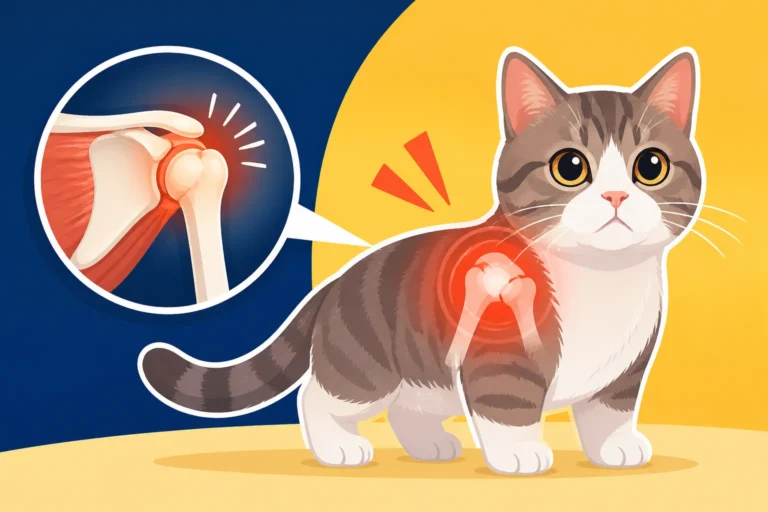
The chronic compression, increased impact forces during landing, and constant muscular effort take their toll not just on the spine, but also on the major joints. Like any mechanical system under continuous stress, the intervertebral discs, the facet joints of the spine, and the peripheral joints (especially in the shoulders, elbows, and hips) can experience accelerated wear and tear. This can manifest as early onset arthritis or degenerative joint disease.
For Munchkins, the spinal discs are constantly compressed, which can lead to desiccation (drying out) and loss of elasticity over time, increasing the risk of disc herniation. The facet joints, which guide spinal movement, can also become arthritic. Furthermore, the weight-bearing joints of their short legs, particularly the shoulders and elbows, are subjected to higher impact forces. While Whether a Munchkin Gets Arthritis Earlier is a common concern, the biomechanical realities certainly suggest a predisposition to increased joint stress. Owners might notice their Munchkin becoming less eager to jump, slower to move, or showing signs of stiffness as they age. This makes proactive joint care, including diet and supplements, and regular veterinary check-ups essential for the breed, possibly even more so than for a normal-legged cat. Pet insurance plans like those offered by Healthy Paws can be incredibly helpful in managing the costs associated with diagnosing and treating these age-related or congenital joint conditions.
The Role of Weight Management and Lifestyle
Understanding the unique spinal load on a Munchkin cat isn't just about anatomy; it's about proactively managing their environment and lifestyle to mitigate potential health risks. Two of the most critical factors an owner can control are weight and home adaptations.
The Peril of Excess Weight
For any cat, maintaining a healthy weight is paramount for overall well-being, but for a Munchkin, it is absolutely non-negotiable and perhaps the single most important aspect of their care plan. Even a small amount of extra weight on a short-legged cat can have disproportionately severe consequences for their spine and joints. Imagine trying to carry an extra 10 pounds if your legs were already half the normal length – the strain would be immense.
Every additional gram of fat directly contributes to increased compressive force on the intervertebral discs and the weight-bearing joints of their limbs. This amplifies the constant gravitational stress already present and exacerbates the wear and tear on cartilage and ligaments. An overweight Munchkin will experience more pain, stiffness, and a faster progression of conditions like arthritis and disc degeneration. Their already challenged gait becomes even more strained, making movement difficult and further reducing their quality of life. This is why Why Weight Is More Dangerous on a Munchkin is not an exaggeration; it's a critical reality. Owners must be diligent with portion control, calorie monitoring, and regular weigh-ins to ensure their Munchkin stays lean and healthy, preserving their spinal and joint integrity for as long as possible.
Adapted Environments for Spinal Health
Given the biomechanical challenges, creating an adapted environment is not a luxury but a necessity for a Munchkin cat. The goal is to minimize the need for high-impact activities like jumping and repeated stair climbing, which put the most stress on their spine. This means With a Munchkin the House Changes, Not the Cat. Instead of expecting them to adapt to a typical cat's world, we must adapt their world to them.
Ramps and pet steps are indispensable tools. These should be strategically placed to provide easy, low-impact access to favorite sleeping spots like beds and sofas, as well as to windowsills for sunbathing and birdwatching. Low-entry litter boxes are also crucial, preventing painful contortions or awkward stretching that can strain the back. Even something as simple as providing cat trees with closely spaced platforms can make a huge difference. By eliminating the need for strenuous jumps and descents, you significantly reduce the cumulative stress on their spine and joints throughout the day, every day. These simple modifications can drastically improve their comfort, mobility, and long-term spinal health.
Exercise and Physical Therapy
While minimizing high-impact activities is important, appropriate and regular exercise is equally vital for maintaining a Munchkin's muscle strength, flexibility, and a healthy weight. The key is low-impact activity. Engage them with toys that encourage horizontal movement and play on the floor, rather than vertical jumps. Wand toys that drag along the ground, rolling balls, and puzzle feeders that require movement without elevation are perfect.
Controlled exercise helps keep their core muscles strong, which in turn supports their spine. If a Munchkin shows signs of stiffness, pain, or reduced mobility, consultation with a veterinarian and potentially a veterinary physiotherapist can be immensely beneficial. Physiotherapy can include gentle exercises, massage, hydrotherapy (swimming in a controlled environment), or laser therapy to improve muscle strength, flexibility, and reduce pain. These interventions can significantly enhance their quality of life and slow the progression of degenerative conditions. Many pet insurance providers, including Healthy Paws, offer coverage for these kinds of rehabilitative therapies, making them more accessible for owners committed to their Munchkin's long-term health. Regular, thoughtful activity is not just about fun; it’s a crucial component of spinal health management for these unique felines.
Lifelong Care and Monitoring for Spinal Health
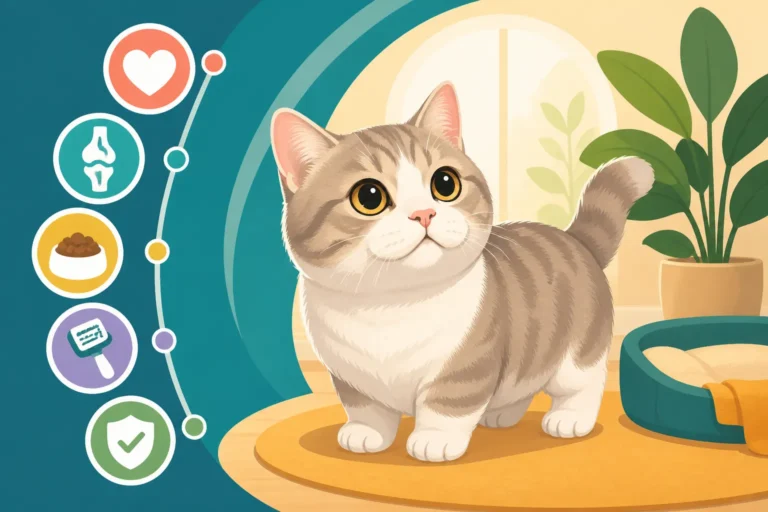
Owning a Munchkin cat means committing to a lifetime of proactive care, particularly when it comes to their spinal health. Their unique physiology demands a vigilant approach from kittenhood through their senior years to ensure they live a comfortable and fulfilling life.
Regular Veterinary Examinations
From the moment you bring a Munchkin kitten home, regular veterinary examinations are paramount. Why a Munchkin Kitten Needs an Early Vet Check cannot be overstated. A vet can assess their gait, posture, and spinal conformation, identifying any early signs of lordosis or other musculoskeletal issues. These initial assessments provide a baseline for future monitoring. As they grow into adulthood and senior years, these check-ups become even more critical.
During routine visits, your veterinarian will carefully palpate the spine, observe their movement, and discuss any changes in behavior or mobility you've noticed. They might recommend imaging, such as X-rays, as your Munchkin ages, especially if there are concerns about arthritis or disc degeneration. Early detection allows for prompt intervention and management, which can significantly improve their long-term comfort and mobility. Don't hesitate to discuss their unique needs with your vet, and ensure they understand the specific biomechanical considerations of the breed. Having comprehensive pet insurance, like a plan from Healthy Paws, can provide immense peace of mind, covering the costs of these routine check-ups, diagnostic imaging, and any specialist consultations that may become necessary over your Munchkin's lifetime.
Nutritional Support for Joints and Spine
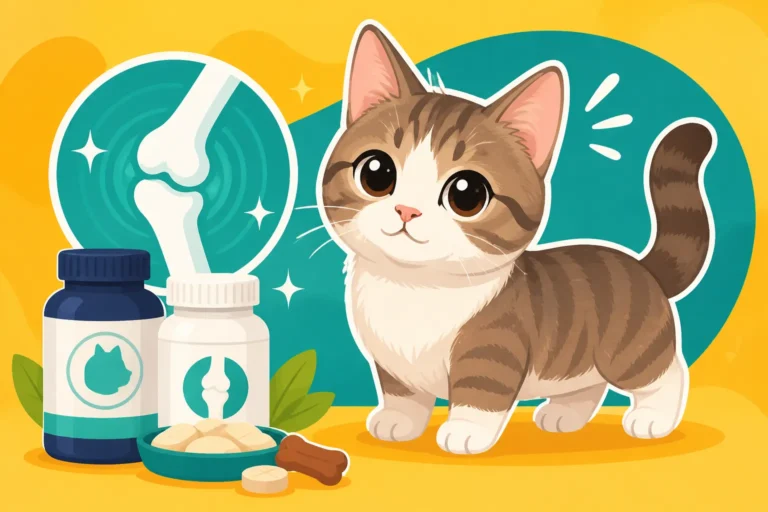
Diet plays a crucial role in managing a Munchkin's weight and supporting their musculoskeletal system. A high-quality diet appropriate for their age and activity level is foundational. Given their predisposition to joint issues, choosing a food formulated with joint-supportive ingredients can be beneficial. Look for foods that include omega-3 fatty acids (like EPA and DHA), glucosamine, and chondroitin. These ingredients are known to help reduce inflammation and support cartilage health.
Beyond the food itself, portion control is key, as discussed earlier. Every calorie counts for a Munchkin. Additionally, discuss with your vet whether specific joint supplements are appropriate. These often come in palatable chews or powders that can be added to their food. While supplements aren't a magic bullet, they can provide additional support to the joint cartilage and synovial fluid, potentially slowing the progression of degenerative changes and enhancing comfort. Always introduce new supplements under veterinary guidance to ensure they are safe and effective for your individual cat.
Recognizing Signs of Discomfort or Pain
Munchkin cats are generally very stoic, and like many felines, they are masters at hiding pain or discomfort. This means owners need to be particularly observant and attuned to subtle changes in their cat's behavior. Early recognition of pain can lead to quicker intervention and better outcomes.
Signs of spinal or joint discomfort might include:
- Reluctance to jump or use steps/ramps: If your cat suddenly avoids going to their favorite high spots, or struggles more than usual, it’s a red flag.
- Changes in gait: A more pronounced limp, stiffness, or an altered "ferret-like" walk.
- Increased irritability or withdrawal: Pain can make even the sweetest cat grumpy or less social.
- Changes in grooming habits: Difficulty reaching certain areas to groom, especially their hindquarters or back, can indicate spinal discomfort.
- Difficulty with litter box use: Straining or obvious discomfort while squatting in the litter box could signal back pain.
- Reduced playfulness or energy levels: A previously active cat becoming more lethargic.
If you notice any of these signs, don't delay in contacting your veterinarian. Early intervention, whether it's through pain management, anti-inflammatory medication, or physical therapy, can make a significant difference in your Munchkin's comfort and mobility. Having pet insurance can alleviate the financial stress of these necessary diagnostics and treatments, ensuring you can provide the best care without hesitation. This holistic approach to Caring for a Munchkin Past Ten truly encapsulates the dedication required to manage their unique health considerations throughout their lifespan.
Munchkin vs. Normal Cat: Spinal Load Factors
To further illustrate the differences, here's a comparison of how various factors impact the spinal load in Munchkin cats versus normal-legged cats.
| Factor | Normal-Legged Cat | Munchkin Cat | Spinal Load Implication (Munchkin vs. Normal) |
|---|---|---|---|
| Leg Length | Long, proportional to body | Short, disproportionate to normal-length body | Significantly higher compression and strain |
| Center of Gravity | Higher, allowing for varied postures and movements | Lower, leading to constant horizontal posture | Increased gravitational compression |
| Gait/Locomotion | Fluid, powerful strides; efficient shock absorption | Ferret-like, rapid, waddling; less shock absorption | Higher impact, more torsional stress |
| Jumping/Landing | Powerful springs, excellent shock absorption | Requires more effort; less shock absorption on landing | Greater compressive forces on landing |
| Spinal Muscles | Efficiently support spine, varied engagement | Near-constant engagement, prone to fatigue and strain | Chronic muscle tension and overwork |
| Weight Impact | Manageable with moderate excess weight | Highly sensitive; even slight excess creates severe strain | Disproportionately higher with any weight gain |
| Environmental Needs | Generally adaptable to standard home environments | Requires adapted environment (ramps, steps, low furniture) | Greater need for external support to reduce load |
| Potential Spinal Issues | Lower incidence of lordosis, less prone to early disc degeneration | Higher incidence of lordosis, increased risk of early disc degeneration and arthritis | Higher risk of specific spinal conditions and accelerated wear |
Disclaimer
This article is intended for informational purposes only and does not constitute professional veterinary advice. Always consult with a qualified veterinarian for any health concerns or before making any decisions related to your pet's care, diet, or treatment. The specific needs of your Munchkin cat may vary.