How to Set Up Floor Level Enrichment for a Munchkin
It's a common misconception that because Munchkin cats have shorter legs, they're somehow less active or playful than other felines. The truth is, they're just as curious, energetic, and intelligent, but their physical limitations mean they can't always reach the same heights or navigate their environment in the same way. This can lead to frustration or even boredom if their space isn't set up to cater to their unique needs. This guide will walk you through how to create a stimulating, safe, and enriching home environment designed specifically for your short-legged companion, ensuring they can explore, play, and thrive at floor level.
Understanding Your Munchkin's Unique Needs for Enrichment
Bringing a Munchkin into your home means embracing their unique physicality and understanding that their world largely exists at ground level. While they are incredibly resilient and adaptive, ignoring their short stature when planning their environment can inadvertently lead to them feeling left out or physically strained. Their playful instincts are just as strong as any other cat's, but the way they interact with their surroundings needs careful consideration.
The Floor is Their Kingdom: Why Height is a Challenge
Imagine wanting to explore every nook and cranny, to stalk imaginary prey, or simply to observe your domain from a comfortable perch, but finding that many surfaces are just out of reach. This is the daily reality for a Munchkin cat. Their short legs, a result of a naturally occurring genetic mutation, mean that the vertical world we take for granted as cat owners becomes a series of hurdles. They can't effortlessly leap onto kitchen counters, scale tall cat trees with widely spaced platforms, or even jump onto many beds or sofas without significant effort or multiple intermediate steps. This isn't to say they don't try – oh, they will! But repeated attempts at jumps that are too high can put undue strain on their spine and joints over time, especially their front legs and shoulders, which bear the brunt of landings. Why a Munchkin's Elbows Take the Landing details some of these concerns. Our role as owners is to make their environment accessible and enriching without forcing them into physically demanding situations that could lead to injury or discomfort.
It’s easy to feel bad about their limitations, but remember, they don't know they're different unless we make it obvious by failing to adapt their world. A Munchkin will find joy in what it can do, and with the right setup, their abilities are truly impressive. They are incredibly agile on the flat, and you’ll often find them zipping around corners with a surprising burst of speed, turning tight circles that longer-legged cats might struggle with. The enrichment we provide should leverage these strengths, focusing on horizontal exploration and cleverly designed vertical access. It's about designing a cat-centric home where every adventure starts and ends on solid ground, or at least, easily accessible steps.
Instincts Remain, Access Changes: What They Still Want to Do
Despite their physical differences, Munchkins are still cats through and through. They retain all the natural instincts of their feline cousins: the urge to hunt, stalk, climb (within reason!), scratch, hide, and observe. They still need mental stimulation, physical exercise, and opportunities to express these innate behaviors to live a happy, fulfilled life. The frustration comes when their environment doesn't offer these outlets in an accessible way. A normal cat tree might be a barren tower to them, and a high window perch an unreachable dream. This is where creative floor-level enrichment comes in, ensuring their world is as rich and engaging as any other cat's.
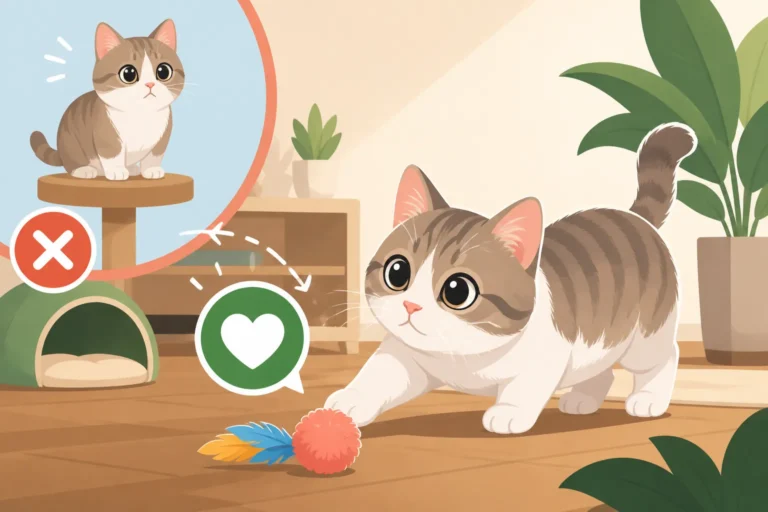
Think about the joy a cat gets from batting at a toy hanging from a doorframe. For a Munchkin, that toy needs to be much lower, perhaps on a string they can reach from a sitting position, or a robust kicker toy on the floor. Their hunting instincts can be satisfied with puzzle feeders that dispense treats as they bat them around, or with wand toys that are kept low to the ground, simulating scurrying prey. They still crave places to observe, even if that means a low-level window perch or a comfy bed tucked under a coffee table. Understanding these fundamental feline needs, and then adapting the delivery method to their unique physical structure, is the key to successful Munchkin enrichment. What a Munchkin Does All Day at Floor Level dives deeper into their daily routines.
Essential Floor-Level Enrichment Zones
Creating an enriching environment for your Munchkin means thinking in zones – specific areas of your home dedicated to different types of activity, all within their easy reach. By strategically placing these zones, you encourage natural behaviors and provide a varied landscape for your curious feline.
Play and Hunt Zones: Keeping Them Engaged
These are the active areas where your Munchkin can burn off energy and satisfy their predatory instincts. Because they excel at floor-level speed and agility, focus on toys and activities that leverage these strengths. Think about long hallways, open rooms, or designated play corners where they can run, pounce, and chase.
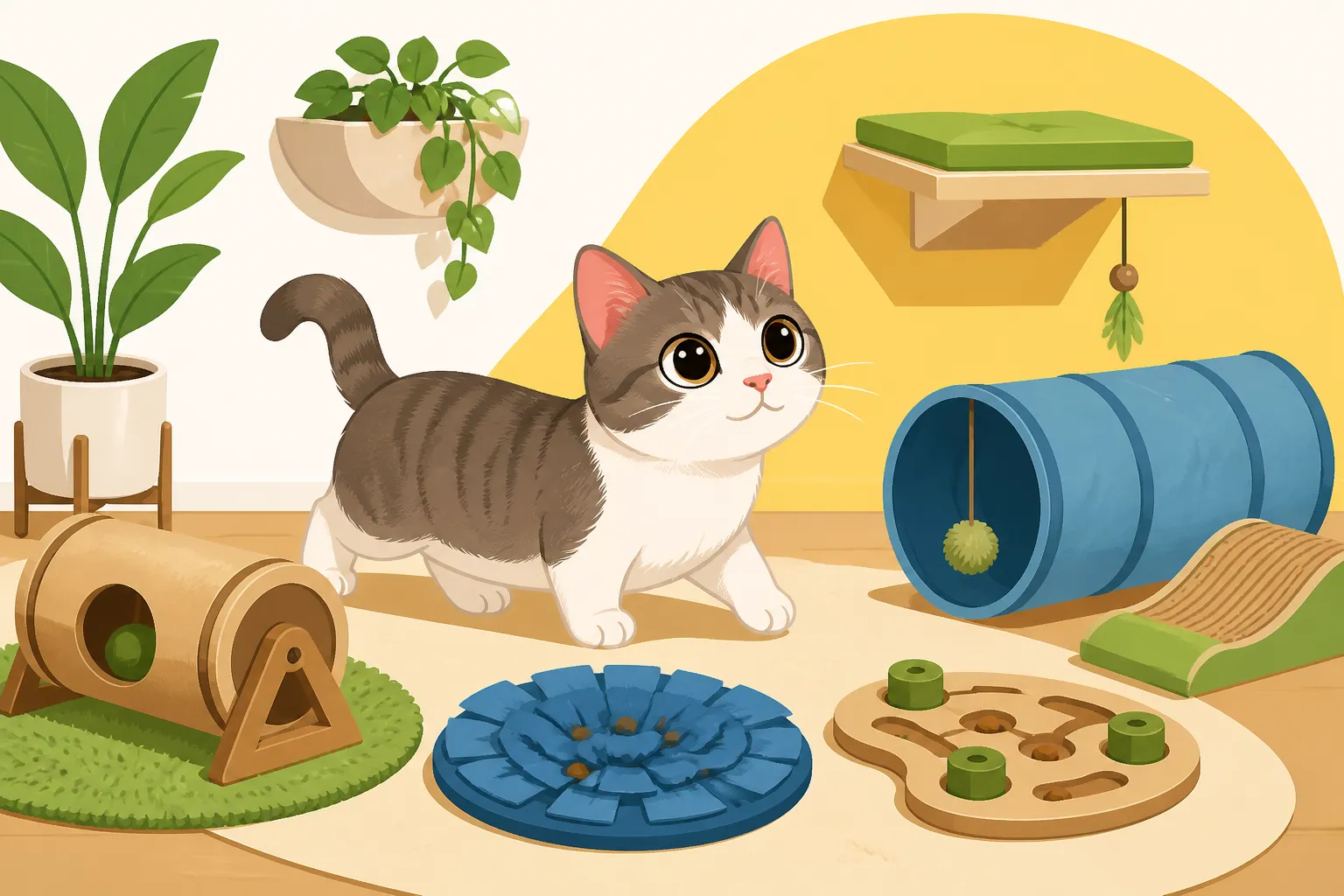
For interactive play, wand toys are fantastic, but you need to keep the "prey" at their level. Dragging feathers or mice along the floor, under rugs, or around furniture corners mimics natural hunting scenarios perfectly. Toys on elastic cords that hang low from doorframes or furniture are also great, ensuring the excitement is always within reach. Crinkle balls, soft mice, and kicker toys that they can grapple with are essential. You might even consider investing in an automated toy that rolls or vibrates across the floor – many excellent options are available on Amazon that are designed for ground-level interaction. Remember, the goal isn't just physical exertion, but also mental engagement. Introducing new textures, sounds, and movements keeps their minds sharp. Regularly rotating toys also helps prevent boredom; put some away for a week or two and then bring them back out like they're brand new!
| Activity Type | Description | Ideal for Munchkins | Benefits |
|---|---|---|---|
| Chase & Pounce | Rolling balls, remote-control toys, wand toys dragged across the floor. | Toys kept at ground level or just slightly above. Avoid high hanging toys. | Physical exercise, satisfies hunting instinct, mental stimulation. |
| Grapple & Kicker | Large, soft toys designed for hugging and kicking with hind legs. | Placed on the floor for easy access. | Outlet for aggressive play, engages hind legs, stress relief. |
| Puzzle & Forage | Dispensing treats slowly, requiring manipulation to release food. | Low-profile, stable puzzles they can bat, nudge, or lick. | Mental stimulation, slows eating, prevents boredom. |
| Hide & Seek | Tunnels, paper bags (handles removed), open-ended boxes. | Easy entry and exit, wide enough for comfortable movement. | Sense of security, exploration, mimic natural denning behavior. |
| Scratch & Stretch | Horizontal scratch pads, low-angle scratching posts. | Accessible heights, stable, provides grip for stretching. | Nail health, marking territory, muscle stretching. |
Rest and Observe Zones: Safe Spaces at Ground Level
Every cat needs a safe, comfortable place to retreat, relax, and observe their surroundings, and Munchkins are no exception. These zones should be low to the ground and offer a sense of security. Elevated perches are out of the question for easy access, so we need to get creative.
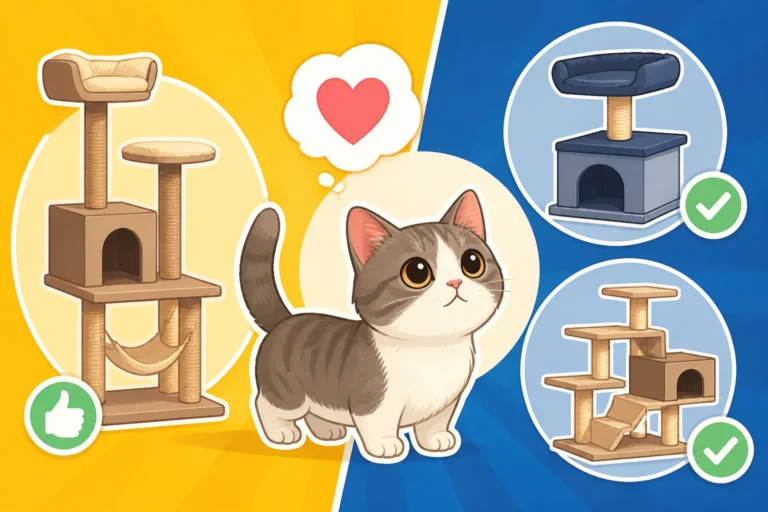
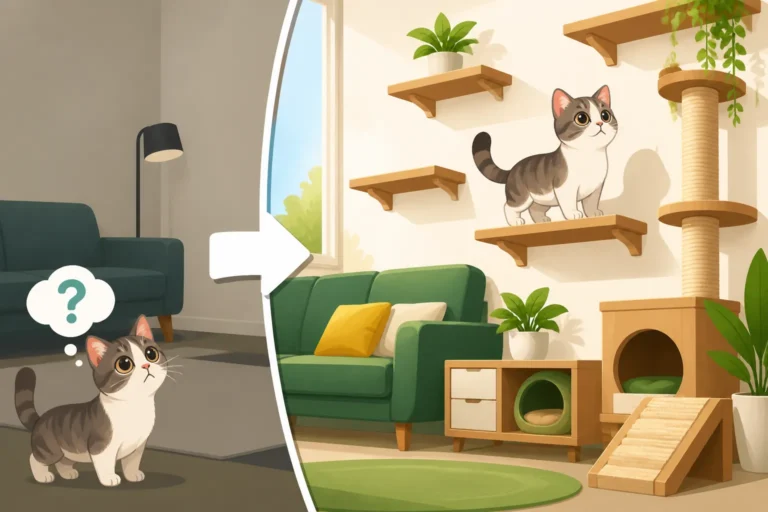
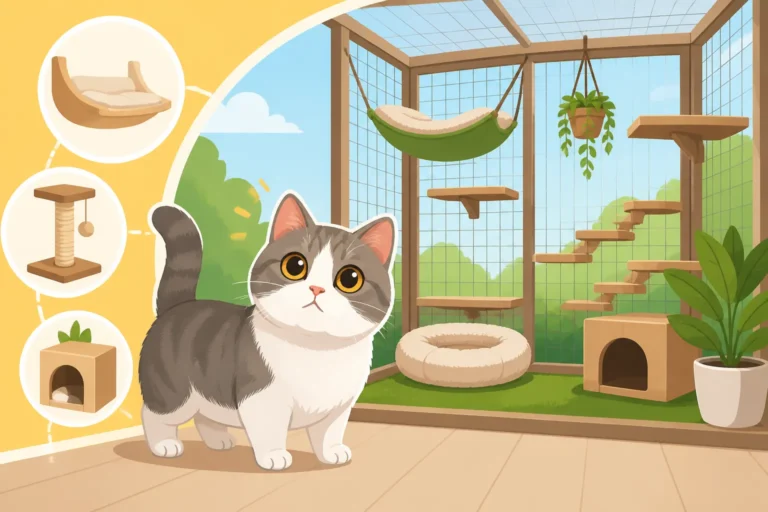
A soft, plush bed placed directly on the floor in a quiet corner is a must. Many cats also love enclosed spaces, so consider an igloo-style bed, a cat cube, or even a cozy cave bed. These provide a sense of security, mimicking a den. For observation, consider placing a low cat tree with closely spaced platforms, or a sturdy stool next to a window that provides an interesting view. The key here is a graduated ascent; your Munchkin should be able to climb it like a staircase, not jump significant distances between levels. A catio designed with low ledges and ramps can also be a fantastic way for them to enjoy the outdoors safely. How to Arrange a Munchkin's Room in One Plane offers more ideas for seamless navigation. Don't underestimate the simple joy of a cardboard box! A plain, open-ended box on its side can become a favorite hiding spot or an ambush point for playtime.
Feeding and Foraging Zones: Mental Stimulation Through Meals
Mealtime isn't just about nutrition; it's another prime opportunity for enrichment. Foraging for food taps into a cat's natural hunting instincts and provides valuable mental stimulation, preventing boredom and slowing down fast eaters. Plus, for Munchkins, the setup needs to be mindful of their posture.
First, ensure their food and water bowls are at a comfortable height. While it might seem counterintuitive for a short-legged cat, slightly raised bowls can actually help reduce strain on their neck and shoulders as they eat. You don't want them bending too far down, especially as they age. Look for ceramic or stainless steel bowls on a low stand, or even a specifically designed "cat dining" station. Many pet brands offer these on Amazon. Second, introduce puzzle feeders. These come in various forms, from simple balls that dispense kibble as they're batted around, to more complex trays with nooks and crannies where treats are hidden. These force your Munchkin to "work" for their food, engaging their brain and preventing them from gobbling their meal too quickly. Which Puzzle Feeders a Munchkin Can Reach Into has specific recommendations. Even scattering a portion of their dry kibble in different low-traffic areas of a room can turn mealtime into a fun scavenger hunt, stimulating their sense of smell and encouraging movement.
Smart Adaptations and DIY Solutions for Ground-Level Living
You don't have to overhaul your entire home or spend a fortune to make it Munchkin-friendly. Often, it's about making small, thoughtful adjustments and getting creative with everyday items. The goal is to facilitate access and ensure every area of the home is safe and engaging, whether they have short legs or not.
Modifying Existing Furniture and Toys
The good news is that many of your existing cat toys and furniture can be adapted or simply used differently. For example, that tall scratching post you have might be ignored because it's too high to stretch on. Instead, offer horizontal scratch pads or low-angled scratching ramps that they can use while standing or even lying down. Which Scratching Post a Munchkin Can Use provides some excellent ideas.
Your sofa or bed might be a bit too high for a direct jump. Instead of lifting them every time (which can be cute, but doesn't encourage independence), place sturdy ottomans, low storage benches, or even stacks of firm cushions strategically to create intermediate steps. These act as mini platforms, allowing your Munchkin to ascend and descend gracefully. Just make sure whatever you use is stable and won't tip over. For toys, think about attaching fishing line or string to dangling toys and securing them to lower furniture legs or door handles. This brings the excitement down to their level, allowing them to swat and play without needing to jump vertically. Even a simple paper grocery bag (with the handles removed, of course, to prevent entanglement) laid on its side becomes a thrilling tunnel or hiding spot.
The Power of Ramps and Steps
Ramps and steps are perhaps the most vital pieces of equipment for a Munchkin-friendly home. They are not luxuries; they are necessities that grant your cat independence and protect their joints. Without them, your Munchkin might be forced to make repeated, strenuous jumps, or simply give up on reaching comfortable spots. Ramps and Steps Are Munchkin Equipment, Not Luxuries elaborates on this point.
Invest in well-constructed pet ramps or steps for areas like your bed, sofa, or any elevated window perches you want them to reach. When choosing, look for ramps with a gentle incline and a non-slip surface, like carpet or ribbed fabric, to give them good traction. For steps, ensure they are wide enough and have a low rise between each step, making it easy for their short legs to navigate. You can find a variety of suitable options on Amazon, often marketed for small dogs or senior pets, which work perfectly for Munchkins. Don't be afraid to DIY either! Simple wooden planks covered in carpet scraps can be transformed into effective ramps, or you can build low, sturdy steps from plywood. Position them strategically where your Munchkin naturally tries to access higher spots. Initially, you might need to coax them with treats or praise to use the ramps and steps, but most Munchkins quickly appreciate the easy access and newfound independence.
Integrating Floor-Level Enrichment into Daily Life
Building a Munchkin-friendly environment isn't a one-and-done project. It's an ongoing process of observation, adjustment, and consistency. Your cat's needs might change over time, and keeping things fresh will ensure they remain engaged and happy.
Routine and Rotation: Keeping Things Fresh
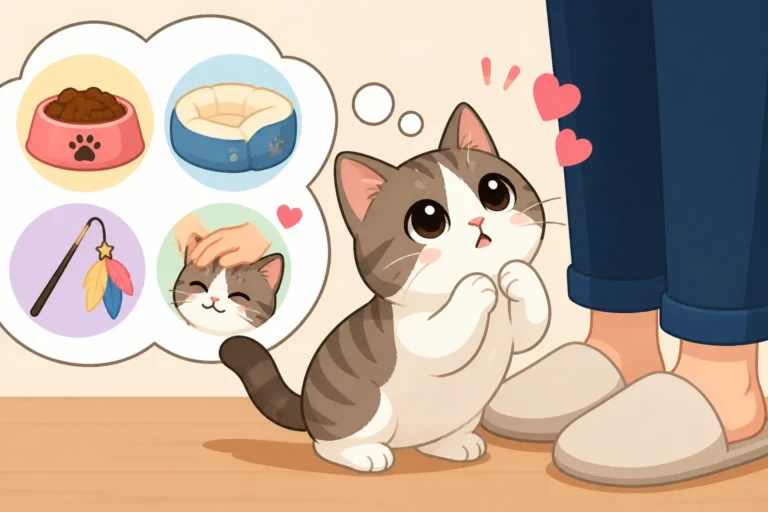
Cats, including Munchkins, are creatures of habit but also benefit from novelty. A consistent daily routine, including dedicated playtimes, feeding schedules, and cuddle sessions, provides a sense of security and predictability. However, within that routine, you can introduce variety. This is where toy rotation comes in. Instead of leaving all their toys out all the time, divide them into groups and rotate them every few days or weekly. This makes old toys feel new again and prevents your Munchkin from becoming bored with the same stimuli.
You can also rotate the location of certain enrichment items. Move a favorite tunnel to a different room, hide a puzzle feeder in a new spot, or rearrange some cushions to create a fresh "climbing" path to a low window perch. Even subtle changes can spark their curiosity and encourage new exploration. Remember, consistency in providing enrichment is key, but the form of that enrichment can and should vary. This keeps their minds active and prevents them from simply going through the motions.
Observing Your Munchkin's Preferences
Every cat is an individual, and your Munchkin will have their own unique preferences when it comes to play, rest, and exploration. What one Munchkin adores, another might ignore. The best way to know what truly enriches your cat's life is to observe them carefully. Pay attention to which toys they play with most enthusiastically, which areas of the house they frequent, and how they try to navigate their environment.
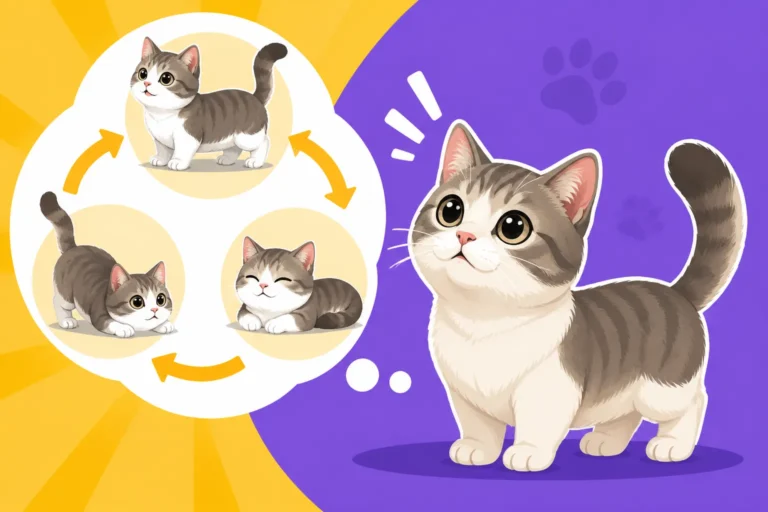
Are they constantly pawing at the edge of the sofa, looking for a way up? That's your cue to add some steps or a ramp. Do they ignore a particular puzzle feeder? Maybe try a different style that's easier or more challenging. Are they spending a lot of time "prairie dog sitting" to get a better view? Perhaps a low window perch or a designated observation spot is needed. What a Munchkin Is Looking At When It Sits Up can give you more insight into this classic pose. Don't be afraid to experiment! Introduce new types of toys, adjust the height of accessible platforms, or create new foraging opportunities. Your Munchkin will tell you, through their engagement and happiness, what works best for them. This ongoing dialogue, understood through their behavior, is the most rewarding part of providing thoughtful, floor-level enrichment.
Disclaimer
This article is for general informational purposes only and does not constitute professional advice. Laws, prices and regulations vary by location and change over time. Consult a qualified professional for guidance on your specific situation.