What a Munchkin Is Looking At When It Sits Up
If you've ever owned a Munchkin cat, or even just seen pictures and videos, you've probably witnessed that incredibly charming, almost iconic "prairie dog" sit. They perch upright on their hind legs, front paws tucked daintily, looking around with an intense, focused gaze. It's adorable, certainly, but it often leaves us wondering: what exactly has caught their attention? This guide will dive deep into the fascinating world of your Munchkin's upright posture, exploring what drives this unique behavior and what it might be telling you about their perspective on the world.
Why Munchkins Adopt the Upright Posture
The Munchkin's distinctive "prairie dog" sit isn't just a cute quirk; it's a fascinating behavioral adaptation directly related to their unique physical conformation. Unlike their long-legged feline cousins, Munchkins have a form of dwarfism called pseudoachondroplasia, which results in significantly shorter limbs while their body length remains proportionate to other cats. This means they experience the world from a much lower vantage point, and this upright stance is their ingenious way of gaining a few precious inches of height.
Compensating for Short Stature
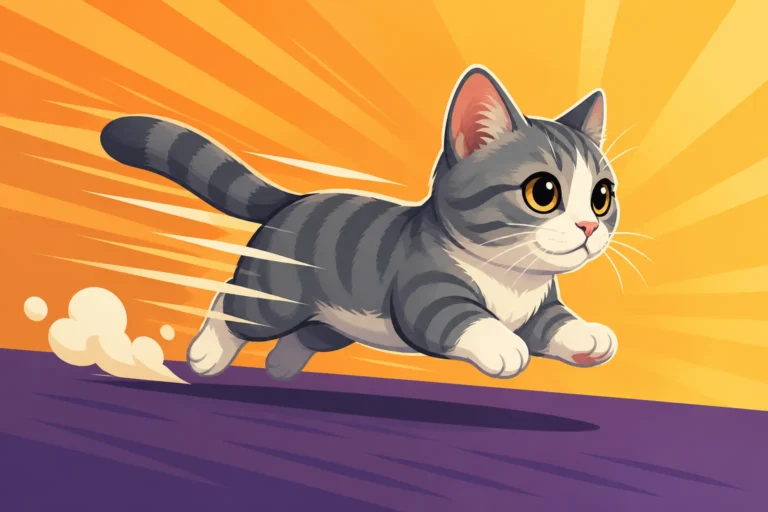
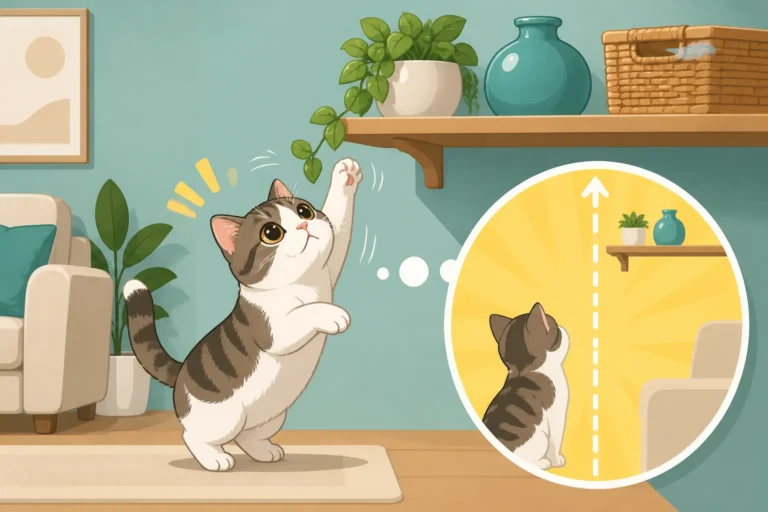
Imagine trying to see over a fence when you're only a foot tall. That's a bit like a Munchkin's everyday challenge. Their short legs, while enabling incredible speed and agility on the flat, limit their vertical reach. They simply cannot jump as high or as easily as a normal-legged cat. So, when they want a better view, or to investigate something just out of their typical eye line, rising up on their hind legs is their primary strategy. It allows them to briefly elevate their head and neck, extending their field of vision and improving their ability to pinpoint sounds or scents. It’s a natural compensation, a clever way to momentarily overcome their physical limitations and engage more fully with their environment. They are simply trying to get a better look at their world, which for them is perpetually at ankle-height for humans. Why a Munchkin's Legs Are Short but Its Body Is Not delves deeper into their unique anatomy.
Instinctual Curiosity and Surveillance
Cats are naturally curious creatures, and Munchkins are no exception. They are constantly surveying their surroundings, assessing for threats (even imaginary ones!), tracking prey (even dust bunnies), and generally keeping tabs on the household. Because their world is often lived at floor level, the upright sit becomes a vital tool for surveillance. It allows them to peek over low furniture, scan the room, or even get a better angle on something happening on a counter that a taller cat might reach with a simple jump. This isn't just about curiosity; it's also about feeling secure in their territory. By periodically gaining a higher perspective, they can better understand their domain and respond to any changes within it. Think of it as their personal periscope, deployed whenever something intriguing or unfamiliar enters their low-to-the-ground world.
What Drives the "Prairie Dog" Gaze
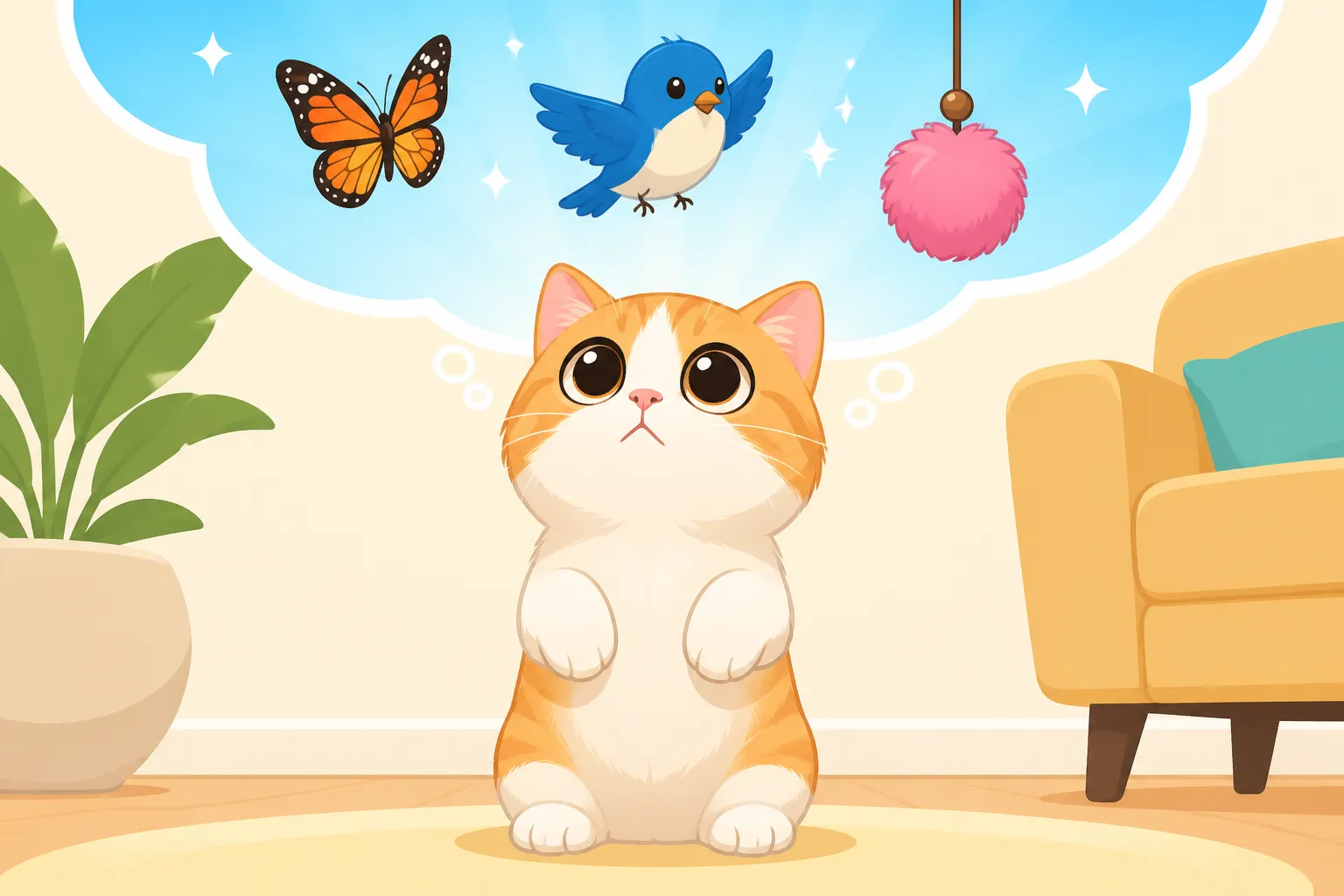
When a Munchkin sits up and gazes intently, their focus can be on a myriad of things. It's often driven by a combination of visual, auditory, and olfactory stimuli, all heightened by their desire to understand their surroundings from a better angle. Observing their posture, ear position, and the direction of their gaze can offer clues as to what has captured their attention.
Visual Stimuli: Catching Movement or Detail
More often than not, a Munchkin's upright sit is triggered by something they've seen. This could be anything from a fluttering curtain, a dust motes dancing in a sunbeam, or a reflection off a shiny surface. Since they spend so much time looking up at the world, any small movement at a slightly elevated height can become a major event. Perhaps a fly is buzzing near the ceiling, or a family member is walking past a doorway in the distance. They might be trying to follow the trajectory of a thrown toy, or simply observing the subtle movements of your hands as you cook. Even something as mundane as a new object placed on a low shelf can prompt them to rise up for a closer inspection. Their eyes, positioned perfectly to scan their low environment, are suddenly elevated, giving them a whole new perspective on the details they might otherwise miss. They want to know what's going on, and getting an eye-level view, even briefly, is paramount. How High a Munchkin Can Actually Jump demonstrates their usual limits, making the prairie dog sit even more important for visual information.
Auditory Cues: Pinpointing Sounds
Cats have incredibly sensitive hearing, and a subtle sound can easily pique a Munchkin's interest, prompting them to sit up. They might be listening for the distinctive rustle of a treat bag, the jingle of keys, or the sound of an approaching family member. If there's an unfamiliar noise outside, like a distant siren or a neighbor's dog barking, they might rise up to better orient their ears and pinpoint the sound's direction and source. The upright posture often allows them to subtly adjust their head, enabling more precise sound localization. It’s not just about hearing the sound, but understanding where it's coming from and what it might mean. This is their way of tuning into the world, filtering out ambient noise to focus on what truly matters. Sometimes, you'll see their ears swivel independently, like little radar dishes, as they hold the pose.
Olfactory Investigation: Sensing Scents
While not always immediately obvious, a strong or novel scent can also drive a Munchkin to adopt their upright stance. Cats use their sense of smell to gather a tremendous amount of information about their environment. If a new scent drifts into the room – perhaps from a grocery bag, a visitor's shoes, or a recent outdoor excursion of a family member – a Munchkin might sit up, taking deeper sniffs to fully process the information. This is particularly true if the scent is coming from a slightly elevated source, or if they need to clear their nasal passages for a better sniff. Their upright position allows them to raise their nose higher, sometimes even displaying a flehmen response, where they curl back their upper lip to draw in pheromones and complex scents more effectively. They are trying to "taste" the air, gathering vital intelligence about who or what has been in their territory. What a Munchkin Is Looking At When It Sits Up explores this fascinating behavior.
Interpreting the Munchkin's Upright Posture
Understanding why a Munchkin sits up is one thing, but interpreting what that specific instance means requires paying attention to context and subtle body language. Is it a quick peek, a prolonged stare, or something else entirely? These nuances can tell you a lot about your cat's mood and intentions.
Relaxed Observation vs. Alert Vigilance
The "prairie dog" sit can range from a relaxed, curious observation to an alert, almost startled vigilance. A relaxed Munchkin might sit up for a few seconds, casually observing a bird outside the window or watching you move around the room, before gracefully settling back down. Their ears might be relaxed, facing forward, and their tail might be loosely curled or gently swaying. This usually indicates simple curiosity or engagement with their environment.
However, an alert Munchkin will likely hold the posture for longer, sometimes stiffening their body. Their ears might be swiveling rapidly, or pinned back slightly if they're startled. Their pupils might be dilated, and their tail could be held stiffly behind them or twitching. This usually suggests they've detected something potentially new, unusual, or even concerning. They're gathering information, assessing the situation, and deciding if further action (like hiding or pouncing) is necessary. You can learn more about how long they typically hold this pose in How Long a Munchkin Holds That Sit.
Seeking Attention or Play
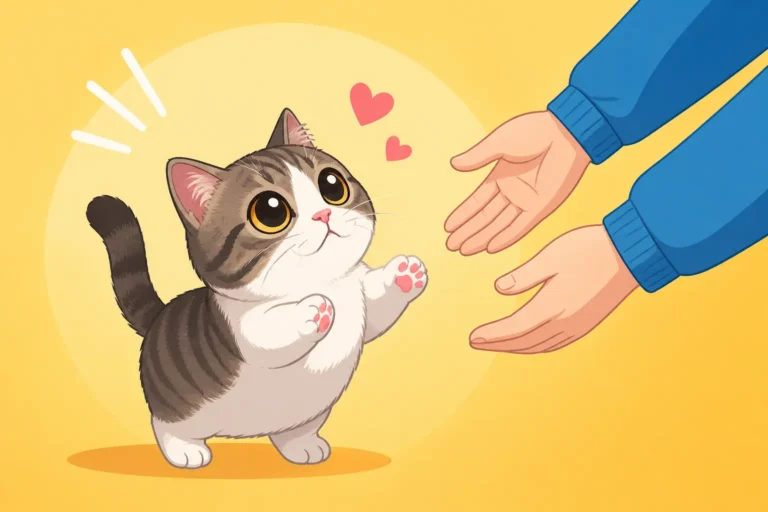
Sometimes, the upright sit is a direct bid for your attention. If your Munchkin sits up and looks directly at you, perhaps with a soft meow or a chirrup, they might be asking for a cuddle, a treat, or a play session. They've learned that this adorable pose often gets a positive reaction from their humans. They might be trying to signal that they want to be lifted onto your lap or a piece of furniture they can't reach themselves. This is especially common if you've previously responded to their upright stance with interaction. It's their way of saying, "Hey, look at me! I'm here, and I'd like something from you." Understanding What a Munchkin Is Looking At When It Sits Up often comes down to understanding you.
On the other hand, an upright sit can precede play. If they're watching a wand toy or a laser pointer, they might sit up to track its movement before launching into a playful chase. This pose allows them a quick mental calculation of distance and trajectory before they commit to the pounce. It's a momentary pause, a strategic assessment of their "prey."
Here's a quick guide to interpreting their upright sit:
| Posture/Behavior | Ear Position | Eye Focus | Tail Action | Possible Interpretation |
|---|---|---|---|---|
| Short, Casual Sit | Forward, Relaxed | General Scanning | Loose, Gentle Sway | Mild curiosity, observing normal activity |
| Prolonged, Stiff Sit | Swiveling, Alert | Fixed on one spot | Stiff, Twitching | Investigating unusual sound/sight, potential alarm |
| Sit + Direct Gaze at You | Forward, Relaxed | On your face | Gentle Sway | Seeking attention, asking for something |
| Sit + Body Tense | Forward, Dilated | Fixed on "prey" | Low, Twitching | Pre-pounce, planning to engage in play |
| Sit + Wide Eyes | Pinned Back | Scanning rapidly | Tucked low, Puffed | Fear, startled, assessing a perceived threat |
Potential Spinal Strain
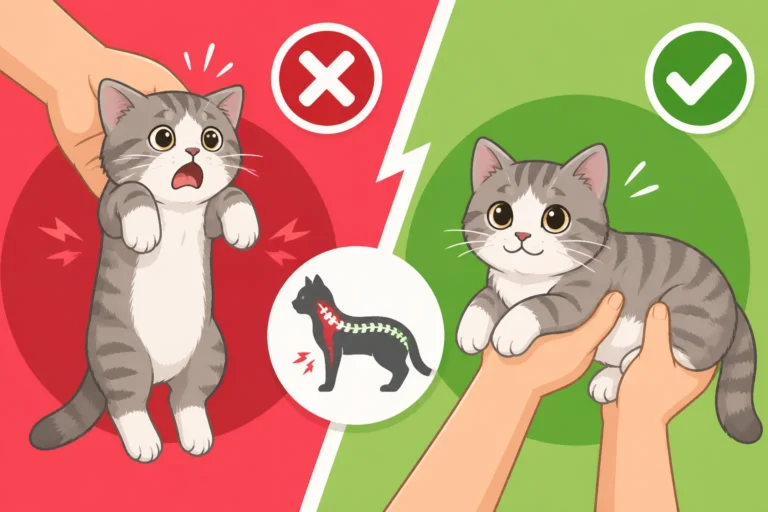
While the "prairie dog" sit is a natural and charming behavior for Munchkins, it’s worth being aware of the potential for spinal strain, especially if they hold the pose for extended periods or do it very frequently. Munchkins already have a unique spinal structure due to their shortened limbs, and while their backs are generally proportionate, repeated or prolonged vertical loading might put extra stress on their vertebrae and supporting musculature. This is why it's important to monitor their comfort levels. If you notice your Munchkin showing signs of discomfort after sitting up, such as reluctance to move, tenderness, or a change in gait, it’s always best to consult with your vet. Whether the Prairie Dog Sit Strains a Munchkin's Spine is a crucial point for every owner to consider.
Supporting a Munchkin's Upright Exploration Safely
Since the upright sit is a natural and important part of a Munchkin's behavior, our role as owners is to ensure they can do it safely and effectively, while also providing alternatives for height gain that reduce potential strain.
Providing Safe, Accessible Heights
While the prairie dog sit helps them momentarily, it's not a substitute for accessible vertical territory. Munchkins still have that feline instinct to observe from a height or to have a safe escape route from floor level. This means creating a home environment where they can reach elevated spots without straining their bodies by jumping. Consider investing in pet steps or ramps for sofas, beds, and windowsills. Look for sturdy, non-slip options on Amazon that have a gentle incline or closely spaced steps.
A well-designed cat tree, often available on Amazon, is also a fantastic investment. The key is to find one with platforms that are close together, allowing them to ascend step-by-step rather than making big jumps. Which Cat Tree Layout Suits a Munchkin provides excellent guidance on selecting the right one. By providing these accessible "stairs," you empower your Munchkin to satisfy their desire for height safely, reducing their reliance on the upright sit for extended periods and minimizing the impact on their spine.
Encouraging Floor-Level Engagement
While they love to sit up, much of a Munchkin's play and interaction happens at floor level. Ensure you have plenty of toys and enrichment items that are easily accessible without them needing to jump or stretch excessively. Wand toys are fantastic, as you can keep the "prey" on the floor for them to chase. Puzzle feeders that sit directly on the floor are also great for mental stimulation.
This focus on floor-level engagement not only caters to their natural movement patterns but also helps reduce the overall physical stress on their joints and spine. They'll still do their adorable prairie dog sit, but it will be out of curiosity and a desire for a brief vantage point, rather than a constant need to compensate for a lack of accessible vertical spaces. How Much Floor Level Play a Munchkin Needs is essential reading for new owners.
Monitoring for Discomfort
As your Munchkin ages, or if they have any underlying conditions, the upright sit might become more challenging or even uncomfortable. Keep a close eye on how often they do it, how long they hold the pose, and if there are any signs of stiffness or pain afterwards. Signs of discomfort might include:
- Reluctance to sit up.
- Wobbling or instability while sitting up.
- Crying out or flinching when touched on their back.
- A change in their normal gait or activity levels.
If you observe any of these, it's crucial to consult your veterinarian. They can assess your Munchkin for any spinal issues, arthritis, or other conditions that might be making the upright posture painful. Early intervention can significantly improve their quality of life. Regular vet check-ups, even for seemingly healthy Munchkins, should include a thorough examination of their spine and joints, to proactively identify any developing problems. Why an Old Munchkin Needs Its Route Lowered gives further insight into care as they age.
Disclaimer
This article is for general informational purposes only and does not constitute professional advice. Laws, prices and regulations vary by location and change over time. Consult a qualified professional for guidance on your specific situation.