Why a Munchkin Should Never Be Held by the Front Legs
It’s a natural instinct to want to pick up our beloved cats, to give them a cuddle, or move them out of harm's way. But for Munchkin cat parents, this seemingly simple act comes with a crucial caveat: you should absolutely never hold your Munchkin by their front legs. Doing so can cause serious harm and lifelong discomfort to your sweet, short-legged companion. This guide will walk you through why this seemingly innocuous action is so dangerous, and more importantly, how to handle your Munchkin safely and lovingly.
The Unique Anatomy of a Munchkin and Why It Matters
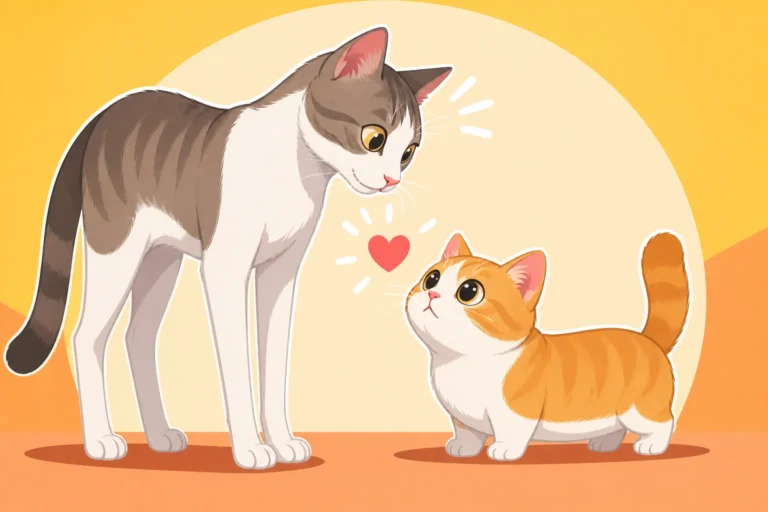
Munchkin cats are truly special, known for their adorable short legs that give them a distinctive, low-slung appearance. But these short legs are more than just a cute trait; they are a direct result of a genetic mutation called pseudoachondroplasia, which affects bone growth. Understanding this underlying anatomical difference is key to providing them with the best care and preventing injury.
The Legs Aren't the Only Difference: Understanding Their Skeleton
When we talk about Munchkin legs, it’s easy to focus solely on their shortness. However, the impact of pseudoachondroplasia extends beyond just reduced limb length. While their spines are generally considered to be of normal length, the way their bodies are structured means that weight distribution and joint mechanics are profoundly different from a long-legged cat. Think of it like this: a normal-legged cat is a finely tuned athletic machine, designed for high jumps and graceful landings, with long levers to distribute force. A Munchkin's shorter limbs mean less leverage and different angles, which changes how their skeleton absorbs impact and manages movement. This fundamentally alters how certain parts of their body bear stress, making specific areas – especially their front legs and shoulders – more vulnerable to strain. The strength and resilience you might expect in a typical cat's limbs aren't quite the same in a Munchkin when subjected to unnatural forces. You can learn more about What Pseudoachondroplasia Does to a Munchkin's Legs to grasp the full picture of their unique bone structure.
Why the Front Legs Are Particularly Vulnerable
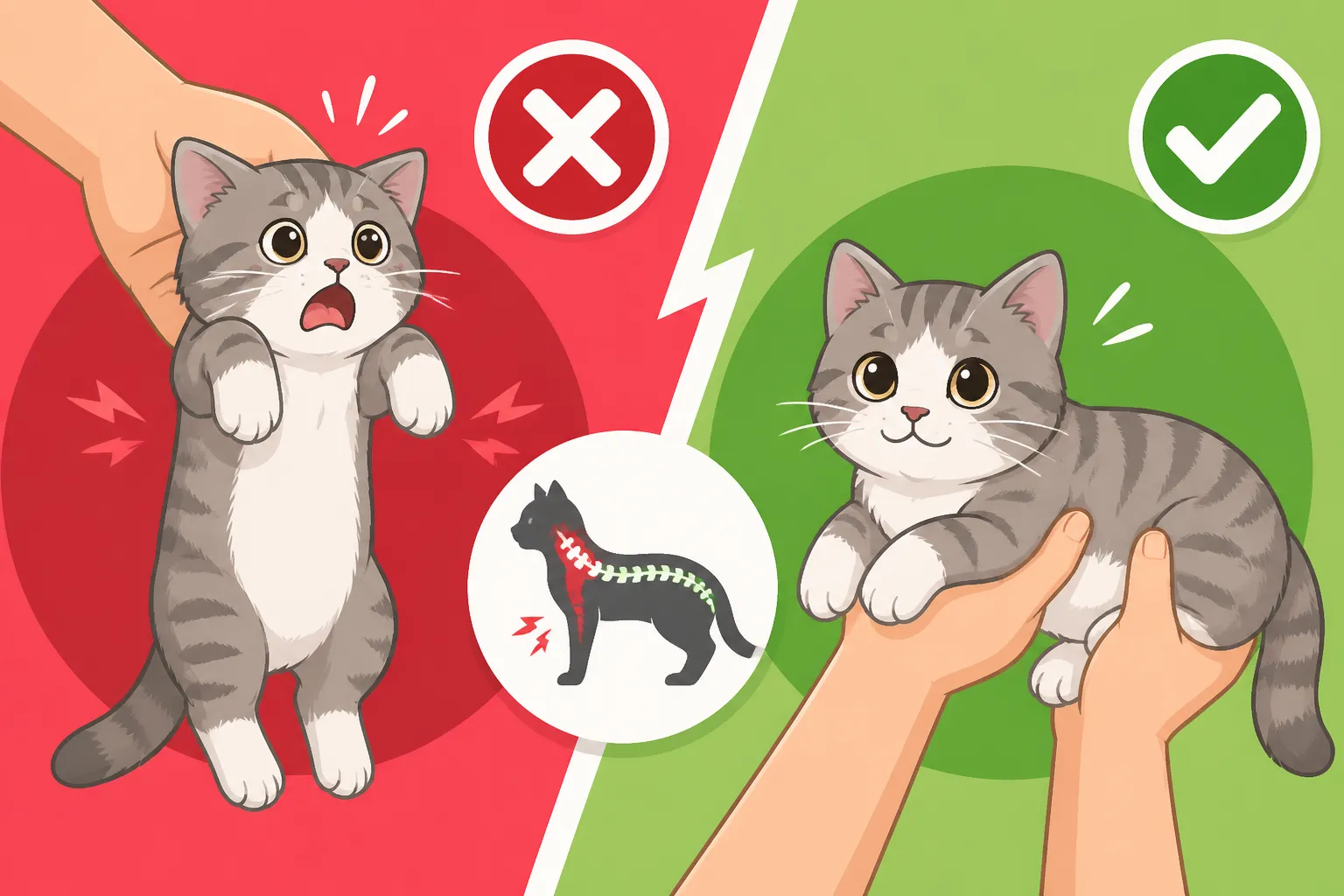
Consider how a cat normally moves and uses its front legs. They are shock absorbers, powerful levers for jumping, and provide stability for running and climbing. For a Munchkin, while they are incredibly adaptable and active, these front legs are already working with a different set of biomechanics. Their shorter stature means less "give" in the limbs to cushion impacts, and they rely more on their strong, muscled bodies for propulsion and balance. When you lift a Munchkin by its front legs, you're essentially pulling on these already uniquely structured limbs in a way they are not designed to handle. This creates immense, unnatural leverage and torque on the shoulder joints, elbows, and even the delicate structures of their chest and spine.
A normal cat has the flexibility and range of motion to absorb a certain amount of pulling or awkward landing, but a Munchkin's shorter leg bones and different joint angles mean they simply don't have the same capacity to tolerate such stress. Their shoulders, in particular, are under constant strain from their low center of gravity and the way they move. Imagine trying to lift a heavy box by its weakest corners – that's a bit like what happens when you pull a Munchkin up by its front paws. This repeated or sudden stress can lead to serious issues. It's important to be aware of Why a Munchkin's Shoulders Wear First and What Repeated Landing Does to a Munchkin's Elbows to understand the cumulative impact of even seemingly minor stresses on these delicate areas over time.
The Dangers of Improper Handling: More Than Just Discomfort
It might seem like a quick, innocent lift, but holding a Munchkin by its front legs carries significant risks, ranging from immediate, acute injuries to long-term health complications that can severely impact their quality of life. We need to be vigilant and empathetic to these creatures who can't voice their pain directly.
The Immediate Risks: Strains, Sprains, and Dislocations
The moment you lift a Munchkin solely by its front legs, you’re subjecting its delicate joints and ligaments to unnatural forces. Their shoulder joints, which are generally looser in cats compared to humans to allow for incredible flexibility, become incredibly vulnerable. You could cause:
- Strains and Sprains: These involve overstretching or tearing of muscles, tendons, or ligaments in the shoulders, elbows, or even the chest area. This can be acutely painful, leading to limping, reluctance to move, or even a complete refusal to bear weight on the affected limb.
- Dislocations: A more severe injury, where the bones that form a joint are forced out of alignment. A shoulder luxation, for instance, would be incredibly painful and would require immediate veterinary intervention, often involving manipulation under anesthesia or even surgery to correct.
- Spinal Trauma: While their spines are normal length, the way the short legs connect and the altered biomechanics mean that a sudden, upward yank on the front legs can transmit jarring forces directly to the spine. This can exacerbate or initiate issues like lordosis, a curvature of the spine, which is a concern for the breed. What Lordosis Actually Is in a Munchkin can give you a deeper understanding of this potential issue.
Imagine a well-meaning child, perhaps not understanding the unique needs of a Munchkin, trying to "pick up kitty" like a favorite doll. The child might grab the front legs and lift. Even a brief moment of this can cause a significant injury that results in excruciating pain for the cat. It's not just about what could happen, but what does happen to animals handled incorrectly. We often underestimate how much Whether a Munchkin Is in Pain From Its Legs can be difficult to discern, as cats are remarkably stoic.
Long-Term Consequences: Compounding Existing Vulnerabilities
Beyond immediate injury, repeated improper handling, even if it doesn't result in an obvious acute trauma, can lead to chronic issues that drastically reduce your Munchkin's comfort and mobility as they age. Every time their joints are stressed unnaturally, micro-traumas can occur, laying the groundwork for more serious conditions.
- Accelerated Arthritis: Munchkins are already prone to developing osteoarthritis, particularly in their weight-bearing joints, simply due to the unique mechanics of their short limbs. Whether a Munchkin Gets Arthritis Earlier is a common concern among owners. Repeatedly pulling on their front legs accelerates the wear and tear on these joints. Each incident, even a minor one, contributes to cartilage degradation and inflammation, meaning your cat could experience painful arthritis far earlier and more severely than if they were handled correctly throughout their life. This constant low-grade inflammation makes movement painful and can lead to a significant decrease in their activity levels and overall happiness.
- Exacerbation of Spinal Issues: For Munchkins predisposed to lordosis or pectus excavatum (sunken chest), improper lifting can worsen these conditions. The unnatural pull on the thoracic spine can increase the severity of a spinal curve or put added pressure on the chest cavity, potentially impacting internal organ function and breathing. While a cat may seem fine immediately after, the cumulative stress on their musculoskeletal system is a silent enemy. This isn't just about a single event; it's about the patterns of interaction and care that either protect or undermine their long-term health.
The reality is that a Munchkin's unique conformation, while endearing, means they require a more thoughtful approach to physical interaction. Ignoring this can sadly lead to a lifetime of avoidable pain and vet visits.
The Right Way to Handle and Interact with Your Munchkin
Understanding the risks is only half the battle; knowing how to handle your Munchkin safely and creating an accommodating environment is where true care shines through. Our goal is to ensure they live a full, happy, and pain-free life, which means adapting our habits to their needs.
Safe Lifting Techniques for a Munchkin
When you need to pick up your Munchkin, it’s absolutely vital to do so in a way that fully supports their unique body structure. Think of them as a delicate, precious package that needs even distribution of support.
Here’s a step-by-step guide to safe lifting:
- Approach Gently: Speak softly and let your Munchkin know you're there. Never startle them.
- Support the Chest: Slide one hand gently under their chest, right behind their front legs. Your palm should be flat against their belly, providing a solid base of support for their torso. This hand takes the primary weight of their upper body.
- Support the Hindquarters: Simultaneously, use your other hand to scoop under their hindquarters, supporting their bottom and back legs. This prevents their lower half from dangling, which would put undue stress on their spine and hips.
- Lift Evenly: With both hands providing solid, balanced support, lift them smoothly and evenly. Keep their body horizontal, almost as if they were standing on a flat surface. Avoid any sudden jerks or tilting.
- Hold Close to Your Body: Once lifted, hold your Munchkin close to your body. This provides additional security and minimizes any swinging or instability that could cause them discomfort.
- Gentle Put-Down: When lowering them, reverse the process: gently place their hindquarters down first, then their front. Ensure they are on a stable surface before releasing your hands.
This two-handed, full-body support method is the golden rule for handling any cat, but it's especially critical for Munchkins. It distributes their weight evenly and protects their vulnerable spine and joints. If you want a visual, looking up How to Lift a Munchkin Correctly can provide additional insights.
Creating a Safe and Accessible Environment
Beyond proper lifting, creating a home environment that caters to a Munchkin's shorter stature is paramount. We want to empower them to navigate their world independently and safely, rather than relying on us for every elevation.
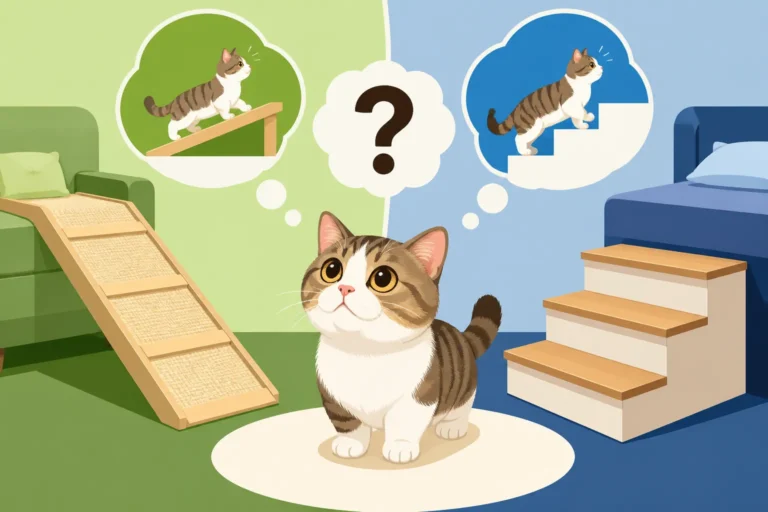
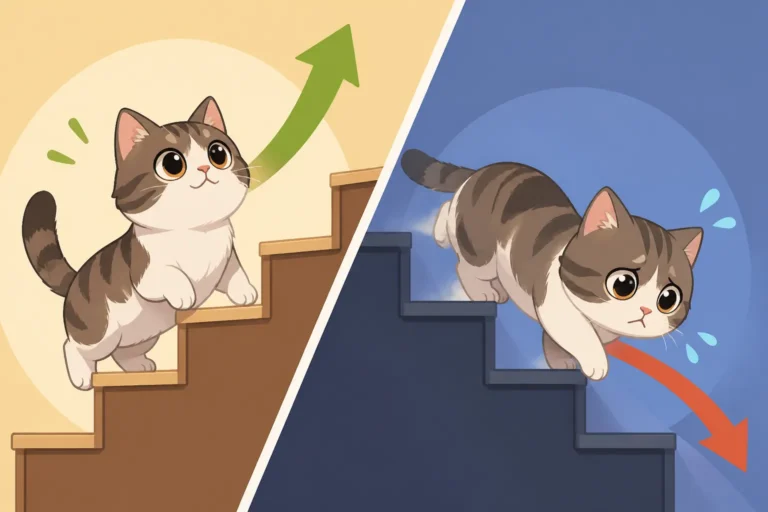
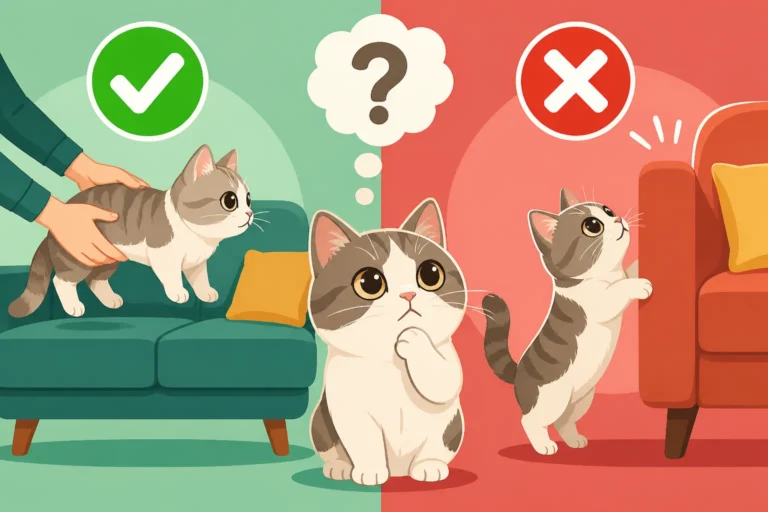
- Ramps and Steps are Essentials: Think of ramps and steps not as luxuries, but as essential mobility aids. Every piece of furniture your Munchkin might want to access – sofas, beds, window sills (that are still within a reasonable jump/step distance) – should have a ramp or a series of steps leading up to it. This prevents them from attempting risky jumps or relying on you to be their personal elevator. You can find excellent pet ramps and steps on platforms like Amazon that are designed with gentle inclines and non-slip surfaces. Remember, Ramps and Steps Are Munchkin Equipment, Not Luxuries, and they contribute significantly to your cat's long-term joint health and confidence.
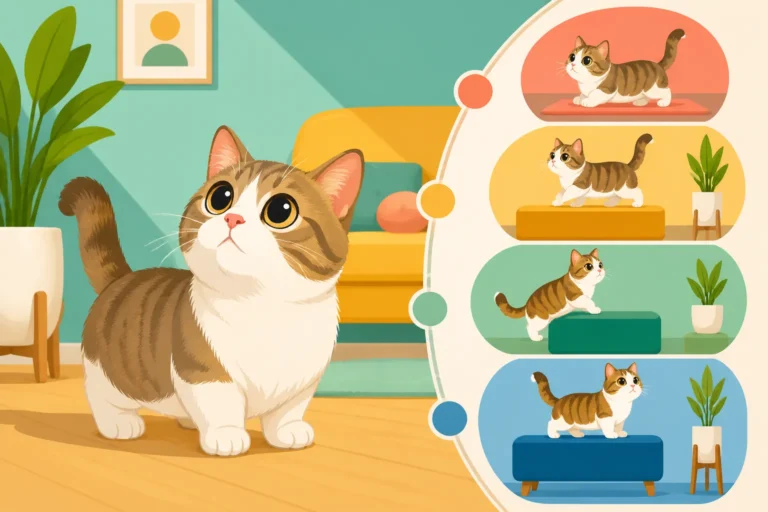
- Low-Level Enrichment: Adapt their play and resting areas to their height. Place their favorite toys, food, and water bowls at floor level or on very low, stable platforms. Consider How to Rearrange a Room So a Munchkin Can Climb by strategically placing sturdy, low furniture pieces that act as a staircase. A multi-level cat tree with closely spaced platforms is far more suitable than one with large gaps between perches.
- Soft Landings: While we want to minimize jumping, cats will be cats. Place soft rugs or padded mats in areas where they might occasionally jump down, such as from a low chair. This helps cushion any impact and further protects their joints.
By proactively adapting their environment, you're not just preventing injury; you're also fostering their natural curiosity and allowing them to explore and interact with their surroundings without constant human intervention or potential harm.
Educating Everyone in the Household
The responsibility for a Munchkin's safety doesn't fall on one person; it's a collective effort from everyone who interacts with them. This includes family members, friends, and especially children.
- Teach Children Early: Children, with their boundless energy and innocent curiosity, might not understand the delicate nature of a Munchkin. It's crucial to teach them from a very young age how to interact safely. Explain that "kitty has special legs" and needs to be picked up with two hands, supporting their bottom. Demonstrate the correct lifting technique repeatedly and supervise all interactions. Emphasize that rough play or pulling on legs is never acceptable. You might be interested in How to Teach a Child to Lift a Munchkin for more detailed guidance. It's also vital to understand Why a Toddler Cannot Be Left With a Munchkin due to the inherent risks.
- Inform Visitors: When friends or family visit, especially if they're unfamiliar with Munchkins, take a moment to educate them. A quick, polite explanation about their unique bone structure and the correct way to handle them can prevent accidental injury. "Please make sure to support Fluffy's bottom and chest if you pick her up; her little legs are delicate," is a simple yet effective way to convey the message.
- Establish Ground Rules: Make it clear that pulling on legs, chasing, or any form of roughhousing that could lead to an awkward landing or fall is strictly off-limits. Remind everyone that a Munchkin, unlike a long-legged cat, cannot easily climb to safety or outrun a persistent child or pet, making them more vulnerable to harm in chaotic situations.
Consistent education and gentle reminders will ensure that everyone in your Munchkin's life understands and respects their unique physical needs, creating a safer and happier home for your beloved companion.
Recognizing Signs of Discomfort or Injury
Even with the most careful handling and a perfectly adapted home, accidents can happen, or cumulative stress might begin to show. Knowing how to spot the subtle cues of pain or injury in your Munchkin is vital, as cats are incredibly adept at hiding discomfort. Early detection can make a significant difference in their prognosis and comfort.
Subtle Cues of Pain or Strain
Cats are masters of disguise when it comes to pain. Their evolutionary instincts tell them that showing weakness makes them vulnerable. This means you need to be a detective, looking for changes in their normal behavior, no matter how slight.
- Changes in Mobility: This is often the first indicator. Are they reluctant to jump even small, familiar heights they once managed with ease? Are they avoiding their favorite chair or ramp? Do they hesitate before moving, or move more slowly? A slight limp, even intermittent, should raise a red flag. Pay attention to how they walk – any stiffness, favoring a limb, or an altered gait could indicate discomfort.
- Behavioral Shifts: A Munchkin in pain might become more withdrawn, hiding more often, or seeking less interaction. Conversely, some cats become more vocal, perhaps with low groans or excessive meowing when moving. Others might show aggression when touched in certain areas, or become unusually quiet and listless.
- Grooming Changes: An inability to reach certain parts of their body due to pain can lead to matted or unkempt fur, particularly on their hindquarters or back. Over-grooming a specific painful area can also be a sign.
- Changes in Appetite or Litter Box Habits: While not directly indicative of musculoskeletal pain, any change in these essential habits can signal that something is generally wrong. Pain can cause stress, leading to a reduced appetite or even avoiding the litter box if it's painful to enter or posture inside.
It’s about knowing your cat’s normal patterns. Any deviation, no matter how small, warrants investigation.
When to Seek Veterinary Attention
If you suspect your Munchkin is in pain or has sustained an injury, don't delay in contacting your veterinarian. Prompt professional assessment is crucial for accurate diagnosis and effective treatment.
- Immediate Consultation for Acute Injury: If you witness an incident where your Munchkin falls awkwardly, gets trapped, or is handled improperly, and immediately shows signs of lameness, vocalizes in pain, or is unable to bear weight, call your vet right away. Even if it seems minor, internal injuries might not be visible.
- Regular Check-ups and Discussing Mobility: Routine veterinary visits are not just for vaccinations; they are an opportunity for your vet to assess your Munchkin's overall health, including their musculoskeletal system. Make sure to mention any concerns about their mobility, even if they seem minor or intermittent. Your vet can perform a physical examination, palpating joints and the spine, and observing their gait. Remember Why a Munchkin Kitten Needs an Early Vet Check as a thorough initial assessment can help establish a baseline for their unique conformation.
- Diagnostic Imaging: If pain or lameness is suspected, your vet might recommend diagnostic imaging such as X-rays. These can reveal fractures, dislocations, signs of arthritis, or spinal abnormalities like lordosis. Early imaging can help catch issues before they become debilitating.
Remember, you are your Munchkin's primary advocate. Being observant and proactive in seeking veterinary care when needed is one of the most loving things you can do to ensure their health and happiness for many years to come.
Disclaimer
This article is for general informational purposes only and does not constitute professional advice. Laws, prices and regulations vary by location and change over time. Consult a qualified professional for guidance on your specific situation.