Whether the Prairie Dog Sit Strains a Munchkin’s Spine
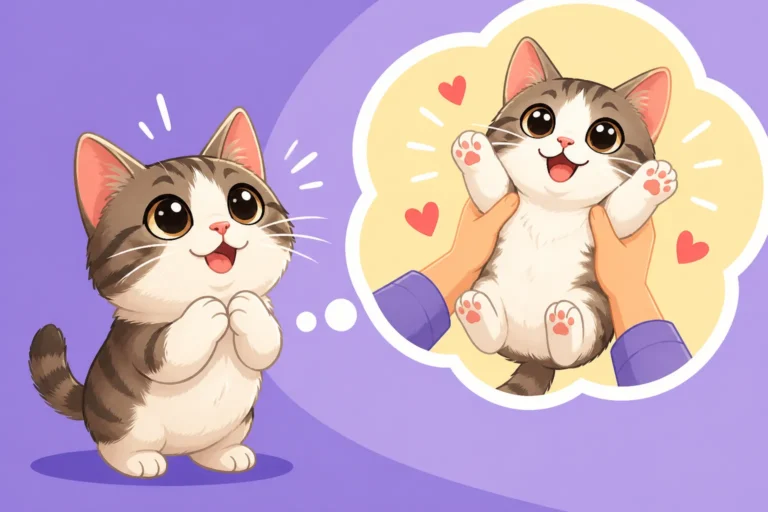
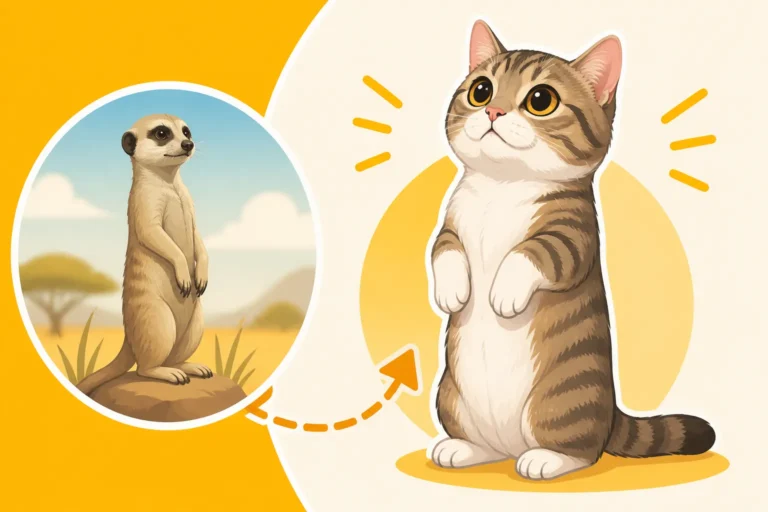
It’s a sight that melts hearts and often leaves new Munchkin owners a little bewildered: your short-legged companion sitting bolt upright on their hindquarters, paws tucked in, looking for all the world like a meerkat or a prairie dog scanning the horizon. This adorable posture, often called the "prairie dog sit," is characteristic of the breed, but it's completely understandable to wonder if such a unique pose might be putting undue stress on their precious spine. This guide will delve into the mechanics of this famous Munchkin behavior, discuss what the experts say about its impact on their spinal health, and offer advice on ensuring your little companion remains comfortable and healthy throughout their lives.
Understanding the Munchkin's Unique Anatomy
Before we can truly understand the "prairie dog sit" and its potential implications, we need to take a moment to appreciate the fascinating and often misunderstood anatomy of the Munchkin cat. Their defining characteristic – those adorably short legs – is a result of a specific genetic mutation, but it’s crucial to understand what that mutation actually affects, and what it doesn’t.
The Short Legs, Not the Spine
The short legs of a Munchkin cat are due to a condition called pseudoachondroplasia. This is a form of dwarfism that affects the long bones of the legs, causing them to be significantly shorter than those of a typical cat. However, here's the critical point that often gets overlooked in discussions about Munchkin health: Why a Munchkin's Spine Is Normal Length. Unlike some other forms of dwarfism seen in cats or dogs that can cause spinal deformities (think of breeds like the Dachshund or Basset Hound with their elongated, often problematic backs), the Munchkin's spine itself is generally considered to be of normal length and structure.
This means that while their legs are short, their vertebral column and the associated musculature are proportionate to a typical cat's torso. The challenge, then, isn't an inherently malformed spine, but rather how this normal-length spine functions and is supported by exceptionally short limbs. This distinction is vital when we talk about activities like jumping, climbing, and, yes, the prairie dog sit. The issue isn't a weak or deformed spine itself, but rather the altered biomechanics of movement and posture due to the disproportionate limb length.
How the Munchkin's Body Compensates
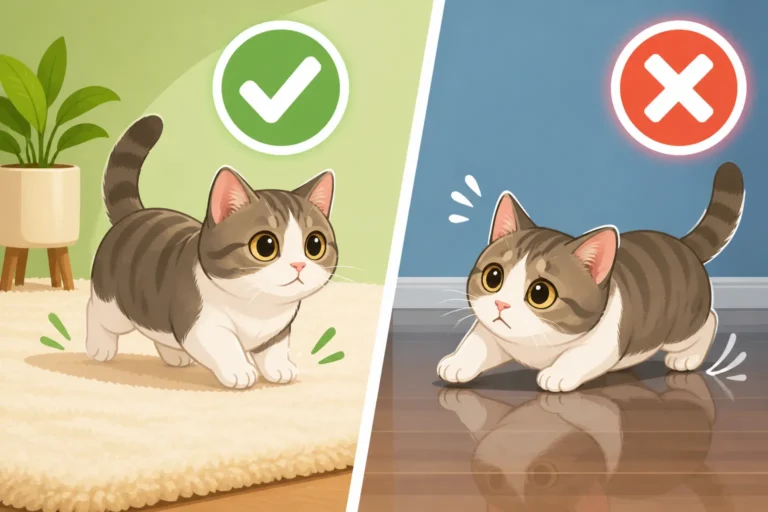
Because their legs are short but their body is normal, Munchkins have developed some truly clever ways to navigate their world. They're not simply miniature versions of standard cats; they've got a whole suite of adaptations. For instance, their low center of gravity makes them surprisingly agile on flat surfaces, allowing them to corner quickly and dart about with impressive speed. Why a Munchkin's Low Body Helps It Chase is a testament to their ground-level prowess.
When they need to see something, or simply want a better vantage point, their short legs mean they can't just hop up onto a counter or a tall piece of furniture as easily as a long-legged cat. This is where the famous sit comes in. They compensate for their lack of vertical reach by adopting a bipedal stance, using their tail as a tripod for balance. This allows them to "periscope" over obstacles or survey their surroundings, mimicking the behavior of small ground-dwelling animals. It's a natural, behavioral adaptation to their unique physical structure, allowing them to engage with their environment in a way that would otherwise be difficult. They are, in essence, making the most of what they've got.
The "Prairie Dog Sit" Explained
The "prairie dog sit" is undeniably one of the most endearing traits of a Munchkin cat. It’s a moment that often prompts owners to grab their cameras, and it speaks volumes about their curious and adaptable nature. But what exactly is going on when they strike this pose, and why do they do it?
Why Munchkins Do It
The primary reason Munchkins adopt the prairie dog sit is simple: to get a better view. With their short stature, the world at floor level can be quite limited. Imagine trying to see what’s cooking on the stove or who’s at the door when your eyes are only a few inches off the ground! By sitting up on their hindquarters, they can gain several precious inches of height, allowing them to peer over low obstacles like furniture, children’s toys, or even just the edge of a rug. This gives them a wider field of vision and helps them observe their environment more effectively. It’s an act of pure curiosity and self-preservation, enabling them to assess potential threats or interesting goings-on.
It's also a posture they might use when listening intently or when engaged in interactive play. If you're dangling a wand toy just out of reach, you might see them pop up into a sit to get a better angle for tracking the toy. Sometimes, they simply sit up because they're being incredibly social and want to be "at eye level" with their human companions, even if it's still only ankle height. What a Munchkin Is Looking At When It Sits Up is almost always a reaction to something happening in their immediate surroundings that requires a bit more vertical perspective. It’s less about a physical need and more about a strategic advantage in their daily lives.
How Long They Typically Hold the Pose
The duration a Munchkin holds the prairie dog sit can vary quite a bit, but it’s rarely for extended periods. Most often, it’s a temporary posture, lasting anywhere from a few seconds to a minute or two. Think of it as a quick "pop-up" to check something out before resuming their normal four-legged activities.
For example, if a new sound catches their attention or a family member walks into the room, they might rise up to take it all in, then quickly drop back down to explore or interact. Sometimes, they hold it longer if they are deeply engrossed in something – perhaps watching a bird outside the window or intently focused on a treat being offered. How Long a Munchkin Holds That Sit is usually a reflection of how engaging the stimulus is. If they appear to be holding the pose for an unusually long time, or if they seem to struggle to get into or out of it, that might be a subtle sign to pay closer attention, as it could indicate discomfort. However, for the vast majority of Munchkins, it’s a fleeting and perfectly natural part of their daily repertoire of movements.
Examining the Spinal Strain Argument
The main concern many prospective and current Munchkin owners have about the prairie dog sit is whether it puts undue strain on their spine, potentially leading to long-term health issues. It’s a valid question, given their unique conformation.
The Mechanics of the Sit and Spinal Load
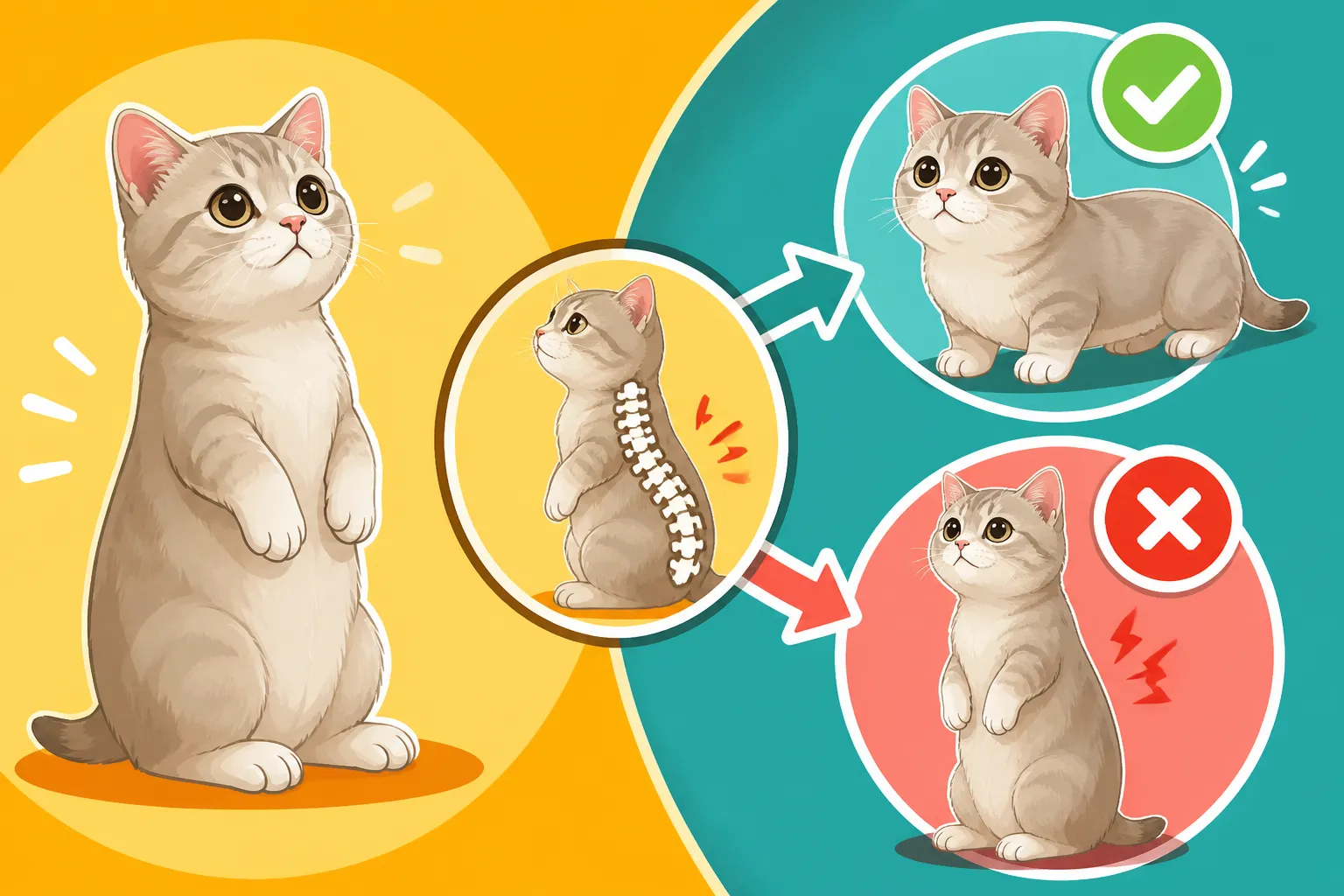
When a Munchkin performs the prairie dog sit, they shift their weight entirely onto their hindquarters and often use their tail for balance, creating a tripod effect. Their spine, which is normal in length, is held in a relatively straight, vertical position. Compared to the continuous stresses that can be placed on a spine from activities like jumping down from heights or carrying excess weight, the prairie dog sit is generally considered a low-impact activity.
Consider the forces at play. When a cat jumps, especially downwards, there's a significant impact force that travels through the legs and up into the spine and joints. In a Munchkin, because their legs are shorter and absorb less shock, Why a Munchkin's Spine Carries a Load a Normal Cat's Does Not when landing from jumps. This is why modifications like ramps and steps are so important for them. However, in the prairie dog sit, they are essentially standing still on their back legs. The primary load is axial, along the length of the spine, rather than compressive or shear forces from movement. Their strong hind leg muscles and core abdominal muscles are engaged to maintain the posture.
While any prolonged static posture can potentially lead to muscle fatigue, short bursts of the prairie dog sit are unlikely to cause significant strain on a healthy Munchkin's spine. The vertebral discs are designed to handle axial load. Problems typically arise when there are pre-existing conditions, or when movements involve twisting, sudden impact, or the added stress of obesity.
What Vets and Breeders Observe
Among veterinary professionals and experienced Munchkin breeders, the consensus is generally that the prairie dog sit, in and of itself, is not a primary cause of spinal problems. Most observations suggest that Munchkins perform this sit effortlessly and without signs of pain or discomfort. It's a natural behavior that they adopt early in life. How a Vet Watches a Munchkin Walk and move around, and usually, the prairie dog sit is seen as part of their normal, healthy behavior.
If the "prairie dog sit" were inherently damaging, one would expect to see a much higher incidence of spinal issues directly attributable to this behavior. Instead, common spinal concerns in Munchkins, like lordosis (an exaggerated inward curvature of the spine) or pectus excavatum (a sunken chest), are congenital conditions linked to the same genetic mutation that causes their short legs, or are secondary issues exacerbated by factors like obesity or repeated high-impact jumps, not typically by the sit itself.
It's true that some veterinarians express caution or even ethical concerns about the breed due to the potential for spinal and joint issues stemming from their dwarfism. However, these concerns are usually focused on conditions like Lordosis Is the Spinal Curve the Munchkin Argument Is About or Whether a Munchkin Gets Arthritis Earlier, which are distinct from the mechanics of the prairie dog sit. When asked Whether the Prairie Dog Sit Strains a Munchkin's Spine, most will conclude that occasional, natural posing is not a major risk factor, assuming the cat is otherwise healthy and not overweight. If a Munchkin struggles with the sit, trembles, or shows reluctance, then that would be a red flag for an underlying issue, rather than the sit causing the issue.
Mitigating Potential Risks and Supporting Spinal Health
While the prairie dog sit itself is generally not considered a major risk, a Munchkin's unique anatomy does mean that spinal and joint health should always be a priority for owners. Proactive care and a thoughtful home environment can make all the difference.
Environmental Adaptations for Spinal Well-being
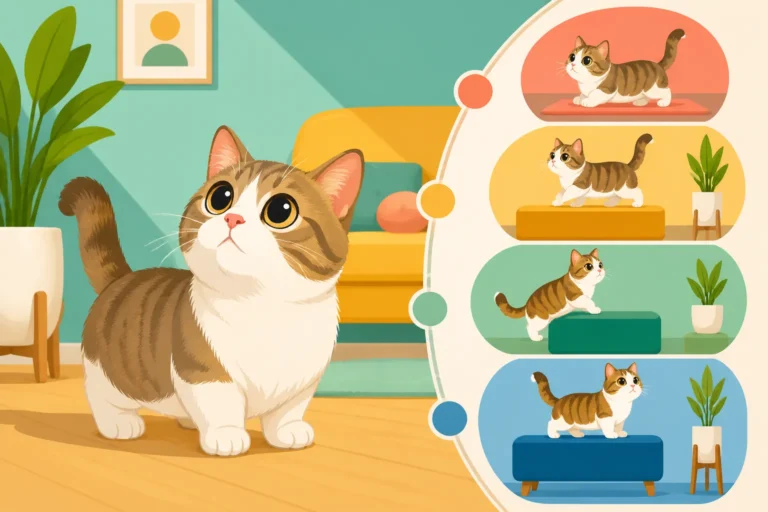
Creating a Munchkin-friendly home isn't just about comfort; it's about spinal and joint preservation. Since their short legs make jumping a higher-impact activity than for a long-legged cat, minimizing high jumps is key. This is where ramps and steps become invaluable. Placing sturdy, gradual ramps or pet stairs next to sofas, beds, and favored window perches allows your Munchkin to access these elevated spots without stressing their joints or spine. You can find a wide variety of pet ramps and steps on platforms like Amazon, designed for different heights and materials. Ramps and Steps Are Munchkin Equipment, Not Luxuries – they are essential tools for a healthy life.
Consider the layout of your home. Are there areas where your Munchkin might feel compelled to jump excessively to reach something or someone? Rearrange furniture to create "staircases" of varying heights that they can navigate safely. For instance, a low ottoman next to a higher chair, which then leads to a window sill, provides a gradual ascent.
Furthermore, ensure that their basic necessities are easily accessible. Why a Munchkin Needs a Litter Box It Can Walk Into is crucial, as forcing them to high-step into a box can strain their back and hips over time. Low-entry litter boxes are a must. Similarly, their food and water bowls should be placed at a comfortable height – not so low they have to crane their neck uncomfortably, and not so high they have to stretch. Raised food bowls can sometimes help ease strain on their shoulders and neck while eating.
Monitoring and Veterinary Care
Regular veterinary check-ups are paramount for any cat, but for a Munchkin, they take on an added layer of importance, especially regarding musculoskeletal health. During annual visits, your vet should pay close attention to their gait, spinal alignment, and joint mobility. They might gently palpate the spine and legs to check for any tenderness or stiffness.
One of the biggest contributors to spinal and joint issues in Munchkins is weight. Why an Overweight Munchkin Is in Real Trouble cannot be overstated. Every extra pound places exponentially more stress on their already compromised joints and spine. Your vet can help you establish an ideal body condition score and dietary plan. Regular weight monitoring at home, even weekly, is a simple but effective preventive measure.
Be vigilant for any changes in your Munchkin's behavior or movement. If they suddenly stop using their ramps, seem reluctant to jump (even small jumps), show signs of pain when handled, or if their "prairie dog sit" becomes infrequent or appears uncomfortable, it's time for a vet visit. Early detection of issues like arthritis or worsening lordosis can allow for timely intervention, such as pain management, physical therapy, or joint supplements. Products like glucosamine and chondroitin, often found on Amazon and other pet supply retailers, can be recommended by your vet to support joint health, though they are not a cure-all. Which Joint Supplements Suit a Munchkin will depend on individual needs and vet advice. Remember, your vet is your best partner in ensuring your unique Munchkin enjoys a long, healthy, and happy life, free from unnecessary spinal strain.
Disclaimer
This article is for general informational purposes only and does not constitute professional advice. Laws, prices and regulations vary by location and change over time. Consult a qualified professional for guidance on your specific situation.