How to Teach a Munchkin to Use Its Ramp on Cue
It can be incredibly frustrating to watch your sweet Munchkin struggle to get to their favorite sun spot on the sofa or leap down from a low perch with a thud that just sounds wrong. You know those short legs make jumping a risky business, but how do you get them to reliably use the ramps you’ve so thoughtfully provided? This guide is all about giving you the tools to teach your Munchkin to use their ramp on cue, transforming daily navigation into a safe and predictable routine.
Understanding Why Your Munchkin Needs a Ramp Cue
Let's be real, our Munchkins are adorable, little low-riders, but those signature short legs, while utterly charming, come with a specific set of challenges. They might be able to bound around surprisingly fast on the flat, but vertical navigation is a whole different ballgame. Teaching them to use a ramp on cue isn't just about convenience; it's a vital part of protecting their long-term health and enhancing their independence.
The Importance of Safe Ascent and Descent
Imagine jumping off a small table all day, every day, with legs that aren't designed to absorb that kind of repeated impact. That's essentially what a Munchkin experiences when they forgo ramps and opt for jumping. Their unique skeletal structure means their spine and joints can take a much harder hit. Every jump, especially repeated jumps up and down, puts stress on their elbows, shoulders, and particularly their spine. It's not just about avoiding a single traumatic injury, though that's certainly a concern. It's about preventing the cumulative wear and tear that can lead to chronic pain and conditions like early onset arthritis. A ramp provides a smooth, gentle incline, distributing their weight evenly and eliminating the jarring impact that comes with jumping. It's truly a game-changer for their physical well-being. Think of it as a long-term investment in their comfort and mobility, helping them live a full, active life without unnecessary strain. This is why Ramps and Steps Are Munchkin Equipment, Not Luxuries.
Building Confidence and Routine
Cats, Munchkins included, thrive on routine and predictability. When a ramp is available but inconsistently used, it can create a cycle of uncertainty. They might hesitate, try to jump, or look to you for help, which can be stressful for both of you. By teaching them a specific cue for ramp usage, you're not just training a behavior; you're building confidence. They learn that "ramp" or a specific gesture means "this is the safe, easy way up or down." This reduces anxiety, making them feel more secure in their environment. It empowers them to navigate their favorite spots independently, whether it's the sofa, a cat tree, or your bed, without feeling limited by their physical stature. It's about giving them agency, knowing they have a clear path to wherever they want to go, and fostering a sense of mastery over their space.
Maintaining Mobility as They Age
As our beloved felines grow older, just like us, their bodies can start to feel the effects of time. Joints might stiffen, muscles might weaken, and even mild discomfort can make them reluctant to move as freely as they once did. For a Munchkin, whose joints and spine are already working harder due to their unique conformation, this becomes even more critical. Establishing ramp usage on cue from a young age creates a deeply ingrained habit that becomes invaluable in their senior years. An older Munchkin, perhaps with a touch of arthritis in their shoulders or elbows, will be far more likely to use a familiar, cued ramp than to attempt a jump that causes pain. Early training ensures that when they become What an Old Munchkin Stops Being Able to Do, they already have the tools and habits in place to remain comfortable and mobile. It's about proactive care, setting them up for a graceful and pain-free journey through all stages of their life.
Setting Up for Success: Essential Ramp Training Principles
Embarking on any training journey with your cat requires more than just good intentions. You need the right tools, the right mindset, and a solid understanding of how cats learn. For Munchkins and ramps, this foundation is particularly important to ensure safety and build lasting positive associations.
Choosing the Right Ramp
Not all ramps are created equal, especially when it comes to a Munchkin. Their short legs mean they need a very specific kind of incline and surface to feel secure. First, consider the slope: it should be gentle, not steep. A gradual incline, ideally no more than 18-20 degrees, prevents them from feeling like they're scrambling or might slip. A ramp that's too steep might deter them entirely or even cause a fall. Second, the surface is crucial. It needs to provide excellent traction. Carpeted ramps, ribbed rubber surfaces, or even ramps with small, raised treads are ideal. Smooth, slick surfaces like polished wood or plastic are a no-go; your Munchkin won't feel safe and could easily slip, leading to an aversion. Finally, stability is paramount. The ramp must be sturdy and not wobble or shift when they put weight on it. A flimsy ramp will immediately undermine their confidence. When you're looking for ramps, whether it's checking options on Amazon or visiting a pet supply store, always prioritize these three factors: gentle slope, grippy surface, and unwavering stability. You might even find that How Steep a Munchkin's Ramp Can Be is less steep than you initially imagined.
Positive Reinforcement is Key
When training any animal, positive reinforcement is your best friend, and with cats, it's practically the only way. Unlike dogs, who might aim to please, cats are more transactional: "What's in it for me?" For ramp training, this means high-value treats and enthusiastic praise. Think tiny pieces of cooked chicken, freeze-dried salmon, or their absolute favorite gooey treat. The treat should be small enough that they can eat it quickly, keeping the training session moving. Every single time they even approach the ramp, give them a treat and praise. When they put a paw on it, another treat. When they go half-way, a jackpot. And when they make it all the way up or down, throw a party! It's crucial to avoid any form of punishment or force. Pushing them onto the ramp, raising your voice, or showing frustration will only create fear and negative associations, making them avoid the ramp entirely. Remember, we want them to choose the ramp, not be coerced.
Consistency and Patience
Cats are creatures of habit, and learning new behaviors takes time, repetition, and a whole lot of patience from you. Don't expect your Munchkin to master the ramp cue in a single afternoon. Aim for short, frequent training sessions – perhaps 5-10 minutes, two or three times a day. Keep these sessions positive and end them on a successful note, even if it's just one small step in the right direction. Consistency means everyone in the household should use the same cue and follow the same positive reinforcement methods. If one person forces the cat while another uses treats, it will confuse your Munchkin. Remember that some days will be better than others; your cat might be distracted, tired, or just not in the mood. That's perfectly normal. Don't get discouraged. Celebrate small victories, and understand that slow and steady truly wins the race when it comes to cat training. This consistent approach is also key when considering How to Teach a Munchkin to Use Steps if you opt for those instead.
Step-by-Step Guide to Teaching the Ramp Cue
Alright, it's time to put theory into practice! Teaching your Munchkin to respond to a ramp cue involves a clear, progressive series of steps. Remember to stay positive and patient throughout the process.
Introducing the Ramp Itself
Before you even think about a cue, your Munchkin needs to be comfortable with the ramp's presence. Place the ramp against the piece of furniture you want them to access, but don't force interaction. Let them sniff it, explore it, and get used to it being part of their environment. Once they seem relaxed, grab those high-value treats.
- Lure with Treats: Start by placing a treat at the very bottom of the ramp, just where it meets the floor. When your Munchkin eats it, immediately give another treat and praise.
- Gradual Ascent: Place treats progressively further up the ramp, enticing them to take a few steps. Each step forward, even a single paw, earns a reward.
- Full Traverse: Once they're comfortable taking a few steps, start luring them all the way up and then all the way down. Make sure there’s a reward waiting at the top and the bottom.
- Repeat and Reward: Do this many times over several short sessions. The goal here is simply for them to associate the ramp with positive experiences and delicious rewards, making them feel safe and happy using it. It’s all about creating that initial comfort, which is similar to How Early to Introduce a Munchkin Kitten to a Ramp.
Adding the Verbal or Visual Cue
Once your Munchkin is happily trotting up and down the ramp for treats, it's time to introduce the cue. Consistency in your chosen cue is vital.
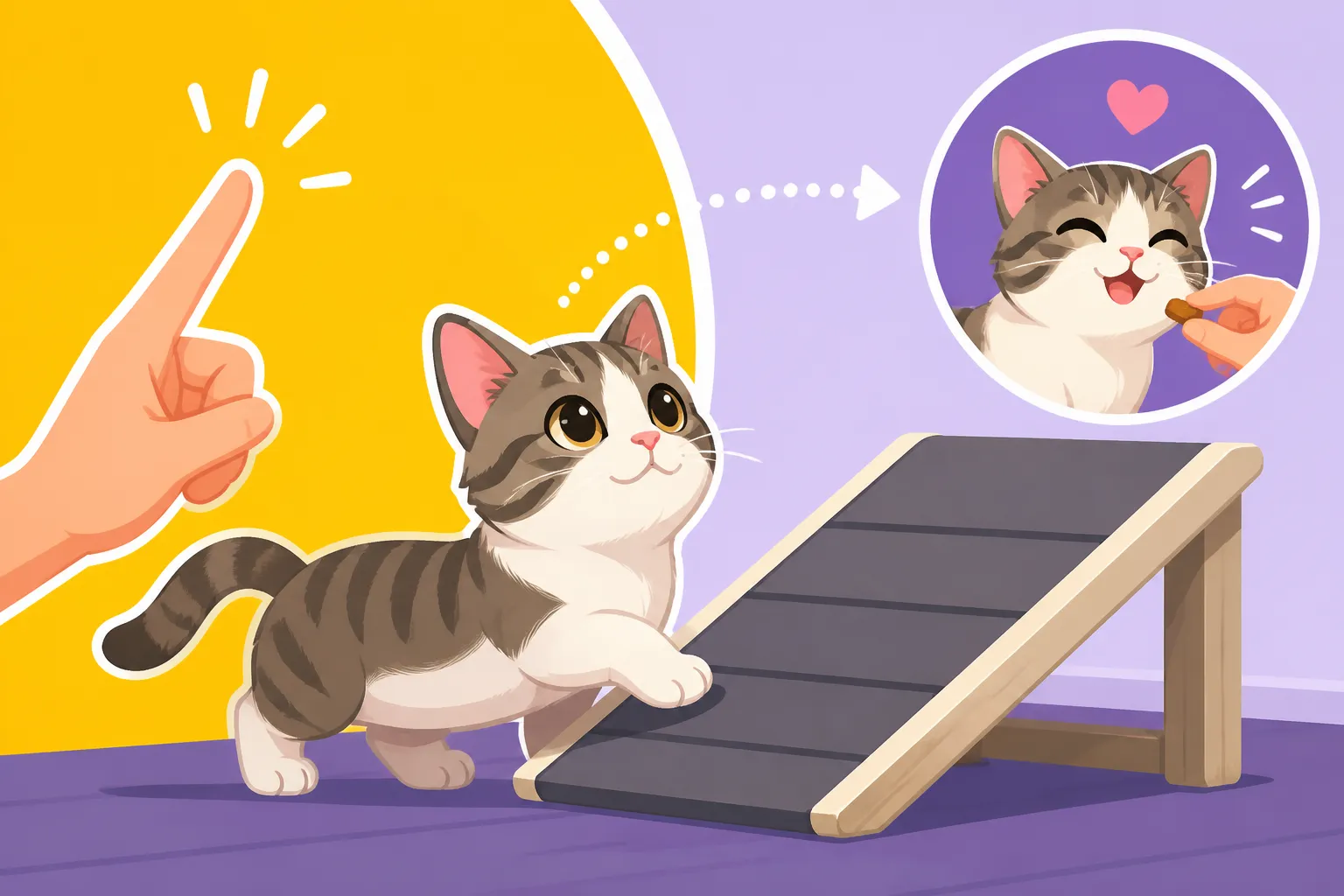
- Choose Your Cue: Decide on a simple, clear verbal cue (e.g., "Ramp," "Up," "Go") or a visual cue (e.g., a specific hand gesture pointing to the ramp). Avoid using a cue that sounds too similar to other words you frequently use.
- Pair the Cue with the Action: As your Munchkin is about to step onto the ramp, say your verbal cue or make your visual gesture. Then immediately lure them onto and up the ramp with a treat, just as you did before.
- Timing is Everything: The timing of your cue is critical. You want to give the cue just as they are initiating the action, not after they've already started or finished. This helps them link the word/gesture to the behavior.
- Practice Both Directions: Don't forget to practice cuing them to go down the ramp as well. The descent can sometimes feel more precarious to a cat, so ensuring they're comfortable with a cue for both directions is important. Keep repeating this pairing until they start to anticipate the action after the cue, even before you show the treat.
Practicing and Generalizing the Cue
Once your Munchkin seems to understand the cue, it's time to solidify the learning and make sure they'll respond in various situations.
- Fade the Lure: Gradually start reducing your reliance on the physical treat lure. Instead of holding the treat right in front of their nose, point to the ramp, give the cue, and then reward them when they go. Eventually, they should go up the ramp solely on the cue, and the treat will become a reward after the action.
- Vary Locations (if applicable): If you have multiple ramps in your home (which is highly recommended for How a Munchkin Gets Where It Wants Without Jumping), practice the cue at each ramp. This helps them generalize the concept that the cue means "use the ramp" regardless of its specific location.
- Introduce Distractions (Gradually): Start practicing with minor distractions around – maybe a family member walking by, or a toy in the distance. Gradually increase the level of distraction. If they fail, go back to a less distracting environment and build up again.
- Sporadic Rewards: Once the behavior is reliable, you can transition from rewarding every single time to a more sporadic reward schedule. This actually strengthens the behavior over time, as they never know when the big jackpot treat might come! Just be sure to always offer praise and positive affirmation.
| Challenge | Possible Reason | Solution |
|---|---|---|
| Refusal to step on ramp | Ramp is too steep/slippery, fear, no motivation. | Check ramp surface/angle. Use higher-value treats. Start with treats just touching the ramp. |
| Goes halfway then stops | Lack of confidence, end goal not clear, distraction. | Lure with a continuous line of treats. Ensure top is inviting. Shorten sessions. |
| Doesn't respond to cue | Cue given too late, not consistently paired, too many distractions. | Re-establish clear pairing of cue then lure. Practice in quiet, familiar space. Be patient. |
| Jumps off side of ramp | Feels unstable, doesn't like surface, fear of descent. | Ensure ramp is stable and wide. Check for good traction. Practice descending with strong lures. |
| Uses ramp but not on cue | Still relying on lure, not associating cue strongly. | Fade the lure more aggressively. Give cue before they start. Reward only after cue response. |
Troubleshooting Common Challenges and Advanced Tips
Even with the best intentions and a solid plan, our feline friends can throw us curveballs. It's totally normal for hiccups to happen during training. The key is to understand why your Munchkin might be struggling and how to adapt your approach.
When Your Munchkin Refuses the Ramp
You've got the ramp, you've got the treats, and your Munchkin is just… looking at you like you're speaking a foreign language, or worse, actively avoiding the ramp. This is a common frustration! The first thing to do is assess the ramp itself. Is the angle truly gentle enough? Is the surface truly non-slip? Sometimes, a ramp that seems fine to us feels like a terrifying slide to a short-legged cat. Consider investing in a ramp with a very low angle and a plush, carpeted surface from somewhere like Amazon, which often has a good selection of pet-specific ramps.
Another reason for refusal could be fear or a previous negative experience. Did they slip once? Were they ever pushed? You need to rebuild trust. Go back to basics: place treats next to the ramp, then slowly, over days, move them to the very bottom edge. Don't even ask them to go up yet. Just reward for proximity and casual investigation. You can also try making the ramp smell more appealing by rubbing a favorite blanket or toy on it. Sometimes, a "ramp party" with their favorite toys scattered on the bottom can pique their curiosity enough to overcome initial reluctance. If they continue to resist, it might be worth considering Whether a Munchkin Should Be Discouraged From Jumping if they're still insistent on that method, but always redirect to the ramp.
Integrating Ramps into Daily Life
The ultimate goal isn't just for your Munchkin to use the ramp on cue during a training session, but for them to integrate it seamlessly into their daily life, even without a prompt. This requires making ramps an indispensable and intuitive part of their environment. Think about all the places your Munchkin wants to go: the sofa, your bed, a sunny windowsill (with a ramp leading up to it, of course!). Ensure there's a ramp available at each of these key access points.
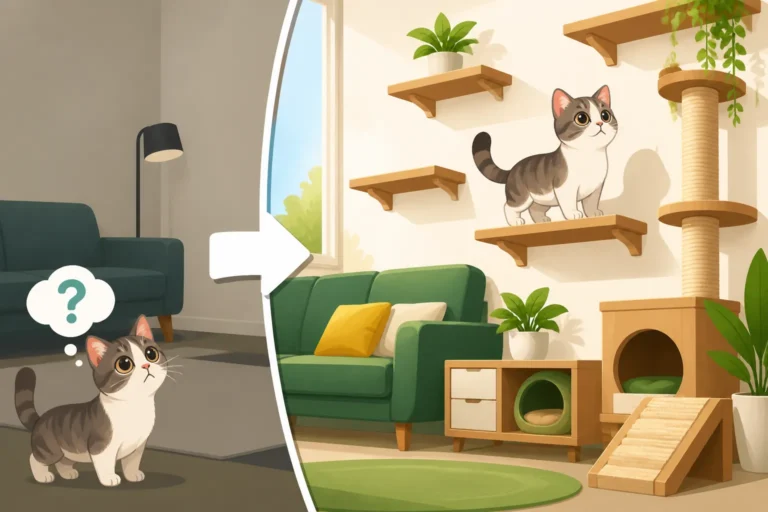
Consider the layout of your home. Are there areas they enjoy that are currently inaccessible? Providing a ramp will expand their territory and enrichment. You can strategically place a ramp leading to a cat tree with close-set platforms, ensuring they have vertical space they can reach. To encourage independent use, occasionally leave a high-value toy or a small pile of treats at the top of a ramp when you're not actively training. This creates a spontaneous reward and reinforces the idea that good things happen at the top of the ramp. The more natural and ubiquitous ramps become, the more likely your Munchkin will see them as the default, safe pathway, rather than a special "training tool." This is really What Keeping a Munchkin's House Adapted Costs Yearly, but it's worth every penny.
Long-Term Benefits of Cue-Based Ramp Use
Teaching your Munchkin to use a ramp on cue is more than just a trick; it's an investment in their health, happiness, and your bond. The immediate benefit is, of course, reduced strain on their delicate spine and joints, helping to prevent painful conditions like arthritis later in life. By consistently using ramps, you're proactively addressing Why a Munchkin's Spine Carries a Load a Normal Cat's Does Not, which is crucial for their long-term well-being.
Beyond the physical, there's a huge psychological benefit. A Munchkin that can confidently navigate its environment feels more secure, less frustrated, and generally happier. They're not constantly hitting physical barriers or needing to rely on you to lift them, though they'll still happily demand cuddles! This independence fosters a greater sense of well-being. Furthermore, the training process itself, with its positive reinforcement and shared goals, strengthens the connection between you and your cat. It builds trust and understanding, creating a deeper, more enriching relationship. Ultimately, a well-trained Munchkin who uses its ramps on cue is a testament to thoughtful ownership and a happier, healthier companion for years to come.
Disclaimer
This article is for general informational purposes only and does not constitute professional advice. Laws, prices and regulations vary by location and change over time. Consult a qualified professional for guidance on your specific situation.