How Steep a Munchkin’s Ramp Can Be
One of the most common frustrations for Munchkin cat owners is watching their adorable, short-legged companions struggle to reach heights that come effortlessly to other cats. Whether it's the sofa, the bed, or that coveted sunny windowsill, the vertical world can be a real challenge for our little low-riders. This guide will dive deep into a crucial aspect of making your home Munchkin-friendly: understanding just how steep a ramp can be while still being safe and comfortable for your cat.
Understanding the Munchkin's Unique Mobility Needs
Before we talk angles and materials, it’s vital to truly grasp why a Munchkin moves the way they do and what their short legs mean for their daily life. They aren't just smaller versions of long-legged cats; their entire locomotion is adapted to their unique physicality.
The Physics of Short Legs and Incline
Imagine trying to climb a steep hill with very short legs. It takes more effort, places more strain on your joints, and your center of gravity feels off. This is a daily reality for a Munchkin facing an incline. Their short limbs mean they have less leverage and a smaller stride length compared to a cat with standard leg proportions. When climbing, they need to lift their body weight higher with each step relative to their leg length. This isn't just about effort; it's about the biomechanics of their spine and joints. A steeper incline forces their body into a more acute angle, compressing their spine and putting significant stress on their shoulders, elbows, and hips. Think about it: a regular cat can stretch its longer legs to create a more gradual angle of ascent, distributing the load more evenly. A Munchkin simply doesn't have that luxury. The steeper the ramp, the more their short front legs bear the brunt of their body weight, pushing upwards against gravity.
Why Standard Cat Accessories Don't Always Work
Many standard cat products are designed with the assumption of a cat's typical agility and leg length. Take a standard cat tree, for instance. The platforms are often spaced too far apart, requiring a significant jump that a Munchkin either can't make or attempts at considerable risk to their joints. Even seemingly helpful items like pet stairs can sometimes be problematic if the individual step height is too great. A regular cat might bound up steps, but a Munchkin needs a more gradual, continuous slope, or very shallow, closely spaced steps. This is why you can't just buy any ramp; you need one specifically designed or adapted with a Munchkin's limitations in mind. The typical dog ramp, for example, might be too narrow, too steep, or lack the proper surface texture that a cat needs for confident footing. Understanding Which Cat Tree Layout Suits a Munchkin can give you more insight into adapting vertical spaces.
The Importance of a Low Center of Gravity for Balance
While their short legs present challenges for vertical climbs, a Munchkin's low center of gravity actually offers some surprising advantages on flat ground. They are often surprisingly fast and agile across level surfaces, able to turn corners with impressive speed. Why a Munchkin Is Faster on the Flat Than You Expect is a testament to this. However, this advantage doesn't translate to climbing steep inclines. On a ramp, that low center of gravity, combined with short legs, can make them feel less stable, particularly if the ramp is narrow or has a slick surface. They need to plant their feet firmly and feel secure to prevent slipping or losing their balance, which can be a real fear for them. A wobbly or overly steep ramp can negate any sense of stability they might usually possess, leading to hesitation or refusal to use it altogether.
Ideal Ramp Angles for Munchkin Safety and Comfort
Finding the perfect ramp angle isn't just about getting your Munchkin where they want to go; it's about ensuring they get there comfortably and safely, without undue strain or fear.
The "Sweet Spot" Angle for Easy Ascent
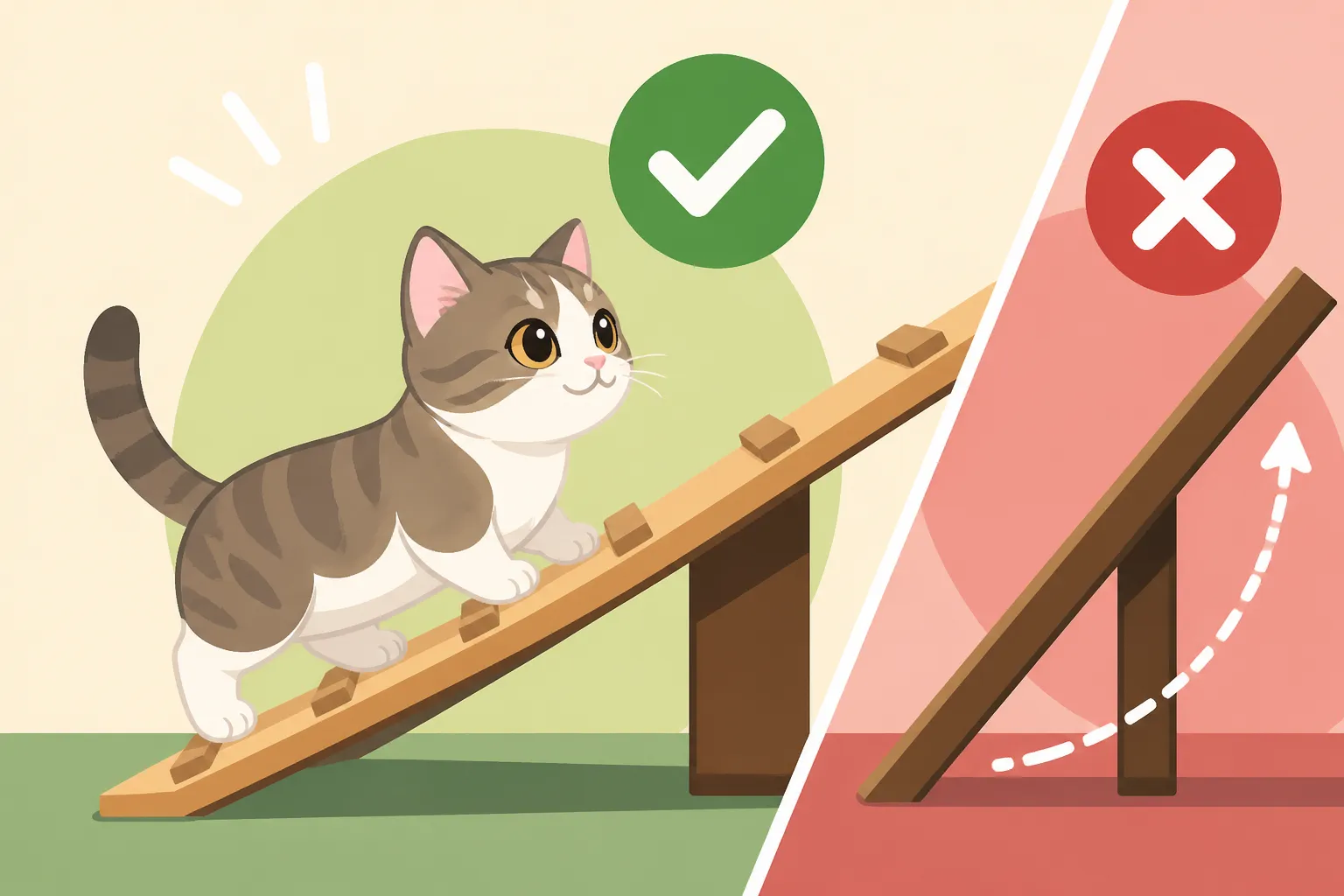
For most Munchkins, an ideal ramp angle falls within the range of 18 to 25 degrees. Think of it like a gentle slope, not a sharp incline. Anything steeper than 25 degrees starts to become challenging, and above 30 degrees, it can be outright dangerous and discourage use. To visualize this, a 25-degree ramp means that for every foot of horizontal length, the ramp rises about 5.6 inches vertically. A longer ramp will naturally provide a gentler slope for a given height. For instance, reaching a 2-foot high bed with a 25-degree ramp would require a ramp length of approximately 4.7 feet. This is why Ramps and Steps Are Munchkin Equipment, Not Luxuries – they are essential for safe access. When the angle is too steep, it forces the Munchkin to arch their back more severely, potentially stressing their unique spinal structure. It also makes them rely heavily on their front legs for pushing power, which can exacerbate wear and tear on their shoulders and elbows over time.
The Role of Surface Material in Traction
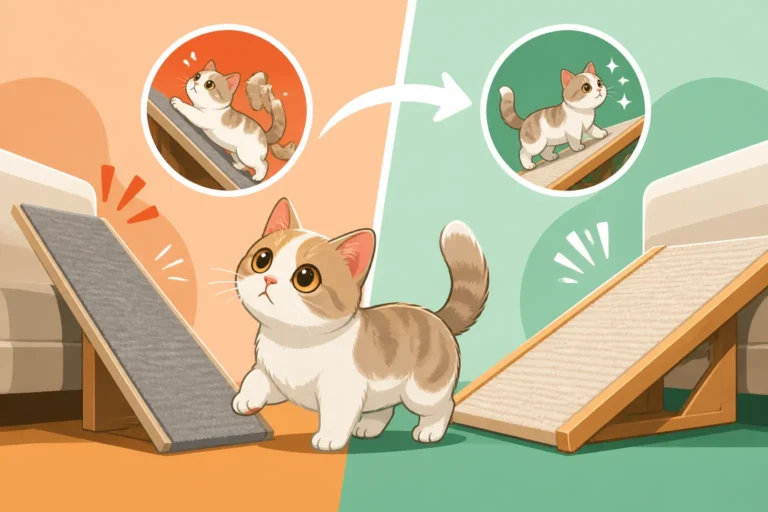
The angle is only one part of the equation; the ramp's surface material is equally critical for a Munchkin's confidence and safety. A smooth, slick surface, even on a gentle slope, can be terrifying for a cat that relies on good grip. Imagine trying to walk up a polished ramp in socks – you'd slip and slide everywhere! For a Munchkin, this translates to anxiety and potential injury.
The best materials provide excellent traction. Carpeted ramps, especially those with a low pile, are fantastic. Non-slip rubber surfaces or even outdoor-grade sandpaper (fine grit, safely adhered) can also work. The key is to ensure their paws have something to grip onto, preventing slips and falls. Many commercial pet ramps, like those you might find on Amazon or Chewy, come with carpeted surfaces already. If you’re DIY-ing, secure carpet remnants or rubber matting firmly to the ramp surface so there are no loose edges to trip on. Loose fabric can be just as dangerous as a slick surface.
Adapting Ramp Length for Gentler Slopes
Sometimes, you can't change the height of the furniture, but you can always adjust the length of the ramp. This is often the easiest way to achieve that "sweet spot" angle. The longer the ramp, the less steep the incline will be for a given vertical height. For example, if your sofa is 18 inches high, a 3-foot ramp would give you an angle of about 25 degrees. But if you could use a 4-foot ramp, the angle would drop to a much more comfortable 20 degrees. This extra length can make all the difference in encouraging your Munchkin to use the ramp confidently. You might need to get creative with your room layout to accommodate a longer ramp, but the benefit to your cat's long-term joint health and daily comfort is immeasurable. Remember, Why a Munchkin's Spine Carries a Load a Normal Cat's Does Not due to their unique conformation, making these considerations even more important for their wellbeing.
Here's a simple table to illustrate the relationship between height, length, and angle:
| Desired Height (inches) | Ramp Length (inches) | Approx. Angle (degrees) | Notes for Munchkins |
|---|---|---|---|
| 12 (e.g., chair) | 36 | 18.4 | Very comfortable, easy ascent. |
| 12 | 24 | 30 | Steep, likely to be difficult or avoided. |
| 18 (e.g., sofa) | 48 | 22 | Good, manageable slope. |
| 18 | 36 | 30 | Very challenging, high risk of strain. |
| 24 (e.g., bed) | 60 | 23.6 | Ideal, but requires significant floor space. |
| 24 | 48 | 30 | Too steep for regular, comfortable use. |
Assessing and Choosing the Right Ramp for Your Munchkin
Once you understand the ideal angles and surfaces, it's time to put that knowledge into action and choose or create the perfect ramps for your home.
Factors Beyond Just the Angle: Width and Stability
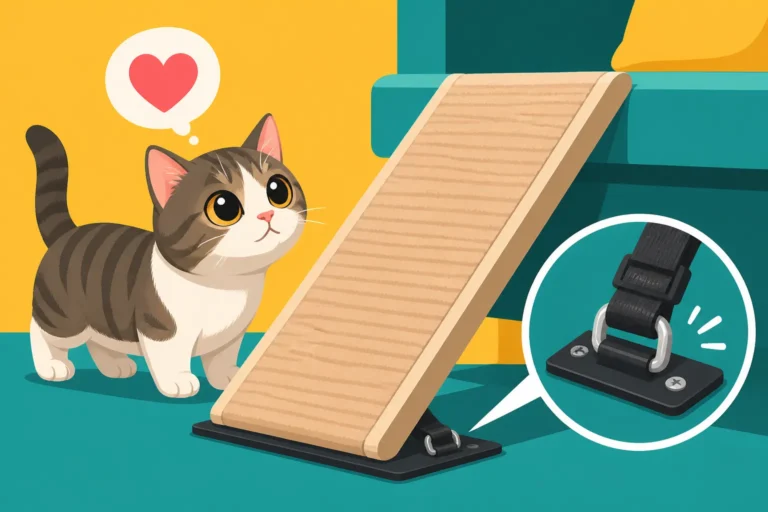
While angle and surface are paramount, don't overlook ramp width and stability. A narrow ramp, even with a great angle and traction, can feel precarious to a Munchkin. Cats like to feel secure, and a ramp that's too narrow might make them feel like they could fall off the sides. Aim for a ramp that's at least 10-12 inches wide, giving them ample room to navigate comfortably without feeling restricted. Stability is also non-negotiable. A wobbly or flimsy ramp is not only dangerous but will also deter your Munchkin from using it. It needs to be solidly built and securely anchored, especially at the top, so it doesn't shift when your cat steps onto it. If you're using a ramp for your bed, consider non-slip pads underneath the base to prevent movement on hardwood floors. A ramp that slides or tips even once can create a lasting fear in your cat, making them unwilling to try it again.
Where to Place Ramps Strategically
Ramps are most effective when placed in areas where your Munchkin frequently tries to access higher surfaces. Think about their favorite napping spots, observation perches, or even just the sofa where you enjoy cuddles. Common strategic placement areas include:
- Next to sofas and armchairs: This is often the first place Munchkins try to jump.
- Beside beds: Especially if your cat sleeps with you, a ramp here is a must.
- Leading to window sills or cat trees: If you have a cat tree, ensure the ramp connects to the lowest platform or provides access to a favorite viewing spot.
- Accessing pet carriers or cars: For vet visits or travel, a portable ramp can reduce stress and strain.
Don't just put one ramp in one spot. How to Set Up Ramps Around a Munchkin's House means creating a network of safe access points so your Munchkin can navigate their environment independently. Observe your cat's natural pathways and place ramps where they'll organically encounter them.
DIY Solutions vs. Pre-made Options
You have options when it comes to acquiring ramps. Pre-made pet ramps are widely available from retailers like Chewy and Amazon, offering convenience and often good design. Look for those specifically marketed for small dogs or senior cats, as these tend to have gentler slopes and better traction. Always check reviews for comments on stability and material.
However, sometimes a DIY solution is the best fit for your specific furniture and home layout. Building your own ramp allows for custom lengths, widths, and angles, ensuring a perfect match for your Munchkin's needs and your decor. You can use plywood or sturdy lumber for the base, then cover it with carpet tiles, sisal, or a rubber mat for traction. Just remember to sand any rough edges and use pet-safe adhesives or fasteners. Whether you buy or build, the goal is the same: a stable, appropriately angled, non-slip pathway to freedom for your furry friend.
Training Your Munchkin to Confidently Use Ramps
Introducing a new ramp, even a perfectly designed one, might require a bit of patience and positive reinforcement. Cats are creatures of habit, and some are more wary of new objects than others.
Positive Reinforcement and Patience
The key to successful ramp training is making it a positive experience. Start by placing treats directly on the ramp, gradually moving them higher up the incline. Use high-value treats that your Munchkin absolutely loves. When they take a step on the ramp, offer praise and a treat. If they climb the whole way, throw a party! Do this repeatedly, making sure every interaction with the ramp is associated with something good. Avoid forcing them onto the ramp, as this can create a negative association. Some cats might be nervous at first; simply leave the ramp in place, place treats at the very bottom, and let them explore it at their own pace. Consistency is crucial. Regularly encourage them, but also let them discover its utility on their own terms. This process is very similar to How to Teach a Munchkin to Use Steps if you've ever tried that.
Troubleshooting Common Ramp Aversions
What if your Munchkin simply won't use the ramp? Don't give up!
- Slipping issues: Re-evaluate the surface. Is it truly non-slip? Could you add more texture or grip? Even a slight wobble can deter them.
- Angle too steep: Refer back to the ideal angles. Can you lengthen the ramp or lower the target height? A ramp that's too steep causes Why a Munchkin's Shoulders Wear First due to the strain.
- Fear of the unknown: Let the ramp sit in place for a few days without interaction, allowing your cat to get used to its presence. You can even rub their scent on it or place a familiar blanket on a portion of the ramp.
- Blocked path: Ensure the top and bottom of the ramp are clear and easy to access. No obstacles should impede their journey.
- Competition: If you have multiple pets, ensure your Munchkin feels safe approaching and using the ramp without being challenged.
- Location: Is the ramp in a high-traffic area that feels too exposed? Some cats prefer a more discreet or quiet approach.
Sometimes, a change in lighting or even the background noise can make a difference. Observe your Munchkin carefully to understand what might be causing their hesitation.
Recognizing When a Ramp Is Too Steep for Your Cat
Even if a ramp falls within the "acceptable" angle range, your individual Munchkin might find it too steep. Every cat is different, and some may have underlying joint sensitivities or simply be less confident climbers. Watch for these signs that the ramp might be too steep:
- Hesitation: Your cat approaches, paws at it, but doesn't commit to climbing.
- Struggling: You see their front legs splay, they slide, or they visibly strain to push themselves up.
- Avoiding: They consistently choose to jump (if they can) or ask to be lifted rather than using the ramp.
- Loss of balance: They appear wobbly or unsteady during ascent or descent.
- Reluctance to descend: Coming down a steep ramp can sometimes be harder than going up, especially if it feels slippery.
- Audible complaints: Growling, meowing, or other vocalizations during use.
If you observe any of these behaviors, it's a clear signal that the ramp needs adjustment, either by decreasing the angle, improving traction, or finding an alternative. Whether a Munchkin Should Be Discouraged From Jumping is another important consideration here; if the ramp isn't an easier alternative, they'll keep jumping, which can be worse for their joints.
The Risks of Overly Steep Ramps for Munchkins
It's easy to think a slightly steeper ramp is "good enough," but for a Munchkin, the consequences can be significant and long-lasting. Their unique anatomy makes them more vulnerable to the stresses of an inappropriate incline.
Joint Strain and Long-Term Health Concerns
A steep ramp forces a Munchkin to exert considerable effort, primarily on their front legs and shoulders. Over time, this repetitive strain can lead to chronic pain and accelerate the development of conditions like osteoarthritis. Unlike a standard cat that distributes weight across longer limbs and a more flexible spine, a Munchkin's shortened legs mean less shock absorption and more direct impact on their joints. Their spine, while often described as normal length, still carries the load between these short supports. Repeatedly climbing a steep incline puts immense pressure on their intervertebral discs and the small bones of their spine. This constant stress is a major contributor to Whether a Munchkin Gets Arthritis Earlier. Over time, this wear and tear can lead to painful stiffness, reduced mobility, and a diminished quality of life for your cat. It's a silent threat that can manifest years down the line.
The Frustration and Danger of Failed Climbs
Imagine wanting to reach a comfortable spot but repeatedly failing to get there. This is the frustration a Munchkin faces with an overly steep ramp. They might try, slip, and fall, which is not only physically dangerous but also mentally demoralizing. A fall from even a moderate height can result in sprains, fractures, or more serious injuries, especially if they land awkwardly. Beyond physical harm, repeated failures can lead to learned helplessness or anxiety around the ramp, making them reluctant to use it even if it's later adjusted. This can break their confidence and reduce their willingness to explore vertical spaces, ultimately limiting their enrichment and interaction with their environment. The danger isn't just a one-time accident; it's the cumulative effect of constant micro-traumas and the mental toll of constant struggle.
Preventing Accidents and Falls
The best way to prevent accidents is to ensure your ramps are always designed for ease of use and safety.
- Prioritize shallow angles: Err on the side of a longer, gentler slope.
- Ensure excellent traction: No bare wood or slick plastic. Carpet, rubber, or sisal are your friends.
- Check stability religiously: Wobbly ramps are lethal. Make sure they are firmly planted and don't shift.
- Keep them clear: Don't let clutter accumulate on or around the ramp.
- Monitor usage: Watch your Munchkin. Are they using it confidently? Struggling? Adjust as needed.
- Consider safety netting: If a ramp leads to a very high place, and your Munchkin is particularly clumsy, consider soft landing pads or even temporary netting around the landing zone.
Proactive safety measures are far easier and less costly than dealing with injuries. A small investment in a well-designed ramp today can save you significant vet bills and heartbreak down the road. This ethos is similar to Why a Munchkin's House Costs More Than the Cat – the adaptations are investments in their wellbeing.
Maintaining and Adjusting Ramps as Your Munchkin Ages
Caring for a Munchkin is a long-term commitment, and their mobility needs will evolve, especially as they enter their senior years. Ramps are not a "set it and forget it" solution.
Regular Inspections and Wear and Tear
Just like any piece of household equipment, ramps need regular inspection. Carpeted surfaces can wear down, losing their grip, or becoming frayed – a potential tripping hazard. Wooden ramps can splinter or loosen at the joints. Plastic ramps might crack or become brittle over time. Make it a habit to check all ramps monthly:
- Traction: Is the surface still grippy? Are there bald spots on carpet?
- Stability: Does the ramp wobble? Are all screws and fasteners tight? Is it securely anchored?
- Cleanliness: Are there any sticky residues or debris that could make it slippery?
- Structural integrity: Any cracks, splinters, or signs of damage?
Addressing minor wear and tear promptly can prevent a small issue from becoming a dangerous accident. Replacing worn carpeting or tightening a screw is much simpler than dealing with a cat injury.
Signs Your Senior Munchkin Needs a Gentler Slope
As Munchkins age, typically around 8-10 years, their joints may begin to stiffen, and their energy levels might decrease. When a Munchkin Counts as Senior is an important marker for when to pay extra attention. Even if a ramp was perfectly fine for them in their younger years, it might become too challenging later on. Look for these signs in your senior Munchkin:
- Increased hesitation: They might pause longer before attempting to climb, or stare at the ramp thoughtfully.
- Slower movement: Their ascent and descent become more deliberate and less fluid.
- Visible stiffness: You might notice them stiffening up after using the ramp, or favoring certain legs.
- Seeking alternative, easier routes: They might try to find a different way up, or simply stop trying to get to their favorite elevated spots.
- Increased vocalization: More meows or groans during or after climbing.
These are all signals that their current ramps might be causing discomfort or require too much effort. It's time to consider an even gentler slope, perhaps by investing in a longer ramp or adding an intermediate step to break up the climb. What an Old Munchkin Stops Being Able to Do often includes jumping and navigating steep inclines.
Adapting Your Home as Mobility Changes
Caring for an aging Munchkin means being proactive about adapting their environment. If a ramp that once worked perfectly now seems too steep, you might need to:
- Replace it with a longer, shallower ramp: This is often the simplest solution.
- Add an intermediate step or platform: If a long ramp isn't feasible, a sturdy, low-level platform placed halfway up can break the journey into two easier segments.
- Re-evaluate furniture height: Can you lower a bed or sofa? Sometimes subtle changes to the furniture itself can help.
- Provide more ground-level enrichment: Ensure they have plenty of comfortable, stimulating activities that don't require climbing.
- Consider softer landing zones: Place thick rugs or pet beds at the bottom of ramps, just in case of an accidental slip.
Just as you would adjust for a senior human, adapting your home for a senior Munchkin is an act of love. Their comfort and continued mobility are paramount to their quality of life in their golden years. This can include anything from softer bedding to Caring for an Old Munchkin That Has Stopped Climbing, ensuring they continue to thrive.
Disclaimer
This article is for general informational purposes only and does not constitute professional advice. Laws, prices and regulations vary by location and change over time. Consult a qualified professional for guidance on your specific situation.