Why a Munchkin Is Faster on the Flat Than You Expect
It’s a common misconception to assume that a cat with short legs must be slow or clumsy. Many prospective Munchkin owners worry that these adorable felines won't be able to run and play like a "normal" cat, perhaps even envisioning a perpetually struggling pet. However, you might be genuinely surprised to discover that a Munchkin can be incredibly agile and, in fact, quite fast on flat surfaces, defying expectations with their zippy movements. This guide will dive deep into the fascinating mechanics behind a Munchkin's speed and agility, explaining why their unique physique actually gives them an edge in certain situations, and what this means for their care and enrichment.
The Surprising Speed of the Munchkin: Dispelling Myths
When you first see a Munchkin cat, with their distinctly short legs, it’s only natural to assume they might be at a disadvantage when it comes to speed and agility. They certainly look different from their long-legged counterparts, and often, what looks different is mistakenly perceived as weaker or less capable. This visual bias leads many to underestimate their athletic prowess, imagining a slow, plodding creature.
Why Perception Can Be Deceiving
Our brains are wired to make quick judgments, and for cats, we often associate long, lean legs with speed and grace. Think of a cheetah or a sleek domestic shorthair; their body types just scream "fast." So, when confronted with the adorable, low-slung profile of a Munchkin, it’s easy to project human assumptions about leg length onto their capabilities. We might picture a dog like a Basset Hound or a Dachshund, known for their charming but often less-than-speedy gait, and assume a cat with similar proportions would move similarly. This visual shortcut often leads to an inaccurate assessment of the Munchkin's true athletic potential.
The immediate impression can be that their legs are a hindrance, limiting their ability to accelerate or maintain speed. People might even worry that they look uncomfortable or awkward in their movements. This isn't usually the case at all for a healthy Munchkin. Their short stature doesn't automatically equate to a lack of speed; it simply means they've adapted a different, but equally effective, method of getting around with surprising velocity. They might not leap onto the highest bookshelf in a single bound, but that doesn't stop them from zipping across the living room floor with remarkable pace.
The Reality of Their Ground Speed
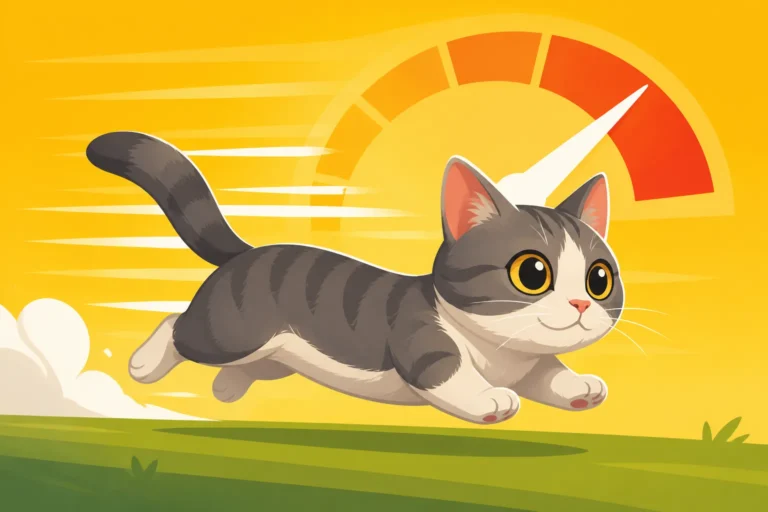
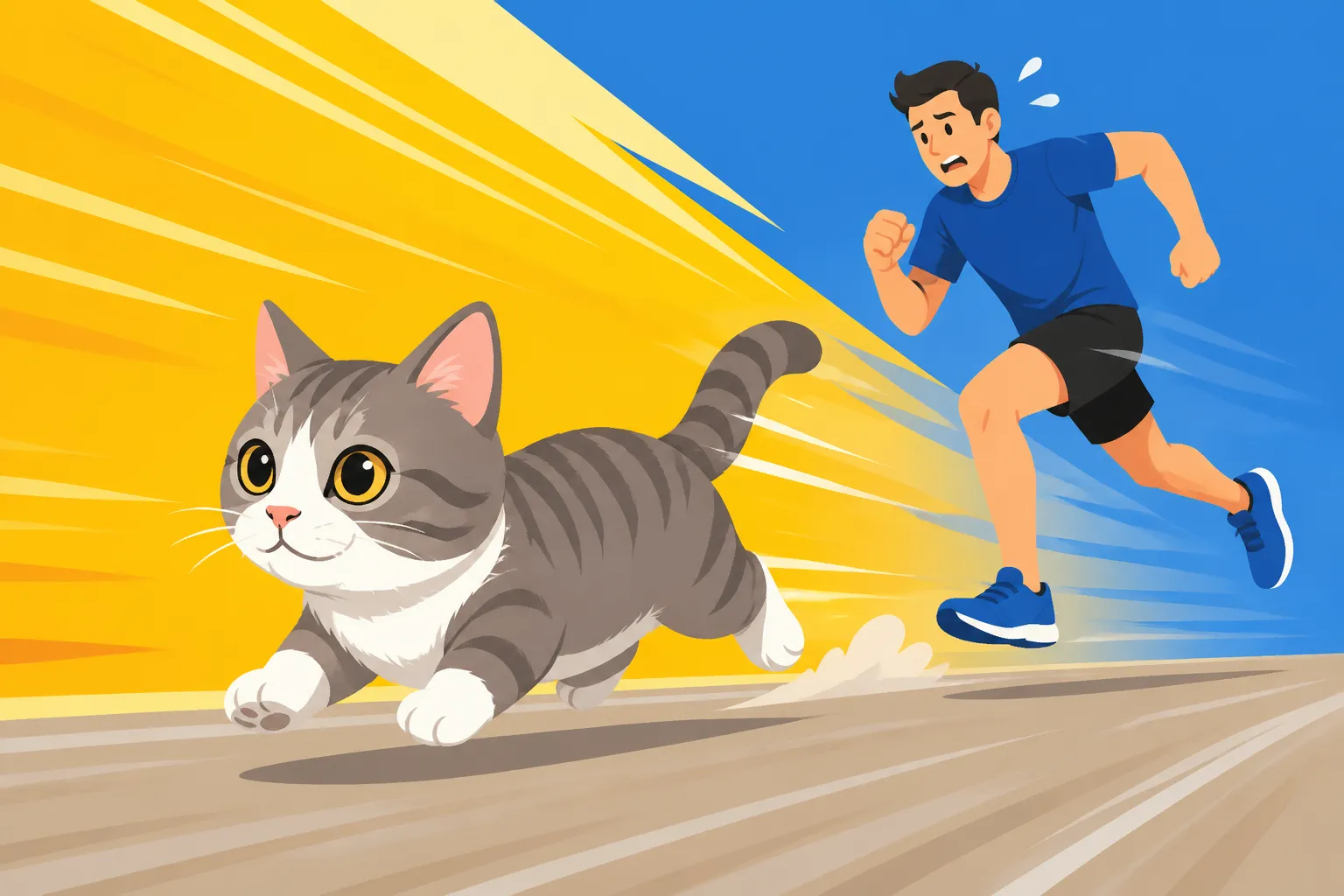
The truth is, on a flat, even surface, a Munchkin can be astonishingly quick. Their compact bodies and powerful hindquarters allow them to generate significant propulsion, turning their short legs into efficient little pistons. Rather than covering ground with long, loping strides, they use a rapid-fire succession of shorter, quicker steps, which can add up to impressive speeds. It's less about a marathon runner's endurance and more about a sprinter's burst. Many owners report being genuinely taken aback by how quickly their Munchkin can dart from one end of a room to the other, often catching them completely off guard.
This speed isn't just anecdotal; it's a characteristic frequently observed by those who live with or breed Munchkins. They are often described as having a "ferret-like" gait, scampering across floors with a low-to-the-ground, almost fluid motion that allows them to accelerate rapidly. While they might struggle with vertical challenges like jumping onto high counters, their horizontal speed is often on par with, or even surpasses, many longer-legged domestic cats, especially in short bursts. How Fast a Munchkin Runs on Level Ground discusses this in more detail, exploring the nuances of their distinctive locomotion.
Understanding the Munchkin's Unique Physique
To truly appreciate why a Munchkin can be so fast on the flat, we need to look beyond the immediate visual and understand the specific anatomical adaptations that contribute to their surprising speed. Their short legs are indeed their defining feature, but it's how their entire body works in concert with these legs that truly unlocks their potential for swift ground movement.
The Low Center of Gravity Advantage
One of the most significant advantages a Munchkin possesses is its incredibly low center of gravity. Because their bodies are much closer to the ground than most cats, they naturally have a more stable base. Imagine trying to push over a bowling ball versus a tall, slender vase; the bowling ball is much harder to tip. This inherent stability translates directly into superior balance, especially during rapid movement and quick changes in direction. A lower center of gravity reduces the likelihood of losing balance, allowing them to lean into turns and accelerate without wobbling.
This stable platform is crucial for initiating and sustaining bursts of speed. When a Munchkin pushes off the ground, their low profile means less energy is wasted on maintaining vertical stability. Instead, almost all their propulsive force can be directed horizontally, driving them forward. This gives them a distinct edge in acceleration and maintaining control when moving at top speeds, particularly on smooth indoor surfaces where stability is key. It's a fundamental aspect of their unique movement style, helping them to maintain traction and prevent slips.
Body Proportions and Muscle Distribution
While their legs are short, a Munchkin's body itself is typically of normal length and proportion, not shortened like some other dwarf breeds. Why a Munchkin's Legs Are Short but Its Body Is Not delves into this distinction. This normal body length, combined with a robust and well-muscled torso, gives them a powerful engine to work with. Their hindquarters, in particular, are often well-developed, providing the necessary strength for explosive pushes off the ground. Think of them as miniature powerhouses, with their strength concentrated in a compact frame.
The muscle distribution in a Munchkin also contributes to their flat-surface speed. Their shorter limbs mean that the muscles have less distance to move, allowing for quicker, more frequent contractions. While a longer stride might cover more ground per step, the Munchkin compensates with a higher stride frequency. This rapid leg turnover, combined with strong, well-toned muscles, enables them to maintain a consistent, fast pace. They aren't built for long-distance running, but for quick sprints and agile maneuvers, their muscular build is surprisingly effective.
The Mechanics of a Munchkin's Run
The way a Munchkin runs is fundamentally different from a long-legged cat, and understanding these biomechanical differences helps clarify their speed on the flat. It's not a less effective way of moving, just a specialized one that maximizes their unique anatomy.
How Their Short Legs Generate Propulsion
Instead of relying on long levers for powerful, sweeping strides, Munchkins utilize their short, sturdy legs for rapid, piston-like movements. Each footfall is quick and decisive, minimizing the time spent on the ground and maximizing the frequency of pushes. It’s like a small, highly efficient engine with many rapid cycles rather than a large engine with fewer, more powerful ones. This high stride rate is a key component of their ability to achieve surprising speeds over short distances.
Their muscular legs, though short, are packed with fast-twitch fibers, allowing for quick, explosive actions. When a Munchkin pushes off, their paws grip the surface firmly, propelling their body forward with an efficient transfer of energy. Because their body is so close to the ground, there's less vertical displacement during each stride, meaning more energy is channeled into horizontal motion. This efficient propulsion system allows them to accelerate from a standstill to top speed very quickly, making them formidable opponents in a game of chase across a living room floor.
The Role of Their Spine and Hindquarters
A healthy Munchkin's spine is typically of normal length, which is crucial for their running mechanics. Why a Munchkin's Spine Is Normal Length highlights this important aspect of their anatomy. Unlike some other dwarf breeds that might have spinal abnormalities, the Munchkin's spine provides a flexible yet stable axis for movement. This allows their powerful hindquarters to flex and extend effectively, generating the primary thrust for their forward motion. The hips and powerful thigh muscles are the true engines, driving the rapid movement of their short legs.
When a Munchkin runs, you'll notice a characteristic undulation in their back, similar to other cats, allowing for maximum extension and contraction. This spinal flexibility, combined with the strength of their rear legs, creates a spring-like action that propels them forward. Their hindquarters don't just push; they also provide excellent traction and leverage, especially when launching into a sprint. This coordination between a strong spine and powerful hindquarters is what transforms their short-leggedness from a perceived handicap into an efficient system for ground-level speed.
Differences in Gait Compared to Long-Legged Cats
The gait of a Munchkin is often described as unique, sometimes compared to a ferret or a badger due to their low-slung body and quick, shuffling steps. Where a long-legged cat might bound or lope, the Munchkin maintains a lower profile, their body remaining relatively parallel to the ground. This minimizes energy expenditure on vertical lift and maximizes forward momentum. It's a direct, economical way of moving that is perfectly suited to their body type.
Consider the difference in their approach to obstacles. A long-legged cat might simply step over a low barrier, or jump onto a chair. A Munchkin, on the other hand, will often navigate under obstacles or find alternative, lower paths. When running, their stride is naturally shorter, but the frequency is higher, creating a continuous, flowing motion rather than distinct, separated bounds. This distinct "scamper" allows them to maintain incredible momentum, particularly when they don't have to break their stride for vertical challenges. How a Vet Watches a Munchkin Walk is an interesting read if you want to understand how professionals observe their unique gait.
Agility and Maneuverability on Flat Surfaces
Speed isn't just about straight lines; it's also about the ability to change direction, stop quickly, and navigate complex environments. Here, too, the Munchkin often shines on flat surfaces, demonstrating a surprising level of agility that complements their speed.
Cornering and Quick Direction Changes
The Munchkin's low center of gravity isn't just great for stability; it's a huge asset for cornering and making quick, sharp turns. Just like a race car with a low chassis handles corners better, a Munchkin can lean deeply into turns without losing balance or traction. They can pivot on a dime, quickly shifting their weight and adjusting their direction with remarkable precision. This makes them incredibly adept at navigating around furniture, darting through doorways, and weaving between obstacles during play. Why a Low Center of Gravity Helps a Munchkin Corner further explains this fascinating advantage.
This ability to change direction rapidly is a key aspect of their play behavior. They can chase a toy, abruptly reverse course, and then dart off in another direction, all in a fluid, continuous motion. This makes them exceptionally engaging playmates, as their unpredictable movements keep owners and other pets on their toes. It also means that keeping up with a playing Munchkin requires attention, as they can be gone in a flash, even in what seems like a confined space. This agility adds a whole layer of fun and dynamism to their personality.
Evading and Dodging with Ease
Their combination of speed and low-to-the-ground agility makes Munchkins excellent at evading and dodging. During playful chases, whether with another cat or a human, they can use their compact size and quick movements to slip under furniture, dart behind curtains, or disappear into tight spaces that a long-legged cat might not be able to access as quickly. This evasion tactic is part of their natural predatory and playful instincts, allowing them to mimic hunting behaviors effectively.
This dodging ability isn't just for fun; it's also a survival trait. While indoor Munchkins don't face predators, their ancestors and feral counterparts would have relied on such quick, ground-level maneuvers to escape danger. For our pampered pets, it simply translates into a highly entertaining and active play style. Offering them toys that move erratically and require quick reactions, such as laser pointers (used carefully to avoid frustration) or small, remote-controlled mice, can be incredibly enriching. You can find a wide array of engaging toys on platforms like Amazon that cater to a Munchkin's need for swift, interactive play.
Adapting to Their Environment: Play and Exercise
Understanding a Munchkin's natural speed and agility on flat surfaces is key to creating an enriching and safe home environment for them. While they excel at ground-level activities, responsible ownership means recognizing their physical limitations in other areas and adapting their world to their unique needs.
Optimizing Play Spaces for Speed and Safety
To truly let a Munchkin embrace their inner speed demon, their play areas should be optimized for horizontal movement. Clear, open stretches of floor, especially those with good traction, are ideal for chasing toys and engaging in vigorous sprints. Think about rolling balls, wand toys that sweep across the floor, or even simply wiggling a string that they can pounce on. These types of play encourage their natural fast-twitch muscle use and allow them to enjoy their incredible ground speed.
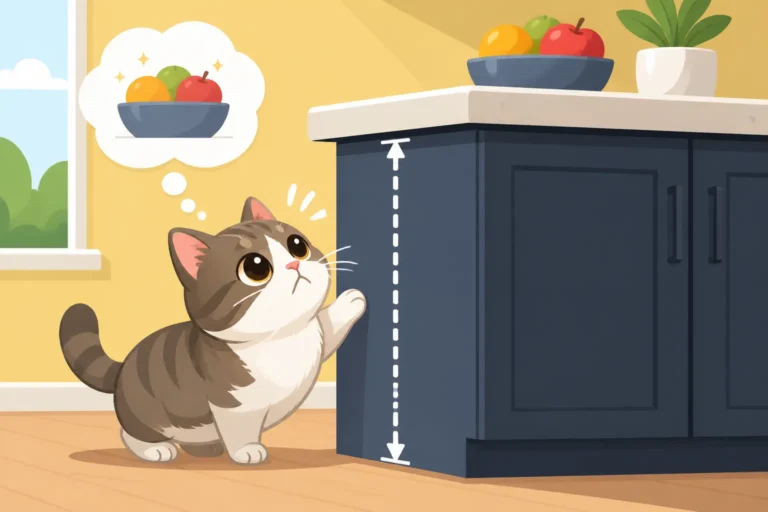
However, it's equally important to consider what they cannot easily do. While fast on the flat, they generally cannot jump as high as a normal-legged cat. How Many Inches a Munchkin Can Jump explains the reality of their vertical limitations. Tall cat trees with widely spaced platforms, for instance, are often inaccessible or even dangerous. Instead, provide low-to-the-ground platforms, steps, or ramps to help them reach favorite perching spots, windowsills, or even the sofa. This way, they can still access vertical space without putting undue strain on their spine or joints.
Encouraging Healthy Movement
Encouraging regular, appropriate movement is vital for a Munchkin's overall health and well-being. Their natural inclination to run and play on the flat is a fantastic foundation for keeping them active. Interactive play sessions multiple times a day can help maintain muscle tone, keep their weight in check, and provide mental stimulation. Puzzle feeders that require them to chase or bat at them on the floor can also be a great way to combine mealtime with exercise.
It's important to monitor their play intensity and ensure they aren't overdoing it, especially as they get older. While they are resilient, consistent high-impact jumping from heights can eventually take a toll on their joints. The goal is to provide opportunities for swift, agile movement on the ground while offering accessible ways to reach higher spots, thus reducing the need for strenuous jumps. This balance helps to prevent injuries and promote a long, healthy, active life.
What Their Speed Means for Owners
Living with a speedy Munchkin brings its own set of considerations, from ensuring their safety to understanding how their unique movement impacts daily life. It’s about more than just appreciating their agility; it’s about responsible care that acknowledges their particular needs.
Safety Considerations and Outdoor Risks
One of the most critical implications of a Munchkin's ground-level speed and lack of vertical escape options is the absolute necessity of keeping them as indoor-only pets. While they might be fast on the flat, they cannot climb fences or trees effectively to escape danger. A long-legged cat might scale a fence to get away from a dog or find refuge in a tree, but a Munchkin simply doesn't have that capability. This makes them incredibly vulnerable to predators, traffic, and other outdoor hazards. Why a Munchkin Should Never Be Let Outdoors is a crucial read for any potential owner.
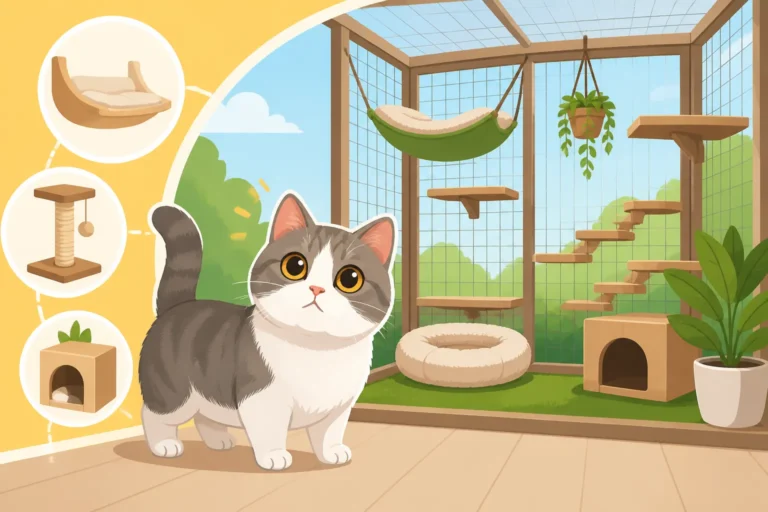
Their speed on the ground could also be a problem if they dart out an open door or window. They are quick enough to be out of sight in seconds, and without the ability to climb, they would be utterly defenseless. Therefore, owners must be extra vigilant about securing their homes, always ensuring doors and windows are closed, and perhaps even investing in double-door entry systems if possible. If you wish to give your Munchkin some outdoor enrichment, a secure, enclosed catio or supervised leash walks in a very safe, private area are the only responsible options.
Keeping Up with a Speedy Munchkin Indoors
An energetic Munchkin can be quite the whirlwind indoors! Their speed and agility mean that play sessions can be incredibly dynamic. Owners should be prepared for fast-paced games of chase and ensure there are no small, easily ingested items left on the floor that a curious, fast-moving Munchkin might snatch up. Because they spend so much time at floor level, their world is explored from a different perspective, often involving batting at objects under furniture or exploring low crevices.
This means that while they might not be scaling curtains, they are masters of the floor. Keeping the floor clear of clutter not only provides them ample space to zoom around but also prevents accidents. Their speed can sometimes make them tricky to catch if you need to administer medication or put them in their carrier. Engaging them with a favorite toy or a treat often works best, allowing them to come to you rather than you trying to corner a zippy little furball.
Common Misconceptions About Munchkin Mobility
The unique appearance of Munchkin cats has unfortunately led to a host of misunderstandings regarding their mobility and quality of life. It’s important to distinguish between their natural way of moving and any genuine health concerns.
The Myth of Being "Disabled"
Despite what some critics suggest, a healthy Munchkin is not "disabled" by its short legs. Their dwarfism, specifically pseudoachondroplasia, results in shortened long bones, but their joints are generally well-formed, and their spine, as mentioned, is typically of normal length. They don't usually experience pain or discomfort from their short legs in their daily activities. Whether a Munchkin Is in Pain From Its Legs addresses this directly. They adapt their movements to their body type, performing tasks like running, playing, and grooming in ways that work for them.
The perception of disability often arises from comparing them directly to long-legged cats and highlighting what they cannot do (like jump high). However, this overlooks what they can do, and often do exceptionally well, such as their impressive ground speed and agility. They are simply built differently, and their bodies function efficiently within those parameters. The key is to provide an adapted environment that respects their unique physical attributes rather than trying to force them into a world designed for a different body type.
Differentiating Between Natural Gait and Impaired Movement
It's crucial for Munchkin owners to understand the difference between their cat's natural, healthy gait and any signs of impaired movement that might indicate a health issue. A healthy Munchkin will move fluidly, albeit with a unique, low-slung run. Their steps will be quick and even, and they'll exhibit good balance and coordination. You might see them perform their characteristic "prairie dog sit" where they sit up on their hind legs to get a better view, which is a sign of good balance and strong hindquarters, not discomfort.
However, any signs of stiffness, limping, reluctance to move, favoring one leg, or a sudden change in their gait could be a red flag. While their short legs don't cause pain, they can, like any cat, develop joint issues over time, especially if overweight or if their environment isn't supportive. Early detection of any discomfort is vital, and a veterinarian who is familiar with Munchkin physiology can help assess their movement. What a Munchkin Breeder Should Be Able to Show You often includes observing parents' movement as an indicator of health.
Ensuring Long-Term Mobility and Health
Even with their surprising speed and agility, a Munchkin's unique physique means that certain aspects of their care are especially important for ensuring their long-term mobility and overall health. Proactive care is always better than reactive treatment.
The Importance of Weight Management
For a Munchkin, maintaining a healthy weight is absolutely paramount. Every extra pound or even ounce places disproportionate stress on their short limbs and, critically, their spine. Their short legs are not designed to carry excess weight, and an overweight Munchkin is at a significantly higher risk for developing joint problems, particularly in their shoulders and elbows, and exacerbating any potential spinal issues like lordosis. Why Weight Is More Dangerous on a Munchkin cannot be stressed enough.
An ideal weight allows them to move freely, exercise their natural speed, and maintain their agility without undue strain. Regular monitoring of their body condition and precise portion control are essential. Consult with your vet to determine the ideal weight range for your individual Munchkin and adhere to a strict feeding schedule, measuring food carefully. This proactive approach to nutrition is perhaps the single most impactful thing you can do to support their mobility throughout their lives.
Supporting Joint Health
While a healthy Munchkin's legs are generally robust, the constant, rapid movement and the unique stresses on their joints mean that supporting joint health is a wise long-term strategy. As they age, like any cat, they can be prone to osteoarthritis. For Munchkins, this might manifest in their front legs and shoulders, which bear a significant amount of impact from their low-to-the-ground movements and any occasional jumping. Whether a Munchkin Gets Arthritis Earlier is a common concern among owners.
Consider discussing joint supplements with your veterinarian, especially as your Munchkin approaches their senior years. Glucosamine, chondroitin, and omega-3 fatty acids are common ingredients in joint-supportive diets or supplements that can help maintain cartilage health and reduce inflammation. Providing soft landing areas near any elevated spots they access via ramps or steps can also help cushion their joints. Regular, gentle exercise that promotes flexibility without high impact, such as interactive floor play, will also contribute positively to their joint longevity. By being mindful of their unique physical needs, you can ensure your speedy little Munchkin enjoys a full, active, and comfortable life.
| Feature | Munchkin Cat | Typical Long-Legged Cat |
|---|---|---|
| Leg Length | Significantly shorter | Proportionately longer |
| Center of Gravity | Very low, closer to the ground | Higher, greater distance from the ground |
| Primary Speed Type | Excellent horizontal burst speed and agility | Good for jumping, climbing, and sustained chase |
| Gait Description | Ferret-like, scurrying, low to the ground | Loping, bounding, graceful, higher off ground |
| Cornering Ability | High stability allows sharp, quick turns | Can corner well, but less "grounded" |
| Jumping Ability | Limited vertical jump height | Can jump to significant heights |
| Spinal Length | Normal | Normal |
| Weight Impact | Highly sensitive to excess weight on joints | Excess weight impacts joints, but less acutely |
| Environmental Needs | Ramps/steps for height, clear floor for speed | Cat trees, vertical space, open areas for movement |
Disclaimer
This article is for general informational purposes only and does not constitute professional advice. Laws, prices and regulations vary by location and change over time. Consult a qualified professional for guidance on your specific situation.