Why a Cornered Munchkin Has Nowhere to Go
It's a distressing thought for any cat parent: your beloved feline feeling trapped, with no way to escape a perceived threat. For Munchkin cat owners, this isn't just a hypothetical fear; it's a very real concern rooted in their unique physical characteristics. Unlike their long-legged cousins, a cornered Munchkin genuinely has fewer options for escape, which can lead to significant stress and even danger. This comprehensive guide will explore exactly why a short-legged Munchkin struggles in these situations and, more importantly, what you can do to create a safer, more enriching environment for your special companion.
The Unique Mobility Challenges of a Munchkin
When we think of a cat escaping a scary situation, we often picture a blur of fur scaling a bookshelf, disappearing under a bed, or leaping onto a high perch. These are instinctive, natural escape routes for most cats. However, for a Munchkin, these options are drastically limited, changing the fundamental way they interact with their environment and perceive threats. Their adorable short legs, while giving them their distinctive look, are also their biggest limitation when it comes to vertical movement.
Limited Vertical Escape
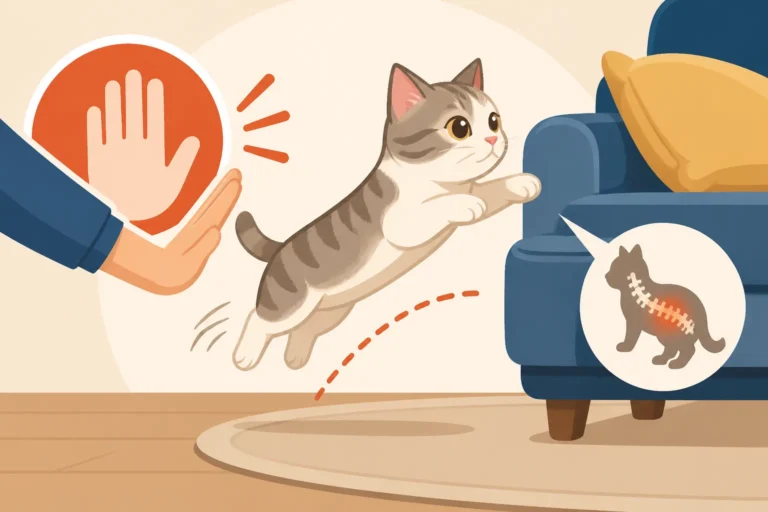
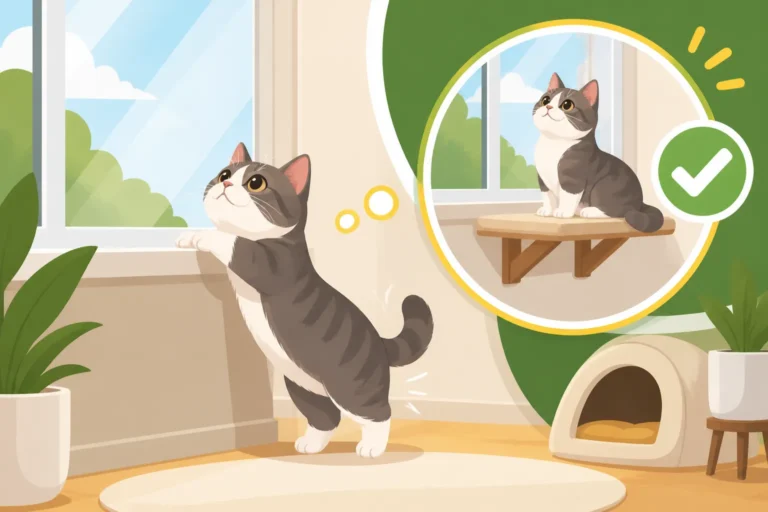
The primary challenge for a Munchkin is its inability to achieve significant vertical height. A standard cat, facing a dog, a rambunctious child, or an unfamiliar visitor, will instinctively try to get up and away. This might mean a swift jump onto a counter, a leap to the top of a cat tree, or a scramble up curtains. These elevated positions offer safety, a vantage point, and a sense of control. For a Munchkin, these avenues are often simply impossible. Their short femur and tibia bones, a result of their pseudoachondroplasia, mean they lack the powerful spring needed for high jumps.
Imagine a small domestic shorthair easily clearing the armrest of a sofa or springing onto a dining chair. Now envision your Munchkin trying to do the same. They might manage a small jump onto a low stool or a very shallow chair, but anything with significant height is usually out of reach. This isn't a lack of effort or desire; it's a physical limitation. They simply don't have the leverage or leg length to propel themselves upward as effectively. This means that if a threat approaches from ground level, their primary, instinctual escape mechanism – going vertical – is often denied to them. They can't just hop onto the kitchen counter for safety, no matter how much they might want to. Why a Munchkin Cannot Make the Kitchen Counter explains this in more detail.
Speed on the Flat vs. Vertical Ascent
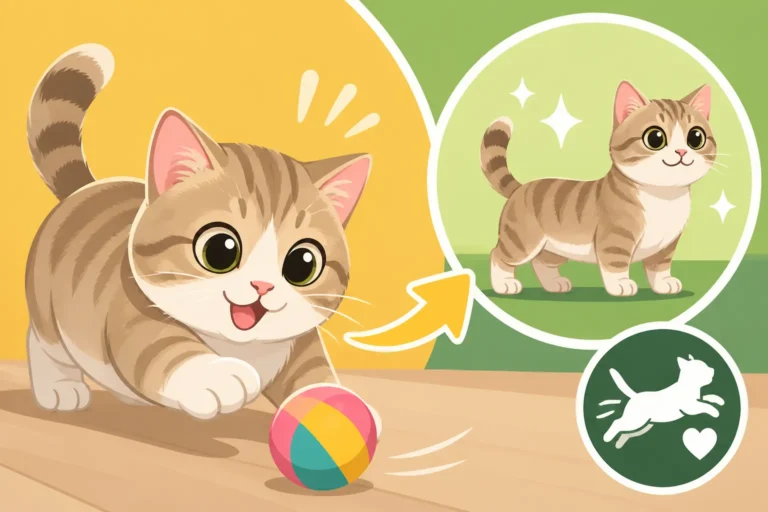
While Munchkins might struggle with vertical challenges, they are often surprisingly agile and quick on flat surfaces. Their low center of gravity can actually make them quite adept at quick bursts of speed and sharp turns, almost like little ferrets scooting across the floor. They can weave through legs and furniture with impressive dexterity, making them seem incredibly fast in a chase game with a wand toy. This is fantastic for playful interactions and navigating their home, but it’s a double-edged sword when they feel truly threatened.
Their speed on the flat is an escape mechanism, allowing them to dart under low furniture or quickly move to another room. However, this escape route relies entirely on open floor space and available hiding spots at ground level. If they are in a confined space, or if the "threat" is faster and larger, their ground-level agility might not be enough. They can run away, but they cannot run up. This fundamental difference in their escape strategy means that while a regular cat might use a combination of horizontal speed and vertical climbing, a Munchkin is largely confined to the horizontal plane. This makes them much more vulnerable in situations where a quick vertical ascent would be the safest option, such as when a large dog is introduced into their space. What a Munchkin Does When a Dog Approaches really highlights this vulnerability.
Difficulty with Obstacles and Uneven Terrain
Beyond simply jumping, Munchkins also face difficulties with various common household obstacles and uneven terrain. A flight of stairs, for example, can be a major hurdle. While some Munchkins learn to navigate stairs, it's often a slower, more deliberate process, and coming down can be especially jarring on their joints. This means that if they need to escape quickly and stairs are part of the route, their escape is significantly slowed.
Similarly, deep pile carpets, pet gates designed for larger animals, or even high-sided litter boxes can become insurmountable barriers when speed and agility are crucial. Their short legs simply don't have the reach or power to clear these things effortlessly. Think about a standard pet gate. A regular cat would vault over it without a second thought. A Munchkin would be forced to find a gap under it or around it, which isn't always an option. This makes planning their environment so important; Ramps and Steps Are Munchkin Equipment, Not Luxuries isn't just about comfort, it's about safety. They need assistance to move freely and quickly within a multi-level home or past common household impediments, or they risk getting stuck in a dangerous corner.
Why Being Cornered is Different for a Short-Legged Cat
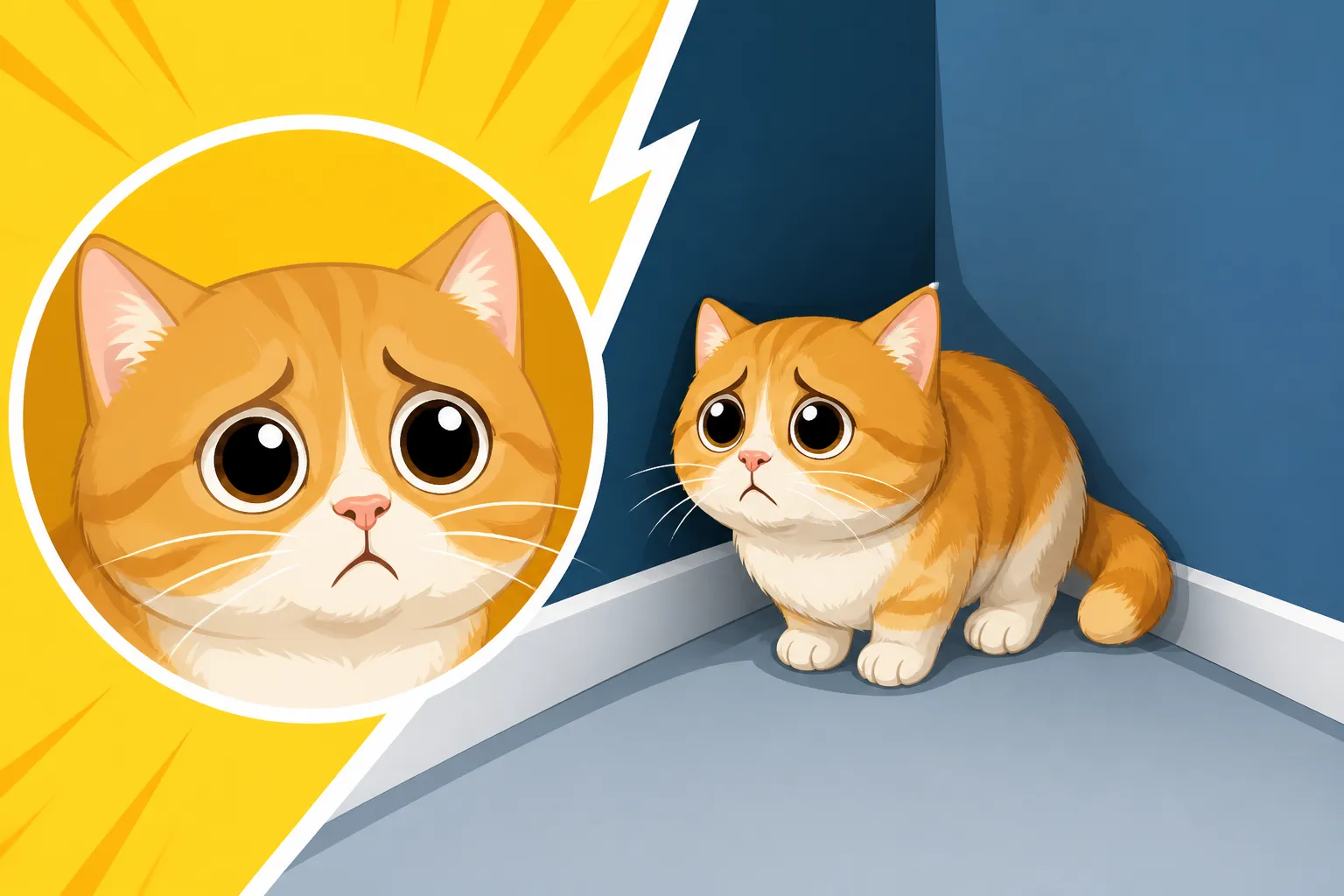
Being cornered isn't just about physical entrapment; it's also about a cat's psychological response to feeling vulnerable. For a Munchkin, this experience is intensified by their physical limitations, which clash with their innate feline instincts. They possess the same fight-or-flight responses as any cat, but their "flight" options are severely restricted.
The Instinct to Flee Upwards
Cats are natural climbers. From tiny kittens learning to scale furniture to adult cats surveying their domain from the top of a tall cat tree, getting to high places is deeply ingrained in their behavior. It's a survival mechanism; predators rarely follow them into high, precarious spots, and it offers an excellent vantage point for assessing their surroundings. When a cat feels threatened, its first instinct is often to seek elevation. This is a hardwired response, a primal urge for safety.
For a Munchkin, this instinct remains, but the physical means to act on it are missing. Imagine the immense frustration and fear of knowing you should go up, that every fiber of your being is telling you to climb, but your legs simply won't cooperate. This can lead to a heightened sense of panic when cornered, as their natural escape routes are unavailable. They might attempt desperate, often unsuccessful, jumps, expending valuable energy and increasing their distress. How High a Munchkin Can Actually Jump illustrates just how limited these vertical attempts can be. This conflict between instinct and ability makes being cornered a uniquely stressful and potentially traumatizing experience for a Munchkin.
Vulnerability to Larger Animals and Children
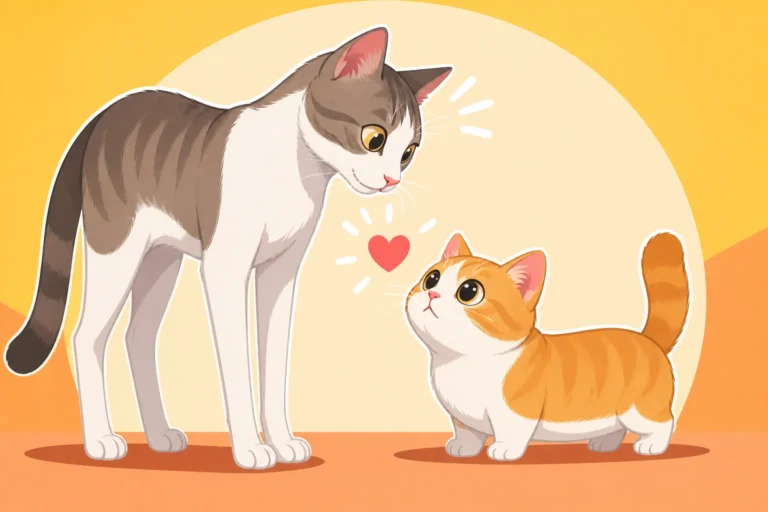
This limited vertical escape makes Munchkins particularly vulnerable to larger animals and young children. A standard cat can usually put itself out of reach of a dog or a grabbing toddler with a quick jump. A Munchkin cannot. If a curious dog approaches too closely, or a child, unaware of the cat's boundaries, starts to corner them, the Munchkin has nowhere to go but around or under.
This becomes incredibly dangerous. A dog, even a well-meaning one, can unintentionally injure a Munchkin if the cat is unable to escape its playful pounces. A child, especially a toddler who might not understand gentle handling, can accidentally squeeze or drop a Munchkin that has no means of getting away. This isn't to say Munchkins can't coexist with other pets or children, but it absolutely requires diligent supervision and carefully planned escape routes. Without the ability to escape vertically, the Munchkin is essentially stuck at ground level, which is where most potential threats reside. This is Why a Munchkin Cannot Climb Out of a Child's Reach and Why a Munchkin Cannot Get Away From a Dog are critical considerations for any Munchkin owner. Their very safety relies on our understanding and mitigation of these risks.
Psychological Impact of Feeling Trapped
The repeated experience of feeling trapped or cornered, especially without an effective escape mechanism, can have a significant psychological impact on a Munchkin. Cats thrive on having control over their environment and the ability to escape perceived dangers. When this sense of control is removed, it can lead to chronic stress, anxiety, and behavioral issues.
A Munchkin that frequently feels cornered might become withdrawn, spending more time hiding in hard-to-reach (for them) places. They might become more prone to defensive aggression if they feel their only option is to lash out, having learned that fleeing isn't a reliable strategy. This can manifest as hissing, swatting, or even biting, behaviors that are often misunderstood as "mean" when they are actually born of intense fear and a lack of other options. In severe cases, chronic stress can even lead to physical health problems, impacting their overall quality of life. Understanding that their physical limitations dictate their behavioral responses is key to empathy and proper care.
Creating a Safe Environment for Your Munchkin
Since a Munchkin's physical limitations prevent them from utilizing vertical escape in the same way other cats do, it falls to us, their human companions, to consciously design their living space to maximize their safety and comfort. This isn't just about making things easy for them; it's about providing essential escape routes and safe havens.
Strategic Placement of Escape Routes
Every room a Munchkin inhabits needs carefully considered escape routes that cater to their unique mobility. This means thinking horizontally and low, rather than high. Are there clear paths under furniture? Are there open doorways to other rooms that they can easily bolt through? They need to know they can put distance between themselves and a perceived threat quickly.
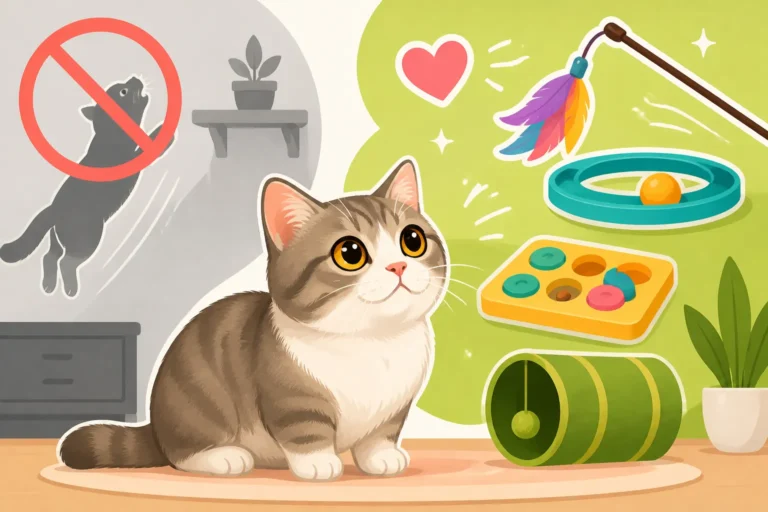
For instance, ensure that there's always an unobstructed route to slip under a sofa, a bed, or a low-slung table. Avoid cluttering floor spaces with items that could block their quick dash. If a room has only one exit, consider if there's a safe, floor-level hiding spot within that room, like a cat tunnel or a cozy cave bed tucked away. Regularly observing your Munchkin's movement patterns can help you identify potential bottlenecks or dead ends in your home. Some owners even install low, pet-friendly tunnels or hideaways specifically designed to act as quick escape routes, giving their Munchkin an immediate sense of security.
Providing Floor-Level Safe Havens
Beyond simply escaping a direct threat, Munchkins also need places where they can feel safe and observe their surroundings without feeling exposed. For long-legged cats, this might be a high perch. For Munchkins, these safe havens must be floor-level but offer a sense of concealment or a protected view.
Consider low cat trees with platforms close to the ground, or cat condos that are fully enclosed. Beds and hiding spots should be placed in quiet corners, perhaps under a low table with a blanket draped over it, or inside a specially designed cat cube. Even a simple cardboard box turned on its side can offer a temporary sanctuary. These spaces allow your Munchkin to retreat, relax, and feel secure, knowing they are less vulnerable. Look for cat tunnels and hidey-holes on platforms like Amazon that are designed for smaller or less agile pets. How to Set Up Floor Level Enrichment for a Munchkin provides more ideas on making their ground-level world enriching and safe. Remember, their belly nearly touches the floor, so everything needs to be accessible from that perspective. Why a Munchkin's Belly Nearly Touches the Floor highlights this unique aspect.
Managing Interactions with Other Pets and People
Creating a safe environment also involves actively managing interactions, especially in multi-pet households or homes with young children. Strict supervision is absolutely non-negotiable. For dogs, this might mean crating them or using baby gates to separate them when you can't actively supervise. Ensure your Munchkin always has an escape path that a dog cannot follow, even if it's just a narrow gap under a piece of furniture that the dog can't fit through.
For children, teach them from a very young age about gentle interaction and respecting a cat's personal space. Explain that the Munchkin can't jump up to escape, so they need to be extra careful not to corner or startle the cat. Teach children to ask for permission before touching and to always give the cat an easy out. Never allow unsupervised play between a Munchkin and very young children or large, excitable dogs. It's often helpful to provide designated "no-go" zones for the Munchkin, accessible only to them, where they can completely retreat without fear of being followed. This might involve a special room with a cat flap installed low on the door that only the Munchkin can use, or furniture arranged to create small, protected nooks.
Recognizing and Preventing Cornering Situations
Being proactive is the best defense against your Munchkin feeling cornered and stressed. This involves understanding their communication, considering their perspective when setting up your home, and being mindful of their unique needs.
Observing Body Language and Stress Cues
Cats are masters of subtle communication, and Munchkins are no different. Learning to read your Munchkin's body language is paramount to preventing them from getting into a truly cornered situation. Look for early signs of discomfort or anxiety: flattened ears, a tail tucked tight, dilated pupils, a sudden freeze in movement, or a low growl or hiss. These are all indicators that your Munchkin is feeling uneasy and may be looking for an escape.
If you see these signs, intervene immediately. Remove the stressor (whether it's a child, another pet, or even just an overwhelming situation like too many guests) or gently guide your Munchkin to a safe space. Don't wait until they are actively trying to lash out or dart away in a panic. The goal is to act before they reach that point of desperation. Being attuned to their cues allows you to be their advocate and protector, especially when their physical abilities limit their self-defense.
Training and Socialization Considerations
While Munchkins cannot be trained to jump higher, they can be socialized and trained in other ways to help them cope. Early positive socialization with various people and other animals (under strict supervision) can help them build confidence and be less prone to panic when faced with new situations. A well-socialized Munchkin might be less likely to perceive every new encounter as a dire threat.
You can also use positive reinforcement to encourage them to use their designated safe spaces. For example, associating treats or praise with entering a cat tunnel or a cozy hideaway can make these spots even more appealing when they feel the need to retreat. Teaching them a "come" command can also be incredibly useful, allowing you to call them to you and remove them from a stressful situation before they get truly cornered. Remember, the key is always positive reinforcement and never force, as that will only increase their anxiety. Training should empower them, not add to their stress.
House Design and Furniture Placement
Designing your home with your Munchkin's limitations in mind is crucial. Think about their line of sight and their ability to move around. Arrange furniture to create clear, ground-level pathways. Avoid creating long, open stretches of floor without any cover or escape routes. Even placing a rug in a strategic spot can give them traction for a quick dart away, as some surfaces can be slippery for their short legs.
Consider ramps or pet stairs for areas where other cats would easily jump. How to Rearrange a Room So a Munchkin Can Climb offers fantastic insights into this. Instead of a tall, multi-level cat tree, opt for lower, wider cat condos or scratching posts that they can easily reach. If you have tall furniture, consider adding low shelves or steps leading up to them, allowing your Munchkin to ascend in stages rather than making a single, risky jump. Placing low entry litter boxes and elevated food bowls (to ease strain on their neck and shoulders) at floor level is also important, ensuring they don't feel vulnerable while performing basic needs. Every element of your home should be a thoughtful consideration of how your Munchkin navigates their world, making sure they always have a clear path to safety and never feel truly cornered.
| Situation | Standard Cat Response | Munchkin Cat Response | Owner Intervention Required |
|---|---|---|---|
| Approaching Dog | Jumps onto counter/cat tree | Darts under furniture/runs | Immediate redirection of dog, creation of low escape route, supervision |
| Rambunctious Child | Leaps onto high shelf/bed | Hides in low tunnel/behind sofa | Education of child, designated cat-only safe zone, constant supervision |
| New Visitor | Retreats to top of wardrobe | Seeks dark, floor-level hiding spot | Prepare safe space in advance, ensure multiple ground exits |
| Loud Noise | Climbs bookshelf/darts out of room | Scuttles under bed/furniture | Ensure clear path to a quiet, low hideaway |
| Confined Space | Scales objects, finds high perch | Attempts to push through small gaps, becomes distressed | Never leave a Munchkin in a confined space without a clear, ground-level exit |
Ultimately, living with a Munchkin cat means accepting and embracing their unique physical needs. Their inability to easily escape upwards makes them more vulnerable when cornered, but with a thoughtful and proactive approach, you can create an environment where your short-legged friend feels secure, happy, and never truly without a safe retreat. By understanding their challenges and adapting their world to fit them, we ensure they can live their best, safest lives on the ground.
Disclaimer
This article is for general informational purposes only and does not constitute professional advice. Laws, prices and regulations vary by location and change over time. Consult a qualified professional for guidance on your specific situation.