Why a Child Should Not Carry a Munchkin
It's a heartwarming picture, isn't it? A sweet child gently cradling their beloved cat. But when that cat is a Munchkin, with their unique physiology, that seemingly innocent act of picking them up and carrying them can unfortunately lead to serious risks and discomfort for your feline friend. This guide is here to shed light on why, despite the best intentions, it's generally not advisable for children to carry Munchkin cats, and how you can teach safe, loving ways to interact with these special companions.
Understanding the Munchkin's Unique Vulnerabilities
Munchkin cats are truly one-of-a-kind, known for their adorable short legs that are the result of a natural genetic mutation. However, these very traits that make them so captivating also introduce specific vulnerabilities that require careful consideration, especially when it comes to handling by children. Their short stature isn't just a cute quirk; it impacts their entire skeletal structure and how they bear weight.
Their Unique Spinal Structure
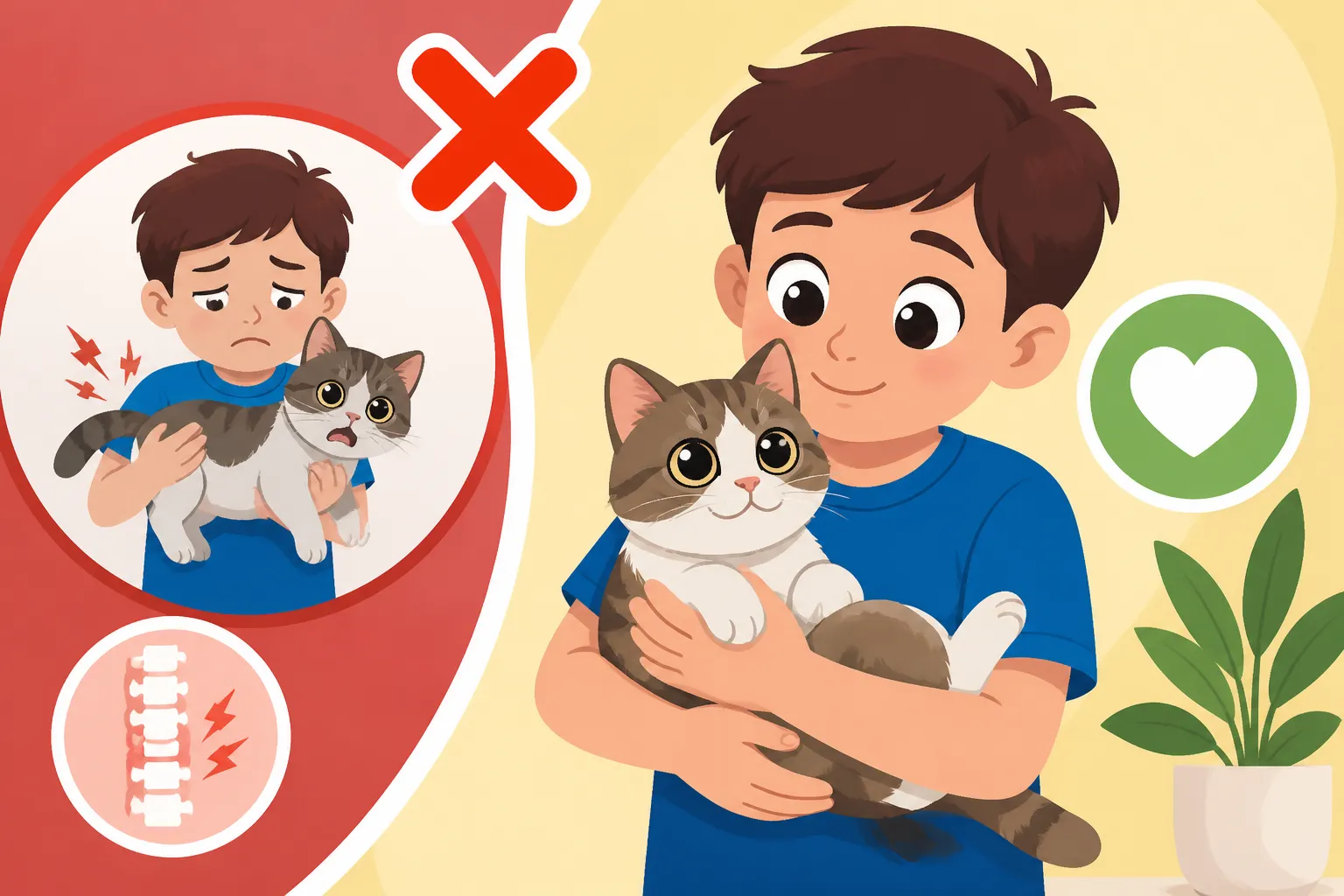
While a Munchkin's legs are short, their spine is actually a normal length, just like any other domestic cat. This is a common misconception; many people assume their spine is shortened too, but it's not. However, the way their body sits low to the ground means their spine carries a load differently. Imagine a long bridge supported by very short pillars – it's still a strong bridge, but the forces acting on it are distributed uniquely. For a Munchkin, this can mean certain stresses are amplified. Why a Munchkin's Spine Carries a Load a Normal Cat's Does Not elaborates on this in more detail. When a child, even a well-meaning one, lifts a Munchkin improperly, they often grab them around the middle, putting direct pressure on this already uniquely weighted spine. This isn't just uncomfortable; it can be genuinely dangerous.
Think about it from your cat's perspective. If you were always being lifted by your midsection, with your head and tail dangling, how would that feel on your back? It’s not a natural position for a cat, and for a Munchkin, with their predisposition to certain spinal issues, it’s an unnecessary risk. This is a crucial point to understand, as many common ways children pick up pets can be particularly detrimental to a Munchkin's delicate back.
Short Legs, Long Body: A Balancing Act
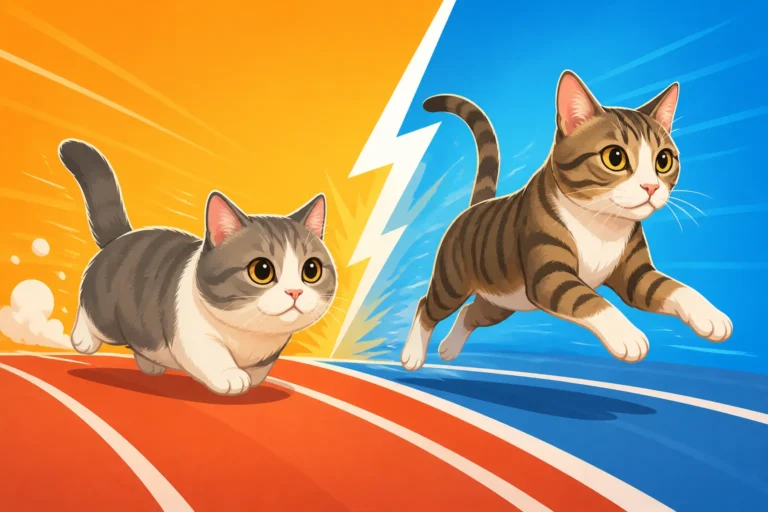
A Munchkin's body is typically of average length, but it sits significantly lower to the ground due to their short limbs. This creates a different center of gravity compared to a long-legged cat. They are incredibly agile on the flat, often surprising people with their speed and ability to corner, but their balance when suspended can be compromised. When a child attempts to carry a Munchkin, they might not instinctively support the entire body properly.
Imagine trying to carry a small, low-slung object that doesn't quite fit in your arms. You might inadvertently squeeze it or let parts of it sag, making it difficult for the object to maintain its shape. For a Munchkin, this lack of full body support can cause them to twist or struggle, trying to regain their balance. This struggle, in turn, can put immense strain on their spine and joints. It’s not that Munchkins are fragile, but their biomechanics are different, and proper support during handling is non-negotiable for their comfort and safety. Their little legs might be strong for running on the ground, but they aren't designed to stabilize a dangling body in the air.
The Dangers of Improper Lifting and Carrying for Munchkins
The instinct for a child to pick up a cute, small cat is powerful. Unfortunately, this natural impulse, when applied to a Munchkin, can lead to several dangers ranging from physical injury to behavioral problems. It's not about the child's intent, but the potential consequences of a mismatch between a child's handling skills and a Munchkin's physical needs.
Spinal Injury Concerns
This is perhaps the most significant risk. When a child picks up a Munchkin, they often scoop them up under the armpits, or by wrapping their arms around the chest/belly area, leaving the hindquarters unsupported. This causes the Munchkin's spine to arch or hyperextend, placing unnatural pressure on the vertebral discs. Over time, or with a sudden jolt, this can lead to spinal injuries, exacerbating pre-existing conditions like lordosis. What Lordosis Actually Is in a Munchkin delves into this condition.
A child's grip can also be inconsistent. One moment they might be holding the cat securely, the next their grip might slip, causing the cat to fall or twist violently to escape. Even a short fall can have severe repercussions for a Munchkin's back. Think of a child excitedly running to show you their new furry friend, perhaps not holding them as steadily as an adult would. This enthusiasm, while sweet, can translate into an unstable, potentially harmful lift for a Munchkin. It’s not that every instance will cause an injury, but the cumulative stress or a single accident poses a very real threat to their long-term spinal health.
Joint Strain and Discomfort
Beyond the spine, a Munchkin's short legs mean their joints – particularly their shoulders and elbows – are already under a different kind of stress from their daily movements, such as jumping down from low surfaces. When carried improperly, their front legs might dangle, pulling at the shoulder joints, or their hind legs might be left unsupported, putting strain on their hips and knees. This is particularly true if the child holds them in an awkward position or for an extended period.
A child might not realize they are essentially pulling a cat's joints out of their natural alignment. For a Munchkin, whose limbs are already designed for a specific ground-level locomotion, this can cause discomfort, pain, and potentially contribute to conditions like arthritis later in life. Whether a Munchkin Gets Arthritis Earlier is a topic many owners wonder about. Imagine your own arms or legs being pulled and twisted while suspended; it's an uncomfortable sensation. Cats are stoic creatures and may not vocalize their pain immediately, but their body language will often tell a different story if you know what to look for, such as tension or struggling to get down.
Fear and Behavioral Issues in the Cat
It’s not just physical harm we need to worry about. Repeated improper handling can create significant psychological distress for your Munchkin. If every time a child approaches, the cat anticipates being picked up uncomfortably, they will likely start to associate children with negative experiences. This can manifest as fear, anxiety, or even aggression, as the cat tries to defend itself from what it perceives as a threat.
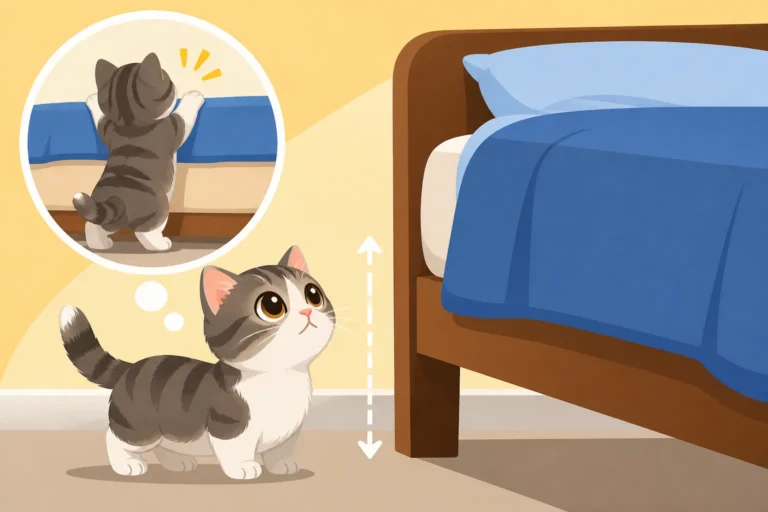
A Munchkin, being unable to easily jump away to high places for escape, is particularly vulnerable to feeling trapped by a child's embrace. Why a Munchkin Cannot Climb Out of a Child's Reach highlights this specific limitation. If a child corners a Munchkin and tries to pick it up, the cat has limited options for escape, leading to heightened stress. This fear can lead to scratching, biting, or urinating inappropriately, not out of malice, but out of self-preservation. It’s heartbreaking to see a cat become wary of a child who genuinely loves them, but these reactions are often a direct result of feeling unsafe during interactions.
Teaching Responsible Interaction: Beyond Just Carrying
So, what’s a loving family to do? The answer isn't to separate children from cats entirely, but to actively teach and reinforce responsible, safe ways for them to interact. It’s about empowering children to be gentle, respectful pet owners who understand their Munchkin's unique needs.
Establishing Ground Rules
The first step is setting clear, non-negotiable rules with your children. Explain that while they adore the Munchkin, picking them up is generally a job for an adult. Use simple, direct language that children can understand. For instance, "We always pet Kitty gently when she's on the floor," or "Only Mummy or Daddy can pick Kitty up because her back is special." Consistency is key here. Every family member needs to be on board to reinforce these rules.
You can make it an adventure, describing how Munchkins are "floor explorers" and "super runners" who love to play games at their own level. This helps shift the focus from carrying to engaging in other fun activities. Show them how to engage with a wand toy from a sitting position, or how to roll a soft ball for the Munchkin to chase. This teaches children that interaction doesn't always mean physical contact, and certainly not lifting.
Demonstrating Gentle Handling
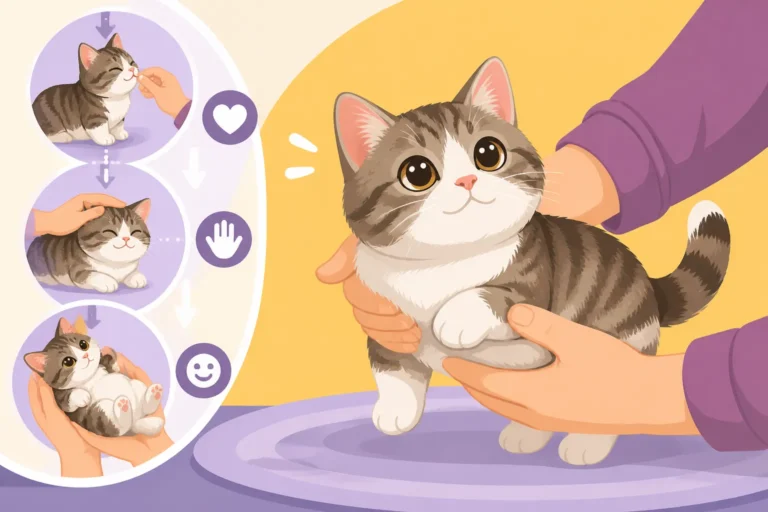
Children learn by example. Show your kids the correct way to interact with your Munchkin, emphasizing gentle petting along the back and head, and playing with toys that keep the cat grounded. If you, as an adult, need to pick up your Munchkin, demonstrate the proper technique: always supporting their full body weight, especially their hindquarters, and holding them close to your body. How to Lift a Munchkin Correctly offers a detailed guide on this. Narrate what you are doing, "See how I support all of Kitty's body? That keeps her back safe."
Consider practicing with a stuffed animal first. Let your child try to "pick up" a plush cat, guiding their hands to support the entire toy. This tactile learning can be incredibly effective. Explain that cats are not toys and need to be treated with kindness and respect. This builds empathy and understanding, which are invaluable traits for young pet owners. Emphasize that a cat will come to them for cuddles when it feels safe and comfortable, reinforcing the idea of consent in animal interactions.
Supervising All Interactions
Especially in the beginning, and with younger children, all interactions between your child and your Munchkin should be closely supervised. This isn't about distrusting your child, but about ensuring the safety and comfort of both your child and your pet. An adult can intervene immediately if a child forgets the rules or if the cat shows signs of discomfort or stress.
Supervision also allows for teachable moments. If your child reaches to pick up the cat, you can gently guide their hand to stroke instead, saying, "Remember, gentle pets on the floor. Let's get her favorite wand toy!" This constant, gentle redirection is far more effective than punishment and helps to solidify good habits. For very young children, like toddlers, direct physical interaction might need to be even more limited, focusing on observation and floor-level play while an adult is always within arm's reach. Why a Toddler Cannot Be Left With a Munchkin provides further insight into this.
Creating a Safe Co-Existence for Kids and Munchkins
Beyond teaching children how to behave, it's equally important to modify the environment to ensure it's safe and enriching for your Munchkin, especially when children are around. This means thinking about how your Munchkin navigates their world and how children might inadvertently create challenges for them.
Providing Escape Routes
Munchkins, because of their short legs, cannot easily jump to high places to escape a perceived threat or simply to get some alone time. This is a critical factor when they live with children or other pets. It's vital to create low-level escape routes and safe zones where your Munchkin can retreat without needing to jump or be carried. This could be a cat tunnel, a cozy cat cave under a low table, or a pet bed strategically placed where children know not to disturb them.
Think about designating a "no-child zone" for the cat, even if it's just a specific bed or carrier in a quiet corner. Teach children to respect this space and to allow the Munchkin to have undisturbed downtime. When a Munchkin feels like they always have an escape option, they are less likely to become stressed or defensive. It gives them autonomy, which is crucial for a happy, well-adjusted cat.
Age-Appropriate Engagement
Tailor interactions to your child's age and developmental stage. A crawling baby might need to be physically separated from the Munchkin unless under very direct supervision, as their movements are unpredictable and they might grab without understanding. Why a Crawling Baby Is a Problem for a Munchkin explains these challenges in more detail. Toddlers can be taught very simple, consistent rules like "gentle hands" and "no picking up." Older children can learn more complex concepts, like reading a cat's body language (e.g., flattened ears, swishing tail as signs of stress) and understanding the Munchkin's physical limitations.
You can engage older children in setting up enrichment activities for the Munchkin that don't involve carrying. Perhaps they can help arrange low-level puzzle feeders or scatter toys around the floor for a treasure hunt. This teaches them to be responsible caregivers in ways that respect the cat's nature, fostering a deeper bond built on understanding rather than physical control.
Utilizing Cat-Friendly Furniture
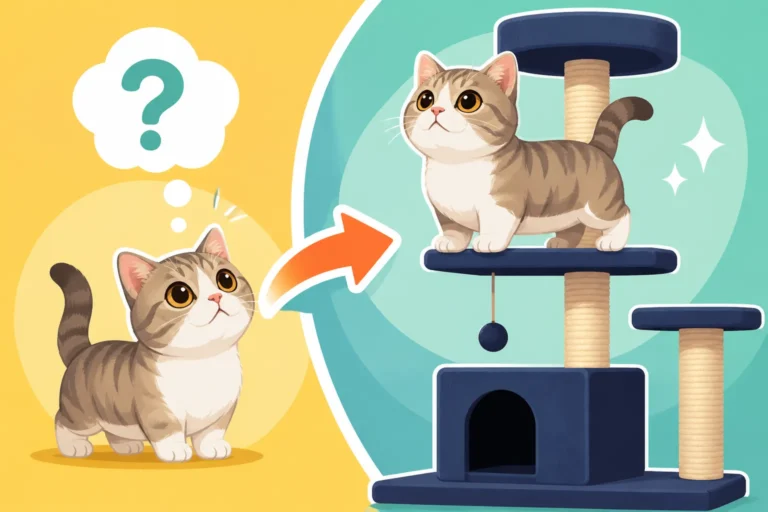
Because Munchkins live their lives closer to the ground, they benefit immensely from home adaptations that make their world more accessible and safer. This includes providing ramps or low steps to help them reach sofas, beds, or low windowsills. These are not luxuries; they are essential equipment that prevent the high-impact landings that can strain a Munchkin's joints over time. You can find a wide array of pet steps and ramps on platforms like Amazon or at your local pet store.
| Interaction Type | Child's Action | Munchkin's Experience | Risk Level |
|---|---|---|---|
| Improper Carrying | Scooping under armpits, hindquarters dangling, squeezing | Spinal strain, joint pain, fear, struggling | High |
| Proper Adult Lifting | Supporting full body from underneath, close to chest | Secure, comfortable, calm (if accustomed) | Low (when done correctly) |
| Floor Level Play | Using wand toys, rolling balls, gentle petting | Engaged, stimulated, safe, positive association | Low |
| Invited Petting | Cat approaches child, child strokes gently on back/head | Relaxed, affectionate, feeling of control | Low |
| Unsupervised Interaction | Child left alone with cat, unknown actions | Potential for injury or fear | High |
Consider cat trees with platforms that are closer together, or even DIY modifications to existing furniture to create steps. The goal is to eliminate the need for your Munchkin to attempt risky jumps or to rely on being carried to access their favorite spots. What a Munchkin's Chest Should Be Rechecked at Six Months or Why a Munchkin's Shoulders Wear First are examples of the kind of health considerations that underscore the importance of minimizing physical stress. By providing an environment where your Munchkin can navigate independently and safely, you reduce the temptation for children to carry them and ensure your beloved feline lives a more comfortable and enriched life.
Disclaimer
This article is for general informational purposes only and does not constitute professional advice. Laws, prices and regulations vary by location and change over time. Consult a qualified professional for guidance on your specific situation.