What a Munchkin Does When a Dog Approaches
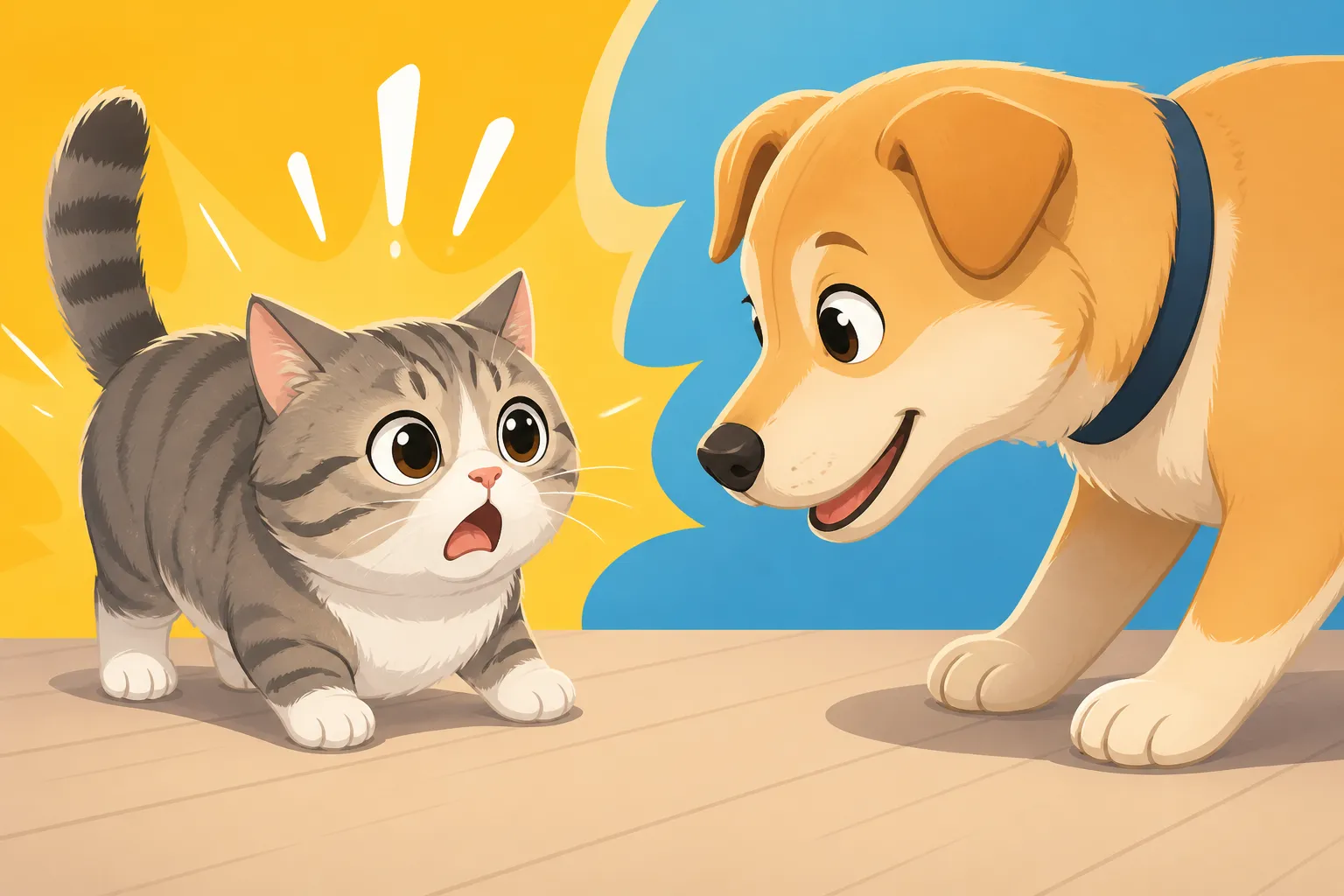
It’s a common scenario that can send a shiver down any Munchkin owner’s spine: your beloved short-legged companion is happily exploring, and suddenly, a dog enters the room or approaches them unexpectedly. Unlike their long-legged feline cousins who can effortlessly leap to safety, Munchkins face a unique set of challenges when confronted by a canine. This guide is here to shed light on what a Munchkin cat typically does when a dog approaches, offering you insights and actionable advice to ensure their safety and peace of mind.
The Munchkin's Instinctive Responses to Perceived Threat
Like all felines, Munchkins are wired with primal instincts for survival when faced with a perceived threat. Their default modes are often "freeze," "flight," or "fight." However, a Munchkin's unique physique drastically alters the effectiveness of these responses, especially when a dog is involved. It's not just about what they want to do, but what they can do, and that's where their short stature becomes a critical factor.
Freezing and Flight Limitations
When a normal-legged cat feels threatened, its first instinct is often to freeze, assessing the situation. If the threat persists or escalates, the next step is typically flight. For most cats, "flight" means a burst of speed and an immediate vertical ascent onto the nearest high surface – a counter, a bookshelf, the top of a cat tree. This rapid vertical escape is a highly effective defense mechanism against many predators, including dogs, who are generally less agile climbers.
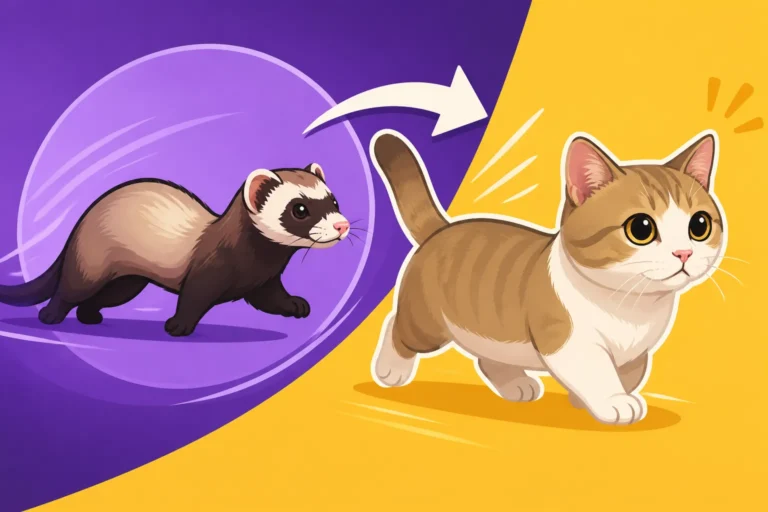
However, a Munchkin cat's short legs dramatically limit its ability to execute this classic flight response. They can run, and surprisingly, they can be quite fast on the flat for short bursts, often turning corners with surprising agility due to their low center of gravity. You might even observe How a Munchkin Changes Direction at Speed when playing. But that burst of speed often doesn't last, and more critically, it rarely leads to the desired vertical escape. If a dog approaches quickly, a Munchkin might initially freeze, hoping the dog won't notice, or they might try to dart away. The frustration comes when that darting doesn't take them to safety, leaving them vulnerable on the ground. Imagine a small, curious terrier bounding into a room; a regular cat might be on top of the fridge before you blink, but your Munchkin is still scrambling, looking for cover that a long-legged cat wouldn't even consider.
The Lack of Vertical Escape
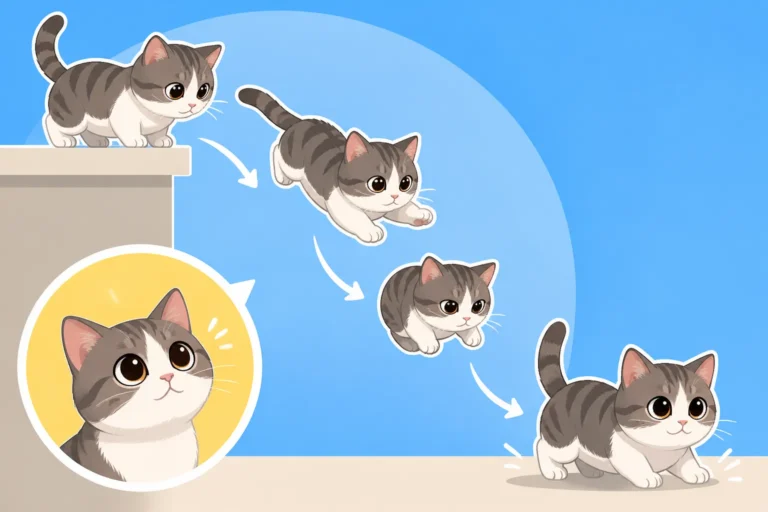
This is arguably the most significant difference in a Munchkin's defense strategy compared to other cats. A standard cat tree or a high shelf, which offers sanctuary to virtually any other feline, might as well be on the moon for a Munchkin. Their short legs mean they simply cannot reliably jump to these heights. You can learn more about How High a Munchkin Can Actually Jump, and you'll quickly realize their vertical leap is minimal at best.
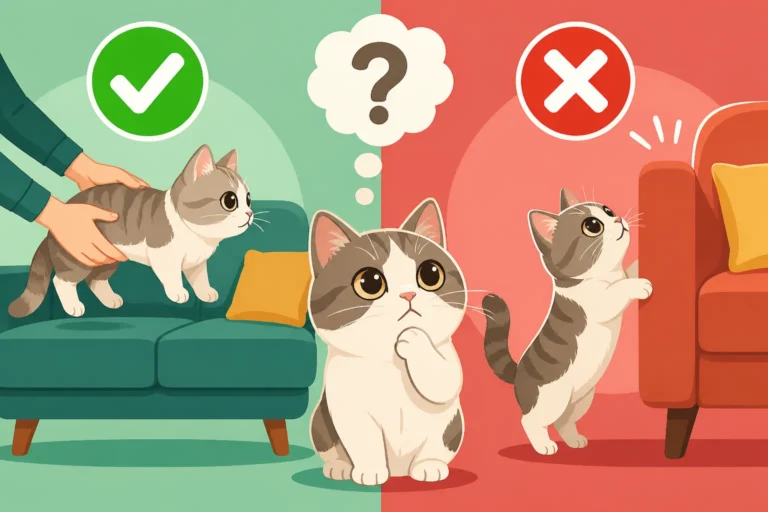
When a dog approaches, a long-legged cat's mind processes, "threat detected, climb up." A Munchkin's mind, by necessity, processes, "threat detected, find cover low." This fundamental shift in escape strategy means that spaces and furniture that offer security to other cats are completely useless to a Munchkin. They lack that crucial vertical dimension to their escape, leaving them exposed and unable to get out of a dog's reach. This is precisely Why a Munchkin Cannot Get Away From a Dog by simply jumping onto a sofa or a chair, which many cats take for granted. This vulnerability is why it's so important for owners to understand and adapt their home environment to provide appropriate safe zones, which we'll discuss further.
Common Munchkin Reactions to an Approaching Dog
Given their physical limitations, Munchkins have developed alternative strategies for dealing with perceived threats, including approaching dogs. These behaviors are a mix of innate feline responses and adaptations to their unique build. Observing these reactions can give you clues about your Munchkin's comfort level and help you intervene effectively.
Seeking Ground-Level Cover
Since jumping to height isn't a viable option, a Munchkin's primary defense when a dog approaches is to seek ground-level concealment. Their low profile, which makes them so distinctive, actually becomes an asset here. They excel at darting under the lowest gaps in furniture – think under sofas, beds, coffee tables, or behind heavy curtains. These tight spaces, often inaccessible to larger dogs, offer a sense of security.
When your Munchkin hears or sees a dog approaching, watch for them to flatten their body, making themselves as small as possible, and then scurry towards the nearest available hiding spot on the floor. It's not uncommon for them to squeeze into incredibly narrow spaces, using their compact build to their advantage. This is a clear example of What a Munchkin Gets Into When It Cannot Climb. They instinctively know their best bet for safety isn't elevation, but rather invisibility or physical barriers that a dog can't breach. It highlights the absolute necessity of ensuring your home offers these accessible, safe havens at floor level, especially if you have dogs or expect canine visitors.
Defensive Posturing and Vocalization
If a Munchkin is unable to find an escape route or if a dog corners them, they will, like any cat, resort to defensive posturing and vocalization. This is a sign of extreme stress and fear, as it means their primary escape methods have failed. You might see them arch their back, puff up their fur to appear larger, hiss, growl, or even spit. They might try to swipe with their claws if the dog gets too close.
This "fight" response is always a last resort for a cat, and particularly for a Munchkin, it's a dangerous one. Their short legs offer little leverage or agility for a sustained physical confrontation, and they are easily overwhelmed by even a small, playful dog. The dog might interpret the hissing as an invitation to play or become more aggressive, escalating the situation. It’s a clear indication that your Munchkin feels trapped and utterly vulnerable. If you see your Munchkin adopting this stance, it's crucial to intervene immediately and separate the animals safely. Remember, Why a Large Dog Is a Risk to a Munchkin extends beyond aggression; even clumsy play can cause serious injury.
The "Prairie Dog" Sit for Assessment
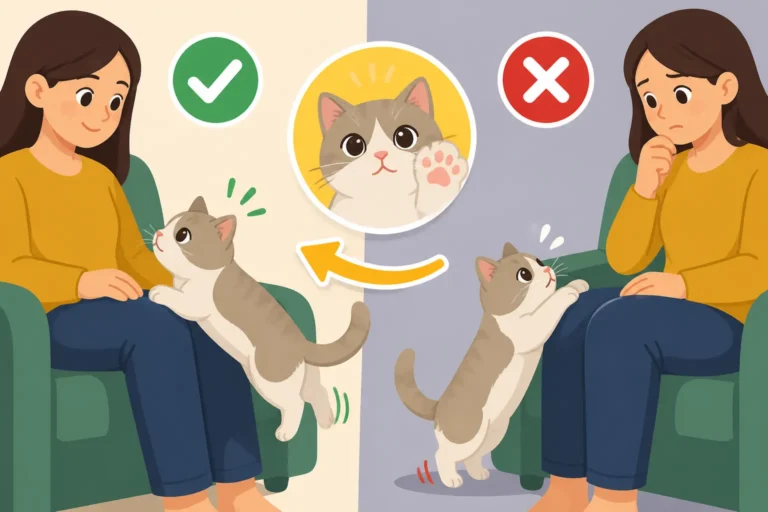
One of the most endearing and unique behaviors of a Munchkin cat is their "prairie dog" sit, where they stand upright on their hind legs, often using their tail as a prop. This posture is primarily used to get a better vantage point, survey their surroundings, or simply get a good look at something interesting. You can find more details about The Prairie Dog Sit Only a Munchkin Does and why they do it.
In the context of an approaching dog, a Munchkin might briefly adopt this posture. It's their way of trying to get a clearer view of the dog and assess the level of threat. Are they being playful? Aggressive? How close are they? This quick assessment allows the Munchkin to decide on its next move, be it finding a hiding spot or, if truly cornered, resorting to defensive actions. However, it's important to remember that this is a temporary and vulnerable position. They cannot hold it indefinitely, nor does it offer any real defense against an approaching canine. It's a moment of cautious observation, not a stable strategy for safety.
Ensuring a Munchkin's Safety Around Dogs
The unique physical characteristics of a Munchkin cat necessitate a proactive and vigilant approach to their safety, particularly when dogs are present. It's not enough to hope for the best; you need to actively manage their environment and interactions to prevent potentially dangerous situations. Remember, Why a Munchkin Has to Be Protected From Children and Dogs is a crucial consideration for their well-being.
Strict Supervision and Controlled Introductions
The golden rule for Munchkins and dogs is strict supervision. Never leave a Munchkin unattended with a dog, regardless of how "good" or "friendly" you believe the dog to be. Accidents happen in a blink, and a Munchkin's vulnerability means even a playful nudge can become a serious injury.
If you are introducing a Munchkin to a new dog, or if a dog is visiting your home, it must be a carefully managed process. Begin with the dog on a leash and consider having the Munchkin in a secure carrier or observing from a high perch that it can reach safely (like a low-level cat tree platform or a sturdy shelf with a ramp leading up to it). Ensure the dog is calm and well-exercised before any interaction. Use positive reinforcement for the dog when it shows calm behavior around the cat. Keep initial interactions short and positive, increasing duration only if both animals appear relaxed. Even after they seem to tolerate each other, remember that supervision remains paramount. There’s a world of difference between "tolerating" and being completely safe.
Creating Safe Zones and Escape Routes
Because vertical escape is largely off the table for Munchkins, you must intentionally design your home environment to offer them safe zones. These are designated areas where your Munchkin can retreat and be completely undisturbed by dogs.
Consider the following:
- Low-entry Hiding Spots: Ensure there are plenty of places your Munchkin can easily slip under. Sofas, beds, and tables that have a small gap underneath are ideal. Think about adding cat beds or igloos under these pieces of furniture.
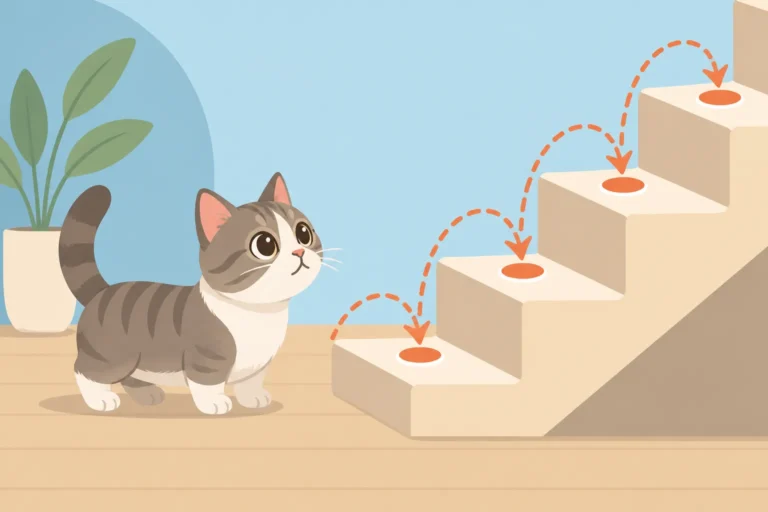
- Munchkin-Specific Cat Trees or Shelves: Standard cat trees are often designed with large gaps between platforms, making them difficult for Munchkins. Look for cat trees with closely spaced platforms, or even build your own stepped system. You might also want to explore how to Rearrange a Room So a Munchkin Can Climb by using low, sturdy pieces of furniture as a staircase to a window perch, for instance.
- Dedicated "Cat Only" Rooms: Use baby gates with small cat doors or pet gates that have a low, accessible opening for your Munchkin to slip through, but which block the dog. This allows your Munchkin to have a room (like a bedroom or laundry room) where they can eat, sleep, and use their litter box without any canine interference. You can find many suitable options on Amazon for pet gates that feature a smaller opening.
- Ramps and Steps: For furniture they want to access, like your bed or a favorite armchair, install ramps or pet steps. This gives them a safe, joint-friendly way to reach higher surfaces without dangerous jumps. Learning How to Set Up Ramps Around a Munchkin's House is fundamental to their quality of life, especially in a multi-pet household.
Here's a quick comparison of effective and less effective safety measures:
| Safety Measure | Effectiveness for Munchkins | Important Considerations |
|---|---|---|
| Low-entry Hiding Spots (under furniture, tunnels) | High | Must be accessible and dog-proof; ensure dog can't corner them. |
| Munchkin-Adapted Cat Trees/Shelves | High | Platforms must be closely spaced; ramps are ideal for ascent/descent. |
| Designated "Cat Only" Rooms (via cat doors, gates) | Very High | Provides complete sanctuary; ensures access to food, water, litter. |
| Ramps/Pet Steps for Furniture | High | Prevents harmful jumping, reduces joint strain; ensure stability. |
| Strict Supervision | Highest | Essential for any interaction; prevents accidents before they happen. |
| Standard Tall Cat Trees | Low | Platforms usually too far apart; offers little vertical escape. |
| Expecting Vertical Jumps | None | Physically difficult and dangerous for Munchkins. |
| Leaving Unsupervised with Dog | Very Low | High risk of injury, even with friendly dogs. |
Training Dogs for Calm Interaction
While you focus on protecting your Munchkin, it’s equally important to train your dog to be respectful and calm around cats. This is particularly crucial if the dog is an existing resident in your home.
Key aspects of dog training include:
- Basic Obedience: Commands like "sit," "stay," "lie down," and "leave it" are invaluable. Practicing "leave it" when your dog shows interest in the Munchkin teaches them to disengage.
- Positive Reinforcement: Reward your dog heavily with treats and praise for calm, relaxed behavior in the presence of your Munchkin. If they are lying down quietly while your Munchkin is nearby, that's a moment to praise and reward.
- Controlled Energy: Ensure your dog is adequately exercised. A tired dog is often a calmer dog, less likely to chase or be overly boisterous.
- Respecting Boundaries: Teach your dog that certain areas are off-limits for them, such as the Munchkin's dedicated safe room or specific furniture. This helps establish clear boundaries and reduces the perceived threat to your cat.
- Leash Training Indoors: During early introductions or if your dog is particularly excitable, using a leash indoors can provide immediate control and allow you to redirect their attention away from your Munchkin.
By taking these steps, you create a safer, more harmonious home for both your Munchkin and your dog, acknowledging the Munchkin's unique needs and ensuring they always have the option to retreat or be protected.
Disclaimer
This article is for general informational purposes only and does not constitute professional advice. Laws, prices and regulations vary by location and change over time. Consult a qualified professional for guidance on your specific situation.