How a Munchkin Comes Down From Height
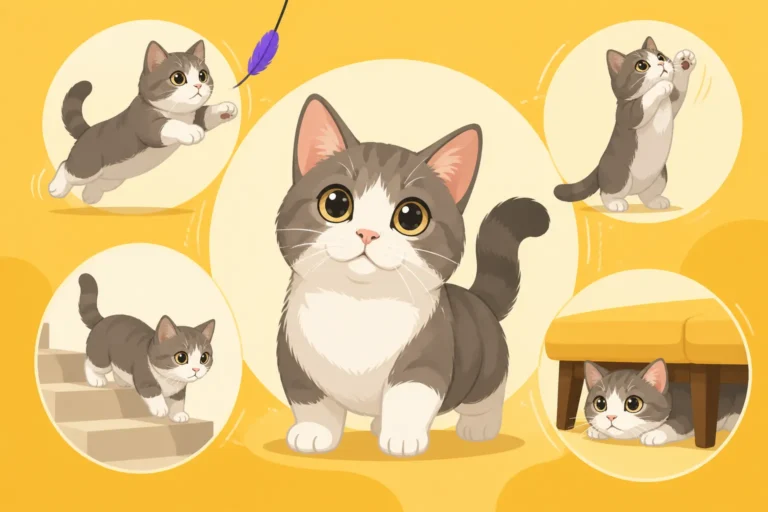
It’s a common misconception that because Munchkin cats have short legs, they simply don't get up to high places. But any Munchkin owner will tell you that's just not true! While their unique physique means they can't leap like a regular cat, they are incredibly resourceful climbers. The real challenge often comes not with getting up, but with mastering the art of coming down from height without undue strain. This guide will explore how Munchkins manage their descents, the unique challenges they face, and how you can create a safer, more accessible home environment to protect their long-term health.
The Unique Dynamics of a Munchkin's Descent
When you watch a Munchkin navigate its world, you quickly realize they operate on a different set of rules than their long-legged cousins. Their short limbs, while enabling surprising speed and agility on flat ground, profoundly influence how they interact with vertical spaces, especially when descending. It's not just about a shorter jump; it's about a fundamentally altered physics.
How Short Legs Impact Jumping Down
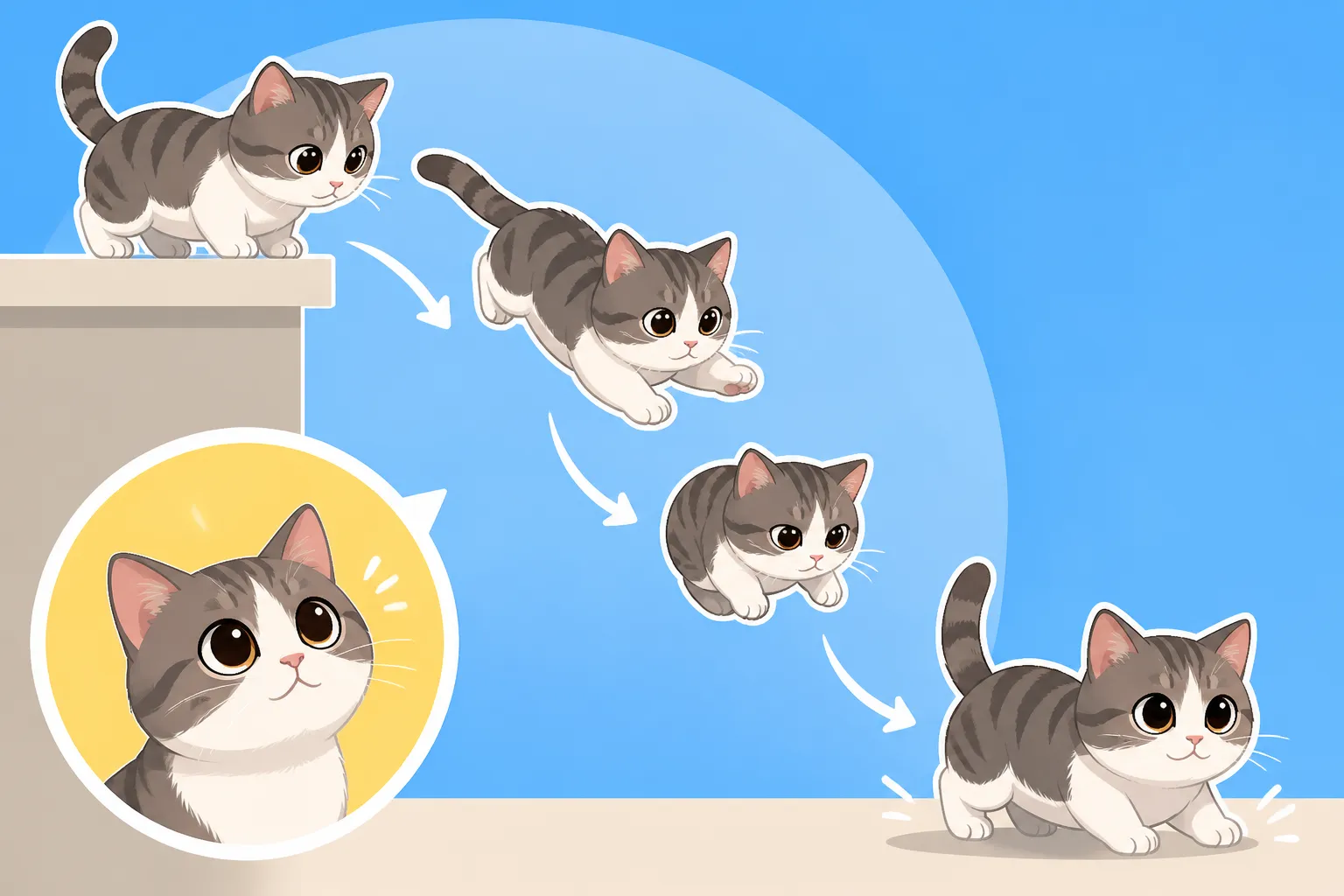
Imagine a long-legged cat preparing to jump down from a sofa. They coil their powerful hind legs, spring off, and extend their front paws to absorb the landing, distributing the impact fluidly through their longer limbs and flexible spine. A Munchkin, however, doesn't have that luxury. Their short legs mean they have less "spring" for a controlled jump and less "shock absorption" upon landing. Instead of a graceful arc, their descent often looks more like a deliberate, almost clumsy drop. They might scramble to the edge, hesitate, and then let themselves fall the last few inches or even feet. This isn't laziness; it's a direct consequence of their anatomy. Their short forelegs mean they can’t fully extend to brace for impact in the same way, leading to a much sharper, more direct shock to their joints.
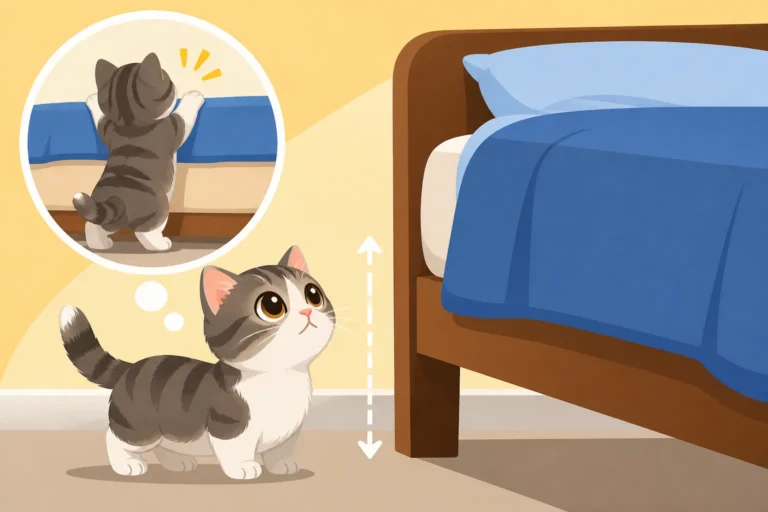
What many owners observe is a method of "controlled falling" rather than true jumping. They'll often reach out with their front paws, feel for purchase, and then simply drop their body the remaining distance. This is particularly noticeable when they're coming off a bed or a low table. The sound of their landing can be surprisingly heavy compared to a normal-legged cat, highlighting the direct impact. This also explains why they often prefer to find a series of smaller steps rather than one large drop. Each small descent minimizes the impact on their joints. You might notice them using a stack of books, a low stool, or even the cushions of a sofa as intermediate steps, meticulously planning their route down.
Observing your Munchkin's descent style is crucial. Do they hesitate? Do they look for alternatives? Do they land stiffly or with a noticeable thud? These observations can tell you a lot about their comfort level and whether they’re finding their current environment easy or challenging. If they seem reluctant to come down, or if you hear repeated heavy landings, it's a clear sign that their current descent routes might be too high or too abrupt for their comfort and safety. Keeping an eye on these subtle cues can help you adjust their environment proactively, preventing potential long-term issues.
The "Controlled Fall" vs. a True Jump
For a long-legged cat, jumping down from a significant height involves a complex interplay of muscles, tendons, and joints, allowing for a spring, a mid-air adjustment, and a soft, shock-absorbing landing. Think of it as a controlled, athletic maneuver. For a Munchkin, however, their short legs often preclude this kind of dynamic action. Instead, what you often see is a "controlled fall." They’ll get to the edge of a surface, like the arm of a sofa or a low table, and rather than launching themselves, they essentially allow gravity to take over, aiming for the nearest stable surface below.
This means their body experiences a more direct impact. There's less suspension from their limbs to cushion the landing. The force is transferred more immediately to their shoulders, elbows, and especially their spine. This isn't inherently dangerous for occasional, low-height descents, but it becomes problematic with repeated, higher drops. Why a Munchkin's Spine Carries a Load a Normal Cat's Does Not offers more insight into this anatomical consideration. Over time, these cumulative small impacts can contribute to wear and tear on their joints and back.
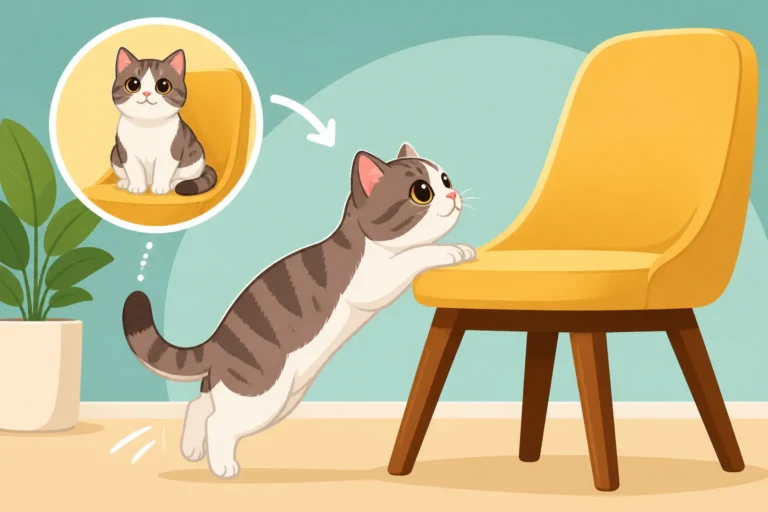
Consider a Munchkin wanting to get off a kitchen chair. A typical cat might jump from the seat directly to the floor. A Munchkin might climb down the chair legs, find a lower rung, or use a cushion placed on the floor as an intermediate landing pad. If no such aids are available, they might just drop. This dropping motion lacks the graceful extension and retraction of limbs seen in other cats. It's a pragmatic, albeit less biomechanically ideal, solution to their vertical challenge. Understanding this difference is key to providing them with the right kind of environmental support.
Observing Your Munchkin's Descent Style
Paying close attention to how your Munchkin comes down from various heights can offer invaluable insights into their comfort, agility, and potential areas of concern. Every cat is an individual, and while all Munchkins share short legs, their individual strength, weight, and history can influence their movement. Do they scope out a landing spot meticulously? Do they pace at the edge of a surface before committing? Do they vocalize before or after a jump, perhaps with a soft meow or a little groan? These are all indicators worth noting.
If you observe your Munchkin consistently struggling, hesitating, or landing awkwardly, it's a sign that the current setup might be too challenging. Perhaps they are making multiple attempts at a jump, or relying heavily on one particular side of their body to absorb impact. You might also notice them electing to stay in high places for longer periods, seemingly "stuck" because they can't figure out a comfortable way down. This reluctance to descend could indicate discomfort or a learned avoidance of painful landings. What a Munchkin Does When It Cannot Get Away touches on their limited options for escape, which can be relevant in these situations.
Filming your Munchkin's movement with your phone can also be incredibly helpful, especially if you have concerns. A short video clip can capture details that might be missed in real-time observation and can be a valuable tool to share with your veterinarian during a check-up. This proactive approach allows you to identify potential issues early and make necessary adjustments to their environment, such as adding more ramps or steps, before chronic problems develop.
Understanding the Risks of Repeated Jumping
While Munchkins are incredibly adaptable and will find ways to get where they want to go, repeatedly forcing their bodies through high-impact descents can take a toll. It’s not about stopping them from being cats, but about minimizing the strain on their unique anatomy. We want them to live full, happy lives without unnecessary pain or accelerated wear on their bodies.
Why Coming Down Is Harder Than Going Up for a Munchkin
It might seem counterintuitive, but for a Munchkin, coming down can often be more challenging and riskier than going up. When a cat climbs up, they use their powerful hind legs to push and their front legs to pull and grip. It's an active, propulsive motion. A Munchkin will often use furniture like a staircase, performing a series of smaller jumps or even "scrambling" up textures like fabric or carpet. How a Munchkin Uses Furniture as a Staircase explains this in more detail.
Coming down, however, primarily involves absorbing impact. The force of gravity pulls them down, and their legs, particularly their front legs, must act as shock absorbers. Because a Munchkin's legs are short, they have a limited range of motion to cushion this impact. Their elbows, shoulders, and spine bear the brunt of the landing much more directly than in a cat with longer, more flexible limbs. This makes the descent a high-stress event for their joints and skeletal structure. Each landing, especially from a height, generates a shockwave that travels up their short limbs and into their core, particularly their spine.
This constant impact over time can lead to accelerated wear and tear. Imagine repeatedly jumping off a low wall yourself – it would eventually take a toll on your knees and ankles. The same principle applies to our short-legged friends. That's why Why Coming Down Is Harder Than Going Up for a Munchkin is a crucial consideration for any owner. The goal isn't to prevent all jumping, but to make sure descents are as gentle and gradual as possible.
The Strain on Joints and Spine
The cumulative effect of repeated high-impact descents on a Munchkin's body is a significant concern for many veterinarians and informed owners. Their short legs mean the forces generated during landing are absorbed less efficiently, placing increased stress on their joints, particularly the shoulders and elbows, and their unique spinal structure. Over time, this can contribute to conditions like osteoarthritis. While joint problems are common in many aging cats, the physical demands of a Munchkin's daily life, if not managed, can potentially accelerate these issues. Whether a Munchkin Gets Arthritis Earlier delves into this concern.
The spine is another area of vulnerability. While a Munchkin's spine itself is generally a normal length, its curvature and how it articulates with the pelvis and rib cage can be affected by their overall body mechanics. A heavy landing can send a jolt directly up the spine. Conditions like lordosis, a severe inward curvature of the spine, are sometimes associated with the breed, and while not directly caused by jumping, any additional strain on the back is undesirable. Lordosis Is the Spinal Curve the Munchkin Argument Is About offers more context on this. Preventing hard landings helps protect this vital area from unnecessary stress.
It’s crucial to remember that cats are masters at hiding pain. A Munchkin might continue to jump and climb even if they are experiencing discomfort. This makes proactive environmental management and regular veterinary check-ups even more important. Understanding these potential long-term strains helps us make choices that prioritize their comfort and longevity.
Recognizing Signs of Discomfort or Injury
Because cats are so stoic, recognizing the subtle signs of discomfort or injury in a Munchkin requires careful observation. If your cat is experiencing pain from jumping, they won't necessarily cry out or limp dramatically. Instead, you might notice more subtle behavioral changes. Perhaps they become less active, preferring to stay on lower surfaces or spending more time sleeping. You might observe a new reluctance to jump down from places they previously navigated easily. For instance, if they used to jump off the bed and now meow for you to lift them, that's a red flag. How Often a Munchkin Asks to Be Lifted explores this behavior.
Other signs can include changes in their gait – perhaps a slight stiffness in their walk, favoring one leg, or a less fluid movement. They might be slower to get up after resting or show difficulty stretching. When being handled, they might flinch or vocalize if you touch their shoulders, elbows, or back. Grooming habits can also change; a cat in pain might struggle to reach certain areas, leading to matted fur, particularly around their hindquarters. Even changes in litter box habits, such as accidents outside the box because they find it painful to step in and out, can be a symptom.
If you notice any of these changes, it's essential to consult your veterinarian. How a Vet Watches a Munchkin Walk can be incredibly insightful, as they can assess their mobility, check for pain points, and suggest appropriate interventions, which might include pain relief, joint supplements, or further diagnostics like X-rays. Early intervention can make a significant difference in managing any discomfort and preventing conditions from worsening.
Creating a Safe Environment for Descent
The best way to protect your Munchkin from the risks of jumping down is to proactively adapt their living space. This isn't about restricting their natural curiosity or desire to explore; it's about providing safe, easy, and comfortable alternatives for their vertical travels. Think of it as Munchkin-proofing your home, making sure every desired high spot has an accessible way down.
Strategically Placed Ramps and Steps
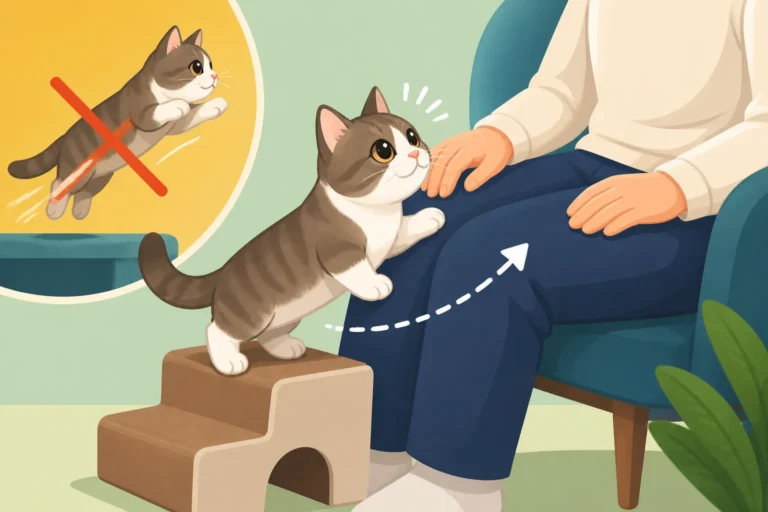
Ramps and steps are the absolute heroes of a Munchkin-friendly home. They provide gradual, low-impact alternatives to jumping, allowing your cat to ascend and descend gracefully and safely. The key is to place them strategically wherever your Munchkin might want to get up or down from. Think about their favorite spots: the sofa, your bed, a sunny windowsill, or even a preferred armchair. If they can get up there, they'll need a way down.
For ramps, aim for a gentle incline. A steep ramp can be just as challenging as a jump, and a Munchkin might resist using it. Look for ramps with a non-slip surface, like carpet or textured fabric, which provides good grip for their paws. When choosing steps, ensure the individual step height is low enough for their short legs – ideally no more than 4-6 inches per step. The steps should also be wide enough to feel stable and secure. You can find excellent options on platforms like Amazon that cater specifically to pets, or even create your own DIY solutions if you’re handy.
Don't be afraid to have multiple ramps or sets of steps around the house. A ramp to the sofa, steps to the bed, and perhaps a smaller set of steps to a favored window perch will make a huge difference. How to Set Up Ramps Around a Munchkin's House offers practical advice on placement. The goal is to make the "easy" way the most appealing way. Introduce them early, even as kittens, and use treats and praise to encourage their use.
Optimizing Landing Surfaces
Even with ramps and steps, there might be times when your Munchkin takes a small jump, or perhaps an accidental tumble. This is where optimizing landing surfaces becomes crucial. Hard, unforgiving surfaces like hardwood floors, tiles, or concrete will exacerbate the impact on their joints and spine. A single jump onto a hard surface can send a significant shockwave through their body.
Consider placing soft, cushioned mats or rugs in areas where your Munchkin frequently jumps or lands. This could be at the base of your sofa, next to the bed, or under any low windowsills they access. Thick area rugs, soft bath mats, or even pet beds can serve this purpose. The idea is to create a softer buffer that absorbs some of the shock, reducing the strain on their joints. Remember that Why Coming Down Is Harder Than Going Up for a Munchkin highlights the increased impact on their bodies.
For a comprehensive approach, think about flooring in general. If you have a choice, carpeted homes are often more Munchkin-friendly than those with entirely hard floors. If hard floors are unavoidable, strategically placed runners or non-slip rugs throughout the house can make a world of difference, not just for landings but also for general traction and movement. A secure, cushioned landing spot is an important part of a safe environment for your short-legged companion.
Preventing Access to High, Unsafe Spots
Sometimes, the best solution is to prevent access to extremely high or precarious spots that pose an unnecessary risk. While Munchkins are often surprisingly agile, some heights are simply too dangerous for their unique physique, especially for descent. Think about tall bookshelves, high kitchen counters, or open, unsecured windows that are a significant drop to the outside.
It's not about stifling their natural climbing instincts entirely, but about channeling them safely. Can a tall bookshelf be replaced with a lower, wider one? Can you provide a cat tree with very close-set platforms (easily found on Amazon, often labeled for senior cats or kittens) instead of one with large gaps between levels? For windows, consider installing a window perch that your Munchkin can access via a ramp or steps, rather than letting them try to jump onto a narrow sill from a great height.
Ultimately, your goal is to create a home where your Munchkin can explore, play, and rest without putting undue strain on their body. This might mean rearranging furniture to create "staircases" of varying heights, blocking off access to particularly tall or wobbly items, or simply being mindful of leaving enticing objects on high shelves. Being proactive in managing vertical access will not only prevent acute injuries but also contribute significantly to their long-term joint and spinal health.
Training and Enrichment for Safe Movement
Beyond just modifying the environment, you can actively encourage and train your Munchkin to use the safe routes you've provided. This involves positive reinforcement, thoughtful play, and a keen awareness of their physical limitations as they age. A well-adjusted Munchkin is one that understands and utilizes the resources available to them.
Encouraging the Use of Assisted Routes
Once you've installed ramps and steps, the next step is to encourage your Munchkin to actually use them! Cats can be creatures of habit, and if they're used to jumping, it might take a little convincing to switch to the new, safer routes. Positive reinforcement is your best friend here. Start by placing tempting treats, like small pieces of cooked chicken or salmon, directly on the ramps or steps. Lure them gently up and down, praising them enthusiastically when they comply.
You can also use wand toys or laser pointers to guide them. Wiggle a favorite toy up a ramp or down a set of steps, making the journey part of the game. Repetition is key. The more they associate the ramps and steps with positive experiences – getting treats, playing with you, or reaching a desired nap spot – the more likely they are to use them consistently. Remember to be patient; some cats pick it up quickly, while others take more time to adjust.
Consistency from all household members is also important. If one person always lifts the cat while another encourages them to use the ramp, it can be confusing. Make sure everyone is on the same page about encouraging the use of assisted routes. This training helps reinforce healthy habits and protects your Munchkin's joints and spine.
Promoting Floor-Level Play
While it's important to provide safe access to vertical spaces, it's equally crucial to ensure a rich and stimulating environment at floor level. Munchkins are naturally playful and curious, and they get immense joy from exploring and interacting with toys on the ground. By emphasizing floor-level play, you reduce the overall reliance on jumping and climbing for their entertainment and exercise needs.
Invest in a variety of toys that are engaging at their height. Rolling balls, crinkle toys, puzzle feeders they can manipulate with their paws, and wand toys that you can drag along the floor are all excellent choices. Think about interactive games that mimic hunting behavior but keep them grounded. This kind of play allows them to burn energy, satisfy their predatory instincts, and stay physically active without putting undue stress on their short legs and spine. Which Toys Work at a Munchkin's Height can give you some great ideas.
Remember that How Much Floor Level Play a Munchkin Needs is often more than a long-legged cat. Regularly engaging them with floor-level activities will not only keep them entertained but also contribute to maintaining a healthy weight. An overweight Munchkin is at a significantly higher risk of joint and spinal issues, as Why an Overweight Munchkin Is in Real Trouble details, making weight management through appropriate play and diet a paramount concern.
Regular Vet Checks and Mobility Support
No matter how well you adapt your home, regular veterinary check-ups are non-negotiable for a Munchkin, especially as they age. Your vet can monitor their mobility, check for any early signs of arthritis or spinal issues, and provide advice on preventative care. Be sure to discuss your Munchkin's mobility and any observed changes in their jumping or landing habits with your vet. What an Old Munchkin Stops Being Able to Do is a list of changes that your vet needs to know about.
As your Munchkin matures, their joints will naturally experience some wear. Your vet might recommend joint supplements, such as glucosamine and chondroitin, to support cartilage health. There are many options available, some of which you can find on Amazon, but always consult your vet before introducing new supplements. Which Joint Supplements Suit a Munchkin can help guide your discussion with your vet. They can also advise on appropriate pain management strategies if your cat starts to show signs of discomfort, helping to maintain their quality of life.
Additionally, don't shy away from discussing your Munchkin's diet. Maintaining a lean body weight is one of the most impactful things you can do to protect their joints and spine. Your vet can help you determine the ideal weight for your cat and recommend a feeding plan. By working closely with your veterinarian, you can ensure your Munchkin receives the best possible care, allowing them to navigate their world comfortably and safely for many years.
Disclaimer
This article is for general informational purposes only and does not constitute professional advice. Laws, prices and regulations vary by location and change over time. Consult a qualified professional for guidance on your specific situation.