Whether a Munchkin Can Catch a Toy Mid Air
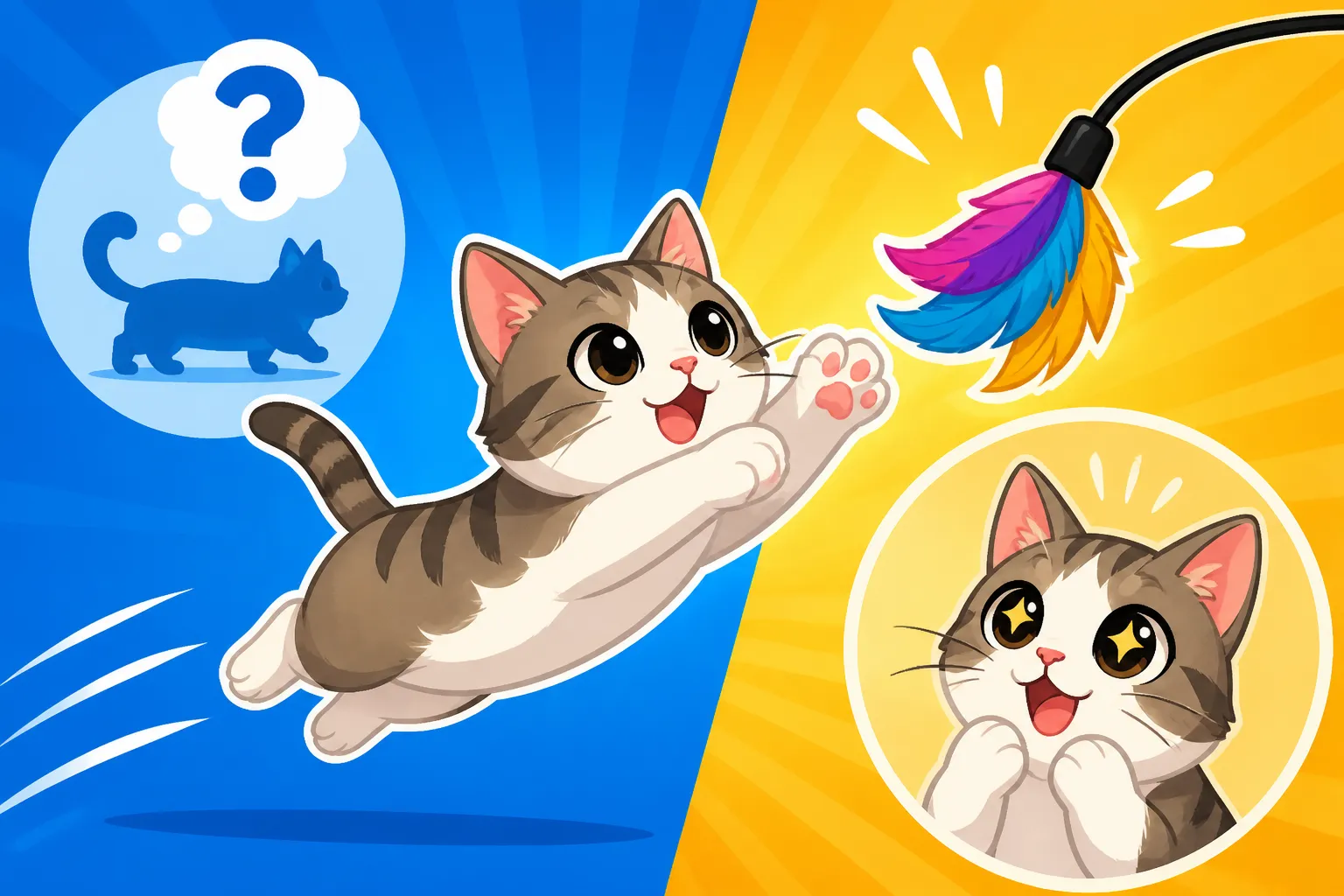
It's a common scenario for Munchkin cat owners: you're playing with your furry friend, twirling a feather wand or tossing a soft toy, and you instinctively launch it high into the air, expecting that dramatic leap and mid-air catch you might see from a long-legged cat. Then, a moment of silence as your little Munchkin looks up, maybe takes a half-hearted hop, and then stares at you as if to say, "Seriously? What were you thinking?" It's not a lack of desire or playfulness, but rather a fundamental physical reality of their unique build. This guide is all about setting realistic expectations for mid-air toy catching with a Munchkin, understanding their capabilities, and discovering how to adapt playtime so they can still enjoy the thrill of the chase and the "catch."
Understanding the Munchkin's Unique Physicality
Living with a Munchkin cat means understanding that their world is experienced a little differently, especially when it comes to vertical challenges. Their adorable short legs, while giving them their distinctive look, are the primary factor in how they interact with toys that fly through the air.
The Core of Their Design – Short Legs
The most defining characteristic of a Munchkin cat is, of course, their short legs. This is due to a natural genetic mutation, a form of dwarfism called pseudoachondroplasia, which affects the length of their long bones. Unlike other forms of dwarfism, their spine and body length are typically proportionate to a regular cat, but their legs remain considerably shorter. This isn't just a cosmetic trait; it fundamentally alters their biomechanics.
Imagine trying to jump as high as a basketball player if your legs were only half their usual length. That's a bit like what a Munchkin experiences. Their powerful hindquarters are certainly capable of propelling them upwards, but the limited leverage from their shorter limbs means that the maximum height they can achieve is significantly less than a standard-legged cat. When a toy sails overhead, that critical stretch and explosive launch simply aren't as effective, making truly "mid-air" catches a much rarer occurrence. Instead, they often rely on different strategies, preferring to intercept toys on the ascent or descent, or simply waiting for them to land. Why a Munchkin's Legs Are Short but Its Body Is Not explores this in more detail.
How They Compensate – Speed and Agility on the Flat
Now, don't mistake their limited vertical leap for a lack of athleticism! On the contrary, Munchkins are often surprisingly quick and agile on level ground. Their low center of gravity gives them excellent stability, allowing them to make sharp turns and accelerate rapidly, almost like little ferrets scooting across the floor. This ground-level prowess is where they truly shine in play.
They are masters of the flat pursuit, able to weave and dart under furniture and through tight spaces with impressive speed. How Fast a Munchkin Can Run or How a Munchkin Changes Direction at Speed can tell you more. When a toy is rolled, dragged, or bounced along the floor, a Munchkin can be incredibly effective at chasing it down and "catching" it in motion. They use their speed and quick reflexes to pounce, bat, and wrestle with toys, often engaging in intense, low-to-the-ground hunting sequences that are a joy to watch. So, while they might not snag a toy from the ceiling, they'll certainly tackle it with gusto as it skitters across the rug.
The Vertical Challenge: Jumping Dynamics
When it comes to jumping, a Munchkin's technique and capabilities differ significantly from their long-legged cousins. While a domestic shorthair might effortlessly clear a kitchen counter or scale a tall cat tree, a Munchkin approaches vertical obstacles with a more calculated strategy, if they approach them at all. They are generally much more deliberate in their jumps, often looking for intermediate steps or "ladders" to reach higher spots.
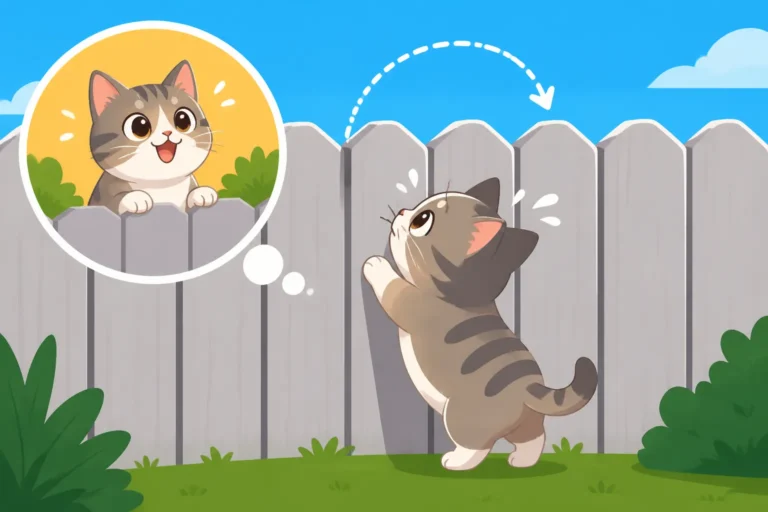
For truly high jumps, like trying to intercept a toy thrown several feet in the air, a Munchkin will typically attempt a short, explosive leap that maxes out their vertical reach, which is often only a foot or two off the ground. You might see them launch themselves with surprising power, but the outcome is usually more of a vertical "pop" than a sustained aerial trajectory. They simply don't have the limb length to achieve the same hang time or sheer height. This means that if a toy is thrown with too much upward arc, it quickly moves beyond their physical capabilities, leading to those adorable, yet ultimately fruitless, upward gazes. How High a Munchkin Can Actually Jump further elaborates on their jumping limits.
The Art of Mid-Air Catching for a Munchkin
So, can a Munchkin truly catch a toy mid-air? The answer, like with many things involving these unique cats, is nuanced. It depends heavily on what you define as "mid-air" and how the toy is presented.
The Crucial Jump – From Take-off to Apex
For any cat to catch a toy mid-air, it requires a precise combination of timing, agility, and the ability to launch themselves into a suitable position. For a standard cat, this means a powerful leap, often involving an arching trajectory that allows them to meet the toy at its apex or on its way down. They can adjust their bodies, twist, and extend their paws to snag the object.
A Munchkin's jump, however, is a more linear, less expansive affair. Their take-off is powerful but quickly reaches its limited peak. They don't have the same ability to hang in the air or make significant aerial adjustments. This means that for a mid-air catch, the toy needs to be within their very narrow "strike zone" – typically quite low to the ground and moving horizontally or with a very shallow arc. If the toy is too high, or if its trajectory is too unpredictable, the Munchkin will likely miss or simply watch it sail by, waiting for it to land. How Many Inches a Munchkin Can Jump explains the typical vertical range.
The Paw-Eye Coordination Factor
Don't for a second think that a Munchkin lacks excellent paw-eye coordination. Like all cats, they are natural predators with incredible reflexes and the innate ability to track moving objects. They can follow a laser dot, stalk a string toy, and pounce with uncanny accuracy. This coordination is just as sharp as any other cat's; it's their physical mechanics that impose the limitations, not their sensory or cognitive abilities.
When a toy is moving within their accessible range, their paw-eye coordination is superb. They can time their swat or grab with impressive precision, often batting a toy out of the air just as it's about to hit the ground, or catching it immediately after a low bounce. They process the visual information and calculate their attack trajectory just as effectively as a long-legged cat, but their physical response is adapted to their body. This means they are often most successful when the "mid-air" aspect is more of a quick, low-level interception rather than a high-flying leap.
Redefining "Mid-Air" for a Short-Legged Cat
Given their unique physicality, it's helpful for owners to redefine what "mid-air" means when playing with a Munchkin. For them, "mid-air" might be inches off the ground, or a very shallow, horizontal flight path. Think of it less like a basketball player dunking and more like a soccer player kicking a ball just above the grass.
Consider a toy that bounces low off the floor, or one swung horizontally with a wand toy that dips just above their head height. These are the "mid-air" opportunities a Munchkin can truly capitalize on. They can perform impressive, acrobatic swats and catches in these low zones, often with a rapid-fire succession of paws. It's about meeting the toy in that brief moment when it's not quite on the ground but hasn't soared out of their reach. Appreciating these lower-altitude feats helps you understand and celebrate your Munchkin's natural hunting prowess without setting them up for disappointment or strain.
Adapting Play for Successful "Mid-Air" Catches
The key to joyful and enriching play with your Munchkin, especially when it comes to "mid-air" interactions, is adaptation. It's about creating opportunities where their strengths are highlighted and their limitations are accommodated.
Choosing the Right Toys for Their Reach
Not all cat toys are created equal when it comes to Munchkins. The best toys will either encourage ground-level engagement or present opportunities for low-arc "mid-air" interception. Avoid toys that require significant vertical leaps, as these can lead to frustration for your cat and potentially put unnecessary strain on their joints from repeated, unsuccessful attempts. Which Toys Work at a Munchkin's Height offers a great selection.
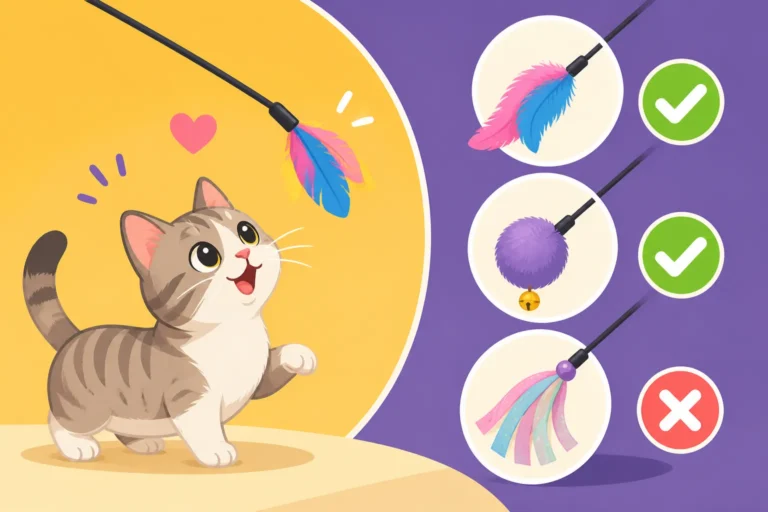
Here’s a quick guide to toy choices:
| Toy Type | Suitability for Munchkins | Best for "Mid-Air" Catching (Munchkin style) |
|---|---|---|
| Wand Toys | Excellent! Allows owners to control height and trajectory. | Yes, with low, sweeping motions. |
| Laser Pointers | Great for ground chase, but no physical "catch." | No, as there's nothing physical to catch. |
| Crinkle Balls/Soft Pompoms | Good for batting, chasing, and low bounces. | Yes, if tossed with a low, shallow arc. |
| Feather Teasers | Ideal for ground-level dragging, low bounces. | Yes, when swept just above head height. |
| Remote Control Toys | Fantastic for high-speed ground pursuit. | No, primarily ground-based chase. |
| Spring Toys | Good for batting and pouncing as they spring low. | Limited, as bounces can be unpredictable. |
When using wand toys, focus on sweeping motions that bring the toy close to the ground, occasionally lifting it just a few inches to entice a low leap or a swift paw-bat. Soft, lightweight toys that can be tossed gently and bounce low are also excellent. Think about toys made from felt, soft fabric, or lightweight plastic that won't cause injury if they are missed and hit the cat.
Strategic Toy Presentation and Placement
Beyond choosing the right toys, how you present them makes all the difference. Instead of throwing a toy high into the air and watching it fall, consider these strategies:
- Low Arc Tosses: When throwing toys, aim for a trajectory that stays low to the ground, ideally peaking no more than a foot or so above their head. This allows them to track the toy horizontally and intercept it with a quick leap or a well-timed swat. Imagine a soft toss that barely clears their head, rather than a high lob.
- Bounce It Off Surfaces: Use furniture or walls to create low, unpredictable bounces. Tossing a toy to rebound off the side of a sofa can create a perfect, low-flying target for your Munchkin to pounce on as it comes off the surface. This mimics prey attempting to escape.
- Sweeping Wand Play: With a wand toy, sweep the toy along the floor, occasionally letting it "fly" just inches above the ground. This encourages chasing, pouncing, and those satisfying low-level "mid-air" catches where they bat the toy with surprising force. How Much Floor Level Play a Munchkin Needs often centers around these types of interactive engagements.
- Utilize Ramps and Steps: If you have cat-safe ramps or steps leading to a low window perch or sofa, you can create opportunities for them to leap from a slightly elevated position. A toy dangled from above a ramp's landing can encourage a slightly higher, but still supported, jump. This provides a safe platform for them to launch from, rather than relying solely on a flat floor.
Encouraging Natural Hunting Behaviors
Munchkins, despite their leg length, are still cats through and through, with strong predatory instincts. The joy of play often comes from simulating the hunt. Focus on engaging these natural behaviors, regardless of how high they can jump.
- Stalk, Pounce, Capture: These are the three core elements of a cat's hunt. Use toys that allow your Munchkin to stalk (hiding the toy, moving it slowly), pounce (letting them ambush it), and capture (allowing them to grab and "kill" the toy). Even if the "capture" isn't a spectacular mid-air grab, the satisfaction of the full hunting sequence is deeply enriching for them.
- Vary the Speed and Direction: Just like real prey, a toy should move erratically. Speed it up, slow it down, change direction suddenly. This keeps your Munchkin engaged and uses their impressive ground agility and quick turning abilities. Why a Munchkin Corners Faster Than It Should due to their low center of gravity.
- Allow for Success: It’s vital to let your Munchkin "catch" the toy frequently. If they never succeed in grabbing what they're chasing, they can become frustrated and lose interest. Let them wrestle with the wand toy, pounce on the crinkle ball, or secure the tossed toy. This builds confidence and reinforces the positive association with playtime.
- Enrichment at Floor Level: Remember that a Munchkin lives much of its life closer to the ground. Providing How to Set Up Floor Level Enrichment for a Munchkin with puzzle feeders, rolling toys, and tunnels will keep them mentally and physically stimulated, whether or not they're making mid-air catches.
Realistic Expectations and Joyful Play
Ultimately, the goal of playing with your Munchkin is to provide enrichment, exercise, and strengthen your bond, not to turn them into an Olympic high-jumper. Setting realistic expectations is key to a happy and healthy relationship.
Celebrating Small Victories
When you play with your Munchkin, celebrate the successes that are unique to them. Cheer for that quick, low leap that snags a feather teaser just inches off the carpet. Appreciate the lightning-fast pounce on a rolling ball. Delight in their determined waddle as they chase a crinkle toy under the sofa. These are their victories, and they are just as impressive in their own context as a high jump from a long-legged cat.
Focusing on what they can do, rather than what their unique genetics prevent, will make playtime much more rewarding for both of you. They are masters of their low-altitude domain, and their enthusiasm for the chase is undeniable.
The Importance of Safe Play Environments
Because Munchkins might still try to jump even when it's a stretch for them, it's really important to ensure their play environment is safe. Avoid encouraging jumps from high places or onto hard surfaces. Repeated impact from ambitious leaps can put strain on their joints, especially their shoulders and elbows, which already take a significant load due to their unique conformation. Whether a Munchkin Should Be Discouraged From Jumping if it seems unsafe or causes strain.
Ensure soft landing areas around furniture they might attempt to jump on or off. Consider ramps and steps not just for accessibility, but as a way to guide their movement and reduce the risk of injury. Supervise playtime, especially with new toys or in new environments, to make sure they're not overdoing it or attempting maneuvers that are truly beyond their safe physical limits. Think of it as protecting their precious little bodies so they can enjoy many years of happy, active play.
Connecting Through Play, Not Just Performance
More than any impressive trick or athletic feat, play is about connection. It's a fundamental way for you and your Munchkin to bond, communicate, and enjoy each other's company. Whether they're catching a toy mid-air, batting it across the floor, or simply observing it with intense focus, the shared experience is what truly matters.
Take the time to understand your individual Munchkin's preferences. Some might be relentless chasers, others prefer a slow stalk and ambush. Some might enjoy batting toys, while others love to carry them around. The goal is to provide mental and physical stimulation in a way that is joyful and safe for them, celebrating their unique abilities and charm. The joy your Munchkin gets from playtime will be evident in their purrs, their engaged eyes, and their playful antics, far outweighing any specific performance metric.
Disclaimer
This article is for general informational purposes only and does not constitute professional advice. Laws, prices and regulations vary by location and change over time. Consult a qualified professional for guidance on your specific situation.