Getting a Munchkin Used to Being Groomed on Its Back
One of the most common frustrations Munchkin cat owners face is the struggle to groom their furry friends, particularly on their backs. Those adorable short legs, while endearing, mean your Munchkin simply can't reach certain areas of their own body effectively, leading to potential matting, skin irritation, and discomfort if not addressed. This guide is here to walk you through the process of gently and effectively getting your Munchkin used to being groomed on their back, transforming what can be a stressful chore into a bonding experience.
Understanding Why Back Grooming is a Challenge for Munchkins
Let's be real, a Munchkin's unique physique is a big part of their charm, but it also comes with specific care considerations. Their short legs, a hallmark of the breed, present a distinct challenge when it comes to self-grooming, especially for those hard-to-reach areas like the middle of their back or near their tail.
The Physical Limitations of Short Legs
Imagine trying to scratch an itch right in the center of your back if your arms were significantly shorter. That's essentially what your Munchkin experiences. While a normal-legged cat can arch and twist their spine, stretching their paws or mouth to reach almost every inch of their body, a Munchkin’s reduced limb length restricts this natural agility. They can manage their front legs, chest, belly (though sometimes with a bit of effort if they are on the rounder side), and head quite well. However, the expansive area of their back, especially from the shoulders down to the rump, becomes a no-go zone for self-grooming. This isn't laziness on their part; it's a simple physical impossibility. This limitation means you, as their dedicated human, need to step in and fill that gap, making assisted grooming not just a nicety but a necessity for their comfort and health. It’s also important to remember that What a Munchkin Cannot Reach to Groom impacts more than just their back.
The Importance of Early Acclimation
If you've ever tried to clip the nails of a full-grown cat who wasn't introduced to it as a kitten, you know the struggle is real. The same goes for back grooming. Starting early, ideally when your Munchkin is a tiny kitten, is absolutely crucial. Kittens are naturally more curious, more adaptable, and less set in their ways. Introducing gentle brushing and handling from a young age helps them associate grooming with positive experiences – cuddles, quiet time, and treats – rather than something to be feared or resisted.
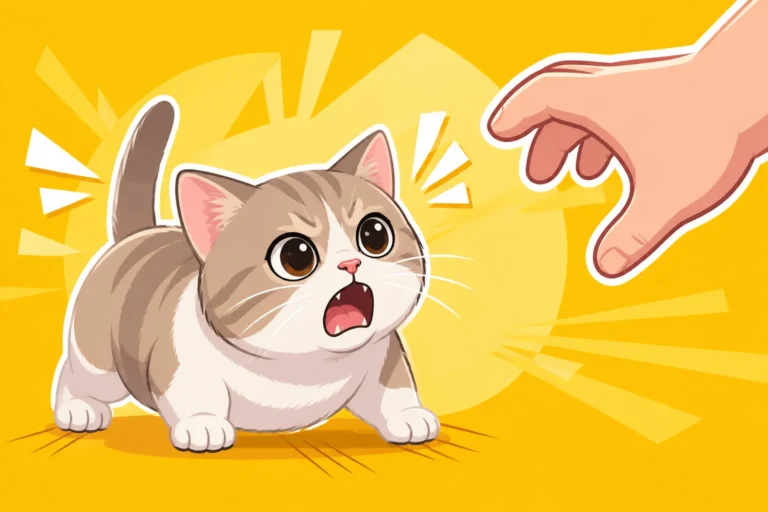
If you bring home an older Munchkin who hasn't had this foundational training, don't despair! It will require more patience and a slower approach, but it's certainly not impossible. The key is consistency and ensuring every interaction is as calm and reassuring as possible. Trying to force an older, resistant cat into a grooming session will only reinforce their negative associations and make future attempts even harder. They might squirm, vocalize their displeasure, or even try to bite or scratch, which is a clear sign you need to dial back the intensity and re-evaluate your approach.
Common Grooming Frustrations for Owners
Let’s be honest, grooming a cat that doesn’t want to be groomed can be incredibly frustrating. You’re trying to help them, but they see it as an invasion. Many owners report their Munchkin squirming out of their grasp, turning into a furry pretzel, or even developing a sixth sense for when the brush comes out, disappearing under the nearest furniture. It's disheartening when you know they need this care, but their instincts scream "flee!"
For owners of long-haired Munchkins, the frustration is often compounded by the rapid formation of mats. You might brush them one day, only to find a new tangle the next, especially around their hindquarters where the fur tends to be denser and they simply cannot reach. Why a Munchkin's Hindquarters Get Matted is a really common issue, and it's easy to feel defeated. It's vital to recognize these challenges are normal and not a reflection of your inability as a pet parent. They simply highlight the importance of establishing a routine that works for both of you, built on trust and positive reinforcement.
Creating a Positive Grooming Environment
Turning grooming into a pleasant ritual starts long before the brush even touches their fur. It’s about setting the stage, choosing the right tools, and approaching the task with the right mindset.
Choosing the Right Time and Place
Cats are creatures of habit and sensitive to their environment. The "when" and "where" of grooming can make all the difference.
- Timing is Everything: Aim for a time when your Munchkin is naturally relaxed and perhaps a little sleepy. Just after they’ve eaten, had a good play session, or woken up from a nap can be ideal. Avoid grooming when they're full of zoomies, agitated, or clearly wanting to play. Trying to brush a cat mid-hunt for a toy mouse is a recipe for disaster.
- A Quiet Sanctuary: Choose a calm, quiet room free from distractions. Loud noises, other pets, or bustling household activity can stress your Munchkin and make them more resistant. A bathroom counter (with a non-slip mat, of course) or a quiet corner of a living room can work. The goal is to create a space where both of you can focus without interruption.
- Comfort and Security: Ensure your Munchkin feels secure. For some, being held gently on your lap works best. For others, a raised surface like a sturdy table (again, with a non-slip surface) might provide a sense of stability. Some cats prefer to be groomed while lying down. Observe your cat's comfort cues and adapt.
Essential Grooming Tools for a Munchkin's Back
Having the right tools is half the battle. You wouldn't use a hammer to drive a screw, and the same principle applies to cat grooming.
- Soft-Bristle Brush: Great for kittens and sensitive cats. It offers a gentle introduction to the sensation of brushing and helps distribute natural oils for a healthy coat.
- Rubber Curry Brush: These are wonderful for short-haired Munchkins. The rubber nubs gently massage the skin, remove loose fur, and stimulate circulation. Many cats find them incredibly soothing.
- Slicker Brush: A go-to for many cat owners, especially those with medium to long-haired Munchkins. The fine wire bristles are excellent for detangling and removing undercoat. Use with a very light touch to avoid irritating the skin.
- De-shedding Tool (e.g., a deshedder): If your Munchkin has a dense undercoat, a specialized de-shedding tool can be invaluable, especially during shedding seasons. Again, use sparingly and gently, as over-brushing can cause skin irritation.
- Wide-Tooth Comb: Essential for checking for mats, particularly on long-haired varieties. It helps to gently work through smaller tangles before they become full-blown mats. Which Comb Suits a Longhaired Munchkin can make a real difference in keeping their fur smooth.
- Cat Wipes: Handy for quick clean-ups, especially around the base of the tail or if your Munchkin gets a little messy after using the litter box, as their low-slung body can sometimes make them prone to dragging their belly or hindquarters.
When it comes to sourcing these tools, don't feel like you need to break the bank. You can find a fantastic array of brushes, combs, and cat wipes on platforms like Amazon, offering a wide selection to suit your Munchkin's specific coat type and your budget.
The Power of Positive Reinforcement
This isn't just a feel-good phrase; it's the cornerstone of successful grooming. Your Munchkin needs to associate grooming with good things.
- Treats, Treats, Treats: Have a stash of your Munchkin's favorite high-value treats readily available. Offer them frequently during the session, especially after a moment of calm acceptance.
- Verbal Praise and Gentle Affection: Use a soft, reassuring voice. Tell them what a good cat they are. Pet them gently in areas they enjoy, like behind the ears or under the chin, before and after you touch their back.
- Short and Sweet Sessions: When you're first starting out, keep grooming sessions incredibly short – literally 30 seconds to a minute. The goal is to end on a positive note, before your Munchkin gets stressed or tries to escape. Gradually increase the duration as they become more comfortable.
- The "Lickable Treat" Distraction: A lickable treat in a tube or a bit of wet food on a silicone mat can be an amazing distraction tool. While they’re happily licking, you can often get some good brushing in without them even noticing.
By making grooming a rewarding experience, you’re building a foundation of trust and teaching your Munchkin that this is a safe, even enjoyable, activity.
Step-by-Step Guide to Acclimatizing Your Munchkin
Ready to get started? Here’s how to gradually introduce your Munchkin to back grooming, building up their tolerance and trust over time.
Starting Small: Touch and Reward
Before you even think about the brush, you need to get your Munchkin comfortable with being touched on their back.
- Relax and Cuddle: Start by simply petting and cuddling your Munchkin in a way they already enjoy. Let them settle onto your lap or next to you.
- Gentle Back Touches: Slowly, gently, extend your hand to their back. Stroke them very lightly, just a few times, in areas they’re okay with. Avoid areas that seem sensitive initially.
- Immediate Reward: The moment you touch their back, offer a tiny treat and soft praise. The touch doesn’t have to be long or deep; just a brief, positive interaction.
- Repeat, Repeat, Repeat: Do this multiple times a day, for very short periods. Don't rush it. You're building an association: "back touch = good things."
- Gradually Increase Duration: Over several days, or even weeks, slowly increase the duration and pressure of your strokes. Pay attention to your Munchkin’s body language. A twitching tail, flattened ears, or tensing body are signs to stop or ease up.
Introducing the Brush Gradually
Once they’re accepting of gentle touches, it’s time to bring in the grooming tools.
- Let Them Investigate: Let your Munchkin sniff and explore the brush. You can even put a little treat on the brush or rub it against your cheek first to transfer your scent.
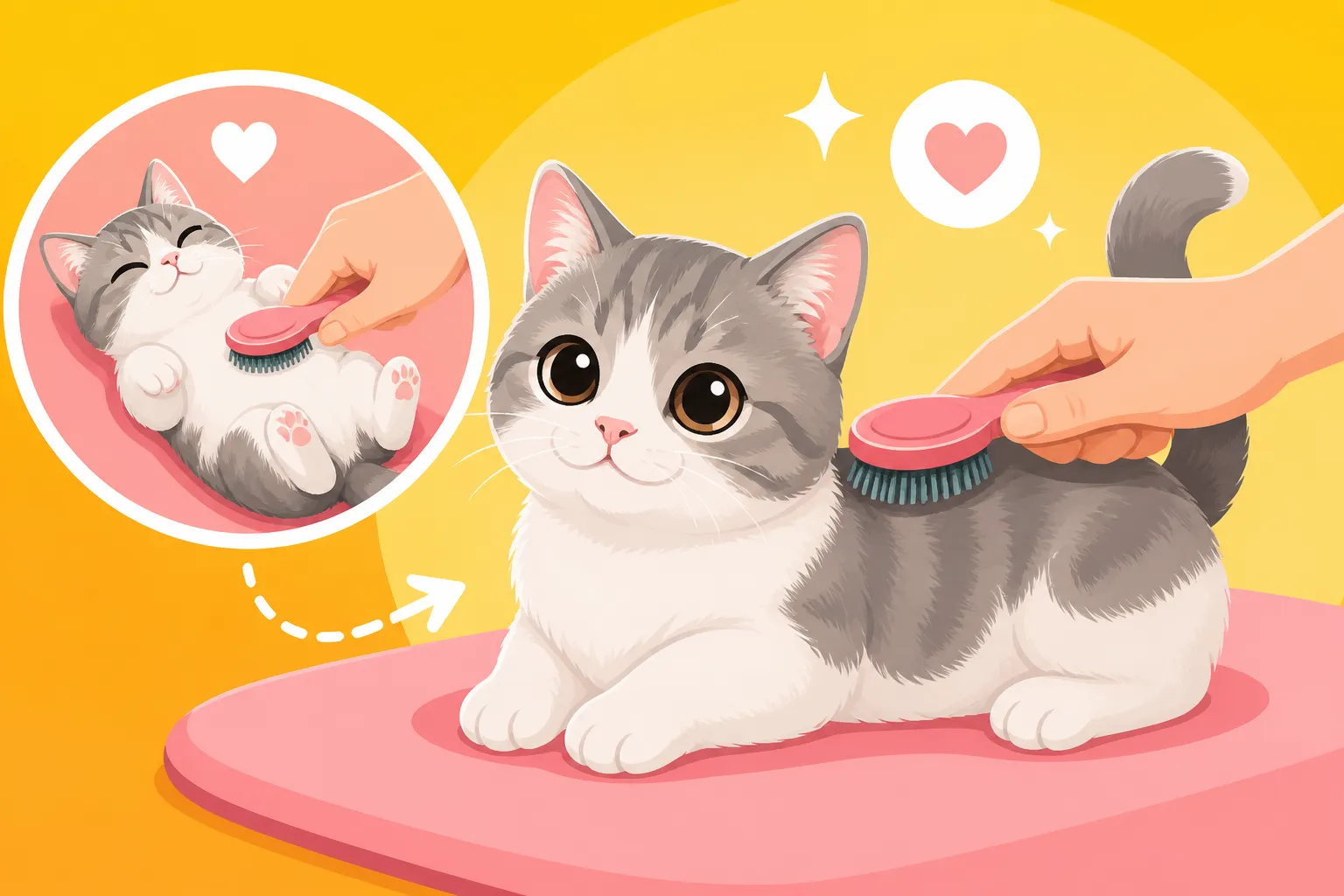
- Light, Brief Strokes: With your Munchkin relaxed (perhaps distracted by a lickable treat), lightly touch the brush to their back, just one or two strokes.
- Reward and Release: Immediately give a treat and praise. Then, put the brush away and end the session. The goal is to finish before they become agitated.
- Increase Strokes Slowly: In subsequent sessions, gradually increase the number of strokes you perform. Always keep the strokes gentle, following the direction of the fur. For areas that might be sensitive, like near the spine or hip bones, use even lighter pressure.
- Observe Their Reaction: If your Munchkin pulls away, twitches their skin, or vocalizes, you’ve gone too far. Next time, do fewer strokes or use an even softer brush. You can always try again later.
Techniques for Effective and Gentle Back Grooming
Now that your Munchkin is more accustomed, you can start being more deliberate with your grooming.
- Support and Stability: Ensure your Munchkin feels supported. If they’re on your lap, cradle them gently. If they’re on a table, keep one hand on them for reassurance.
- Short, Gentle Strokes: Use short, smooth strokes, working from the neck down towards the tail. Don't press too hard. Let the brush do the work.
- Section by Section: Instead of trying to do the whole back at once, focus on one small section, like the shoulders, then the middle back, then the hindquarters.
- Check for Mats: As you brush, feel with your fingers for any small tangles or mats. If you encounter one, don't pull! This can be painful. Instead, use a wide-tooth comb to gently tease it apart, starting from the outer edge of the mat and working inward. For stubborn mats, you might need a detangling spray designed for cats or even a groomer if it’s too severe. Keeping mats at bay is crucial, as Whether Matting Becomes a Health Problem in a Munchkin is a serious consideration.
- Work with the Fur, Not Against It: Always brush in the direction of hair growth. Going against the grain can be uncomfortable for your cat and less effective at removing loose fur.
- Positive Reinforcement Throughout: Continue offering treats and praise consistently. Make it clear that their cooperation is appreciated. A Munchkin’s quality of life is heavily influenced by their comfort, and regular grooming contributes greatly to that.
Addressing Specific Challenges and Long-Term Care
Even with the best intentions, grooming can present unique hurdles. Knowing how to navigate them is key to long-term success.
Handling Resistance and Escapes
It's inevitable that some days your Munchkin will be less cooperative. Don't take it personally.
- Recognize the Signs: Learn to read your Munchkin's body language. Flattened ears, a thrashing tail, growling, hissing, or trying to bite are clear signs of distress. Stop immediately.
- Don't Force It: Forcing a grooming session will only make your cat more fearful and resistant in the future. It damages trust and makes the next session harder.
- Break It Down Further: If your Munchkin is resisting, go back to basics. Can they tolerate just one stroke? Just a touch? Make the sessions even shorter and increase the value of the rewards.
- Change Your Approach: Perhaps the brush is too harsh. Try a softer one. Maybe the location is too noisy. Move to a quieter room. Experiment with different times of day.
- Professional Help: If you're consistently struggling with severe resistance or aggression, consider consulting a professional groomer or even your vet. They can offer tips, demonstrate techniques, or even assist with grooming if necessary. For mats that are too close to the skin or too large to safely remove yourself, a professional is definitely the way to go.
Preventing Mats and Skin Issues
Neglecting your Munchkin’s back grooming can lead to uncomfortable and potentially serious health problems.
- Matting: This is the most common issue. Mats are tangled clumps of fur that can pull on the skin, causing pain and restricting movement. They can also hide skin infections, parasites, and wounds. Long-haired Munchkins are particularly prone to mats, but even short-haired ones can develop them if shedding fur isn't removed. When mats go untreated, How Skin Problems Start Under a Munchkin's Mats becomes a very real concern.
- Skin Irritation and Infections: If the skin under mats can't breathe, it becomes a breeding ground for bacteria and yeast. Your Munchkin might also excessively scratch or lick a matted area, leading to open sores and further infection.
- Dandruff and Dry Skin: Lack of proper grooming can lead to an accumulation of dead skin cells and dander, contributing to a dull coat and flaky skin. Brushing helps to distribute natural oils, keeping the skin and fur healthy.
- Parasite Hiding Spots: Fleas, ticks, and other parasites can easily hide within matted fur, making them harder to detect and treat, and causing more distress for your cat.
Regular, thorough brushing is your primary defense against these issues. It's not just about looking good; it's about safeguarding their health and comfort. Remember to check their belly fur too, as Why a Munchkin's Belly Fur Needs Checking is also an important part of their routine care.
Maintaining a Regular Grooming Schedule
Consistency is the secret ingredient to successful Munchkin grooming.
- Establish a Routine: Decide on a frequency that works for your Munchkin’s coat type and your schedule.
- Short-haired Munchkins: Typically benefit from 2-3 brushing sessions per week. This helps remove loose fur and keeps their coat shiny. How Often to Brush a Munchkin's Back will depend on their individual shedding patterns.
- Long-haired Munchkins: Often require daily brushing to prevent mats, especially in denser areas like their back, hindquarters, and belly. These sessions might be shorter but more frequent.
- Make it Predictable: Cats thrive on routine. If they know when grooming time is, it becomes less of a surprise and more of an accepted part of their day.
- Flexibility is Key: While routine is good, be prepared to be flexible. If your Munchkin is clearly not in the mood one day, don’t push it. You can always try a shorter session later or skip a day if needed. The goal is progress, not perfection.
- Combine with Other Care: You can combine back grooming with other essential care tasks, like checking their ears, or having a look at their claws, even if you’re not trimming them every time. How to Hold a Munchkin for a Nail Trim involves similar handling, so getting them used to one makes the other easier.
- Lifelong Commitment: Back grooming isn't just for kittens or young adults. As your Munchkin ages, their flexibility might decrease, making self-grooming even harder. Maintaining a regular schedule throughout their life ensures they remain comfortable and healthy into their senior years. This is especially important for Munchkins, as Caring for a Munchkin Past Ten often involves increased grooming assistance.
| Grooming Tool Type | Ideal For | Benefits | Usage Tips |
|---|---|---|---|
| Soft Bristle Brush | Kittens, sensitive skin | Gentle, distributes oils, builds trust | Start with light strokes, use daily for bonding |
| Rubber Curry Brush | Short-haired Munchkins | Massages, removes loose fur, stimulates skin | Use gentle circular motions or short strokes |
| Slicker Brush | Medium to long-haired Munchkins | Detangles, removes undercoat, prevents mats | Use with a very light touch, short strokes, check for mats |
| Wide-Tooth Comb | Long-haired Munchkins, tangles | Gently separates fur, identifies mats early | Work from ends of fur, carefully tease out tangles |
| De-shedding Tool | Dense undercoats, shedding season | Reduces shedding significantly, prevents mats | Use sparingly, follow instructions, avoid over-brushing |
Disclaimer
This article is for general informational purposes only and does not constitute professional advice. Laws, prices and regulations vary by location and change over time. Consult a qualified professional for guidance on your specific situation.