Why a Munchkin Must Accept Grooming It Cannot Do Itself
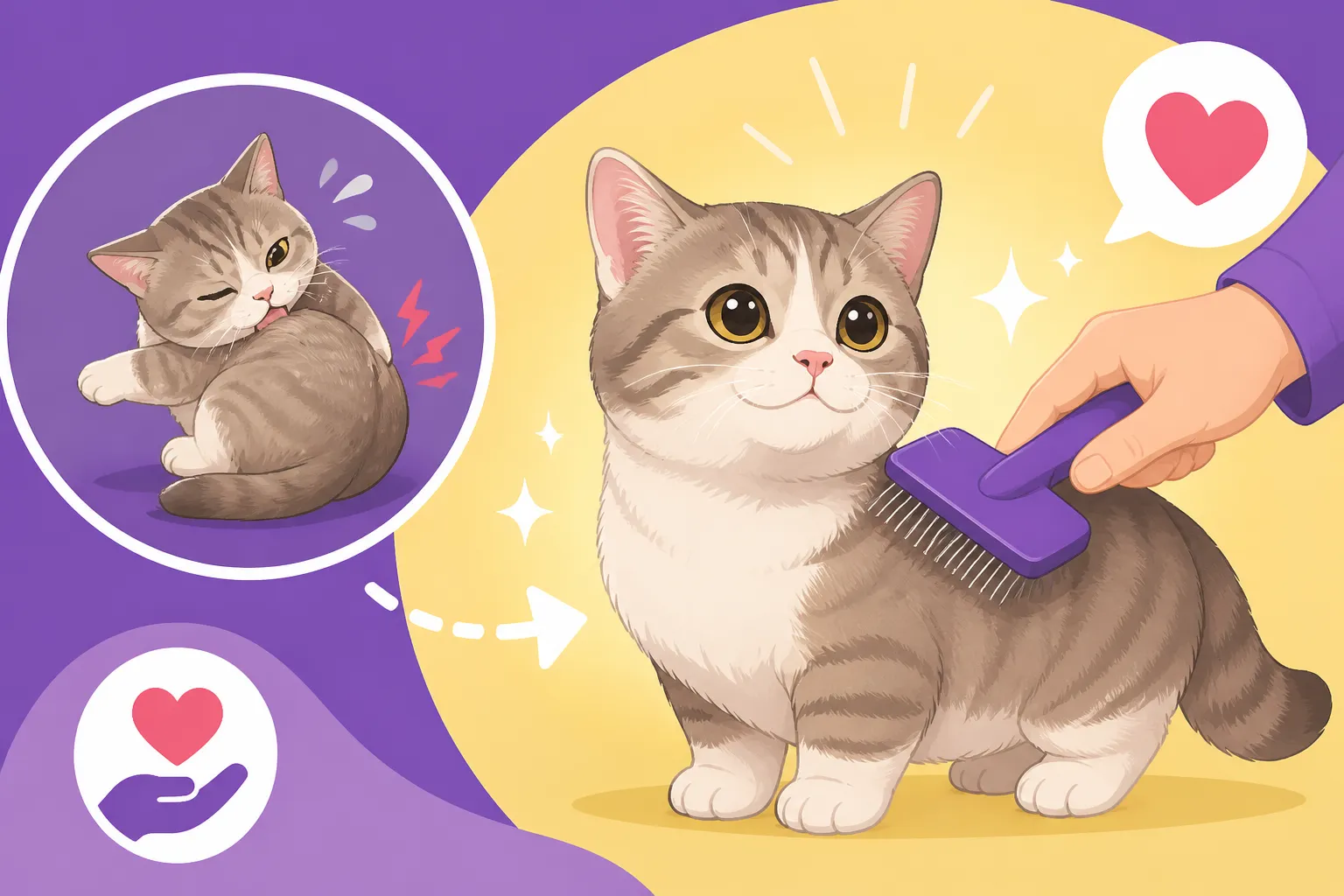
As a Munchkin owner, you’ve probably noticed those adorable short legs are fantastic for zoomies across the living room floor and that signature "prairie dog" sit, but they’re not so great for reaching certain spots. One of the biggest realities of living with a Munchkin cat is understanding that they simply cannot groom themselves effectively in all the places a regular-legged cat can. This isn't just about aesthetics; it's a critical health and comfort issue that demands their human family steps in to help. If your Munchkin resists grooming, it’s a problem that needs solving for their overall well-being.
The Physical Limitations of a Munchkin's Grooming Abilities
It's easy to assume all cats are self-sufficient groomers – after all, isn't that what they spend half their day doing? But for a Munchkin, their unique anatomy creates very real, very frustrating barriers to proper self-care. Their short legs, while undeniably charming, mean a significant reduction in reach and flexibility compared to a cat with standard-length limbs.
Where the Short Legs Fall Short
Imagine trying to reach your lower back or the soles of your feet without bending your knees. That’s a bit like what a Munchkin experiences when trying to perform a full-body groom. Their hindquarters, the area around their tail, and their lower back are practically inaccessible territory for their tongues and paws. They simply lack the leverage and extension to twist and lick these crucial areas. Owners often observe their Munchkin trying valiantly, stretching and contorting, only to give up with a resigned sigh. It's not for lack of trying; it's a physical impossibility. Even parts of their belly, especially towards the rear, become difficult to maneuver their head around to clean thoroughly. Which Parts of Itself a Munchkin Cannot Reach
The Impact of Their Unique Body Shape
Beyond just the length of their legs, a Munchkin’s overall body structure plays a role. While their legs are short, their spine is typically of normal length, which means their body proportions are different from what you'd expect in other breeds. This combination makes it hard for them to fold themselves into the tight angles needed for comprehensive grooming. Think about how a standard cat stretches out long, reaching its tail base with ease. A Munchkin's shorter leg span means this kind of stretch is severely curtailed.
What's more, their low-slung belly means it often rides quite close to the ground. This adorable feature, while making them look even more like tiny furry sausages, comes with a downside. As they walk, explore, or use their litter box, their belly fur and hindquarters are much more prone to picking up debris, dust, litter particles, and even fecal matter. Why a Munchkin's Belly Nearly Touches the Floor A long-legged cat might clear these obstacles, but a Munchkin often drags right through them, making self-cleaning even more urgent, and unfortunately, even harder.
The Unpleasant Realities of Neglected Grooming
When a cat can't groom itself adequately, the consequences can quickly escalate from minor annoyances to serious health problems. For a Munchkin, these issues are amplified due to their inherent limitations, making your role as their personal groomer absolutely non-negotiable. Ignoring these needs means condemning your beloved pet to discomfort and potential medical issues.
Mats, Skin Issues, and Discomfort
The most immediate and visible consequence of inadequate grooming is matting. Hair, especially in long-haired Munchkins, can quickly clump together, forming dense, painful mats. These aren't just tangled fur; they pull at the skin, causing constant discomfort and even pain with every movement. Imagine having a tight elastic band constantly tugging at your skin – that's what a mat can feel like.
Mats can also hide skin problems underneath, such as redness, irritation, parasites, or infections. Moisture can get trapped, creating a perfect breeding ground for bacteria or yeast. In the hindquarters, where litter and fecal matter can accumulate, the risk of urine scalding or bacterial infections is significantly higher. If left untreated, severe matting can restrict blood flow and even lead to open wounds or deep skin infections requiring veterinary intervention. This is why addressing matting is not just about vanity; it's about preventing suffering. Whether Matting Becomes a Health Problem in a Munchkin
Beyond the Physical: Behavioral Changes
The physical discomfort from mats and poor hygiene doesn't just stay skin-deep; it profoundly impacts a Munchkin's mental state and behavior. A cat that is constantly in pain or irritated will not be a happy cat. You might notice changes in their personality:
- Withdrawal: They may become less interactive, hiding away more often to avoid being touched, especially in their painful areas.
- Irritability or Aggression: A cat in pain might lash out when you try to pet them or when they anticipate discomfort during grooming attempts. What seems like aggression is often a cry for help.
- Reduced Playfulness: Their energy levels may drop, and they might show less interest in toys or games, simply because moving hurts. How a Munchkin's Play Changes After Eight
- Changes in Appetite: Discomfort can even affect their desire to eat or drink.
- Excessive Licking (in accessible areas): While they can't reach the problem spots, they might over-groom the areas they can reach, sometimes to the point of causing skin irritation there as well, as a displacement activity for their frustration.
A Munchkin's overall quality of life hinges on their ability to feel clean and comfortable. When they can't achieve this themselves, it's a direct reflection of their human caregiver's responsibility to step in and restore their comfort.
Empowering Owners: Making Grooming a Positive Experience
Understanding that your Munchkin needs your help with grooming is the first step. The next is learning how to do it in a way that is effective, stress-free, and ideally, enjoyable for both of you. This involves patience, the right tools, and a consistent approach to build trust and routine.
Starting Early and Building Trust
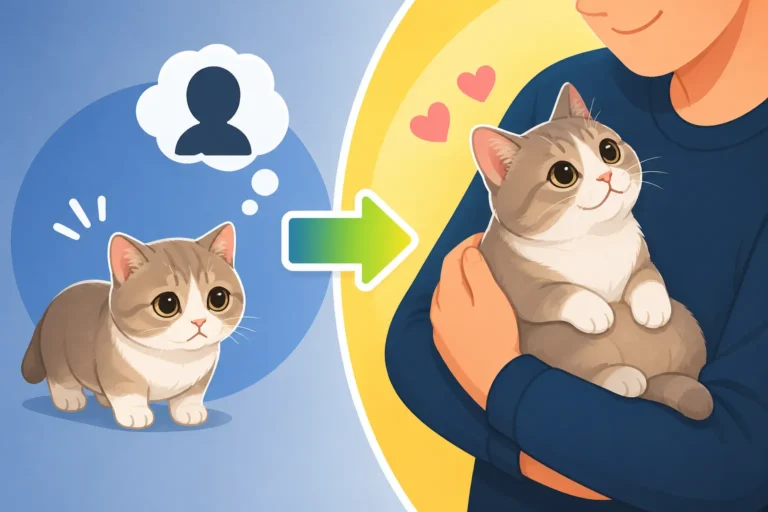
The absolute best time to introduce grooming is when your Munchkin is a kitten. Kittens are generally more adaptable and accepting of new experiences. Start with very short, gentle sessions, just a minute or two, touching their paws, belly, and hindquarters with a soft brush or even just your fingers. Offer plenty of praise and treats immediately afterward. The goal isn't necessarily a full groom at this stage, but rather to associate handling and grooming tools with positive rewards.
If you have an adult Munchkin who isn't keen on grooming, don't despair! It will take more time and patience, but the principle is the same: small steps, positive reinforcement, and never forcing the issue to the point of trauma. Use calming tones, a gentle touch, and always end on a good note, even if you only managed one stroke of the brush. You're building a foundation of trust, letting them know that grooming means good things, not pain or fear. Introducing a Toothbrush to a Munchkin at Twelve Weeks
Essential Tools and Techniques
Having the right tools makes a world of difference. Here’s what you’ll want in your Munchkin grooming kit:
- Soft-bristled brush: Ideal for daily gentle strokes, especially for short-haired Munchkins, to remove loose fur and stimulate the skin.
- Slicker brush: For long-haired Munchkins, this helps get through thicker coats and prevent mats. Use with a very light hand to avoid skin irritation. You can find many well-rated options on Amazon.
- Fine-tooth comb or de-matting comb: Essential for gently working out small tangles before they become full-blown mats. Be extremely careful and patient. Never yank. If a mat is tight, it's better to cut it out with blunt-nosed scissors (pointing away from the skin) or seek professional help.
- Pet-safe grooming wipes: Perfect for quick clean-ups around the hindquarters after litter box use, or to freshen up their belly fur. Brands like Earthbath or Burt's Bees for pets are often readily available on Amazon.
- Nail clippers: Regular nail trims prevent claws from getting caught and causing injury, especially important if they can't climb well.
- Treats: Crucial for positive reinforcement!
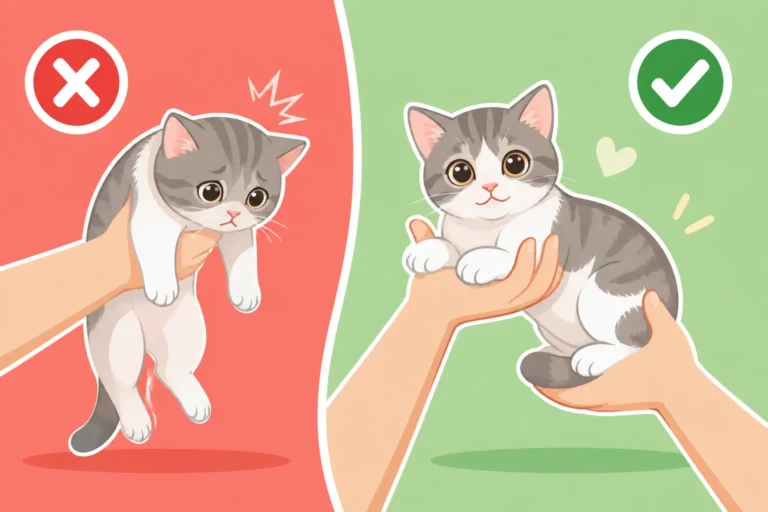
When grooming, choose a quiet time when your cat is relaxed. Many cats enjoy being brushed while napping or after a meal. Always support their body, especially their back, to avoid any strain. Keep sessions brief initially, gradually increasing the duration as your Munchkin becomes more accustomed to it. Focus on the hard-to-reach areas, but don't neglect a good all-over brush to promote circulation and remove loose fur.
| Grooming Task | Short-Haired Munchkin | Long-Haired Munchkin |
|---|---|---|
| Brushing | 2-3 times/week | Daily |
| Hindquarter Wipes | Daily | Daily |
| Mat Check | Weekly | Daily |
| Nail Trim | Every 2-4 weeks | Every 2-4 weeks |
| Dental Care | Daily (ideally) | Daily (ideally) |
| Full Body Inspection | Weekly | Weekly |
When Professional Help is Needed
There will be times when even the most dedicated owner needs a little extra help. If your Munchkin develops severe matting that you can’t safely remove yourself, or if they’re particularly resistant to grooming, a professional groomer or your veterinarian might be the best option.
Professional groomers have specialized tools and techniques, and they know how to handle cats safely and efficiently, often getting through a difficult groom faster and with less stress than an owner might. They can also perform sanitary clips around the hindquarters, which is often crucial for Munchkins to maintain cleanliness. Don't feel like a failure if you need to call in the pros; it's about ensuring your cat's health and comfort above all else. How Often a Munchkin's Hindquarters Need a Groomer Your vet can also sedate a particularly stressed cat for a full groom or mat removal, which might be necessary in extreme cases to prevent further suffering.
Integrating Grooming into Routine Care
Thinking of grooming not as an occasional chore but as an integral part of your Munchkin’s daily and weekly care plan is key. It's an extension of providing food, water, and shelter, a non-negotiable aspect of responsible pet ownership for this particular breed.
A Proactive Approach to Hindquarter Hygiene
The hindquarters are truly the "hot spot" for Munchkins when it comes to hygiene. Due to their low stature, they can often struggle to clean themselves properly after using the litter box. This can lead to unsightly, uncomfortable, and unhygienic accumulations of litter and fecal matter, especially if they have long fur.
Regular wiping with pet-safe wipes is a must, sometimes even after every litter box visit, particularly for very fluffy Munchkins. Many owners find that a "sanitary clip" is incredibly helpful. This involves carefully trimming the fur around the anus and genitals to a shorter length, creating a cleaner area that is less likely to trap debris. While some adventurous owners might attempt this themselves with blunt-nosed grooming scissors, it's often best left to a professional groomer or vet technician to prevent accidental nicks. Proactively managing this area will prevent many of the most uncomfortable hygiene issues for your Munchkin. Why a Munchkin's Hindquarters Get Matted
Full Body Wellness Checks During Grooming
Grooming sessions offer a golden opportunity for more than just detangling fur. They are your chance to perform a mini-health check on your Munchkin. As you brush and handle them, gently run your hands over their entire body, paying attention to:
- Skin: Look for any redness, flakiness, rashes, bumps, or parasites (fleas, ticks).
- Lumps and Bumps: Feel for any unusual growths or swelling under the skin. Early detection of these can be life-saving.
- Joints: Gently flex their legs and feel their joints. Are there any signs of stiffness, swelling, or pain? Munchkins can be prone to joint issues due to the way their short legs impact movement, so regular checks are important. How Arthritis Shows in a Munchkin's Front Legs
- Weight: Notice if they feel heavier or lighter than usual. Maintaining a healthy weight is paramount for a Munchkin to protect their spine and joints. Why an Overweight Munchkin Is in Real Trouble
- Eyes, Ears, and Teeth: Briefly inspect their eyes for discharge, ears for redness or excessive wax, and teeth for signs of dental disease. You can pick up specialized dental care products, including finger brushes and enzymatic toothpaste, on Amazon.
Making these checks a routine part of grooming means you'll be more likely to spot potential problems early, before they become serious. Why a Munchkin's Belly Needs Checking Weekly
Long-Term Benefits for Health and Bond
Consistent, gentle grooming isn't just about preventing mats; it's an investment in your Munchkin’s long-term health and your bond with them. A well-groomed Munchkin is a comfortable, happy cat. They are less likely to experience painful skin infections, irritation, and the behavioral changes that accompany discomfort.
Furthermore, these regular, positive handling sessions strengthen the trust and connection between you and your cat. They learn to associate your touch with comfort and care, deepening your relationship. You become their trusted caregiver, ensuring they can live a full, happy, and healthy life, unhindered by the limitations of their unique, adorable physique. It’s a small effort that yields immense rewards in the form of a healthy, content companion.
Disclaimer
This article is for general informational purposes only and does not constitute professional advice. Laws, prices and regulations vary by location and change over time. Consult a qualified professional for guidance on your specific situation.