Why a Munchkin’s Belly Needs Checking Weekly
Munchkin cats, with their uniquely charming short legs, bring so much joy and personality into our lives. But that very feature – those adorable short legs – means they have specific care needs that we, as their devoted human companions, absolutely must stay on top of. One of the most overlooked, yet critical, aspects of their care is regularly checking their bellies. This guide is all about understanding why a Munchkin's belly demands your weekly attention and how to make that part of your routine to ensure your furry friend stays happy, healthy, and comfortable.
The Unique Challenges of a Munchkin's Low Stance
It's easy to just see a Munchkin's short legs and think "cute," but beneath that cuteness lies a whole different set of biomechanical realities for their bodies. Their unique structure means they interact with their environment in ways a normal-legged cat simply doesn't, especially when it comes to their undersides.
Why Their Bellies Are So Close to the Ground
The defining characteristic of a Munchkin cat is their disproportionately short limbs, a genetic trait known as pseudoachondroplasia. Crucially, this condition only affects the length of their long bones (like those in their legs), not the length of their spine or body. What this means in practice is that a Munchkin has a completely normal-sized body and spine, but it sits significantly closer to the ground than a cat with standard-length legs. Imagine a regular cat's torso, now imagine it suspended just inches from the floor by much shorter supports. This is your Munchkin.
This anatomical quirk means their belly often brushes surfaces that a regular cat's would never touch. Carpets, hard floors, litter in the box, even low-lying dust bunnies – they all come into much more direct and frequent contact with your Munchkin's sensitive underside. It's not just a visual difference; it fundamentally changes their interaction with their world. For a deeper dive into this, consider Why a Munchkin's Belly Nearly Touches the Floor. This constant proximity to the ground creates a breeding ground for various issues if not properly managed, from hygiene concerns to skin irritation.
Limited Self-Grooming Capabilities
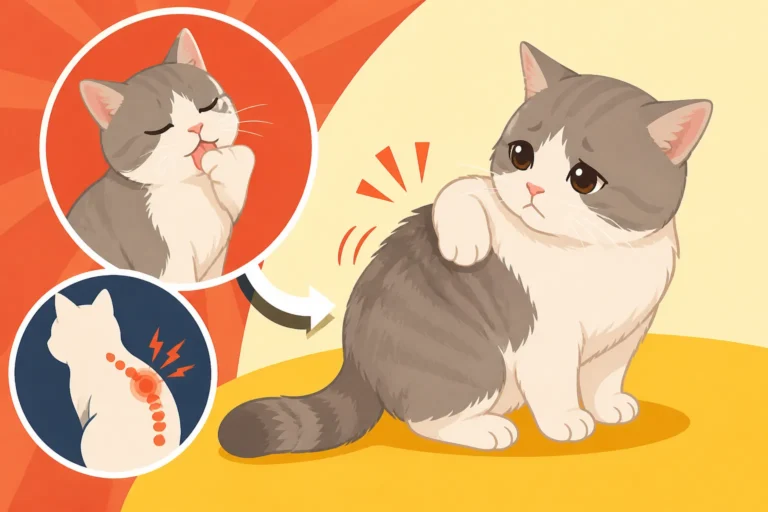
Cats are fastidiously clean creatures. They spend a significant portion of their day grooming themselves, using their flexible spines and long limbs to reach every nook and cranny. This is where the Munchkin's unique physique presents another challenge. While their spines are normal length and perfectly flexible, their short legs make it incredibly difficult, if not impossible, for them to properly groom their own bellies and hindquarters.
Think about trying to reach your own lower back or the soles of your feet if your arms were suddenly much shorter. It would be a struggle, right? For a Munchkin, reaching their own underside to lick away dirt, debris, or loose fur is an acrobatic feat they simply aren't equipped for. As a result, these areas become prime spots for accumulating dirt, developing mats, and potentially harboring bacteria. We, as their caregivers, have to step in and fill this grooming gap. Understanding What a Munchkin Cannot Reach to Groom is key to providing them with the care they need.
Common Belly-Related Issues in Munchkin Cats
Because of their low stature and grooming limitations, Munchkin cats are particularly susceptible to a few specific problems affecting their bellies. Being aware of these common issues is the first step in preventing them.
Matting and Skin Irritation
One of the most frequent problems you'll encounter with a Munchkin's belly, especially if they have medium to long fur, is matting. Mats are dense tangles of fur that can pull on the skin, causing significant discomfort and even pain. Because the belly fur is constantly rubbing against surfaces and the cat can't adequately groom it, it's very prone to knotting. Once mats form, they tend to grow quickly, becoming tighter and pulling more on the delicate skin underneath.
These mats aren't just an aesthetic problem; they create a perfect environment for skin irritation and infection. Trapped moisture, dirt, and parasites can lead to dermatitis, fungal infections (like ringworm), or bacterial hotspots. The skin underneath a mat can become red, inflamed, itchy, and even develop sores. Imagine having a tight knot of hair constantly pulling on your skin – it's uncomfortable and can be quite painful. This is why it's so important to address mats promptly and ideally prevent them from forming in the first place. You can read more about how serious this can become in Whether Matting Becomes a Health Problem in a Munchkin.
Fecal and Urine Contamination
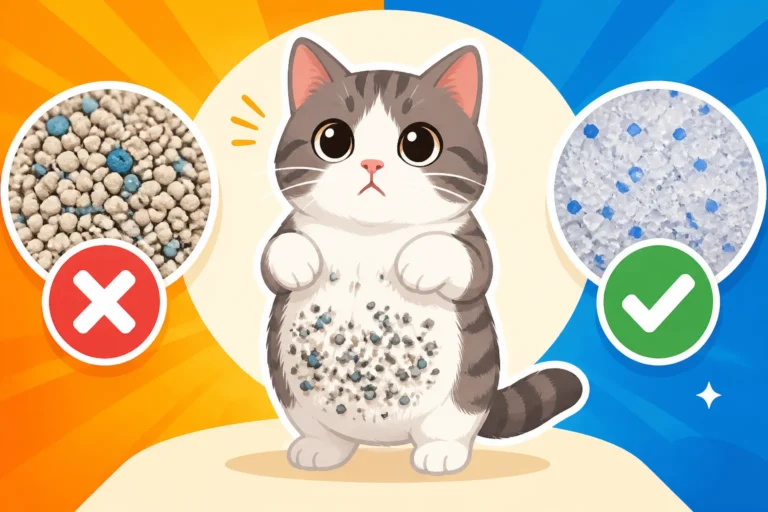
Another significant hygiene concern stemming from their low-slung bodies is the potential for fecal and urine contamination. When a Munchkin uses the litter box, their belly and hindquarters are naturally closer to the litter itself, and to any waste. Even with the cleanest litter box, there's an increased risk of small particles of litter, or worse, traces of fecal matter or urine, clinging to their belly fur.
If a Munchkin's fur around its rear or belly gets consistently soiled, it can lead to uncomfortable "fecal tagging" – dried feces stuck to the fur – or even urine scald, where the skin becomes irritated and inflamed from prolonged contact with urine. This isn't just unpleasant; it's a health risk. It can lead to bacterial infections, urinary tract infections, and persistent odors. It's a prime example of Why a Munchkin Carries Litter on Its Underside. Regular checks are crucial to catch these issues before they become severe, and understanding how to effectively groom their hindquarters is vital, as discussed in How to Groom a Munchkin's Hindquarters.
The Exacerbating Factor of Weight
While a little extra weight can be problematic for any cat, it's especially dangerous for a Munchkin. Their short legs and unique spinal structure mean that any additional weight puts undue stress on their joints and spine, which already carry a different load than a normal cat's. For a Munchkin, even a slight increase in weight can cause their belly to sit even closer to the ground, increasing the likelihood of friction, matting, and contamination.
An overweight Munchkin's belly can actually drag along the floor, leading to constant irritation, hair loss from rubbing, and further limiting their already challenged mobility. This exacerbates all the other problems we've discussed. It makes self-grooming even harder, increases contact with litter and dirt, and can hasten the onset of joint problems like arthritis. Understanding Why Weight Is More Dangerous on a Munchkin is paramount for any Munchkin owner, and it underscores why careful weight management is a cornerstone of their overall care. A lean Munchkin is a happier, healthier Munchkin, with fewer belly-related woes.
The Weekly Belly Check: What to Look For and How to Do It
Now that we understand why these checks are so important, let's talk about the how. A weekly belly check should become as routine as feeding time, performed gently and consistently to keep your Munchkin comfortable and catch any issues early.
Setting Up for a Successful Inspection
Creating a positive and calm experience is crucial, especially when you're inspecting sensitive areas. Choose a quiet time when your Munchkin is relaxed, perhaps after a nap or a play session. Avoid times when they're rambunctious or prone to squirminess.
Here's what you'll want to have on hand:
- A soft, comfortable surface: A towel on your lap, a low table (if your cat is comfortable being lifted and on a table), or even a cozy cat bed on the floor.
- A soft-bristled brush and a fine-toothed comb: These are essential for gently working through fur and identifying mats.
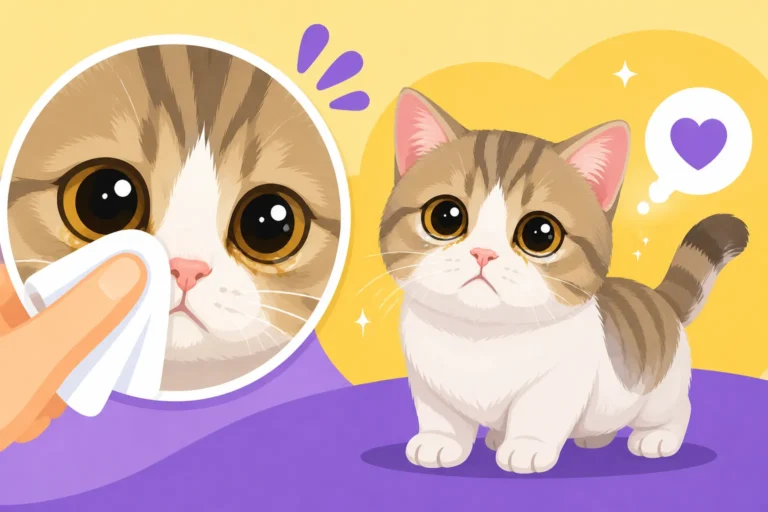
- Pet-safe grooming wipes: For quick clean-ups of dirt or minor residue.
- Treats! Positive reinforcement is your best friend. Make this a rewarding experience.
- Good lighting: You need to be able to see clearly.
Remember, patience is key. If your Munchkin is resistant at first, keep sessions short and positive, gradually increasing the duration as they get used to the routine.
Step-by-Step Guide to the Belly Check
Approach the check with a gentle touch and a watchful eye. The goal is to be thorough without causing stress.
- Start with gentle petting: Begin by petting your Munchkin in areas they enjoy, gradually moving towards their sides and belly. Talk to them in a soothing voice.
- Visual inspection: Once they're relaxed, gently turn them onto their back (if they're comfortable with this, otherwise work from their side) or lift them slightly to get a good view of their underside. Look for:
- Redness or irritation: Any patches of inflamed or discolored skin.
- Bumps, sores, or scabs: These could indicate infections, insect bites, or areas of trauma.
- Dirt or fecal matter: Look for any soiled fur, especially around the rear and groin area.
- Mats: Scan for any tangled, dense clumps of fur. Pay close attention to the armpits, inner thighs, and anywhere the fur is longer or thicker.
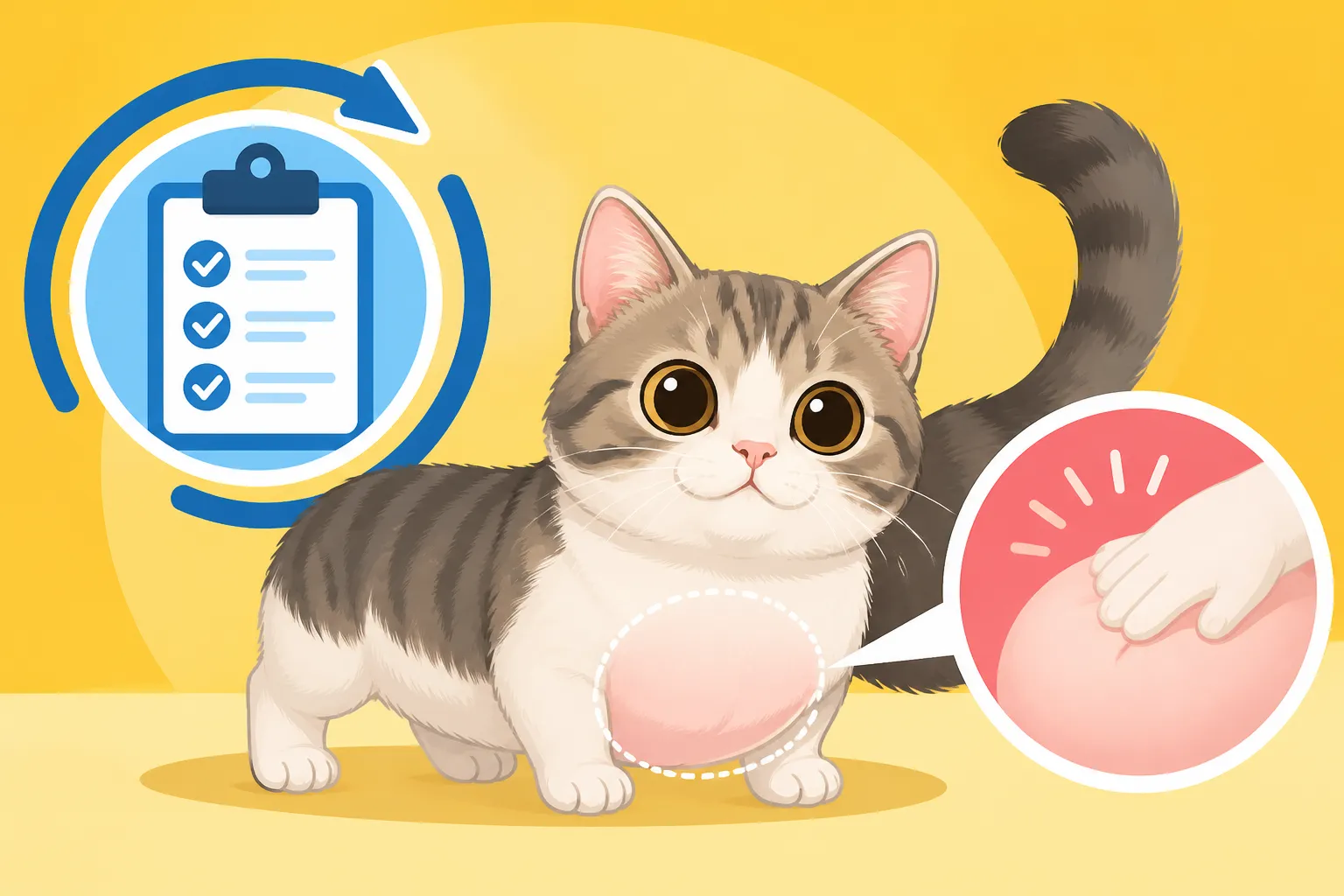
- Palpation (gentle feeling): Using your fingertips, gently run your hands over their entire belly area, paying attention to what you feel.
- Feeling for mats: Your fingers will detect the dense texture of a mat before you might see it. Gently separate the fur to inspect the skin underneath. For long-haired Munchkins, you'll need to reach right under their legs, as described in How to Reach Under a Munchkin's Legs, to check for mats in those hidden spots.
- Feeling for tenderness or lumps: Note if your cat flinches or shows discomfort when you touch a particular spot. Feel for any unusual lumps or bumps beneath the skin.
- Body condition: While you're there, it’s a great opportunity to assess their body condition. Can you easily feel their ribs with a thin layer of fat over them, or are they hard to find, or too prominent? This ties back to weight management.
Here's a handy checklist for your weekly inspection:
| Area to Check | What to Look For | Action If Found |
|---|---|---|
| Belly Fur | Mats, tangles, dullness, excessive shedding | Gently comb out small mats; for large mats, see a groomer/vet. |
| Belly Skin | Redness, rashes, bumps, sores, scabs, dry flakes | Consult vet if persistent or painful; use pet-safe wipes for minor dirt. |
| Armpits & Groin | Mats, dampness, irritation, litter residue | Brush gently, use wipes, ensure good air circulation. |
| Hindquarters | Fecal matter, urine staining, mats, irritation | Gently clean with wipes, consider sanitary trim. |
| Overall Condition | Tenderness to touch, unusual lumps, changes in weight | Note any changes and consult your veterinarian. |
Remember, if you find anything concerning – persistent redness, open sores, or large, tight mats that your comb can't easily handle – it’s always best to consult your veterinarian or a professional groomer.
Preventative Care and Environmental Adaptations
Prevention is always better than cure, especially when it comes to keeping your Munchkin's belly healthy. By making a few thoughtful adjustments to their environment and care routine, you can significantly reduce the risk of common issues.
Optimizing Litter Box Setup and Litter Choice
The litter box is often where many belly hygiene problems begin for a Munchkin. Because they sit so low, they need a box they can easily walk into without scraping their belly over a high lip, and the litter itself needs to be considered.
- Low-entry litter boxes: This is absolutely essential. Many standard litter boxes have high sides that force a Munchkin to perform an awkward high-step, often rubbing their belly or hindquarters against the front edge. Look for boxes designed for senior cats or those with a very low entry point. Some owners even modify plastic storage bins by cutting a low doorway. You can find excellent options on platforms like Chewy or Amazon. To learn more about selecting the right box, see Which Litter Box a Munchkin Can Actually Enter.
- Litter type and depth: Opt for fine-grained, low-dust litters. Clumping clay litters can sometimes be too coarse and may cling more easily to belly fur. Crystal or paper-based litters might be gentler. Keep the litter depth moderate – enough for them to dig and cover, but not so deep that they sink into it, increasing contact with their fur.
- Daily scooping: This goes without saying for any cat, but for a Munchkin, it's doubly important. A clean litter box reduces the chance of them stepping in old waste and dragging it out on their fur.
Regular Grooming and Hygiene Practices
Your regular grooming routine is your frontline defense against matting and skin issues.
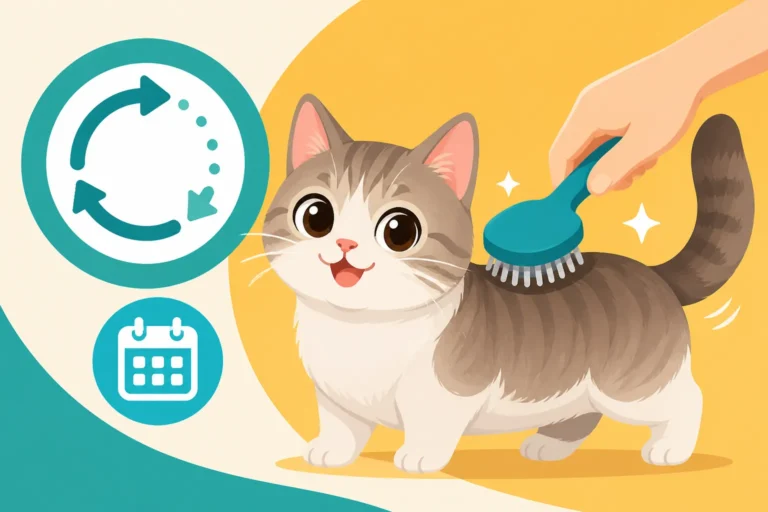
- Daily gentle brushing: Especially for long-haired Munchkins, a quick, gentle brush around their belly and hindquarters daily can prevent mats from forming. Even short-haired Munchkins benefit from regular brushing to remove loose fur and stimulate their skin.
- Sanitary clips: Many Munchkin owners find that a regular "sanitary clip" around the hindquarters and sometimes the belly is incredibly helpful. This involves carefully trimming the fur short in these areas to prevent fecal matter from sticking and to reduce matting. You can do this at home with pet-safe clippers (available on Amazon) if you're confident, or have a professional groomer do it. This is directly addressed in Whether a Munchkin Needs a Sanitary Clip.
- Pet-safe wipes: Keep a supply of unscented, pet-safe grooming wipes handy for quick clean-ups after litter box trips, especially if you notice any residue.
- Professional grooming: If your Munchkin is particularly prone to mats or you struggle with at-home grooming, consider scheduling regular visits to a professional groomer. They have the expertise and tools to keep your cat's coat in top condition.
Crucial Weight Management
Maintaining a healthy weight is perhaps the single most impactful thing you can do for your Munchkin's long-term health and to prevent belly issues.
- Balanced diet and portion control: Work with your vet to determine the ideal weight for your Munchkin and feed a high-quality, nutritionally balanced diet. Brands that offer portion-controlled or fresh food options, like some premium pet food services, can be great for precise feeding. Measure their food strictly – don't just "eyeball" it.
- Regular weight monitoring: Weigh your Munchkin weekly or bi-weekly at home. A simple baby scale works wonderfully for this. Any upward trend in weight should trigger a review of their diet and activity. Knowing How Often to Weigh a Munchkin at Home is a powerful tool.
- Encourage floor-level play: Munchkins are playful and energetic! Provide plenty of opportunities for floor-level exercise with wand toys, laser pointers, and small rolling toys. This helps them burn calories and build muscle without putting undue stress on their joints. Keep toys within their reach, avoiding activities that encourage excessive jumping.
By integrating these practices into your Munchkin's routine, you're not just preventing problems – you're actively contributing to their comfort, happiness, and overall quality of life. A well-cared-for Munchkin belly is a sign of a well-loved cat!
Disclaimer
This article is for general informational purposes only and does not constitute professional advice. Laws, prices and regulations vary by location and change over time. Consult a qualified professional for guidance on your specific situation.