Why a Munchkin’s Eyes Need Wiping
It's a common sight for cat owners – that little bit of gunk around the eyes. For many breeds, it's a minor thing they often handle themselves. But for our adorable Munchkin friends, those charming short legs and unique facial structures can sometimes mean eye goop isn't just a cosmetic issue, but a sign that they need a little extra help. This guide will walk you through exactly why your Munchkin's eyes might need regular wiping and how to keep them sparkling clean and healthy.
The Unique Challenges of a Munchkin's Face and Eyes
Owning a Munchkin means understanding their unique physical traits, and this extends far beyond their famous short legs. Their head shape and how close they live to the floor can create specific predispositions to eye irritation and discharge, making regular eye care a non-negotiable part of their routine.
How Anatomy Can Affect Tear Drainage
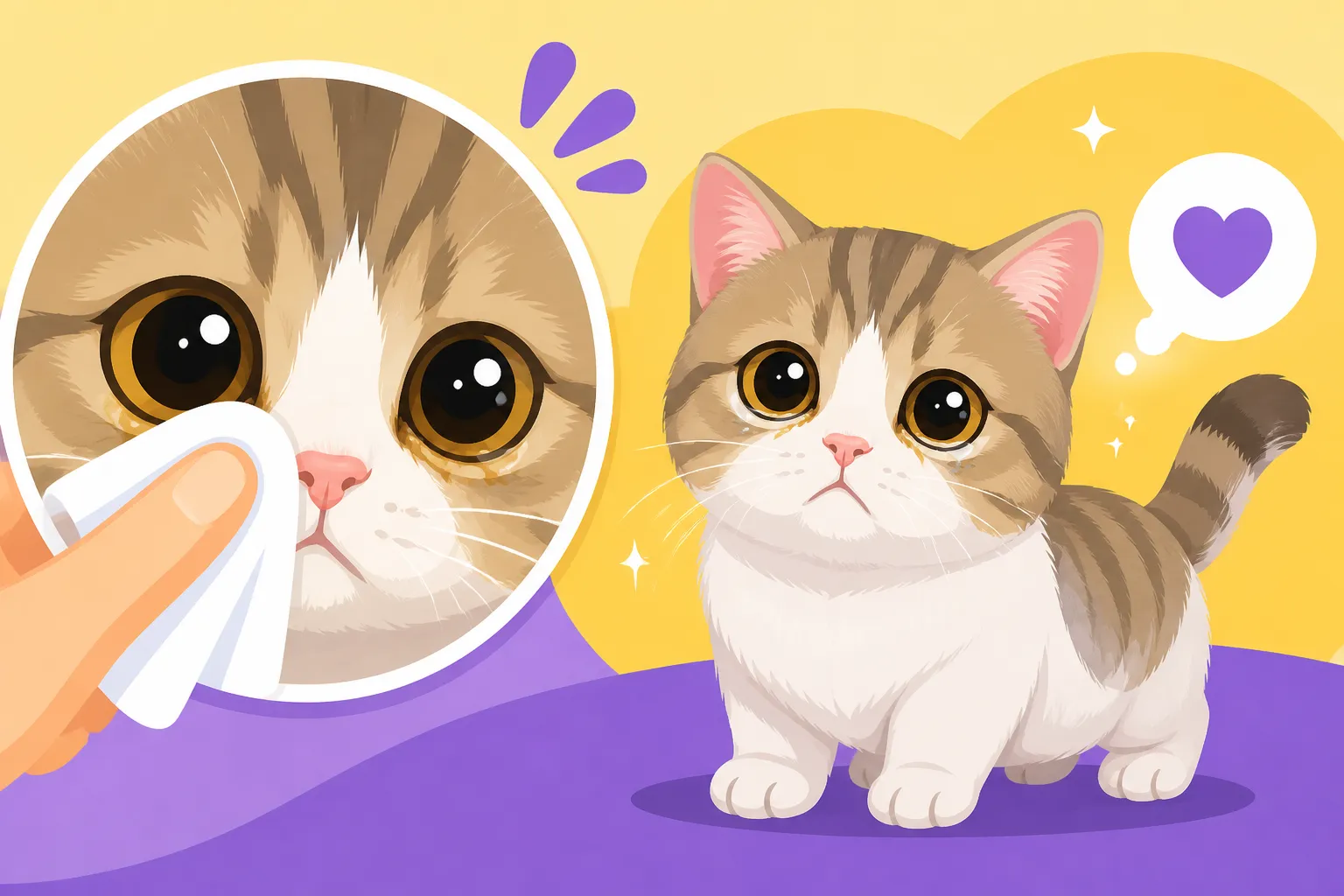
While Munchkins don't typically suffer from brachycephalic (flat-faced) issues like some Persian cats, their head structure can still sometimes influence how their tear ducts function. Some Munchkins might have shallower eye sockets or slightly different facial contours that can lead to tear overflow, known as epiphora. Instead of tears draining efficiently into the nasal passages, they might spill over onto the fur around the eyes. This isn't necessarily a medical problem in itself, but that constant moisture can create a breeding ground for yeast and bacteria, leading to unsightly tear stains and potential skin irritation or infection if not managed.
Think of it like a tiny, slow-moving river. If the banks aren't quite right, the water is going to pool and seep. For a cat, this manifests as wetness around the inner corners of their eyes, which then collects dust and debris, drying into crusty build-up. It's not usually painful, but it certainly isn't comfortable, and it's something that a normal-legged cat might be able to groom away with more ease.
The Problem with Ground-Level Living
Here's where those short legs really come into play. Your Munchkin spends most of their life much closer to the floor than their long-legged cousins. This means their cute little faces are constantly in closer proximity to all the things that settle on your carpets, rugs, and hard floors: dust mites, pet dander (even their own!), tracked-in dirt, pollen, and even stray litter particles. Every time they sniff around, chase a toy, or roll on the rug, their eyes are directly exposed to these potential irritants.
Imagine yourself spending all day with your nose and eyes just inches from the floor – you'd probably experience more irritation too! This constant exposure can lead to more frequent eye watering, which then, as we discussed, contributes to discharge and tear staining. It's a cyclical issue that Munchkin owners become very familiar with, highlighting why preventive wiping is so important. Ensuring your home is kept as dust-free as possible, perhaps with a good quality vacuum cleaner, can make a difference.
Why Regular Cats Can Often Cope Better
Most cats are fastidious groomers, and a big part of their self-care involves meticulously cleaning their faces. Their long, agile legs and flexible bodies allow them to reach every nook and cranny, including the sensitive areas around their eyes. They can use a paw moistened with saliva to wipe away any crust or discharge, keeping their eyes clear.
Munchkins, however, sometimes struggle with this. While they are still excellent groomers, their short legs and less flexible spine (especially if they are among the small percentage who suffer from conditions like Lordosis Is the Spinal Curve the Munchkin Argument Is About) can make it harder for them to reach their own faces effectively. They might be able to do a superficial clean, but that stubborn, dried-on gunk in the inner corner of the eye can be a real challenge for them. This is where you, their loving owner, step in to fill the gap in their self-grooming capabilities. It's not that they don't want to be clean; it's simply a physical limitation that requires your assistance.
Recognizing the Signs and Preventing Problems
Being vigilant about your Munchkin's eye health means knowing what to look for and establishing a routine that keeps minor issues from becoming major ones. Prevention is truly the best medicine when it comes to keeping those adorable eyes bright and clear.
What Normal vs. Abnormal Eye Discharge Looks Like
It's helpful to understand the difference between normal, everyday eye moisture and something that might warrant a vet visit.
- Normal Discharge: This usually appears as a small amount of clear or reddish-brown discharge, often dried into a crust in the inner corner of the eye. It's typically a result of normal tear production and minor environmental irritation. If you see it, and it's easy to wipe away without any redness or irritation to the eye itself, it's generally nothing to worry about. The reddish-brown color comes from porphyrins, pigments found in tears that stain light-colored fur.
- Abnormal Discharge: This is where you need to pay closer attention. If the discharge is thick, yellowish, greenish, or excessive, it could indicate an infection. Other warning signs include:
- Redness or Swelling: The whites of the eyes (sclera) look red, or the eyelids themselves appear puffy and inflamed.
- Squinting or Pawing: Your Munchkin is holding one or both eyes partially closed, or constantly rubbing at their face with a paw. This suggests pain or irritation.
- Excessive Tearing: Watery eyes that seem to be constantly streaming, even after wiping.
- Cloudiness or Changes in the Eye Itself: The surface of the eye looks cloudy, blueish, or different in any way.
- Changes in Behavior: Lethargy, loss of appetite, or hiding, which can be signs your cat isn't feeling well overall.
If you notice any of these abnormal signs, it's crucial to contact your veterinarian. Early intervention can prevent more serious complications.
The Importance of a Consistent Wiping Routine
A consistent eye-wiping routine is your Munchkin's best defense against tear stains and irritation. It's about being proactive, not just reactive. By regularly (daily, or even twice daily if needed) wiping away accumulated tears and debris, you prevent them from drying into hard crusts that are uncomfortable and difficult to remove. This also reduces the chances of bacteria or yeast setting up shop in the moist environment around the eyes.
Think of it as brushing their teeth – a little bit every day goes a long way. This habit not only keeps their eyes clean but also helps you monitor their eye health closely. You'll quickly notice any changes or signs of trouble, allowing you to act quickly. You can find a wide variety of gentle eye wipes specifically designed for cats at pet supply stores or online retailers like Chewy or Amazon. Look for ones that are free of harsh chemicals or perfumes.
Environmental Factors That Contribute
Since Munchkins live so close to the ground, their environment plays a significant role in their eye health. Minimizing irritants in their surroundings can reduce the need for frequent wiping and help prevent more serious issues.
- Dust and Dander: Regular vacuuming and dusting, especially in areas where your Munchkin spends a lot of time, can significantly reduce airborne particles that irritate eyes. Consider an air purifier, particularly if you live in a dusty area or have allergies yourself.
- Litter Dust: Some cat litters can be very dusty. Opt for low-dust or dust-free litter options. Also, ensure the litter box is cleaned regularly, as ammonia from urine can also be an irritant. Remember, your Munchkin's face is much closer to the litter than a taller cat's! Which Litter Suits a Munchkin's Low Belly delves into this further.
- Household Cleaners: Be mindful of the cleaning products you use, especially on floors. Strong chemical fumes can irritate sensitive feline eyes and respiratory systems. Opt for pet-safe, non-toxic cleaners whenever possible.
- Pollen and Allergens: If your Munchkin shows signs of seasonal allergies (which can include watery eyes), discuss this with your vet. Keeping windows closed on high-pollen days and using air filters can help.
By being aware of these environmental factors and taking steps to mitigate them, you're creating a more comfortable and healthier living space for your short-legged companion.
Step-by-Step Guide to Effective Eye Wiping
Wiping your Munchkin's eyes should be a gentle, positive experience for both of you. With a calm approach and the right technique, it can become a routine bonding moment rather than a struggle.
Gathering Your Supplies
Before you begin, have everything you need within reach. This minimizes fuss and makes the process smoother.
- Soft, Lint-Free Cloths or Cotton Pads: Dedicated pet eye wipes are fantastic. You can purchase them readily from online stores like Amazon or Chewy, and they're usually pre-moistened with a gentle, cat-safe solution. If you prefer to use a cloth, make sure it's soft, clean, and lint-free. Many people use soft cotton rounds or even just warm water with a clean washcloth.
- Warm Water (if not using wipes): If you're using a cloth or cotton pad, have a small bowl of lukewarm water ready. Ensure the water isn't too hot or cold.
- Treats: Essential for positive reinforcement! High-value treats will help your Munchkin associate eye wiping with something enjoyable.
- Patience and a Calm Demeanor: Your attitude will set the tone for the entire interaction. If you're stressed, your cat will pick up on it.
| Item | Purpose | Where to Find |
|---|---|---|
| Pet Eye Wipes | Convenient, pre-moistened, gentle solution for daily cleaning. | Chewy, Amazon, Local Pet Stores |
| Soft, Lint-Free Cloth/Pads | Alternative to wipes, used with warm water for gentle cleaning. | Home (clean microfiber cloths, cotton rounds) |
| Warm Water | Used to moisten cloths/pads, helps soften dried discharge. | Your tap |
| High-Value Treats | Positive reinforcement, makes the experience enjoyable for your cat. | Pet stores |
| Pet-Safe Eye Wash (Optional) | Can help flush out irritants or soften crusts before wiping, if recommended by vet. | Vet office, specific pet stores |
The Gentle Approach
The key here is gentleness and reassurance. Approach your Munchkin when they are calm and relaxed, perhaps after a nap or during a quiet cuddle session.
- Positioning: Gently hold your Munchkin in a comfortable position, either on your lap, a soft blanket, or a low, sturdy surface. Speak to them in a soothing voice.
- Moisten (if using cloth): If using a dry cloth or cotton pad, dampen it with warm water. It should be moist, not dripping wet.
- Wipe the First Eye: Take a fresh wipe or a clean part of your moistened cloth. Gently hold your Munchkin's head steady with one hand. With the other, start at the inner corner of one eye (nearest the nose) and wipe outwards towards the ear. Use a soft, downward motion to lift away any discharge or crust. Avoid rubbing vigorously, which can irritate the delicate skin.
- New Surface for Each Eye: Crucially, always use a fresh wipe or a different, clean section of your cloth for the second eye. This prevents transferring any potential bacteria or infection from one eye to the other.
- Be Thorough but Gentle: Make sure you get all the gunk, but don't force it. If a crust is very stubborn, hold the warm, moist cloth over it for a few seconds to soften it before attempting to wipe again.
- Praise and Reward: As soon as you're done, praise your Munchkin profusely and immediately offer a high-value treat. This positive association is vital for making future wiping sessions easier.
- Consistency is Key: Aim for daily wiping, especially if your Munchkin is prone to tear staining or discharge. If their eyes are generally very clean, every other day might suffice, but routine is what builds acceptance.
Remember, patience is a virtue here. If your Munchkin resists strongly, don't force it. Try again later, or try shorter sessions. With time and positive reinforcement, most cats will tolerate the process quite well.
When to Seek Veterinary Advice
While regular wiping can manage common tear stains and minor debris, it's essential to know when a professional opinion is needed. Don't hesitate to contact your vet if you observe any of the following:
- Persistent Redness or Swelling: If the eye or surrounding area remains red, swollen, or inflamed despite your regular cleaning efforts.
- Colored or Thick Discharge: Yellow, green, or thick, mucous-like discharge almost always indicates an infection that requires medication.
- Squinting, Pain, or Sensitivity to Light: These are signs of discomfort or potential pain within the eye itself.
- Cloudiness, Film, or Visible Injury: Any changes to the surface of the eye, like cloudiness, a visible film, or if you suspect an injury (e.g., from a scratch), need immediate veterinary attention.
- Sudden Onset or Worsening: If eye issues appear suddenly, worsen rapidly, or are accompanied by other symptoms like sneezing, lethargy, or loss of appetite, get your Munchkin to the vet.
- No Improvement with Cleaning: If regular, diligent cleaning doesn't improve the amount of discharge or tear staining, there might be an underlying issue that needs diagnosis.
Your vet can perform a thorough examination, check for corneal abrasions, blocked tear ducts, allergies, or infections, and prescribe appropriate treatment. Why a Munchkin Kitten Needs an Early Vet Check highlights the importance of professional health assessments from a young age.
Integrating Eye Care into Overall Munchkin Grooming
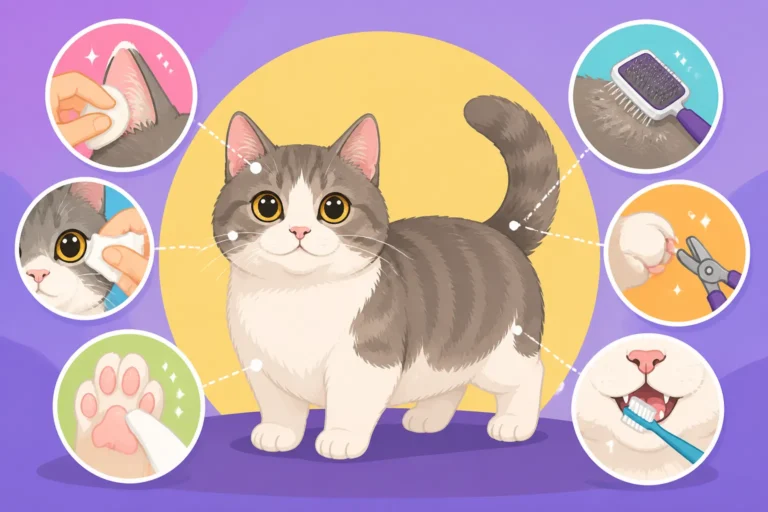
Eye care isn't a standalone chore; it's a vital piece of the broader grooming puzzle, especially for a Munchkin whose unique physical structure impacts several aspects of their hygiene.
Connecting Eye Health to General Hygiene
Because Munchkins struggle to groom certain parts of their bodies effectively due to their short legs, issues like matted fur and dirty hindquarters are common. The same principle applies to their eyes. If they can't reach properly to clean away irritants and discharge, these problems can accumulate. Neglecting eye hygiene can lead to hardened crusts that pull at the fur, creating discomfort and even bald patches. In severe cases, constant moisture can lead to skin infections around the eyes.
Regular eye wiping complements other grooming tasks, like brushing, which helps to remove loose fur and dander that could otherwise irritate the eyes. It's all part of a holistic approach to keeping your short-legged friend comfortable and healthy. Whether Matting Becomes a Health Problem in a Munchkin and Which Parts of Itself a Munchkin Cannot Reach both shed light on the broader grooming challenges faced by this breed.
The Link to Allergies and Irritants
Just like humans, cats can suffer from environmental allergies. If your Munchkin is constantly tearing, even with consistent wiping and a clean environment, allergies could be a culprit. These could be to pollen, dust, certain food ingredients, or even household chemicals.
Managing allergies often involves a multi-pronged approach:
- Environmental Control: As mentioned, reducing dust, using air purifiers, and avoiding strong chemical cleaners can make a big difference.
- Dietary Adjustments: Sometimes, food allergies or sensitivities can manifest as skin or eye irritation. Discussing a limited ingredient diet or a novel protein diet with your vet could be beneficial. Many pet food brands offer specialized formulas.
- Veterinary Intervention: Your vet can help identify potential allergens and may prescribe antihistamines, eye drops, or other medications to manage symptoms.
Being aware of the link between environmental irritants and eye issues empowers you to create a home that is truly optimized for your Munchkin's well-being.
Long-Term Benefits of Proactive Care
Making eye wiping a consistent part of your Munchkin's routine offers significant long-term benefits that extend beyond just clear eyes.
- Prevents Infections: By regularly removing debris and moisture, you drastically reduce the risk of bacterial or yeast infections around the eyes. These infections can be uncomfortable, require costly vet visits, and potentially lead to more serious eye conditions if left untreated.
- Maintains Comfort: No one likes having crusty gunk around their eyes. Regular wiping keeps your Munchkin more comfortable, allowing them to blink freely and see clearly without obstruction.
- Preserves Vision: While rare, severe, chronic infections or untreated irritations could, over a very long time, potentially impact a cat's vision. Proactive care helps safeguard their precious eyesight.
- Stronger Bond: Believe it or not, gentle grooming sessions, especially when paired with positive reinforcement, can strengthen the bond you share with your Munchkin. They learn to trust you and associate these interactions with safety and affection.
- Early Detection of Other Issues: A routine look at your cat's eyes often means you're also taking a closer look at their face, ears, and overall demeanor. This increased scrutiny can lead to early detection of other health problems that might otherwise go unnoticed until they're more advanced.
Ultimately, dedicating a few minutes each day to your Munchkin's eye care is a small investment that pays huge dividends in their overall health, comfort, and happiness throughout their life.
Disclaimer
This article is for general informational purposes only and does not constitute professional advice. Laws, prices and regulations vary by location and change over time. Consult a qualified professional for guidance on your specific situation.