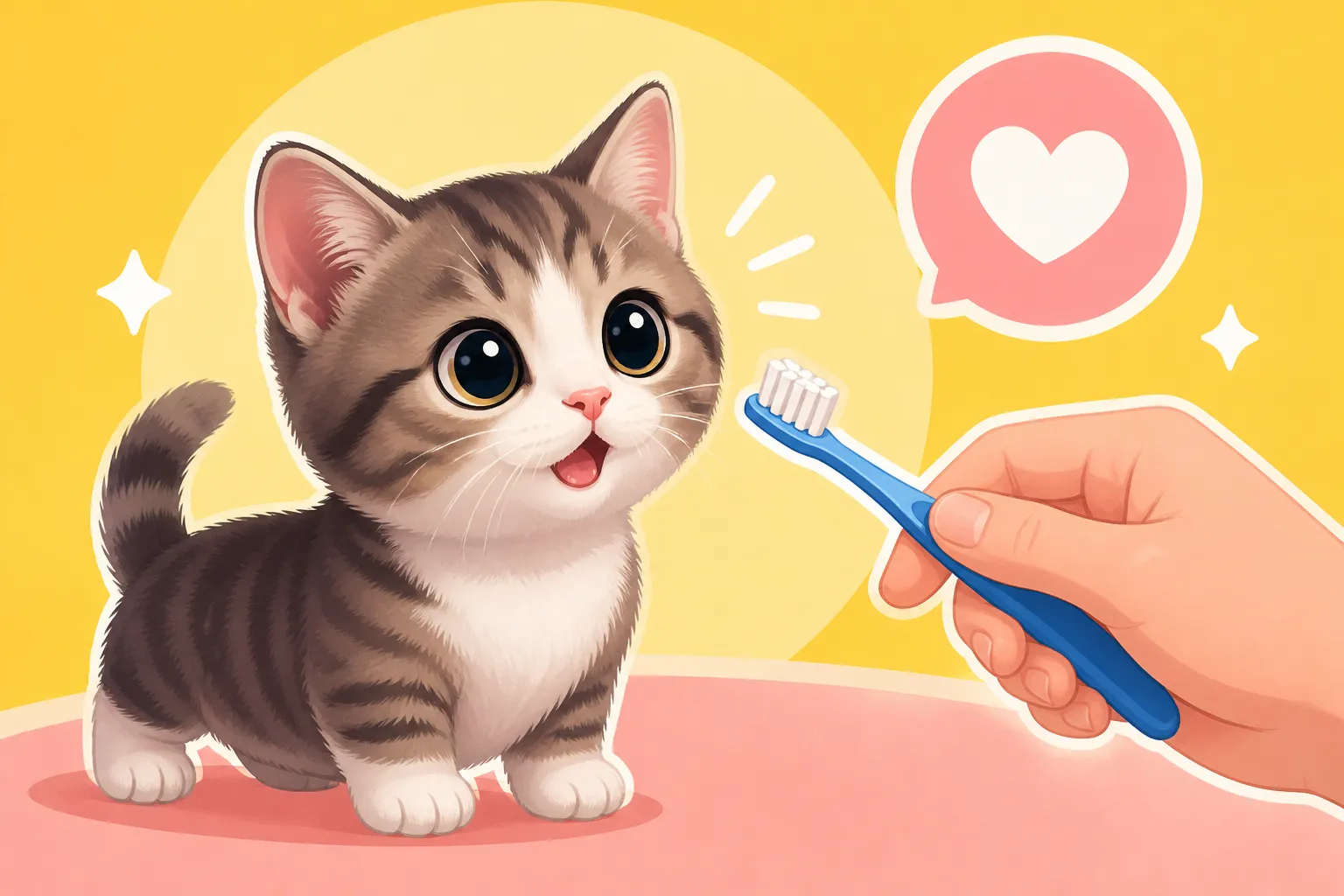
Introducing a Toothbrush to a Munchkin at Twelve Weeks
Bringing a new Munchkin kitten home at twelve weeks old is such a joy, full of tiny paws, playful antics, and endless purrs. Amidst all the excitement and getting to know your new family member, one crucial aspect often gets overlooked or pushed down the priority list: dental care. It might seem daunting to consider brushing the teeth of such a tiny creature, especially one with those distinctive short legs, but believe me, getting started early with a toothbrush can prevent a world of pain and expense down the line. This guide is all about making that introduction smooth, positive, and effective, setting your little Munchkin up for a lifetime of good oral health.
Why Early Dental Care is a Game-Changer for Your Munchkin
It’s easy to think that dental care can wait until your kitten is older, or that dry food will take care of everything. But just like with humans, good habits start young, and for cats, especially Munchkins, laying that foundation for oral hygiene at twelve weeks is incredibly beneficial. They're at an age where they're curious, adaptable, and less likely to have developed strong aversions. Think of it as shaping their worldview: brushing teeth is just another normal, even pleasant, part of their day.
The Silent Threat: Periodontal Disease
The biggest reason to start early is to combat periodontal disease, which is incredibly common in adult cats. It begins subtly, often silently, with plaque accumulating on the tooth surface. This sticky film, composed of bacteria, food particles, and saliva, quickly hardens into tartar if not removed. Once tartar forms, it's like concrete on their teeth, irritating the gums and creating a perfect breeding ground for more bacteria. This leads to gingivitis – inflamed, red, and sometimes bleeding gums – and can progress to full-blown periodontitis, which attacks the supporting structures of the teeth.
Imagine having a constant toothache or painful, bleeding gums. That's what many cats with advanced periodontal disease experience. It's not just about bad breath, though that's a tell-tale sign. This inflammation and infection can lead to tooth loss, jaw bone damage, and even systemic health issues as bacteria from the mouth enter the bloodstream and travel to organs like the heart, kidneys, and liver. While Munchkins are known for their short legs, not specific dental issues, good oral hygiene contributes significantly to How Many Years a Well Bred Munchkin Lives. Starting early means you're actively preventing this cascade of problems, giving your kitten the best chance at a comfortable, healthy life, free from the suffering of dental pain.
Setting Up Healthy Habits for Life
Introducing toothbrushing to a twelve-week-old Munchkin kitten capitalizes on their impressionable nature. At this age, they’re still learning about their world, and what you introduce as normal, they’re likely to accept as normal. Trying to introduce brushing to an older cat who has never had their mouth handled can be a monumental challenge, often met with resistance, scratches, and a whole lot of stress for both of you. It becomes a battle rather than a routine.
By starting with gentle handling and short, positive experiences when they’re young, you teach them that having their mouth touched isn’t scary. It becomes another ritual, like meal times or cuddle sessions. This early training builds a foundation of trust and acceptance that will serve them well throughout their entire life, making routine dental care much easier for you and less stressful for them. Think of it as a small investment of time now that will pay huge dividends in their comfort and your peace of mind for years to come.
Gathering Your Kitten Dental Toolkit
Before you even think about putting a brush near your kitten's mouth, you need to have the right tools. Just like you wouldn't use a hammer to fix a delicate clock, you can't use human dental products on your cat. Their needs are completely different, and some human products can even be harmful. Picking the right equipment is the first step towards success and making the experience as comfortable as possible for your little Munchkin.
Choosing the Right Brush for Tiny Mouths
When it comes to toothbrushes for kittens, you have a couple of primary options, and it often comes down to what your individual kitten tolerates best. The goal is to be gentle and effective without causing any discomfort or fear.
- Finger Brushes: These soft, silicone brushes fit over your fingertip. They’re fantastic for starting out because they allow you to feel your kitten’s teeth and gums directly, giving you a better sense of pressure. For a tiny twelve-week-old Munchkin, whose mouth is still quite small, a finger brush can be less intimidating than a traditional toothbrush. Many kitten owners find these on sites like Chewy or Amazon.
- Pet Toothbrushes: These look like miniature human toothbrushes, often with two heads (a larger one for adult cats, a smaller one for kittens). The bristles are typically very soft. For a Munchkin, whose mouth and jaw structure might be slightly different due to their unique body type, a brush with an extremely small head is essential to reach all the surfaces without causing strain. You'll want to choose one that fits comfortably in their mouth without requiring them to open their jaw too wide.
The best approach might be to start with a finger brush to get them used to the sensation and then, if they tolerate it well, gradually introduce a small pet toothbrush. Observe your kitten’s reaction closely. If they seem uncomfortable, switch back to the finger brush or try a different type of brush. The key is gradual progression and ensuring their comfort.
The All-Important Toothpaste: Cat-Specific Only!
This is perhaps the most critical component of your dental toolkit. Never, ever use human toothpaste on your cat. Human toothpaste contains fluoride, xylitol, and detergents that are toxic if ingested by felines. Cats don't rinse and spit like we do; they swallow the toothpaste, so it absolutely must be safe for ingestion.
You need to purchase enzymatic pet toothpaste, specifically formulated for cats. These toothpastes are designed to be swallowed and often come in flavors appealing to felines, like poultry, beef, or even fish. The enzymes in the toothpaste help to break down plaque, even with minimal brushing, providing an extra layer of defense. You can find a wide variety of these at pet supply stores or online retailers like Chewy. Don’t be tempted to skip this step or substitute with anything else. The right toothpaste makes all the difference for their safety and cooperation. Beyond dental care, regular vet check-ups are important for your Munchkin, and discussions around their overall health, including dental, will be part of Which Blood Panel a Munchkin Should Have Yearly.
Creating a Calm, Positive Environment
The success of introducing a toothbrush largely depends on the environment you create around the experience. This isn't a wrestling match; it's a bonding opportunity.
- Choose the Right Time: Pick a moment when your Munchkin kitten is calm and relaxed, perhaps after a nap or a play session, but definitely not when they're hungry or overly energetic. A calm kitten is a cooperative kitten.
- Find a Quiet Space: Ensure you're in a quiet area of your home with minimal distractions. Turn off the TV, put your phone away, and ensure no other pets or rambunctious children are present. The goal is to make it a calm, focused interaction between just you and your kitten.
- Positive Association: The most powerful tool you have is positive reinforcement. Have some incredibly delicious, high-value treats on hand. We're talking about something they absolutely adore. This could be tiny pieces of cooked chicken, a lickable treat, or special kitten-safe soft treats. Every step of the way, even for the smallest tolerance, reward them generously. This helps them associate toothbrushing with good things, making them more willing participants in the future. Remember, these treats also need to fit into their overall calorie intake, especially for a Munchkin who needs careful weight management; How Quickly Treats Show on a Munchkin's Frame is a good read for this.
Your Step-by-Step Guide to Brushing Success
Now that you have your tools and a calm environment, it’s time to actually begin the process. Remember, patience is your best friend here. This isn’t a one-day achievement; it’s a gradual introduction that might take days or even weeks to get to a full brushing routine. Celebrate every small victory.
Starting Slow: The Finger and Paste Method
The very first step is simply getting your Munchkin kitten comfortable with having their mouth handled and tasting the toothpaste. Skip the brush entirely for the initial sessions.
- Introduce the Taste: Put a tiny dab of enzymatic toothpaste on your finger. Let your kitten sniff it, then lick it off. Most cats find the flavors appealing, and this immediately creates a positive association with the paste. Do this a few times over a day or two. If they love the taste, half the battle is already won!
- Gentle Mouth Handling: Once they're happy with the taste, introduce your finger (no toothpaste yet) to gently touch their lips and gums. Use a circular motion, mimicking a brush. Start with just a second or two, then immediately praise and reward them with a treat. Repeat this several times a day, gradually increasing the duration. The goal is to desensitize them to having your fingers near and eventually in their mouth.
- Paste on Gums: When they’re comfortable with gentle finger rubs, put a tiny bit of toothpaste on your finger and gently rub it along their gumline, starting with the outer surfaces of the teeth. Focus on a few teeth at a time. Keep it super short – literally 5-10 seconds – then praise, treat, and stop. You’re building trust, not performing a deep clean yet. This might be your routine for a few days, maybe even a week, until they are completely relaxed with it.
Graduating to the Brush: Gentle Strokes
Once your Munchkin is happily tolerating your finger with toothpaste, you can introduce the toothbrush. Again, slow and steady wins the race.
- Introduce the Brush: Let your kitten sniff and lick a tiny dab of toothpaste directly from the brush (either the finger brush or the small pet toothbrush). This familiarizes them with the texture and taste on the brush itself.
- First Brush Strokes: When they’re comfortable with the brush, gently lift their lip to expose a few teeth. Using the toothbrush with a small amount of toothpaste, make soft, circular motions on the outside surface of their canine teeth and a few premolars. These are the easiest to reach and generally the first areas to accumulate plaque. Again, keep it brief, just 5-10 seconds, then praise and reward immediately. Do not try to scrub hard; the goal is simply to get the bristles touching the tooth surface.
- Expand Gradually: Over successive days, gradually extend the brushing to more teeth, working your way towards the back teeth. Focus on the outer surfaces first, as these are the most prone to plaque buildup and generally easier to access. Don't worry about the inside surfaces too much; a cat's tongue usually keeps these cleaner. As they get more tolerant, you can try to reach a bit further back. If at any point your kitten shows significant resistance or distress, go back a step and work at their pace. Remember that Whether a Munchkin's Teeth Are Normal is a common question, and early care helps ensure they stay that way.
Consistency is Key, Not Perfection
It's far better to do a quick, positive 15-30 second brushing session daily than to attempt a perfect 5-minute scrub once a week. Daily consistency is crucial for preventing plaque from hardening into tartar. Even if you only manage to brush a few teeth effectively each day, that’s a huge win!
Don't strive for perfection right away. The main goal is to establish a routine where your Munchkin tolerates the process without stress. As they get older and more accustomed to it, you can gradually increase the duration and coverage. If you miss a day, don't fret. Just pick up where you left off the next day. This routine should feel like a positive interaction for both of you, strengthening your bond rather than becoming a source of conflict.
Here's a quick progression table to help you visualize the timeline:
| Stage | Activity | Duration & Frequency | Goal |
|---|---|---|---|
| Week 1-2 | Introduce taste of cat toothpaste on finger | 1-2 times daily, ~5-10 seconds | Positive association with paste |
| Gentle finger rubs on lips and gums | 2-3 times daily, ~10-15 seconds | Accustom to mouth handling | |
| Week 2-3 | Finger with toothpaste on outer gumline | 1-2 times daily, ~15-20 seconds | Familiarize with paste on teeth |
| Week 3-4 | Introduce toothbrush with toothpaste | 1-2 times daily, ~15-30 seconds | Gentle brushing of front/canine teeth |
| Month 2+ | Progress to brushing more teeth, outer surfaces | Once daily, ~30-60 seconds | Establish full routine |
Overcoming Challenges and Maintaining the Routine
Let's be real, not every kitten is going to be a perfect angel during dental time. There will be wiggles, maybe some playful swats, and certainly days where they’d rather do anything else. But these challenges aren't roadblocks; they're opportunities to refine your technique and reinforce the positive associations.
Dealing with Resistance and Wiggles
If your Munchkin kitten resists, don't force it. Forcing the issue will only create a negative association and make future attempts harder. Instead, try these strategies:
- Shorten Sessions: If your kitten starts wiggling, immediately stop the brushing, offer praise and a treat, and let them go. End on a positive note, even if it was just for a few seconds. Gradually increase the duration again in future sessions.
- Change Position: Experiment with different positions. Some cats prefer to be held cradled in an arm, others prefer sitting on your lap, or even standing on a low surface like a sturdy coffee table while you stand behind them. For short-legged Munchkins, ensure they feel secure and don't have to strain.
- Make it a Game: Integrate brushing into playtime. Maybe they get a quick brush after a favorite toy session. Distraction can be a powerful tool. You might find some interactive toys on Amazon that can occupy them briefly while you get a few swipes in.
- High-Value Rewards: Seriously, make those treats irresistible. Small portions of healthy, tasty food can serve as super high-value treats to reward their cooperation. The better the reward, the more motivated they'll be.
- Patience, Patience, Patience: This isn't a race. Some kittens take longer than others. Stay calm, be consistent, and never show frustration. Your emotional state is contagious to your pet.
Beyond Brushing: Other Dental Health Aids
While brushing is the gold standard, other products can supplement your efforts, especially if you have a particularly stubborn Munchkin or are simply trying to maximize their dental health.
- Dental Treats: There are various dental treats on the market designed to help reduce plaque and tartar through their abrasive texture. Look for VOHC (Veterinary Oral Health Council) accepted products, as these have been scientifically proven to be effective. These are not a substitute for brushing but can be a helpful addition. Remember, they still add calories, so account for them in your Munchkin’s daily food intake to prevent them from becoming overweight.
- Water Additives: Some additives can be put into your cat's drinking water to help reduce bacteria and freshen breath. Again, look for VOHC-accepted products. These are generally considered a minor aid and should not replace brushing, but every little bit helps.
- Dental Diets: Specific prescription dental diets feature kibble designed to scrub teeth as the cat chews. These can be very effective but should only be used under veterinary guidance.
Remember, these supplementary aids are designed to assist, not replace, the mechanical action of brushing. Brushing remains the most effective way to remove plaque before it hardens.
When to Call the Vet for Dental Concerns
Even with the best at-home care, it’s vital to have your Munchkin’s teeth checked regularly by a veterinarian. During their annual wellness exams (which are crucial for How Often a Munchkin Needs a Dental and general health), your vet will perform an oral examination.
You should also be vigilant for signs that indicate a potential dental problem:
- Bad Breath (Halitosis): While "cat breath" isn't exactly fresh, truly foul odor is often the first sign of dental disease.
- Red, Swollen, or Bleeding Gums: These are clear indicators of gingivitis.
- Difficulty Eating or Dropping Food: If your Munchkin is shying away from dry kibble, chewing only on one side of their mouth, or suddenly losing interest in food, dental pain could be the cause.
- Pawing at the Mouth or Face Rubbing: These actions can indicate discomfort or pain.
- Excessive Drooling: More drool than usual can be a sign of oral issues.
- Weight Loss: Chronic pain from dental disease can lead to a decrease in appetite and subsequent weight loss.
If you notice any of these signs, don't hesitate to schedule a vet appointment. Early intervention can prevent minor issues from becoming major, painful, and expensive problems. Your vet can assess the situation, recommend professional cleaning under anesthesia if necessary, and advise on further care.
Long-Term Benefits for Your Short-Legged Friend
By investing the time and effort into introducing a toothbrush to your Munchkin at twelve weeks, you’re doing more than just cleaning teeth; you're safeguarding their overall health and quality of life. A cat free from dental pain is a happier, more playful cat. They'll eat better, play more, and interact with you without the distraction of discomfort. This proactive approach to dental hygiene contributes significantly to your Munchkin living out their full, happy life. Ultimately, you're setting the stage for them to enjoy The Twelve to Fifteen Years a Munchkin Usually Gets with comfort and vitality. Keep up with grooming practices for other areas too; for instance, you might find that Why a Munchkin Owner Books a Groomer for the Hindquarters becomes relevant as they age, but dental care truly begins at home.
Disclaimer
This article is for general informational purposes only and does not constitute professional advice. Laws, prices and regulations vary by location and change over time. Consult a qualified professional for guidance on your specific situation.