Why Every Extra Gram Lands on a Munchkin’s Spine
It’s a common sight to see a Munchkin cat with a bit of a round belly, and many people mistakenly think it’s just part of their charm, a natural consequence of their short legs and low-slung body. However, that couldn't be further from the truth. Every single extra gram your Munchkin carries puts an immense, disproportionate strain on their delicate spine and joints, paving the way for pain and mobility issues down the line. This guide is dedicated to unpacking exactly why that seemingly small amount of extra weight is such a significant concern for your short-legged friend and how to keep them at their optimal, healthy weight.
The Munchkin's Unique Physique: A Spinal Load Bearing Challenge
Understanding the Munchkin's anatomy is key to grasping why weight management is so critical. Unlike other cats, their unique genetic mutation causes chondrodysplasia, which results in significantly shortened limb bones, but their body length and torso structure remain largely that of a typical domestic cat. This creates a biomechanical situation that places unusual stresses on their skeletal system.
The 'Bridge' Effect of Their Spine: Normal Length, Short Supports
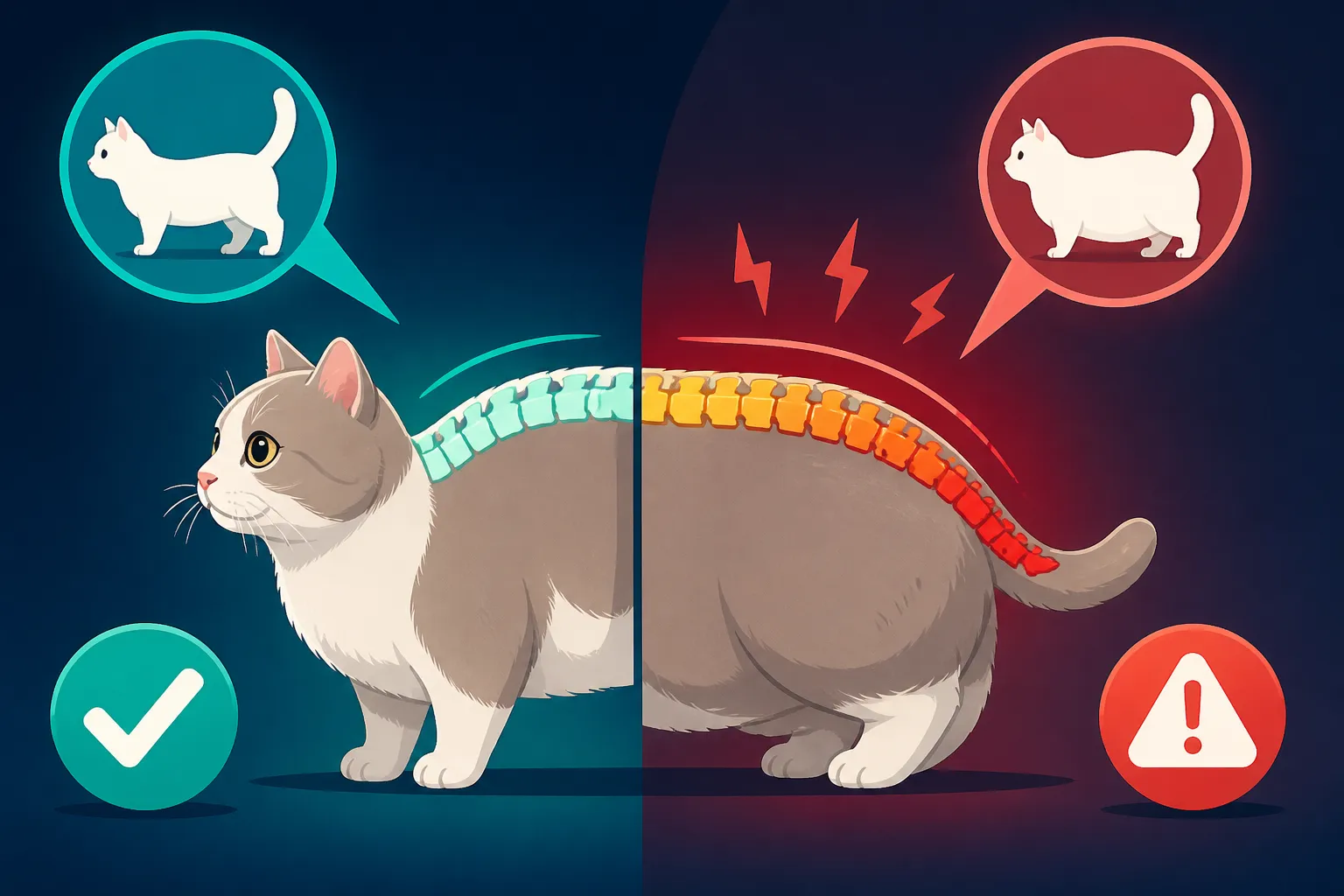
Imagine a long bridge designed to carry traffic. Now, picture that bridge with significantly shorter, less robust support pillars. That’s essentially what’s happening with a Munchkin’s spine. Their spinal column itself is usually a normal length, spanning the distance between their front and hind legs, just like any other cat. However, these "support pillars" – their short legs – are not designed to distribute weight over such a distance without additional strain. This means their spine acts like a bridge under constant tension, bearing the full weight of their body with less dynamic support from the limbs. Every pound, every ounce, every gram added to their torso directly increases the load on this already uniquely stressed spinal column. This is a crucial factor in Why a Munchkin's Spine Carries a Load a Normal Cat's Does Not.
Where the Weight Sits: Abdominal Pressure and Core Strain
When a cat gains weight, it often accumulates around the abdomen. For a Munchkin, whose belly already sits naturally lower to the ground, this abdominal fat has a particularly detrimental effect. As the abdominal cavity fills with extra fat, it physically pushes upwards and outwards, putting direct pressure on the ventral (underside) aspect of the spine. This isn't just about appearances; it's a significant mechanical force. This constant pressure can exacerbate any underlying predisposition to spinal issues, making everyday movements like walking, sitting, or even just shifting position more taxing. It's why Why a Munchkin's Belly Nearly Touches the Floor can become more problematic with weight gain, potentially leading to discomfort and hindering their ability to move freely or even groom themselves properly.
The Cascading Effects of Extra Weight on Joints and Organs
Beyond the spine, that extra weight doesn't stop causing problems. It travels throughout their system, impacting joints that are already working overtime and putting additional stress on vital organs.
Increased Strain on Shoulders and Elbows
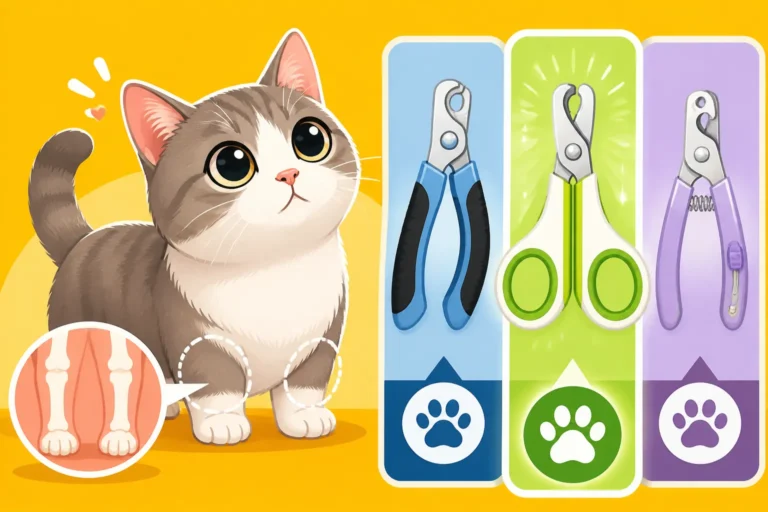
Munchkins use their front limbs for practically everything, from navigating their environment to cushioning every jump, no matter how small. Their shoulders and elbows are constantly absorbing impact, and these joints are not built to withstand excessive load. When a Munchkin carries extra weight, every single step, every landing from a sofa, every pounce during playtime, sends a magnified shockwave through these critical joints. This constant, elevated stress accelerates wear and tear on cartilage and ligaments, leading to inflammation and pain. It's a direct route to premature degenerative joint disease. Think about Why a Munchkin's Elbows Take the Landing and Why a Munchkin's Shoulders Wear First—now imagine that impact amplified by even a little bit of excess body fat. This added burden means that a Munchkin can start to develop Whether a Munchkin Gets Arthritis Earlier than a normal-legged cat, and that arthritis will likely progress much faster.
Exacerbating Spinal Conditions: Lordosis and Pectus Excavatum
While not all Munchkins suffer from specific spinal or chest abnormalities, those that do are particularly vulnerable to the compounding effects of extra weight. Lordosis, a condition characterized by an excessive inward curvature of the spine, is a known concern in some Munchkins. When a cat with lordosis gains weight, the increased abdominal mass pulls the lumbar spine further downwards, intensifying the curve and potentially leading to more severe nerve compression and pain. Similarly, Pectus Excavatum, a congenital deformity where the sternum and rib cage are malformed, causing a sunken chest, can also be worsened. Extra weight around the chest and abdomen can restrict the space available for the lungs and heart, making breathing more labored for a cat already dealing with How Pectus Excavatum Affects a Munchkin's Breathing. In these cases, even a few extra ounces can make a significant difference to their quality of life. What Lordosis Does to a Munchkin is already a serious concern, and adding more weight just piles on the problems.
Strategies for Maintaining a Healthy Munchkin Weight
Preventing weight gain is paramount for a Munchkin's long-term health and well-being. It requires a proactive, consistent approach to diet, exercise, and regular monitoring.
Precision in Portion Control and Diet Choice
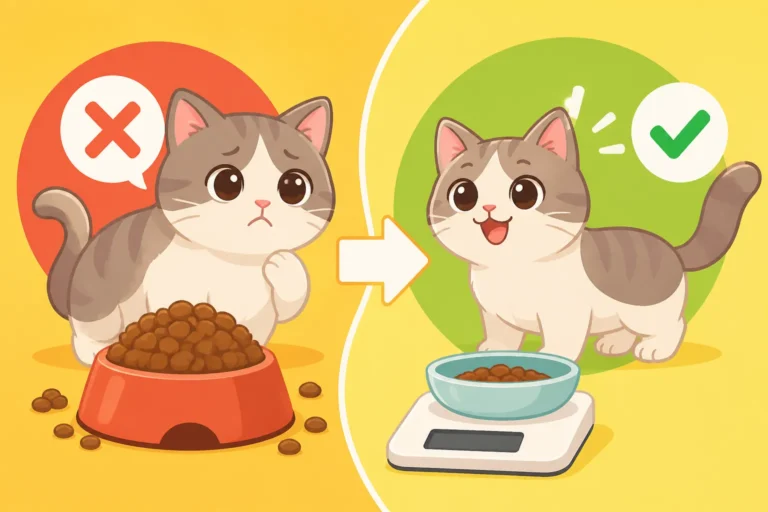
This isn't about guesswork; it's about precision. Munchkins, with their unique physiology and often less strenuous activity levels compared to their long-legged counterparts, burn fewer calories. Therefore, it's crucial to measure their food accurately. Forget simply “filling the bowl” or eyeballing portions. Invest in a digital kitchen scale and weigh out every single meal. Consult your veterinarian for a precise daily caloric intake recommendation, as this will vary based on age, activity level, and individual metabolism. High-quality, protein-rich cat food is essential, as protein helps maintain muscle mass while keeping them feeling full. Remember, How Many Calories a Munchkin Needs to Stay Off Its Joints is likely less than you think. This careful approach to Why a Munchkin's Portion Should Be Weighed can make all the difference.
Encouraging Safe Activity and Enrichment
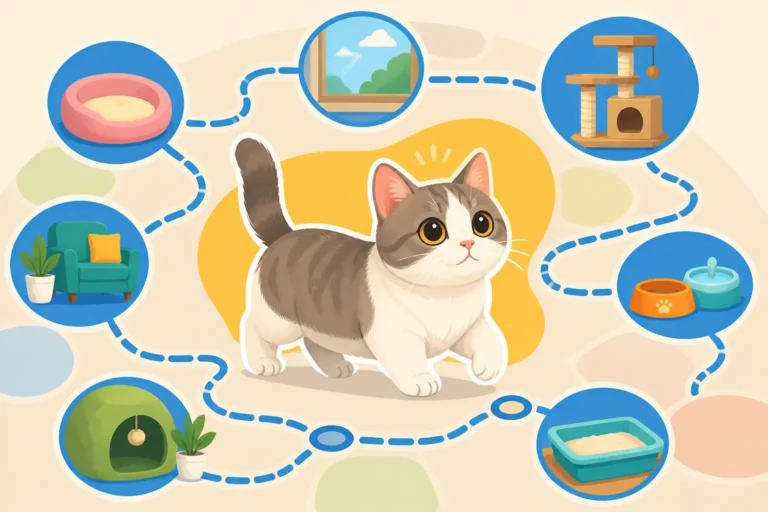
While you might instinctively want to limit a Munchkin's movement due to their legs, appropriate, safe exercise is vital for weight management and muscle strength. Focus on floor-level play and activities that encourage movement without high jumps or excessive strain. Wand toys, laser pointers, and interactive feeders placed on the floor are fantastic for engaging their hunting instincts. Create accessible pathways and vertical enrichment using pet ramps and sturdy steps to allow them to reach favorite sleeping spots or windowsills safely. Websites like Amazon offer a wide array of pet ramps and low-level cat trees specifically designed for cats with mobility challenges. How Much Floor Level Play a Munchkin Needs is often more than expected, and it's always best practice to discourage jumping from heights to protect their joints, a key principle of Whether a Munchkin Should Be Discouraged From Jumping.
Regular Monitoring and Vet Check-ups
Consistent monitoring is your best defense against insidious weight creep. Weigh your Munchkin weekly at home using a reliable scale, noting any fluctuations. Beyond the scale, learn how to perform a body condition score (BCS) assessment. This involves feeling for their ribs, spine, and waistline to determine if they are at an ideal weight, too thin, or overweight. Your vet can show you how to do this accurately, and it's a more nuanced assessment than just the number on the scale. How to Score a Munchkin's Body Condition is an invaluable tool for every Munchkin owner. Regular veterinary check-ups are also indispensable. Your vet can detect subtle changes in gait, joint health, and spinal alignment that you might miss, offering guidance on diet adjustments or early interventions. This proactive approach ensures that any potential issues are caught and addressed before they become significant problems.
Long-Term Health and Quality of Life Considerations
The effort you put into maintaining your Munchkin's ideal weight isn't just for today; it's an investment in their entire future. The long-term implications of weight management are profound, directly affecting their comfort, mobility, and overall lifespan.
Preventing Early Onset Arthritis and Mobility Issues
The cumulative effect of excess weight on a Munchkin's joints cannot be overstated. Each extra pound translates to years of accelerated wear and tear. By keeping your Munchkin lean, you are actively slowing down the degenerative process that can lead to early onset arthritis. This means more comfortable movement, longer periods of activity, and a better quality of life as they age. A Munchkin that maintains a healthy weight is far less likely to experience the painful stiffness and reduced mobility that often come earlier for overweight individuals. Understanding At What Age a Munchkin Starts to Stiffen reinforces the importance of preventative care from a young age, with weight control being at the forefront.
Adapting the Environment for a Lean, Active Munchkin
Even a perfectly lean Munchkin still has short legs. While weight control minimizes strain, it doesn't negate their need for an adapted environment. Ramps, steps, and low-entry litter boxes are not luxuries; they are essential tools for enabling a Munchkin to navigate their world comfortably and safely. A home designed with their physical limitations in mind reduces the need for jumping and stretching, further protecting their spine and joints from daily micro-traumas. This means they can reach their favorite window perch, curl up on the sofa next to you, or access their litter box without discomfort or risk of injury. This truly embodies the principle that Ramps and Steps Are Munchkin Equipment, Not Luxuries. While it might seem like Why a Munchkin's House Costs More Than the Cat initially due to these adaptations, the investment in a safe, accessible home environment is an investment in their lasting health and happiness, ultimately reducing potential vet bills down the line.
| Weight Status | Impact on Munchkin's Spine/Joints | Common Health Outcomes | Owner Action Required |
|---|---|---|---|
| Ideal | Minimal strain, efficient weight distribution. | Healthy mobility, lower risk of early arthritis/spinal issues. | Precise portion control, floor-level play, environmental adaptation. |
| Slightly Overweight | Moderate strain, increased pressure on lumbar spine and front limb joints. | Increased risk of arthritis, mild mobility reduction, potential discomfort. | Re-evaluate diet, increase safe activity, consistent weekly weight checks. |
| Overweight/Obese | Significant strain, severe pressure on spine, severe impact on shoulders/elbows, organ compression. | Early onset severe arthritis, chronic pain, reduced mobility, breathing issues, shortened lifespan. | Urgent veterinary consultation, strict diet plan, specialized exercise, pain management. |
Disclaimer
This article is for general informational purposes only and does not constitute professional advice. Laws, prices and regulations vary by location and change over time. Consult a qualified professional for guidance on your specific situation.