Why a Munchkin Kitten Must Not Be Overfed
It's natural to want to shower a cute little Munchkin kitten with all the love and treats in the world, especially when they look up at you with those big, innocent eyes. But that well-meaning generosity, particularly with food, can unintentionally set them on a path to significant health struggles down the road. This guide is all about helping you understand why overfeeding is such a serious concern for Munchkin kittens and how to ensure your tiny friend grows up strong, healthy, and happy without the burden of excess weight on their unique little bodies.
The Unique Vulnerabilities of a Munchkin Kitten's Developing Body
When you first bring home a Munchkin kitten, their adorable short legs are often the first thing you notice. What might not be immediately obvious, however, is the profound impact this genetic trait has on their skeletal system, especially during their crucial growth period. Their unique physical structure means their body is inherently designed differently, making them more susceptible to certain issues if not managed carefully from day one.
Why Those Short Legs Bear More Load
Think about it: a Munchkin has a body length that's generally comparable to a standard house cat, but their legs are significantly shorter. This isn't just a cosmetic difference; it means their limbs are bearing the same amount of body weight over a much shorter lever. Every step, every tiny pounce, every bit of playful roughhousing places a disproportionately higher load on their leg bones, joints, and associated musculature. While a kitten's bones and joints are still developing, they are pliable and forming their final structure. Adding extra weight during this critical phase is like asking a delicate sapling to hold up a heavy boulder – it's just too much stress for a system still finding its strength. This increased burden means their short legs are constantly working harder, and any additional weight only compounds this effort. It’s a bit like asking a person with very short legs to carry the same weight as someone with long legs; the short legs simply have to do more. This is a primary reason Why a Munchkin's Spine Carries a Load a Normal Cat's Does Not.
The Hidden Stress on a Growing Spine
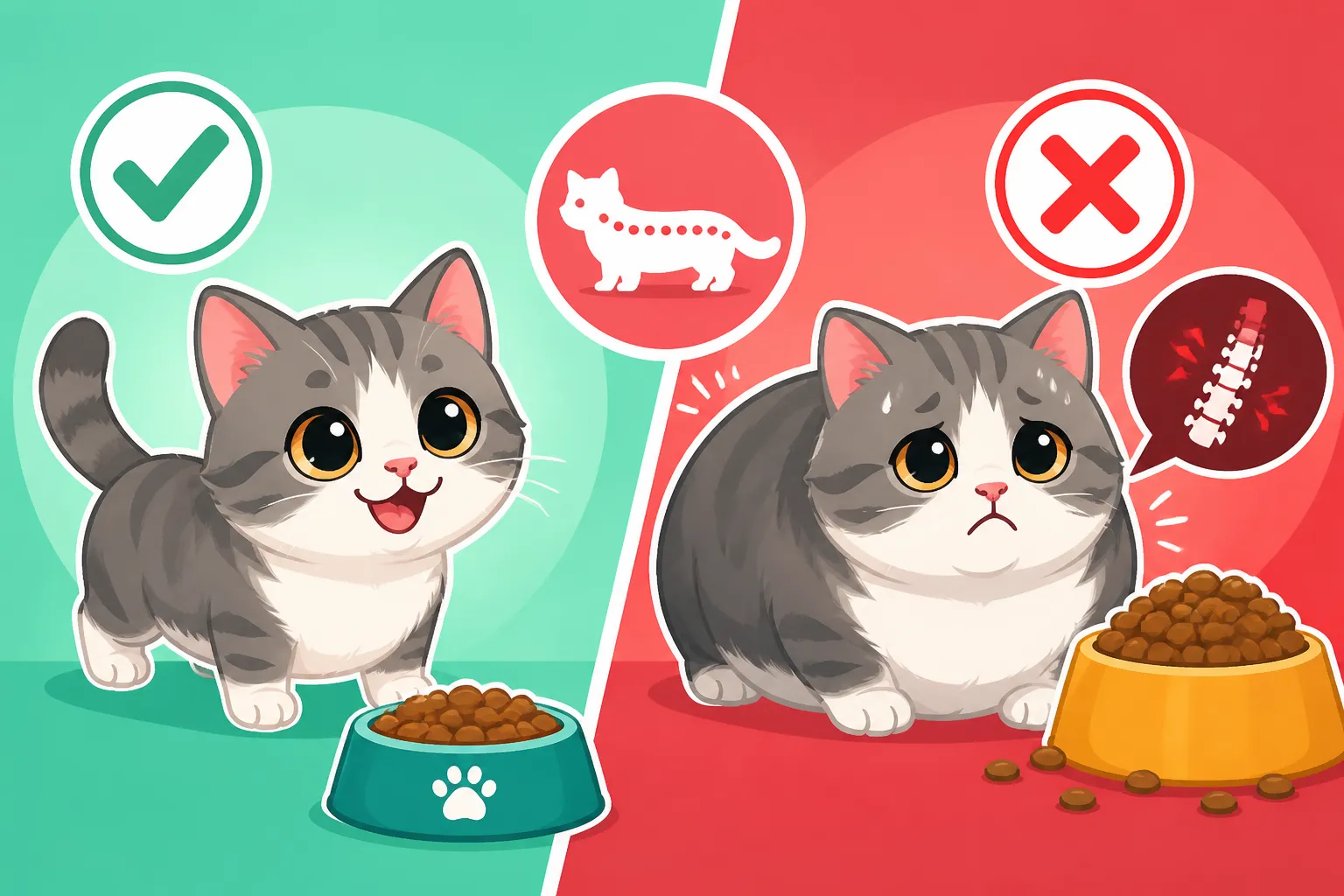
Beyond their legs, a Munchkin's spine is another area that demands careful consideration, especially as a kitten. While their body length is typically normal, the way their short legs affect their gait and overall posture can place unusual stresses on their vertebral column. Conditions like lordosis, an inward curvature of the spine, can be a concern in some Munchkin lines, and while it's not always caused by weight, any excess fat will undoubtedly exacerbate it. Imagine a developing spine trying to hold a round, heavy belly – it pulls the spine downwards and can compress internal organs, making breathing and digestion harder. During kittenhood, the spine is rapidly ossifying and taking its permanent shape. Overfeeding and the subsequent weight gain can put undue pressure on these developing structures, potentially worsening or bringing forward any underlying predispositions. Early detection of any spinal issues, like How Early Lordosis Shows in a Munchkin Kitten, becomes even more critical when managing a kitten's weight.
Joint Health: A Lifetime Consideration from Day One
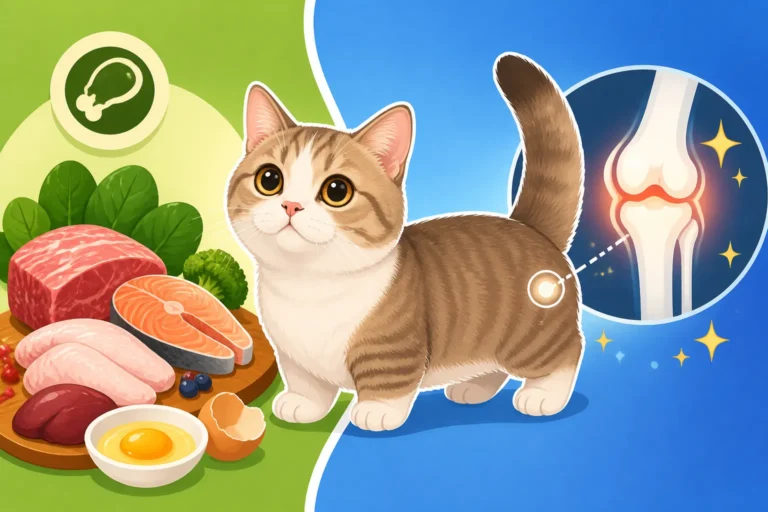
A Munchkin kitten's joints are working overtime from the moment they start exploring. Their shorter legs mean that every landing from even a small jump or hop exerts more force on their ankles, knees, and especially their shoulders and elbows. These joints are still maturing, the cartilage is forming, and the ligaments and tendons are strengthening. Introduce excess weight into this equation, and you're dramatically increasing the wear and tear on these delicate developing structures. What might be a harmless, graceful landing for a normal-legged kitten becomes a heavier impact for a Munchkin carrying even a few extra ounces. This premature stress can lead to inflammation, cartilage damage, and ultimately, an earlier onset of degenerative joint disease, like arthritis. Ensuring they grow at a healthy, steady pace without being overweight is probably the single most impactful thing you can do for their long-term joint health.
Understanding Calorie Needs vs. Appetite in Munchkin Kittens
It’s a common misconception that because Munchkins are "dwarf" cats, they inherently need more food or are somehow constantly ravenous. While every cat is an individual, their unique physiology means their caloric needs are often lower than what you might expect, especially compared to their longer-legged counterparts.
The Myth of the "Hungry Dwarf"
Many owners, out of love and concern, assume their Munchkin kitten needs a constant supply of food to grow big and strong. However, this isn't necessarily true. While Munchkins are active and playful, their short stature inherently limits the height and distance of their jumps and sprints. They might run quickly on the flat, but their overall energy expenditure, particularly the kind that burns significant calories, can be less than a cat that scales cat trees or leaps onto counters all day long. Their reduced range of motion, even in play, means they just don't burn calories at the same rate as a cat with a larger frame and longer legs that can access higher vantage points. This is why it's so important to understand How Few Calories a Munchkin Actually Burns in comparison to other breeds. You might see them being energetic, but that energy doesn't translate to a huge calorie deficit that needs constant replenishment.
The Danger of Free-Feeding and "All You Can Eat"
For many cats, free-feeding (leaving food out all day) isn't ideal, but for a Munchkin kitten, it can be particularly disastrous. Kittens have growth spurts and can appear to have insatiable appetites, but a Munchkin's body isn't equipped to handle unchecked weight gain. Free-feeding leads to overconsumption, where the kitten eats beyond its actual energy needs, storing the excess as fat. This is amplified by the fact that many commercial kitten foods are very calorie-dense to support rapid growth, which, while fine for a quickly growing long-legged kitten, can be too much for a Munchkin. Instead of thinking of food as always available, shift to a mindset of scheduled, measured meals. This allows you to control exactly how many calories your Munchkin kitten consumes, promoting steady, healthy growth rather than sudden, risky weight spikes.
Decoding Kitten Food Labels for a Munchkin
Navigating kitten food labels can feel like deciphering a secret code, but it's crucial for your Munchkin's health. Most feeding guides on commercial foods are generalized for "kittens" of average size and activity. Your Munchkin, however, is anything but average. You need to pay close attention to the calorie count per serving (usually listed as kcal/cup or kcal/kg). Then, use a starting point based on their ideal adult weight and adjust based on their current growth and activity, rather than simply following the "kitten" recommendation.
For example, a bag of kitten kibble might recommend X cups for a kitten weighing Y pounds. This recommendation might be far too high for a Munchkin. Start with the lower end of the recommended range for their current age and weight, and observe. Does the kitten gain weight steadily? Is their energy level good? Are they active and playful? Brands available through retailers like Chewy often provide detailed nutritional breakdowns online, which can be immensely helpful when you’re doing your research. Don't hesitate to contact the food manufacturer directly for more precise guidance or, even better, consult your vet. They can help you calculate a more accurate caloric intake for your specific Munchkin kitten.
Practical Strategies for Healthy Weight Management in Your Munchkin Kitten
Successfully managing your Munchkin kitten's weight comes down to consistency, precision, and proactive monitoring. It's not about deprivation, but about ensuring they get exactly what their unique body needs to thrive without unnecessary strain.
Precision Feeding: Weighing Every Meal
This is perhaps the most critical step you can take. Forget the scoop. Seriously. Scoops are wildly inaccurate and can vary by as much as 20-30% from one use to the next, depending on how tightly packed the kibble is. For a Munchkin, where every extra gram carries significant implications, this variability is unacceptable. Invest in a small digital kitchen scale and weigh out every single meal in grams. It might seem tedious at first, but it quickly becomes second nature, and it's the only way to ensure truly accurate calorie control.
Here's a general idea of how this looks, but always consult your veterinarian and the specific food's nutritional panel for precise figures:
| Growth Stage | Approximate Weight Range (lbs) | Daily Calorie Range (kcal) | Feeding Frequency (meals/day) |
|---|---|---|---|
| 8-16 Weeks Old | 2-4 lbs | 100-150 kcal | 3-4 |
| 4-6 Months Old | 4-6 lbs | 150-200 kcal | 3 |
| 6-12 Months Old | 6-8 lbs | 180-230 kcal | 2-3 |
| Adult (1+ Year) | 6-9 lbs (ideal) | 180-250 kcal (maintenance) | 2 |
Note: These are general guidelines. Individual kitten needs vary based on activity, metabolism, and specific food's calorie density. Always confirm with your vet.
By weighing, you ensure your kitten gets a consistent, appropriate amount of nutrition. This precise approach is central to Why a Munchkin's Portion Should Be Weighed and preventing inadvertent overfeeding.
Smart Snacking and Enrichment
Treats are part of the fun of having a kitten, but they need to be factored into the overall daily calorie intake. Don't let treats become a significant portion of their diet. Choose high-quality, low-calorie treats, and break them into tiny pieces. A single small treat broken into three can provide three moments of joy without adding excessive calories.
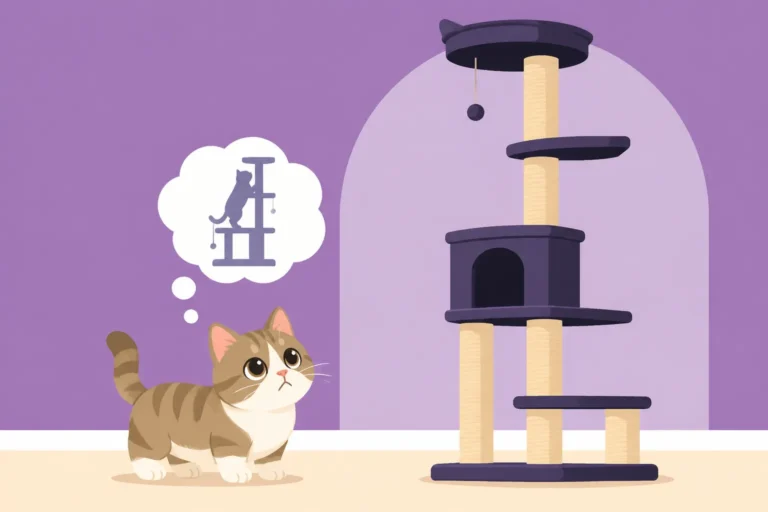
Beyond food, enrichment is vital for a growing kitten and can help satisfy their instincts without resorting to more food. Puzzle feeders are fantastic for Munchkins as they engage their brains and make them "work" for their food, slowing down consumption and providing mental stimulation. You can find a wide variety of suitable puzzle feeders on platforms like Amazon. Interactive toys, wand toys, and even simple things like crumpled paper balls tossed on the floor provide plenty of exercise and mental engagement at their level. Remember, Munchkins are highly playful and intelligent; they need outlets for that energy that don't involve climbing vertical surfaces they can't reach, as discussed in What a Munchkin Kitten Should Not Be Allowed to Jump.
Regular Monitoring and Vet Partnership
Weekly weight checks at home are your secret weapon. Use that same digital scale to monitor your Munchkin kitten's weight. Are they gaining steadily? Too fast? Holding steady when they should be growing? Keep a simple log. This objective data is invaluable.
Even more importantly, maintain regular veterinary check-ups. Your vet will not only monitor growth but also perform a physical examination to assess your kitten's body condition score (BCS). This involves feeling their ribs, spine, and waist to determine if they are at a healthy weight, too thin, or overweight. How to Score a Munchkin's Body Condition is a critical skill for owners but your vet's expert assessment is paramount. They can also offer tailored nutritional advice, recommend specific kitten foods, or even suggest joint supplements if there's any concern about their developing skeletal system, touching on topics like Which Joint Supplements Suit a Munchkin. Establishing a strong partnership with your vet from kittenhood is vital for a Munchkin's long-term health.
Long-Term Consequences of Overfeeding a Munchkin Kitten
The choices you make about your Munchkin kitten's diet today have profound implications for their health years down the line. Overfeeding isn't just about a plump kitty; it sets the stage for a cascade of health problems that can significantly impact their quality of life.
The Inevitable Joint Strain and Arthritis
As we discussed earlier, a Munchkin's short legs mean their joints are under more strain than a normal-legged cat's. Add excess weight to that, especially during their formative kitten months, and you're virtually guaranteeing accelerated wear and tear. Overweight Munchkin kittens are far more likely to develop osteoarthritis at an earlier age, which is a painful, progressive condition. Imagine the constant ache in their shoulders, elbows, and hips that makes every movement uncomfortable. This isn't just a concern for senior cats; overweight Munchkins can show signs of stiffness and discomfort in middle age, or even earlier. The question of Whether a Munchkin Gets Arthritis Earlier is often answered with a resounding "yes" if their weight isn't meticulously managed. This means more vet visits, potential pain medication, and a reduced quality of life that could have been mitigated with proper weight management in kittenhood.
Exacerbated Spinal Issues and Mobility Challenges
The unique structure of a Munchkin's spine means it's a critical area to protect. If your Munchkin kitten carries too much weight, it significantly increases the risk and severity of spinal problems like lordosis, where the spine sags downwards, or even intervertebral disc disease (IVDD) in later life. Excess fat around the abdomen pulls the spine out of its natural alignment, placing undue pressure on the vertebrae and discs. Why Severe Lordosis Compresses a Munchkin's Organs is a very real danger, making breathing and digestion difficult, and generally causing immense discomfort.
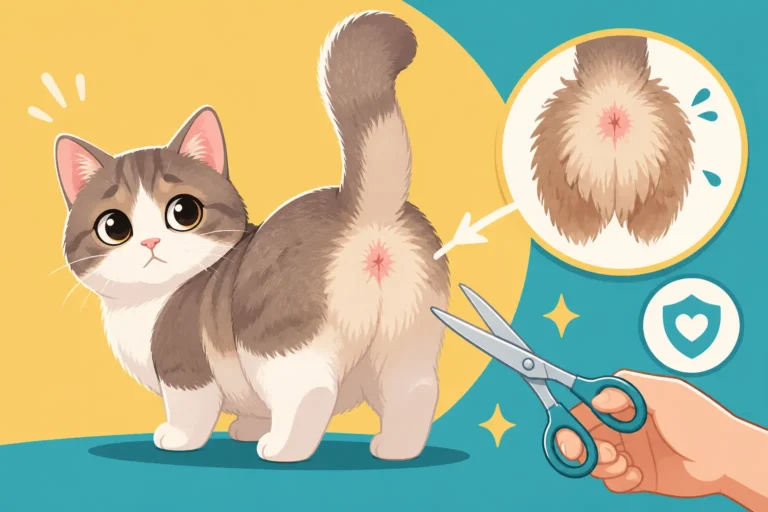
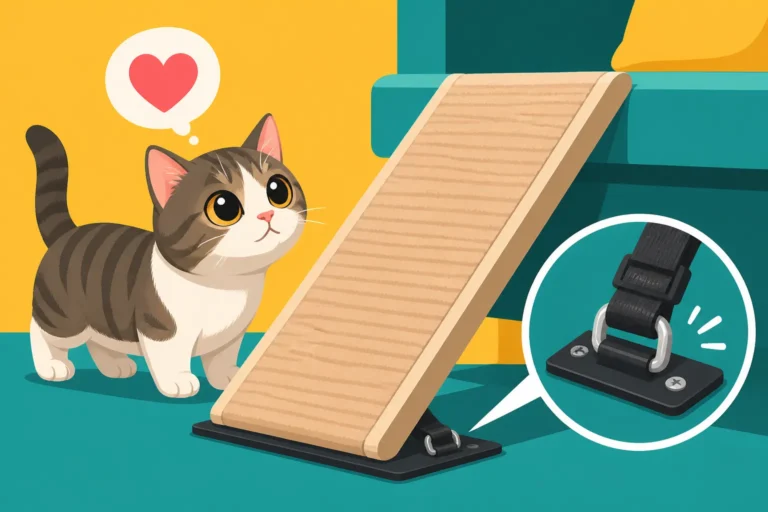
Beyond medical conditions, simple mobility becomes a huge challenge. An overweight Munchkin might struggle to groom itself effectively, leading to matted fur and skin infections, especially around its hindquarters and belly. They'll find it even harder to navigate furniture or use steps, becoming more sedentary and potentially trapped at floor level, unable to participate in normal feline activities. This significantly impacts their mental well-being and overall quality of life.
Other Health Risks: Diabetes and Beyond
Like all cats, Munchkins are susceptible to a range of health issues exacerbated by obesity. Diabetes mellitus, for example, is far more common in overweight cats. Managing feline diabetes involves daily insulin injections and strict dietary control, which can be a significant burden for both cat and owner. The strain of excess weight also impacts the cardiovascular system, increasing the risk of heart disease and high blood pressure.
An overweight Munchkin is simply less healthy overall, with a weakened immune system, and often a reduced lifespan. Their bodies are already dealing with the biomechanical challenges of their short legs; adding the stress of obesity is a recipe for chronic health problems. You want your Munchkin to live a long, full, and active life, which is why Why Weight Is More Dangerous on a Munchkin cannot be overstated. By committing to healthy feeding habits from kittenhood, you're investing in a future of vitality for your beloved feline companion. When discussing dietary options, your veterinarian might recommend specific low-calorie or joint-supportive foods.
Disclaimer
This article is for general informational purposes only and does not constitute professional advice. Laws, prices and regulations vary by location and change over time. Consult a qualified professional for guidance on your specific situation.