Whether Fine Litter Suits a Munchkin
One of the lesser-talked-about frustrations for Munchkin cat owners often revolves around something as seemingly simple as cat litter. You’ve got these adorable, low-slung felines, and suddenly you realize that a regular litter box setup or litter type that worked perfectly for your previous long-legged companion just isn't cutting it. Fine litter, in particular, can be a real headache, sticking to places it shouldn't and creating a whole new set of hygiene challenges. This guide will dive deep into whether fine litter is truly suitable for your Munchkin and offer practical advice to keep both your home and your furry friend clean and healthy.
The Unique Challenge of Litter for a Munchkin
Owning a Munchkin cat brings a lot of joy, but it also means adapting your home and routines to their unique physique. Their signature short legs mean their body is much closer to the ground than most cats, and this has a direct impact on their interaction with their litter box. It’s not just about getting into the box; it's about what happens inside and after they leave.
Why a Low Belly Changes Everything
Imagine trying to walk through a field of tall grass with very short legs. That’s a bit like what a Munchkin experiences in a deep litter box, especially with fine, clingy litter. Their low-slung bellies and hindquarters are simply much closer to the litter itself, making them prone to picking up more particles than a cat with standard leg length. This isn't just a minor annoyance; it can lead to some significant hygiene issues and discomfort for your cat. The fine grains can get embedded in the fur on their belly, inner thighs, and around their sanitary areas, creating a constant battle against tracking and potential skin irritation. Why a Munchkin's Belly Nearly Touches the Floor explains more about this unique anatomical consideration.
The Difficulty in Self-Grooming
Cats are meticulous groomers by nature, spending a significant portion of their day keeping themselves spotless. However, a Munchkin's short legs place a distinct limitation on their ability to reach and effectively clean certain areas of their body. Their hindquarters, in particular, can be incredibly difficult for them to reach and groom thoroughly. If fine litter clings to these hard-to-reach spots, it can quickly accumulate, leading to matting, skin irritation, and even infections if left unaddressed. It’s a frustrating cycle where their physical limitations exacerbate the problem caused by the litter choice, leaving owners feeling a bit helpless at times. What a Munchkin Cannot Reach to Groom details these challenges further.
The Pros and Cons of Fine Litter for Short-Legged Cats
When we talk about "fine litter," we're usually referring to those ultra-clumping, often unscented, micro-granular types that promise superior odor control and scoopability. These characteristics are appealing to many cat owners, but for Munchkins, the trade-offs need careful consideration.
The Allure of Fine-Grained Litter: Pros for Odor and Clumping
Let's be honest, there's a reason so many cat owners gravitate towards fine-grained litters. Their finely milled texture allows them to clump incredibly tightly around urine, making it super easy to scoop out waste without leaving behind crumbling bits. This efficiency is fantastic for odor control, as it removes the source of the smell more completely. The tight clumping also means less wasted litter, which can be a bonus for your wallet in the long run. Many brands, easily found on sites like Chewy or Amazon, tout these benefits, and for a typical cat, they often deliver. If you're someone who is very sensitive to litter box odors, the thought of a fine-grained, highly absorbent litter is certainly appealing.
The Sticky Truth: Cons for Munchkins
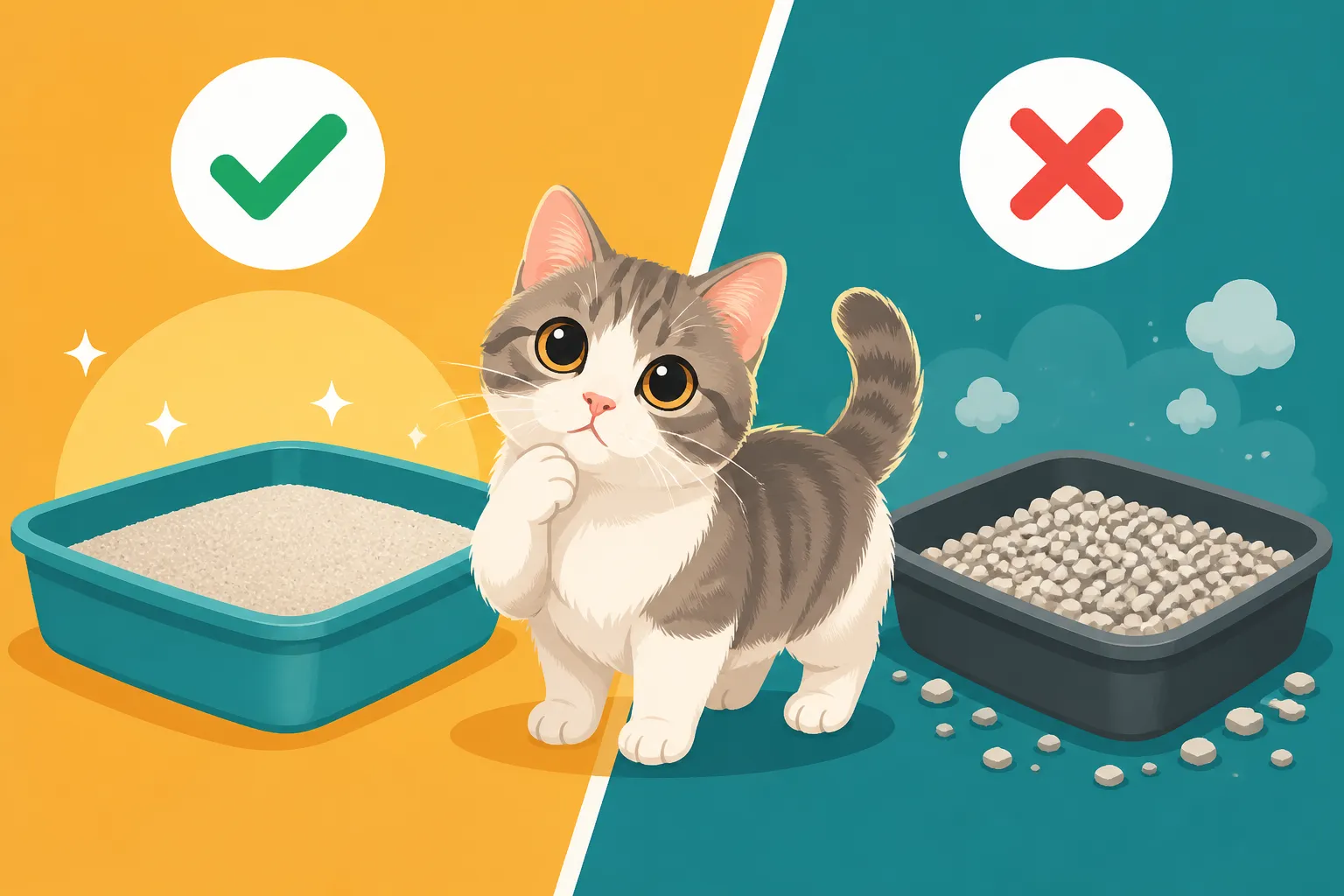
Unfortunately, what makes fine litter so effective for odor and clumping can turn into its biggest drawback for a Munchkin. The very fineness that allows for tight clumping also means the particles are incredibly prone to sticking to fur. Imagine stepping into wet sand; those tiny grains cling to everything. For a Munchkin, this happens with every trip to the litter box.
- Excessive Tracking: This is probably the most immediate and noticeable issue. Fine litter adheres to their paws and, more problematically, to the fur on their bellies and hindquarters. As they leave the box, these particles shed, spreading litter throughout your home. You might find yourself constantly sweeping or vacuuming, feeling like you're fighting a losing battle against a tiny, persistent sandstorm.
- Adherence to Fur and Skin Irritation: The larger concern is the litter sticking to their body fur. Why a Munchkin Carries Litter on Its Underside is a real problem. If your Munchkin has longer fur, or even dense short fur, fine litter can get deeply embedded, especially in the sensitive areas around their genitals and anus. This can lead to uncomfortable matting, skin irritation, and even painful sores if the litter is abrasive or left in contact with their skin for too long. Imagine having tiny, sharp granules rubbing against you constantly – it's not pleasant.
- Ingestion Risk: While less common, there's also a slight risk of ingestion. As Munchkins attempt to groom themselves, they might ingest small amounts of litter stuck to their fur. While most modern litters are non-toxic, consuming large quantities over time could potentially lead to digestive issues, especially if the litter is heavily scented or contains chemicals.
Here's a quick comparison of how fine litter stacks up against larger-grained options for a Munchkin:
| Feature | Fine-Grained Clumping Litter (e.g., clay) | Larger-Grained Litter (e.g., pellet, coarser clay) |
|---|---|---|
| Odor Control | Excellent (tight clumps) | Good (clumps, but may not be as tight) |
| Scoopability | Very easy (solid clumps) | Easy (clumps, but can be more crumbly) |
| Tracking | High (sticks to fur and paws) | Lower (less adherence to fur) |
| Adherence to Fur | Very High (especially belly/hindquarters) | Low (less likely to stick) |
| Dust Level | Can be high (depending on brand) | Generally lower |
| Comfort for Paws | Soft for sensitive paws | Some cats prefer softer, others don't mind coarser |
| Ingestion Risk | Slight (during grooming) | Very low |
| Munchkin Suitability | Low (due to tracking & hygiene risks) | Medium to High (better for cleanliness) |
Practical Solutions and Alternatives for Litter Box Hygiene
So, what’s a devoted Munchkin owner to do? The good news is that there are many ways to mitigate these challenges, from choosing different litter types to adapting your litter box setup and grooming routine.
Exploring Alternative Litter Types
If fine litter is proving to be a persistent problem, don't despair! There are several excellent alternatives that can significantly reduce tracking and adherence:
- Coarser Clay Litter: Not all clay litters are super fine. Some brands offer a coarser grain that still clumps well but is less likely to cling to fur. This can be a great middle-ground if you like the performance of clay but need less mess.
- Pellet Litters (Paper, Pine, or Wheat): These litters come in larger, more substantial pieces that are much less likely to stick to fur or track through the house.
- Paper pellets are highly absorbent and soft, making them comfortable for paws.
- Pine pellets offer a natural pine scent and excellent odor absorption, but some cats can be particular about the texture.
- Wheat litter clumps well and is biodegradable, often with a texture that's less fine than traditional clay but not as coarse as pellets.
Many owners find these options drastically cut down on the mess. You can find a wide variety of these alternative litters on platforms like Amazon or Chewy, making it easy to experiment.
- Silica Gel Crystal Litter: These litters are highly absorbent and great for odor control. The crystals are larger than fine clay granules, which means less sticking and tracking. However, some cats don't like the feel of them under their paws, so it might take some introduction.
When switching litter, always do so gradually over several weeks, mixing the new litter with the old to help your Munchkin adjust. You can read more about options in Which Litter Suits a Munchkin's Low Belly.
Adapting the Litter Box Setup
Beyond the litter itself, the physical litter box setup plays a huge role in a Munchkin's hygiene.
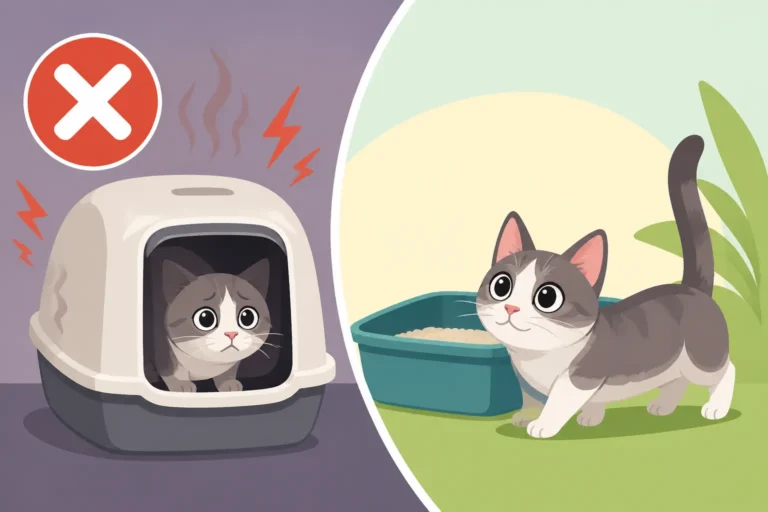
- Low-Entry Litter Boxes: This is perhaps the most crucial adaptation. Because of their short legs, Munchkins can struggle to get into boxes with high sides, especially as they get older or if they develop joint issues. A low-entry box allows them to simply walk in and out, reducing the need for awkward stretching or jumping that can displace more litter. How Low a Munchkin Litter Box Entry Should Be details appropriate box heights. Many senior cat litter boxes are perfect for Munchkins.
- Litter Mats: Place a good quality litter mat with deep grooves or mesh right outside the box. These mats are designed to catch litter particles from paws as the cat exits, significantly reducing tracking into your home. Look for extra-large mats to give your Munchkin ample space to walk over before hitting your floors.
- Regular Scooping: Regardless of litter type, frequent scooping is paramount. For a Munchkin, who might lie down or shift position, waste can get caught more easily. Keeping the box pristine means less chance of anything adhering to their fur. Daily, or even twice-daily, scooping is ideal.
Enhanced Grooming Routines
Even with the best litter and box setup, a Munchkin will likely benefit from a little extra grooming attention.
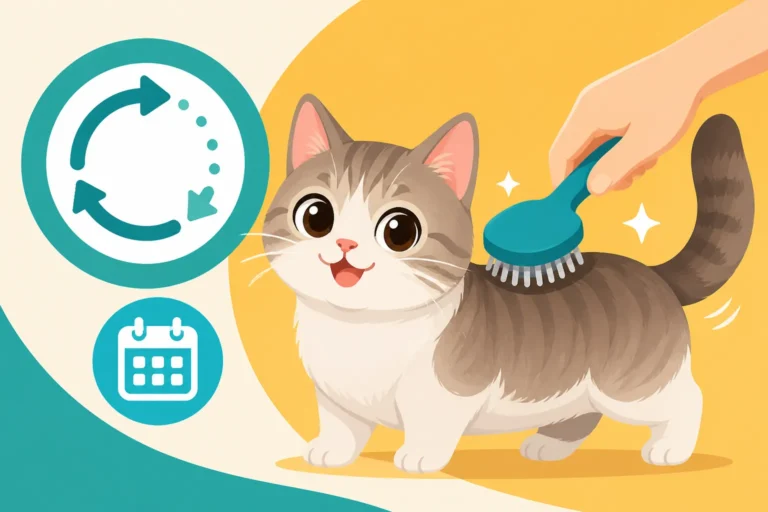
- Daily Brushing: Incorporate a short, daily brushing session into your routine, especially focusing on their belly, hindquarters, and inner thighs. This helps remove any trapped litter particles and prevents matting. For long-haired Munchkins, this is non-negotiable. Even short-haired Munchkins benefit immensely. How Often a Shorthaired Munchkin Needs Brushing and How Often a Longhaired Munchkin's Back Half Needs Brushing offer more specific advice.
- Sanitary Clips: Consider a sanitary clip, especially for long-haired Munchkins or those who are particularly prone to getting messy. This involves carefully trimming the fur around their anus and genitals short. It creates a "landing strip" that reduces the surface area for litter (and other waste) to cling to, making cleanup much easier for both you and your cat. This is best done by a professional groomer or your vet if you're not confident doing it yourself. Whether a Munchkin Needs a Sanitary Clip is an important read.
- Wiping: Keep some cat-safe wipes nearby. After your Munchkin uses the litter box, a quick wipe of their hindquarters and belly can prevent any lingering litter or residue from drying and causing problems. This is especially helpful after bowel movements, as Munchkins can sometimes struggle with cleanliness in these areas. Whether a Munchkin Can Clean Itself After the Litter Box explains why this is often necessary.
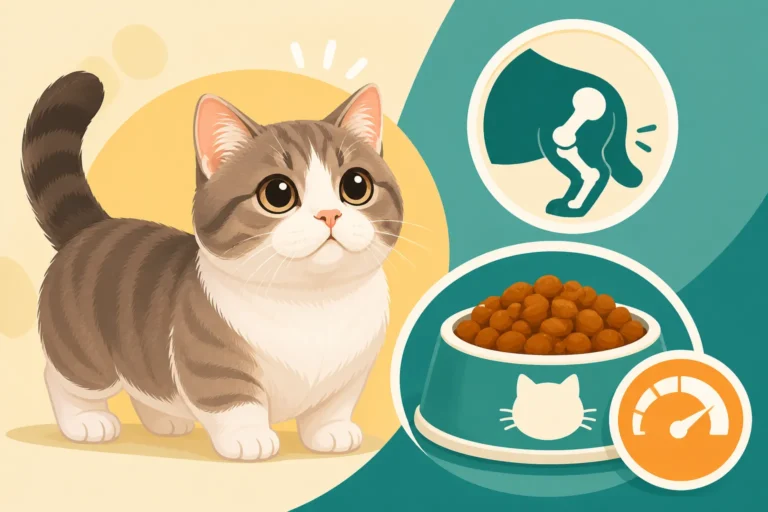
- Weight Management: Keeping your Munchkin at a healthy weight is crucial. An overweight Munchkin's belly will hang even lower, increasing contact with litter and making self-grooming even harder. Why Weight Is More Dangerous on a Munchkin highlights the importance of this. Regular exercise and a carefully portioned diet are key.
Maintaining Your Munchkin's Health and Home Environment
Ultimately, the goal is a happy, healthy Munchkin and a clean home. Choosing the right litter is just one piece of the puzzle, but it’s an important one that ties into their overall well-being and your daily quality of life.
Preventing Skin Issues and Infections
The consistent adherence of fine litter to a Munchkin's fur isn't just a cosmetic issue; it's a health concern. When litter particles repeatedly rub against sensitive skin, they can cause irritation, redness, and inflammation. If these irritated areas aren't kept clean, they become prime breeding grounds for bacterial or fungal infections. You might notice your Munchkin licking or chewing excessively at their hindquarters or belly, which is a sign of discomfort. Regularly checking their skin, especially in these areas, is vital. If you notice any redness, sores, or a foul smell, a trip to the vet is in order.
Ensuring a Comfortable and Accessible Home
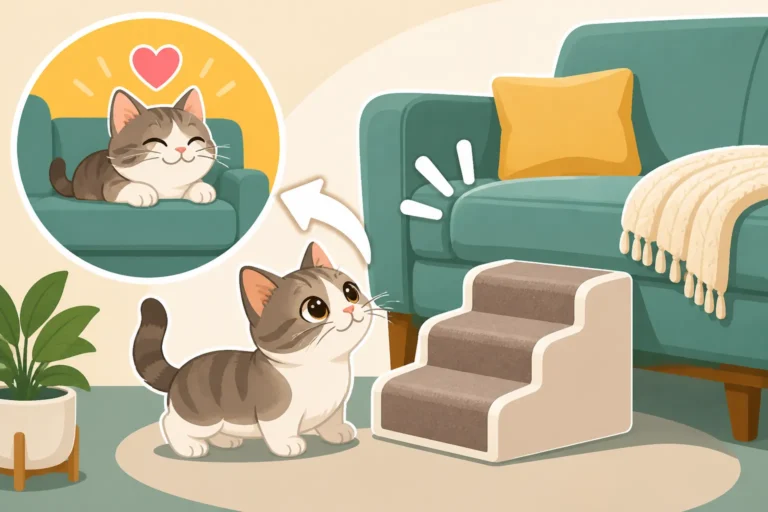
Your Munchkin's home environment needs to be designed with their unique needs in mind. This extends beyond just the litter box. Think about all the surfaces they interact with. Soft, non-slip rugs can make navigating your home easier and more comfortable, reducing strain on their joints and minimizing instances where they might drag their belly across a rough surface after a litter box visit. Consider How to Set Up a Home for a New Munchkin Kitten with these considerations in mind. Ramps and steps for accessing furniture they might otherwise struggle to reach also contribute to their overall comfort and confidence. Ramps and Steps Are Munchkin Equipment, Not Luxuries – they really are essential for their quality of life.
Long-Term Health and Happiness
Making thoughtful choices about litter and hygiene for your Munchkin contributes to their long-term health and happiness. By preventing persistent skin issues, keeping them clean, and supporting their natural behaviors (or compensating for their physical limitations), you're investing in their comfort and longevity. While the short legs are adorable, they do require a more proactive approach to care in certain areas. Observing your Munchkin's behavior, paying attention to their grooming habits, and making adjustments as needed will ensure they live a full, joyful life by your side. A happy Munchkin is one who feels clean, comfortable, and can navigate their world with ease, and that starts right at the litter box.
Disclaimer
This article is for general informational purposes only and does not constitute professional advice. Laws, prices and regulations vary by location and change over time. Consult a qualified professional for guidance on your specific situation.