Whether a Munchkin Needs Its Belly Wiped After the Box
It's a question many Munchkin cat parents find themselves asking, often with a slight cringe, as they watch their adorable short-legged companion navigate the litter box. Because of their unique physique, the worry about whether a Munchkin's belly makes contact with litter or gets soiled is incredibly common, and it’s a valid concern. This guide will help you understand the specific challenges Munchkins face in maintaining hygiene and when a little extra care is truly needed.
The Unique Challenge of a Munchkin's Low Stance
Let's be real, a Munchkin cat's defining feature – those wonderfully short legs – is also what makes them so utterly charming. But, it also presents some practical challenges when it comes to everyday cat business, like using the litter box. Unlike their long-legged cousins, a Munchkin's body sits much closer to the ground, and this low profile can lead to some sticky situations.
Understanding the Munchkin's Anatomy and Its Impact
The Munchkin breed has a normal-length spine and torso; it’s truly just the legs that are shorter. This means their belly is naturally much closer to the ground than a typical cat's. Think about it: when a regular cat steps into a litter box, their body is elevated enough that their underside usually clears the litter. For a Munchkin, however, that clearance is significantly reduced. As they squat to do their business, or even just walk through the litter, their lower abdomen and the fur on their belly can easily brush against the litter.
This isn't just about aesthetics; it's about hygiene. If the litter is damp, dusty, or particularly fine, it can cling to their fur. Imagine stepping through sand that's slightly wet – some of it is bound to stick to you. For a Munchkin, this happens around their most sensitive areas, and the fur on their belly can become quite a magnet for stray litter particles. This closeness to the ground is a characteristic of the breed, leading to questions like Why a Munchkin's Belly Nearly Touches the Floor, and it directly impacts their self-grooming capabilities.
Why Certain Litters Are Problematic
Not all litters are created equal when it comes to sticking to a Munchkin's fur. The type of litter you use can make a huge difference in how often you might find yourself needing to do a quick cleanup.
- Fine Clay Litters: These are notorious for clinging. Their small, dust-like particles can easily get embedded in the soft fur of a Munchkin's belly. While they might be excellent for odor control and clumping, they can create more work for you.
- Silica Gel Litters: These often come in small, crystal-like pieces. While they tend to be less dusty, the sharp edges of the crystals can sometimes irritate sensitive skin if they get trapped in fur.
- Corn or Wheat-Based Litters: These are often praised for being natural and flushable. However, some varieties can be quite dusty or have irregular shapes that are prone to sticking.
- Wood Pellets/Pine Litters: These are generally larger and less likely to stick to fur. However, as they break down, they can become dusty. If your Munchkin steps on them after they've absorbed moisture, the damp sawdust can still cling.
It's a balancing act. You want a litter that's good for your cat's health and your home's cleanliness, but you also need one that minimizes the chances of sticking to your Munchkin's low-slung belly. Considering Which Litter Suits a Munchkin's Low Belly is an important part of your care strategy.
Assessing the Need: When Wiping Becomes Essential
It's not a given that every Munchkin will need a belly wipe every time they visit the litter box. Many are meticulous self-groomers and can manage quite well. However, there are definitely times when stepping in to help is not just helpful, but necessary to prevent bigger problems. Knowing when to intervene is key.
Signs Your Munchkin Needs a Belly Wipe
Keeping a close eye on your Munchkin's underside is part of responsible ownership. Here are some clear indicators that a belly wipe is in order:
- Visible Debris: This is the most obvious sign. If you see litter particles, dust, or even small pieces of dried fecal matter clinging to their belly fur, it's time for a wipe. Sometimes it's just a few specs, other times it can be more substantial.
- Matting or Clumps: If litter or other debris isn't removed, especially from longer-haired Munchkins, it can quickly lead to painful mats. Mats trap dirt, pull on the skin, and can even hide skin infections. This is particularly true for their hindquarters, which they struggle to groom, a common issue explored in How to Groom a Munchkin's Hindquarters.
- Skin Irritation: If you notice redness, tenderness, or bald patches on their belly, it could be a sign that trapped litter or constant dampness is irritating their skin. This can also happen if they're over-grooming in an attempt to get clean, making the problem worse.
- Odor: A persistent unpleasant smell coming from their underside, even after they've supposedly cleaned themselves, is a strong signal that they're not getting everything off. This is especially important for areas they cannot reach to groom themselves, as highlighted in What a Munchkin Cannot Reach to Groom.
- Behavioral Changes: While less common, some cats might become withdrawn, lethargic, or hesitant to move if they're uncomfortable or in pain due to a dirty or matted belly.
A quick visual check, maybe a gentle run of your hand along their belly after they've used the box, can become a routine. Just be sure to check regularly, as mentioned in Why a Munchkin's Belly Needs Checking Weekly.
Factors Increasing the Risk of a Dirty Belly
Several factors can make your Munchkin more prone to needing a belly wipe:
- Longer Fur: If your Munchkin has a longer coat, they're naturally going to pick up and hold onto more litter. Think of it like a broom sweeping the floor – more bristles mean more dust collected. Longhaired Munchkins require more diligent grooming, as detailed in How Often a Longhaired Munchkin's Back Half Needs Brushing.
- Certain Litter Types: As discussed, fine, dusty litters are more likely to cling. If you're consistently finding debris on your cat, consider switching to a different type of litter.
- Digestive Issues: If your Munchkin is experiencing diarrhea or particularly soft stools, the chances of their belly becoming soiled increase dramatically. Not only is the stool itself messier, but the urgency and frequency of needing to go can mean less time for careful positioning in the box. This can be a sign of underlying health issues that need veterinary attention.
- Obesity: An overweight Munchkin's belly will hang even lower, increasing contact with the litter. Additionally, excess weight can hinder their flexibility, making it even harder for them to contort and groom themselves properly. Why Weight Control Is the Whole Munchkin Care Plan emphasizes just how critical maintaining a healthy weight is for this breed, not just for their joints but for their hygiene too. Why a Heavy Munchkin's Belly Drags directly illustrates this problem.
- Age or Mobility Issues: Older Munchkins, or those with underlying health conditions affecting their mobility (like arthritis), might struggle to position themselves correctly in the litter box or groom themselves effectively. This is where your help becomes absolutely indispensable.
Practical Steps for Belly Wiping and Prevention
So, you've identified that your Munchkin needs a little help keeping their belly pristine. Don't fret! It's a manageable task, and with the right approach, it can be a relatively stress-free part of your cat care routine.
The Gentle Art of Belly Wiping
The key here is gentle. Cats are sensitive, and their bellies are particularly vulnerable areas. Approaching this task calmly and with the right tools will make all the difference.
- Gather Your Supplies: You'll need soft cloths (like flannel or microfiber), warm water, and potentially some pet-safe cleansing wipes. Many excellent brands offer wipes specifically formulated for pets that are free of harsh chemicals or strong perfumes that could irritate sensitive skin. You can often find these on sites like Amazon or Chewy. Avoid human baby wipes, as they can contain ingredients not safe for cats.
- Create a Calm Environment: Choose a quiet moment when your cat is relaxed. Avoid sudden movements or loud noises. A gentle voice and slow approach will help. You might even offer a favorite treat beforehand to create a positive association.
- Position Your Munchkin: The easiest way to access their belly is often when they're lying on their back in your lap, or gently cradled. If your cat tolerates it, you can also have them stand on a non-slip surface while you lift their front paws slightly, giving you access to the belly. Always support their back and hips to prevent strain.
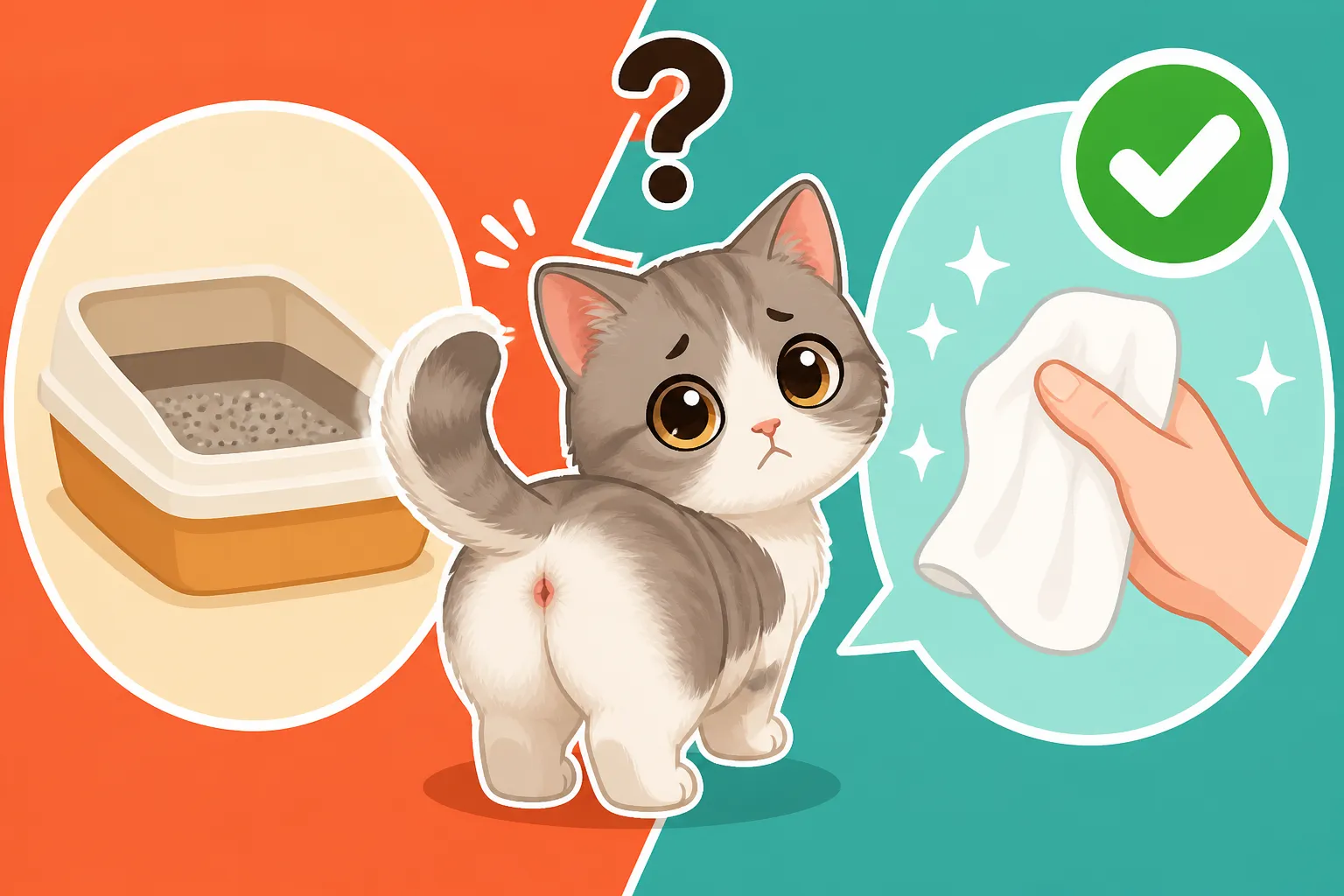
- Wipe Gently: Dampen a soft cloth with warm water (not hot!) or use a pet-safe wipe. Start at the cleanest part of their belly and work towards any soiled areas. Use light, downward strokes, being careful not to rub too vigorously. If there's dried litter or a small mat, gently tease it out rather than pulling. For stubborn bits, a slightly more saturated wipe held against the area for a few seconds can help loosen it.
- Check for Mats and Irritation: As you wipe, feel for any small mats or skin irritation. If you find mats, don't try to cut them out yourself unless you are experienced, as it's easy to cut the skin. A professional groomer or vet can safely remove them. Pay attention to any redness or tenderness that might suggest an infection.
- Praise and Reward: Finish with plenty of praise, a gentle cuddle, and maybe another treat. This reinforces that the experience wasn't scary and helps build trust.
Remember, patience is paramount. If your cat becomes agitated, take a break and try again later. It's better to do a partial wipe than to traumatize your cat.
Proactive Measures for a Cleaner Munchkin
Prevention is always better than cure. By taking a few proactive steps, you can significantly reduce the frequency of needing to wipe your Munchkin's belly.
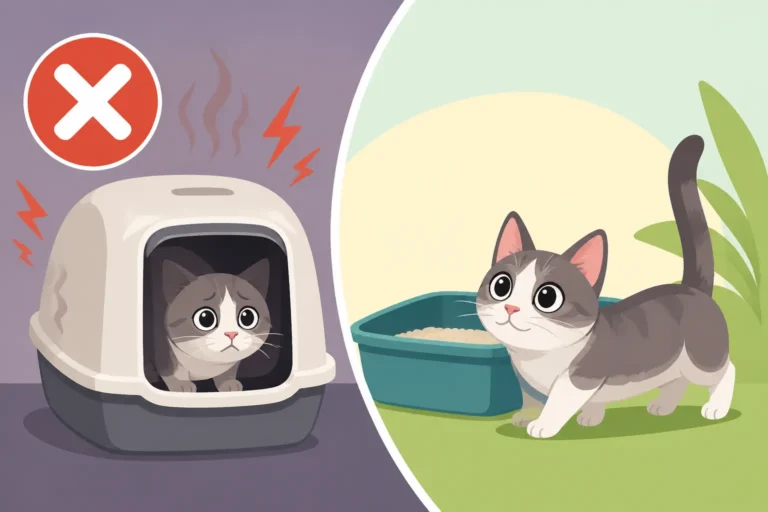
- Choose the Right Litter Box: This is huge for Munchkins. They need a litter box with a very low entry point so they can comfortably walk in and out without having to jump or strain. A senior cat litter box often works wonders, as discussed in Which Litter Box a Munchkin Can Actually Enter and How Low a Munchkin's Litter Box Front Must Be. A high-sided box is fine, but the entry must be low.
- Select Appropriate Litter: Experiment with different litter types. You might find that larger pellets or less dusty, heavier litters are less likely to stick to their fur. Look for options that emphasize low dust and good clumping without being excessively fine.
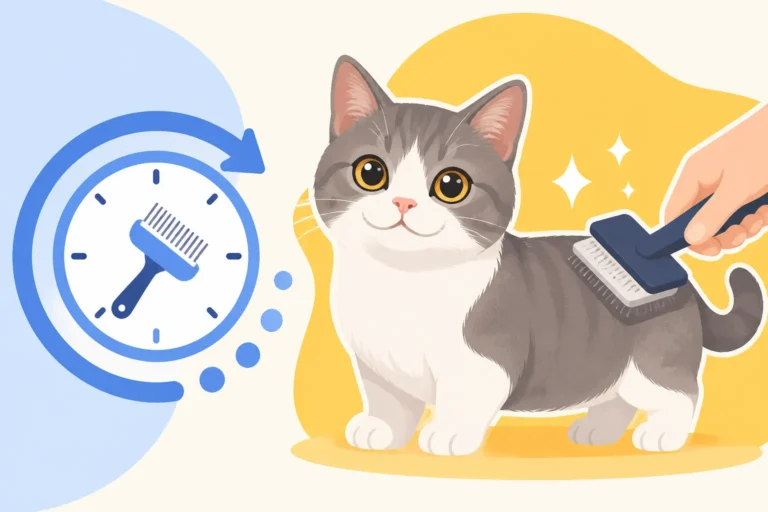
- Regular Grooming: Even if your Munchkin has short hair, regular brushing, especially around their belly and hindquarters, can help remove loose fur and prevent mats that could trap litter. For longhaired Munchkins, daily brushing is essential to prevent Whether Matting Becomes a Health Problem in a Munchkin.
- Maintain a Healthy Weight: As mentioned, an ideal weight keeps their belly off the ground as much as possible and allows them to groom themselves more easily. Work with your vet to determine the ideal weight for your individual Munchkin and adjust their diet and exercise accordingly. High-quality food can also promote healthier stools, which means less mess.
- Sanitary Trims: For longhaired Munchkins, a "sanitary clip" around their hindquarters and belly can be incredibly helpful. This involves carefully trimming the fur short in those areas to prevent stool or litter from clinging. This can be done by a professional groomer or, if you're comfortable and have the right tools, by you at home. This preventative measure is explored in Whether a Munchkin Needs a Sanitary Clip.
- Multiple Litter Boxes: Ensure you have enough litter boxes (the general rule is one per cat plus one extra) and that they are cleaned frequently. A clean box means less soiled litter to potentially stick to your cat.
Beyond the Wipe: Addressing Underlying Issues
While a dirty belly might sometimes just be a minor inconvenience, it can also be a symptom of a larger health or mobility issue. It's crucial to differentiate between a simple grooming challenge and a warning sign from your feline friend.
When a Dirty Belly Signals a Health Concern
If you're finding that your Munchkin's belly is consistently soiled, despite your best efforts with appropriate litter and regular wiping, it's time to consider if something else is going on.
- Digestive Upset: Frequent loose stools or diarrhea, as mentioned before, will inevitably lead to a messier underside. This could be due to dietary sensitivities, parasites, bacterial infections, or other gastrointestinal issues. If this is a recurring problem, a vet visit is definitely in order to diagnose and treat the cause.
- Urinary Issues: While less common than fecal soiling, urinary incontinence or difficulty urinating can also lead to a damp or soiled belly. This requires immediate veterinary attention as it can indicate serious kidney or bladder problems.
- Mobility Problems: As Munchkins age, or if they have conditions like arthritis, their ability to squat comfortably in the litter box or effectively groom themselves can decrease. They might not be able to contort their bodies to reach their back half, leading to neglected areas. Stiffness in their joints could prevent them from even entering a slightly too-high litter box. Pay attention to how they move and if they show any signs of pain or reluctance to jump or move, a topic discussed in At What Age a Munchkin Starts to Stiffen.
- Skin Infections: Constant dampness or embedded litter can break down the skin barrier, leading to bacterial or fungal infections. These can be itchy, painful, and require specific treatment from your vet. You might notice redness, scabbing, pus, or a strong odor even after cleaning.
If you observe any of these persistent issues, or if your cat seems generally unwell, don't hesitate to seek professional advice.
The Importance of Regular Vet Checks
Your veterinarian is your best partner in ensuring your Munchkin's long-term health and comfort. Regular check-ups are essential, not just for vaccinations, but for a thorough physical examination that includes assessing their mobility, skin health, and overall condition.
When you bring your Munchkin to the vet, don't be shy about mentioning any persistent belly-soiling issues. The vet can:
- Examine their gait and mobility: They can observe how your Munchkin walks and sits, identifying any stiffness or discomfort that might impact their ability to use the litter box or groom themselves effectively.
- Assess their body condition score: They can determine if your Munchkin is at a healthy weight, or if weight management is needed to reduce belly dragging.
- Check their skin and fur: They can spot early signs of irritation, infection, or matting and advise on appropriate treatment or preventative grooming.
- Discuss diet and litter options: Your vet can offer recommendations tailored to your cat's specific needs, potentially reducing digestive upset or litter cling.
- Rule out underlying health conditions: Through examination, and potentially blood tests or imaging like X-rays (especially to check spinal health, as mentioned in When a Munchkin Should Have Its Spine Imaged if mobility is a concern), they can diagnose and address any medical reasons for poor hygiene.
Ultimately, a dirty belly on a Munchkin is often just a quirk of their adorable anatomy that requires a bit of extra attention from their loving human. By understanding the challenges, being vigilant about signs, and taking proactive steps, you can ensure your short-legged companion stays happy, healthy, and clean.
Disclaimer
This article is for general informational purposes only and does not constitute professional advice. Laws, prices and regulations vary by location and change over time. Consult a qualified professional for guidance on your specific situation.