Why Weight Control Is the Whole Munchkin Care Plan
You've brought a Munchkin cat into your life, and while their adorable short legs are what capture hearts, they also introduce a unique set of care considerations. It's not just about managing their diet to keep them looking trim; for a Munchkin, weight control isn't just part of their health plan – it truly is the whole plan. Every single extra gram they carry puts a disproportionate strain on their already distinct anatomy, leading to a cascade of potential health issues that a normal-legged cat might never face, or at least not until much later in life. This guide will walk you through exactly why meticulous weight management is the absolute cornerstone of a long, healthy, and happy life for your cherished short-legged companion.
The Unique Physical Burden of a Munchkin's Short Legs
When you look at a Munchkin, it's easy to focus on the charmingly short legs and perhaps overlook the profound implications this unique conformation has on their entire skeletal system. Their short limbs aren't just a cosmetic feature; they fundamentally alter how your cat moves, jumps, and interacts with their environment, placing distinct and often increased stresses on their body.
How Short Legs Alter Biomechanics
Imagine trying to navigate your day with perpetually bent knees – that’s a bit like what a Munchkin experiences, though their condition is congenital and natural to them. Their shortened humerus and femur bones, a form of pseudoachondroplasia, mean that their legs don't provide the same lever-like action as a normal-legged cat. This changes everything from their gait to their ability to absorb impact. When a normal cat jumps down from a sofa, its long legs act as shock absorbers, distributing the force over a greater surface area and length of bone. A Munchkin, however, lands with much less "give" in its limbs, meaning the impact force is more directly transmitted up into their joints and spine.
This constant, higher-impact landing can lead to micro-traumas over time, especially in their front legs and shoulders. Even simple movements become more strenuous. While they can run with surprising speed and agility on a flat surface, their ability to navigate vertical spaces is severely limited. They often compensate by using furniture as "stairs," performing multiple smaller jumps rather than one large leap. This repeated, albeit smaller, stress adds up. You might think, "Oh, they just don't jump as high, so it's fine," but the mechanics of how they land and propel themselves are different, making them more vulnerable to orthopedic issues if not managed carefully. It's a key reason why understanding Why a Munchkin's Elbows Take the Landing is so crucial for their long-term comfort.
The Spinal Load: Why Every Pound Matters
The Munchkin's spine, despite its short legs, is typically a normal length. This creates a disproportionate body-to-leg ratio. Think of it like a perfectly normal-sized bus with abnormally tiny wheels – the chassis is the same, but the ground clearance and the way it carries its weight are completely different. For a Munchkin, their regular-length torso is carried much closer to the ground, and their short legs provide less support and leverage.
This means that their spine, particularly the lumbar region (lower back), carries a load that a normal cat's spine does not experience in the same way. Every extra pound your Munchkin carries translates into significantly increased compressive forces on their spinal discs and vertebrae. This isn't just about general stiffness; it directly correlates with the risk and severity of conditions like lordosis – a curvature of the spine where it sags downwards, pushing organs together and potentially causing discomfort or pain. If a Munchkin develops lordosis, which is more common in the breed than in the general cat population, extra weight will only exacerbate the condition, making a mild case potentially much more debilitating. Why a Munchkin's Spine Carries a Load a Normal Cat's Does Not truly highlights this critical aspect of their anatomy.
Joint Impact: Shoulders, Elbows, and Hips
While all joints are affected by increased weight, a Munchkin's shoulders and elbows are particularly susceptible. Their front legs often appear slightly bowed, which is a characteristic of their pseudoachondroplasia, and this conformation, combined with the impact absorption discussed earlier, puts immense pressure on these joints. When they jump, however small the jump, their front legs bear the brunt of the landing. Over time, this constant stress, especially compounded by extra weight, can lead to premature wear and tear, eventually developing into osteoarthritis.
It's not uncommon to see a Munchkin start to stiffen in its shoulders or show reluctance to engage in activities that were once easy. They might hesitate before jumping onto a low chair or be less enthusiastic about chase games. Their hips, while perhaps not as overtly stressed as their front joints, also carry the continuous burden of their body weight, and any excess can lead to discomfort and mobility issues over time. While true hip dysplasia isn't typically considered a breed-specific issue for Munchkins in the same way it is for some larger dog breeds, the general wear and tear from carrying extra weight will certainly impact hip health and comfort. Recognizing How Arthritis Shows in a Munchkin's Front Legs is key to catching potential issues early.
Why a Munchkin Burns Fewer Calories Than Expected
It's tempting to think that an active, playful Munchkin is burning calories left and right, especially when you see them zipping across the floor or engaging in their adorable "prairie dog" sit. However, their unique physical limitations mean their overall energy expenditure is often significantly lower than that of a normal-legged cat, making them highly prone to weight gain if their diet isn't carefully managed.
Reduced Mobility and Energy Expenditure
Let's be realistic: a Munchkin cannot scale a six-foot cat tree in one graceful bound, nor can they leap onto the highest shelves. Their world is largely horizontal. While they are incredibly playful and will chase toys with gusto on the floor, their activity is mostly confined to ground level. This drastically limits the types of physical exertion they can engage in. Think about a regular cat; they climb, they jump, they stretch to impressive heights, they run up and down stairs. Each of these movements burns a considerable number of calories.
A Munchkin, by contrast, expends less energy because they simply can't perform these calorie-intensive actions. Their short legs mean a smaller stride, and even if they run for the same distance as a long-legged cat, the mechanical efficiency is different, resulting in less overall caloric output per unit of activity. They might move more on the flat to compensate for their lack of vertical reach, but the total energy burned often remains lower. This means their daily caloric needs are inherently lower than what many owners might instinctively assume based on their playful personality.
The Sedentary Lifestyle Trap
Many Munchkins are cherished indoor companions, and for good reason – their unique build makes them particularly vulnerable to outdoor dangers. While keeping them safe inside is paramount, it inadvertently contributes to a more sedentary lifestyle. Without the natural stimulation of climbing trees, jumping fences, or exploring varied terrain, their opportunities for high-energy exercise are reduced.
Furthermore, if their indoor environment isn't specifically adapted for them, they can become even more sedentary. If there are no ramps to the sofa, no steps to the bed, or no low-entry scratching posts, a Munchkin may simply give up trying to reach elevated spots or perform stretching exercises. This lack of appropriate enrichment can lead to a vicious cycle: less activity leads to weight gain, which then makes it even harder and more uncomfortable for them to move, further decreasing activity levels. It's a subtle trap that many well-meaning owners fall into, not realizing how quickly a Munchkin's weight can creep up. Providing a Cat Tree With Close Set Platforms or other accessible enrichment is vital.
Misinterpreting Playfulness for High Calorie Burn
Munchkins are known for their incredibly sweet and playful temperaments. They love to chase laser pointers, pounce on feather wands, and engage in wrestling matches with their favorite toys. These bursts of activity can certainly make an owner feel like their cat is getting plenty of exercise. However, these are often short, intense bursts rather than sustained periods of moderate-to-high activity.
While important for mental stimulation and muscle tone, these play sessions might not be burning as many calories as one would assume for a longer-legged breed. A normal cat might spend an hour patrolling its territory, climbing, jumping, and running. A Munchkin's equivalent might involve several 10-15 minute play sessions on the floor. While engaging and seemingly energetic, the cumulative caloric expenditure can still be lower. Owners need to be mindful that a playful cat isn't necessarily a high-calorie-burning cat, especially when its physical architecture inherently limits its range of motion and exertion. How Much Floor Level Play a Munchkin Needs should be a daily consideration.
Early Warning Signs of Weight Gain in Munchkins
Identifying weight gain in a Munchkin can be trickier than with a normal-legged cat due to their unique body shape. Their low-slung profile and sometimes stocky appearance can mask those extra pounds, making it crucial for owners to be vigilant and know what subtle signs to look for.
Subtle Changes in Movement and Agility
One of the first indicators that your Munchkin might be gaining too much weight isn't always visible fat, but a change in their behavior and movement. You might notice them hesitating more before attempting to jump onto even a low piece of furniture, like a footstool or a low chair. They might start relying more on ramps or steps that they previously navigated with ease. Their signature "ferret-like" run might become a little less fluid, or they might seem slightly stiffer after waking up from a nap.
Perhaps they're not engaging in play as enthusiastically as before, or they're more prone to resting. You might see them struggling a little more to shift their body weight when turning sharply or when getting up from a lying position. These are all subtle clues that their joints and spine are feeling the extra burden. Pay close attention to how they interact with their environment; if they start avoiding jumps they once made easily, or if their preferred routes around the house change to avoid slight elevations, it’s a good time to assess their weight. This is why Why an Old Munchkin Stops Using Its Ramp is an indicator of discomfort, and stiffness can begin much earlier with excess weight.
The "Round" Illusion: Why Visual Assessment Can Be Tricky
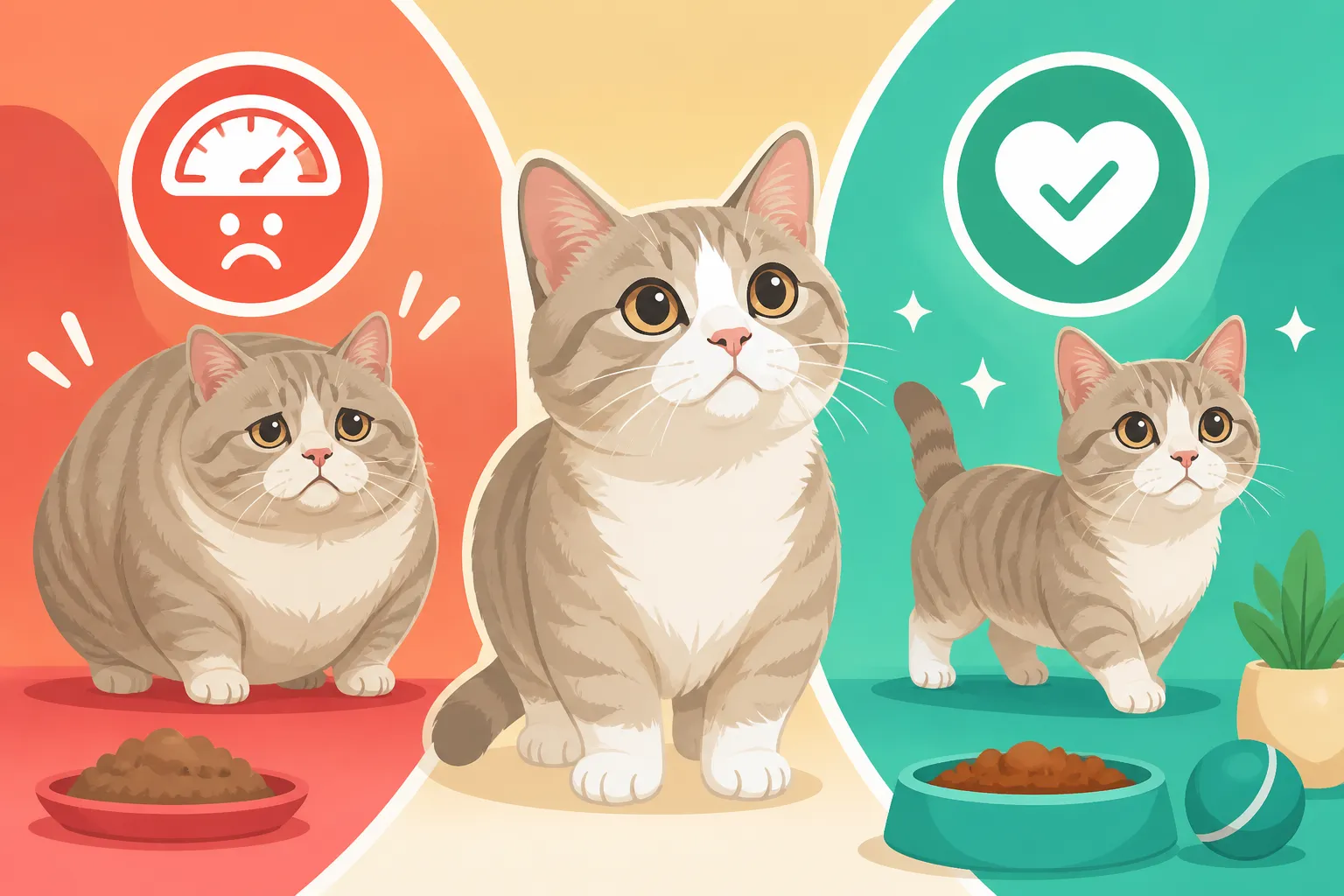
A common pitfall for Munchkin owners is relying solely on visual assessment to determine if their cat is overweight. Because Munchkins have a long body and short legs, they can often appear "round" or low-slung even when they are at a healthy weight. Their belly often sits quite close to the floor, which can be mistaken for a sagging belly due to fat, when it's simply their natural conformation.
This "round illusion" means that what looks like a healthy, compact cat might actually be a cat carrying an unhealthy amount of extra weight. You might not see a clearly defined waistline as you would in a normal cat, or a prominent tuck-up. This is why tactile assessment is absolutely critical. You need to be able to feel their ribs, spine, and hip bones without too much fat padding. If you can't easily feel these bony prominences, or if their belly feels firm and distended rather than soft and flexible, it’s a strong sign they’re carrying too much weight. Learning How to Score a Munchkin's Body Condition can be a game-changer.
Difficulty with Grooming and Litter Box Habits
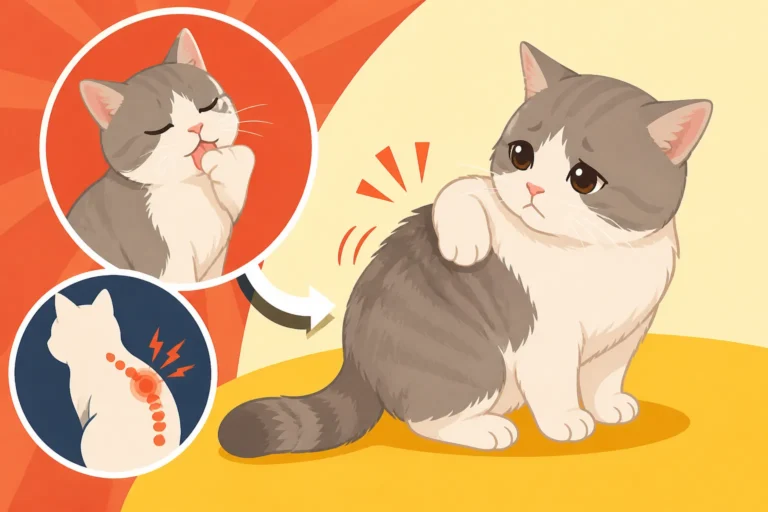
An often-overlooked sign of weight gain in Munchkins is a decline in their self-grooming habits, particularly around their hindquarters. Because their legs are short and their body is long, it can be physically challenging for them to twist and reach all parts of their back, flanks, and rear. When they gain weight, this becomes even more difficult, if not impossible.
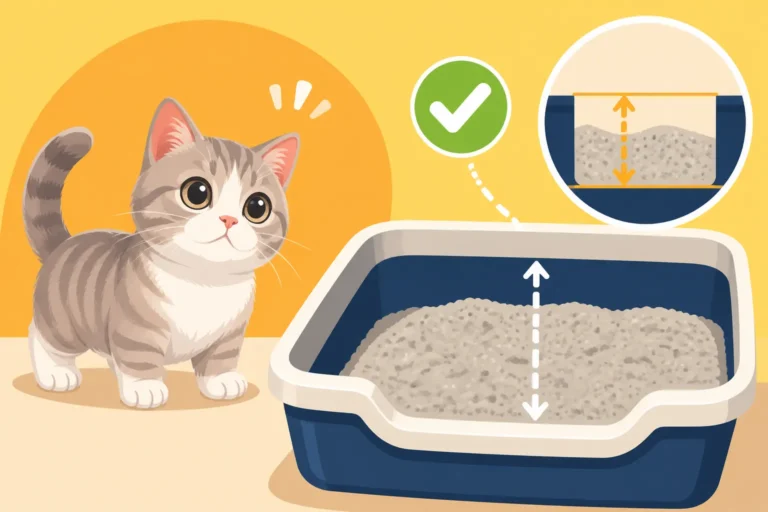
You might start noticing mats forming in their fur, especially on their back, around their tail, or under their belly. If they are a longhaired Munchkin, this problem becomes even more pronounced. Beyond grooming, weight gain can also impact their ability to comfortably use the litter box. A low-entry litter box is essential for a Munchkin anyway, but if they gain too much weight, even these can become challenging to enter and exit gracefully, or they may struggle to squat comfortably. This can lead to accidents outside the box or a reluctance to use it, signaling discomfort. This is often linked to Why a Munchkin's Hindquarters Get Matted as they struggle to keep clean.
Practical Strategies for Effective Weight Management
Once you understand why weight control is so crucial for your Munchkin, the next step is implementing effective strategies. It's not about drastic changes, but consistent, mindful care that acknowledges their unique needs.
Precision Feeding: Weighing Every Meal
This is perhaps the single most impactful strategy for managing a Munchkin's weight. Forget the guesswork of scoops and cups; for a cat with inherently lower caloric needs and a predisposition to weight gain, precision is paramount. Investing in a small digital kitchen scale is non-negotiable. Every meal, every portion of kibble or wet food, should be weighed precisely according to your veterinarian's recommendations.
Your vet will help you calculate your Munchkin's ideal caloric intake based on their target weight, age, and activity level. Start there, and then adjust as needed based on weekly weigh-ins at home. A half-ounce deviation might seem tiny to you, but over a week or a month, it can easily add up to significant weight gain for a small cat. Remember that treats also count towards their daily caloric intake and should be factored in. For consistency, many owners find portion-controlled fresh meals or precisely measured kibble and wet food helpful. Being diligent about Why a Munchkin's Portion Should Be Weighed makes all the difference.
Tailored Exercise and Enrichment
While Munchkins might not be Olympic high-jumpers, they are incredibly playful and intelligent, and tailored exercise is vital for maintaining muscle tone and burning calories. Focus on floor-level activities that encourage running, pouncing, and stretching without stressing their joints with high jumps.
Wand toys with long handles that allow you to dangle feathers or toys at ground level are perfect. Laser pointers, used in moderation and always ending with a tangible toy they can "catch," can encourage energetic chases. Puzzle feeders are also excellent for mental stimulation and slow down eating, making them "work" for their food while burning a few extra calories. These can be found readily on sites like Amazon. Set up obstacle courses with low tunnels, crumpled paper balls, or crinkle toys. The goal is frequent, short bursts of activity throughout the day. Remember, consistency is more important than intensity. Even two or three 10-15 minute play sessions daily can make a big difference in calorie expenditure and overall well-being. Consider How Much Floor Level Play a Munchkin Needs and ensure they get it daily.
Choosing the Right Food: Calorie Density and Joint Support
The type of food you feed your Munchkin also plays a critical role. Given their lower caloric needs, opting for a food that is not excessively calorie-dense can be beneficial, especially for a cat that's less active. Look for high-quality protein sources to maintain muscle mass without adding unnecessary fat.
Many premium cat foods now offer formulas designed for indoor cats or weight management, which typically have a lower calorie count. Additionally, consider foods that include ingredients known to support joint health, such as glucosamine and chondroitin. While these supplements are not a cure-all, they can help support cartilage health and potentially alleviate some discomfort as your Munchkin ages, especially given the inherent stress on their joints. Discussing specific food choices with your vet is always best, as they can recommend a diet tailored to your individual cat's needs and existing health conditions. Which Joint Supplements Suit a Munchkin can be an important discussion with your vet.
The Importance of Regular Veterinary Check-ups and Monitoring
Even with the most diligent at-home care, regular veterinary check-ups are absolutely indispensable for a Munchkin. Their unique conformation means that early detection of weight-related issues or emerging joint problems is crucial for effective management and maintaining their quality of life.
Consistent Body Condition Scoring
During every veterinary visit, your vet will perform a body condition score (BCS). This isn't just about looking at your cat; it involves a hands-on assessment to feel for their ribs, spine, and hip bones, as well as observing their overall silhouette. The BCS is usually on a scale of 1 to 9, with 5 being ideal. For a Munchkin, whose natural low-slung body can be deceptive, this tactile assessment by a professional is even more important than for other breeds.
Your vet can show you how to accurately perform a BCS at home between visits, empowering you to monitor changes and react promptly. Consistent scoring helps track your Munchkin’s progress if they are on a weight loss plan, or ensures they maintain a healthy weight if they are already there. It’s an objective way to measure what your eyes might not always accurately perceive due to their breed-specific appearance. Asking your vet How to Score a Munchkin's Body Condition is an excellent step.
X-Rays and Joint Health Assessments
Given the inherent orthopedic considerations of the Munchkin breed, regular joint health assessments are a key component of their veterinary care. As they age, or if there are concerns about mobility, your vet may recommend X-rays to assess the condition of their spine, shoulders, and elbows. These images can reveal early signs of arthritis, disc compression, or the progression of conditions like lordosis or pectus excavatum.
Even if your Munchkin appears to be moving well, routine X-rays can provide invaluable baseline information, allowing your vet to monitor changes over time and intervene proactively if issues arise. Catching issues like osteoarthritis early means you can implement pain management strategies, joint supplements, or physical therapy before the condition becomes severely debilitating. When a Munchkin Should Have Its Spine Imaged is a question worth discussing with your veterinarian, even for apparently healthy cats.
Developing a Proactive Health Plan
A proactive health plan for a Munchkin isn't just about treating problems as they occur; it's about anticipating them and working to prevent them. This involves close collaboration with your veterinarian. Based on their assessments, your vet can help you fine-tune your Munchkin’s diet, recommend specific joint supplements (like those from reputable brands often found on Chewy or Amazon), and advise on appropriate exercise routines.
They can also guide you on environmental modifications that might be needed as your Munchkin ages, such as more ramps, softer bedding, or specialized litter boxes. This holistic approach ensures that all aspects of your Munchkin's health are considered, with weight control acting as the central pillar supporting everything else. A proactive plan empowers you to give your Munchkin the best possible chance at a long, comfortable, and active life, minimizing the impact of their unique physical characteristics.
Adapting the Home Environment to Support a Healthy Weight
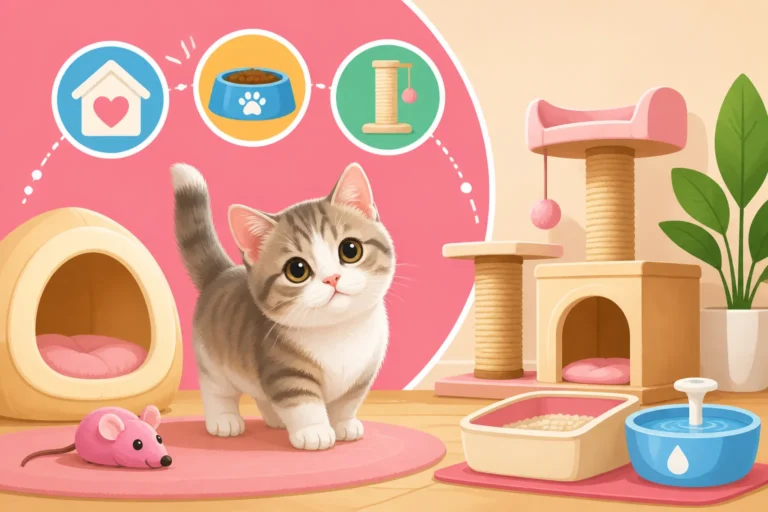
For a Munchkin, their home isn't just where they live; it's their entire world. Given their limited vertical reach and the strain that jumping places on their joints, adapting your home environment is not a luxury, but a fundamental part of their care plan, especially for weight management. A well-adapted home encourages movement, reduces strain, and prevents sedentary habits from forming.
Creating Accessible Pathways and Elevations
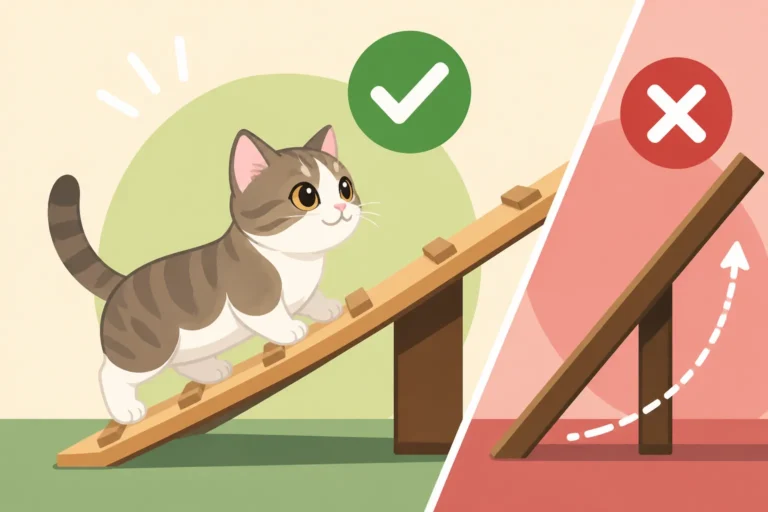
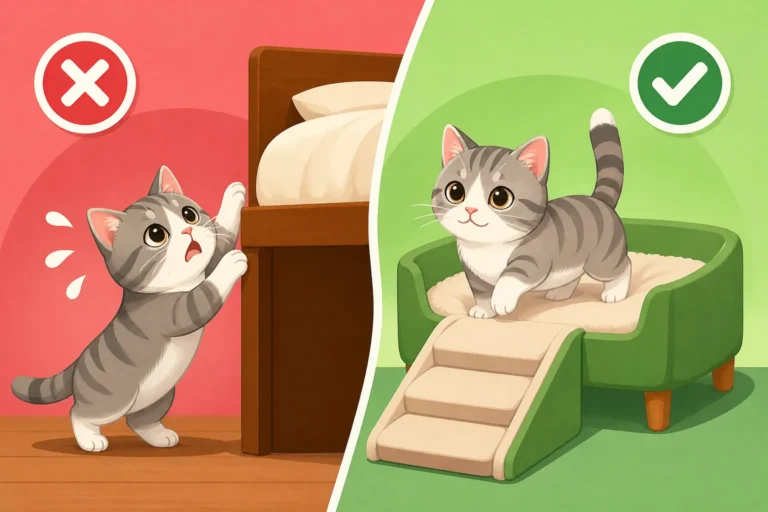
The most significant adaptation you can make for a Munchkin is to provide accessible routes to all the places a normal cat might jump. This means ramps and steps are your new best friends. Instead of letting your Munchkin repeatedly jump on and off the sofa or bed, provide sturdy, carpeted pet ramps or custom-built steps. These reduce the impact on their shoulders and spine, making it easier and more comfortable for them to reach their favorite elevated spots without strain.
Look for ramps that aren't too steep and have a non-slip surface to give them confidence. You can find a wide variety of pet ramps on platforms like Amazon or Chewy. Place them strategically wherever your Munchkin might want to go – next to the sofa, at the foot of your bed, or even to a low windowsill perch. This encourages them to move and explore without risking injury or deterring them from activity due to difficulty. Similarly, ensure their litter boxes have a very low entry point. A senior cat litter box is often perfect for a Munchkin, allowing them to walk in and out effortlessly, preventing reluctance to use the box due to discomfort or difficulty. Ramps and Steps Are Munchkin Equipment, Not Luxuries – they are essential.
Strategically Placed Food and Water Stations
While it might seem counterintuitive to some, raised food and water bowls can actually be beneficial for a Munchkin. Because their legs are short and their body is low to the ground, eating from a bowl placed directly on the floor can force them to hunch over excessively. This puts unnecessary strain on their neck and shoulders, especially during prolonged eating or drinking sessions.
By slightly elevating their food and water bowls to a comfortable height, you allow them to eat and drink in a more natural, upright posture. This reduces the strain on their front legs and spine, making meal times more comfortable and less arduous. You want a height that allows them to stand or sit comfortably without bending their neck too sharply or having to splay their front legs out. Many pet supply stores and online retailers offer elevated feeding stations, often available on Chewy or Amazon, that can be adjusted to the perfect height for your unique Munchkin. Ensure they are stable and don't tip over easily.
Safe Play Zones and Scratching Opportunities
To encourage physical activity and maintain a healthy weight, create specific "play zones" throughout your home. These are areas where your Munchkin feels safe, stimulated, and encouraged to move. This might include a rug or carpeted area (to prevent slipping on hard floors) with various low-lying toys, tunnels, or interactive puzzle feeders.
Scratching posts are also essential, but they need to be appropriate for a Munchkin's height. Forget the tall, vertical posts that a normal cat can stretch up; your Munchkin needs horizontal scratchers or short, sturdy vertical posts that they can use without having to stand on their hind legs or stretch excessively. Place these scratchers in prominent areas where they like to lounge or pass by, encouraging natural claw maintenance and stretching. Remember, a Munchkin needs to work their muscles and joints safely, and the environment should facilitate this rather than hinder it. Which Scratching Post Suits a Munchkin is a vital consideration for their daily enrichment.
Long-Term Consequences of Uncontrolled Weight in Munchkins
Allowing a Munchkin to become overweight or obese isn't just about them looking a little pudgy; it sets the stage for a host of serious health problems that can drastically diminish their quality of life and shorten their lifespan. For this breed, managing weight isn't optional; it's a critical preventative measure against chronic pain and disease.
Exacerbated Spinal and Joint Problems
We've already touched on the unique burden the Munchkin's body places on its spine and joints. Uncontrolled weight acts as an accelerant to these predispositions. Extra pounds significantly increase the compressive forces on their spine, potentially worsening or prematurely inducing conditions like lordosis. Lordosis, a severe spinal curve, can be uncomfortable even at a healthy weight, but with obesity, it can become excruciating, compressing internal organs and leading to chronic pain.
Similarly, the extra weight exacerbates the wear and tear on their already vulnerable shoulder and elbow joints. This drastically increases the likelihood and severity of osteoarthritis, a degenerative joint disease that causes pain, stiffness, and reduced mobility. A heavier Munchkin will show signs of arthritis earlier, and the progression will be faster and more severe. Imagine walking around all day with a heavy backpack; now imagine if your legs were half the length they should be – that's the kind of strain we're talking about. This directly ties into earlier arthritis (Whether a Munchkin Gets Arthritis Earlier) compared to other breeds if their weight isn't managed.
Increased Risk of Metabolic Diseases
Just like in humans and other cat breeds, obesity in Munchkins significantly raises their risk for various metabolic diseases. The most prominent among these is feline diabetes mellitus. When a cat carries too much fat, its body's cells can become resistant to insulin, leading to high blood sugar levels. This requires daily insulin injections, special diets, and constant monitoring, adding a significant burden to both the cat and the owner.
Beyond diabetes, obesity can also contribute to other health issues such as fatty liver disease (hepatic lipidosis), which can be life-threatening if not caught and treated quickly. Overweight cats are also more prone to urinary tract issues and certain types of cancer. The internal stress on their organs from carrying excess fat can lead to inflammation and systemic problems that healthy-weight cats are much less likely to develop. For a Munchkin, whose body is already navigating unique challenges, these additional metabolic stresses can be particularly devastating.
Reduced Quality of Life and Lifespan
Ultimately, the most heartbreaking consequence of uncontrolled weight in a Munchkin is the profound reduction in their overall quality of life and potentially their lifespan. A Munchkin that is constantly in pain from arthritic joints or a compromised spine cannot enjoy life to its fullest. They will become less playful, more withdrawn, and may even struggle with basic activities like grooming or using the litter box, leading to frustration and discomfort.
Their mobility will decrease, making it harder for them to interact with their environment and their human companions. This can lead to a cycle of decreased activity, further weight gain, and worsening pain, trapping them in a miserable existence. While a well-cared-for Munchkin can live The Twelve to Fifteen Years a Munchkin Usually Gets, an overweight one is unlikely to reach that potential, suffering from chronic conditions that steal their joy and vitality far too soon. Prioritizing their weight is prioritizing their happiness, comfort, and longevity.
| Body Condition Feature | Ideal Weight Munchkin | Overweight Munchkin |
|---|---|---|
| Ribs | Easily felt with slight fat cover; distinct but not sharp. | Hard to feel due to significant fat cover. |
| Spine | Easily palpable; individual vertebrae distinct. | Difficult to feel; feels like a smooth, rounded surface. |
| Waist | Slight waist visible behind ribs when viewed from above (even if subtle due to low stature). | No discernible waist; body appears uniformly wide. |
| Abdomen (Belly) | Slight tuck-up or flat line; doesn't drag on the floor. | Rounded or distended; often sags and may drag on the floor. |
| Fat Pads | Minimal to no fat pads around tail base or under legs. | Noticeable fat pads around tail base, hind legs, and neck. |
| Energy Level | Active, playful, agile, able to make small jumps. | Less energetic, more sedentary, hesitant to move or play. |
| Grooming | Maintains self-grooming, especially hindquarters. | Struggles to groom back half; mats may form. |
| Movement | Fluid ferret-like gait, comfortable with ramps/steps. | Stiff, may hesitate on ramps, struggles with turns or getting up. |
Disclaimer
This article is for general informational purposes only and does not constitute professional advice. Laws, prices and regulations vary by location and change over time. Consult a qualified professional for guidance on your specific situation.