How to Set Up a Home for a New Munchkin Kitten
Bringing a new Munchkin kitten home is an exciting time, but it also comes with unique considerations that can feel a bit overwhelming if you're not prepared. Unlike other cat breeds, their adorable short legs mean you need to think differently about their environment to ensure their safety, comfort, and long-term health. This guide will walk you through exactly how to set up your home to be a welcoming, accessible, and enriching haven for your new short-legged companion, preventing common frustrations before they even begin.
Creating a Safe and Accessible Environment for Your Munchkin Kitten
One of the biggest adjustments you'll make when welcoming a Munchkin kitten into your home is understanding that their world operates on a different vertical plane. What might be an easy hop for a regular cat can be an insurmountable barrier for a Munchkin, and ignoring this can lead to frustration for them and potential injuries. Your goal is to make their environment as navigable and safe as possible, right from day one.
Understanding Floor-Level Living
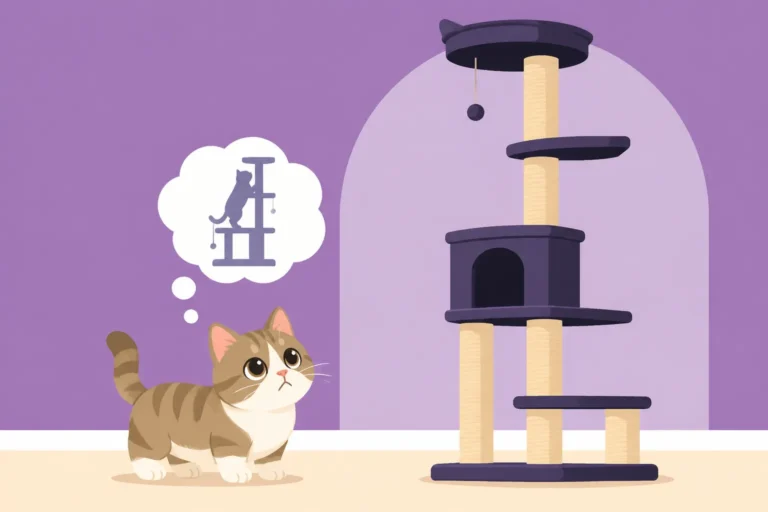
Imagine navigating your home if everything tall suddenly became impossible to reach. That's a bit like a Munchkin's daily reality. While they are incredibly agile and surprisingly fast on flat surfaces, their ability to jump is significantly limited. They simply cannot launch themselves onto high surfaces like kitchen counters, tall cat trees, or even some sofas without assistance or a carefully planned route. The frustration of seeing a beloved toy just out of reach, or wanting to join you on the couch but being unable to, can be very real for them.
This means you need to re-evaluate your home from their perspective. Focus on making essential items and favorite spots accessible at ground level or with minimal vertical challenge. For example, rather than placing their favorite blanket on a tall cat perch, consider a cozy bed on the floor or a low-to-the-ground pet cubby. This preemptive thinking not only keeps them safe from accidental falls but also helps build their confidence and ensures they feel fully integrated into the family, able to get to where the action is. It's truly a case of With a Munchkin the House Changes, Not the Cat.
Ramps and Steps: Essential Mobility Aids
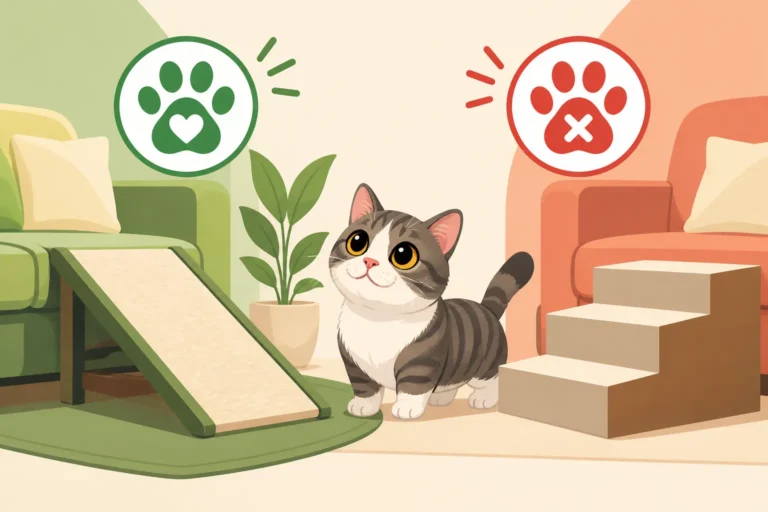
Because jumping poses a greater risk of strain or injury to a Munchkin's unique spinal structure and joints, providing ramps and steps is not just a luxury; it's a necessity. Think of them as extensions of your furniture, designed specifically to bridge the height gaps your kitten can't clear on their own. Without them, your Munchkin might attempt risky jumps, leading to falls or developing compensatory movements that could put undue stress on their body over time. The goal is to facilitate access to all their desired spots without any jumping strain.
You'll want to place ramps or sturdy pet steps strategically around your home. Key areas include access to sofas, beds, windowsills they might want to look out of, and even to their food and water bowls if they are elevated. When selecting or building ramps, consider the incline; it shouldn't be too steep, as a gentle slope is much easier on their short legs and back. Make sure they have a non-slip surface for secure footing. For steps, ensure the risers are low and the treads are wide enough for comfortable ascent and descent. You can find a fantastic variety of pet ramps and steps on platforms like Amazon or Chewy, offering different materials and aesthetics to blend with your home decor. Remember, Ramps and Steps Are Munchkin Equipment, Not Luxuries, and they contribute significantly to your kitten's quality of life and long-term joint health.
Accessible Litter Box Solutions
A common oversight for new Munchkin owners is the litter box. Most standard litter boxes have a lip or entrance height designed for cats with normal leg length. For a Munchkin kitten, especially a very young one, this can be a significant obstacle. If they struggle to enter and exit their litter box, they might start seeking alternative, easier-to-access spots – and you definitely don't want those to be your carpets! The frustration of having accidents around the house often stems from a litter box that simply isn't user-friendly for their unique physique.
The solution is to invest in low-entry litter boxes. These are often marketed as "senior cat" or "kitten" litter boxes, but they are perfect for Munchkins. The front entrance is significantly lower, allowing your kitten to walk in and out with ease, without having to awkwardly climb or jump. If you have multiple floors, ensure there's at least one accessible litter box on each level your Munchkin frequents, to prevent any desperate dashes or accidents. Some owners even modify existing litter boxes by cutting down one side, though commercial low-entry options are readily available. Which Litter Box a Munchkin Can Actually Enter is a critical piece of the puzzle for a happy, clean home. Make sure the litter itself is also comfortable for their low-slung belly – fine, soft litter is often preferred over rougher, larger granules that can stick or irritate.
Essential Supplies for Your Munchkin Kitten
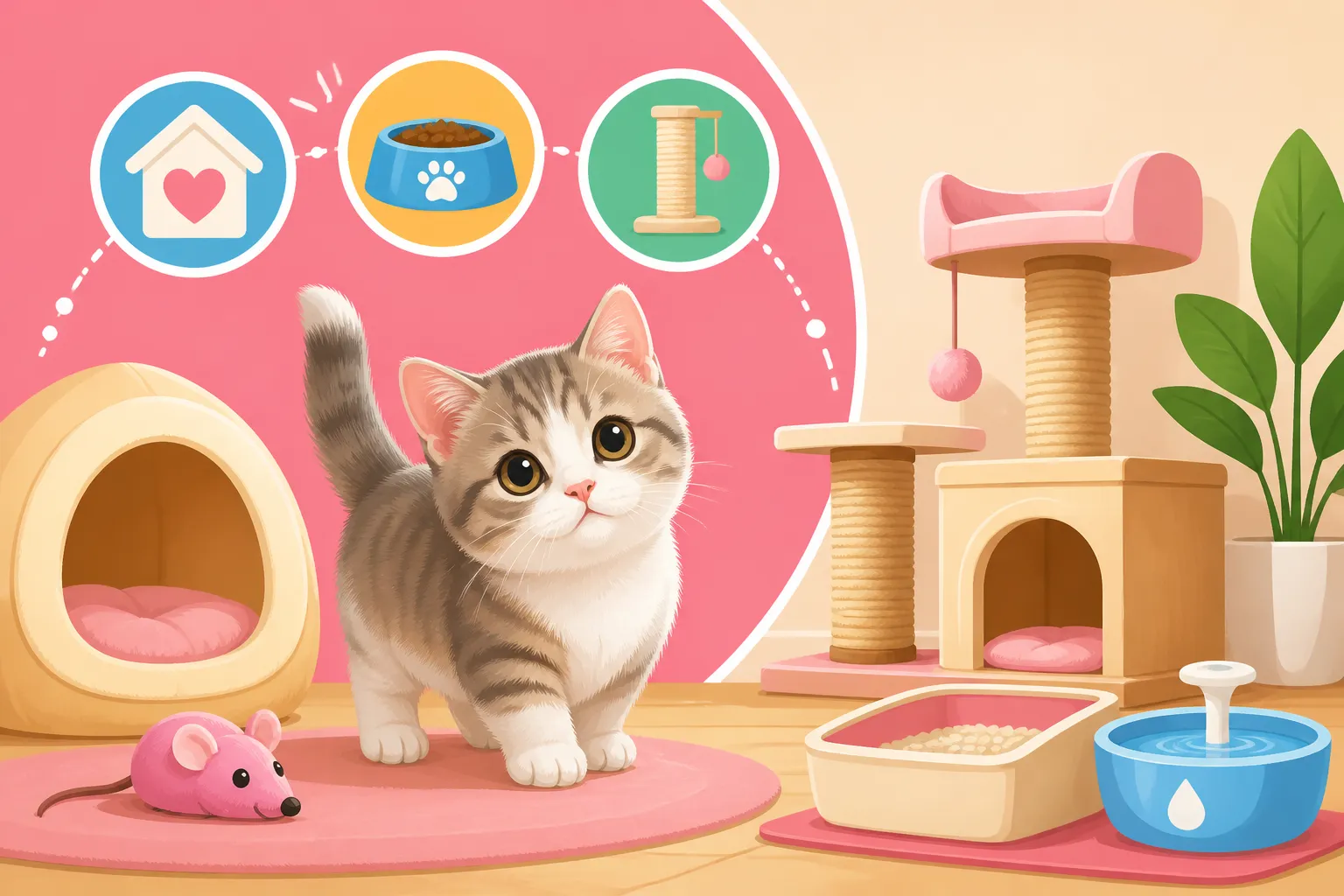
Beyond the foundational changes to your home's accessibility, there are specific supplies that will make your Munchkin kitten's daily life more comfortable, healthy, and fun. Thinking ahead about these items can save you a lot of hassle and ensure your little one has everything they need right from the moment they walk through your door.
Feeding Bowls and Hydration Stations
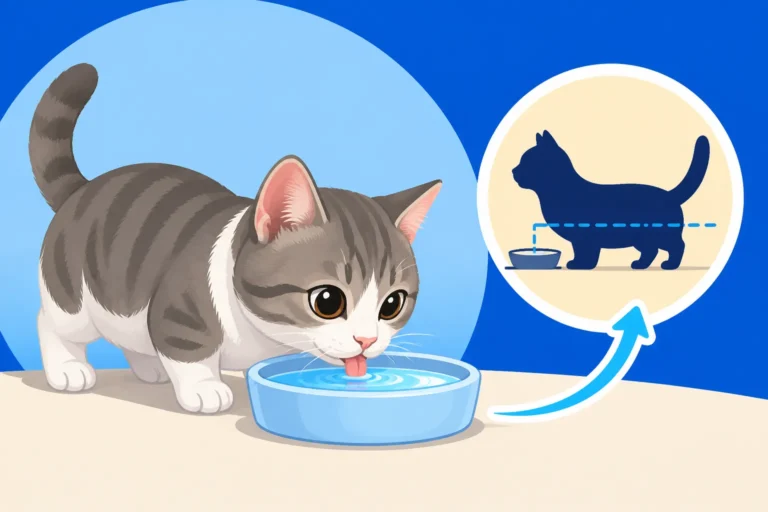
When it comes to mealtime, a Munchkin's short legs mean their head is much closer to the ground than a standard cat's. Bending down repeatedly to eat from a bowl on the floor can put strain on their neck and shoulders, especially as they grow. While they might manage it, preventing this strain from the start is a simple act of care.
Raised food and water bowls are an absolute game-changer for Munchkins. These bowls are designed to elevate their meal to a more comfortable height, allowing them to eat and drink without excessive bending or hunching. This can make a significant difference in their comfort during mealtimes and can help prevent long-term joint issues in their front limbs. You can find a variety of stylish raised feeders on Chewy or Amazon. Look for ones that are stable and at an appropriate height for your specific kitten's reach. Also, consider water accessibility; a low-profile water fountain or multiple shallow water bowls placed around the house will encourage hydration without requiring them to stretch. This ensures Why a Munchkin's Food and Water Belong at Floor Level isn't taken too literally for their comfort, but rather adapted.
Grooming Tools for Hard-to-Reach Spots
Munchkins are cats, and like all cats, they are fastidious groomers. However, their unique conformation means they can't always reach every part of their body, particularly their hindquarters and the underside of their belly. This isn't just an aesthetic issue; neglected areas can quickly lead to matting, skin irritation, and even infections, especially around the sanitary areas. It's a frustration you want to avoid for both you and your kitten.
You'll need to step in and assist with grooming from an early age to get them accustomed to it. Essential tools include a soft-bristled brush for daily maintenance, a fine-toothed comb for teasing out any tangles, and possibly a deshedding tool, especially if you have a long-haired Munchkin. Pay close attention to their rear end and around their tail, as these are prime spots for matting and getting soiled after using the litter box. Regularly checking their belly for debris is also important. Starting these grooming sessions early and making them positive experiences with treats and praise will make it much easier as they grow. Remember, you'll be Grooming the Half of a Munchkin It Cannot Reach for their entire lives.
Play and Enrichment at Their Level
Munchkin kittens are incredibly playful and curious, just like any other kitten! However, their play style will naturally be more ground-oriented. Traditional tall cat trees with widely spaced platforms or toys that hang too high can be frustrating or even dangerous if they attempt to jump and miss. The challenge is providing ample mental and physical stimulation that caters to their specific abilities.
Focus on toys that encourage ground-level chasing, batting, and pouncing. Wand toys are fantastic, allowing you to engage them without needing them to jump excessively. Small, crinkly balls, plush mice, and interactive puzzle feeders that sit on the floor are also excellent choices. When it comes to vertical enrichment, look for cat trees with closely spaced platforms or modular climbing structures that allow for a "staircase" approach rather than big leaps. You can even create your own climbing zones using sturdy, low furniture. Which Toys Work at a Munchkin's Height are ones they can confidently interact with, and Which Cat Tree Layout Suits a Munchkin prioritizes accessibility over extreme height. Platforms like Amazon offer a huge selection of toys perfect for ground-level play.
Establishing Routines and Socialization
Beyond the physical setup of your home, establishing consistent routines and thoughtful socialization strategies are vital for your Munchkin kitten's emotional well-being and development. Their unique physical attributes mean their interactions with the world, other pets, and people will require a bit more intentional guidance from you.
Gentle Handling and Play Interactions
From day one, it’s crucial to teach everyone in the household how to interact safely and gently with your Munchkin kitten. Because of their distinctive spinal structure, improper handling or rough play can pose a risk. Avoid lifting them by their front legs or allowing them to drop from heights. Their bodies are long, and their spines, while generally normal in length, carry a different load due to their short limbs.
Encourage gentle, supportive handling, always scooping them up with one hand under their chest and the other supporting their hindquarters. When playing, focus on ground-level engagement. Drag toys along the floor, roll balls for them to chase, and encourage pouncing rather than high jumps. This fosters a bond built on trust and ensures their physical safety. If your Munchkin asks to be lifted (and they often will!), make sure it's always done with care and a full supportive hold. It's important to know How to Lift a Munchkin Correctly to prevent any accidental strain.
Introducing Your Munchkin to Other Pets and Children
This is an area where careful planning can prevent a lot of stress and potential problems. A Munchkin's inability to jump and climb to escape danger means they are more vulnerable than long-legged cats when interacting with larger, more boisterous pets or small children. They simply don't have the same "flight" options. A large dog, even a friendly one, could accidentally injure a Munchkin if the Munchkin cannot easily retreat to a high perch. Similarly, a toddler who doesn't understand boundaries might unintentionally corner or hurt a Munchkin who can't jump to safety.
Introduce other pets slowly and under strict supervision. Provide your Munchkin with safe, elevated spaces (accessible by ramps or steps) where they can retreat and observe without being cornered. For children, educate them thoroughly on gentle interaction and the Munchkin's physical limitations. Emphasize that the kitten cannot jump high to escape and needs protected floor space. Creating "safe zones" on low shelves or sturdy, accessible cat trees is key. It's critical to understand Why a Munchkin Has to Be Protected From Children and Dogs and proactively set up your home to prevent any unsafe situations.
Training for Ramps and Grooming Acceptance
Starting early with positive reinforcement training can make a huge difference in your Munchkin's long-term care and comfort. They need to learn to use their ramps and steps, and they need to tolerate, and ideally enjoy, grooming sessions since they can't fully self-groom. Delaying these introductions only makes them harder later on.
To teach ramp usage, place treats or a favorite toy at different points on the ramp, gradually moving it higher. Praise and reward every successful ascent and descent. Make it a fun game, not a chore. For grooming, start with very short sessions, just a minute or two of gentle brushing, especially focusing on their hindquarters and belly. Use soft brushes and follow with immediate rewards. Gradually increase the duration as they become more comfortable. This early training establishes good habits and reinforces that these necessary activities are positive experiences. Learning How to Teach a Munchkin to Use a Ramp and Getting a Munchkin Used to Being Groomed on Its Back are foundational skills for both you and your kitten.
Nutrition and Health Foundations for Your Munchkin Kitten
Setting up your home for your Munchkin kitten also involves laying down the groundwork for their long-term health, with nutrition and preventative veterinary care being paramount. Their unique physical structure means certain health considerations, particularly around weight and joint care, need to be addressed from a young age.
Initial Vet Visit and Preventative Care
Your Munchkin kitten's very first vet visit should be scheduled within a few days of bringing them home. This isn't just a formality; it's a critical step in establishing their health baseline and discussing any Munchkin-specific considerations with a professional. The vet will perform a thorough physical exam, checking for common kitten issues and also specifically assessing their leg conformation, spine, and overall mobility.
During this visit, you'll discuss their vaccination schedule, deworming, flea and tick prevention, and microchipping. This is also your opportunity to talk about their specific breed traits, potential health predispositions, and how to monitor for any early signs of issues like lordosis or pectus excavatum, which are sometimes seen in Munchkins. Don't hesitate to ask your vet about Why a Munchkin Kitten Needs an Early Vet Check and what specific observations you should be making at home. Establishing a good relationship with a vet who understands the breed's nuances is invaluable.
Diet and Crucial Weight Management
Perhaps the most critical aspect of long-term Munchkin care, starting from kittenhood, is weight management. Because their legs are short, their spine and joints bear a greater load relative to their body size compared to a long-legged cat. Every extra ounce carries more significance and can contribute to premature joint wear and discomfort later in life. Overfeeding a Munchkin kitten can lay the foundation for serious mobility issues as an adult.
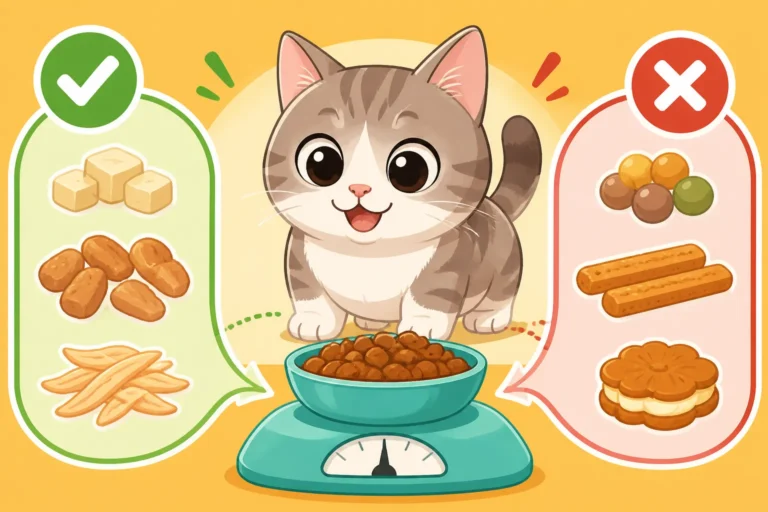
You'll want to choose a high-quality kitten food that supports healthy growth without promoting excessive weight gain. Work with your vet to determine the appropriate portion sizes and feeding schedule. Free-feeding, where food is left out all day, is generally discouraged for Munchkins. Instead, weighed, portion-controlled meals are highly recommended. Consider pre-portioned meals or quality dry and wet food options that make managing calorie intake easier. Learning Feeding a Munchkin Kitten Without Loading Its Joints means being vigilant about their calorie intake from the start.
Regularly weighing your Munchkin kitten and monitoring their body condition score is essential. You should be able to easily feel their ribs without seeing them protruding, and they should have a discernible waist when viewed from above. Maintaining a lean body condition is the single most important thing you can do to protect their joints and spine throughout their life. It really is true that Why Weight Control Is the Whole Munchkin Care Plan for their long-term health.
Setting Up for Long-Term Success
Thinking beyond the initial kitten phase, consider how your setup will adapt as your Munchkin grows. Their needs for accessibility and support will continue throughout their lives, and anticipating these can prevent future problems.
Continuing Accessibility and Mobility
As your Munchkin kitten matures, their need for accessible pathways won't diminish. The ramps and steps you installed for them to reach the sofa or bed will become even more important as they age and potentially face the natural stiffening that comes with seniority. It's easy for us to forget how critical these aids are when our young cats are still zipping around, but consistent use helps maintain their mobility and confidence. You might even consider additional ramps or steps for windowsills, cat perches, or even to help them navigate between rooms if there are subtle height differences.
Regularly check your ramps and steps for wear and tear, ensuring they remain sturdy and safe. If your Munchkin starts to hesitate using a ramp, it might be a sign it's too steep, or they're experiencing discomfort. Adjustments might be needed over time. Ensuring their environment supports their movement means they can continue to explore and enjoy their home without unnecessary strain, contributing to their overall well-being.
Lifelong Grooming and Hygiene
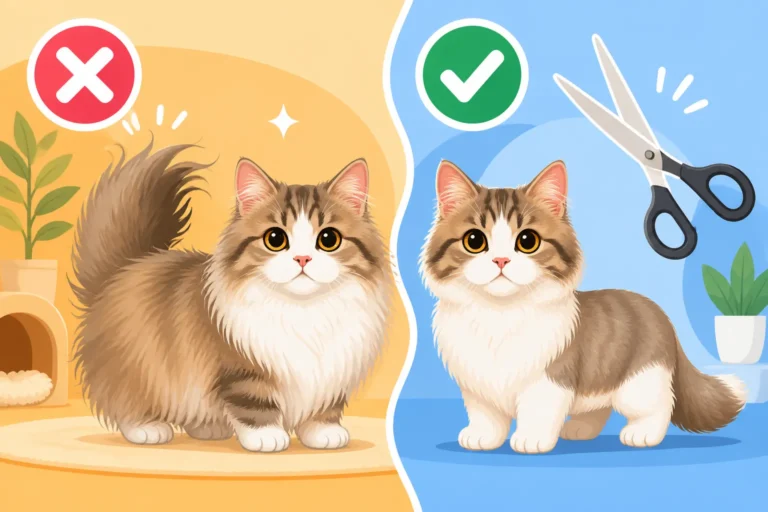
The grooming routines you establish in kittenhood will continue to be vital. As an adult, your Munchkin will still struggle to groom their hindquarters and belly, and regular brushing and occasional hygiene trims will be necessary, especially if they have long hair. Neglecting these areas can lead to painful mats that require professional grooming or even veterinary intervention, not to mention skin issues.
Maintain a consistent schedule for brushing and checking their hygiene. If you find yourself struggling to keep up, don't hesitate to seek out a professional groomer who has experience with short-legged breeds. They can provide sanitary clips and dematting services that keep your Munchkin comfortable and clean. It’s an ongoing commitment, but one that ensures your cat remains healthy and happy.
Ongoing Health Monitoring and Preventative Care
Continue regular veterinary check-ups throughout your Munchkin's life. These annual visits are crucial for monitoring their general health, weight, and especially their joint and spinal health. Your vet can perform physical examinations, discuss any changes in their gait or behavior, and recommend supplements if needed. As they enter their senior years, these check-ups might become more frequent, focusing on early detection of age-related conditions like arthritis.
Being proactive about their health means paying attention to subtle changes in their activity level, appetite, or demeanor. Early intervention can make a significant difference in managing any health challenges that arise. Keep a close eye on their weight, ensuring they remain lean. This long-term commitment to their care, built on the foundations you establish when they're a kitten, is the key to a full and comfortable life for your cherished Munchkin.
Disclaimer
This article is for general informational purposes only and does not constitute professional advice. Laws, prices and regulations vary by location and change over time. Consult a qualified professional for guidance on your specific situation.