How to Teach a Munchkin to Use a Ramp
It’s a common scenario: you bring home your adorable Munchkin cat, with those irresistible short legs, and you quickly realize that while they're full of playful energy, the world isn't quite built to their scale. High beds, comfy sofas, even certain windowsills become unreachable kingdoms, leading to frustration for both you and your little explorer. This guide is all about tackling that challenge head-on, offering practical, empathetic advice on how to gently and effectively teach your Munchkin to use a ramp, ensuring they can safely access all their favorite spots without unnecessary strain or injury.
Understanding Why Your Munchkin Needs a Ramp (and Why They Might Resist)
It’s easy to look at a Munchkin zooming across the floor and think they’re just like any other cat, only shorter. And in many ways, they are! But those distinctive short legs bring a unique set of physical realities and behavioral adaptations that we, as their human companions, need to understand to provide the best care. Ignoring these can lead to discomfort, stress, or even injury down the line.
The Physical Realities of Short Legs
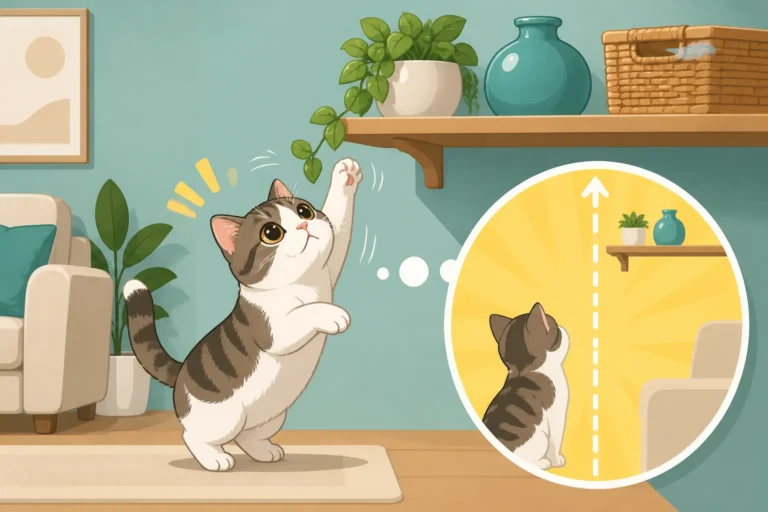
Let’s be honest, those short legs are a huge part of the Munchkin’s charm, giving them that unique, low-slung look. But functionally, they mean a different kind of movement. While a Munchkin can absolutely jump – and often with surprising agility for short bursts – every jump and landing puts more concentrated stress on their joints, particularly their shoulders and elbows, compared to a cat with standard-length legs. Imagine trying to jump onto a tall kitchen counter when you're only three feet tall; it's a much more strenuous effort than for someone who's six feet tall.
Repeatedly performing these high-impact maneuvers can contribute to wear and tear over time. We often see owners worried about their Munchkin’s long-term joint health, and for good reason. It’s not that they can’t jump, it’s that it’s often not the best thing for their little bodies in the long run. We want to protect those joints as much as possible, because a comfortable cat is a happy cat. Think about all the times your cat jumps up and down from the bed in a day, and then multiply that by a lifetime. That’s a lot of tiny impacts. Why a Munchkin's Elbows Take the Landing is a topic many owners research, highlighting this very concern. Owners frequently ask Whether a Munchkin Should Be Discouraged From Jumping, and the answer usually leans towards providing alternatives.
Natural Feline Instincts vs. Physical Limitations
Cats, by nature, are climbers and observers. They love high perches because it gives them a sense of security, a vantage point to survey their domain, and a cozy spot away from the hustle and bustle of floor-level activity. Your Munchkin is no different in terms of these innate desires. They want to be up on the sofa next to you, watching the birds from the windowsill, or sleeping soundly on your bed. The instinct is there, strong and clear.
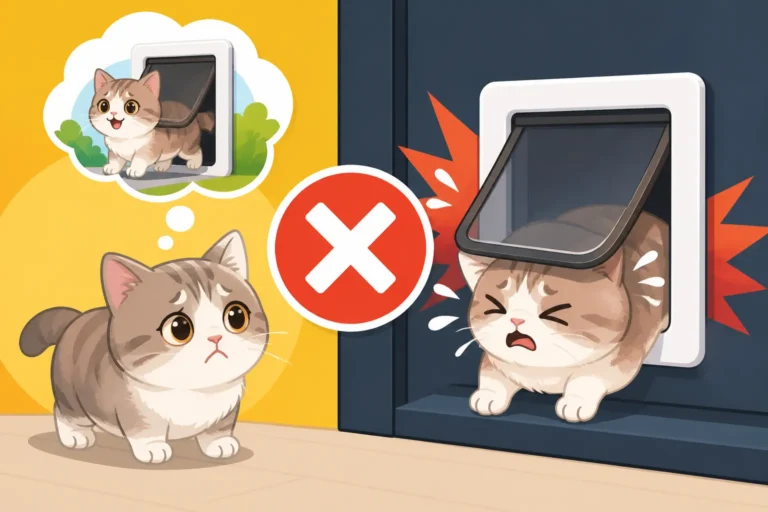
The challenge arises when their physical build doesn't quite match these instincts. They see the enticing height, their little brains say "go!", but their legs say "hold on a minute!". This can lead to frustration, repeated failed attempts, or them simply giving up on reaching those coveted spots, which can diminish their quality of life. When your Munchkin resists a ramp, it’s not necessarily stubbornness. It might be a combination of not understanding its purpose, finding it unstable, or simply being used to the idea that heights are a struggle. They might need a little help connecting the dots between the ramp and the reward of reaching a desired spot.
Common Areas Where Ramps Are Crucial
When you start to look at your home through your Munchkin's eyes, you’ll quickly spot all the places where a ramp could make a world of difference. The most obvious ones are often the furniture pieces that we humans use daily. Your bed, the sofa, and comfortable armchairs are prime examples. For a Munchkin, these represent cozy napping spots and prime cuddle real estate, but getting up and down can be a constant struggle.
Beyond comfort, consider safety. Ramps are incredibly important for access to things like windowsills, allowing them to enjoy some sunbathing and bird-watching without dangerous leaps. Even the litter box can be a challenge. Many standard litter boxes have high sides that require a significant step-up, which can become uncomfortable or difficult, especially as a Munchkin ages. Providing a low-entry option, or even a small ramp leading into a regular box, can prevent accidents and ensure they maintain good litter habits. Thinking proactively about Where a Munchkin Most Needs a Step can really improve their daily life and prevent future joint issues.
Setting Up for Success: Choosing and Placing Your Munchkin's Ramp
Introducing a ramp isn't just about placing a piece of wood or plastic in front of a sofa. It's about thoughtful selection and strategic placement to make it as inviting and natural as possible for your Munchkin. This stage is crucial because a poorly chosen or placed ramp can actually deter your cat from using it.
Selecting the Right Ramp
The market is flooded with pet ramps, but not all are created equal, especially for a Munchkin. When you're browsing options, perhaps on a site like Amazon, keep a few key features in mind. Firstly, surface material is paramount. You want something with good traction. Carpeted ramps, or those with a non-slip textured surface, are ideal. Smooth plastic or polished wood will be too slippery and feel insecure for your cat, making them hesitant to use it. Cats rely on their claws for grip, and a slick surface removes that advantage entirely.
Next, consider the angle and stability. A ramp for a Munchkin should have a gentle incline – definitely not steep. A steep ramp will feel intimidating and difficult to navigate, and it might even cause them to slip. This is often why a Munchkin will ignore a ramp; they just don't trust it. Why a Munchkin Refuses a Steep Ramp is a common frustration for owners. Look for ramps designed for small dogs or senior pets, as these often have a more gradual slope. Crucially, the ramp must be stable. It should not wobble, shift, or creak when your cat puts weight on it. Any perceived instability will make your Munchkin wary and likely lead to them avoiding it altogether. Finally, think about width. A ramp that's too narrow might make your cat feel confined or unbalanced. A wider ramp (at least 12-15 inches) provides more room for comfortable movement and confidence. If you're wondering How Wide a Munchkin's Ramp Needs to Be, wider is generally better for their comfort and security.
Strategic Placement for Maximum Appeal
Once you have the perfect ramp, where you place it makes all the difference. The goal is to make the ramp feel like a natural extension of the furniture, not an awkward obstacle. Position the ramp directly against the item your Munchkin wants to access – whether it's the edge of your bed, the front of the sofa, or leading up to a window perch. It should line up perfectly so there's no gap or jump required at either end.
Think about the flow of the room. Does the ramp block a common pathway or feel out of place? If so, your cat might try to navigate around it rather than on it. Sometimes, a multi-level home or a particularly large room might require more than one ramp. Don't be afraid to add several ramps throughout your house to different pieces of furniture if it means your Munchkin can move freely and safely. Imagine their delight when they realize they can reach all their favorite spots with ease! Creating an environment where they can access everything on a single plane is often beneficial, as discussed in How to Arrange a Munchkin's Room in One Plane.
Creating a Safe and Inviting Environment
Beyond the ramp itself, consider the surrounding area. Is the landing surface at the top of the ramp stable and inviting? If your Munchkin reaches the top of the ramp only to find a slippery bedspread or a precarious pile of pillows, they might quickly decide the effort isn't worth the risk. Ensure the destination is as stable and welcoming as the ramp itself.
Remove any potential hazards or distractions around the ramp. A noisy fan, a swinging door, or even a large, boisterous dog playing nearby could make your Munchkin hesitant to approach or use the ramp. The area should feel calm, safe, and positive. You can even make it extra appealing by placing a favorite blanket or a small, beloved toy at the top of the ramp, giving them an extra incentive to explore. The idea is to make the ramp a seamless, positive part of their environment.
Step-by-Step Training: Gentle Methods to Encourage Ramp Use
Now that you have the right ramp in the right place, it's time for the training. Remember, patience is a virtue, especially with cats! They learn at their own pace and respond best to positive, gentle encouragement. Force or frustration will only make them more resistant.
The Power of Positive Reinforcement
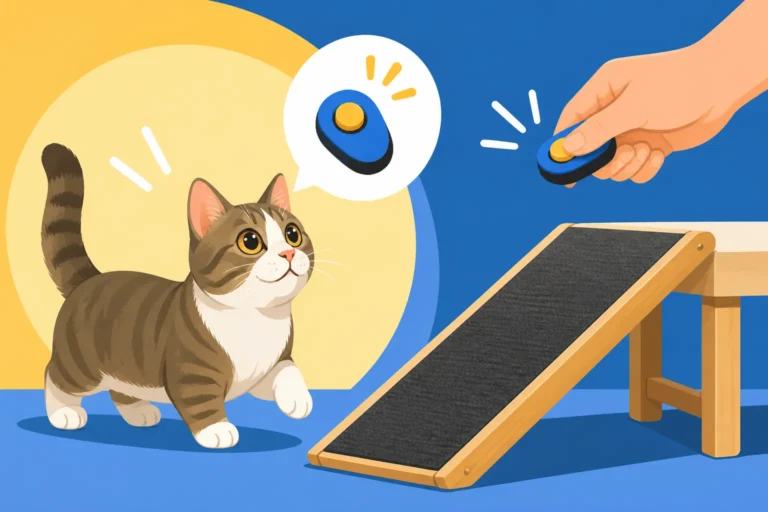
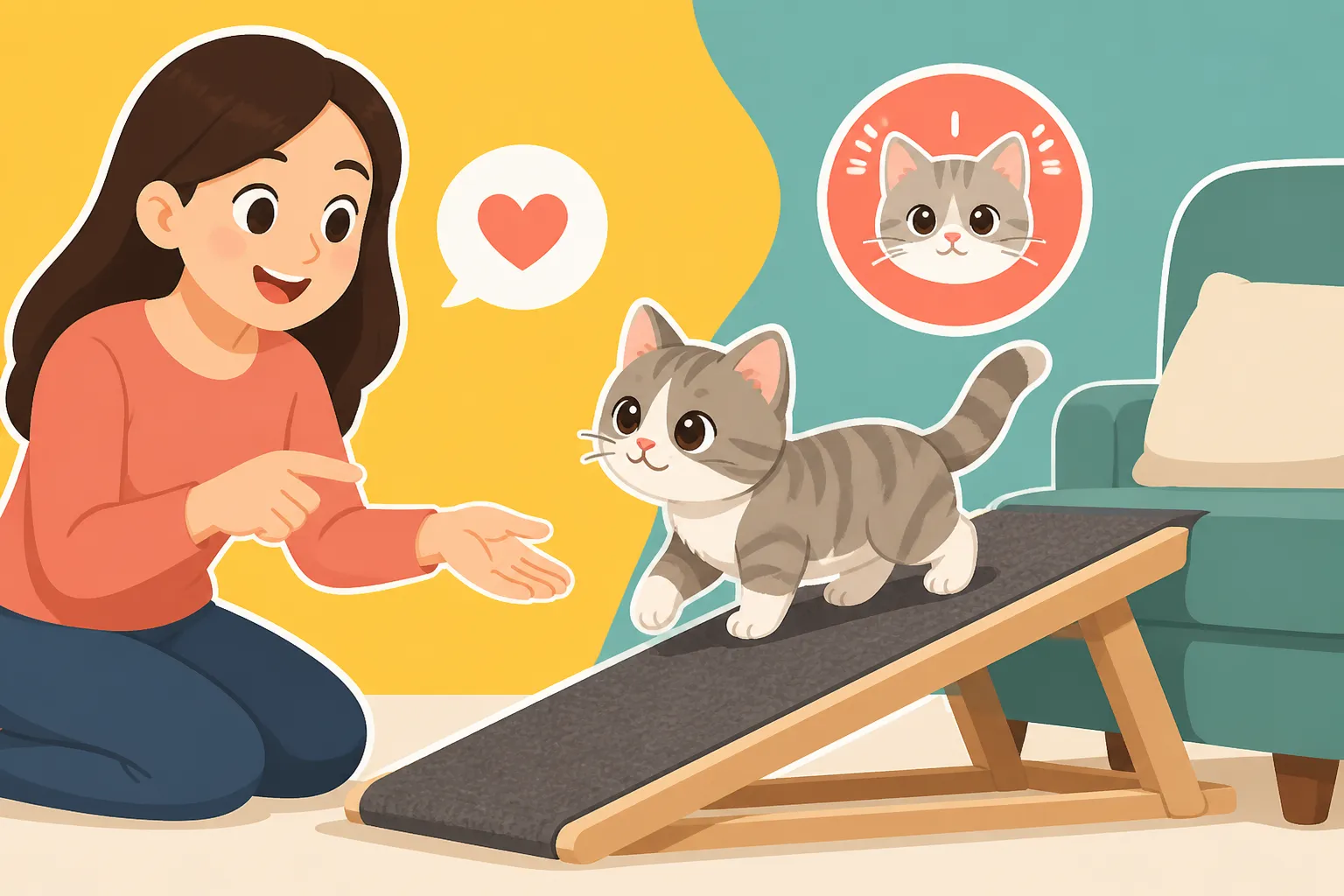
Cats are incredibly intelligent creatures, and they respond beautifully to positive reinforcement. For a Munchkin, this means making the ramp a source of good things. Think high-value treats (like small pieces of cooked chicken or salmon), enthusiastic praise ("Good kitty!"), and gentle petting. Start small. Don't expect them to march up the entire ramp on the first try.
Begin by simply rewarding them for being near the ramp. Drop a treat a few inches from the bottom. Once they're comfortable with that, place a treat on the first step, then the second. Gradually, you'll work your way up. Each tiny step onto the ramp, each investigation, should be met with praise and a reward. The goal is to build a strong, positive association: "Ramp equals good things!" Consistency is key here; every interaction with the ramp should be a pleasant one.
Scent and Familiarity
Cats are very scent-oriented creatures. A strange, new object in their territory can be viewed with suspicion. You can help make the ramp feel more familiar and welcoming by infusing it with scents they already know and love. Drape a favorite blanket or a worn t-shirt that smells like you (or them!) over a section of the ramp. This can make it feel less like an alien object and more like part of their safe space.
Another excellent tool is catnip or Feliway spray. A light spritz of Feliway (a synthetic feline facial pheromone that creates a sense of calm and security) on or near the ramp can help reduce any anxiety they might feel. If your Munchkin responds well to catnip, sprinkle a tiny bit on the ramp's surface to entice them to explore. These scent cues can be powerful motivators for curious felines.
Gradual Introduction and Luring Techniques
The most effective way to teach ramp use is through a gradual, step-by-step process. Never push or force your Munchkin onto the ramp. Instead, let them discover it at their own pace, guided by your encouragement.
- Start Low: If possible, begin with the ramp at a very shallow angle, perhaps even lying mostly flat on the floor, leading to a favorite blanket or toy. Reward any interaction.
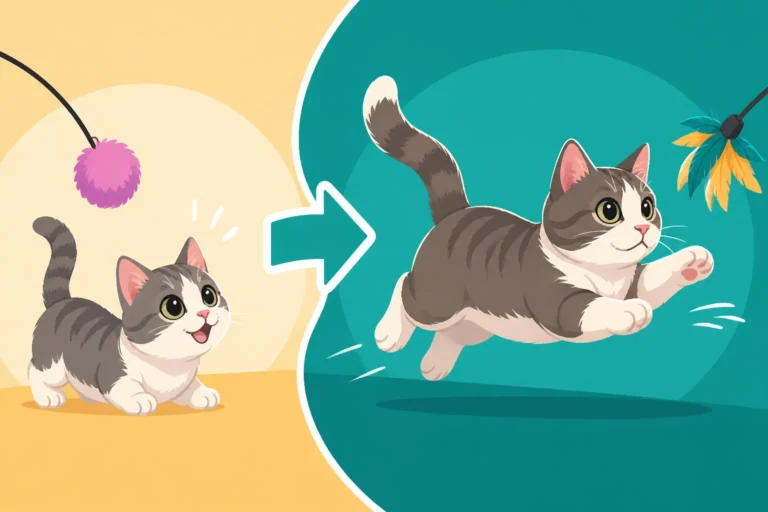
- Lure with Treats or Toys: Use a wand toy or a highly appealing treat to lure your Munchkin onto the first step. Gently guide them, letting them initiate the movement. As they take a step or two, reward generously. Which Wand Toys Suit a Munchkin's Reach are particularly effective for this kind of floor-level engagement.
- One Step at a Time: Don't try to get them to go all the way up immediately. Focus on just getting them comfortable with a few steps. Once they master that, gradually increase the distance.
- Gradually Increase Height: As your Munchkin becomes more confident, you can slowly increase the ramp's angle or height until it reaches its intended destination (bed, sofa, etc.).
- Practice Going Down: Once they're comfortable going up, gently encourage them to come down the ramp using the same luring techniques. It's just as important for them to feel safe descending.
Here’s a little table to help you visualize the process:
| Step Number | Action | Reward | Goal |
|---|---|---|---|
| 1 | Place ramp, reward sniffing/proximity | Treat, verbal praise | Establish positive association with ramp's presence |
| 2 | Place treat on first step | Treat, verbal praise | Encourage a paw onto the ramp |
| 3 | Lure with toy/treat to take a few steps up | High-value treat, enthusiastic praise | Build confidence on the lower section of the ramp |
| 4 | Lure all the way up the ramp | Jackpot treat, lavish praise | Encourage full ascent to the destination |
| 5 | Lure down the ramp | Treat, verbal praise | Ensure safe and confident descent |
| 6 | Repeat regularly, vary locations | Varied treats/toys, affection | Solidify ramp use as a natural behavior |
Consistency and Routine
Just like any new skill, consistency is key. Short, frequent training sessions (5-10 minutes, several times a day) are far more effective than one long, grueling session that might lead to frustration. Try to incorporate ramp use into their daily routine. For example, before mealtime, guide them up the ramp to a favorite spot for a small portion of their food. Or use it as part of their playtime, leading them up and down during a game.
Every successful trip up and down the ramp, no matter how small, reinforces the behavior. Eventually, your Munchkin will start to use the ramp independently, without prompting. This is the ultimate goal: creating a seamless, accessible environment where they can safely navigate their world. Over time, you can even teach them to use a ramp on cue, which can be incredibly useful. How to Teach a Munchkin to Use its Ramp on Cue details this advanced training.
Troubleshooting Common Challenges and Adapting for Success
Even with the best intentions and methods, your Munchkin might not take to the ramp immediately. It's totally normal for them to be a bit hesitant or even outright refuse at first. The key is to be patient, observe their behavior, and be ready to adapt your approach.
When Your Munchkin Flat-Out Refuses
It can be disheartening when you’ve set everything up perfectly, and your Munchkin still gives the ramp the cold shoulder (or the suspicious sniff). If they're completely refusing, it’s time to play detective. First, re-evaluate the ramp itself. Is the angle truly gentle enough? Is the surface actually non-slip? Does it wobble even slightly? Sometimes a very minor instability can be a huge deterrent for a sensitive cat. Try placing a heavier object at the base or securing it with non-slip pads if it moves on hard flooring.
Consider if the ramp itself is just not the right fit for your cat's personality. Some cats simply prefer steps over a continuous ramp. If you've tried everything with a ramp and they're still not budging, Whether a Munchkin Prefers a Ramp or Steps might give you some insight. Perhaps a set of sturdy pet stairs, with low risers and a gentle incline, would be more appealing. There are many options available on platforms like Amazon that mimic steps rather than a smooth slope. Remember, the goal is access, not adherence to one specific piece of equipment. Also, try placing something truly irresistible at the top – not just a treat, but perhaps a newly opened can of their favorite wet food, or a toy they absolutely cannot resist. The lure needs to be stronger than their reluctance.
Dealing with Fear or Anxiety
Sometimes, refusal isn’t just disinterest; it can stem from genuine fear or anxiety. A new, large object in their space can be intimidating. If your Munchkin is showing signs of fear – flattened ears, tail tucked, hissing, or running away – you need to back off and go back to basics. The ramp should be introduced very, very gradually. Start by simply having the ramp in the room, perhaps even away from the furniture it's intended for, and rewarding your cat for any calm presence near it. Don’t even expect them to touch it initially.
Create a "safe zone" around the ramp using their bed, familiar blankets, or Feliway diffusers. Let them investigate it on their own terms, over several days, or even weeks. You can try playing near the ramp with a favorite toy, showing them that it's nothing to be afraid of. If the anxiety seems severe or persistent, or if you suspect there might be an underlying issue like pain preventing them from using it, it's always wise to consult with your veterinarian. They can rule out medical conditions and may offer additional behavioral advice or refer you to a feline behaviorist.
Maintaining Ramp Use as They Age
Munchkins, like all cats, will experience changes in mobility as they get older. Those same joints we worried about protecting when they were kittens become even more delicate as seniors. Ramps that were perfectly fine for a young, spry Munchkin might become too challenging for an older one with stiff joints or early arthritis. This is when ramps become not just convenient, but absolutely vital for their continued comfort and independence. Caring for an Old Munchkin That Has Stopped Climbing means re-evaluating their environment.
As your Munchkin enters their senior years, typically around eight to ten years old, you might notice them slowing down, hesitating more, or even abandoning certain heights they once navigated with ease. This is your cue to reassess their ramps. You might need to add more ramps to more locations, or replace existing ramps with ones that have an even shallower incline or wider surface. Sometimes, simply ensuring the ramp is impeccably clean and stable is enough. Why an Old Munchkin Needs Its Route Lowered is about making their daily life as effortless as possible. Continue to use positive reinforcement, even with older cats, to remind them that the ramp is their friend. Regular vet check-ups are also crucial during this time to manage any age-related joint pain that could be impacting their willingness to use the ramp.
Disclaimer
This article is for general informational purposes only and does not constitute professional advice. Laws, prices and regulations vary by location and change over time. Consult a qualified professional for guidance on your specific situation.