Why a Munchkin Should Never Have a Cat Flap
It's a common dilemma for cat owners, isn't it? You want your furry friend to have the freedom to come and go as they please, to enjoy a bit of fresh air and explore the backyard. For many cat breeds, a simple cat flap seems like the perfect solution, offering independence and convenience. But if you're a proud Munchkin parent, you've likely already started to notice that your adorable short-legged companion operates a little differently from their long-legged cousins. The truth is, a standard cat flap, or even outdoor access through one, presents a unique set of challenges and dangers for a Munchkin cat that make it an ill-advised choice. This guide will walk you through exactly why a Munchkin and a cat flap are generally not a safe combination, and what you can do instead to ensure your little one thrives.
The Physical Limitations of a Munchkin and Cat Flaps
The defining characteristic of a Munchkin cat, of course, is their delightfully short legs. While these legs are perfectly suited for their unique ferret-like gait and floor-level adventures, they pose significant obstacles when it comes to navigating vertical barriers like a cat flap. It's not just about reaching the opening; it's about the mechanics of getting through it safely and comfortably.
Struggling with the Height and Step-Through
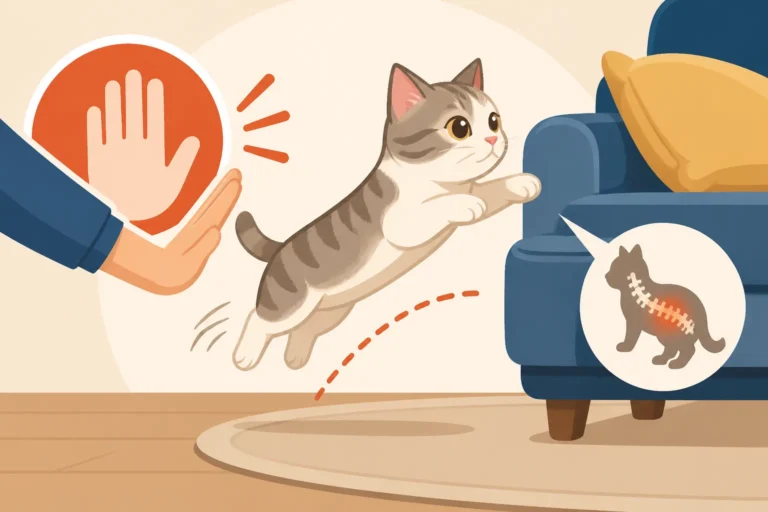
Imagine a standard cat flap, usually positioned a few inches off the ground to prevent drafts or small critters from getting in too easily. For a typical cat, this might be a small jump or a simple step-over. For a Munchkin, that "small jump" can be a monumental effort, if not entirely impossible. Their legs simply aren't designed for high leaps, and asking them to clear even a modest lip can put undue strain on their joints and spine.
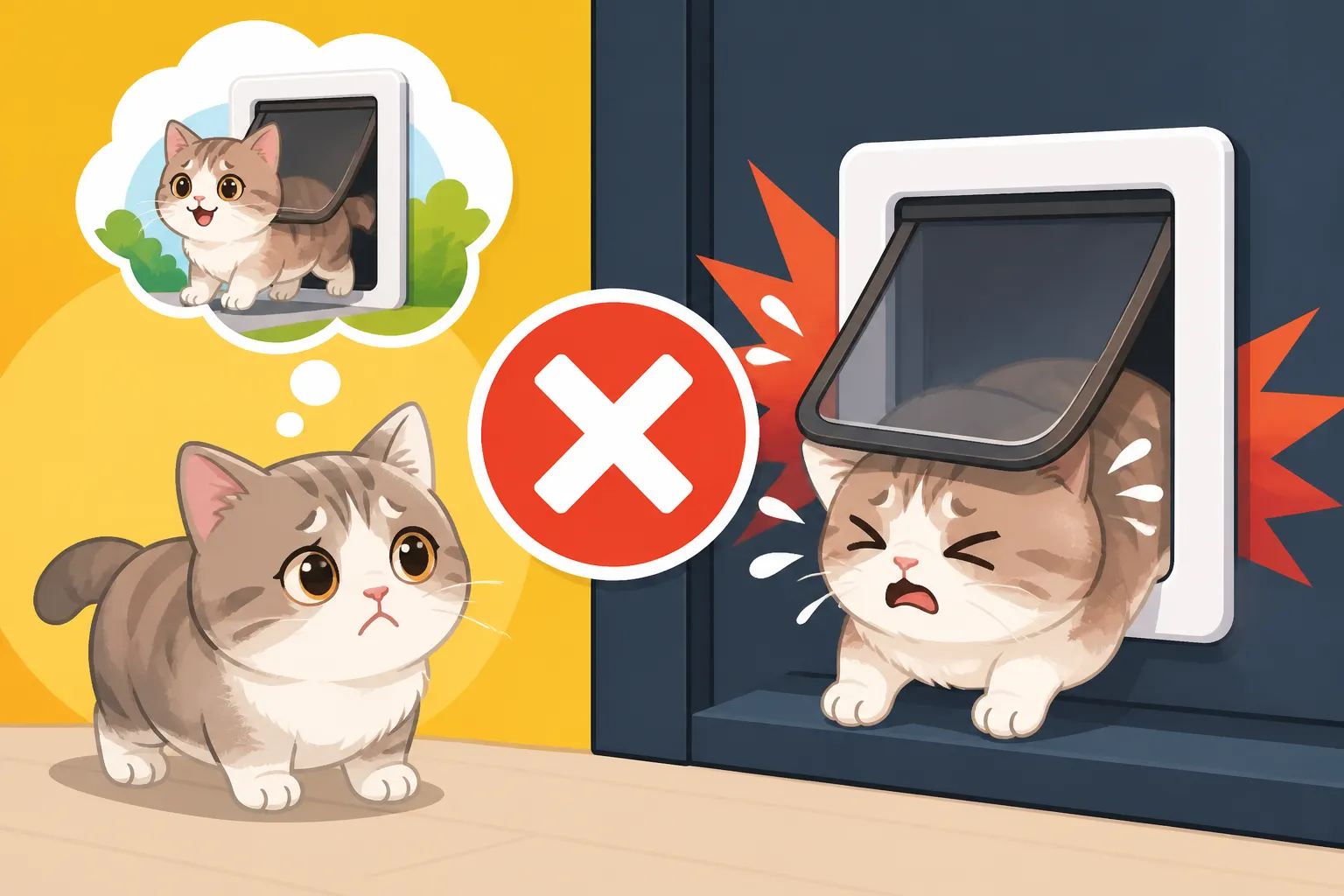
Even if they can somehow reach the opening, the act of stepping through can be awkward and potentially painful. A long-legged cat pushes off with its hind legs and glides through. A Munchkin, however, has to practically crawl through, potentially dragging its belly or hindquarters along the bottom edge. This isn't just undignified; it can lead to scrapes, discomfort, and a strong aversion to using the flap at all. Think about how difficult it would be for you to climb through a tiny window just above your knees – that's often the equivalent challenge for a Munchkin. Their short stature means their centre of gravity is very low, which is great for cornering, but terrible for negotiating height.
Risk of Injury During Entry and Exit
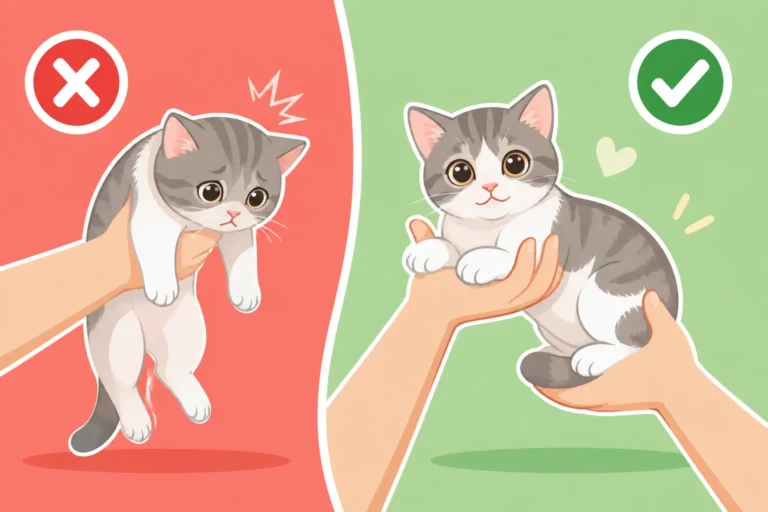
The physical struggle of using a cat flap isn't just about inconvenience; it carries a genuine risk of injury. A Munchkin might get stuck, twist a leg, or even injure their delicate spine trying to maneuver through a flap that isn't designed for their unique body shape. We know that Why a Munchkin's Spine Carries a Load a Normal Cat's Does Not, and any awkward movements or impacts can exacerbate this vulnerability.
Consider a scenario where your Munchkin is trying to get back inside during a sudden downpour or when startled by a loud noise. In their haste, they might rush the flap, leading to a clumsy entry that results in a sprain or worse. Their small size and specific proportions mean that movements that are benign for a regular cat can be hazardous for them. Furthermore, if a cat flap has a strong spring mechanism, it could snap back on them, causing a painful blow to their head or back before they've fully cleared the opening. This isn't a minor concern; it's a genuine safety hazard that could lead to costly vet visits and chronic pain for your beloved pet.
Increased Risks of Outdoor Access for Munchkins
Beyond the physical challenge of the cat flap itself, granting unsupervised outdoor access to a Munchkin cat through any means, let alone a flap, introduces a host of risks directly related to their short stature and unique movement.
Vulnerability to Predators and Other Animals
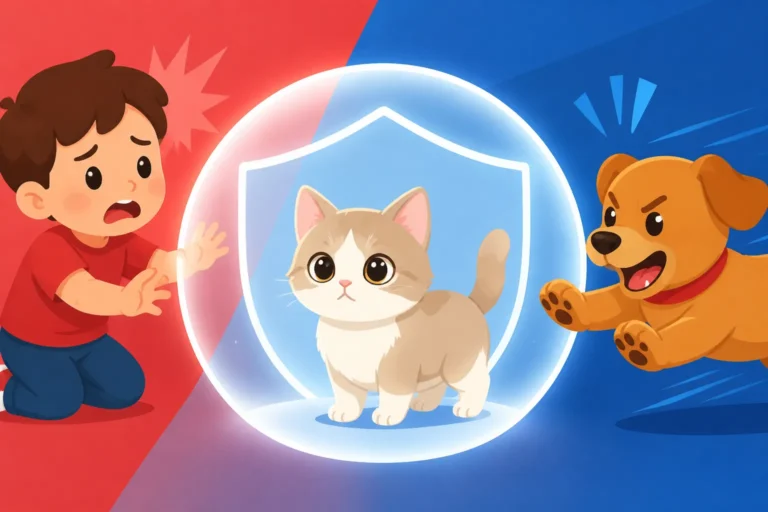
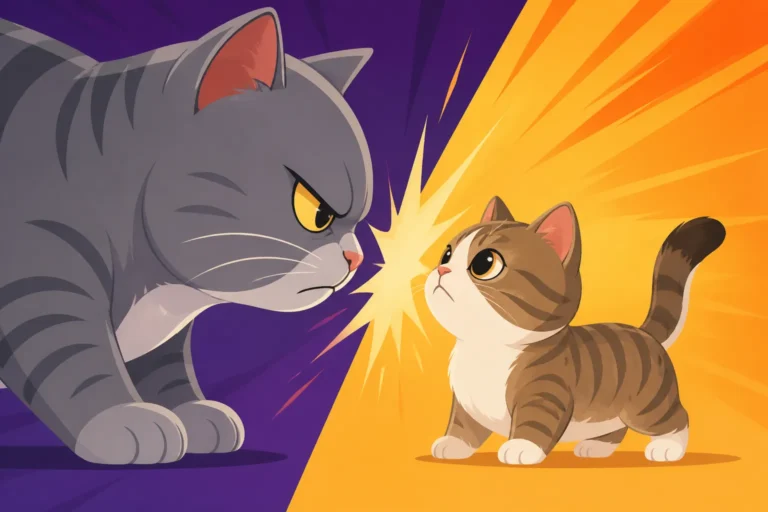
Outdoors, a Munchkin is at a distinct disadvantage. Their short legs mean they cannot run as fast or jump as high as a typical cat when faced with danger. A dog, a coyote, or even an aggressive long-legged cat could easily overpower or trap a Munchkin. While they are surprisingly quick on the flat, they cannot escape a determined predator by climbing a fence or scrambling up a tree as quickly as other cats might. Their ability to How a Munchkin Changes Direction at Speed might help on flat ground, but it won't help them scale a wall. This lack of escape options makes them incredibly vulnerable.
Imagine your little Munchkin, trotting confidently in your garden, only to be suddenly confronted by an unfamiliar, territorial dog that has found its way in. A regular cat might dart up the nearest tree or hop over a fence in seconds. Your Munchkin, however, would be left trying to scurry away on the ground, with very limited options for vertical escape. This isn't a hypothetical fear; it's a very real danger that could lead to severe injury or worse.
Inability to Navigate Obstacles and Terrain
The outdoor world is full of obstacles: tall grass, uneven ground, small ditches, and even curbs. For a Munchkin, these mundane features can become insurmountable barriers. A thick patch of weeds might feel like a dense jungle, and a small curb could be a significant wall. If they wander too far from your immediate yard, they could easily get lost or trapped in an area they can't navigate. What a Munchkin Does When It Cannot Get Away is not a pleasant thought.
Think about a common garden scenario: a raised flower bed or a low retaining wall. A normal cat jumps these without a second thought. A Munchkin might attempt to scramble, straining their back and legs, or simply give up and be confined to a smaller area. If they encounter a sudden drop or a steep incline, they might struggle to maintain balance or even injure themselves attempting to descend. Their unique physicality, while charming indoors, is simply not suited for the unpredictable and often challenging terrain of the great outdoors. This is why careful Making One Room Reachable for a Munchkin All Day is so important indoors.
Risk of Getting Lost or Hit by Traffic
Because a Munchkin cannot easily climb to safety or cover large distances quickly, they are at a much higher risk of becoming lost or encountering traffic. If they wander onto a road, their low profile makes them harder for drivers to spot, especially at dusk or dawn. Their inability to jump onto car hoods or scramble over walls reduces their chances of escaping oncoming vehicles.
A lost Munchkin is also harder to find. They can't scale fences or walls to get out of strange yards, and their short legs make long-distance travel exhausting and risky. A Munchkin relies heavily on floor-level routes, which might not be the safest in an unfamiliar environment. The potential for a tragic accident or permanent disappearance is significantly higher for a Munchkin allowed free outdoor access compared to a long-legged cat.
The Argument Against Outdoor Munchkins in General
Given their inherent physical traits, many experts and ethical breeders advocate for Munchkins to be strictly indoor cats. A cat flap essentially bypasses any control you have over their outdoor excursions, making it an even riskier proposition.
Protecting Their Delicate Spine and Joints
While Munchkins are generally robust and playful, their unique skeletal structure does mean they carry a different load on their spine and joints compared to other cats. While Why a Munchkin's Spine Is Normal Length, the acute angles created by their short legs mean activities that involve repeated jumping, climbing, or rough landings can put extra stress on their system. The outdoors, with its unpredictable surfaces and need for quick maneuvers, is a constant source of these stresses. Over time, this can contribute to conditions like osteoarthritis, potentially earlier than in other breeds.
An outdoor Munchkin is exposed to countless situations that encourage these problematic movements. Jumping down from a low garden wall, scrambling under a bush, or navigating steps can all put strain on their shoulders, elbows, and spine. Even if they don't suffer an acute injury, the cumulative effect of these daily stresses can impact their long-term health and quality of life. This is why indoor environments, carefully adapted with ramps and steps, are so crucial for their well-being. Why a Munchkin's Shoulders Wear First is a good read if you want to understand more about this.
Preventing Parasites and Disease Exposure
Any outdoor cat is at a higher risk of picking up fleas, ticks, internal parasites, and various infectious diseases from other animals. For a Munchkin, whose grooming might be slightly hampered by their short legs (making it harder to reach certain areas of their body), external parasites can become particularly irritating. While regular preventative care is essential for all cats, limiting outdoor exposure significantly reduces the chances of encountering these health threats.
Consider the common issue of a Munchkin struggling to groom its hindquarters effectively. If they pick up fleas or ticks in an outdoor environment, these areas can quickly become irritated or infested, leading to skin problems that are harder for them to manage themselves. Whether Matting Becomes a Health Problem in a Munchkin is a real concern if they cannot keep themselves clean. Keeping them indoors means you have more control over their environment and reduce their exposure to these common ailments, contributing to a healthier and happier life.
The Importance of a Controlled Environment
Ultimately, keeping a Munchkin strictly indoors provides the most controlled and safest environment for them. It allows you to protect them from traffic, predators, harsh weather, and unknown diseases. Instead of relying on a cat flap that puts them at risk, you can create a stimulating and enriching indoor world tailored to their unique needs.
This isn't about denying them joy; it's about providing a safe space where they can thrive without facing dangers they are ill-equipped to handle. You can offer them window perches (with ramps, of course!), interactive toys, and plenty of floor-level play to satisfy their natural instincts. The goal is to maximize their quality of life by minimizing preventable risks.
Here's a quick overview of why a cat flap is generally a bad idea for a Munchkin:
| Concern | Impact on Munchkin | Why a Cat Flap Worsens It |
|---|---|---|
| Physical Difficulty | Short legs struggle with height and step-through. | Designed for standard cats, creating a physical barrier. |
| Injury Risk | Prone to twisting legs, spinal strain, getting stuck. | Awkward entry/exit increases chances of acute injury. |
| Predator Vulnerability | Cannot jump high or run fast enough to escape. | Grants unsupervised access to potentially dangerous areas. |
| Outdoor Obstacles | Difficulty navigating uneven terrain, curbs, long grass. | Exposes them to environments they cannot safely manage. |
| Getting Lost/Traffic | Low profile, slow escape makes them high-risk. | Allows them to wander into dangerous public spaces. |
| Spinal/Joint Strain | Increased stress from jumping/landing, potential arthritis. | Encourages frequent strenuous movements not suited to them. |
| Parasite/Disease | Higher exposure, self-grooming may be hindered. | Direct contact with outdoor elements and other animals. |
Safer Alternatives for Outdoor Enrichment and Indoor Access
So, if a cat flap is out, how can you provide your Munchkin with a fulfilling life, including some outdoor experiences, without putting them at risk? The key is controlled access and thoughtful enrichment.
Harness Training and Leashed Walks
One of the best ways to allow your Munchkin to experience the outdoors safely is through harness training and leashed walks. Many Munchkins take very well to a harness and enjoy exploring a safe, quiet outdoor space under your direct supervision. This gives them the sensory stimulation of fresh air, new smells, and different textures underfoot, all while keeping them secure.
When choosing a harness, look for one specifically designed for cats, ensuring it's snug enough that they can't wriggle out but comfortable enough not to chafe their short legs or delicate throat. A good option might be found on Amazon, which offers a wide selection of cat harnesses. Start with short sessions indoors, gradually introducing them to the harness and leash before venturing outside. Choose a quiet area, like your own fenced yard or a calm park, and always stay attentive to their surroundings. This way, they get to explore, but you retain full control over their safety. Remember, Which Harness Fits a Munchkin's Body is crucial for comfort and security.
Catios and Enclosed Outdoor Spaces
If you have the space and budget, a "catio" (an enclosed outdoor patio for cats) is an excellent solution. A catio provides a safe, secure outdoor environment where your Munchkin can enjoy the fresh air, watch birds, and bask in the sun without any risk of escape or encountering predators. You can design it with ramps and low platforms to accommodate their short legs, making it a true outdoor haven.
You can buy pre-made catios or build your own. Ensure the enclosure is fully secure, with no gaps where a small cat could squeeze through. Equip it with comfortable perches, scratching surfaces, and toys. This gives your Munchkin the best of both worlds: outdoor stimulation in a perfectly safe and controlled setting. For ideas on suitable ramps and platforms within a catio, you might find inspiration and components on sites like Amazon, looking for pet steps or small ramps that are specifically low-rise. What a Munchkin Sized Catio Needs will help you plan one.
Adapting Your Indoor Environment
While not strictly "outdoor access," creating an engaging and accessible indoor environment is paramount for a Munchkin's well-being. Since they can't jump like other cats, you need to bring the high places down to them or provide assistance. This means ramps, steps, and strategically placed furniture.
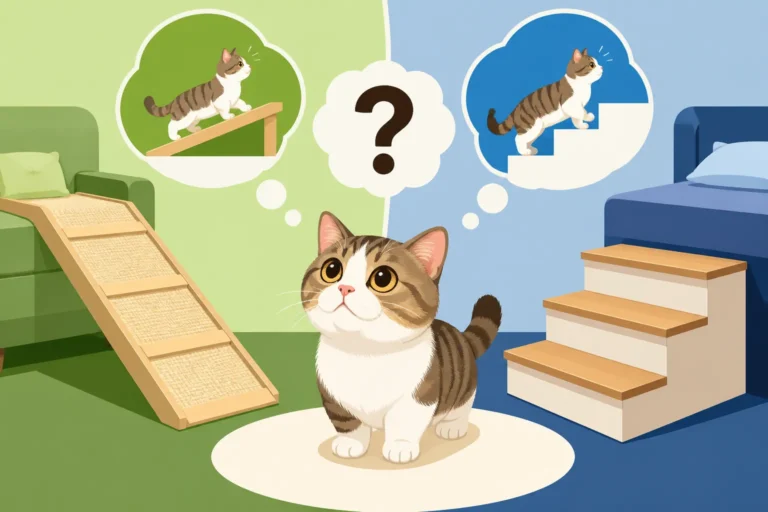
Consider installing pet steps or ramps next to your sofa, bed, and any favorite window perches. Look for low-entry litter boxes that they can easily walk into, preventing strain on their joints. Why a Munchkin Needs a Litter Box It Can Walk Into is a major factor in their comfort. Invest in cat trees that have platforms close together, allowing them to climb safely, or choose horizontal scratchers. By thoughtfully adapting your home, you ensure your Munchkin can explore, play, and rest comfortably without constantly struggling against vertical barriers. What Ramps for a Munchkin Cost to Buy can give you an idea of the investment, but it's well worth it for their long-term health.
Considerations for a Happy Indoor Munchkin
Ensuring your Munchkin is happy and healthy indoors involves more than just physical adaptations. It's about meeting their mental and emotional needs too.
Regular Play and Mental Stimulation
Munchkins are incredibly playful and intelligent cats. Even without free outdoor roaming, they need plenty of mental and physical stimulation. Engage them with interactive toys, puzzle feeders, and regular play sessions. Think about toys that stay at floor level, like feather wands you can drag across the floor, laser pointers, or small rolling balls. Which Toys Work at a Munchkin's Height will be your best friend here.
Don't forget the power of enrichment. Rotate their toys to keep things interesting, and spend quality time playing with them every day. A bored Munchkin might become destructive or withdrawn. By providing ample opportunities for play and exploration within their safe indoor environment, you're fostering their natural curiosity and energy. Remember, even though they can't reach the kitchen counter on their own, a little supervised play with a wand toy can let them "catch" things high up.
Proper Grooming and Health Monitoring
As previously mentioned, a Munchkin's short legs can sometimes make self-grooming, especially of their hindquarters, a bit of a challenge. Regular brushing from you is essential, particularly for longhaired Munchkins, to prevent mats and keep their coat healthy. Pay close attention to their belly and rear end, where fur can get matted or soiled. How Often a Longhaired Munchkin's Back Half Needs Brushing is something to establish early.
Routine vet check-ups are also crucial to monitor their overall health, including their joints and spine. Discuss any concerns about their movement or comfort with your veterinarian. Being an indoor cat doesn't mean they don't need regular preventative care; in fact, a vigilant owner is their best defense against potential health issues. Knowing Which Health Problems the Munchkin Actually Has can help you be proactive.
Choosing not to install a cat flap for your Munchkin isn't about being overly cautious; it's about being a responsible pet parent who understands and respects the unique needs and limitations of their beloved companion. By providing a safe, adapted, and enriching indoor environment, with controlled outdoor experiences, you'll ensure your Munchkin lives a long, happy, and healthy life free from unnecessary risks.
Disclaimer
This article is for general informational purposes only and does not constitute professional advice. Laws, prices and regulations vary by location and change over time. Consult a qualified professional for guidance on your specific situation.