Making One Room Reachable for a Munchkin All Day
It’s a common worry for many Munchkin cat parents: how do you ensure your adorable, short-legged companion can fully enjoy and navigate their living space, especially when you can't be there to lift them onto every surface? The frustration of watching them struggle, or the guilt of knowing they might be missing out on engaging with their environment, is real. This guide is here to walk you through transforming a single room into a completely accessible, stimulating, and safe haven for your Munchkin, ensuring they can experience joy and independence all day long.
Understanding Your Munchkin's Unique Perspective of a Room
When you have a Munchkin cat, it’s not just about their undeniable cuteness; it's about understanding the world from their unique, lower vantage point. What seems like a simple step for a long-legged cat can be an insurmountable cliff for a Munchkin. Recognizing these differences is the first crucial step in creating a truly enriching environment for them.
The World from a Lower Vantage Point
Imagine navigating your home if everything above your knees was suddenly out of reach. That's often the reality for a Munchkin. While they are incredibly clever and adaptable, their short stature means that standard furniture, windowsills, and even some cat products are simply too high for them to access independently. They don't just "want" to get to these places; their natural feline curiosity and need for exploration compel them to try. This can lead to repeated, sometimes frustrating, attempts to jump onto a sofa or bed, or them simply giving up and missing out on vertical spaces that other cats take for granted. Understanding this limitation isn't about pity; it's about empowering them to live a full, independent life within their physical means. You might observe them attempting to scale furniture with a determined glint in their eyes, only to realize the gap is just too wide. This isn't laziness; it's their physical design. A Munchkin Is a Normal Cat That Cannot Reach covers this in more detail.
The Instinct to Climb vs. Physical Reality
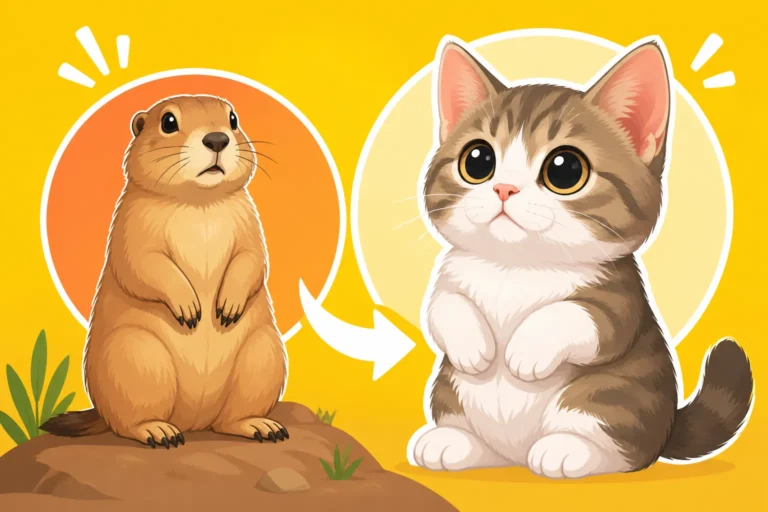
Cats, by nature, are climbers. They love high perches for surveying their territory, feeling safe, and napping away from the hustle and bustle of floor level. This innate drive doesn't disappear just because a cat has short legs. Your Munchkin will still possess that desire to ascend, to explore heights, and to observe from above, even if their body isn't built for it in the traditional sense. It's a fundamental feline behavior. So, while they might not be able to leap onto your kitchen counter in a single bound like a domestic shorthair, they will actively seek out alternative ways to gain elevation. This is where your ingenuity comes in. Instead of suppressing this natural instinct, we need to redirect it, providing safe and accessible "climbing" opportunities that cater to their unique physical structure. Their strong hind legs, though short, are still powerful, and they will try to use them to push off and reach their desired spots.
Crafting an Accessible and Safe Environment
Transforming a room for your Munchkin isn't just about putting things on the floor; it's about creating a thoughtfully designed space that caters to their specific needs for accessibility, safety, and comfort. Every element, from furniture to feeding stations, requires a little extra consideration.
Essential Furniture Modifications for Easy Navigation
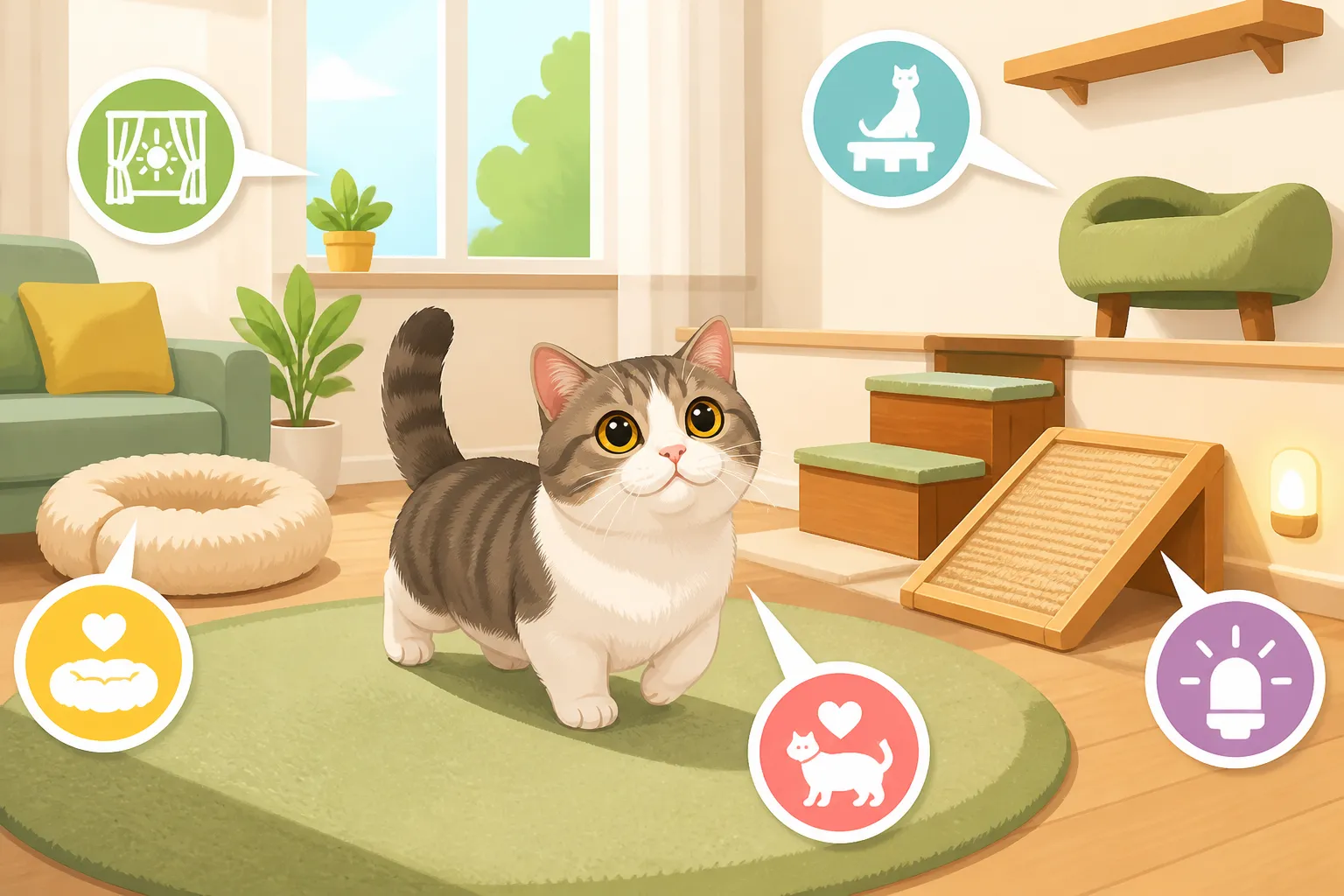
The goal here is to create a seamless flow of access to all desired surfaces without demanding any high jumps or strenuous efforts. Think of your Munchkin's journey through the room like a miniature obstacle course you're designing to be effortless. Ramps and steps are your absolute best friends in this endeavor. For instance, a sturdy pet ramp leading up to the sofa or your bed can make all the difference. You can find a fantastic selection of well-designed, carpeted ramps on Amazon that offer gentle slopes and good traction. When choosing, look for ramps that aren't too steep – a gradual incline is always better for their little legs and backs. Similarly, low-profile pet stairs with broad, shallow steps can provide easy access to lower windowsills or elevated cat beds. The key is to ensure every desired vertical surface has a safe, comfortable, and easy means of access. Don't forget their beloved cat trees! A standard cat tree often has platforms spaced too far apart. Instead, look for cat trees specifically designed for kittens or senior cats, which usually have closer-set platforms. Alternatively, you can modify an existing one by adding extra shelves or securing small, sturdy boxes between platforms to create a gentle staircase. Which Cat Tree Layout Suits a Munchkin provides great ideas here.
Food, Water, and Litter Box Logistics
This might seem obvious, but proper placement of these essentials is paramount for a Munchkin's daily comfort and health. For food and water bowls, while a Munchkin can certainly eat from floor level, using slightly raised bowls can actually reduce strain on their neck and shoulders, making meal times more comfortable. Think about their posture; if they have to hunch over too much, it can put unnecessary pressure on their spine. Elevated feeders designed for small dogs or cats are readily available and can make a big difference. You want to avoid any uncomfortable stretching or awkward positions. When it comes to the litter box, this is absolutely critical. A standard litter box with high sides is a non-starter. Your Munchkin needs a litter box with a very low entry point, essentially one they can walk straight into without having to jump or struggle. Senior cat litter boxes are often perfect for this, or you can even modify a sturdy storage tote by cutting a low entrance. Why a Munchkin Needs a Litter Box It Can Walk Into explains the importance of this design choice. Ensure you have at least one of these accessible boxes in the dedicated room, filled with a litter that won't cling too much to their low-slung belly.
Prioritizing Safety and Avoiding Hazards
Creating a safe room for a Munchkin involves thinking about potential dangers from their unique perspective. Since they can't easily jump onto high surfaces to escape, they are more vulnerable to certain household hazards. First, secure any loose cords or wires, as these can be a tempting chew toy or a tripping hazard. Look for dangling blind cords or curtains that could get tangled around them. Consider anchoring any tall, unstable furniture that they might try to climb using their "staircase" method. Small, easily swallowed items should be kept off the floor and out of reach. While most cats can escape danger by leaping onto a high shelf, your Munchkin relies on you to ensure their ground-level environment is secure. This also means being mindful of other pets or small children. While a Munchkin can be very playful, they often can't escape an overzealous dog or a curious toddler by jumping out of reach. Ensuring this dedicated room is a safe zone means being extra vigilant about what's left on the floor and who has access to the space when your Munchkin is alone there.
Maximizing Enrichment and Engagement at Ground Level
A Munchkin cat is still a cat, full of curiosity, playfulness, and a need for mental and physical stimulation. Just because they can't climb to the ceiling doesn't mean their world has to be bland. The key is thoughtful design that brings the fun down to their level.
Strategic Toy Placement and Play Zones
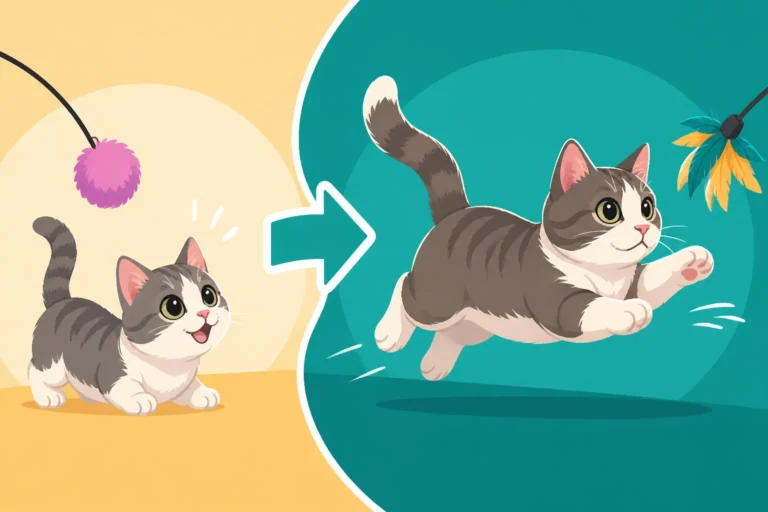
Since vertical play is often limited, horizontal and ground-level enrichment becomes paramount. Designate specific "play zones" within the room. Scatter engaging toys that encourage chasing, batting, and pouncing across the floor. Think about toys that roll easily, crinkle, or have feathers they can stalk. Interactive toys that move on their own or dispensing puzzle feeders can provide hours of mental stimulation. Look for feather wands with long handles that allow you to play with them without requiring them to jump too high. Which Toys Work at a Munchkin's Height offers many excellent suggestions. You can find a vast array of floor-level toys, from crinkle balls to automatic laser pointers, on Amazon. Rotate toys regularly to keep things fresh and exciting. Build small, low tunnels or cozy hideaways from cardboard boxes – Munchkins love exploring small spaces and feeling secure. This allows them to express their natural hunting instincts in a way that is safe and fun for their body type.
Comfort and Relaxation Spots
Every cat needs a place to feel safe, cozy, and relaxed, and Munchkins are no exception. Since they prefer being low to the ground, soft beds and blankets strategically placed around the room are essential. Consider low, orthopedic beds, especially as they get older, to support their joints. Window perches might seem out of reach, but you can create accessible versions by placing a sturdy ottoman or a set of low steps beneath the window, topped with a soft cushion. This allows them to indulge their natural desire to sunbathe and watch the world go by without needing to jump. Don't forget about elevated hiding spots that they can access via a ramp or steps. A cozy "cat cave" or an enclosed bed on a low platform provides both security and a sense of elevation, catering to their instinct to find a safe retreat. A soft blanket draped over a low stool can instantly become a beloved hideaway.
Maintaining Health and Well-being in an Adapted Space
An adapted room isn't just about fun and games; it's also about ensuring your Munchkin's long-term health and hygiene are supported by their environment. Their physical differences mean that some standard care practices need a little modification.
Grooming and Hygiene Considerations
Due to their unique body shape, Munchkins can sometimes struggle to groom certain areas, particularly their hindquarters and underneath their belly. This is especially true for longhaired Munchkins, where matting can become a significant issue. Regular grooming by you is therefore not just about aesthetics, but about preventing skin irritation and infections. Keep a soft brush or comb handy in the dedicated room and make daily grooming a pleasant, bonding routine. Pay close attention to their lower back, hind legs, and belly. If you notice any mats forming, gently work them out or consider a professional groomer for a sanitary clip if needed. Grooming the Half of a Munchkin It Cannot Reach details these needs. Furthermore, ensure their low-entry litter box is kept impeccably clean. A dirty box can deter any cat, but for a Munchkin, whose belly rides closer to the ground, cleanliness is even more critical to prevent litter and waste from clinging to their fur.
Encouraging Movement and Preventing Weight Gain
Munchkins, because of their shorter legs, naturally burn fewer calories than their long-legged counterparts. This means weight control is paramount to their overall health. Every extra pound places undue strain on their spine and joints, which can lead to discomfort and exacerbate potential issues like Lordosis Is the Spinal Curve the Munchkin Argument Is About. An adapted room that encourages movement is crucial. Instead of just putting all their toys in one spot, spread them out to encourage walking and exploring. Use puzzle feeders that require them to move around to get their food. Engage them in regular, interactive play sessions with wand toys that keep them moving horizontally. Even though they can't jump as high, playing chase games along the floor can be a fantastic way to get them exercising. How Much Floor Level Play a Munchkin Needs can guide your play routine. Monitor their weight regularly and consult your vet about their ideal body condition. A healthy weight, combined with an environment that facilitates easy movement, will significantly contribute to their quality of life and longevity. Why Weight Control Is the Whole Munchkin Care Plan emphasizes this critical aspect of their care.
By thoughtfully designing a single room with your Munchkin's unique physical attributes in mind, you can create a safe, stimulating, and truly independent space where they can thrive. It's about looking at your home through their eyes and making small, impactful changes that add up to a huge difference in their daily joy and well-being.
| Category | Essential Items & Modifications | Purpose |
|---|---|---|
| Accessibility | Pet Ramps (gentle slope) | Easy access to sofas, beds, windowsills |
| Low Pet Stairs (broad, shallow steps) | Alternative to ramps, especially for lower heights | |
| Modified Cat Tree (close-set platforms or added steps) | Safe vertical climbing and perching | |
| Dining & Hygiene | Low-Entry Litter Box (senior cat box or DIY) | Easy access for elimination, prevents accidents |
| Elevated Food & Water Bowls | Reduces neck and shoulder strain during meals | |
| Easy-Clean Mats under bowls/litter box | Contains spills, keeps area tidy | |
| Enrichment | Floor-Level Toys (rolling balls, crinkle toys, kickers) | Encourages horizontal play, chasing, pouncing |
| Puzzle Feeders | Mental stimulation, slows eating, encourages movement | |
| Low Tunnels & Hideaways (cardboard boxes, pet tunnels) | Provides secure hiding spots and exploration opportunities | |
| Comfort | Orthopedic Pet Beds (low profile) | Supports joints, easy to enter/exit |
| Cozy Blankets/Cushions | Provides comfort and warmth in various spots | |
| Accessible Window Perch (ottoman/steps + cushion) | Allows safe viewing of outdoors | |
| Safety | Cord Covers/Ties | Prevents entanglement with electrical cords |
| Anchored Furniture | Prevents tipping if cat attempts to climb | |
| Child/Pet Gates (if other animals/children present) | Controls access to the dedicated Munchkin room |
Disclaimer
This article is for general informational purposes only and does not constitute professional advice. Laws, prices and regulations vary by location and change over time. Consult a qualified professional for guidance on your specific situation.