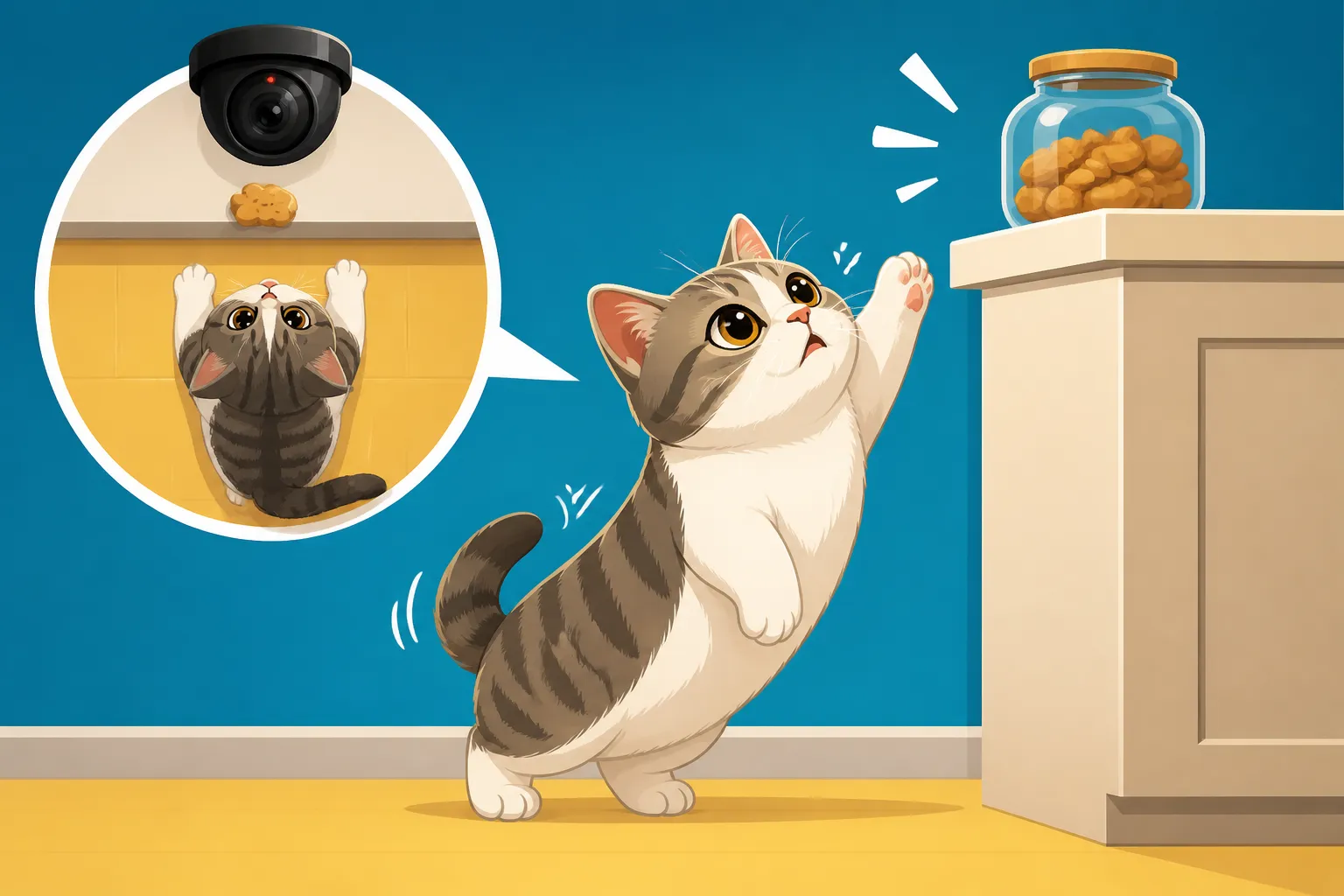
What a Camera Shows a Munchkin Failing to Reach
It’s easy to assume you know what your Munchkin cat is up to when you're not home, or even when you're just in another room. But let's be honest, we all underestimate the challenges their unique physique presents. This guide dives deep into how a simple home camera can unlock a whole new understanding of your Munchkin's daily struggles and triumphs, revealing exactly what they can't reach and helping you create a perfectly adapted, stress-free environment for them.
The Hidden World of Floor-Level Living
Living with a Munchkin cat, you become accustomed to their adorable waddle and their clever ways of navigating a tall-legged world. But what we see when we're interacting with them is often just the tip of the iceberg. Their daily life is a continuous series of adaptations, and it's full of moments where their short legs pose significant hurdles. Understanding this on a deeper level is key to their comfort and happiness.
Why Their World Is Different
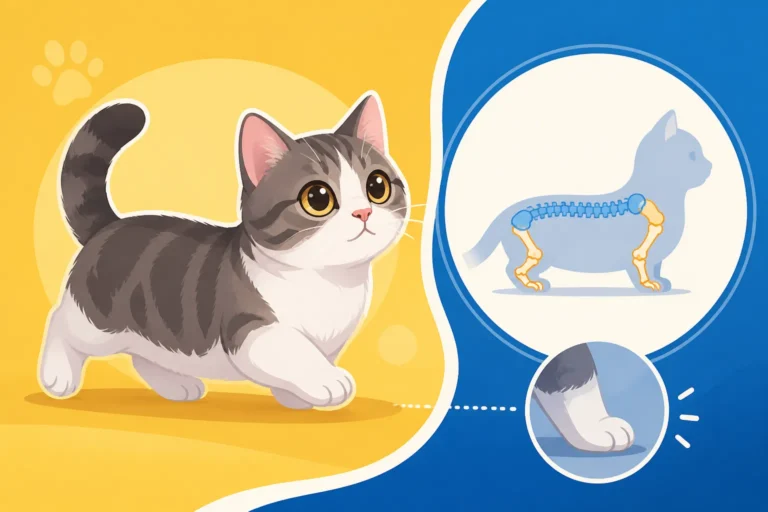
Imagine living in a house where everything important is just out of arm's reach. That's often the reality for a Munchkin. Their short legs mean they experience gravity and height in a completely different way than a standard cat. A simple kitchen counter, a tall bed, or even a higher window perch isn't just a bit of a stretch; it's an impossible Everest. We might see them gazing longingly at a bird outside a window or attempting a jump to the sofa, but the continuous, subtle frustrations throughout their day can go unnoticed by even the most attentive owner. It's a world seen from ankle-height, where the smallest elevation can feel like a mountain.
The Instinct to Climb vs. Physical Reality
Cats are natural climbers. They love high vantage points for safety, warmth, and simply to survey their domain. This instinct doesn't disappear just because a cat has short legs. Your Munchkin still wants to climb. They still feel the urge to jump to that sunbeam on the windowsill or scale the cat tree. This internal conflict between instinct and physical limitation can be a source of constant, low-level stress. You might observe them trying, failing, and then sitting dejectedly. A camera offers an unbiased look into these moments, showing you the sheer number of times they attempt something that's physically impossible for them, driven by their natural feline instincts. It’s heart-wrenching to witness, but crucial for understanding their needs.
Visualizing Their Daily Struggles
Sometimes, seeing is truly believing. We might know a Munchkin struggles with height, but witnessing it through the objective lens of a camera paints a vivid picture. It reveals patterns and moments you'd never catch otherwise. You'll see the repeated attempts to get onto the sofa without assistance, the frustrated meows at a closed-off door handle, or the way they pace beneath a favorite window, unable to reach it. These visual insights are invaluable for pinpointing specific areas in your home that need adaptation. Without a camera, you might only notice the results of their struggle – a messed-up litter box from an awkward entry, or a cat sleeping on the floor instead of their bed – rather than the struggle itself.
Common "Fails" a Camera Will Capture
Once you set up a camera, especially one pointed at a commonly used area or a known challenge spot, you'll be amazed at what you discover. These aren't just cute quirks; they're genuine limitations that impact their quality of life. Be prepared for a few "aha!" moments that will change how you view your home's accessibility for your furry friend.
The Persistent Jump Attempts
One of the most common things a camera will reveal is your Munchkin's unwavering optimism when it comes to jumping. You might think, "Oh, they know they can't make that jump," but often, they'll try anyway. You'll see them gather, spring, and fall short, sometimes repeatedly, perhaps trying different angles or leveraging nearby items. How High a Munchkin Can Actually Jump is not a fixed number in their mind; they're constantly testing the boundaries.
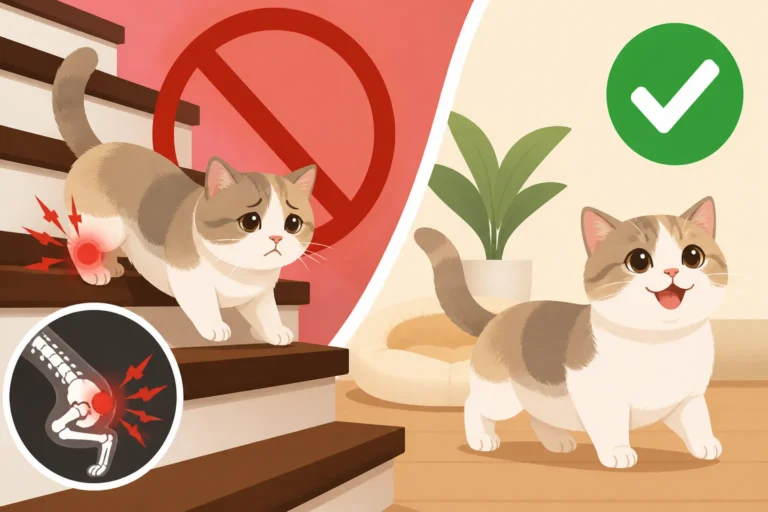
For example, I once watched footage of my little Pip trying to get onto a low armchair. She'd jump, scramble with her front paws, slide back down, shake herself off, and try again, sometimes for minutes on end. It was clear she was expending a lot of energy and getting frustrated. This showed me that even what I considered a "low" piece of furniture was still a hurdle and needed a step or ramp. These persistent attempts, often happening when you're not around to assist, can put unnecessary strain on their joints over time.
The Unreachable Windowsill and Counter
Our homes are full of inviting surfaces that are simply out of bounds for a Munchkin. The kitchen counter, for instance, is a treasure trove of smells and potential snacks, yet Why a Munchkin Cannot Make the Kitchen Counter is a cruel reality. A camera will often show them standing on their hind legs, peering over the edge, or making futile jumps towards it.
Similarly, windowsills, especially those not at floor level, become frustrating barriers to the outside world. They love to watch birds and squirrels, soak up sunbeams, and observe the neighborhood. A camera might capture them repeatedly circling the base of a window, looking up longingly, or attempting a precarious jump using a nearby chair as a stepping stone. This isn't just about missing out on a view; it's about missing out on mental stimulation and warmth. Observing these moments helps you understand the importance of accessible window perches or shelves.
Grooming and Litter Box Challenges
It's not just about reaching high places. A camera can also highlight struggles with basic self-care. Munchkins often have trouble reaching certain parts of their body for grooming, particularly their hindquarters and the area around their tail, simply because Why a Munchkin's Belly Nearly Touches the Floor prevents them from bending effectively. You might catch them attempting to groom, only to give up in frustration, leading to mats or cleanliness issues you discover later.
Even the litter box can be a challenge. While you might have bought a standard box, a camera could reveal your Munchkin struggling to step over the high lip, leading to accidents or a reluctance to use it. They might resort to awkward contortions or even eliminate outside the box if the entrance is too high. Which Litter Box a Munchkin Can Actually Enter is a critical question, and footage can directly answer it. Watching your cat gingerly try to navigate their litter space can illuminate the need for a low-entry senior-style box or a ramp.
Using Camera Insights to Optimize Your Home
The beauty of capturing these moments on camera isn't just for curiosity; it's to gather actionable data. Once you see where your Munchkin struggles, you can start making targeted changes to your home that genuinely improve their quality of life. This isn't about babying them; it's about providing the accessibility every cat deserves.
Identifying Critical Accessibility Gaps
Your camera footage becomes a roadmap to accessibility. Instead of guessing, you'll know exactly which piece of furniture, which window, or which doorway is causing the most trouble. Is it the bed? The sofa? The windowsill in the living room? Pay attention to the frequency of attempts and the level of frustration. A cat repeatedly trying and failing to get onto the sofa (Whether a Munchkin Can Reach a Sofa) is a clear indicator of a critical gap.
You might also notice areas where they could go, but choose not to, perhaps because the journey is too arduous. For instance, if you have a multi-level cat tree, you might observe them only using the lowest platform, even if they show interest in higher ones. This information helps you prioritize your modifications. It's not about modifying every single surface, but creating safe, accessible routes to the places they clearly want to be.
Implementing Solutions: Ramps, Steps, and Lowered Items
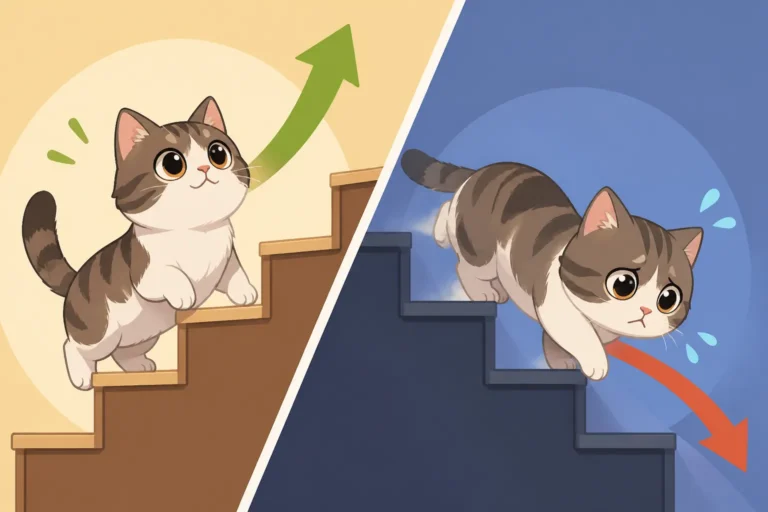
Once you've identified the problem spots, it's time to become an architect of accessibility. Ramps and steps are going to be your best friends. For the sofa, a small set of pet steps or a gradual ramp can make all the difference. For the bed, a longer, less steep ramp might be necessary. There are many options available, from carpeted ramps to stylish wooden steps, many of which you can find on sites like Amazon. Remember, the goal is to make the journey easy and safe, without requiring them to jump or strain. How to Set Up Ramps Around a Munchkin's House effectively involves thinking about their entire movement patterns.
Consider lowering essential items too. If their favorite feeding spot is elevated, bring it down. If their water bowl is a stretch, move it to floor level or get a fountain with a lower basin. Sometimes, simply repositioning a sturdy ottoman next to a chair can serve as a perfect intermediate step. The idea is to eliminate unnecessary physical challenges from their day-to-day existence.
Rethinking Play and Enrichment Spaces
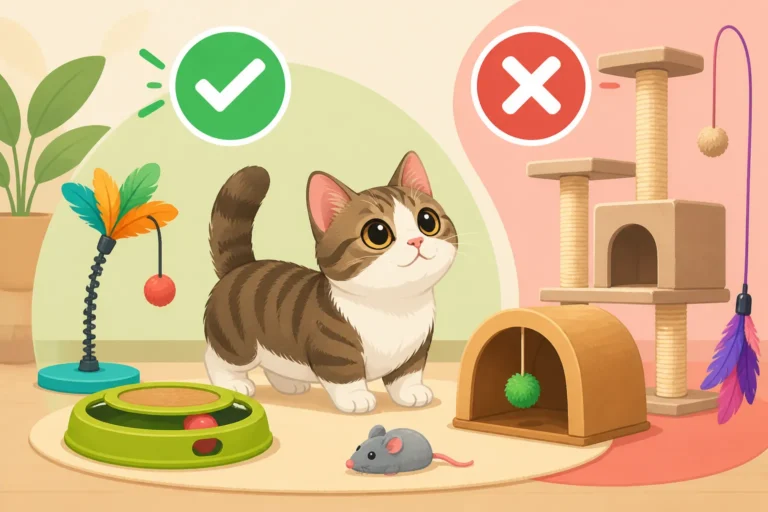
Your camera might also highlight how your Munchkin plays, or perhaps doesn't play, in certain areas. Are they attempting to scale a standard tall scratching post and sliding off? Are they looking up at toys dangling too high? This insight is crucial for How to Set Up Floor Level Enrichment for a Munchkin.
You'll want to invest in toys that engage them at their height. Wand toys with long handles can bring the play down to them. Puzzle feeders should be accessible without requiring them to stand on hind legs or reach too far inside. Horizontal scratchers or short, sturdy scratching posts are often preferred over tall, vertical ones. Creating a play zone that respects their physical limits ensures they get the mental and physical exercise they need without frustration or potential injury. After all, play should be fun, not a workout that strains their delicate frame.
Beyond Physical Limitations: Behavioral Revelations
A camera doesn't just show you physical struggles; it can offer profound insights into your Munchkin's emotional and social world. Their interactions with other pets, children, or even just their environment when alone can speak volumes about their overall wellbeing.
Social Dynamics and Escape Routes
If you have other pets, especially larger cats or dogs, a camera can be incredibly revealing about their social dynamics. Because a Munchkin cannot easily climb to escape, their usual coping mechanisms are limited. You might observe a larger, more boisterous pet inadvertently cornering your Munchkin, or them being unable to get away from playful (but perhaps too rough) interactions. What a Munchkin Does When It Cannot Get Away might involve hiding in small crevices or simply freezing.
This footage helps you identify potential bullying situations or areas where your Munchkin feels unsafe. It allows you to create designated safe zones, perhaps a low, easily accessible cat tree for them, or a small hideaway cubby that larger pets can't enter. Similarly, if you have young children, a camera might show you how a crawling baby interacts with a Munchkin and why Why a Crawling Baby Is a Problem for a Munchkin can be a serious concern, as the cat simply cannot get out of the way.
Assessing Stress and Frustration Levels
Beyond physical exertion, constant failure and limited access can lead to stress and frustration in any cat. Your camera can pick up on subtle cues you might miss. Are they pacing more? Are they attempting to reach things with increasingly agitated tail swishes? Are they excessively grooming certain areas as a self-soothing mechanism after a failed jump?
Changes in appetite or litter box habits could also be observed through camera footage. A cat that stops using a litter box that has become too difficult to enter might start urinating elsewhere. By observing these patterns, you can intervene early, reducing potential behavioral problems and addressing the root cause of their anxiety. A happy cat is a less stressed cat, and access to their environment plays a huge role in that.
The Power of Observation for Their Wellbeing
Ultimately, setting up a camera to observe your Munchkin isn't about spying; it's about deeply understanding their needs from their unique perspective. It’s an act of profound empathy. The insights you gain will allow you to tailor your home, your care routine, and your interactions in ways that truly support their physical health and emotional wellbeing.
You'll learn not just where they struggle, but also what brings them joy – perhaps the specific low toy they adore, or the particular ramp they use religiously. This deeper understanding will forge an even stronger bond between you and your unique little friend, ensuring they lead the most comfortable, enriched life possible. It allows you to transform your home into a sanctuary perfectly suited for their adorable, short-legged adventures. Whether it's Introducing a Long Legged Cat to a Munchkin or ensuring their safety from outdoor threats because Why a Munchkin Should Never Be Let Outdoors, constant, informed observation is key.
| Challenge Area | Camera Observation | Recommended Solution |
|---|---|---|
| High Furniture | Repeated jump attempts, falling short, frustration | Ramps, pet steps, strategically placed ottomans |
| Windowsills | Straining to see out, futile jumps, pacing beneath | Low window perches, sturdy steps to reach a sill |
| Kitchen Counters | Standing on hind legs, curiosity, unsuccessful jumps | Keep counters clear, use deterrents, accessible enrichment elsewhere |
| Litter Box Entry | Hesitation, awkward climbing, potential accidents | Low-entry litter boxes, small ramp to entrance |
| Self-Grooming | Struggling to reach hindquarters, matting | Regular owner grooming, hygiene trims |
| Cat Trees | Only using lowest platforms, looking up longingly | Cat trees with closely spaced platforms, ramps to upper levels |
| Other Pets/Children | Inability to escape, cornered, signs of stress | Designated safe zones, tall scratchers for taller cats, careful supervision |
Disclaimer
This article is for general informational purposes only and does not constitute professional advice. Laws, prices and regulations vary by location and change over time. Consult a qualified professional for guidance on your specific situation.