Whether a Munchkin Hoards What It Steals
It's a familiar scenario for many cat parents: you're searching high and low for your car keys, a stray hair tie, or that small bouncy ball your furry friend was just batting around, only to find nothing. If you own a Munchkin, you might have noticed this curious habit of "stealing" small, intriguing objects, often followed by their mysterious disappearance. This often leads to wonder, and sometimes frustration, about whether your short-legged companion is simply playing, or if they're actually engaged in a bit of treasure hoarding. This guide will explore the nuances of this endearing, if sometimes exasperating, behavior, diving into why Munchkins might collect certain items and how you can manage their secret stashes.
Understanding the Munchkin's Play and Prey Drive
Cats, by nature, are hunters. Even the most pampered indoor Munchkin retains a strong instinctual drive to stalk, chase, and "capture" prey. This isn't just about food; it's a fundamental part of their behavioral repertoire, deeply ingrained in their DNA. When your Munchkin "steals" a small object, they're often not thinking about nefarious plots; they're simply acting on these primal instincts, translating them into play.
The Instinct Behind "Stealing"
Think about it from your Munchkin's perspective. That shiny bottle cap skittering across the floor, the crinkle of a forgotten receipt, or the soft texture of a sock left within reach – these aren't just household items to them. They can be perceived as small, unpredictable prey. When a Munchkin snatches these items, it's a simulated hunt. They'll pounce, bat, carry, and then often take their "kill" to a safe, secluded spot to "consume" it, or at least, to examine it without interruption. This behavior is deeply satisfying for them, engaging both their physical agility and their mental faculties.
This instinctual drive is why providing appropriate outlets is so crucial. If a cat doesn't have enough engaging toys or opportunities for interactive play, they might seek out household items to fulfill that need. A boring environment can inadvertently turn your everyday possessions into irresistible playthings. It's not malicious; it's simply a cat being a cat, seeking stimulation in the absence of suitable alternatives.
How a Munchkin's Physicality Influences Its Play
A Munchkin's unique physical characteristics, namely their short legs, significantly impact how they interact with their environment and, by extension, what and how they "steal." Unlike long-legged cats who can easily leap onto counters or shelves to grab objects, Munchkins operate primarily at floor level. This means that anything within their low-slung reach becomes fair game. Socks kicked under the bed, pens rolled off a table, small toys left on the rug – these are prime targets.
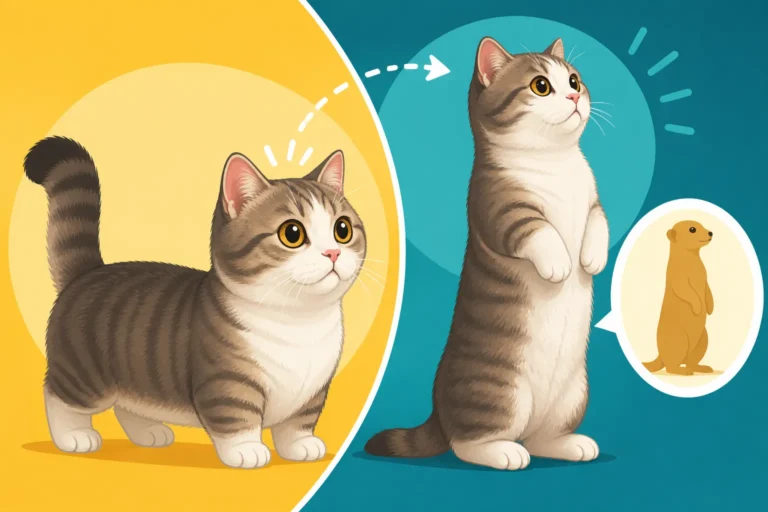
Their low center of gravity and agility, which makes them surprisingly fast on the flat and excellent at cornering, also means they can quickly make off with their prized possessions. How a Munchkin Changes Direction at Speed is quite remarkable, allowing them to snatch an item and dart away before you've even fully registered what happened. This isn't to say they can't jump at all; they absolutely can, but their vertical reach is limited. This limitation funnels their exploratory and predatory instincts towards floor-based treasures, making items that a normal-legged cat might ignore suddenly very appealing.
Is it Hoarding or Just Hiding?
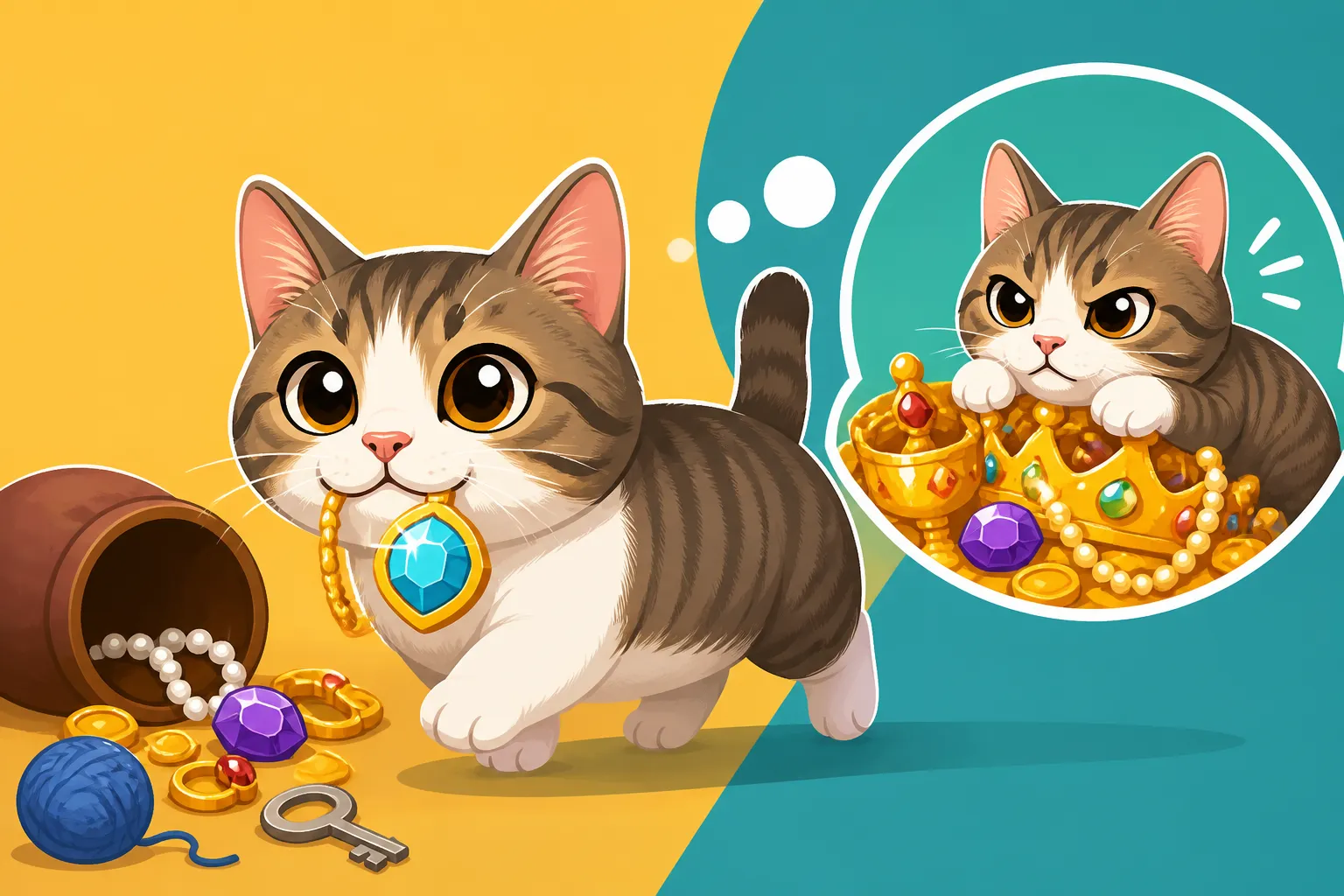
When your Munchkin absconds with your earrings or a hair tie, it can certainly feel like they're building a personal treasure trove. But is it truly "hoarding" in the human sense, or something else entirely? Understanding the distinction can help you better address the behavior.
Distinguishing Between Play, Hiding, and True Compulsive Hoarding
For most Munchkins, their "stealing" and collecting behavior falls firmly into the realm of play and hiding. They're engaging their hunting instincts, and taking items to a secluded spot is part of that natural sequence. It's a way for them to "secure" their prize, much like a wild cat might carry prey to its den. The items they choose are often small, lightweight, and easy to carry, reflecting their play preferences. You'll often find these items in relatively accessible, though hidden, places like under furniture, in a favorite sleeping spot, or sometimes even in their litter box – which is less about hoarding and more about a secure, private location. Where a Munchkin Hides Its Collection can often give you clues about their preferences for privacy and security.
True compulsive hoarding in animals, while rare, would typically manifest differently. It might involve a significant quantity of items, often non-food related, collected to an excessive degree that impacts their living space or hygiene. There might also be signs of distress or anxiety associated with the items, or aggression if you try to remove them. For the vast majority of Munchkins, their "hoard" is a collection of playthings and trophies, not a symptom of a deeper behavioral issue. It's quirky, it's endearing, and it's very much within the range of normal feline behavior.
| Behavior Trait | Typical Munchkin "Stealing" & Hiding | Potential Compulsive Hoarding (Rare) |
|---|---|---|
| Motivation | Play, prey instinct, security | Anxiety, stress, resource guarding, underlying behavioral issue |
| Items Collected | Small, lightweight, easy to carry | Can be any item, often non-useful, excessive quantities |
| Quantity | Moderate, often a few favorites | Extreme, filling spaces, impacting movement |
| Location | Under furniture, beds, secure spots | Disorganized, scattered, often in unsanitary areas, hidden obsessively |
| Reaction to Removal | Mild annoyance, indifference, seeking new items | Distress, aggression, extreme anxiety, immediate re-collection |
| Impact on Cat | Positive (enrichment, play) | Negative (stress, unsanitary conditions, social issues) |
Common "Stolen" Items and Their Appeal
So, what makes certain items irresistible to a Munchkin? It often comes down to a few key characteristics that mimic prey or offer sensory satisfaction.
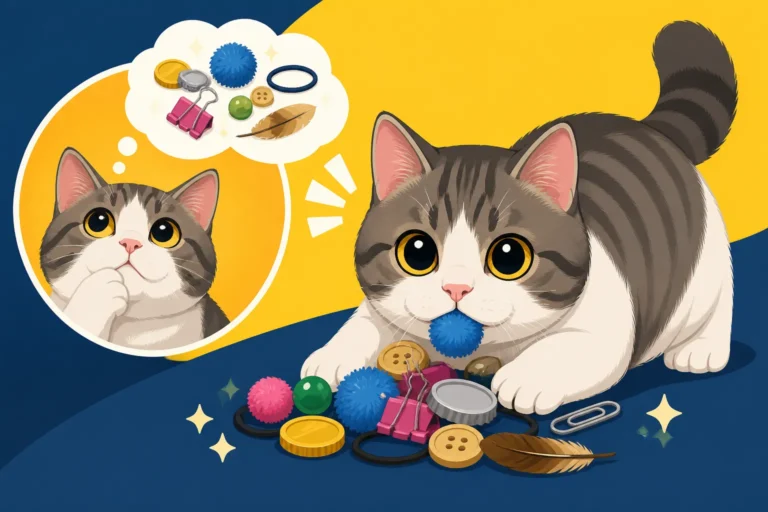
- Small, lightweight objects: Hair ties, bottle caps, small plastic rings, crumpled paper balls, and even socks are prime candidates. These items are easy for a Munchkin to bat around, carry in their mouth, and transport to their chosen hiding spot. Their size and weight mimic small prey animals, activating their natural hunting instincts.
- Shiny or crinkly items: Anything that reflects light or makes an interesting sound will catch a cat's attention. The glint of jewelry or the crinkle of a plastic wrapper can be incredibly stimulating.
- Items with a unique scent: Socks and other worn clothing items carry your scent, which can be comforting and intriguing to your cat. It's a way for them to feel close to you, even when you're not around.
- Items that roll or slide easily: Because Munchkins are ground-level dwellers, items that move unpredictably on the floor are fantastic for engaging their chase instincts. A pen rolling off a table, or a coin dropped on the floor, becomes an instant game.
It's all about engagement. If an item offers a satisfying sensory experience – a good mouthfeel, an interesting sound, or unpredictable movement – your Munchkin is likely to "steal" it. This is why Which Toys Work at a Munchkin's Height are often small, interactive, and designed for floor-level play, mimicking the very items they might be "stealing" from you.
Managing Your Munchkin's "Collection"
While your Munchkin's "collecting" habit is usually harmless, it can be frustrating when valuable or unsafe items disappear. The good news is that you can manage this behavior by redirecting their instincts and making smart choices about their environment.
Providing Appropriate Outlets for Their Instincts
The best way to deter your Munchkin from "stealing" your personal belongings is to provide them with plenty of acceptable alternatives. This means offering a variety of engaging toys that satisfy their predatory drives. Look for small, lightweight toys they can carry, bat around, and chase. Think about toys that mimic the items they're already drawn to, but are specifically designed for cats.
Interactive wand toys are fantastic for stimulating the hunt, allowing them to stalk and pounce under your supervision. Small, crinkly balls, plush mice, or even simple crumpled paper balls (safe ones!) can provide hours of entertainment. Puzzle feeders are another excellent option, as they combine their hunting instinct with mental stimulation, rewarding them with food for their "catch." You can find a wide array of these on platforms like Amazon, from simple treat dispensers to more complex labyrinths. Ensuring they have ample How Much Floor Level Play a Munchkin Needs each day can significantly reduce their desire to "steal" your things.
Creating Safe Hiding Spots and Enrichment
Since a big part of "stealing" is about finding a secure spot for their "prey," you can actually create designated hiding spots for your Munchkin's toys. This can be as simple as a low-entry basket or a soft cat bed tucked away in a quiet corner. Encourage them to use these spots by placing some of their favorite toys there. When they have a "safe" place to take their treasures, they might be less inclined to squirrel away your socks under the sofa.
Enrichment isn't just about toys; it's about making their environment stimulating and engaging. This is especially important for Munchkins who can't reach high perches. How to Set Up Floor Level Enrichment for a Munchkin involves creating a dynamic and interesting ground-level landscape. This might include:
- Tunnels and Crinkle Mats: These provide hiding spots and sensory stimulation.
- Low Cat Trees or Steps: While they may not be able to scale tall structures, steps and shorter cat trees give them vertical options they can access.
- Window Perches with Ramps: Even at floor level, access to a window view is paramount for mental stimulation.
- Rotating Toys: Keep their interest piqued by rotating toys in and out, so they always have something "new" to discover.
By consciously designing an environment that caters to their specific needs and instincts, you're not only enriching their lives but also subtly guiding their "collecting" habits toward acceptable outlets.
Preventing Access to Valuables
While you're working on redirection and enrichment, it's also wise to take proactive steps to prevent your Munchkin from "stealing" items you truly care about or that could be dangerous. This might seem obvious, but it's amazing how quickly a Munchkin can snatch something and disappear with it!
- Put away small, attractive items: Jewelry, hair ties, rubber bands, coins, pens, and small electronics should be stored in drawers or containers that your Munchkin cannot open or reach. Remember, if it's on the floor or a low surface, it's an invitation.
- Secure trash cans: Many cats are drawn to the scents and textures found in wastebaskets. Use bins with secure lids that are difficult for curious paws to open.
- Keep laundry hampers closed: Socks, underwear, and other clothing items are perennial favorites for cat "thieves." A closed hamper can prevent a lot of missing sock mysteries.
- Child-proof your home: Many of the same strategies used to child-proof a home also work well for a curious Munchkin operating at floor level.
It's a balance of meeting their needs and protecting your belongings. By making certain items less accessible, you reduce the temptation and help your Munchkin focus on their designated playthings. It's not about punishing the behavior, but about managing the environment to encourage desired actions.
Why a Munchkin's Environment Matters for This Behavior
A Munchkin's home environment plays an outsized role in all aspects of their behavior, including their tendency to "collect." Their physical limitations mean they rely heavily on their human companions to create a stimulating and safe world at their level.
What a Munchkin Does All Day at Floor Level
For a Munchkin, the world truly exists on the ground plane. Unlike their long-legged counterparts who might spend hours observing from high perches or scaling furniture, Munchkins explore, play, and interact predominantly at floor level. This means every dust bunny, every dropped crumb, and every small, unsecured item becomes a potential object of interest. What a Munchkin Does All Day at Floor Level often involves extensive exploration of every nook and cranny they can reach, sniffing out new scents and discovering hidden treasures.
If their environment isn't rich with appropriate stimulation, their natural curiosity and predatory instincts will inevitably lead them to investigate household objects. A bare, uninteresting floor space can quickly make your belongings seem like the most exciting thing going. Imagine living in a world where half the interesting things are literally out of reach – you'd focus intently on what's available to you! This deep exploration of the ground is a key factor in why they are so prone to finding and interacting with small, misplaced items.
The Importance of a Stimulating, Accessible Home
Creating a truly accessible and stimulating home for a Munchkin is paramount. This goes beyond just providing toys; it's about designing their living space to cater to their unique physical needs. Since they can't always reach elevated surfaces independently, we need to bring the enrichment down to them or provide safe ways for them to ascend.
This means:
- Floor-level scratching posts: Instead of tall, vertical posts they can't stretch up, offer horizontal scratchers or angled ones that are easy to access.
- Low-entry litter boxes: Essential for easy access and preventing accidents.
- Ramps and steps: For beds, sofas, and windowsills, providing ramps or sturdy pet steps (many available on Amazon) allows them to reach elevated comfort spots without straining their joints from repeated jumping.
- Designated play zones: Create areas on the floor with tunnels, blankets, and a rotating selection of toys.
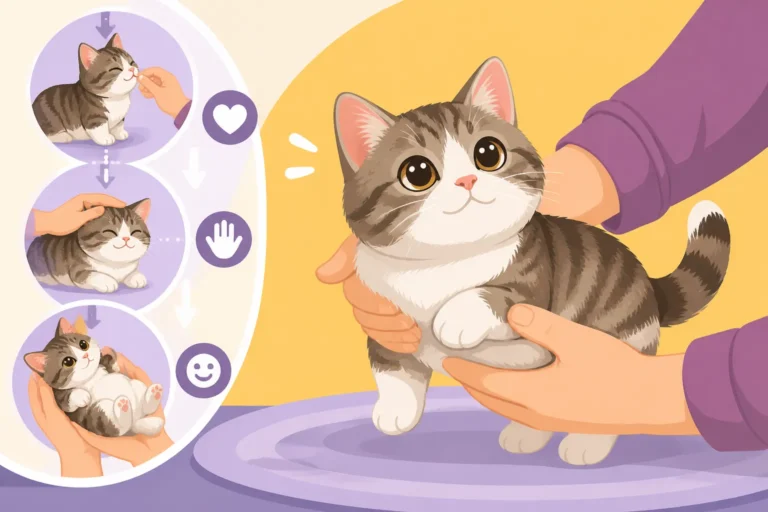
- Regular interaction: Spend quality time playing with your Munchkin at their level. Use wand toys, roll balls, and engage their minds with puzzle toys. How to Get a Munchkin Used to Being Handled often involves positive interactions during playtime and grooming, further strengthening your bond and making them feel secure in their environment.
By thoughtfully designing their environment, you're not just preventing "theft"; you're fostering a happier, healthier, and more secure Munchkin. They'll have plenty of acceptable outlets for their instincts, reducing the appeal of your missing socks and ensuring their energy is channeled into appropriate play. This thoughtful approach ensures your Munchkin's natural behaviors are met within a safe and enriching home.
Disclaimer
This article is for general informational purposes only and does not constitute professional advice. Laws, prices and regulations vary by location and change over time. Consult a qualified professional for guidance on your specific situation.