Whether a Munchkin Can Reach a Sofa
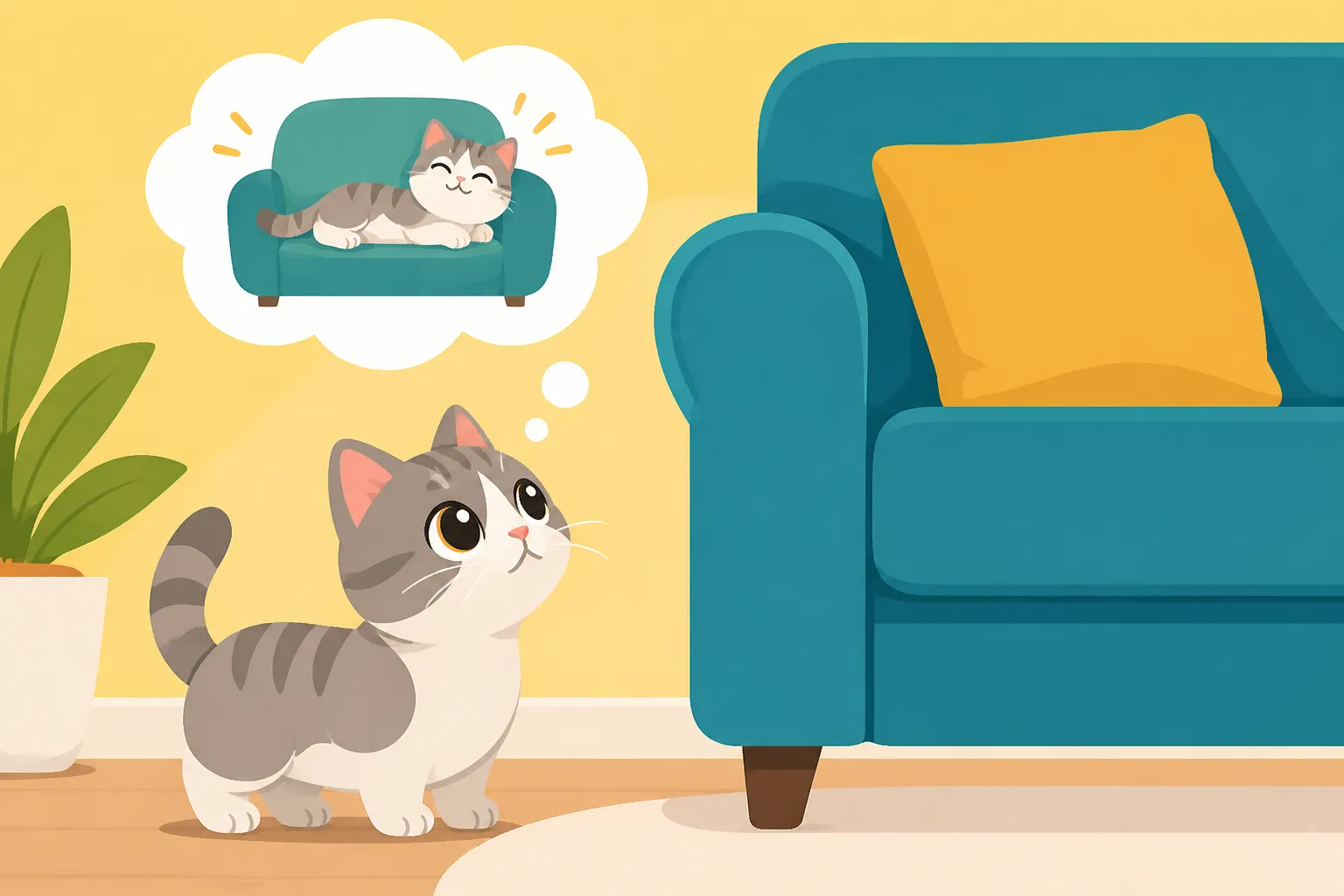
It's a common concern for Munchkin owners: you love having your little companion snuggled up next to you on the sofa, but you also worry if they can actually get up there safely – or even at all. This isn't just about convenience; it’s about their safety, their joint health, and their feeling of being a true member of the family. Let's really dig into what a Munchkin can and cannot do when it comes to reaching your favorite spot, and how you can help them safely join you.
The Physical Reality of Munchkin Jumping Abilities
Munchkin cats are truly unique, and while their short legs give them that adorable, distinctive waddle, they also fundamentally change how they interact with their environment, especially when it comes to vertical challenges like climbing or jumping onto furniture. Many people assume they can't jump at all, which isn't entirely true, but their jumping prowess is certainly different from a long-legged cat.
How High Can a Munchkin Jump?
When we talk about how high a Munchkin can jump, it's really about managing expectations. They aren't going to effortlessly spring onto a kitchen counter or a tall bookshelf like a standard domestic cat might. Their short legs simply don't provide the same leverage or spring. Think of it like a human trying to jump with very short shin bones – the mechanics are just harder. A typical Munchkin can usually manage to jump about two-thirds of their own body height, perhaps a little more if they're particularly motivated or athletic, and especially if they have a good, grippy surface to launch from.
For a cat that might only stand 6-8 inches tall at the shoulder, this means they might manage to clear a foot or maybe even 14 inches. That's enough to get onto a low stool, a sturdy cat scratcher base, or perhaps a very low coffee table. They are surprisingly agile and quick on the flat, often described as moving "like a ferret" because of their low center of gravity and ability to corner sharply. However, converting that horizontal speed into vertical lift is a completely different ball game. They will often try repeatedly, sometimes with a running start, building up their confidence, but their physical limitations are undeniable. You'll notice they tend to use two small hops where a regular cat would use one fluid leap. For a standard sofa, which can range from 16 to 20 inches in height, this often presents a significant hurdle they simply can't clear in a single, safe jump.
Why a Sofa Is a Challenge
A sofa, for many Munchkins, isn't just a challenge; it's often an insurmountable wall without assistance. The average sofa seat height is typically between 17 to 20 inches from the floor. As discussed, a Munchkin's maximum comfortable jump height is often well below this. When they attempt to jump onto something too high, they often have to exert considerable force, stretching their bodies awkwardly, which puts a lot of strain on their spine and front limbs. Imagine trying to do a pull-up from the floor – it's just not how our bodies are designed to gain height efficiently.
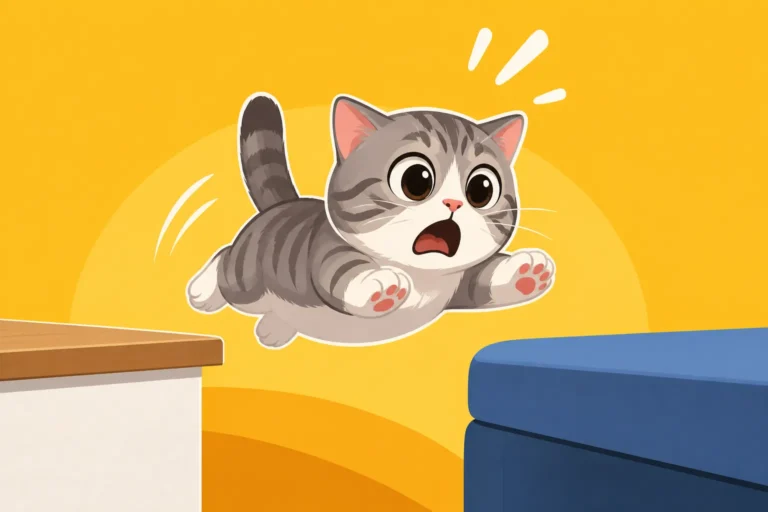
For a Munchkin, a failed jump isn't just disappointing; it can be dangerous. They might misjudge the distance, slip, or fall, potentially leading to injuries. Their unique spinal structure and the way their short legs impact landing mechanics mean that repeated impacts from unsuccessful or strenuous jumps can lead to long-term joint issues. This is especially true for their shoulders and elbows, which take the brunt of any landing, even from a small height. Many owners don't realize that What Repeated Landing Does to a Munchkin's Elbows can be quite significant over time. It’s not just about getting up there, but getting up there safely and without causing undue stress on their little bodies.
The Munchkin's Resourcefulness: Adapting to Heights
Just because a Munchkin can't easily leap onto a sofa doesn't mean they don't want to be there with you. These intelligent and often very social cats are surprisingly resourceful when faced with physical limitations. They've developed some clever strategies to navigate a world built for longer-legged felines.
The "Staircase" Approach to Furniture
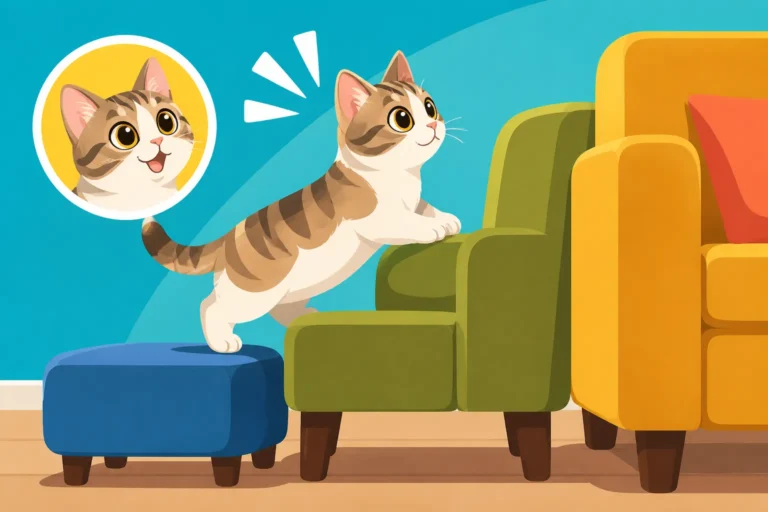
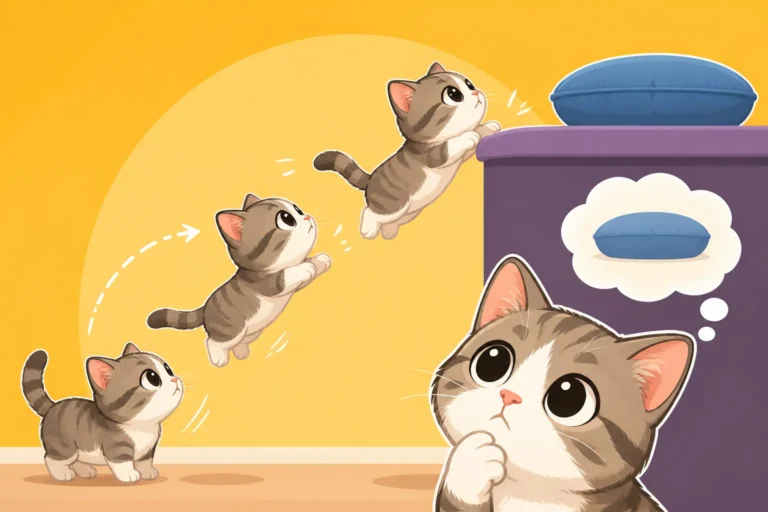
One of the most fascinating behaviors you'll observe in a Munchkin is their "staircase" approach to getting to higher places. They instinctively look for intermediate steps, turning your living room into a series of mini-platforms. If your sofa has a large ottoman in front of it, they might jump onto the ottoman first, then from the ottoman to the sofa. A sturdy coffee table, a stack of thick books, or even carefully placed cushions can all become part of their improvised route.
I've seen Munchkins plan their ascent with surprising precision. They'll survey the room, identify potential stepping stones, and then execute a series of smaller, more manageable jumps. For example, they might leap from the floor onto a low cat tree platform, then from that platform to a side table, and finally from the side table to the sofa arm or seat. It's a testament to their determination and intelligence. However, this method still relies on available furniture, and if there's no suitable intermediate step, they're often stuck at floor level, looking up at you with those big, hopeful eyes. It's important to remember that these repeated small jumps, while seemingly easier, still put a cumulative strain on their joints, especially if the landing surfaces aren't stable or forgiving.
The "Prairie Dog Sit" and Its Limits
Munchkins are famous for their adorable "prairie dog sit," where they sit upright on their hind legs, balancing with their front paws held close to their chest. This posture, which earns them so many "awws," is primarily for visibility and scanning their surroundings. It allows them to get a better vantage point, look over objects, or simply observe what's happening around them from a slightly elevated perspective. What a Munchkin's Prairie Dog Posture Tells You is often about curiosity or a need to see.
While it's incredibly cute, the prairie dog sit doesn't actually help them achieve vertical height for jumping. They might sit up to assess the jump to the sofa, but they can't launch from this position. Their short front legs are used for balance and support rather than propulsion in this stance. So, while it's a unique and charming aspect of Munchkin behavior, it's more about gaining a better view than it is about overcoming height barriers. It highlights their desire to see what's happening up there, even if they can't easily get there themselves.
Making the Sofa Accessible for Your Munchkin
Understanding a Munchkin's physical limitations isn't about resignation; it's about empowerment. As responsible pet parents, we can adapt our homes to ensure our short-legged friends can enjoy all the comforts, including the beloved sofa, without undue strain or risk of injury. It's often said that with a Munchkin, With a Munchkin the House Changes, Not the Cat.
Ramps and Steps: The Lifeline
When it comes to sofa access, pet ramps and steps are truly a game-changer for Munchkins. These aren't just luxuries; they are essential pieces of equipment that allow your cat to ascend and descend safely and independently. A good ramp provides a gentle incline, eliminating the need for jumping altogether, which is ideal for protecting their joints. Steps, especially those with shallow rises and wide platforms, can also work well, mimicking the "staircase" approach they naturally adopt but with added stability and safety.
When choosing ramps or steps, look for designs specifically made for pets, with non-slip surfaces. Carpeted or ribbed ramps provide the necessary traction, preventing slips and falls. The incline of a ramp is crucial; a too-steep ramp can still be difficult or intimidating for a Munchkin. Aim for a gradual slope that allows them to walk up comfortably. You can find a wide variety of options on Amazon, from sturdy wooden ramps to softer, foam-filled steps covered in fabric. Placement is key: position the ramp or steps directly against the sofa, ensuring it's stable and doesn't wobble. This way, your Munchkin can confidently walk up or down without fear. Remember, Ramps and Steps Are Munchkin Equipment, Not Luxuries for a reason – they significantly improve their quality of life.
Strategic Furniture Arrangement
Beyond dedicated ramps and steps, you can also get creative with your existing furniture to create a Munchkin-friendly landscape. Think of your living room as a parkour course for your cat, with safe, accessible transitions. A low-set coffee table placed strategically close to the sofa can serve as a perfect intermediate landing spot. A large, sturdy ottoman can be positioned right next to the sofa, making a two-step climb effortless.
You might rearrange bookshelves to create a series of stable, low platforms leading up to a window perch near the sofa, or add sturdy storage cubes that double as steps. The goal is to eliminate any single, high jump and instead provide a series of easy, low-impact ascents. This not only helps them reach the sofa but also other desired spots like a sunny windowsill. This kind of thoughtful arrangement demonstrates that you've considered their unique needs and are actively working to integrate them fully into your home's vertical spaces.
Encouraging Safe Jumping and Climbing
While ramps and steps are the safest bet, you can also encourage your Munchkin to use any natural "staircases" you've created, and even to make safe, low jumps when appropriate. Positive reinforcement works wonders. Use treats and praise to encourage them to use ramps or steps. Place a favorite toy or a small, irresistible treat on the first step, then progressively higher. Celebrate every successful ascent!
It's also important to gently discourage risky or excessively high jumps. If you see your Munchkin straining or struggling repeatedly to get onto a high surface without assistance, it's a signal that they need more accessible options. Diversion with floor-level toys can also help redirect their energy to safer play. Understanding Whether a Munchkin Should Be Discouraged From Jumping high is vital for their long-term health. While it's tough to tell a cat not to do something, providing safe alternatives usually reduces their motivation for risky maneuvers. The ultimate goal is to make all desired locations reachable in a way that protects their precious joints for years to come.
The Long-Term Impact of Sofa Access (or lack thereof)
The discussion around whether a Munchkin can reach a sofa goes beyond simple convenience; it touches upon critical aspects of their long-term health and emotional well-being. Ensuring proper access isn't just about making their day-to-day life easier; it's about proactively safeguarding their physical health and fostering their sense of belonging.
Joint Health and Repeated Jumps
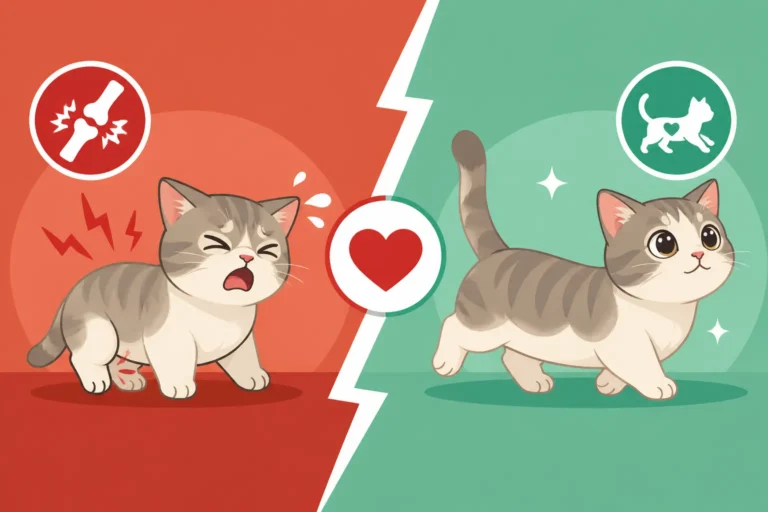
One of the most significant concerns for Munchkin owners is the potential for joint problems, especially as their cats age. Their unique short-legged structure means that the forces exerted during jumping and landing are distributed differently across their skeleton compared to a normal-legged cat. While they are often described as having "normal" spines, the constant stress on their limb joints from inadequate leverage and landing can lead to premature wear and tear. Why a Munchkin's Spine Carries a Load a Normal Cat's Does Not is a complex topic, but the impact on their limbs is more direct.
Repeatedly attempting to jump onto a sofa that is too high, or continually landing awkwardly, places chronic stress on their shoulder, elbow, and even hip joints. Over time, this can lead to conditions like osteoarthritis, where the cartilage in the joints begins to degrade. You might not see immediate lameness, but over years, this cumulative damage can cause pain, stiffness, and reduced mobility. Providing ramps and steps significantly reduces these impacts, allowing them to conserve their joint health. It's a preventive measure that can dramatically improve their quality of life in their senior years, helping to ensure that Caring for a Munchkin Past Ten remains as comfortable as possible.
Emotional Well-being and Inclusion
Cats are social creatures, and many Munchkins thrive on companionship. Being able to access the sofa, where their human family often congregates, is incredibly important for their emotional well-being. If a Munchkin is constantly left at floor level, unable to join you for cuddles or simply to relax nearby, it can lead to feelings of frustration, isolation, or even anxiety. They might meow excessively, pace, or even try to climb up your legs in a desperate attempt to reach you.
A cat that feels excluded might become less engaged with family activities, retreat more often, or even develop behavioral issues stemming from unmet social needs. Providing easy, safe access to the sofa allows your Munchkin to be fully integrated into family life. They can snuggle up, nap beside you, or simply observe the world from a comfortable, elevated vantage point, feeling secure and loved. It reinforces their bond with you and ensures they feel like an equal, cherished member of the household. Their ability to choose when to join you, rather than being reliant on you to lift them, also gives them a sense of autonomy that is crucial for a cat's confidence and happiness.
Sofa Access Solutions for Munchkins
| Method | Pros | Cons | Best For | Considerations |
|---|---|---|---|---|
| Pet Ramps | Easiest on joints, gradual slope | Can be bulky, takes up floor space | Any Munchkin, especially seniors or those with joint issues | Ensure non-slip surface and gentle incline. |
| Pet Steps | More compact than ramps, provides clear steps | Still involves small jumps, steps must be wide and shallow | Younger, agile Munchkins; can be adapted for older cats | Look for sturdy, wide steps with good traction. |
| Strategic Furniture | Utilizes existing items, natural progression | Requires suitable intermediate furniture, can look cluttered | Resourceful Munchkins, homes with flexible layouts | Ensure all stepping stones are stable and close enough together. |
| Manual Lifting | Direct, immediate access | Creates dependency, owner effort, can be inconvenient | Occasional use, for very young/old/infirm Munchkins | Always support their entire body, especially the back, when lifting. |
| No Access | No cost, no equipment | Leads to frustration, exclusion, potential behavioral issues | Not recommended for social Munchkins | Avoid this option if you want a happy, integrated pet. |
This article is for general informational purposes only and does not constitute professional advice. Laws, prices and regulations vary by location and change over time. Consult a qualified professional for guidance on your specific situation.